
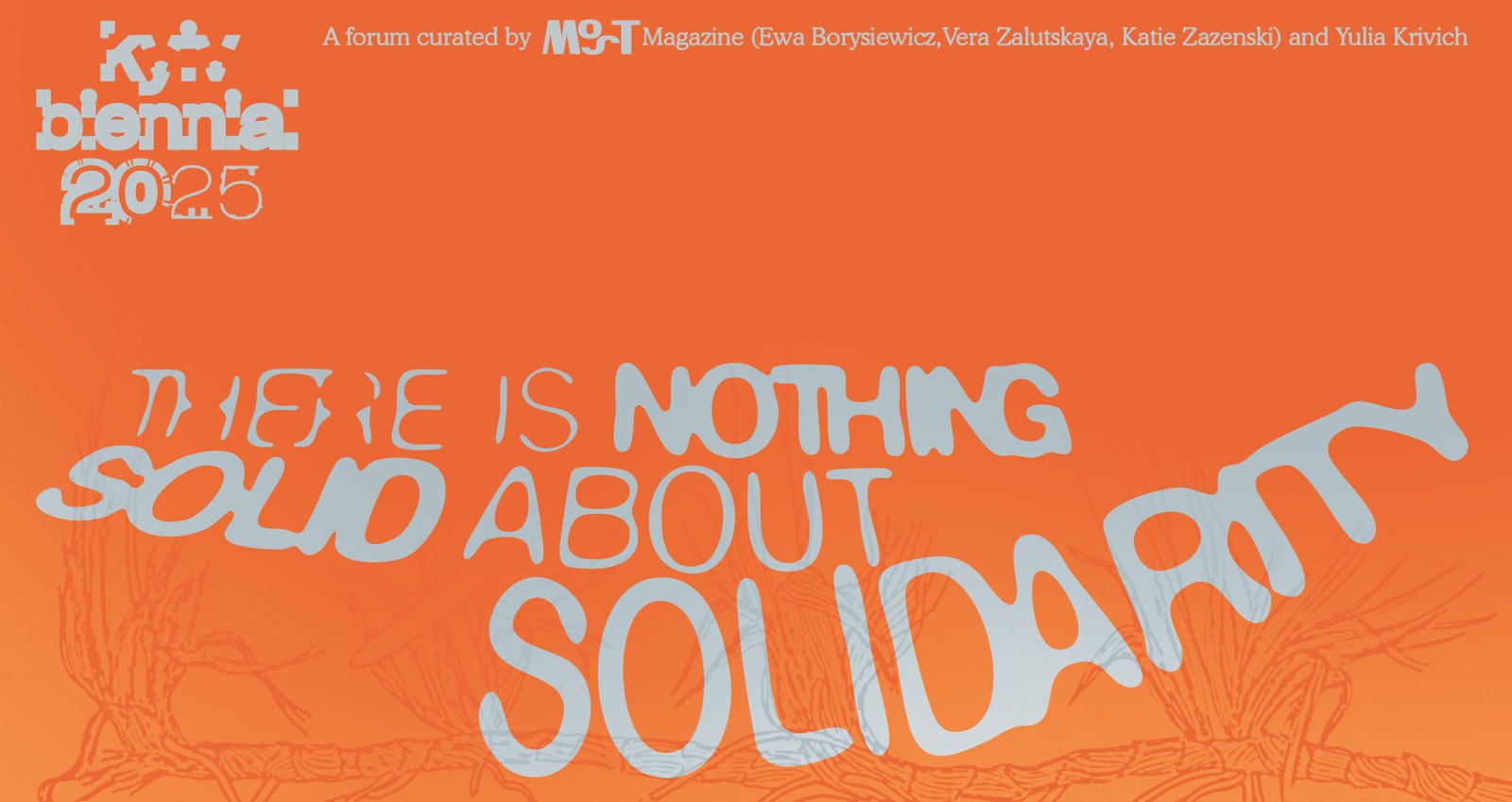
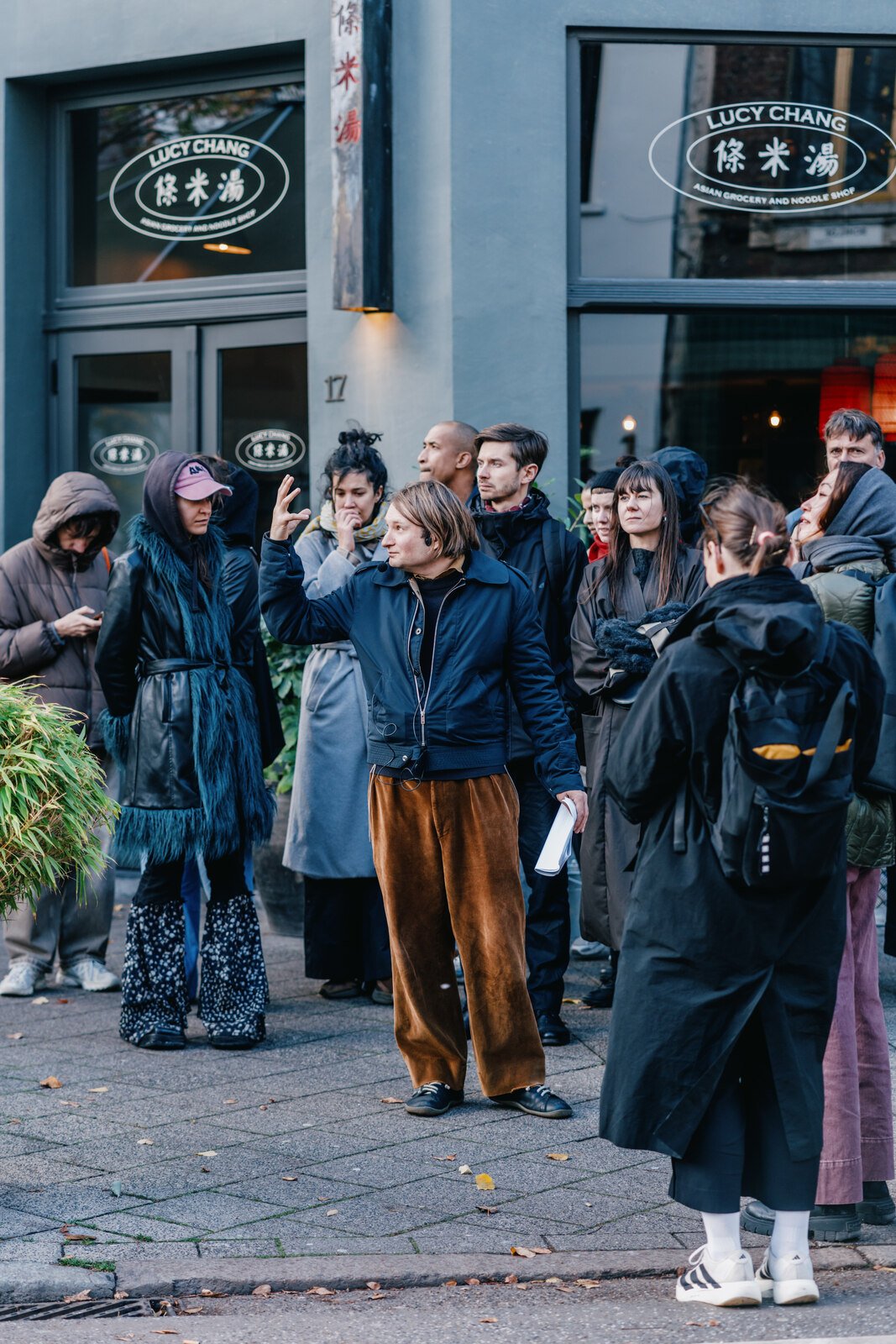
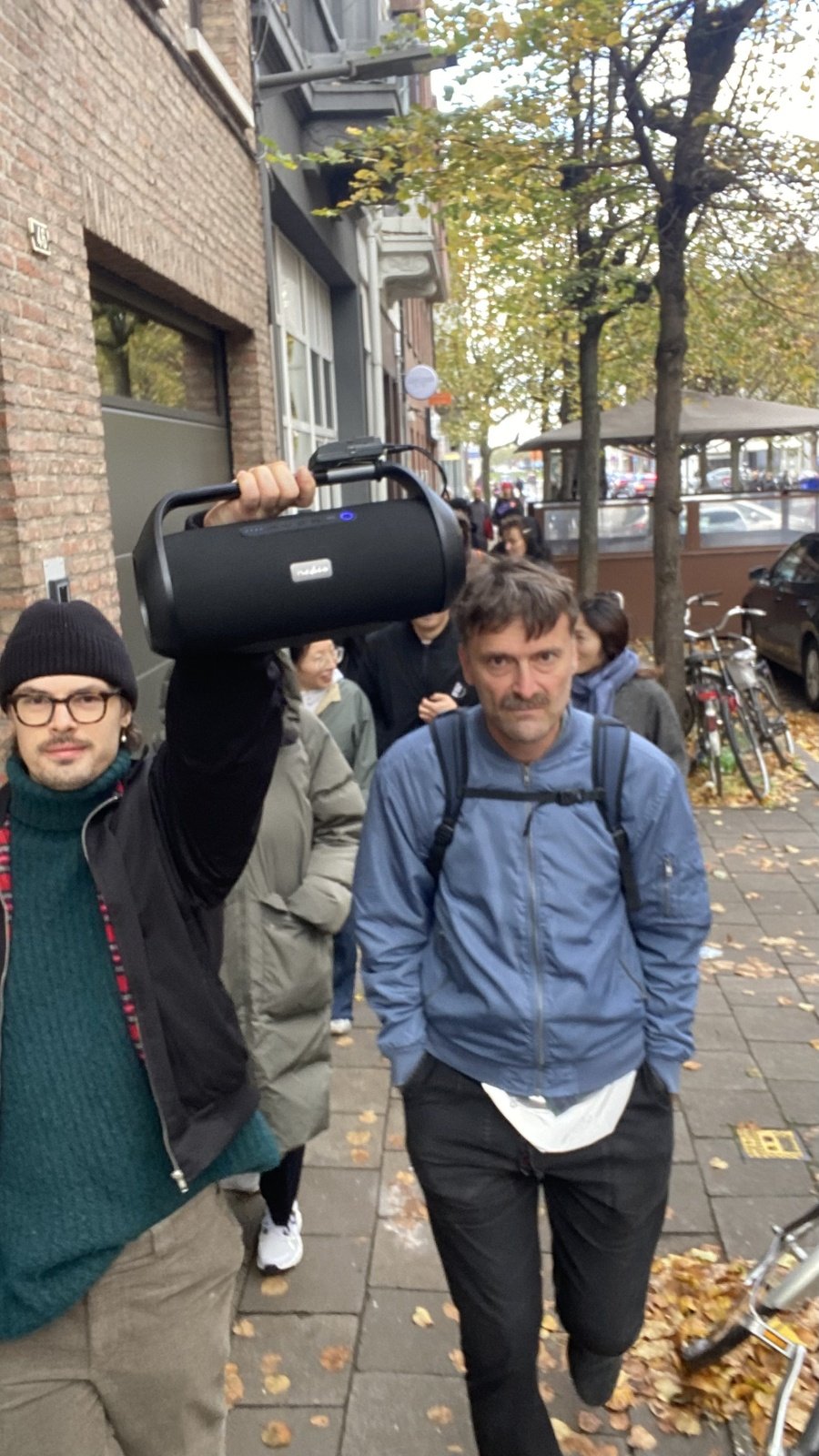
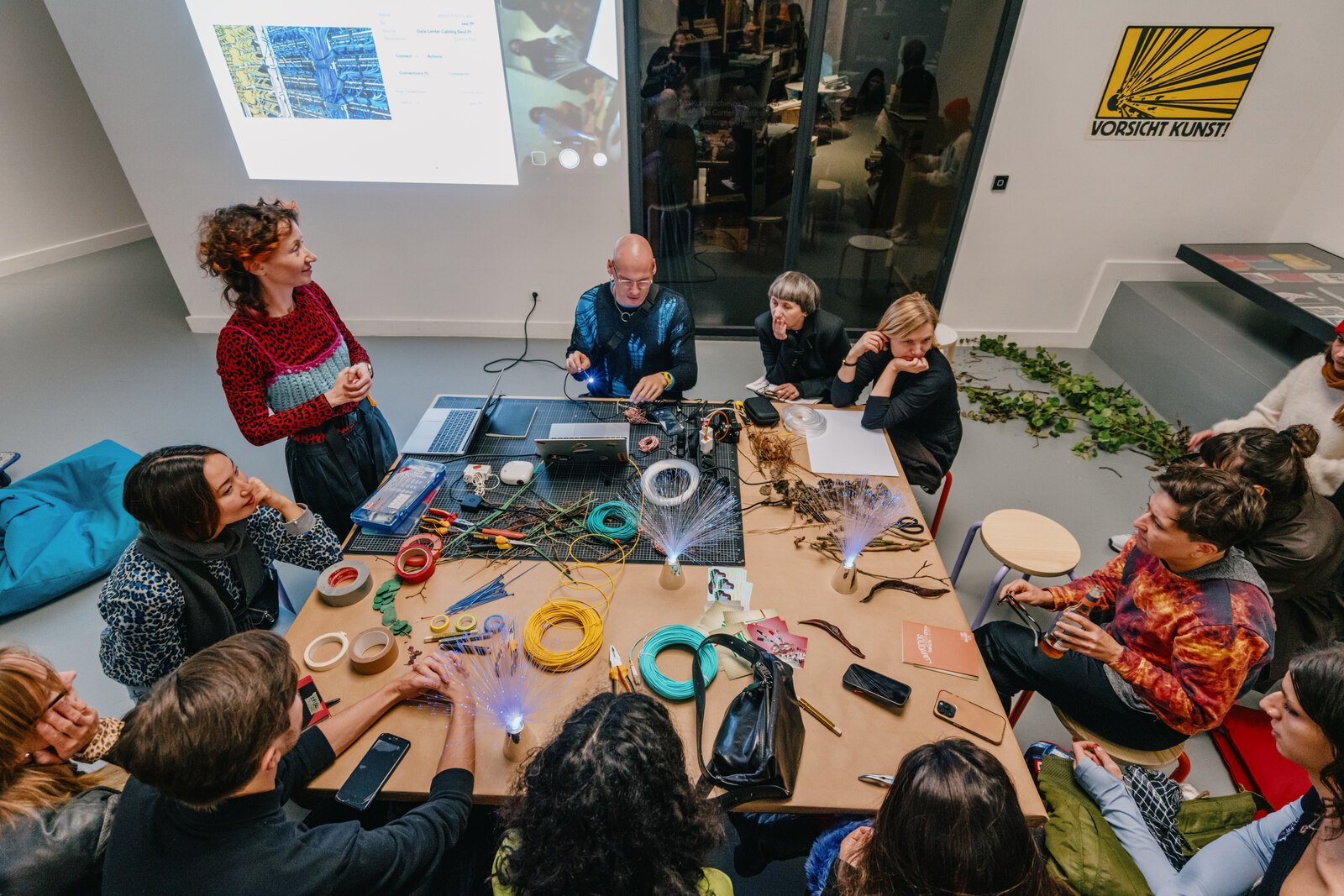
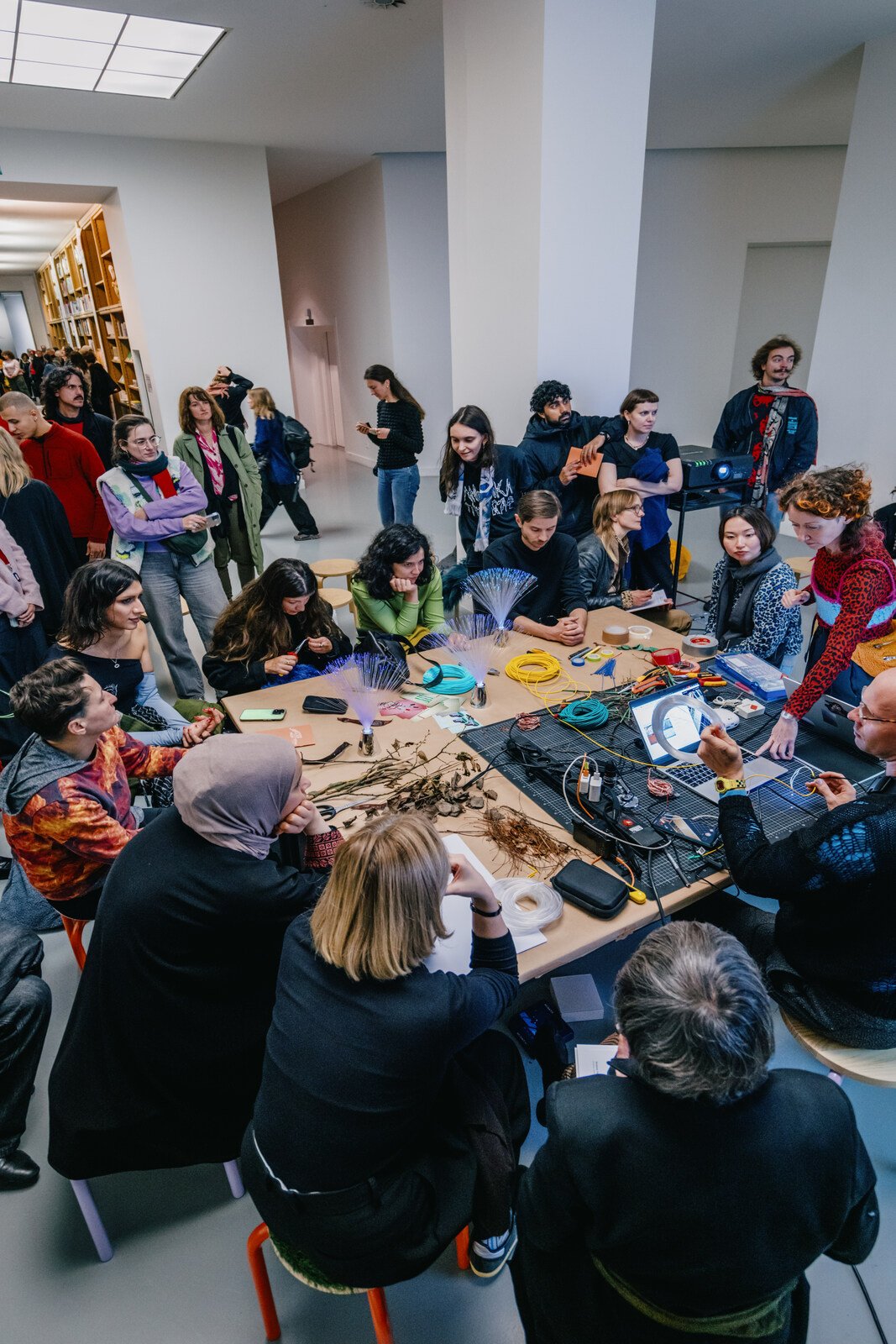
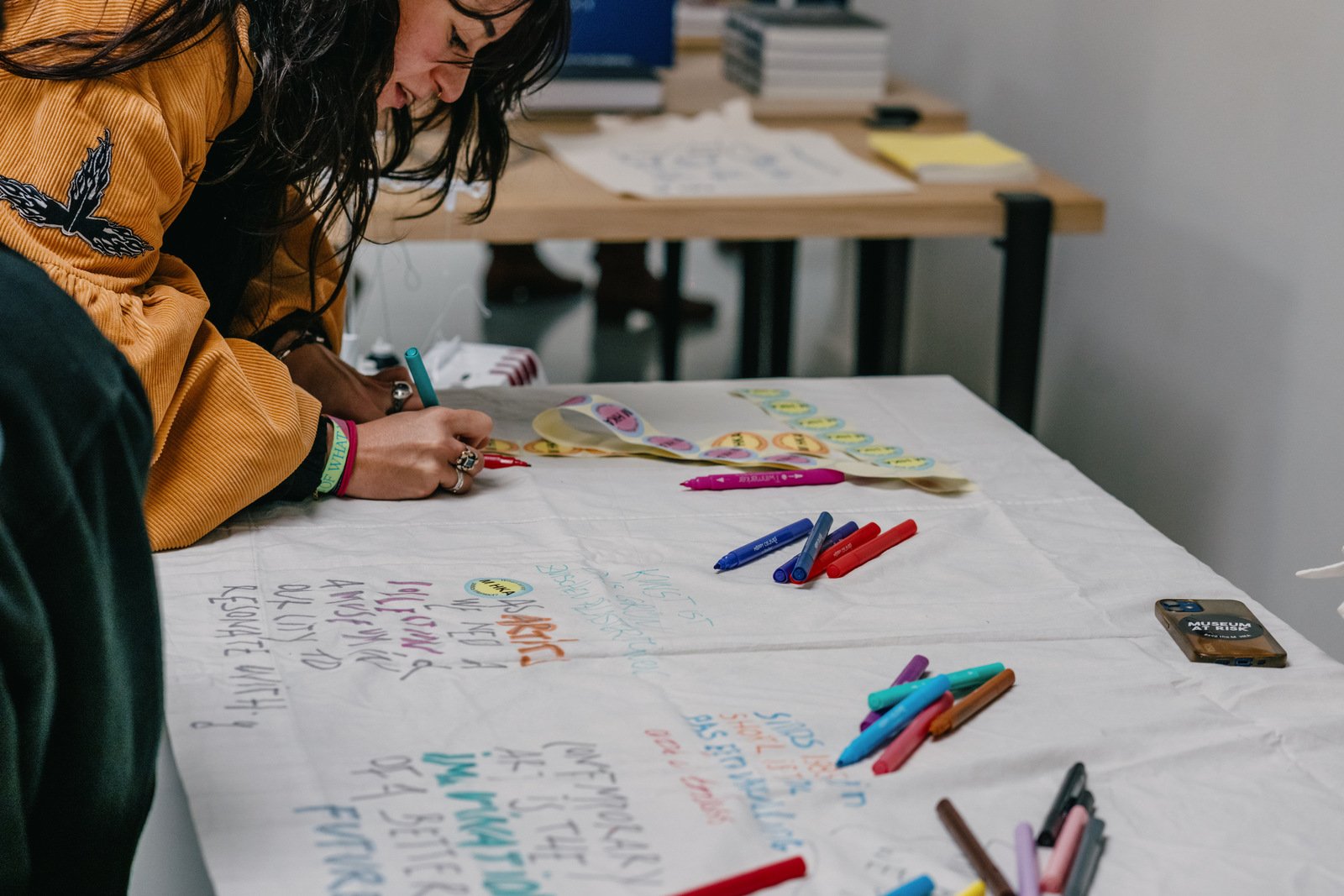
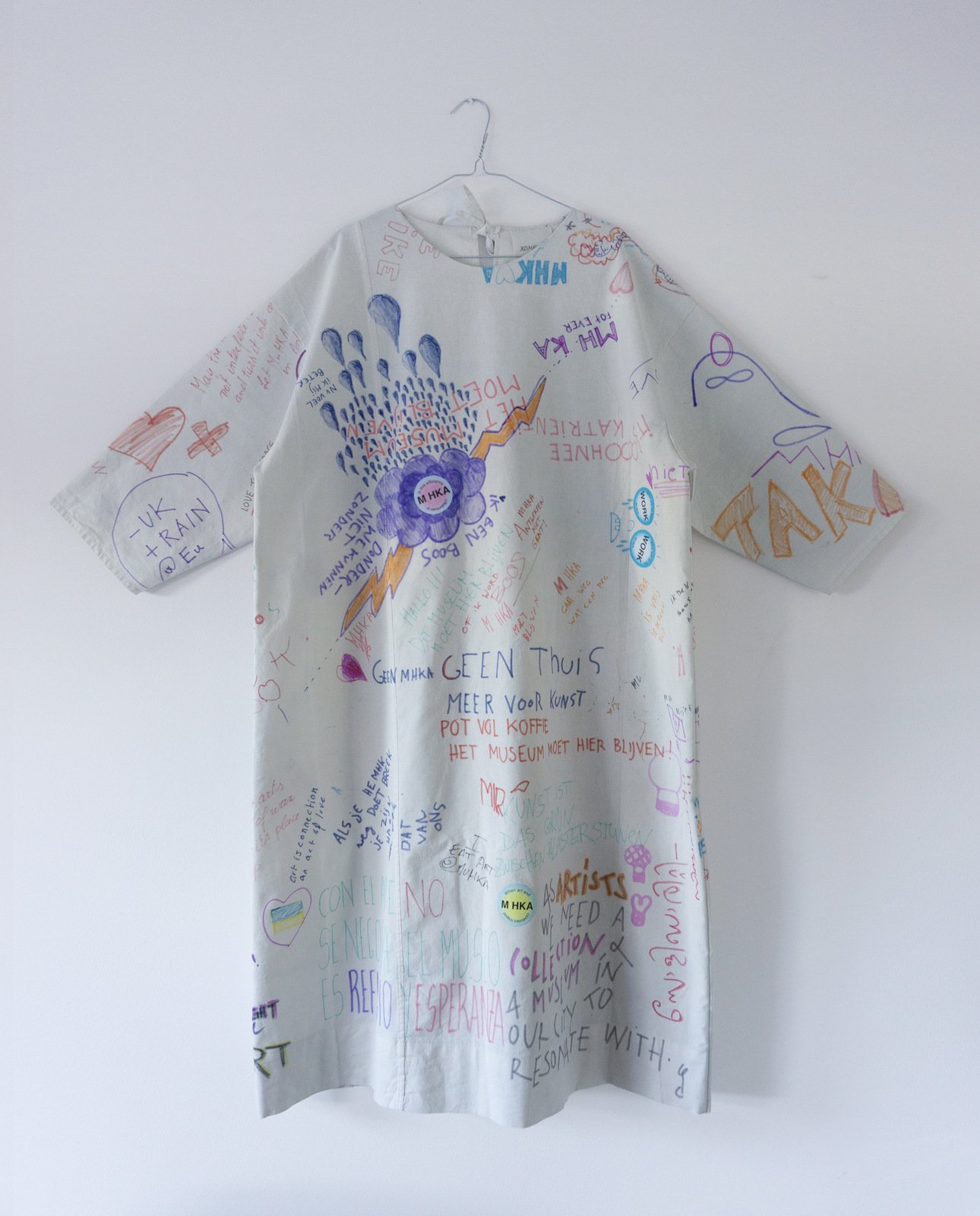
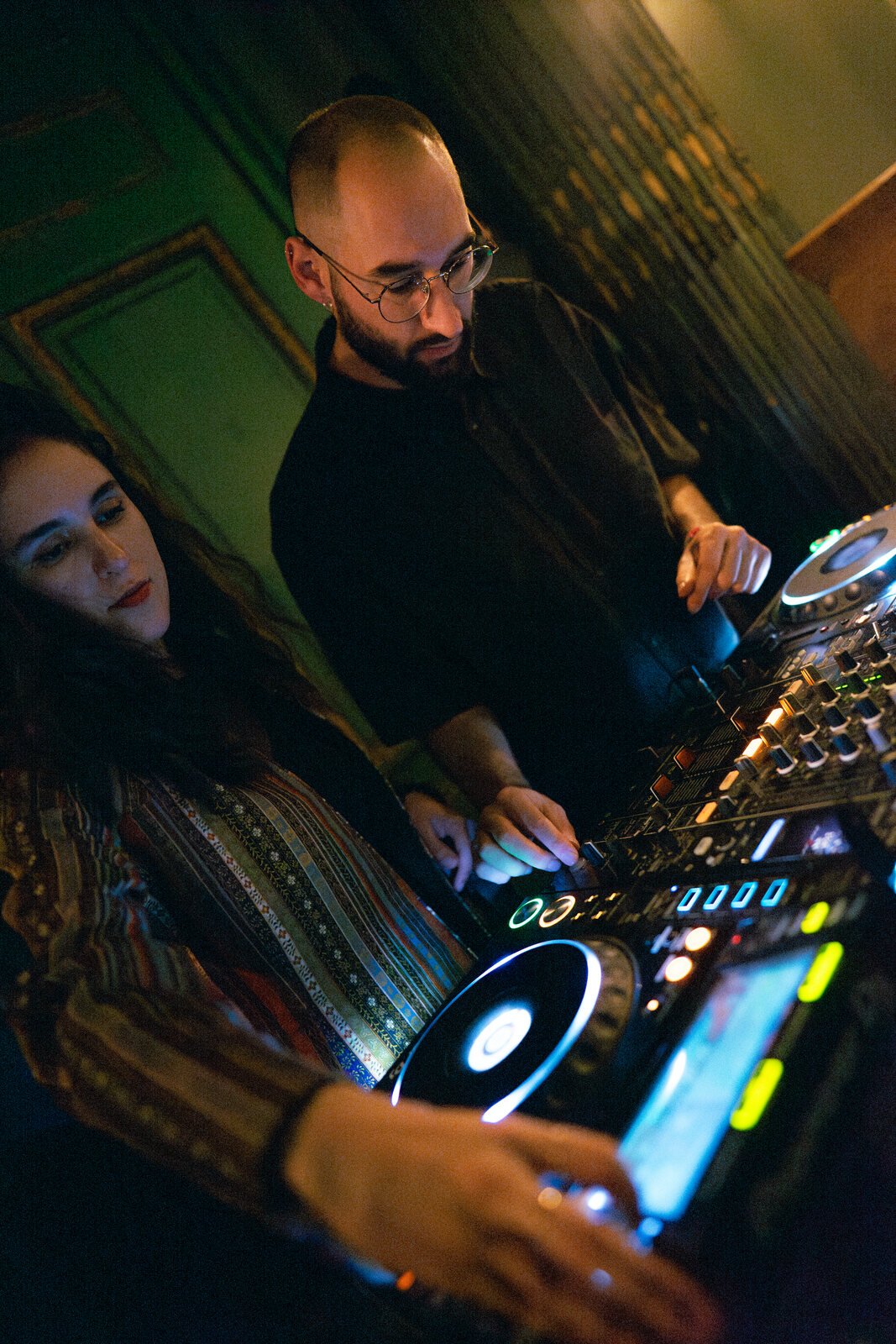
This text is one of four that was commissioned by the team of MOST to accompany their satellite program for the 2025 Kyiv Biennial, “There Is Nothing Solid About Solidarity.” The images accompanying this text are a blend of contributions from Kajet and MOST, starting with documentation of Kajet Journal and some featured works within the issues. The other images illustrate the performative elements of the forum, including a performance by Elif Satanaya Özbay, a walk by Nikolay Karabinovych, a session by eeefff, a workshop led by Yasia Khomenko, and a DJ set by Floèmee.
Petrică Mogoș and Laura Naum
To work with the concept of “Eastern Europe” is not to fix a point on the map, nor to frame it as a wound to be healed, a demon to be exorcised, or a gap to be filled. It is to engage with a living archive: an evolving constellation of intersecting histories, political imaginations, solidarities, and speculative (even interrupted or cancelled) futures that have long unfolded outside the sanctioned narratives of modernity. Thinking and writing about “Eastern Europe” are therefore not mere acts of representation, but of reconfiguration: of changing the very terms of visibility altogether. As Maria Todorova reminds us in Imagining the Balkans, what we end up calling “periphery” is not simply an omitted category; it is a boundary actively imagined by the centre as its “other Europe,” the incomplete twin of Western modernity. This imagination is hierarchical; it materialises with a type of violence that oftentimes is not just symbolic. According to this system of classification, the East is put forward as the West’s temporal shadow: belated, transitional, perpetually “catching up.” To publish “Eastern Europe” as a distinct category, then, is not to showcase an exotic so-called “periphery” but to question the very scaffolding of categorisation itself.
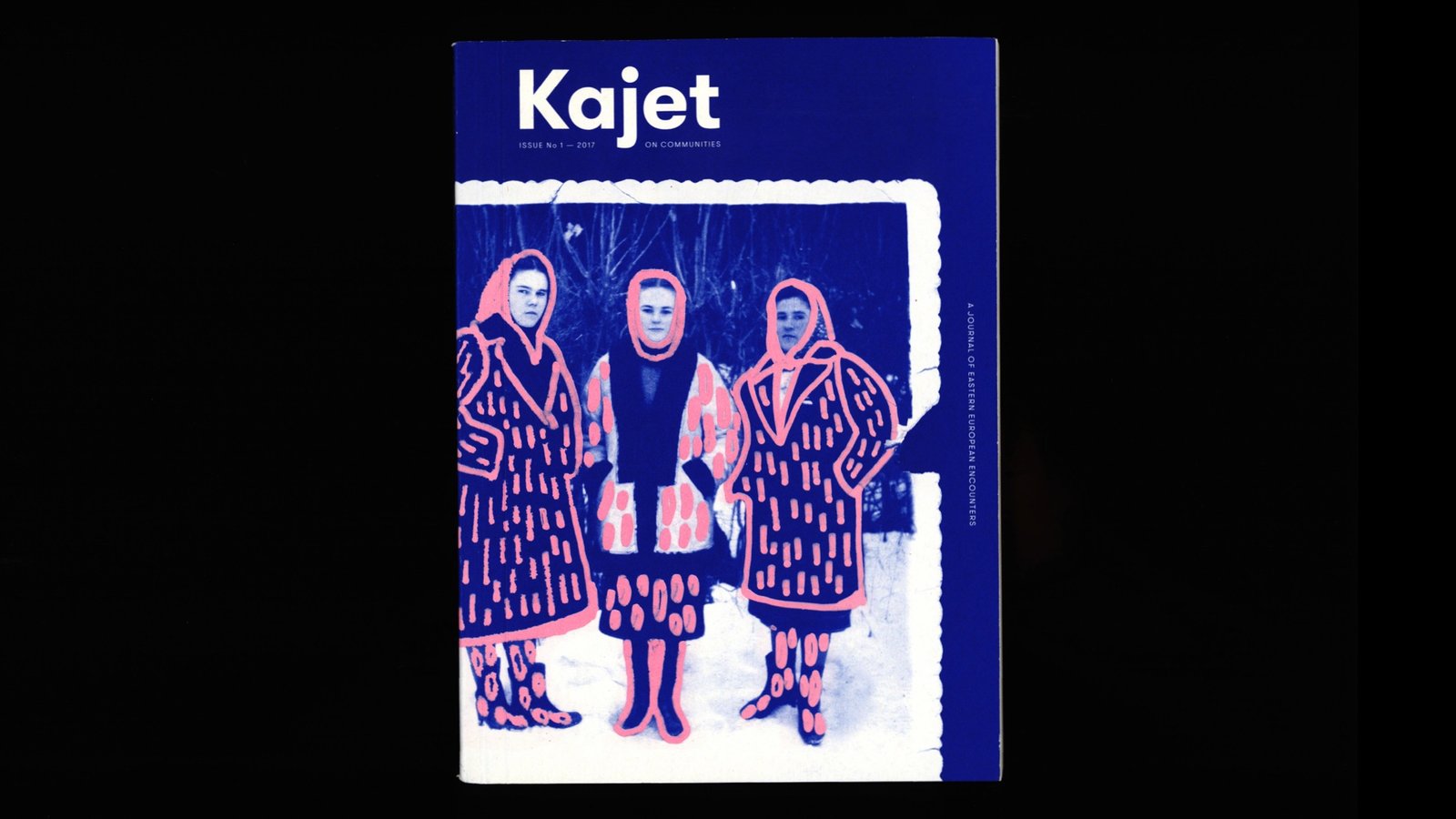
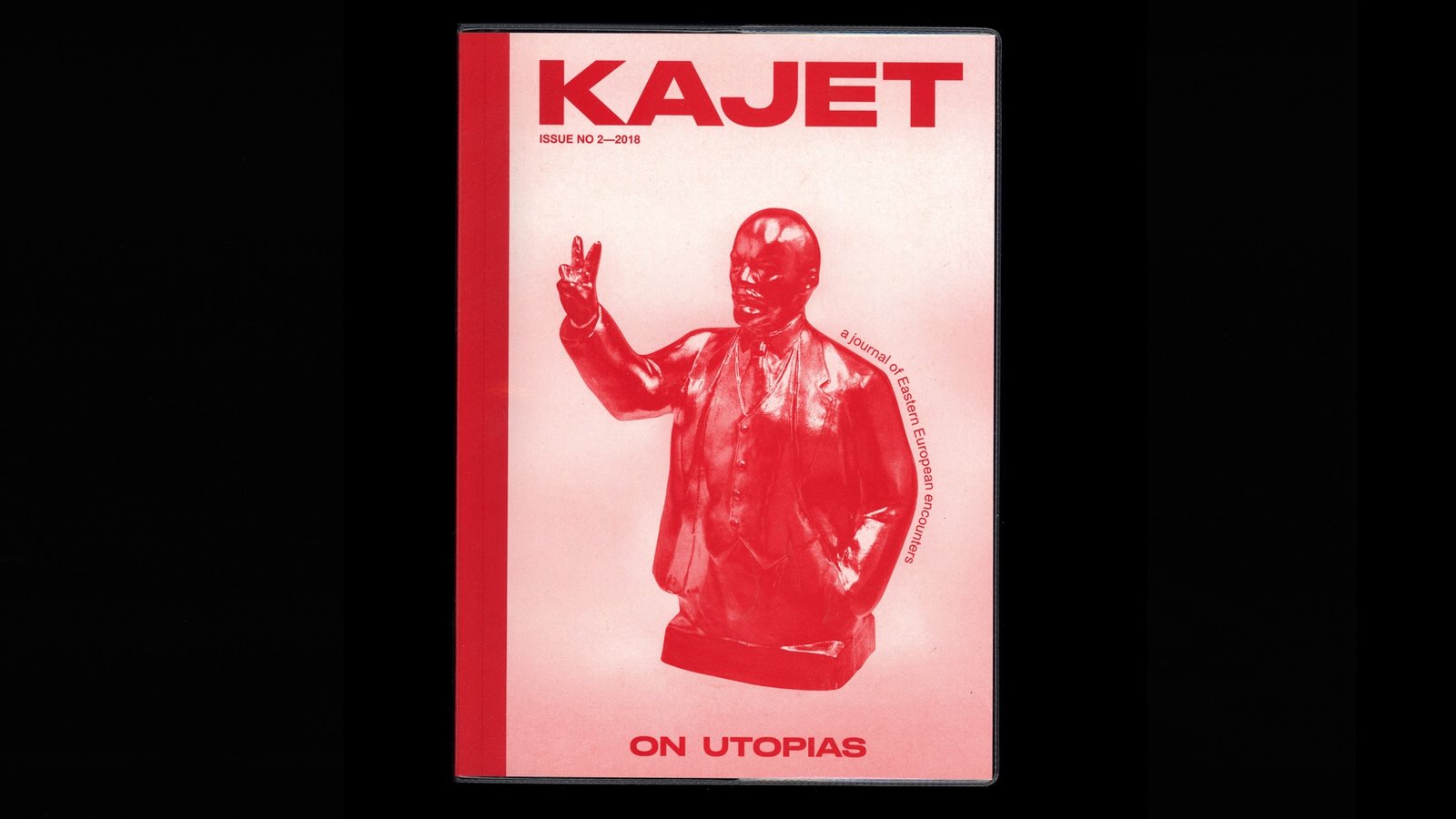
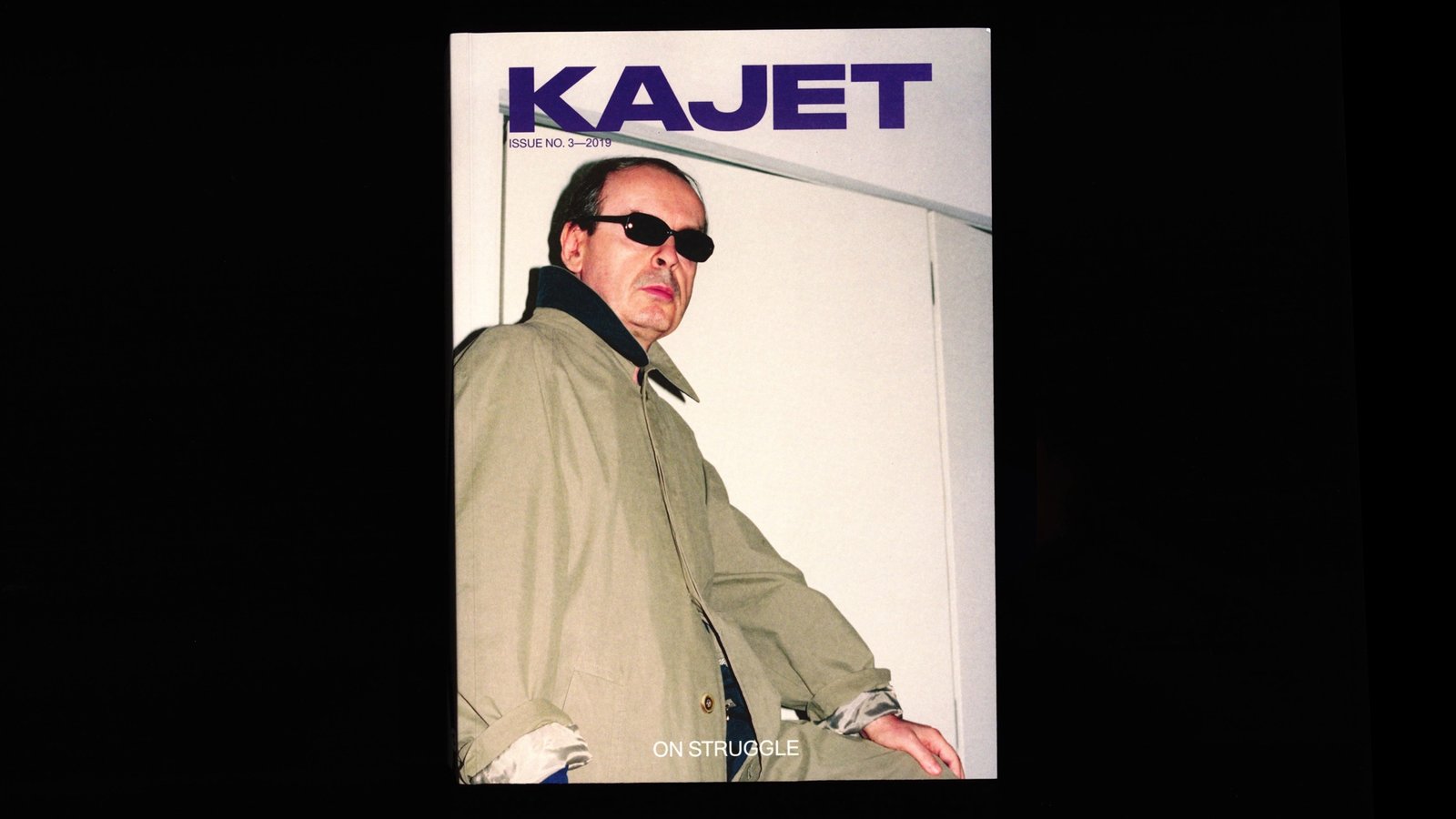
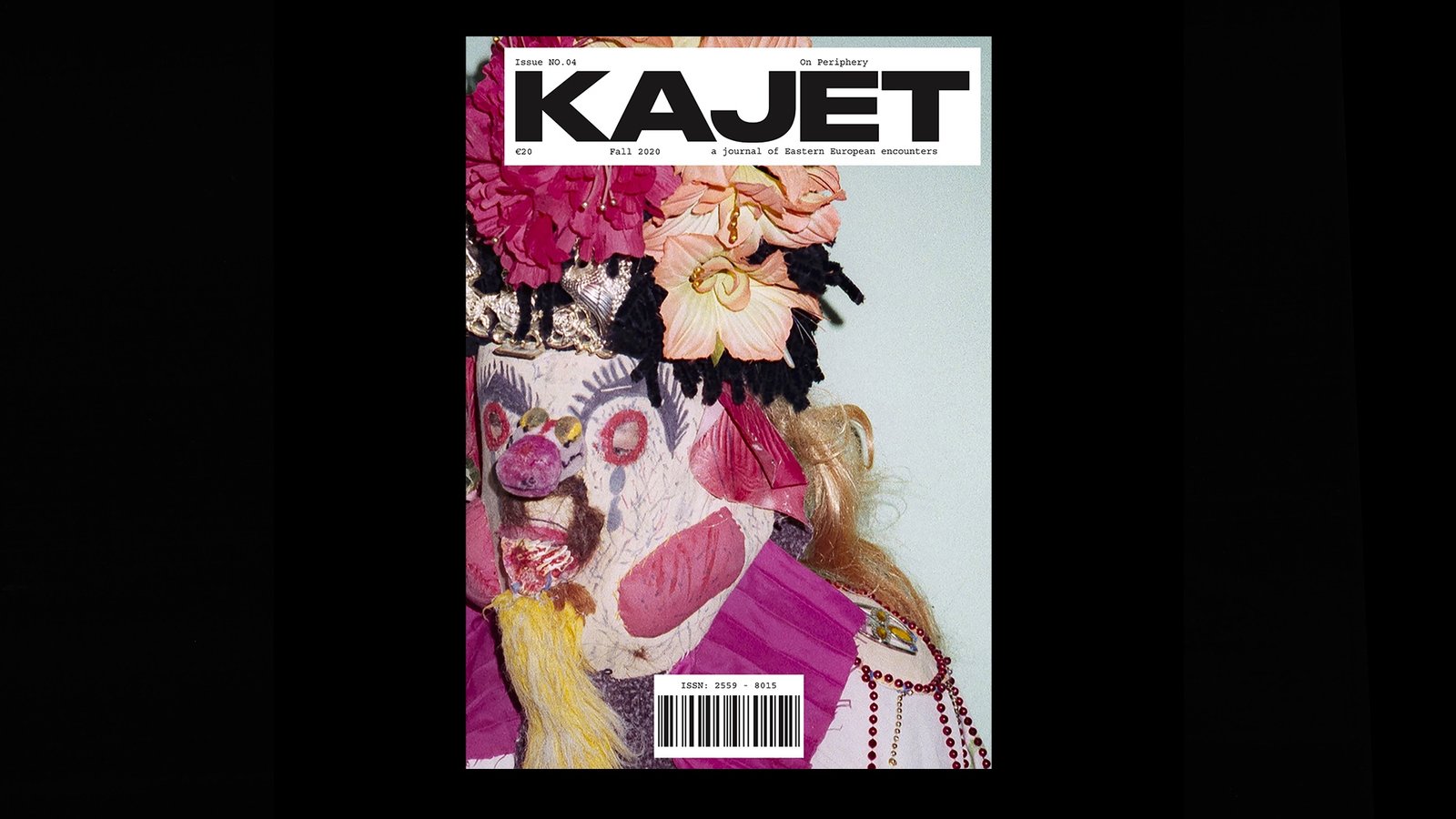
For a magazine whose tagline is “a journal of Eastern European encounters,” it may seem that we, Kajet,1 are forever confined within this frame of thought and operation. And yet, with every new issue (now approaching our sixth printed edition) we find ourselves returning to the same set of ontological-existential questions: What is “Eastern Europe” today? What does “Eastern” still signify? And, who are we within and beyond this ever-shifting landscape? We all know that the label is residual: a Cold War fossil, an ideological demarcation turned shorthand, a spatialised fiction (as well as a fictionalised space?) produced by geopolitical imagination and knowledge hierarchies. Just consider this: we never call Western Europe post-feudal, yet we habitually refer to “Eastern Europe” as post-socialist. The asymmetry is not accidental; it is epistemic. To label “Eastern Europe” in this way is to tether it to a historical bracket that constantly situates it in relation to a past from which it is supposedly (still) emerging. Almost four decades of keeping the pace, four decades of squaring the score. The implication is subtle but powerful. “Eastern Europe” is always seen as trying to keep up with the West, perpetually in transition, its present measured against an unspoken teleology of capitalist modernity. Too often, the region is framed as if it should – or could only – follow a single, linear trajectory, a predetermined end that invariably celebrates the triumph of market ideology and liberal democracy. This framing carries further assumptions: that so-called “post-socialist” citizens inhabit a hermetically sealed future, with no conceivable alternatives outside of neoliberal capitalism, that a universal project of humanity exists and has already been completed, or that history itself has reached its end.
Other contemporary thinkers, like Boris Buden or Gal Kirn, provide evidence as to how a discursive infantilisation of this side of Europe is subtly connected to colonial relations. “Eastern Europe” is treated as a region that needs to mature into modernity through a process that betrays less than elusive implications of paternalism, dependency, and subordination. Growing up may be possible, but only under the tutelage of adults who know better, and only if the children of post-socialism mature through the purgatory of arrested development and survive the interminable footrace that they have entered and now cannot abandon.
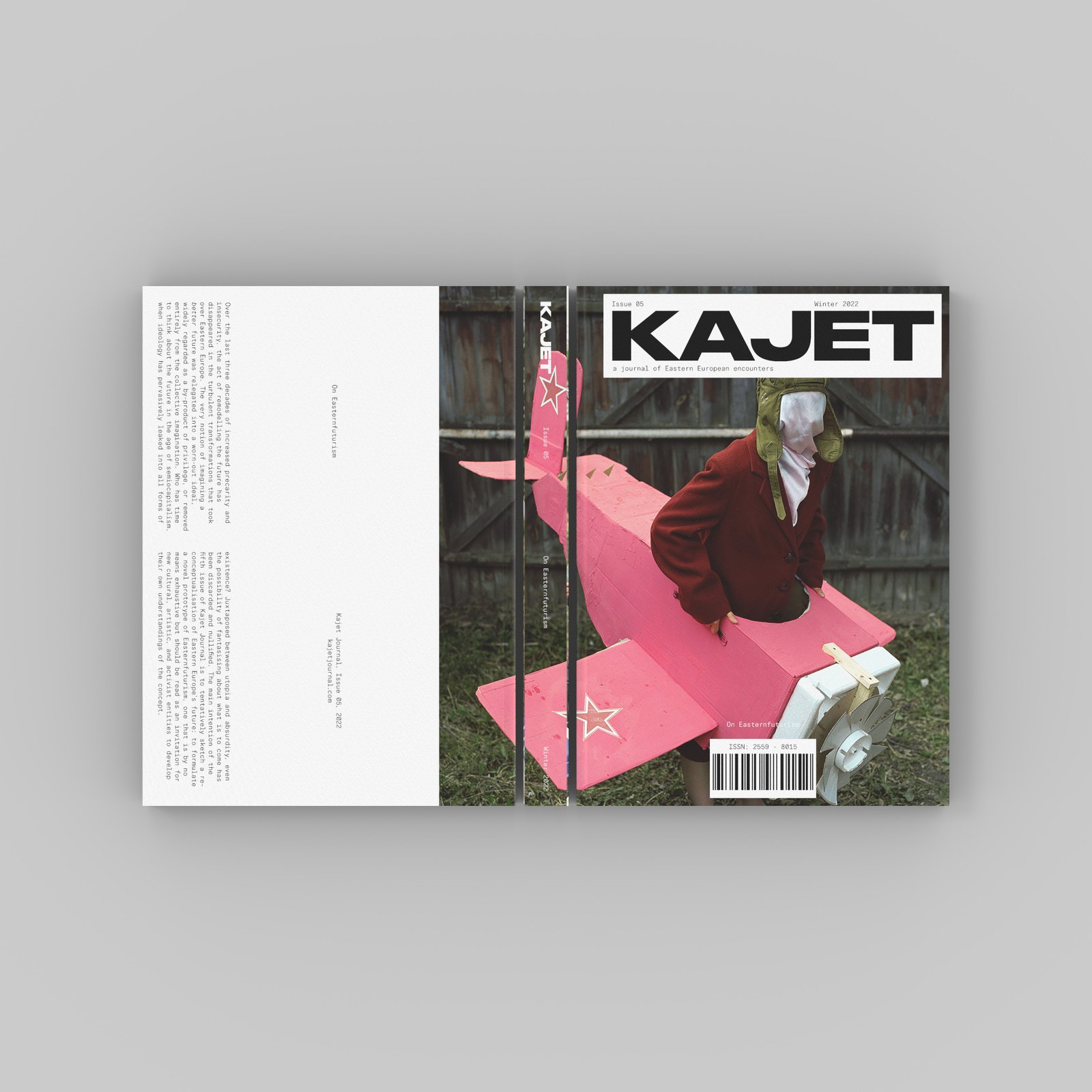
To speak of “Eastern Europe” without interrogating these assumptions is impossible. Rather than accepting a narrative of inevitable transition toward nothingness (anthropologist Felix Ringel smartly asks “When is post-socialism?” not just “What is post-socialism?” in order to precisely critique the very permanence of this condition), we understand “Eastern Europe” as a contingent and contested site, where histories, presents, and futures coexist in tension. In this sense, “Eastern Europe” is neither a space behind Western Europe nor merely a stage on the march toward capitalist modernity, but quite the opposite; we see it as a laboratory for imagining alternative temporalities, political projects, and aesthetic imaginaries that destabilise pre-existing framings. To some extent, Kajet seeks to document these parallel narratives; mapping correspondences between interrupted histories and presenting them in flickering motions that give alternative life to this space. These fragments are assembled not to complete an incomplete whole, but to make visible the fractures that once refused their very existence.
In this epistemic violence, language becomes an instrument of control, shaping not only what can be said but what can even be imagined. In naming and labeling, language disciplines thought, carrying within it the long afterlife of colonial hierarchies. With this in mind, we are aware that to keep juxtaposing East and West, North and South, centre and periphery in an endless storm of oppositions is to risk reproducing the very logic we aim to resist. This constant binary layering implies that all forms of marginality are temporary detours on the road to one “developed” end, that every periphery must make leaps in order to mimic the centre, that all histories must align with a single universal time, which, more often than not, is the history of the colonising power. On this note, Madina Tlostanova writes that decoloniality in post-socialist contexts requires a double awareness. We must unlearn Western epistemologies while simultaneously confronting our own internal colonialisms: the hierarchies between “Western” and “Eastern,” “white” and “non-white,” “European” and “almost European.” Alexander Kiossev takes this further through his “self-colonising metaphor,” where Eastern European subjects internalise the frameworks and expectations of the West, disciplining themselves to fit a normative standard of modernity, progress, and cultural legitimacy.
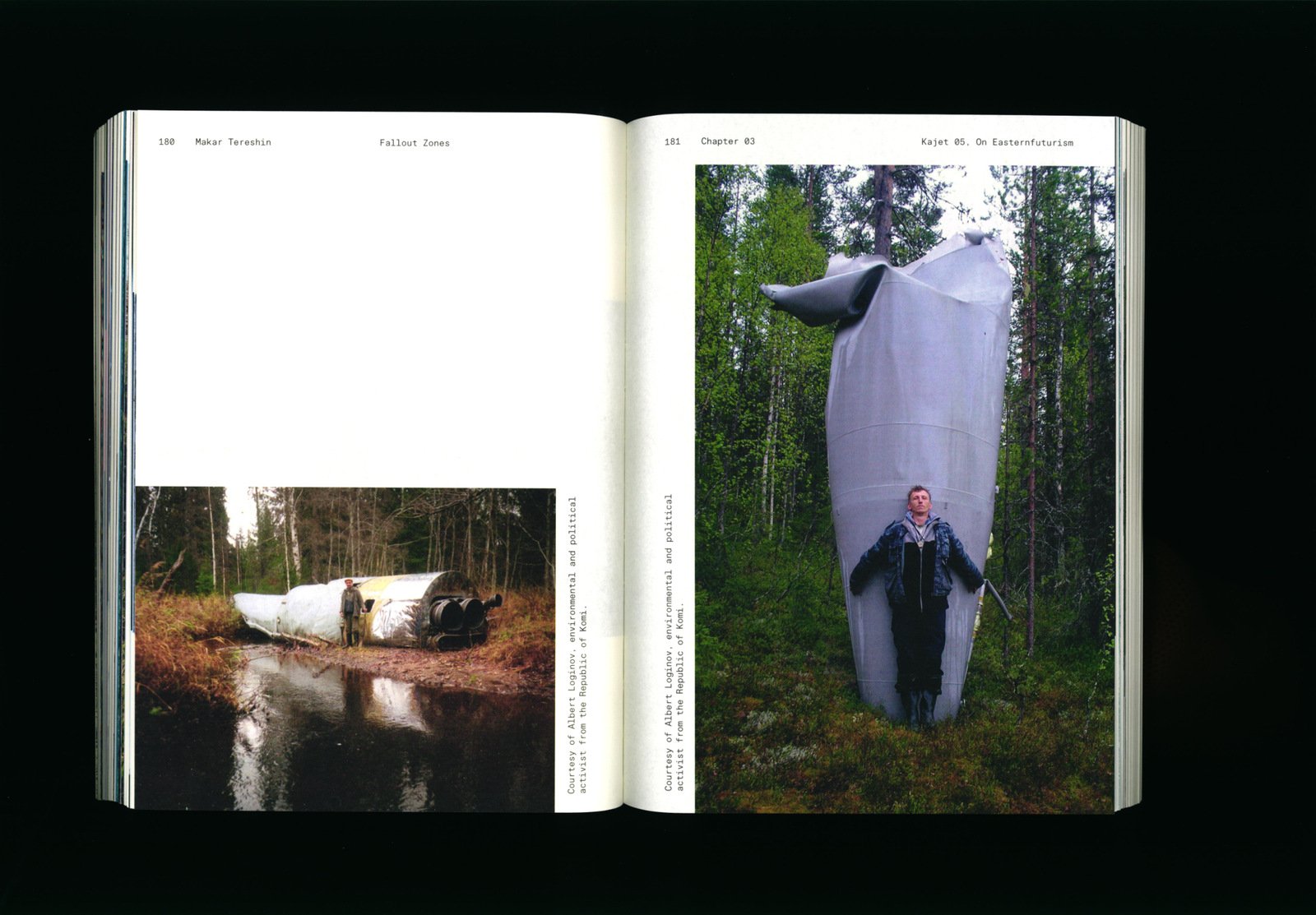
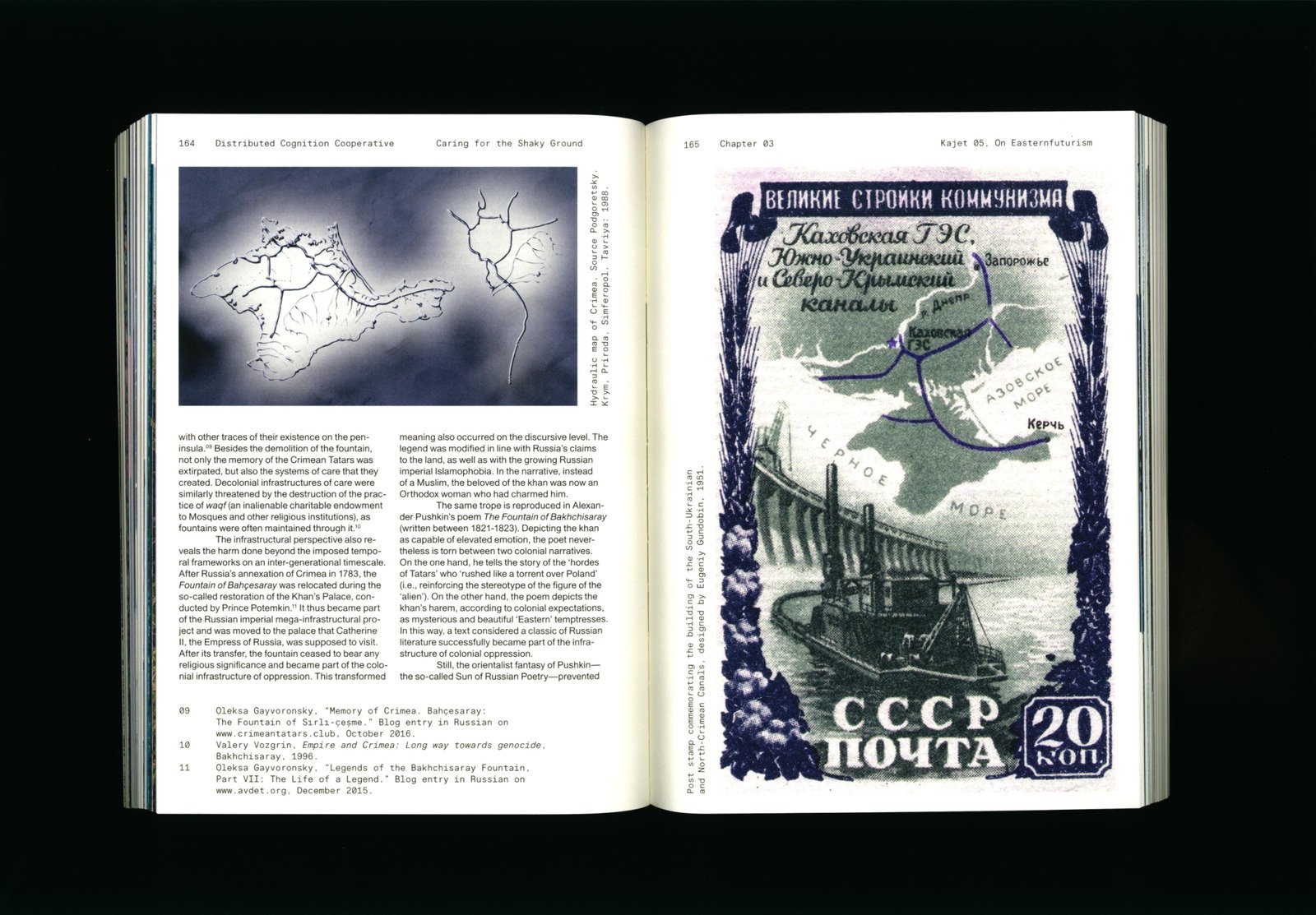
From these perspectives, “Eastern Europe” has learned to gaze at itself through borrowed eyes, measuring its worth against the very standards that have marginalised it. And this is no easy feat to deal with. Philosophers of language such as J.L. Austin or Mikhail Bakhtin show us that language has an inherently performative dimension: upon repetition and social circulation, the words we use help constitute the reality of the objects, identities, and norms they describe. Language is ingrained in the social reality of what it recounts. Language does not merely mirror the world; it brings it into being, actively producing it.
Still, despite this, we persist in using this codified label that splits our understanding of the world in unequal halves. We do so deliberately, insistently, even stubbornly. This is because language is not only a tool of reproduction – it is also a site of transformation, of redemption, of imagining otherwise. We wield it as an act of reclamation, snatching words back from the claws of history and reshaping them into instruments of recognition. We keep referring to “Eastern Europe” not to determine geographical allegiance or to reproduce pre-existing binaries, but to summon a shared sensibility: porous, shifting, self-reflexive. By intentionally redefining terms otherwise shaped by colonial power relations, we can assert new meanings, recover marginalised perspectives, and open spaces for alternative realities. That’s why we deem “Eastern Europe” as a functional, possibly empowering, category of thought.
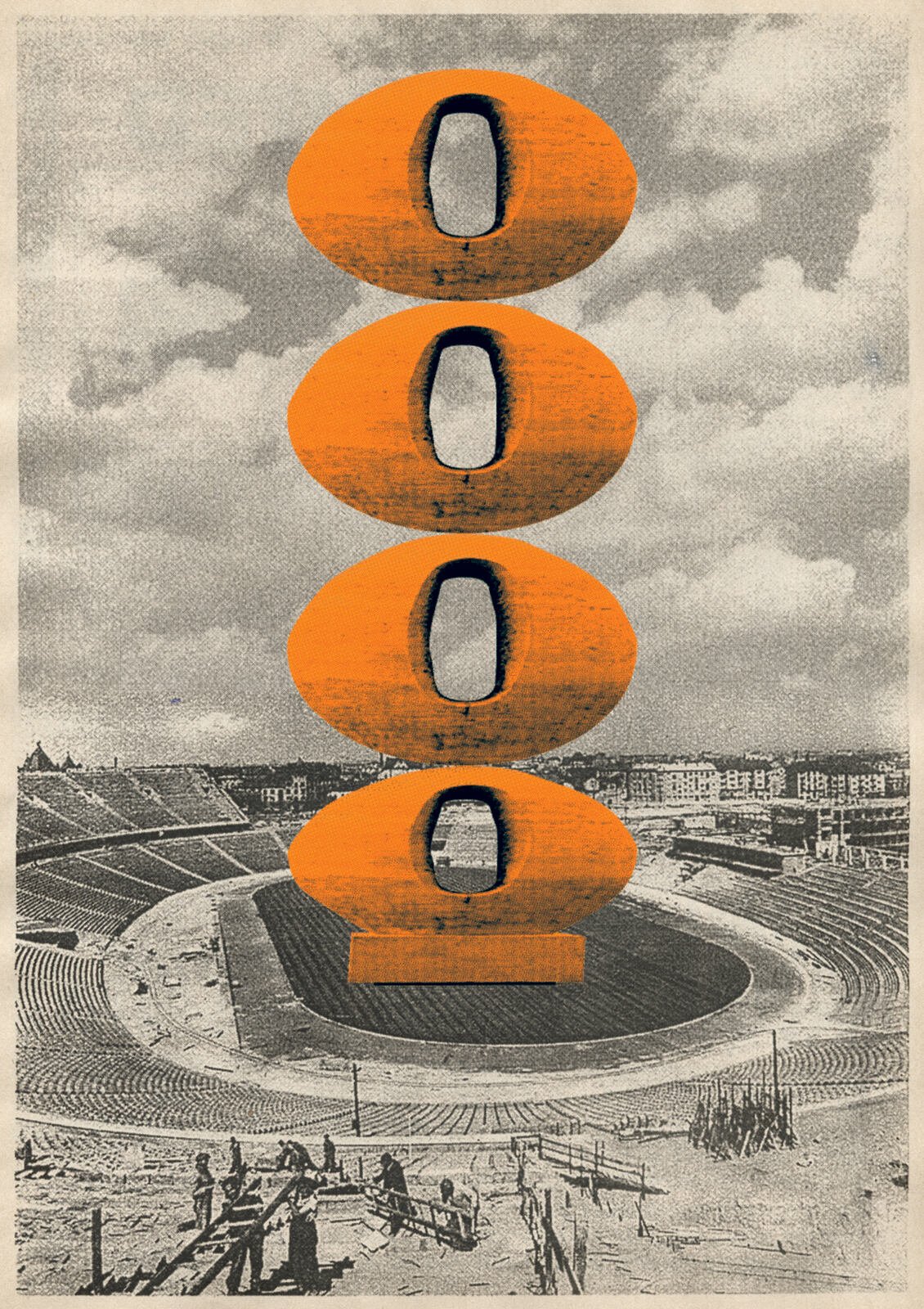
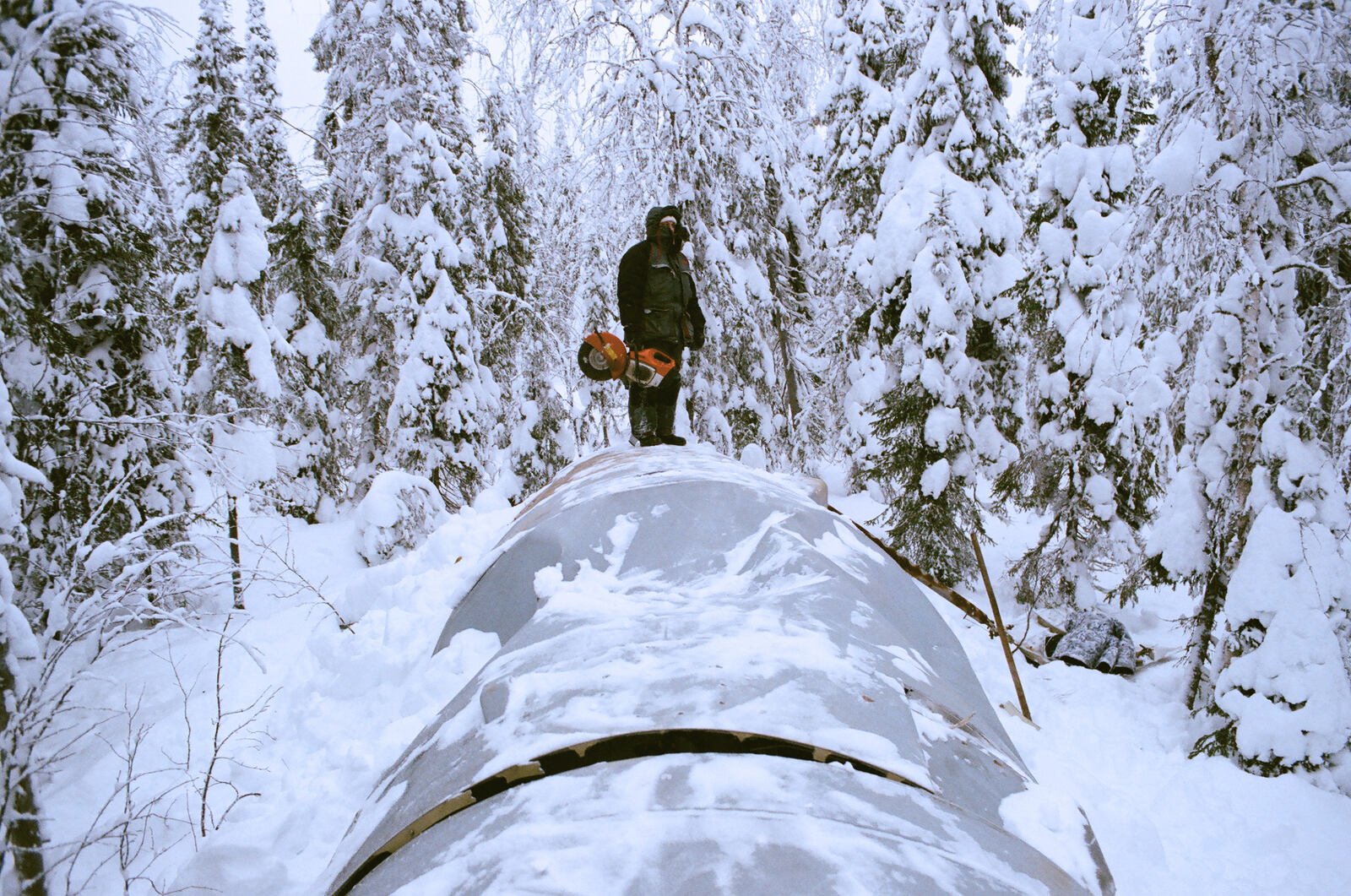
The term itself is a threshold through which we imagine alliances stretching far beyond the East-West binary. The periphery we keep referring to is never self-contained; it is always an East of something else, an orientation rather than a place, gesturing toward a wider web of links, nodes, and networks that reach beyond any fixed geography. It signals not a stable territory but a political and affective sensibility – one that is shared across the globe, that has both already been experimented with and still awaits further experimentation. The need to find allies and weave together threads emerging from post-socialist and post-colonial contexts is urgent. Decolonial thinkers, such as Édouard Glissant (and his focus on poetics of relation and opacity), Walter Mignolo (epistemic disobedience), María Lugones (plurality of worlds), and Gloria Anzaldúa (borderlands), offer invaluable tools for reimagining the “Eastern European” condition. They help us see it not as an exception within Europe, but as part of a larger constellation of struggles against epistemic dominance and for pluriversal futures.
To reclaim something that was never fully ours is to assert agency over narratives that sought to confine us. While the idea of “Eastern Europe” may well be dying, fading away under the weight of late-capitalist pressures, the sensibilities it nods to – of in-betweenness, improvisation, endurance – persist. They resonate across peripheries, not by accident but through structural, affective, and historical affinities that help us learn how to dwell in the in-between.
* * *
Working from, with, and about “Eastern Europe” often means speaking in translation. As part of our work with Kajet, the English language has been both conduit and constraint. It has allowed our ideas to circulate, to reach beyond the region, to enter dialogues that would otherwise remain closed. In that sense, we recognise that the West, here embodied by the English language, has done us a favour. It has given our agenda a vehicle.
This comes with an obvious paradox. If one of our aims is to decolonise the way “Eastern Europe” is narrated – in publishing, criticism, visual culture, academia, and beyond – then our reliance on English risks reproducing the very hierarchies we want to unsettle. To communicate our position, we have had to adopt the lingua franca of the centre. It is, admittedly, a tender form of self-colonisation, Kiossev and others will argue.
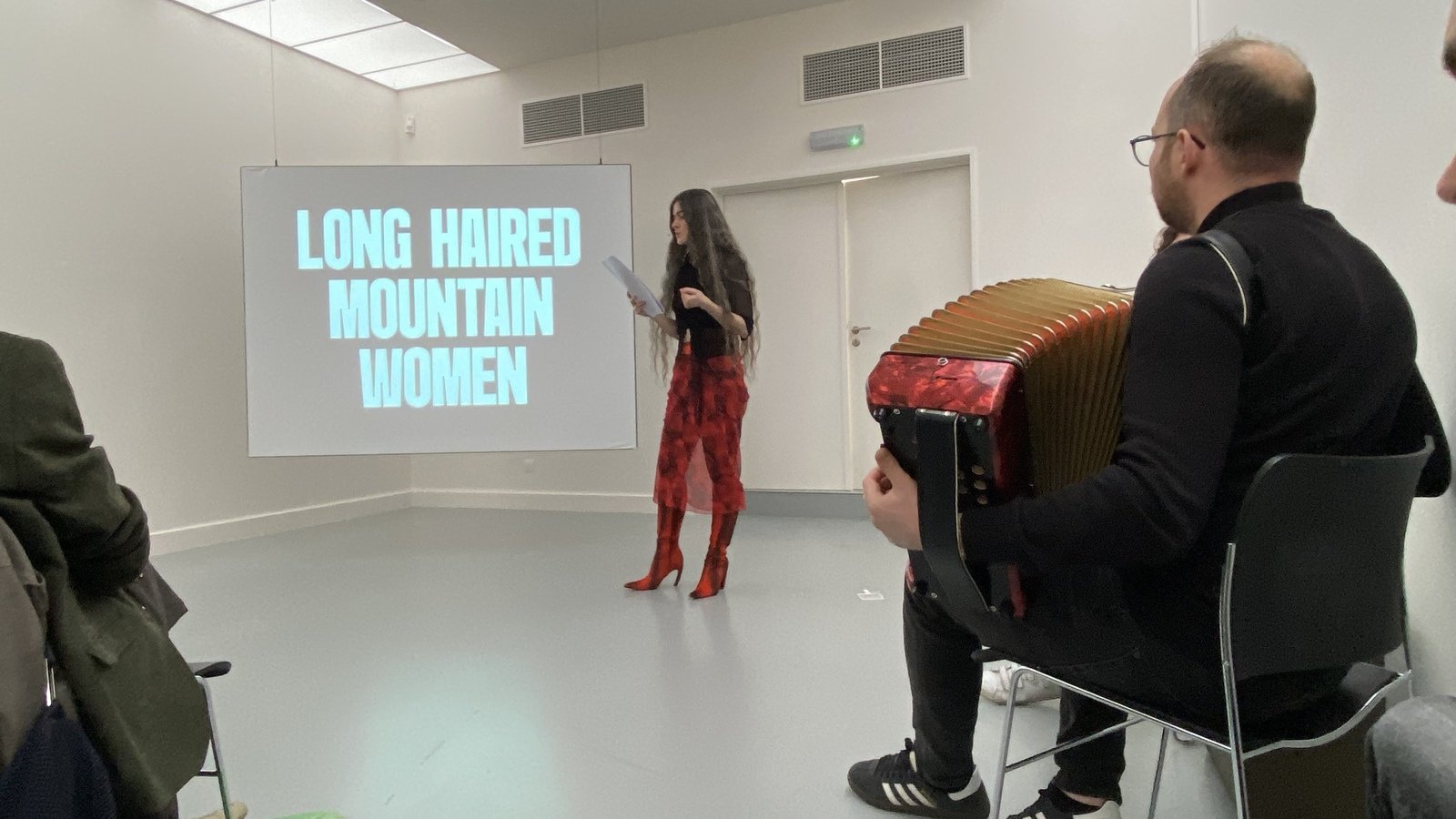
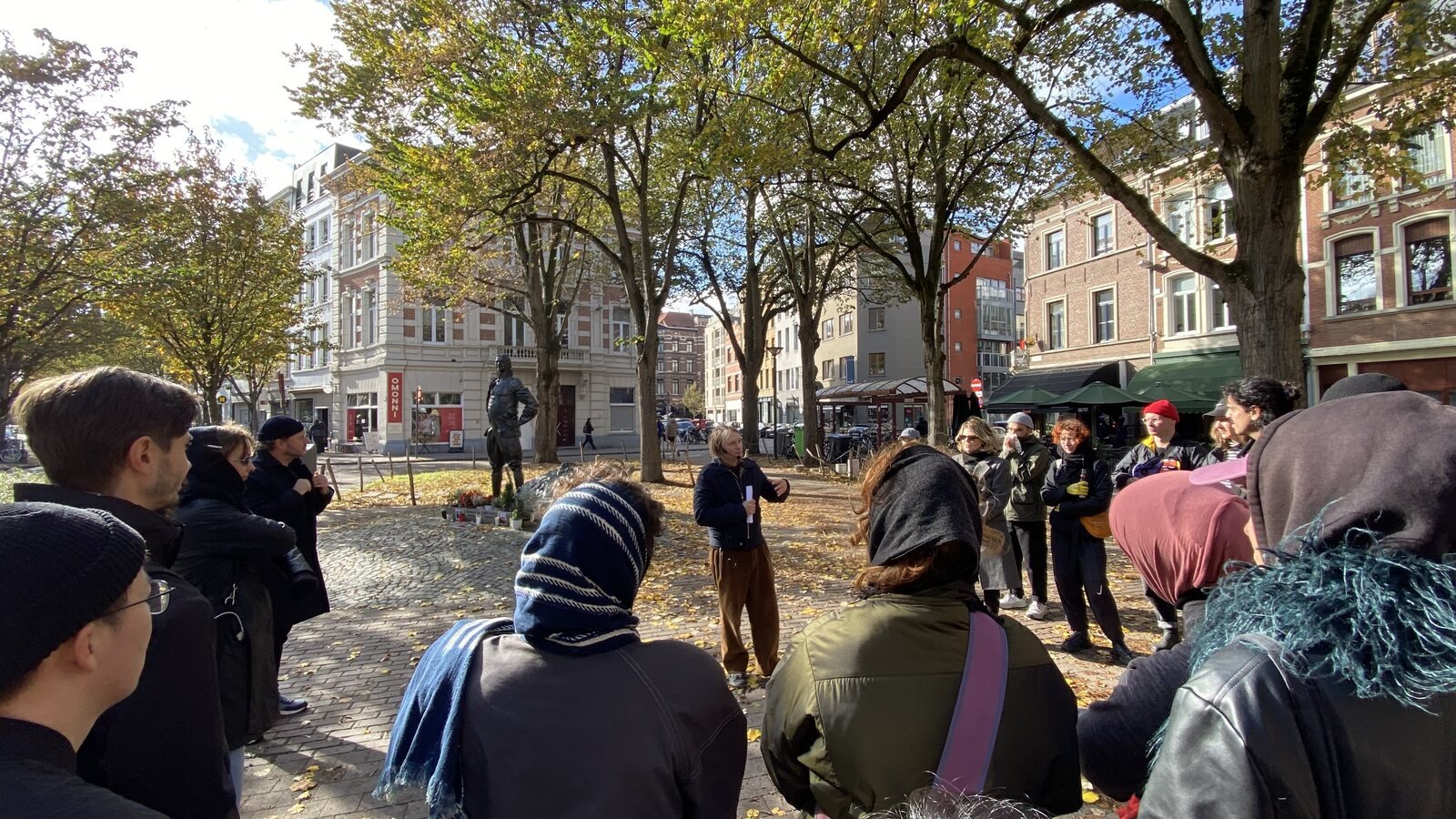
Yet, to publish in English, from Bucharest or Chișinău or Sofia, from Kyiv or Warsaw or Budapest, is not an act of surrender but of navigation. It acknowledges the asymmetry of global publishing while quietly exploiting its reach. It is a form of world-building that begins with the tools available – even those inherited from our own elsewhere – and retools them for our own purposes. The task has less to do with purity (or complete lack thereof) and more with pragmatic availability. So, rather than treating this compromise as defeat, we choose to regard it as strategy. Using English is not about curating the East for a Western gaze; it is about inserting a myriad of subaltern perspectives into a shared linguistic field, where it can circulate on its own terms. To foster any kind of discursive shift, we must first be legible – and legibility requires quite literally a common tongue. The question, then, is not whether we use English, but how we use it, and to what end. To speak in a borrowed language without borrowing its worldview. Our relationship with our readership mirrors this linguistic position. We write in English not to privilege Western readers over Eastern ones, but to create a shared site, a space where regional experiences can be articulated without provincialisation. The local, the specific, the micro-level are given in this way a broader resonance and are allowed to bubble up to the surface.
Kajet’s very name embodies this attitude. Derived from the French cahier, meaning “notebook,” it plays with the phonetic assumptions attached to “Eastern-sounding” words. It looks slightly off, slightly other, familiar yet unplaceable. The name performs a small act of reversal: it takes one of the languages of the centre, the codified speech of institutions and canonical forms, and bends it, stretches it, and returns it as something hybrid, something that carries both recognition and rupture. This is not so much about irony as it is about reclaiming authorship over how the East appears, sounds, and speaks, about insisting that the terms of representation are not given, but negotiable. Our cahier kajet, then, is not tabula rasa. Our notebook does not consist of empty pages waiting to be inscribed with some teleological history, nor is it a void to be filled with retrospective meaning. It is pretty much already crammed with side scribbles, parallel narratives, fragments of alternative worlds, and the traces of ideas that refuse to settle until they are heard. It is a space under pressure. Dreams, fragments, and marginal notes are not distractions; they are the productive residue of living in-between, the raw material through which new forms, correspondences, and solidarities emerge.
The techno-utopian metaphor that perhaps best captures our condition is that of the “vise.” If vise, in Romanian, means “dreams”, from the Latin visum meaning “vision”, in English it describes a device that holds something under pressure from two opposite sides, caught between two parallel jaws, threaded in and out by a screw and a lever. The joke kind of writes itself. And yet, in this metaphor, we inhabit that compressed space, a site simultaneously constrained and generative. The pressure is palpable, but so too is the friction, the heat, the energy it produces. Our dreams, however constrained, do not vanish; they are activated by this very compression. In the space of the vise, imagination becomes a force capable of remaking thought, form, and relations.
“Eastern Europe” is then both implosion and embrace, both rejection and acceptance. Less a point of demarcation and more a shared grouping that does not deny access to the other. It is a space of relational possibility, where difference is neither deficit nor obstacle, but the very condition through which alternative futures are imagined and enacted. From its tension emerges a different kind of temporality and politics: one that is attentive to the histories, ruptures, and unrealised futures that dominate our landscapes. It is a reminder that the margins – the so-called peripheries – have never been empty or derivative; they have always generated theory, form, critique. But crucially, this production does not occur simply in reaction to the centre; it happens in conversation with other peripheries, other sites of precarity and invention that pulse with similar rhythms of improvisation and resilience. It is within this “inbetween” that our work with Kajet unfolds. Not as apology, not as mimicry, and certainly not as a claim to universality, but as speculation and proposition.
From here, we might begin to imagine a pan-peripheral movement of solidarity – one that unites peripheries not through inherited labels, but through shared practices of survival, creation, and care. A solidarity that also extends toward the so-called “West” because the “West” too needs saving from itself and the fatigue of its own myths of progress and the illusion of a single modernity. Rather than imagining solidarity as a fixed alliance of the marginalised, we might think of it as a shifting ecology of relations – an ever-forming constellation of peripheries that meet, overlap, and transform one another.
This type of openness is akin to what Édouard Glissant calls “archipelagic thinking”: both a mode of introspection and a method of relation. It teaches us to attend to the smallest details – the fine grains of the soil, the smallest of rocks in the river – and to see them as part of a wider, living network. The archipelago, as a chain of islands, is a model for imagining solidarities, for thinking beyond systems and borders. In this view, the periphery is not an island, not a margin, but a node in a web of mutual becoming. This relational poetics aligns with our own practice, one that challenges linear narratives and inherited templates of thought and builds bridges and shared horizons across fragmented geographies. Instead of one centre radiating outward, we begin to see archipelagoes of peripheries, linked through acts of translation, publishing, sound-making, image-weaving, producing hybrid forms that refuse containment within national or disciplinary borders.
These histories of pan-peripheral entanglement dispute master narratives and open cracks through which we might glimpse new forms of transregional commons, especially now, when identity itself is increasingly built upon the demonisation of difference and the machinery of othering. To reclaim the periphery as a locus of power is to end the mythical cycle of “catching up,” of one modernity, one history, one future.
Of course, a magazine alone cannot achieve this. But it can act as a catalyst – a space where conversations take shape, where ideas circulate, collide, and begin to root. With Kajet, we seek to consolidate absent histories, crafting our own timeline not as a counterfeit of the past, but as an imaginative and empowering act. This requires more than witnessing or documenting; it demands the courage to imagine the world otherwise. If post-socialism insists on a single trajectory of growth, accumulation, and inequality, our response must move sideways: lateral, zig-zag, spiral. If the centre insists on linear time – one-way transitions, irreversibility, and endless catching up – we counter with constellation time: a temporality of interruption, reflection, and reassembly. Thinking sideways instead of forward. Against linear progress, we propose multiplicity; against hierarchy, relation; against universality, the right to opacity and the blessing of specificity. By embracing parallel, contradictory, and coexisting imaginaries, we resist the tyranny of linear narratives and breathe life into the plural histories and futures of the so-called peripheries – and of all worlds entangled with them.

Petrică Mogoș and Laura Naum are the founding editors of Kajet, a journal that seeks to critically map the Eastern European imagination, and The Future Of, a magazine dedicated to reclaiming extinct ideas. Petrică is a PhD candidate and lecturer at Erasmus University in Rotterdam, and together with Laura runs Dispozitiv Books, a currently migrating bookshop with a permanently unsettled publishing practice. Their work has been published in journals such as Dune Journal (Venice), MacGuffin (Amsterdam), This is Badland (Berlin), Soapbox Journal for Cultural Analysis (Amsterdam), or East European Politics and Societies (New York). They have also spoken, mostly on Eastern European related matters, at places including Sandberg Instituut (Amsterdam), ISBN könyv+galéria (Budapest), Indiecon (Hamburg), the Academy of Performing Arts (Prague), Burg Hülshoff: Center for Literature (Münster), or Off-Biennale (Budapest).

“There Is Nothing Solid About Solidarity” gathered artists, curators, researchers and collectives who hail from regions widely known as Central and Eastern Europe, the Middle East and Central Asia, offering a space for interrogation of the institutions and frameworks that have led us to this current geopolitical environment and the initiatives that have flourished as a result. The program presented a spectrum of organisational forms – from individual grassroots projects and community centres to research endeavours that examine historical expressions of solidarity, friendship and allyship, and was presented as a forum held between M HKA, De Studio, De Cinema, and TICK TACK Cinema (Antwerp) from 24 – 26.10.2025.
“There Is Nothing Solid About Solidarity” has been curated by the MOST Magazine co-editor-in-chief team and Yulia Krivich. The program was supported by the Adam Mickiewicz Institute (Warsaw) in collaboration with M HKA, De Cinema, and De Studio, and co-financed by the Ministry of Culture and National Heritage of Poland, in partnership with the Polish Institute in Brussels.
You can find the other texts from this series linked here:
“Samizdat: The Press Body of the Collective” by Maxim Poleacov
“DECOLONIAL SOLIDARITY” by Svitlana Matviyenko
___________________________________________________________________________________________________________________________________________________
1 Kajet Journal is a print and online magazine devoted to mapping the Eastern European imagination. Published irregularly, each issue gathers voices, images, and ideas around a theme that is at once timeless and timely, moving from utopia to community, from periphery to future. Rather than offering fixed definitions, Kajet traces shifting landscapes, inviting readers to explore how Eastern Europe thinks, dreams, remembers, and projects itself forward in the world.
Participants: Noor Abed, Alaa Abu Asad, Nika Autor, Asia Bazdyrieva, eeefff, fantastic little splash, Floèmee, Samah Hijawi, Irfan Hošić, Saodat Ismailova, Katarina Jazbec, Nikolay Karabinovych, Dana Kavelina, Yasia Khomenko, Bogdana Kosmina, Daryna Mamaisur, Svitlana Matviyenko, Petrică Mogoș, Beatrice Moumdjian, Laura Naum, Elif Satanaya Özbay, Alpesh Kantilal Patel, Oleksandra Pogrebnyak, Maxim Poleacov, Dilda Ramazan, Basyma Saad, Selma Selman, Nour Shantout, Firas Shehadeh, Malaka Shwaikh, Antonina Stebur, Tytus Szabelski-Różniak, Asia Tsisar, Kat Zavada, Driant Zeneli
Forum Title: There Is Nothing Solid About Solidarity
Curated by: MOST Magazine co-editor-in-chief team and Yulia Krivich
Venue: M HKA, De Studio, De Cinema, and TICK TACK Cinema
Place (Country/Location): Antwerp, Belgium
Dates: 24 – 26.10.2025