Lovre Mrduljaš
In 2025, United Nations Global Pulse released The Collective Dreaming Deck, a card game designed to imagine futures at the edge of planetary crisis. Where the “collective” in all of this kicks in, however, is what first attracted me to the minigame. The peculiar thing about these games is that they inevitably invite future speculations based on one’s own experience; personal memories or those inherited. Yet, I imagine a sort of compromise is what’s needed for the dreaming to stop being personal, and start being collective, as the game’s name suggests.
These sorts of personal sacrifices for a collective “dream” are precisely what was demanded of certain precarious communities in the diaspora. While many recent projects have sought to foreground the personal dimensions of migration, Kemil Bekteši approaches the subject through the world of the bakeries. Exploring migrant labour in the Kosovar diaspora, he maps a transnational network of Kosovar-owned bakeries whose stories speak of economic precarity, mutual support, and individual resilience.
However, the emphasis here is not only on the communities. In fact, the majority of Bekteši’s work is very material and sensory. Bread. Dough. The smell of baked and yet-to-be-baked goods. Or even the cold and worked-through metallic surfaces of the industrial kitchen. It’s a deep consideration of what makes a bakery not only a diasporic business model, but a palpable allegory of a displaced person’s sacrifice.
Seeing the bakery through Bekteši’s eyes made me think of it as a site of translation. A back and forth between the formal, inherited identity and the new, diasporic one. At the end of the day, this is what a migrant’s in-betweenness is about: living in the non-space where a two-in-one identity accommodates a person’s past, present, and future. This tactic of survival, as Homi K. Bhabha would frame these sites, carries into Bekteši’s reading of bakeries. Translation is a means to that same compromise I first mentioned. Where collective dreams are formed at the expense of ourselves.
Currently, Bekteši is participating alongside Danys Shantar and Rina Krasniqi in the group show Knots of Time at GFZK Leipzig. The show, curated by Simon Kurti, finds its premise in the concept of dreams and what they may reveal about the anxieties and desires that flow across generations. Kemil and I met on the occasion of this exhibition and spoke about his work through themes of translation, memory, and collective imagining.
Lovre Mrduljaš: Before we discuss the works, I would like to focus on the notion of migration. Today, this word has come to mean different things in various contexts. Kemil, what sort of relationship do you have with this word? How would you define it for yourself, and for your work?
Kemil Bekteši: When I was younger, I had a much more complicated relationship with that word. Now, I look at it differently. I live in Sarajevo (BiH), a city located in a valley, surrounded by mountains, without a horizon. Since 2014, seagulls have migrated to Sarajevo and settled along the course of the Miljacka River. Although Sarajevo is not the right place for them, neither geographically nor climatically, they have stayed.
There is something very poetic about that to me. It changed the way I think about the very word migration, and I realized that migration is a natural state and something that happens all the time. We cannot stop it. We do not need to prevent it.
LM: So now we are faced with a bit of a jump. From migration, to all of a sudden talking about bakeries. What do bakeries have to do with migration in your case? And why bakeries? Your choice of subject seems very specific and admirably determined.
KB: Yes, to the reader it may seem like there is a sudden leap from the concept of migration to the idea of a bakery, but to me these two are deeply interconnected.
My family comes from Kosovo, more precisely from a small region called Gora, located at the crossroads of the borders of Albania and North Macedonia. The Gorani people are widely known for being hardworking and dedicated, as well as exceptional pastry makers. Not far from Gora lies the region of Has, whose people are traditionally known for their baking profession.
To return to the connection between migration and bakeries: my father was able to migrate from Kosovo through work in a bakery. During the large waves of economic migration from Kosovo, he found employment in a bakery through family connections. Once he had earned the trust of his employers, he began recommending other people who could come and work alongside them.
In the Balkans, there is a common stereotype that all bakeries are owned or run by Kosovars or Albanians, yet very little attention has been paid to why this is the case. That is one of the reasons I chose the bakery as the central subject of my research. I want to show how supportive our community is, and how important it is that when one person finds work, they try to create opportunities for others from their community as well.
This is exactly how the chain reaction unfolds: one person gets a job, then brings a cousin, a neighbor, or a friend, and they continue the same process. Migration happens through work, and in turn, work becomes a way of expanding and strengthening this network.
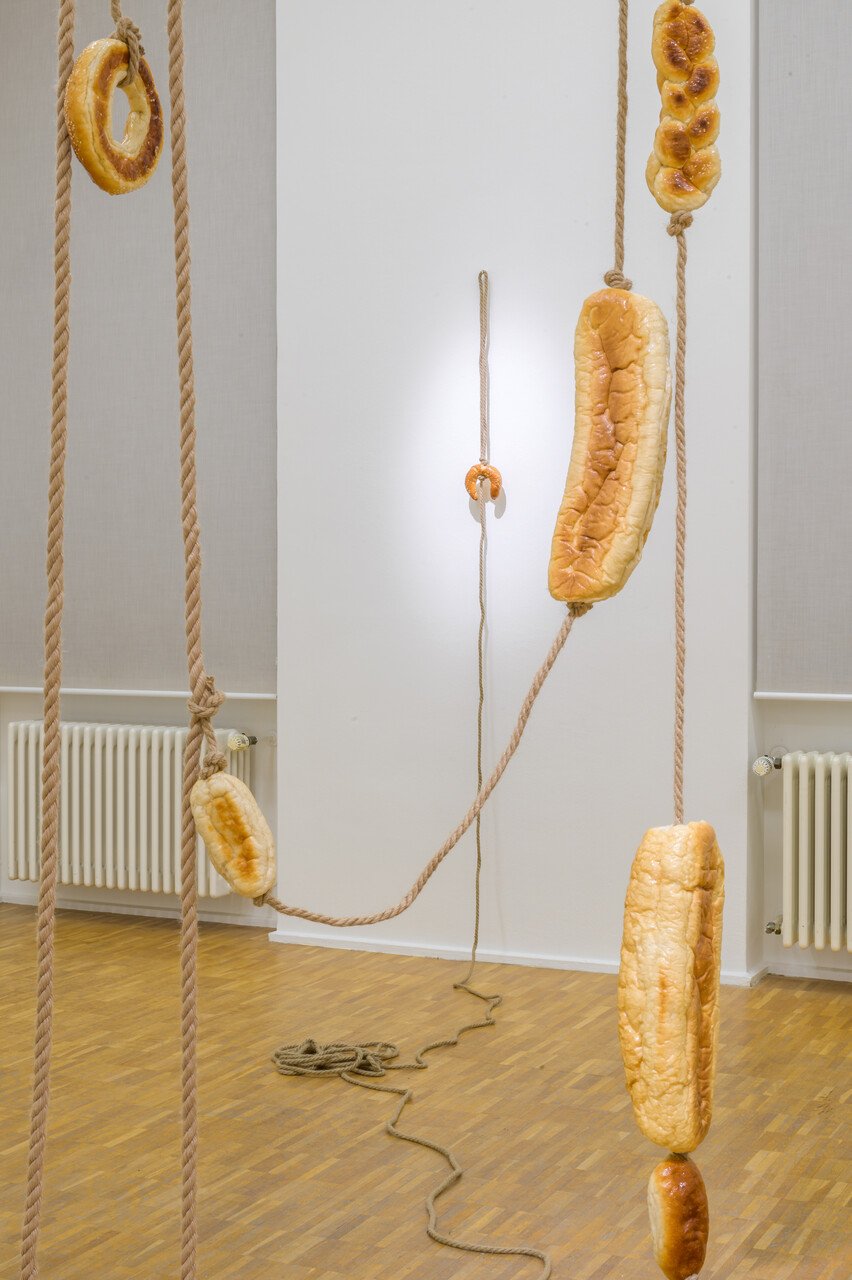
Image courtesy of the artist.
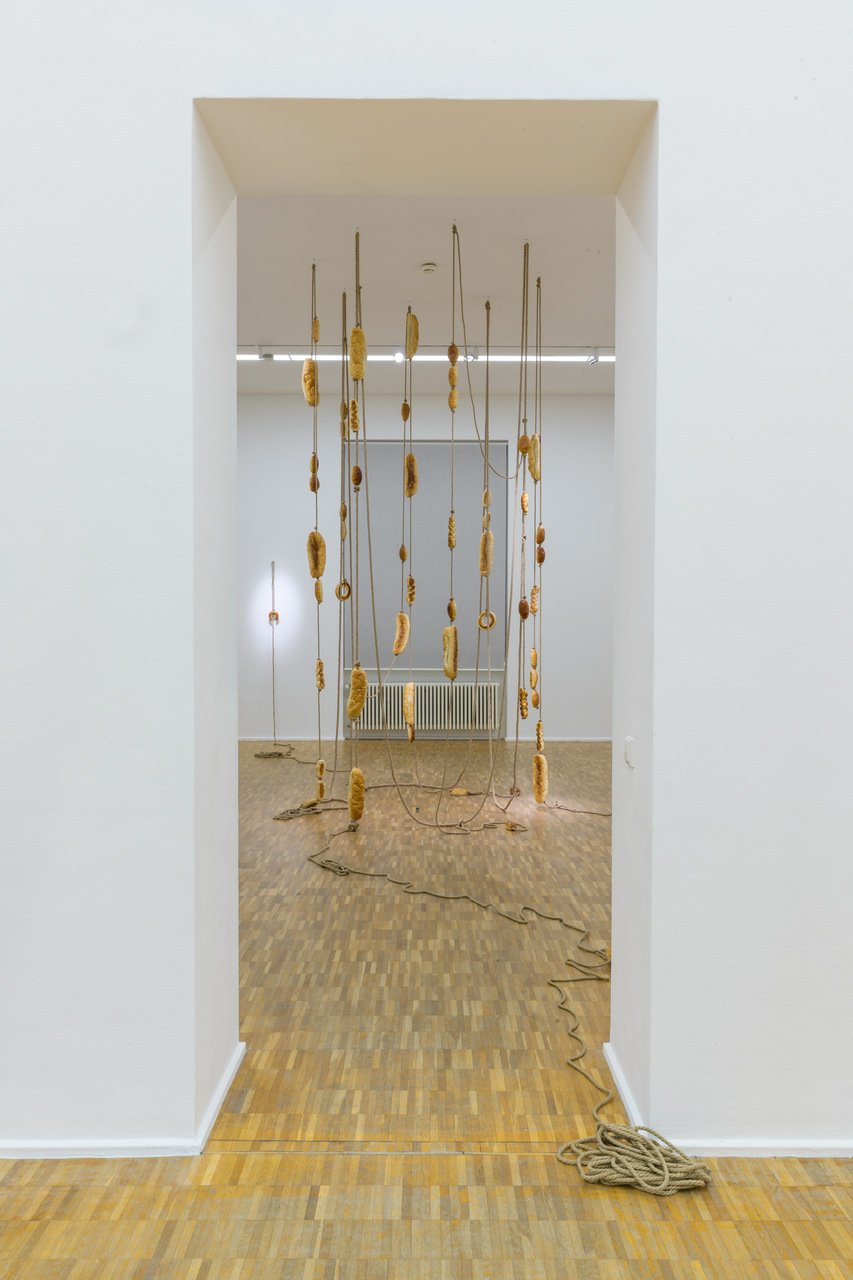
Image courtesy of the artist.
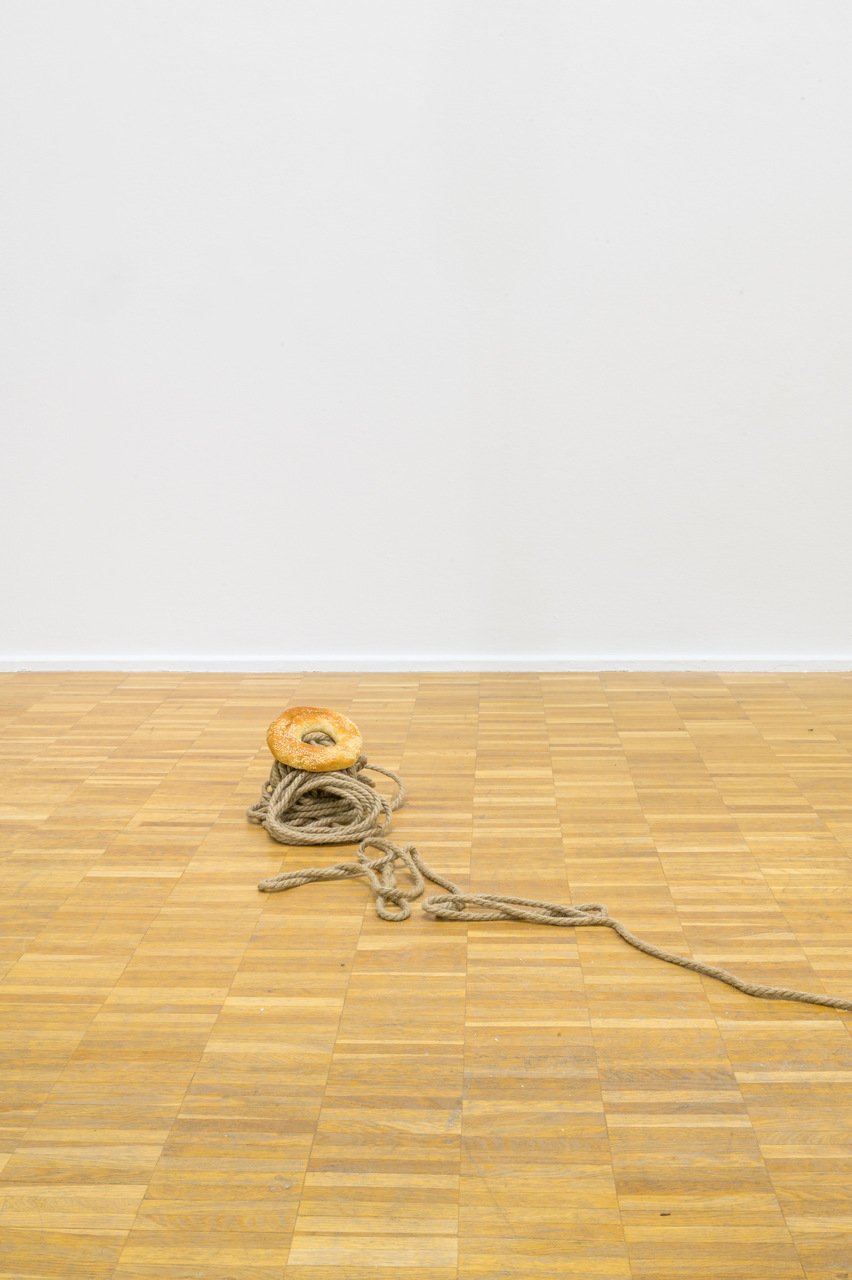
Image courtesy of the artist.
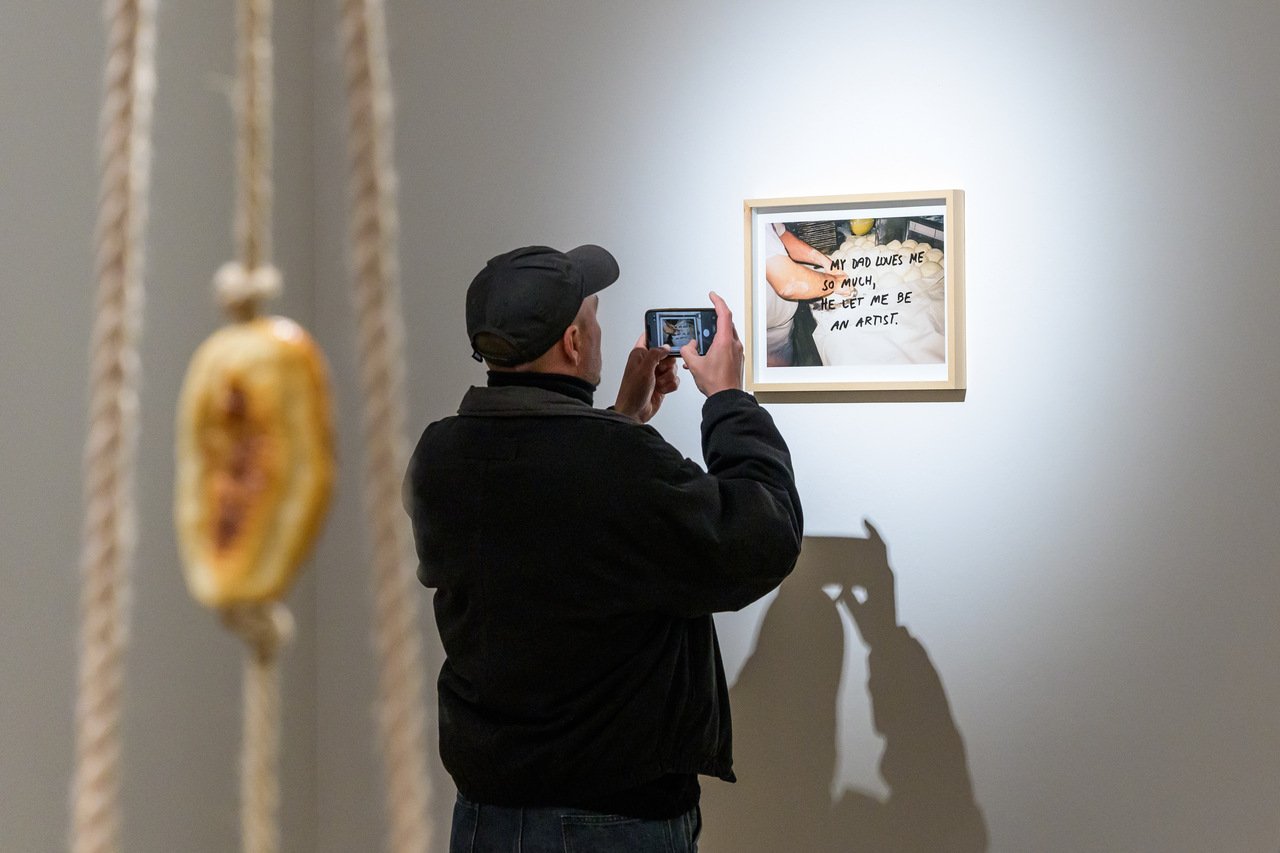
LM: The exhibition also shows a photograph titled My dad loves me so much, he let me be an artist. It is a work about your relationship with your dad, about love and sacrifice. But it also pertains to two different forms of labour, yours and his. Could you expand on these relationships and how they might feed into each other?
KB: My work often starts with looking back at my own story, or more specifically, at my father’s path through life. In doing so, I began thinking about others as well. It is impossible that I am the only one with this life pattern; in fact, millions of people left our country, Kosovo, just as my family did. Through moving, changing countries, cities, and houses, I found myself wanting to pursue art, and my family’s support and hard work gave me the privilege of doing so.
In creating this work, I often return and reflect on an essayistic-philosophical parable written by the Bosnian conceptual artist Braco Dimitrijević when he was 20 years old. He wrote about two Leonards, describing two equally brilliant painters living at the same time. One of them, by chance, encounters a king who is searching for his lost hunting dog. The king takes that artist to his court, and he enters history as Leonardo da Vinci. The other, equally brilliant painter remains forgotten because the king simply never happened to find himself in his studio.
When one tells a story, another can unfortunately end up being silenced. This is why, in my work, I do not focus on my own voice, but rather on ours – a collective voice.
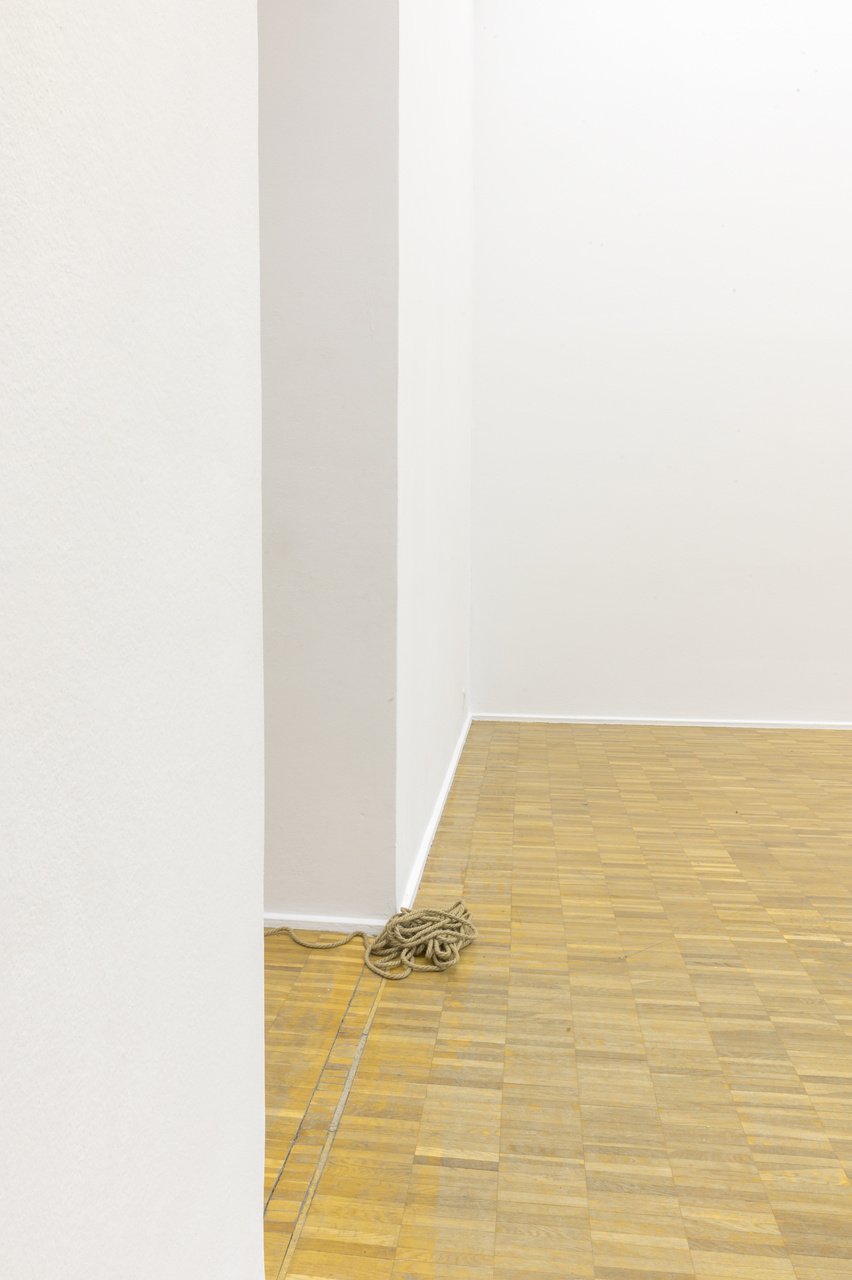
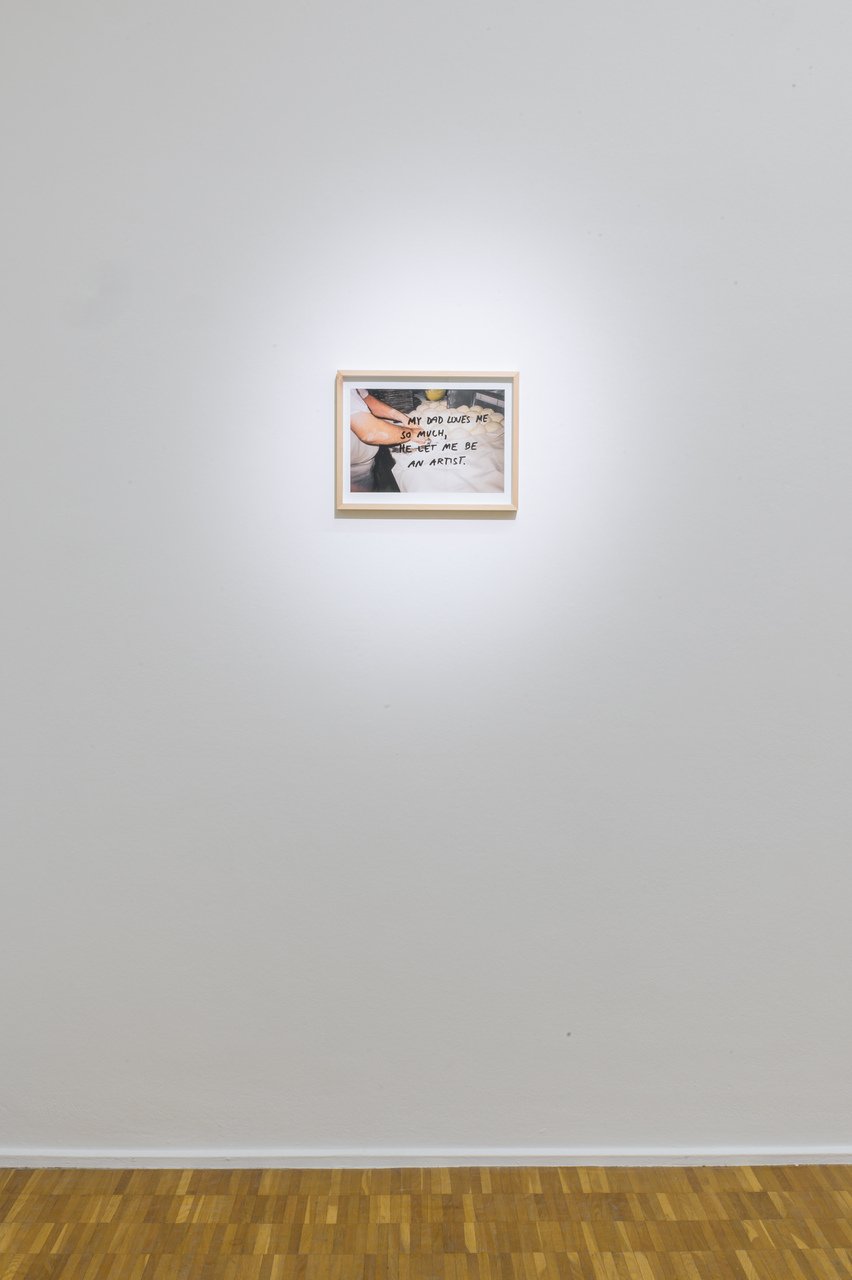
LM: Your work also expands beyond your own story to encapsulate a broader diasporic experience. You map city-wide networks that Kosovar bakeries have established over the years (generations, even) of living abroad. The map that you create is subterranean – a stratum of cultural networks that elude the bird’s-eye view of, say, our Google Maps app. What can such a map reveal about ways that diasporic communities operate?
KB: Although the project is rooted in the same conceptual starting point, an important aspect of the work is that it is site-specific and developed in relation to different cities and countries. As a result, each iteration takes on a distinct visual form. The titles vary from city to city and are always named after the first bakery I visit, which serves as the starting point of the research.
Each city has a different architectural and urban structure, and consequently, the maps themselves look different. Mapping allows me to engage with a city in a way that goes beyond conventional tourism. Rather than simply sightseeing, I learn about the urban fabric of a place and gain insight into where bakeries are situated within the local context. For example, in Berlin, Kosovar bakeries are predominantly located in peripheral neighborhoods rather than in the historic center. In Sarajevo, they are spread throughout the entire city, from the center to smaller residential districts. These spatial patterns can reveal something about the economic and social structure of a particular city.
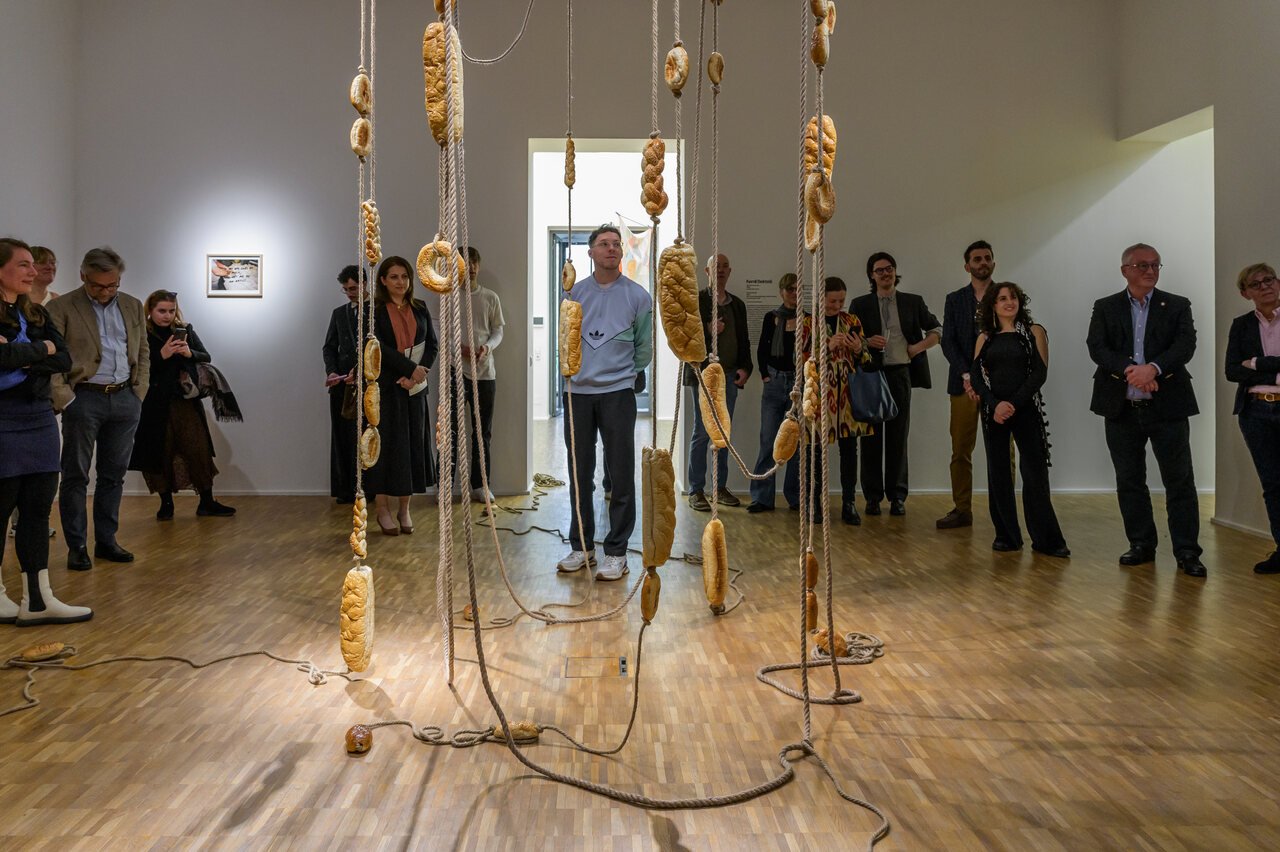
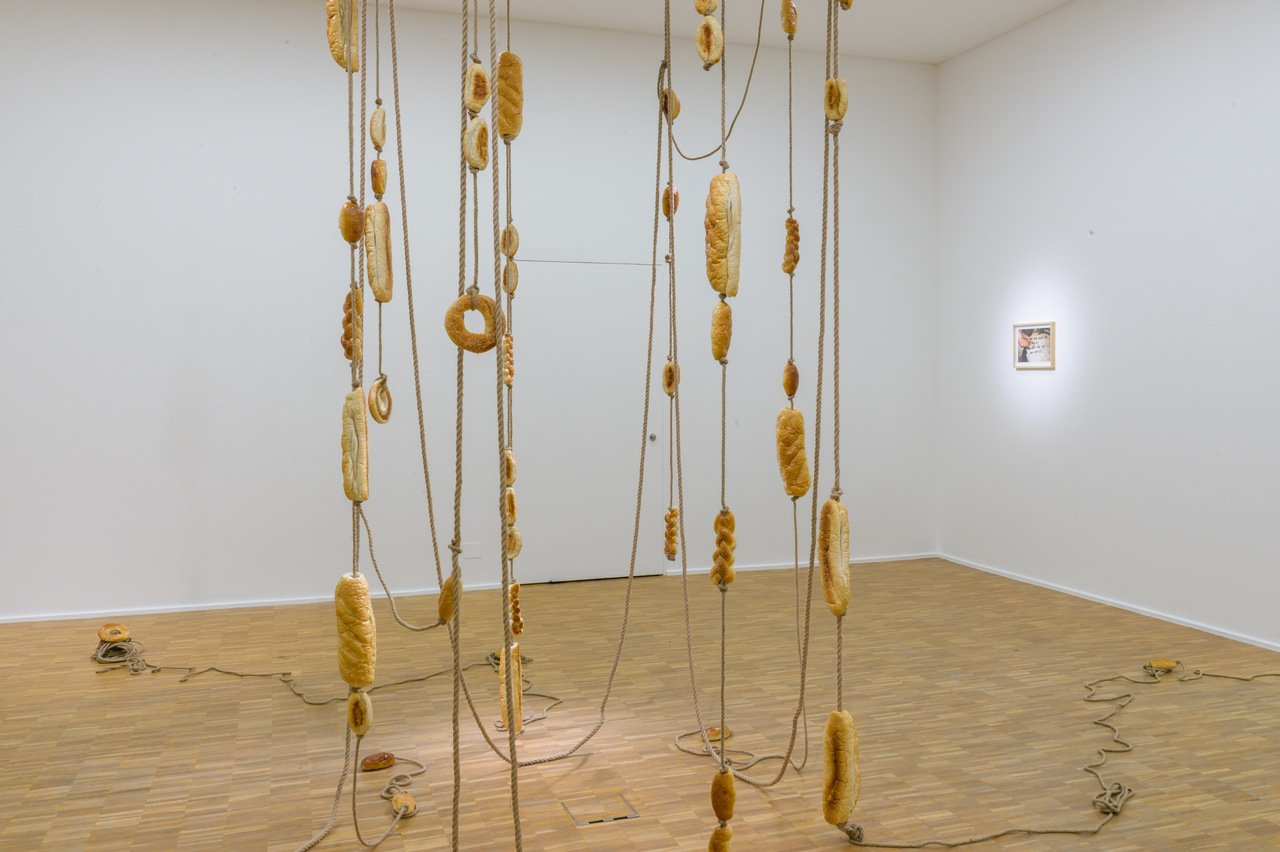
New York presents a different situation altogether, as it does not follow the traditional European model of urban planning and lacks a single, clearly defined city center. In response, I adapt each installation to its local context and translate these observations into a visual language. Astoria, an installation I presented in New York, was inspired by the city’s block-based layout. The columns made of bread cubes reference this urban logic while also symbolically evoking the support networks that sustain diasporic communities. Cube by cube, these communities build a larger collective structure, suggesting that anything monumental is ultimately the result of solidarity, mutual support, and shared effort.
In this sense, the maps reveal more than the locations of bakeries. They uncover invisible social infrastructures: networks of kinship, labor, trust, and mutual aid that allow diasporic communities to establish themselves across generations. What appears to be a collection of individual businesses is, in fact, a much larger ecosystem of relationships that often remains hidden from official maps and conventional ways of understanding a city.
And one thing to add regarding Google Maps, since you mentioned it: it’s about time to give Kosovo its own proper borders.
LM: So far, you have mapped cities like Berlin, Sarajevo, Ljubljana, and New York. Inevitably, more bakeries are bound to pop up over time. Does the project expand as new locations appear in each city?
KB: Now we can add Leipzig to the list of mapped cities. This work represents the fifth map and installation in the series.
I’ve thought about this question quite a bit. In fact, while I was in Leipzig, I learned that the Sofra bakery in Berlin had opened another location, and I was genuinely happy for them. For me, however, the project is more focused on capturing a particular moment in time within a specific city. It is completely natural for businesses to grow, expand, relocate, or close. So far, I have not revisited the maps to reflect these changes, but that does not mean I never will. At this stage, the mapping is tied to the period in which I have the opportunity to live, work, and create within a city myself.
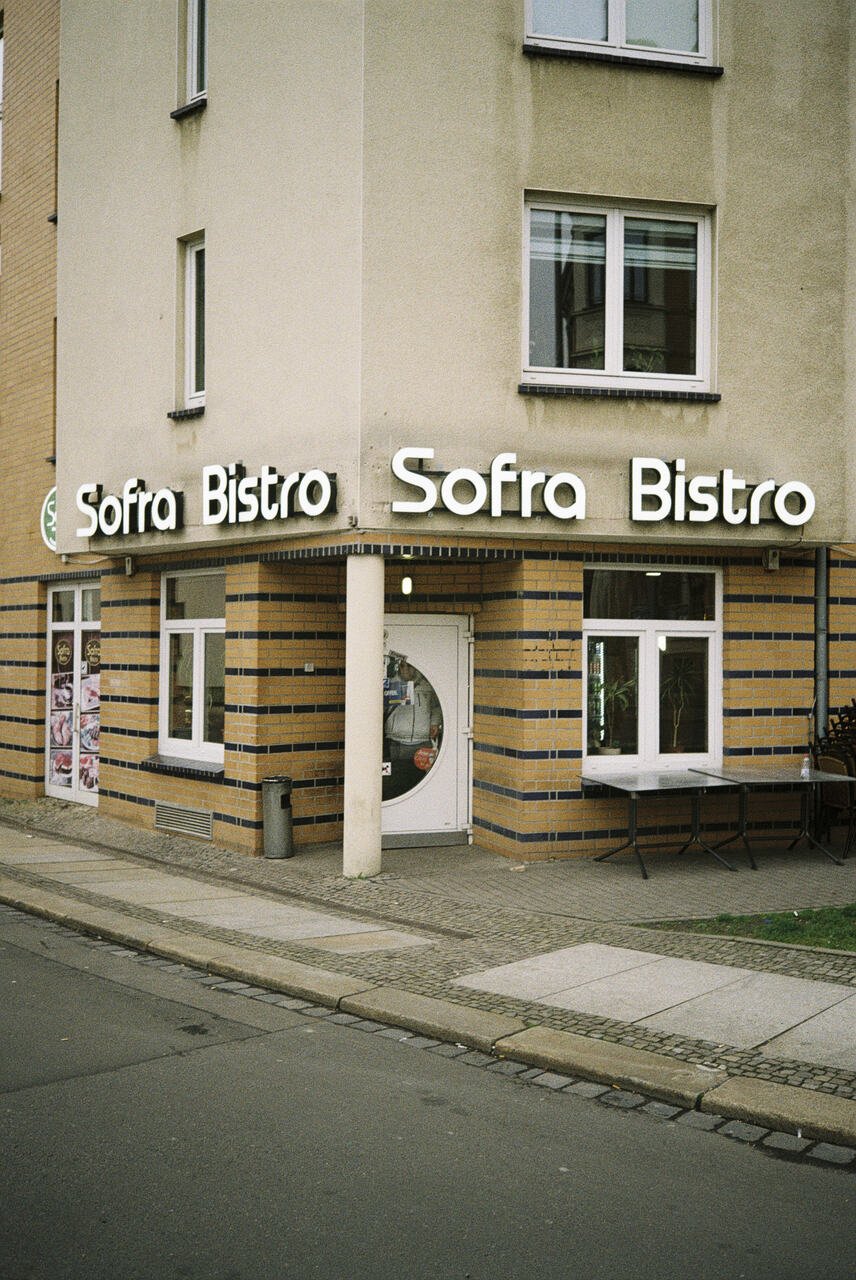
Image courtesy of the artist.
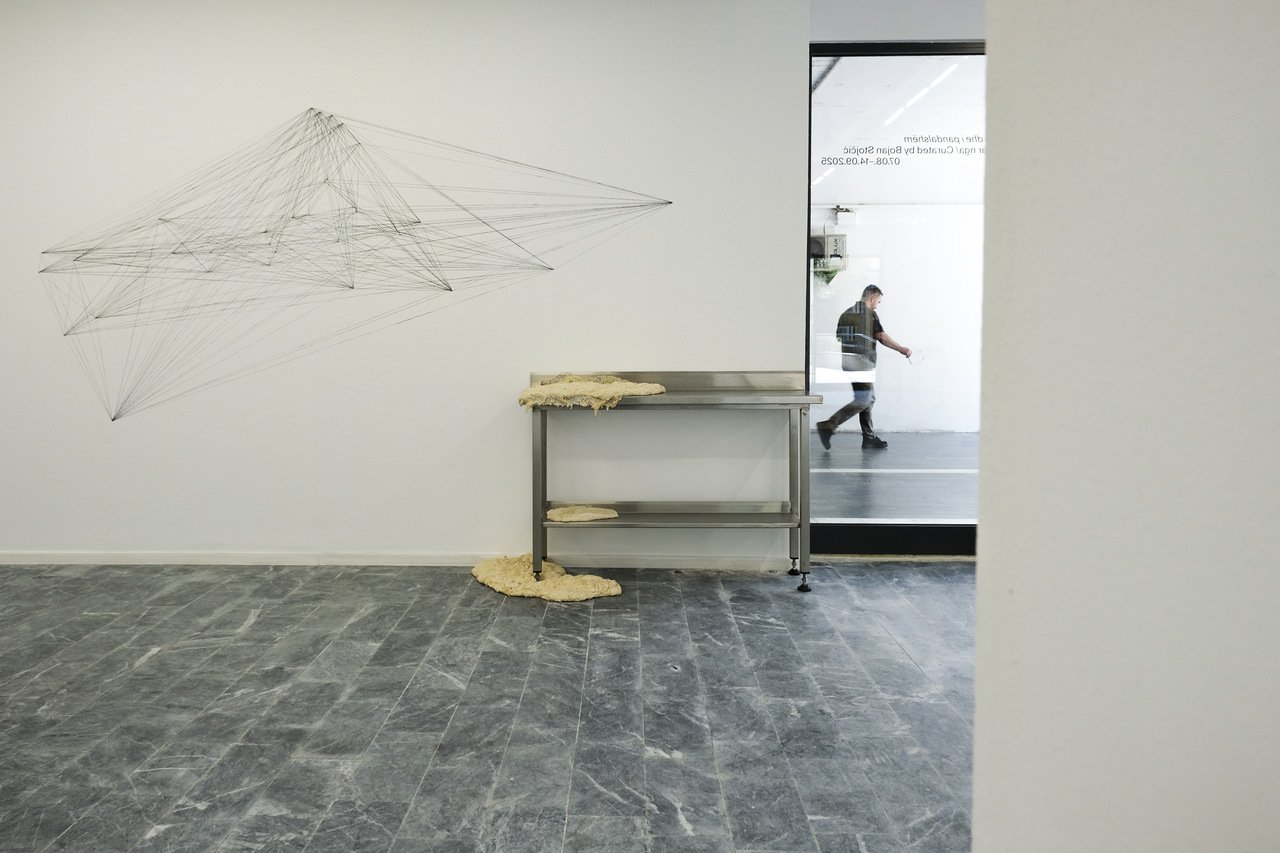
LM: In Leipzig, you offer us a work made in collaboration with one of these bakeries. I’m talking about Sofra (Leipzig). What does this work bring out in the broader diasporic experience you have been tracing?
KB: For the exhibition in Leipzig, I am also beginning the development of a parallel project connected to the mapping process: a publication series. Just like the maps, each publication will naturally take on a different form depending on the city, but its primary focus will be the stories of the workers themselves. Within the exhibition, those stories are already present, but every exhibition has its own lifespan – it begins, and it ends. This is one of the reasons I started thinking about publications as a more permanent point of reference. They are easy to transport, can exist in limited editions if desired, and can always be expanded through future editions.
Through these publications, I hope that, alongside encountering the physical works in galleries, audiences will also be able to read and hear the stories of the people behind them. I believe archiving is particularly important in this context because migrant stories are rarely easy to find or access. More often than not, they exist as oral histories that have never been written down, and because of that, they are constantly at risk of being forgotten.
LM: It’s interesting how you talk about vanity. Preservation seems quite important here. Bread is such a fragile medium, though; I imagine working with it presents its own challenges. Would you mind sharing your approach when making a work like Sofra (Leipzig)?
KM: Apart from being a staple in many cultures, bread is also significant to me as a medium because it is, first and foremost, my father’s medium. Crossing this line between art and baking has really deepened our relationship. Having him as a backbone throughout the process helps tremendously, as he knows the material to its core. It is challenging to some extent, but then again, all mediums are. For me, the key has always been finding the right medium and material to translate an idea into materiality. Naturally, bread was the one that came to me, given the storytelling behind my recent practice.
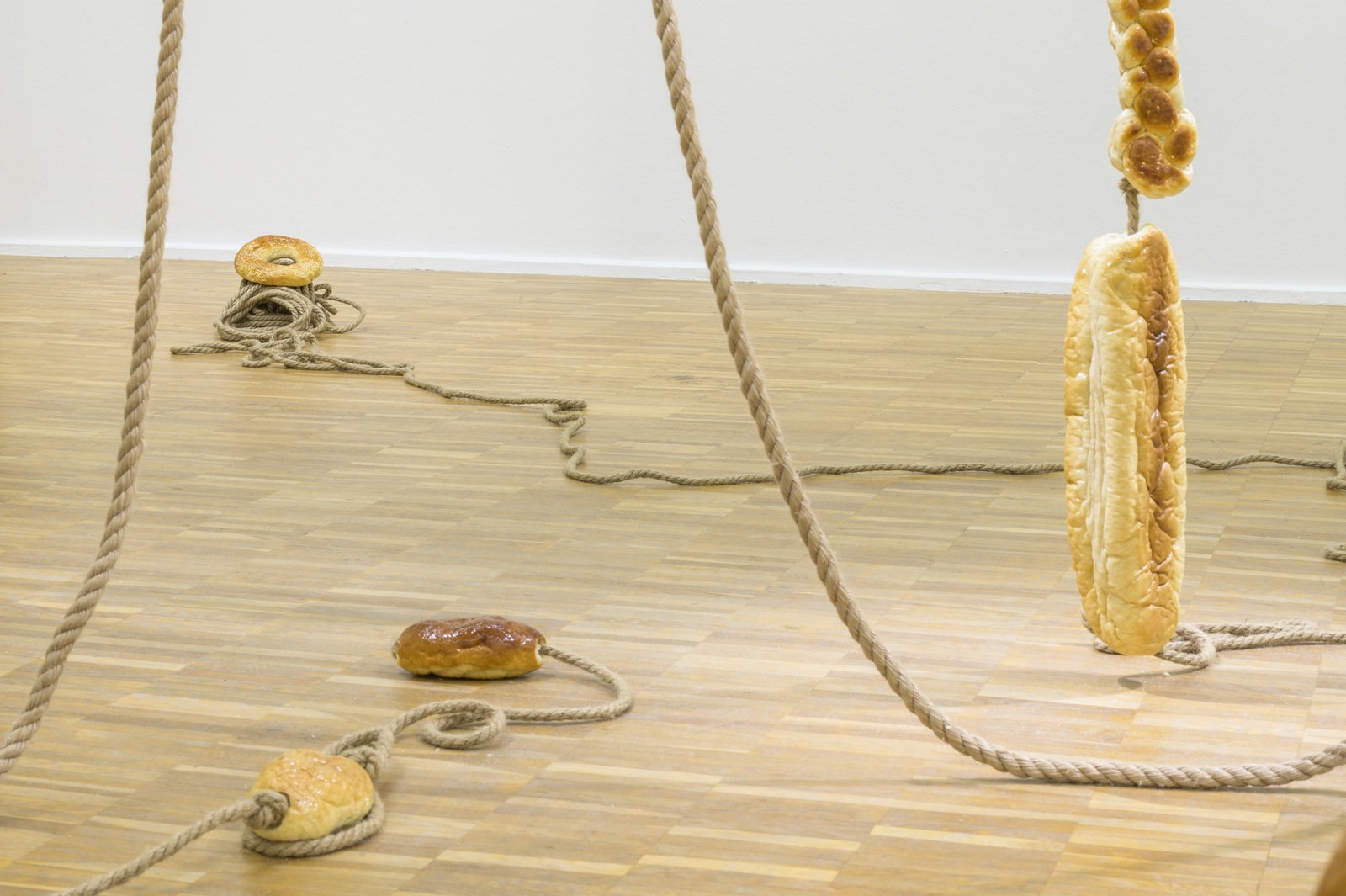
Visually, it seems fragile, but I found a way of creating structures that are durable without changing the essence. I do not necessarily work with fresh bread, and I try to avoid food waste as much as possible. Besides reducing food waste, dried bread does not absorb as much epoxy resin, which I mainly use to preserve the pieces. For the exhibition in Leipzig, there was an additional step where I had to pierce holes through the baked goods, as they were attached to a rope. In the end, the process consists of three main steps: drying, coating the bread with resin, and assembling the elements.
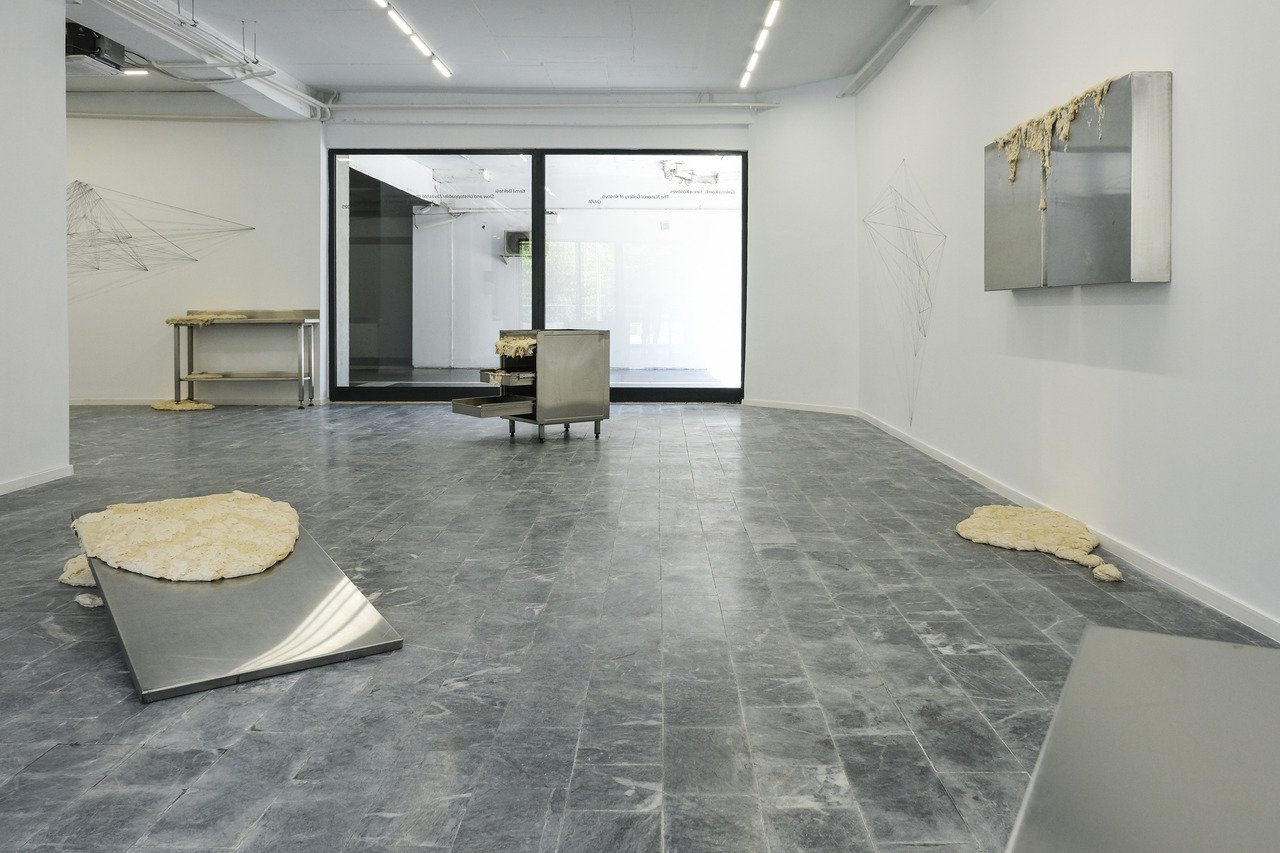
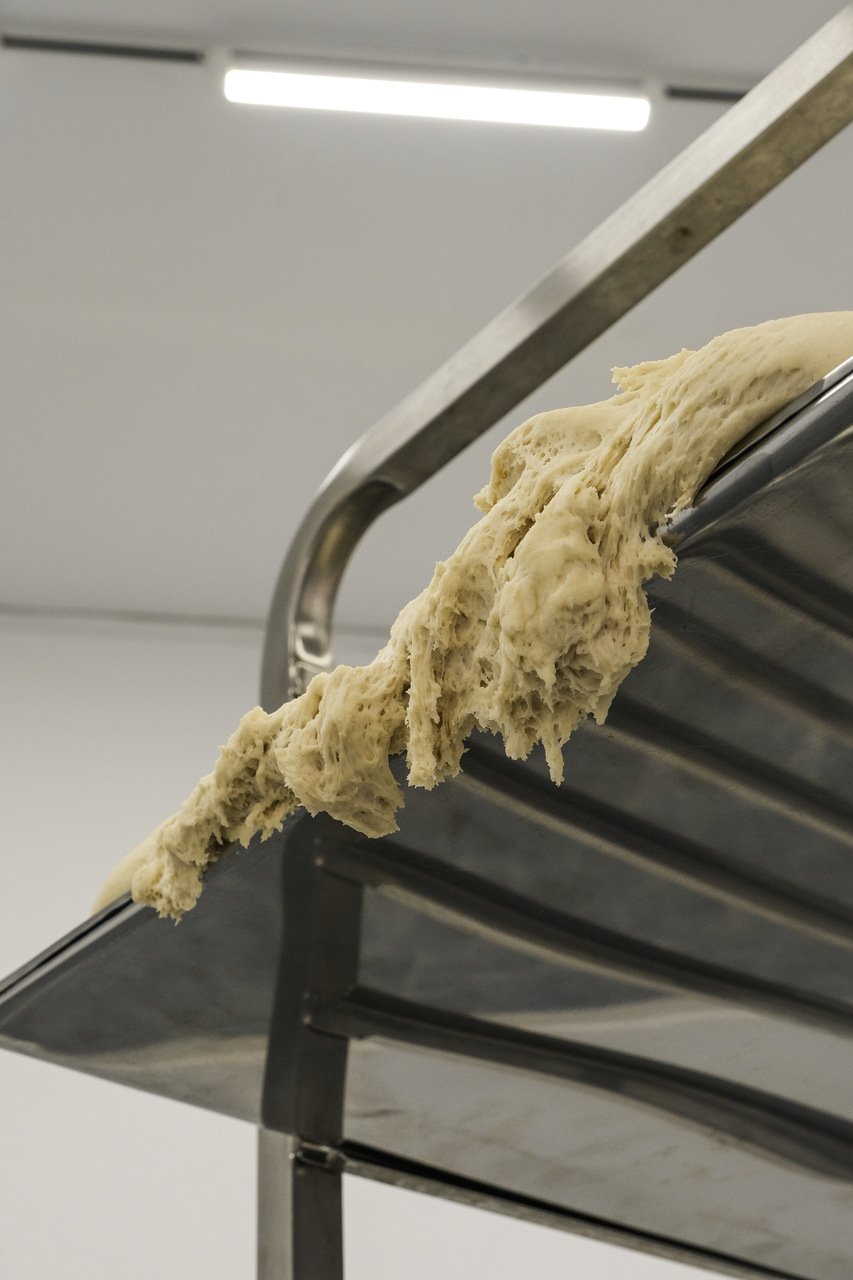
photo: Agon Dana. Image courtesy of the artist.
LM: I know I called your work a sculpture earlier, but saying it now also feels wrong. As if I am assigning the work a sense of finitude. As if calling it a sculpture does not acknowledge the processes that make it breathe and be literally alive. How do you refer to your own works?
KB: Categorically speaking, once they are finished, they are sculptures or installations, and I often present them as such. However, for me, the process of making the work is always just as important as the final piece, if not more so. Especially because I work with materials that, as you mentioned, are alive.
For example, in the Slow and Unstoppable series, the main component is yeast, which is a living organism that allows the dough to rise. This automatically makes the works time-based, ever-changing, and unpredictable. Even I do not know exactly what they will look like in the end, or at what point they can truly be considered finished in these contexts. I find that incredibly exciting because the work continues to surprise me, even after months of preparation. On top of that, working with these kinds of materials naturally introduces additional elements. In this particular body of work, for instance, smell becomes an integral part of the piece. So for me, these works are records of movement and of a specific moment in time.
LM: The bakery itself is likely one of the most visible markers of the Kosovar diaspora, but being visible does not always mean being acknowledged. How does Sofra (Leipzig) navigate that discrepancy?
KB: Exactly, being visible does not always mean being recognized, but conversely, being recognized does not mean being visible. In bakeries, the one who knows the local language remains visible in order to communicate and sell the product, while in the background, there are more people who work but whose labour is invisible. In these contexts, workers are often not truly visible, but are recognized as some kind of magical force that simply gets things done. We are not magic; we are real, we build houses, we build roads, and we feed people. In Germany, more than half, around 51% of people employed in the food industry have a migrant background. Like it or not, the population depends on people who have migrated, whether for food or for the roads that take them to their jobs.
This body of work bridges the invisible into what is more classically recognized, in this case, the museum. Their work ceases to be invisible and is positioned at the large scale with which an art installation is formed. It raises awareness and acknowledges the worker, equally valuing bread and artwork. Because they are the same, both are equally important for our daily lives.
LM: Beyond Knots of Time, you mentioned you are currently developing new work. Could you share what directions you are exploring after the exhibition in Leipzig?
KM: After some time away, I’m finally back in my studio, and I’m very happy to be able to spend my time working and producing new pieces. I’m preparing works for my next solo exhibition and experimenting extensively with different materials. Materiality has always been a fundamental aspect of my practice, so I really enjoy these moments of experimentation and discovering where they might lead me.
At the moment, I’m returning to the medium of painting, which is what I originally graduated in; I’m trying to establish a dialogue between the traditional technique of painting and my current artistic interests. The main difference is that I’ve replaced paint with phyllo dough, while preserving the process of constructing the image and grounding it in natural materials.
Alongside this, I remain committed to sculpture and stainless steel, and I’m currently developing a new sculptural composition that differs from the works I have presented previously.