Rebeka Erdélyi
Ljubljana Art Weekend is a yearly four-day event organized by RAVNIKAR Projects that takes place across various locations throughout the city. Curated in recent years by the team behind ETC. Magazine, this year’s edition is built around their fifth issue, Full Circle, which explores recurring historical and personal cycles and asks what their close examination might reveal. Across the program, many projects return to forgotten histories. Personal testimonies, family histories, and material traces are placed within broader patterns of violence, displacement, migration and political change. Rather than presenting the past as a fixed record, it is approached as something more fragmented and continually reassessed. The focus does not necessarily seem to be on resolving these historical gaps, but more on looking at the conditions through which histories became visible (or invisible) in the first place.
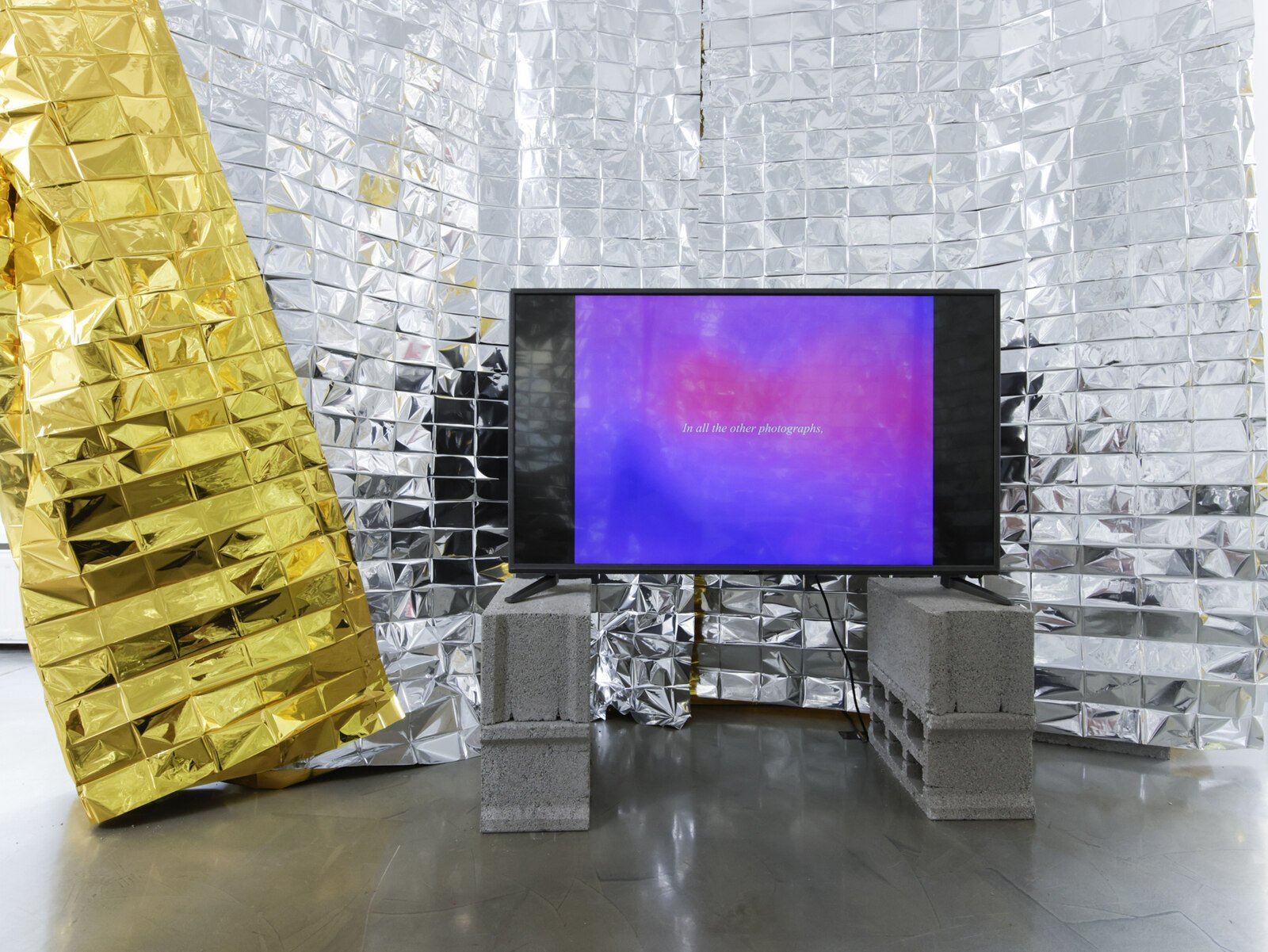
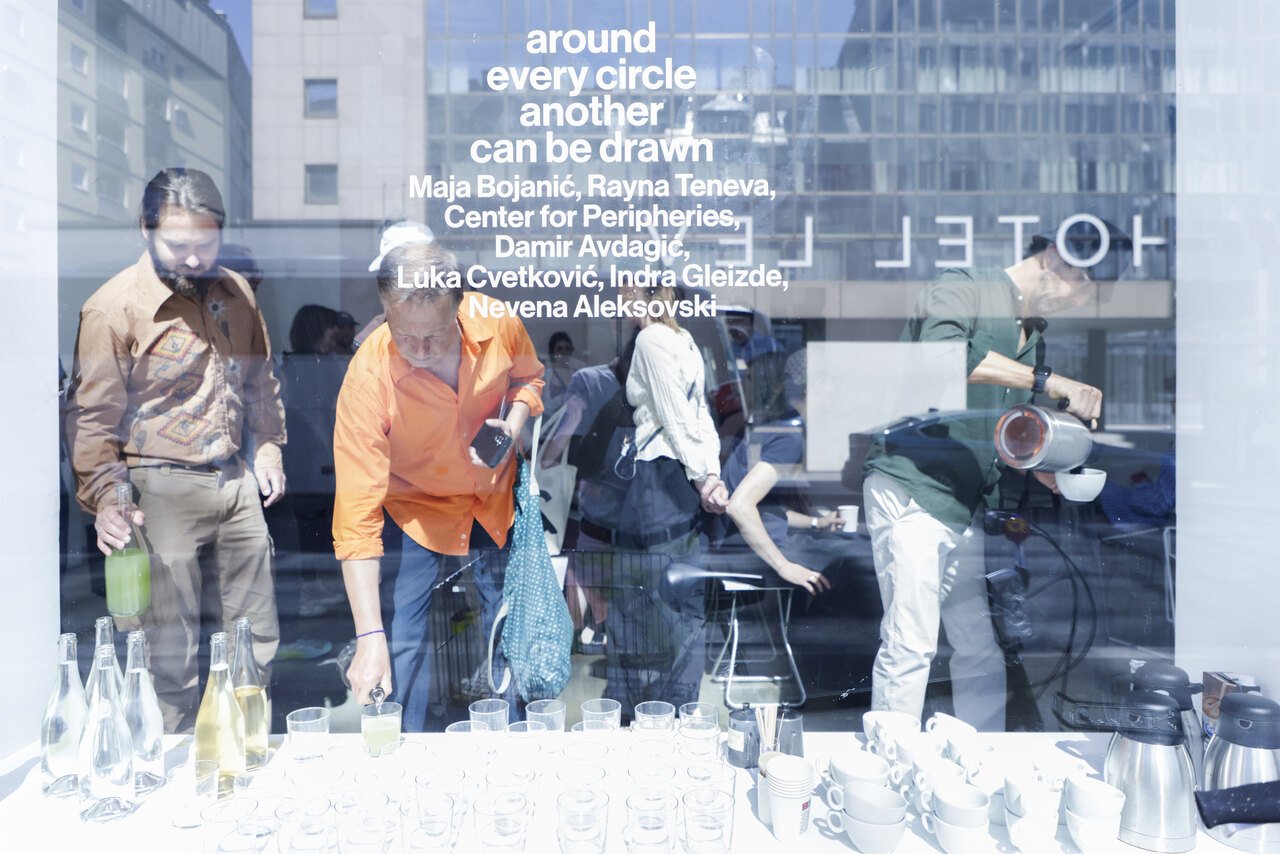
around every circle another can be drawn, curated by ETC. (Hana Čeferin, Ajda Ana Kocutar, Lara Mejač) and Vasil Vladimirov, shown at RAVNIKAR Projects, is an exhibition that illustrates Full Circle, and features selected works addressing migration. Maja Bojanić’s work Yours is the world in which I move uninvited (2025) addresses erasure directly as a subject, but approaches it visually in a subtle way. As the camera moves through a seemingly unoccupied apartment, heat traces of the presence of the artist’s great-grandmother appear in the forms of warm orange glowing figures. They are on her bed, sitting in her kitchen, or on her couch. Her body is visible, but never fully present. These traces belong to her life after erasure, as she was among the 25,671 individuals administratively removed from the Register of Permanent Residents of the Republic of Slovenia on February 26, 1992. This work seems to hold a careful balance, between the personal (the interior of the apartment in which she stayed after being removed from the register), and a broader historical event. The work withholds most personal details, so, besides centering an individual biography, it also extends this experience into a collective one.
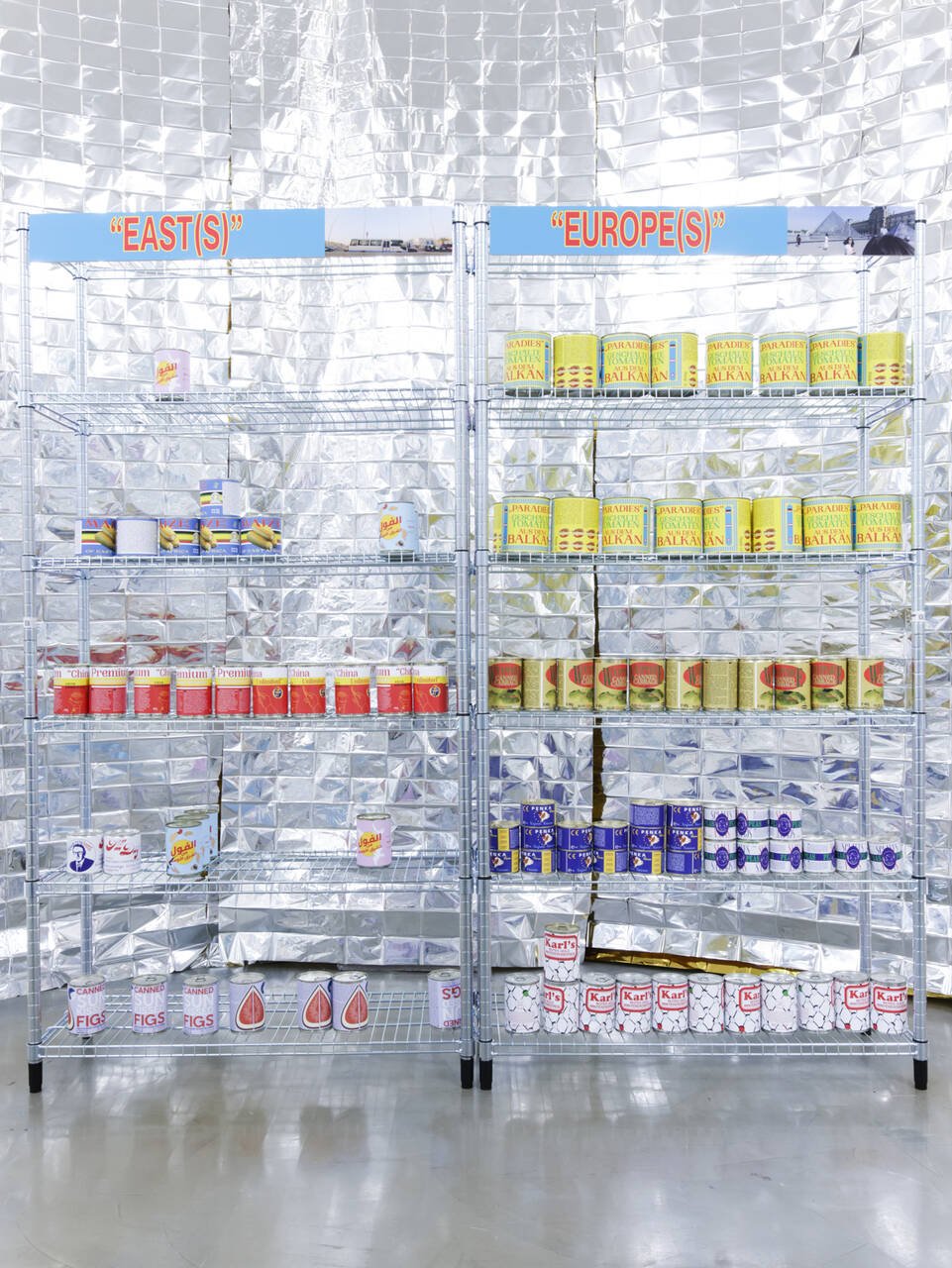
Regarding the same question of what official archives and records might fail to hold, Nevena Aleksovski’s Melancholy of the Abandoned Lands (2022-) looks at migration in the Balkans and how it was shaped by post-war industrialization, state-led reorganization of land, and the redirection of labour. Tracing her family’s migration from North Macedonia to a Serbian mining town, Aleksovski, similarly to Bojanić, focuses on the personal traces and lived experiences within broader political frameworks. What is interesting here is the way natural materials become carriers for memory. When official archives begin to feel insufficient, Aleksovski turns to alternative forms of documentation: stones, soil, and inherited textiles. Where migration might otherwise be documented and preserved through paperwork, here it becomes something tactile. While Melancholy of the Abandoned Lands combines archival material, personal histories, and found objects to preserve and transmit memory, in Sosedov vrt (The Neighbour’s Garden) (2022) by Center for Peripheries, this function is condensed in a single, everyday object: the tin can. Keeping the familiar format of the label – ingredients list, nutritional facts, brand slogans – the collective replaces this commercial information with facts addressing weapons production, arms export, or border control. For Full Circle, the collective created a label dedicated to the term “Eastern Europe,” looking into who defines it, where its borders are situated, and the specificities this term lacks.
Courtesy of Ljubljana Art Weekend.
Courtesy of Ljubljana Art Weekend.
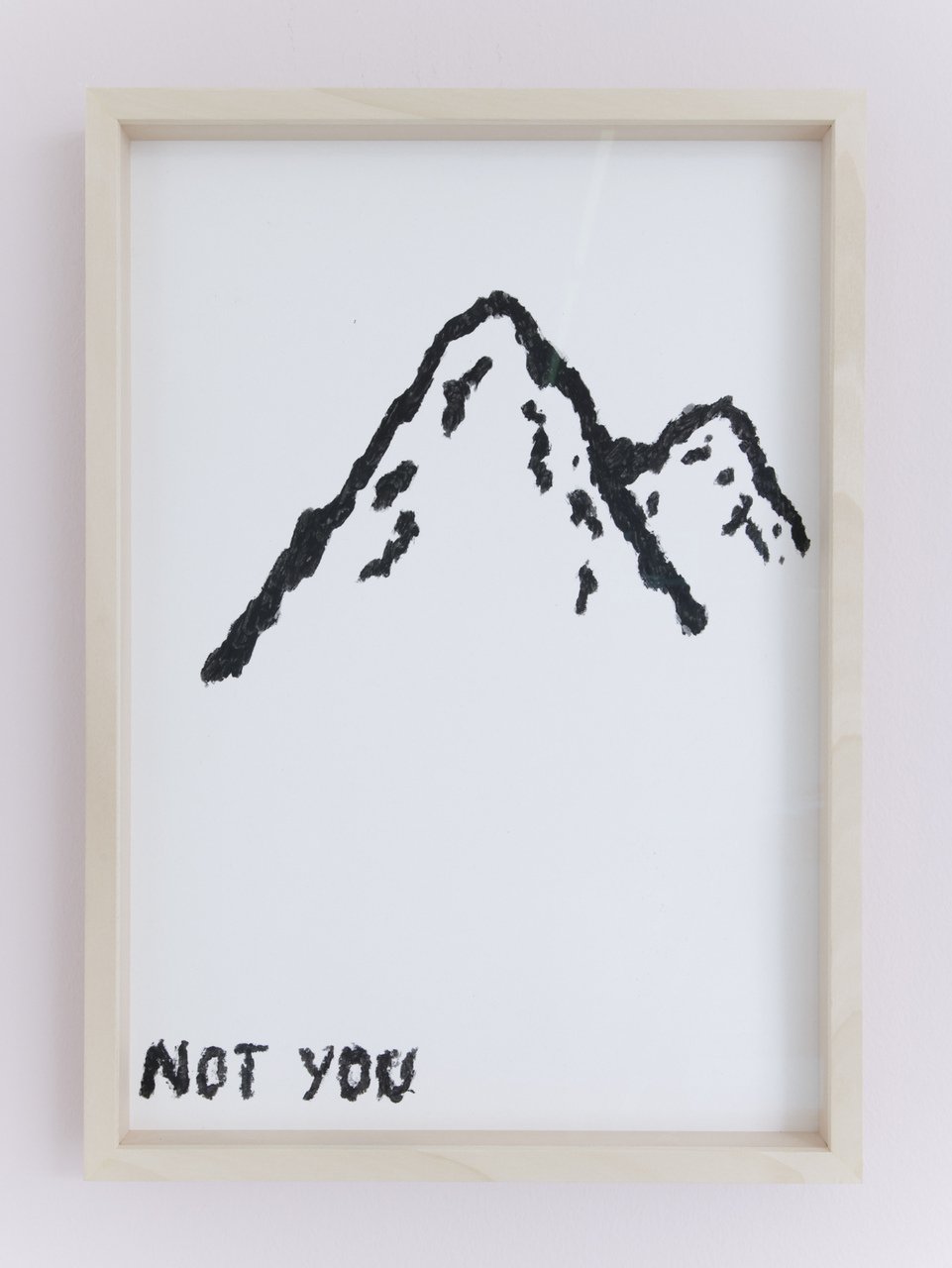
photo: Marijo Zupanov. Courtesy of Ljubljana Art Weekend.
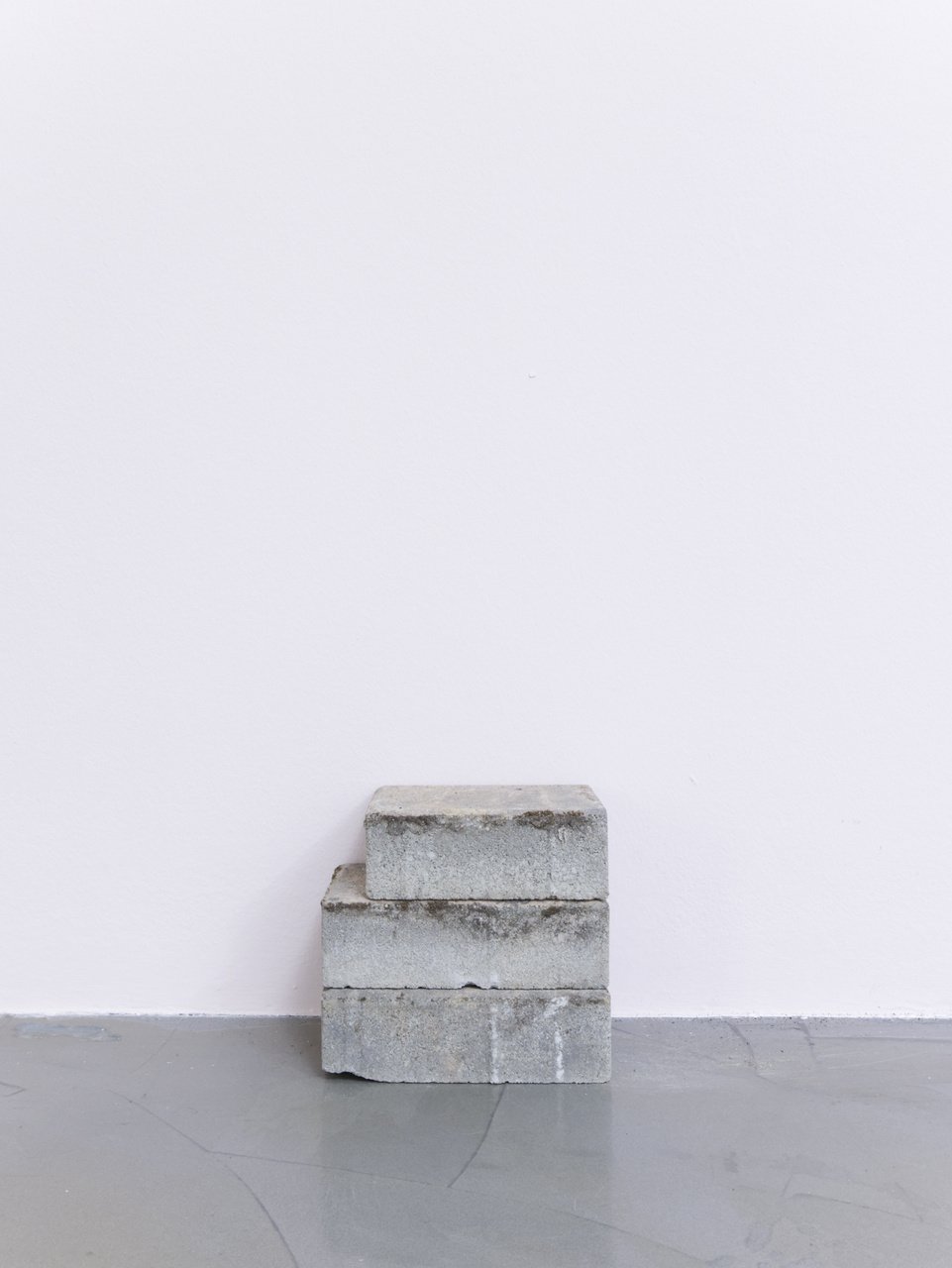
photo: Marijo Zupanov. Courtesy of Ljubljana Art Weekend.
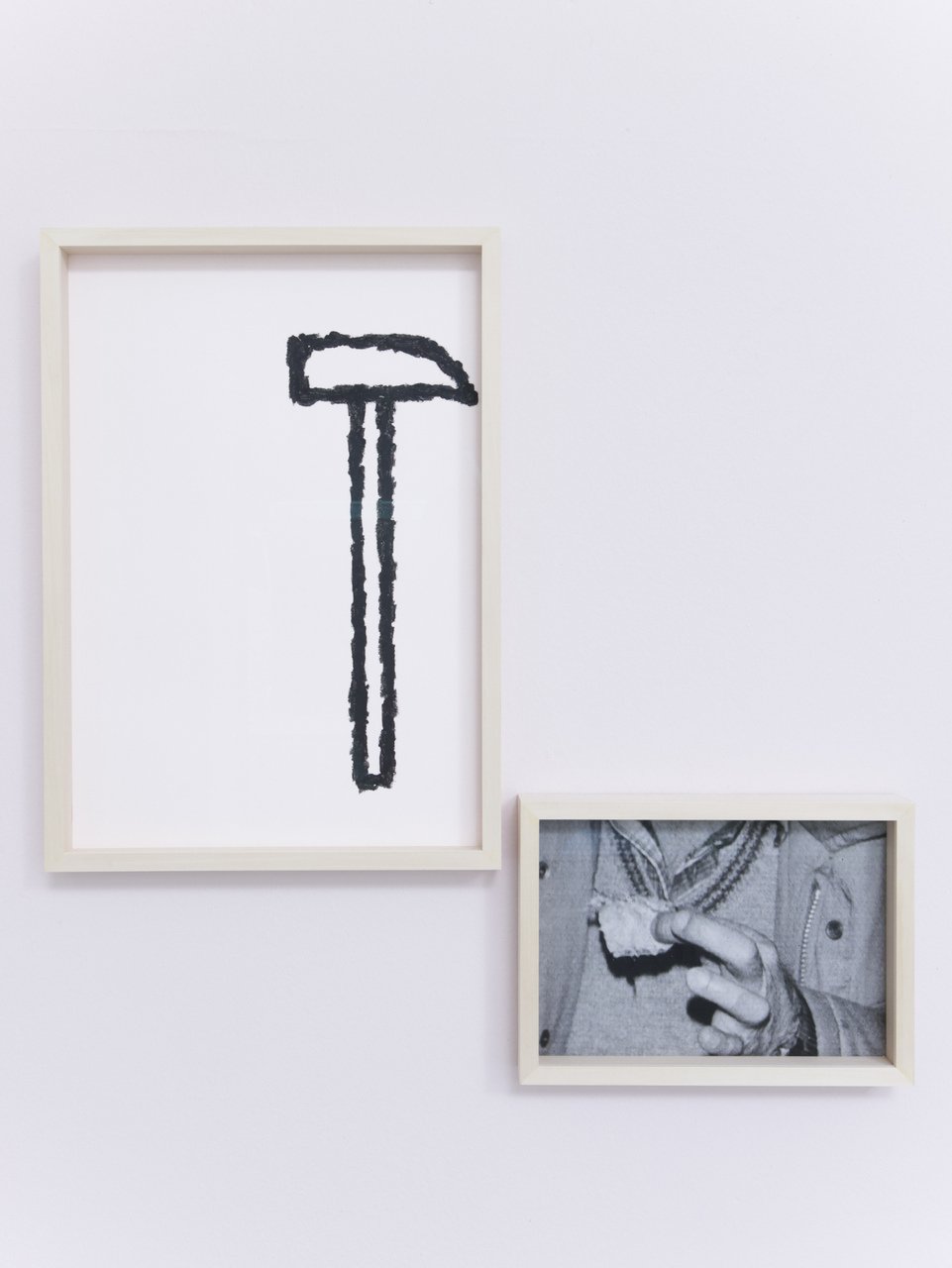
photo: Marijo Zupanov. Courtesy of Ljubljana Art Weekend.
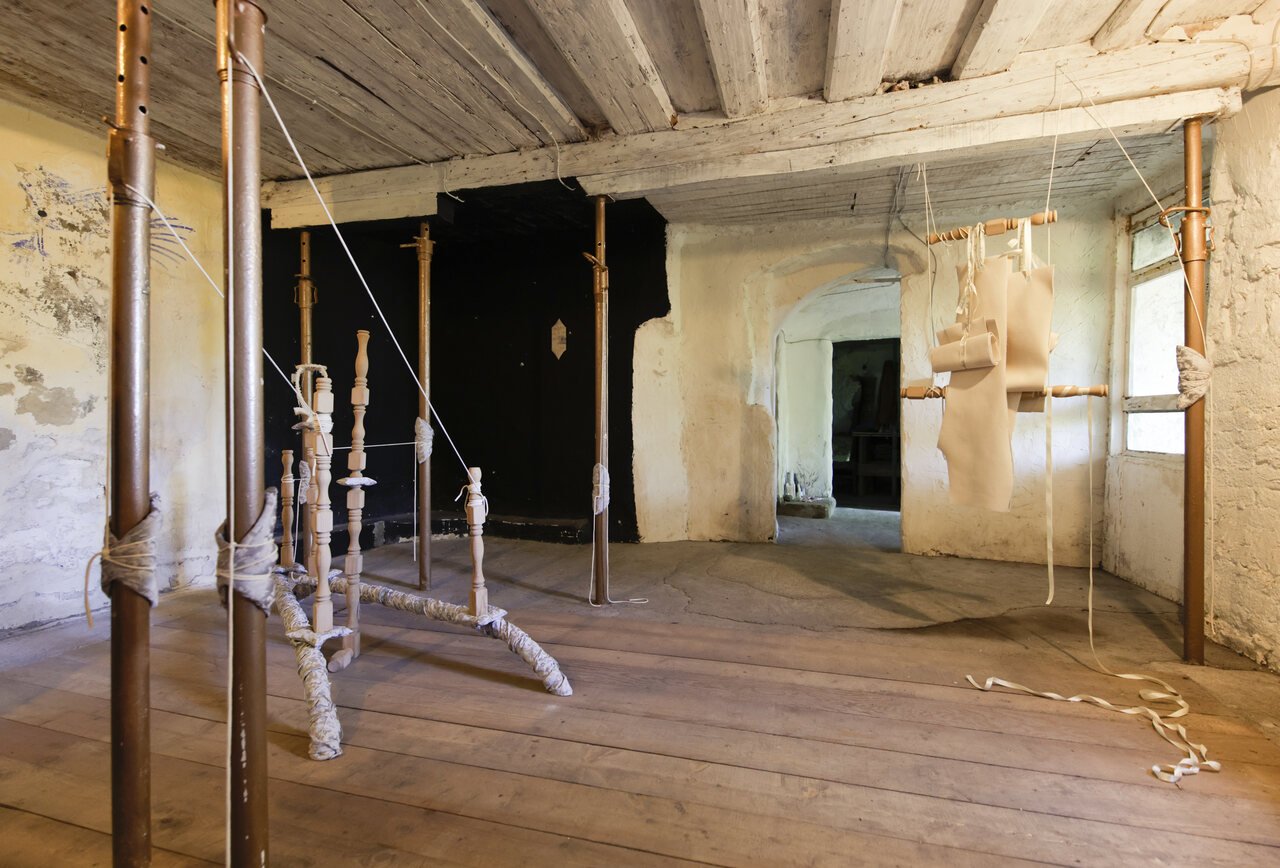
Kolektiv Divadlo, hidden in the middle of castle hill, held Hana Podvršič’s solo exhibition, Inductor. At the artist talk held before the opening, Podvršič spoke about her interest in personal cycles, and how she constantly returns to her topics, materials, and past interests, questioning what is expected of us in terms of productivity and progress, and why we adhere to such “norms.” In her installations, she blends everyday materials, textile, clothing, bedding, and cushions into structures resembling disassembled furniture. The wooden structures are attached to walls or standing on their own across the space, covered, and held together by strings. The fragments of these domestic structures and materials create a sense of familiarity. By returning to these subjects, Podvršič proposes a cyclical rather than linear understanding of progress.
Approaching cycles in a more intentional way/turning towards cycles we choose to maintain, the exhibition at Škuc Gallery, Friends with Benefits, presents three collectives; BRAVO, ILY, and DILEMA, all founded on friendship. In ILY’s Hold My Hand: Chapter II, (2026) the absence of one of the collective’s members becomes the focus of the installation. Hold My Hand began when one member started a master’s degree, and the others took on roles of support. In Chapter II, they look at what happens when this structure is disrupted, here by one of the members moving abroad. Taking on the roles of mother, daughter, and the absent father, they search for a new partner for mother, while simultaneously looking for a new collaborator for the collective. While many of the projects elsewhere during the weekend dealt with cycles shaped by political structures, migration, or historical violence, in Friends with Benefits, the focus shifts to those we actively maintain through collaboration, care, and long-term relationships.
Courtesy of Ljubljana Art Weekend.
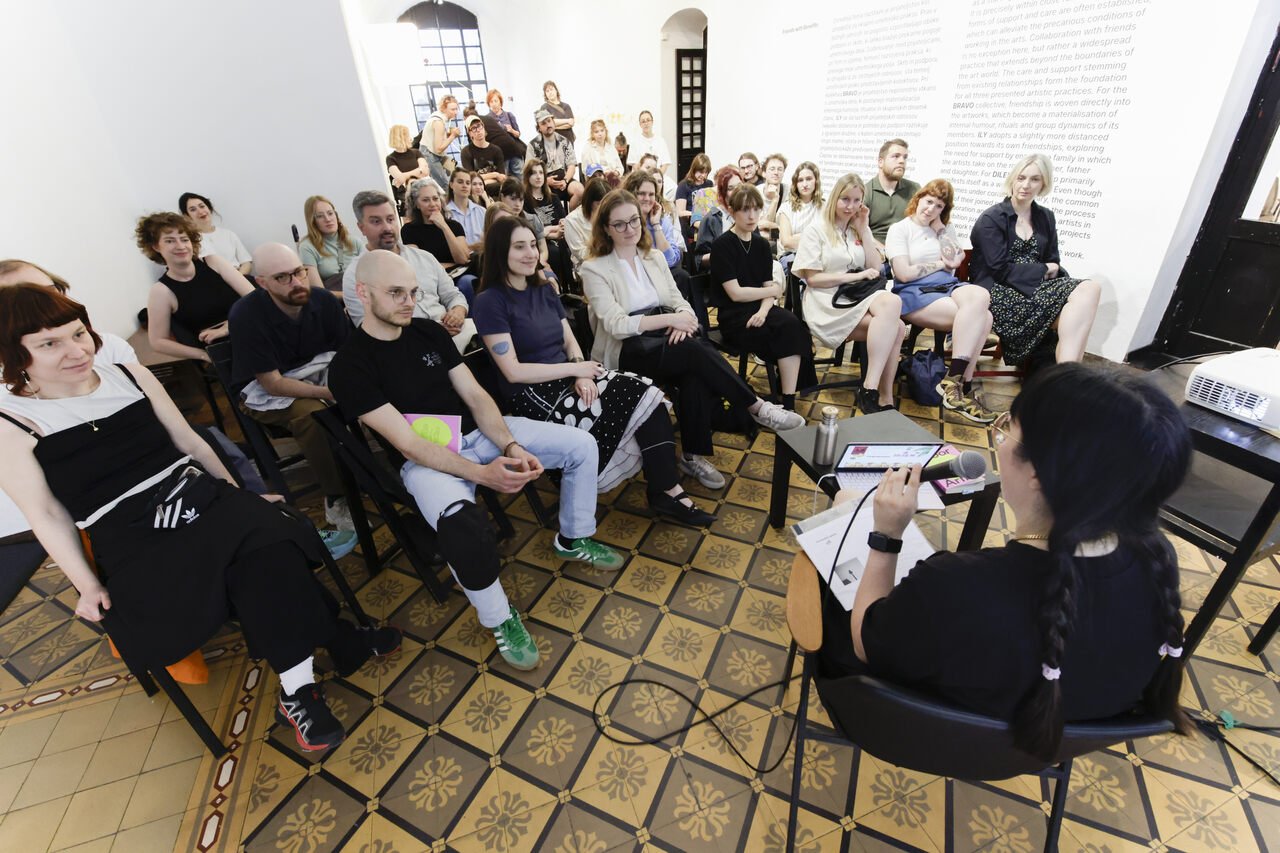
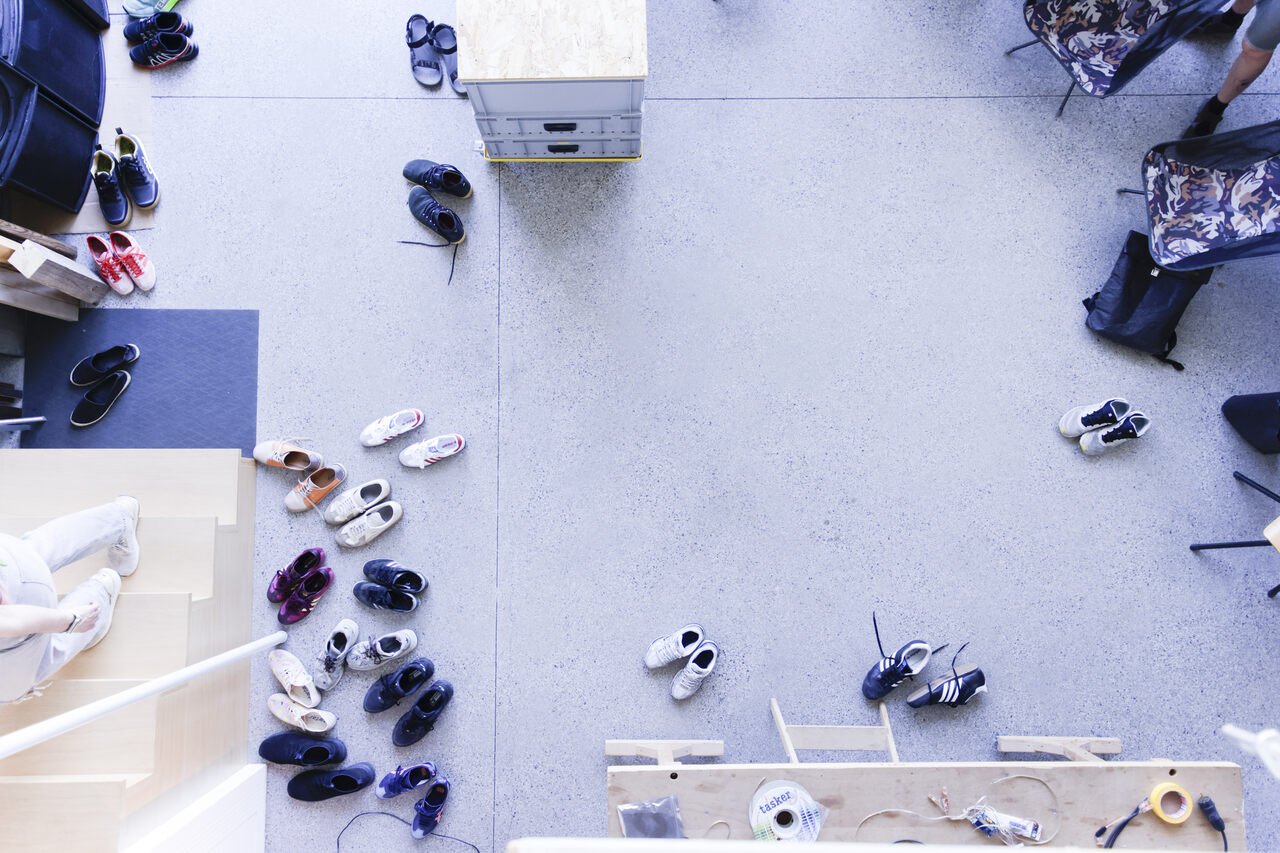
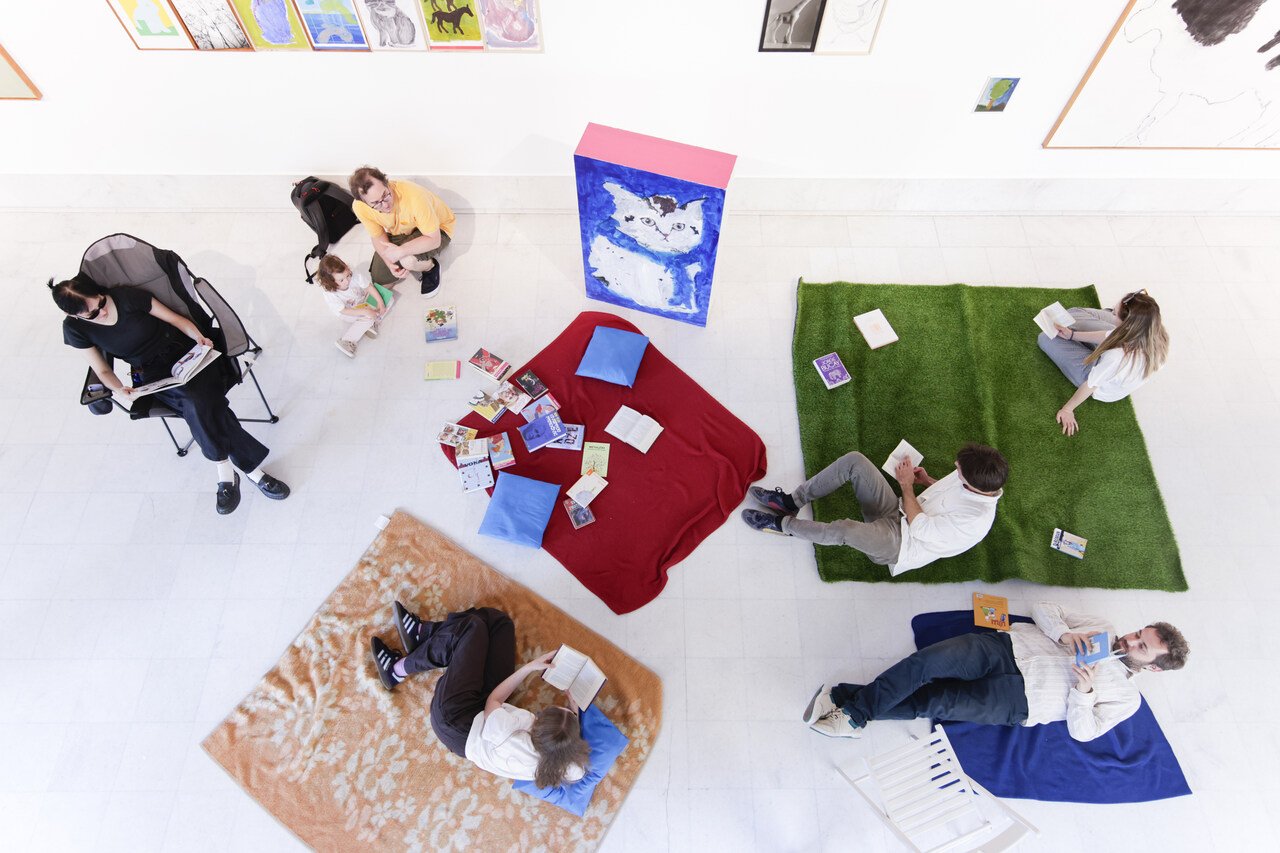
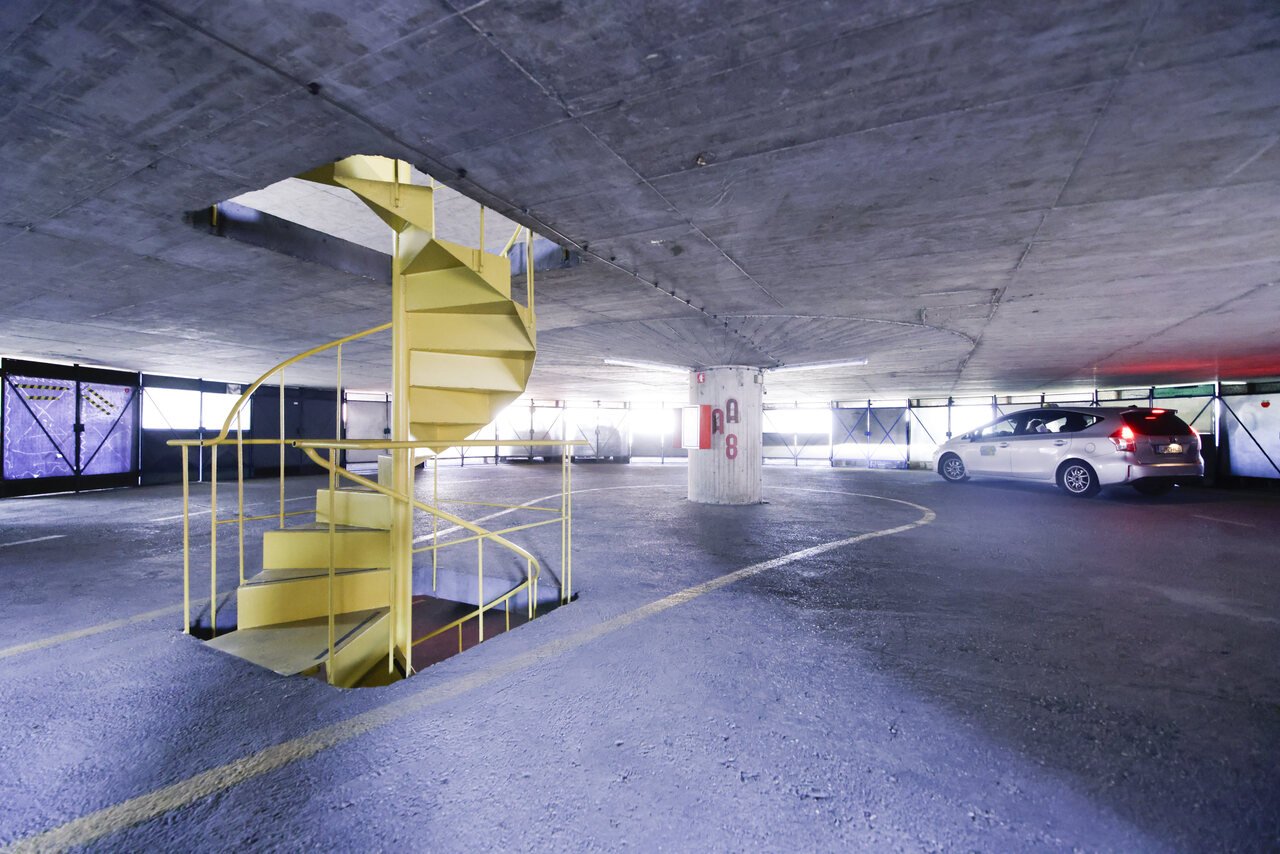
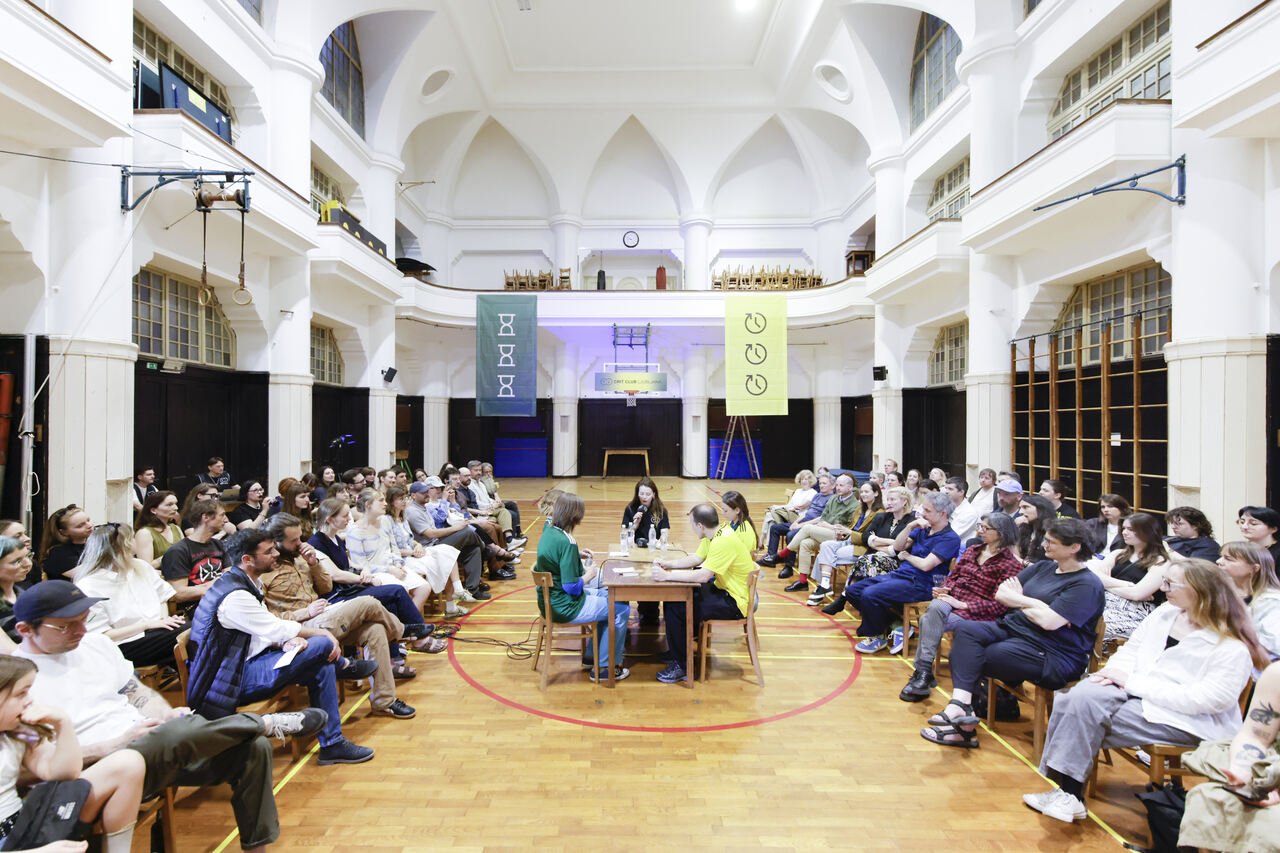
One aspect of Ljubljana Art Weekend is the variety of formats in which visitors can engage with the projects. Ljubljana’s scale makes it easy to move between venues and the decentralized layout of the weekend makes movement through the city a part of the experience. Alongside exhibitions, the weekend included art walks, discussions, open studios, portfolio showcases, among others. The walk Ljubljana, Jugoslavia, led by Arne Zupančič, focused on the relationship between art and revolution through selected monuments around the city. The walk OFF THE MAP: Šiska Neighbourhood introduced lesser-known parts of the city and its artistic initiatives: open studios, independent initiatives, and self-organized spaces. Starting at the Kersnikova Institute, the tour continued through Kino Šiska, 2na32, and ended at Kela. Although located somewhat out of the city center, Šiska appeared to be central to Ljubljana’s contemporary art scene. Alongside the walks, the program also included discussions and talks, extending the topics that were present in the other projects. Gabrielle de la Puente’s talk at Škuc Gallery, for example, focused on her ten-year collaboration, the White Pube, with her friend and colleague Zarina Muhammad. She spoke about how working with a friend can make it easier to navigate a field marked by lack of funding, resources, exhaustion, and limitation. The events were also diverse in their modes of engagement as well. Nonument’s TGH-48. Nothing Can Happen Here, for example, added a layer of listening, by taking participants by taxi through the garage TGH-48, while stories connected to the site and its history played in the background. At a moment when there are discussions about renovating this site, these oral histories act as forms of preservation and resistance that seem to be particularly urgent.
Efforts to challenge official historical knowledge often run into the same issue of selection. By highlighting one narrative, another one is inevitably left behind. This is obviously no reason to abandon such efforts, if anything, many of the most interesting projects of Ljubljana Art Weekend seemed to be aware of this limitation. These projects ultimately returned to a similar question: how do we move forward, and what role does the past play in that process? Looking back and looking forward are not necessarily opposing directions. Critically engaging with the past remains part of how we imagine and negotiate the future.
Artists: various
Exhibition Title: various
Curated by: ETC. Magazine (Ajda Ana Kocutar, Hana Čeferin, Lara Mejač)
Venue: Ljubljana Art Weekend
Place (Country/Location): Ljubljana, Slovenia
Dates: 21.05 – 24.05.2026
Photos: Marijo Zupanov