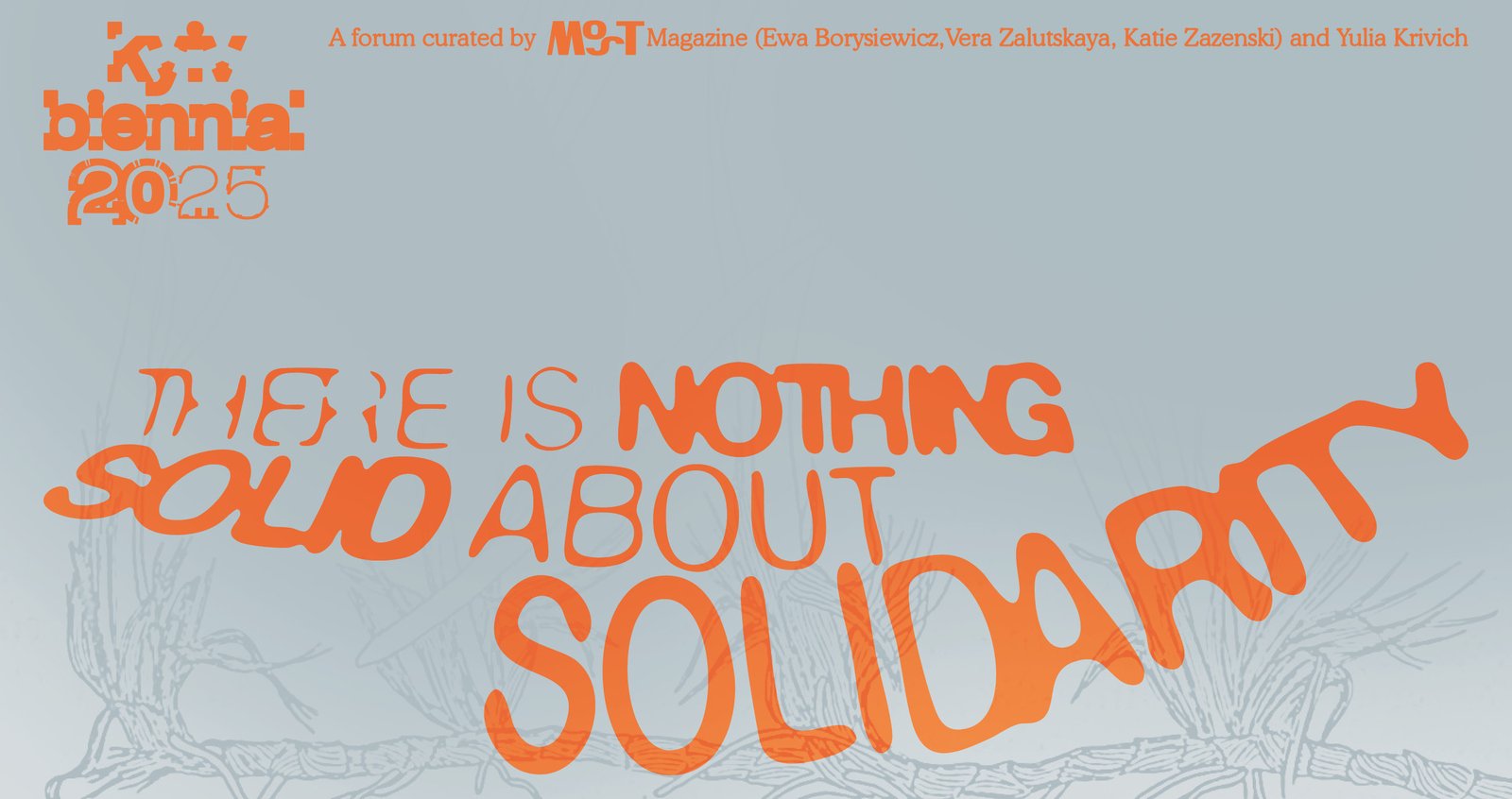
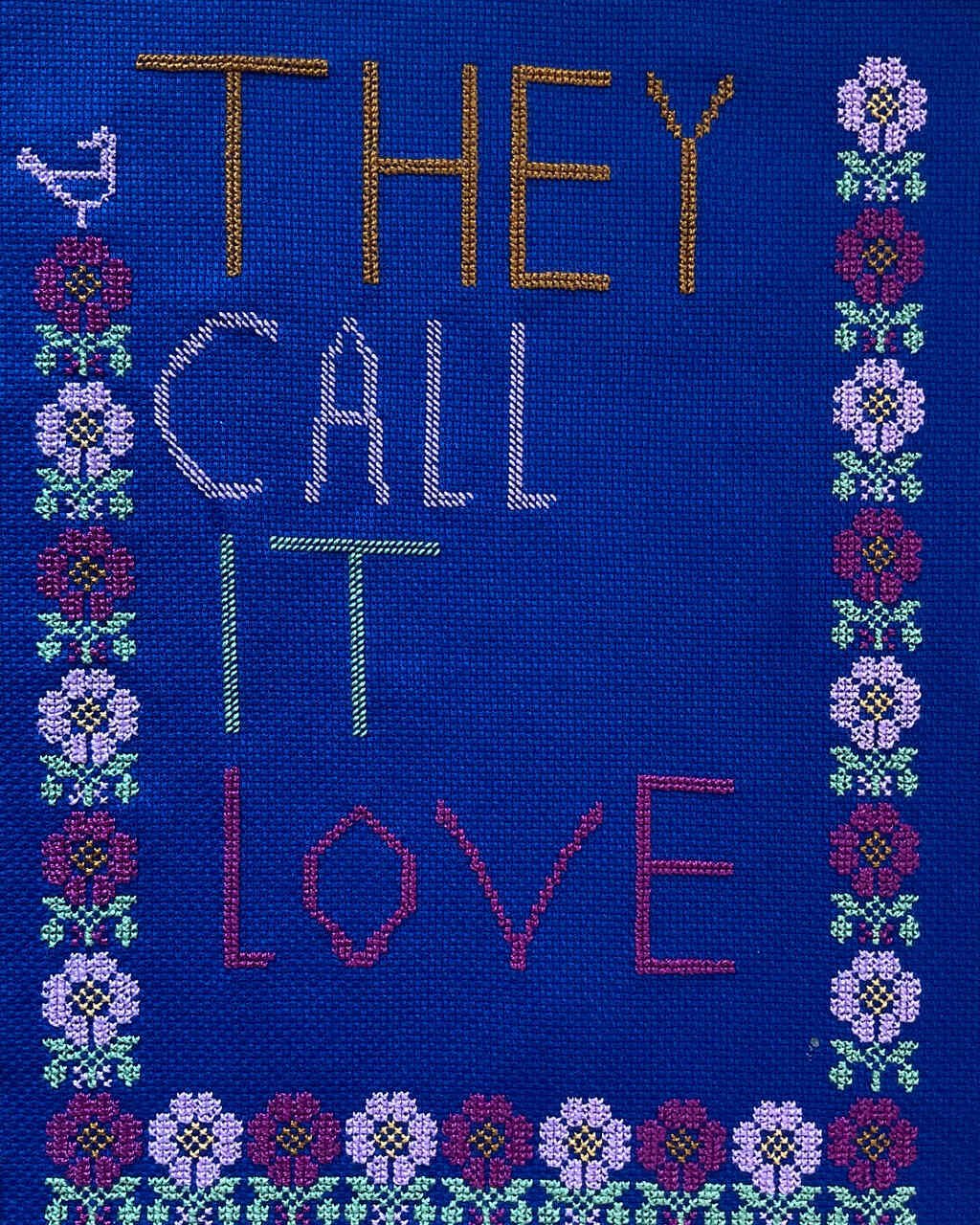
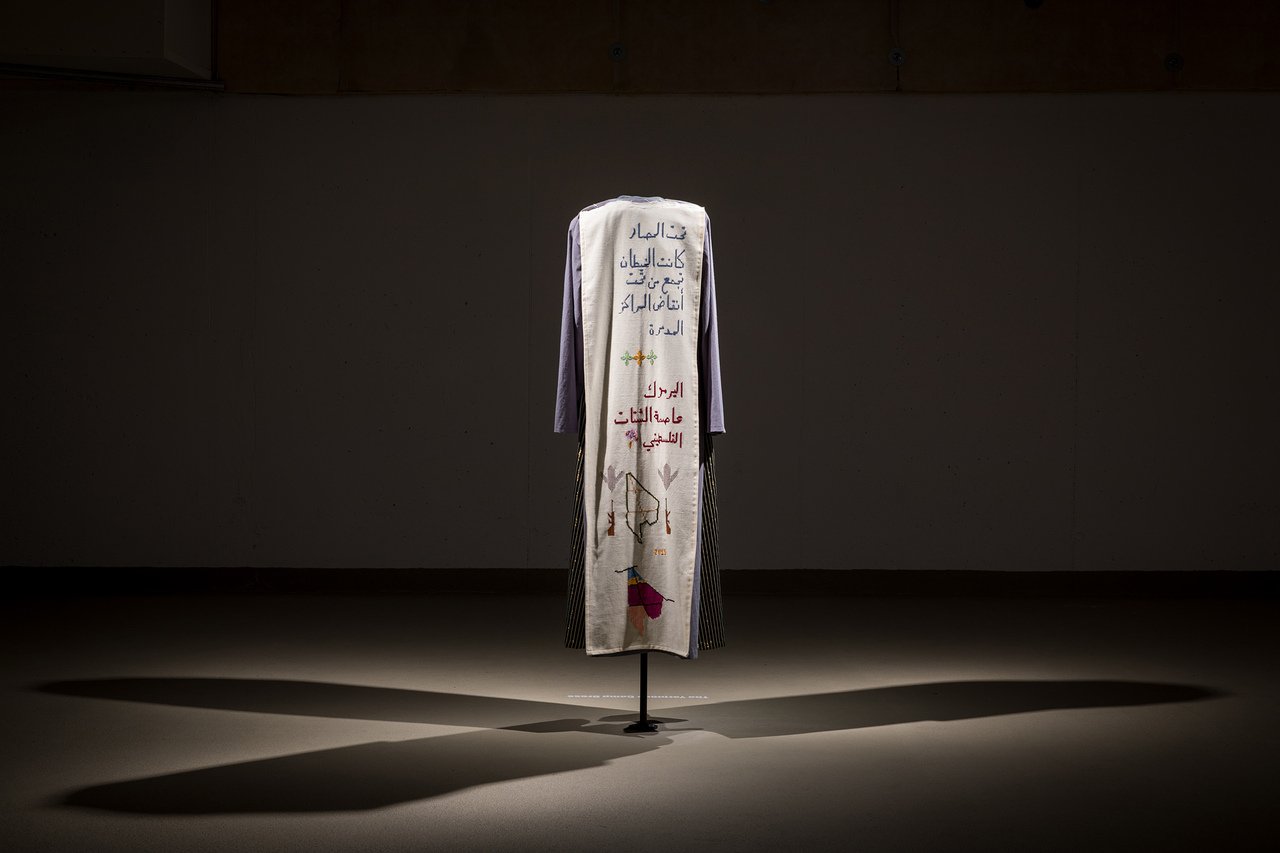
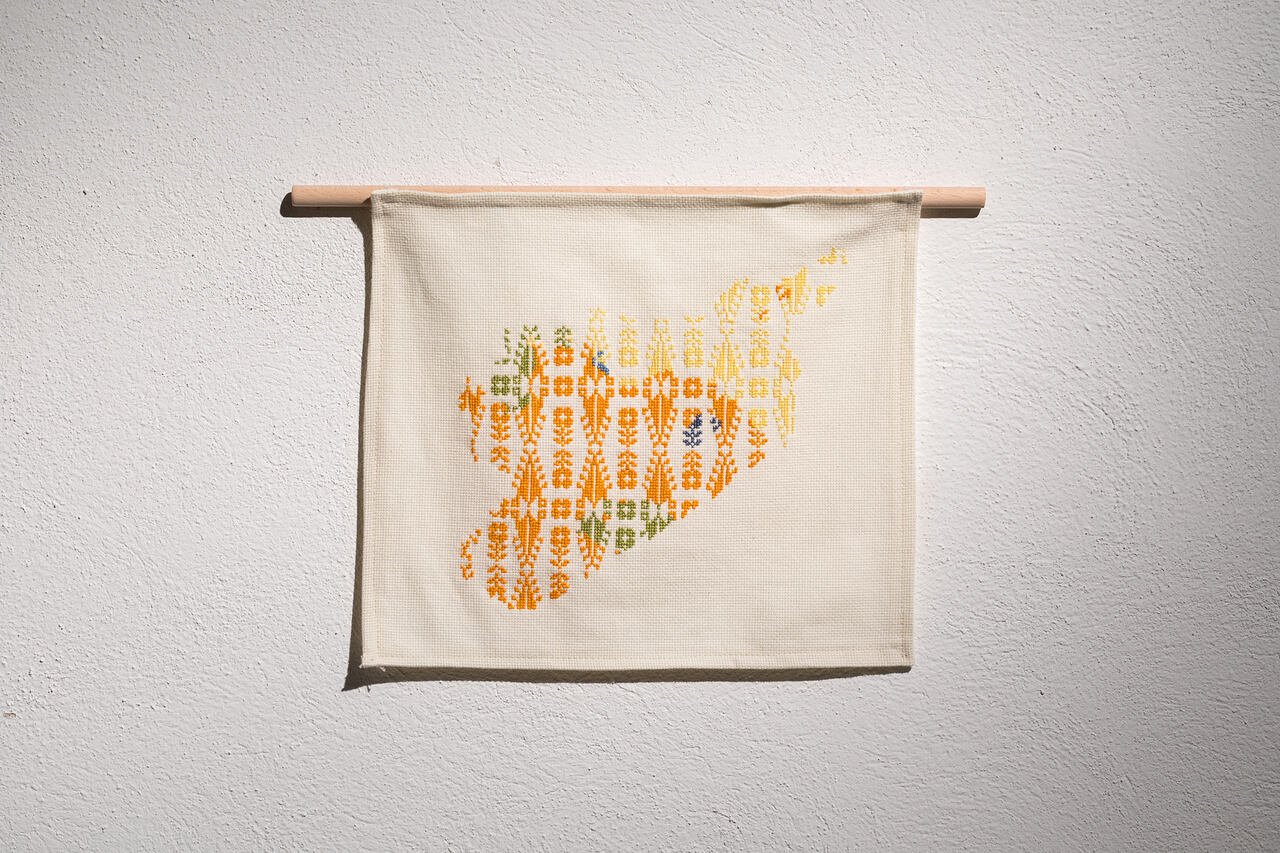
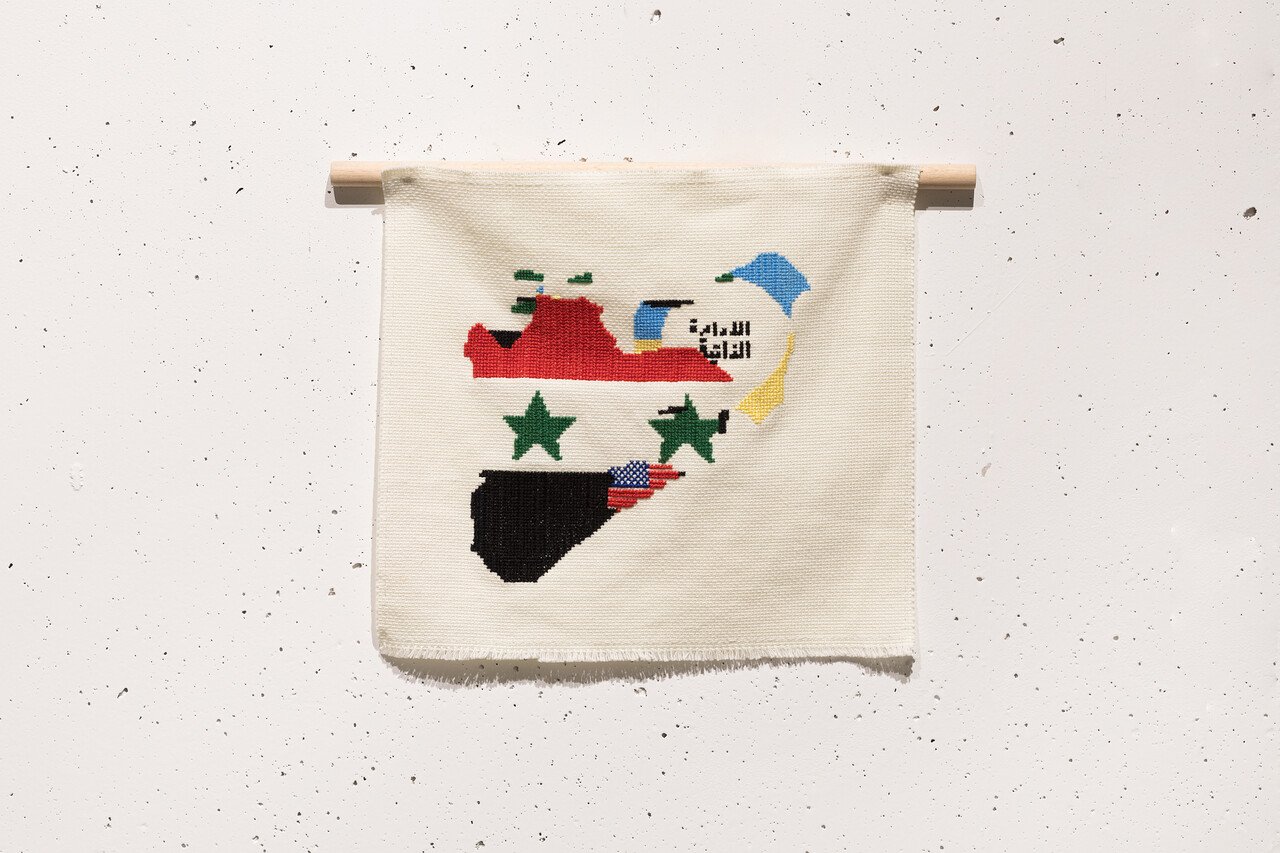
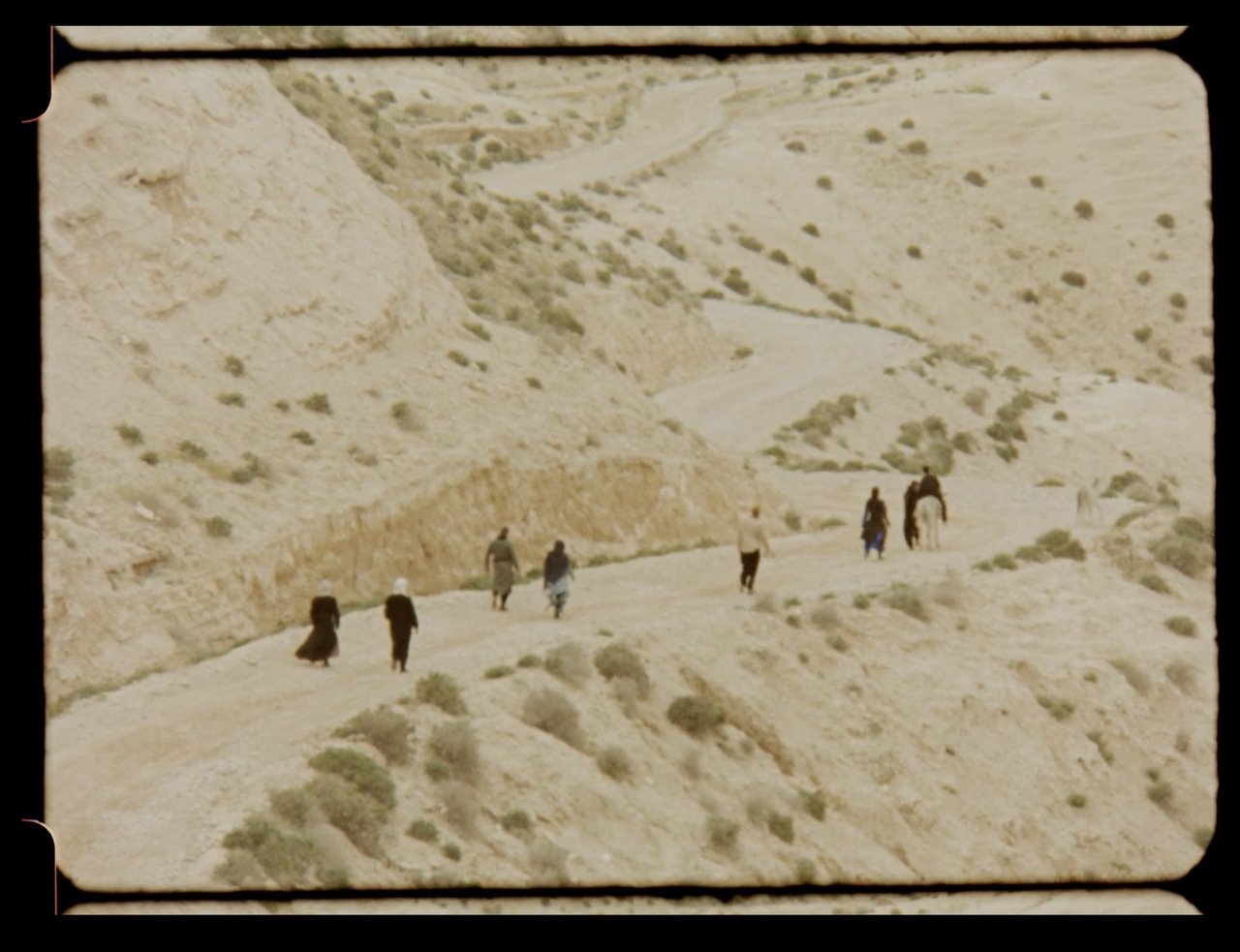
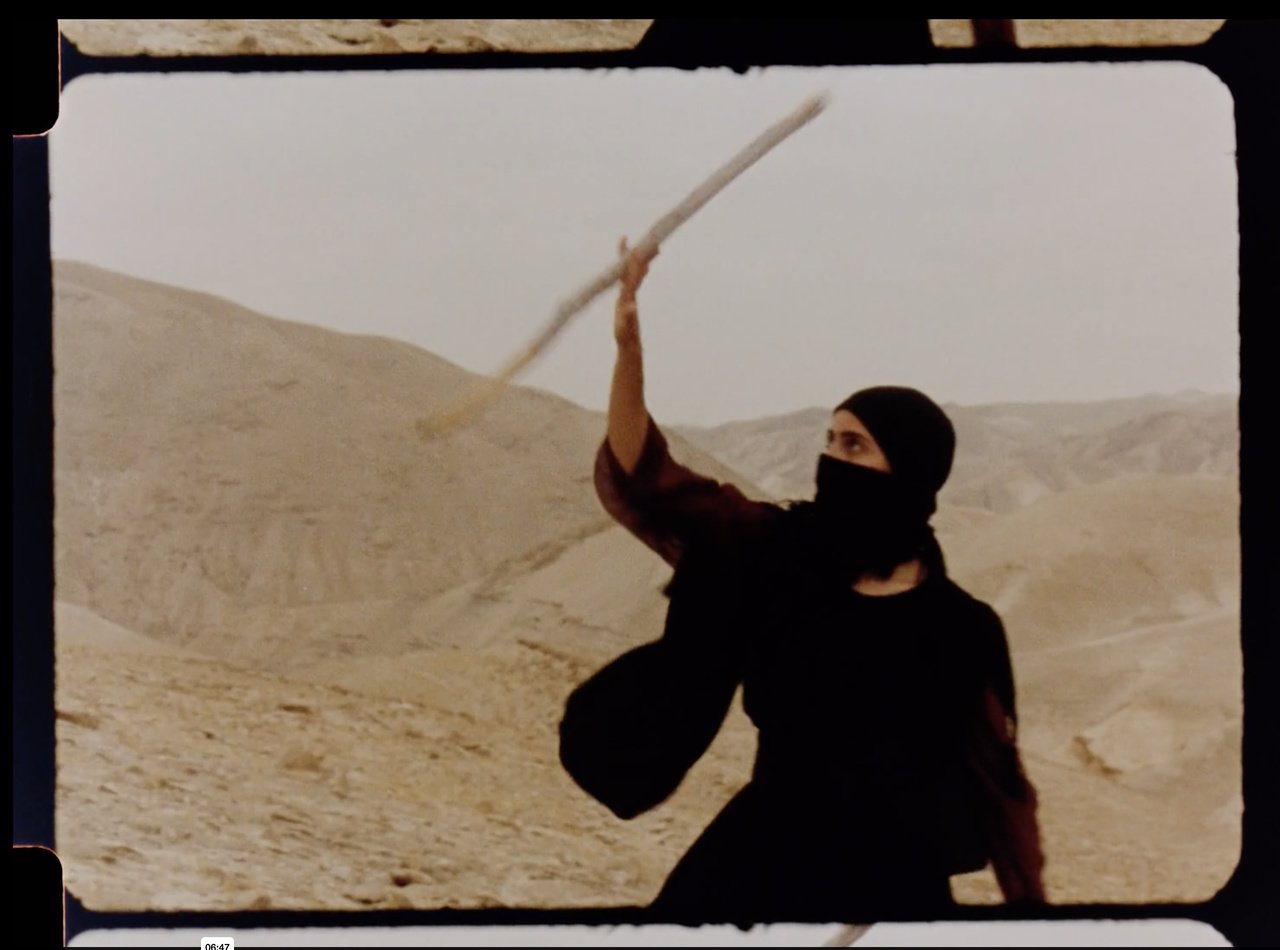
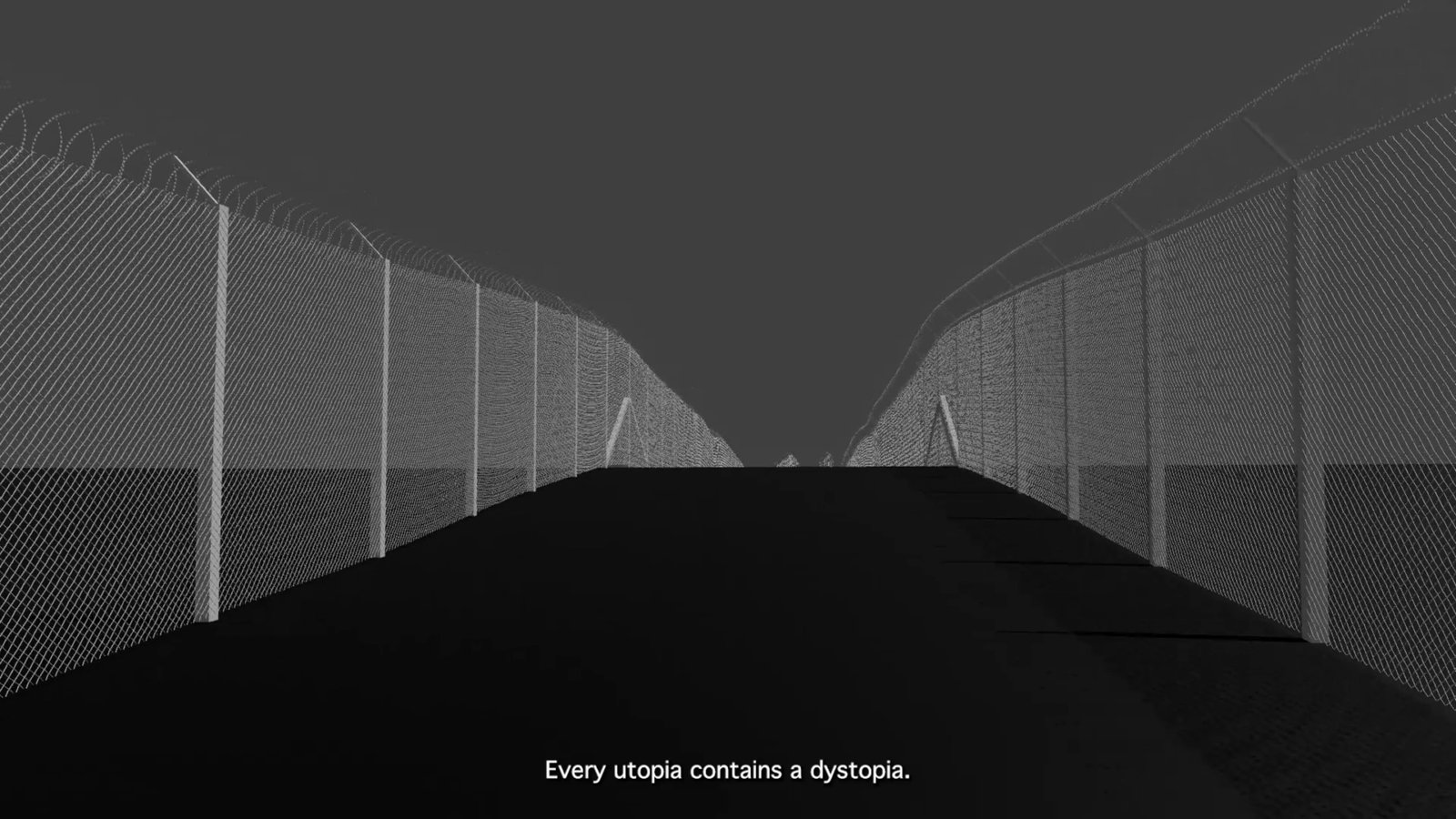
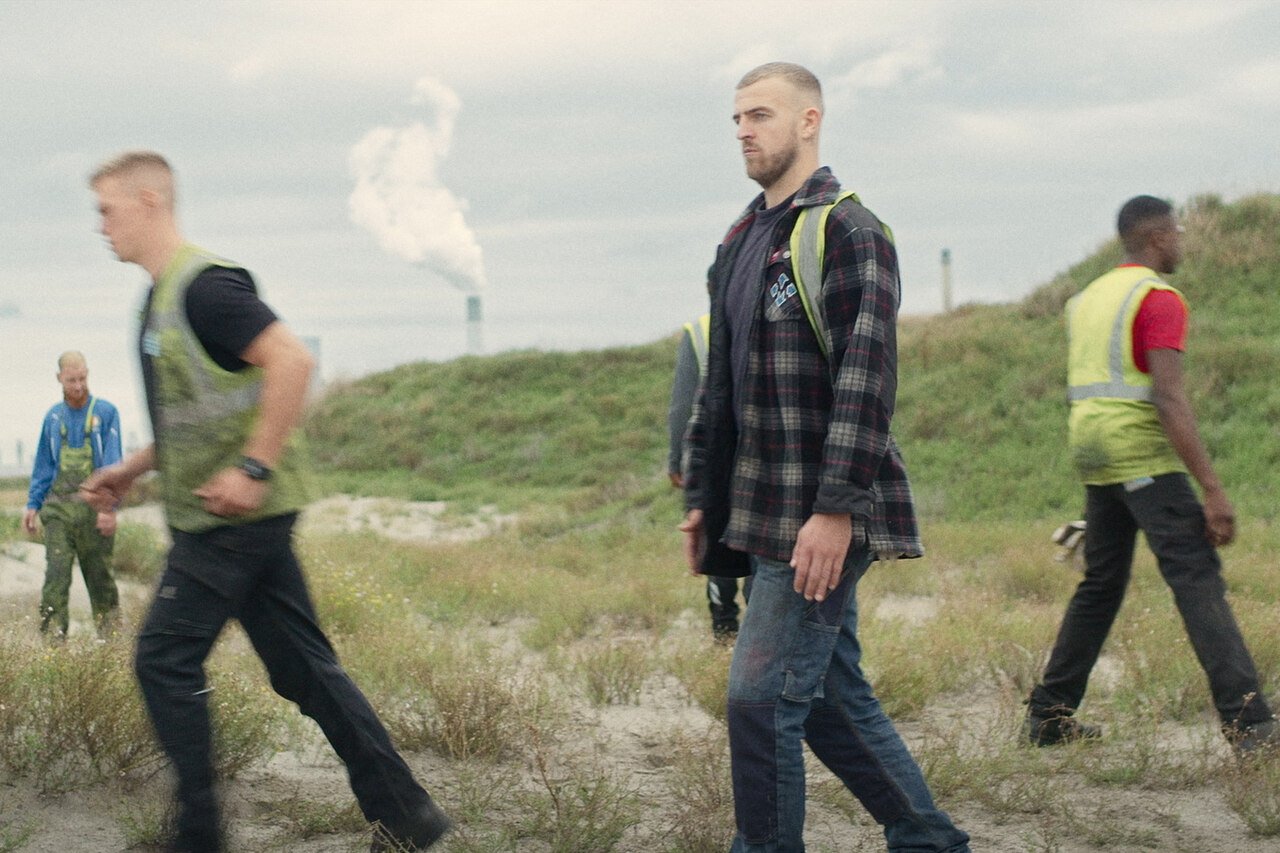
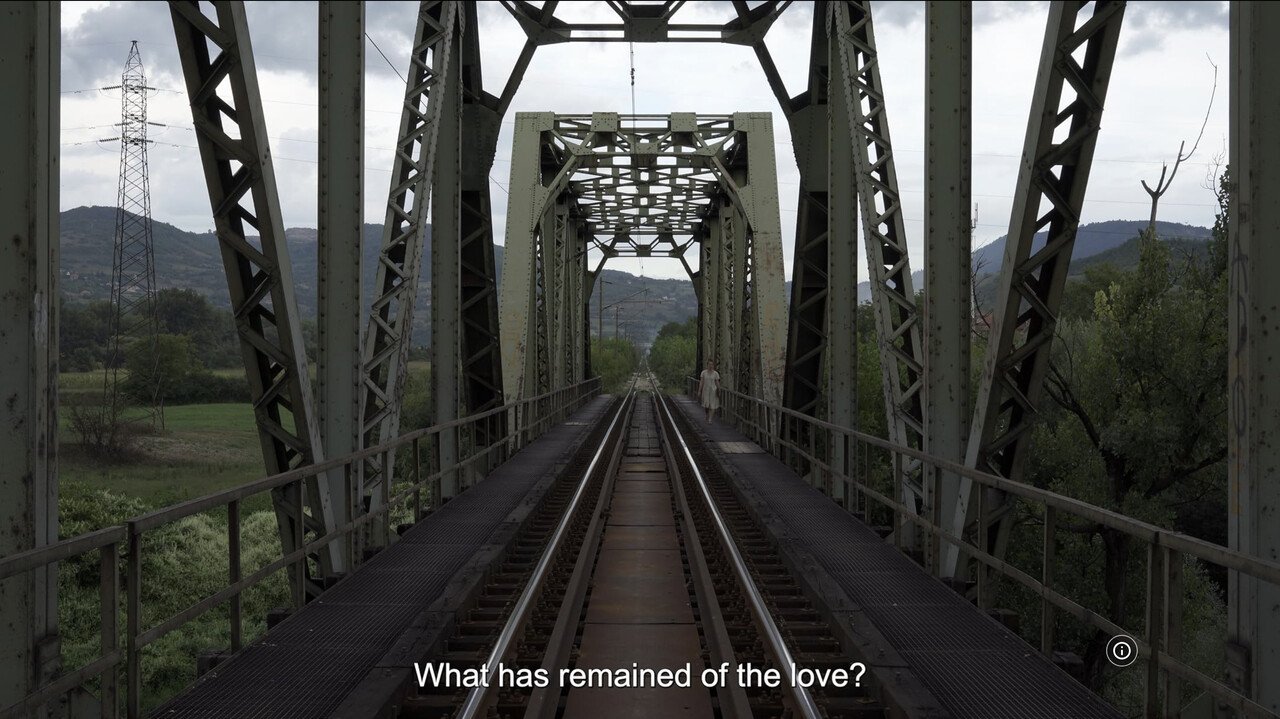
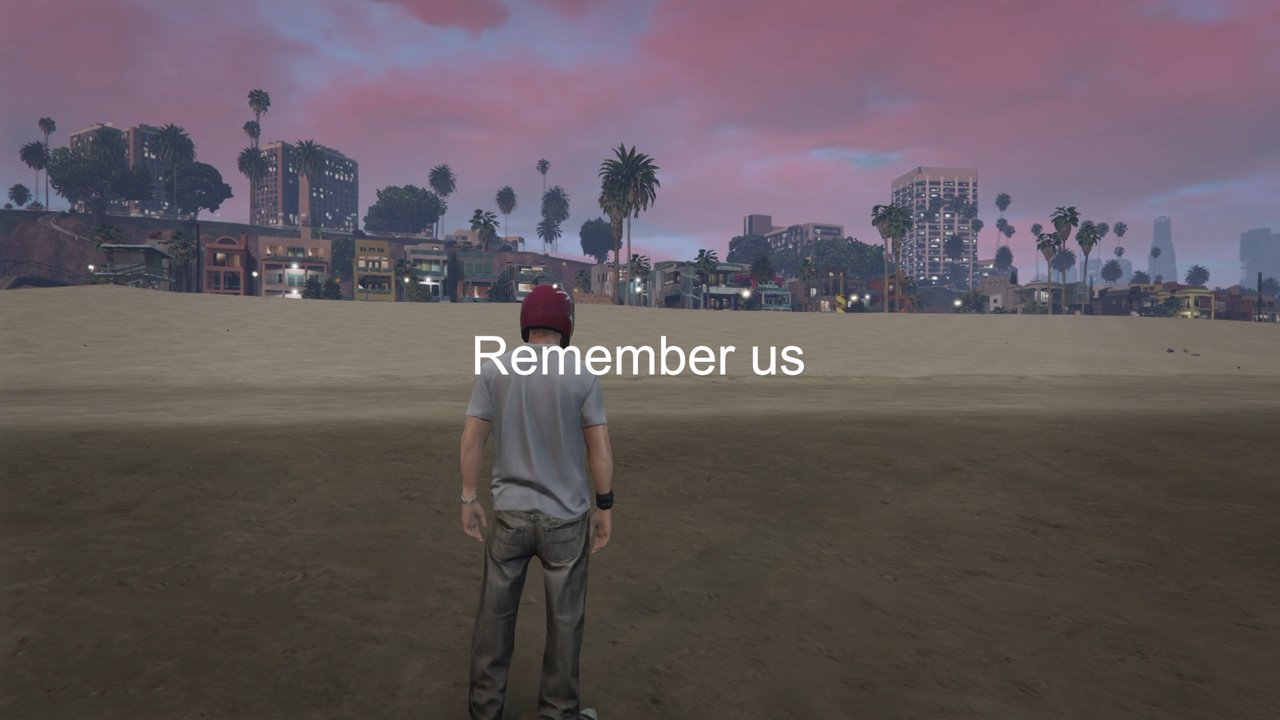
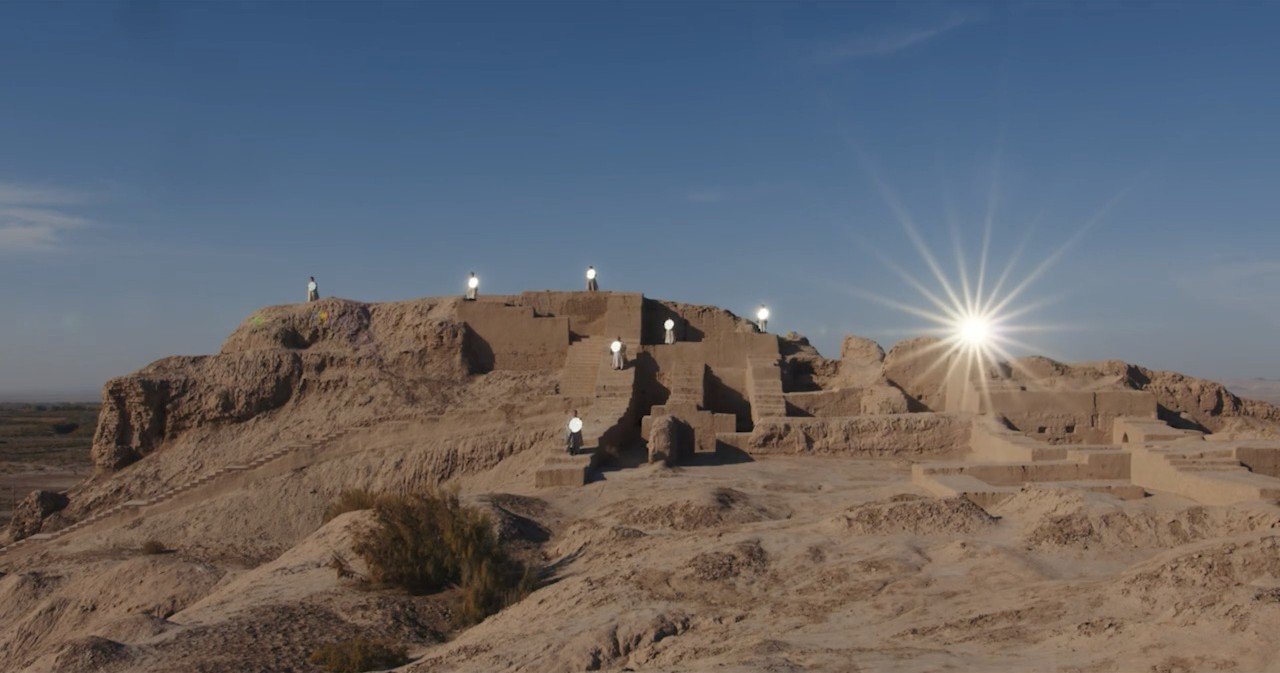
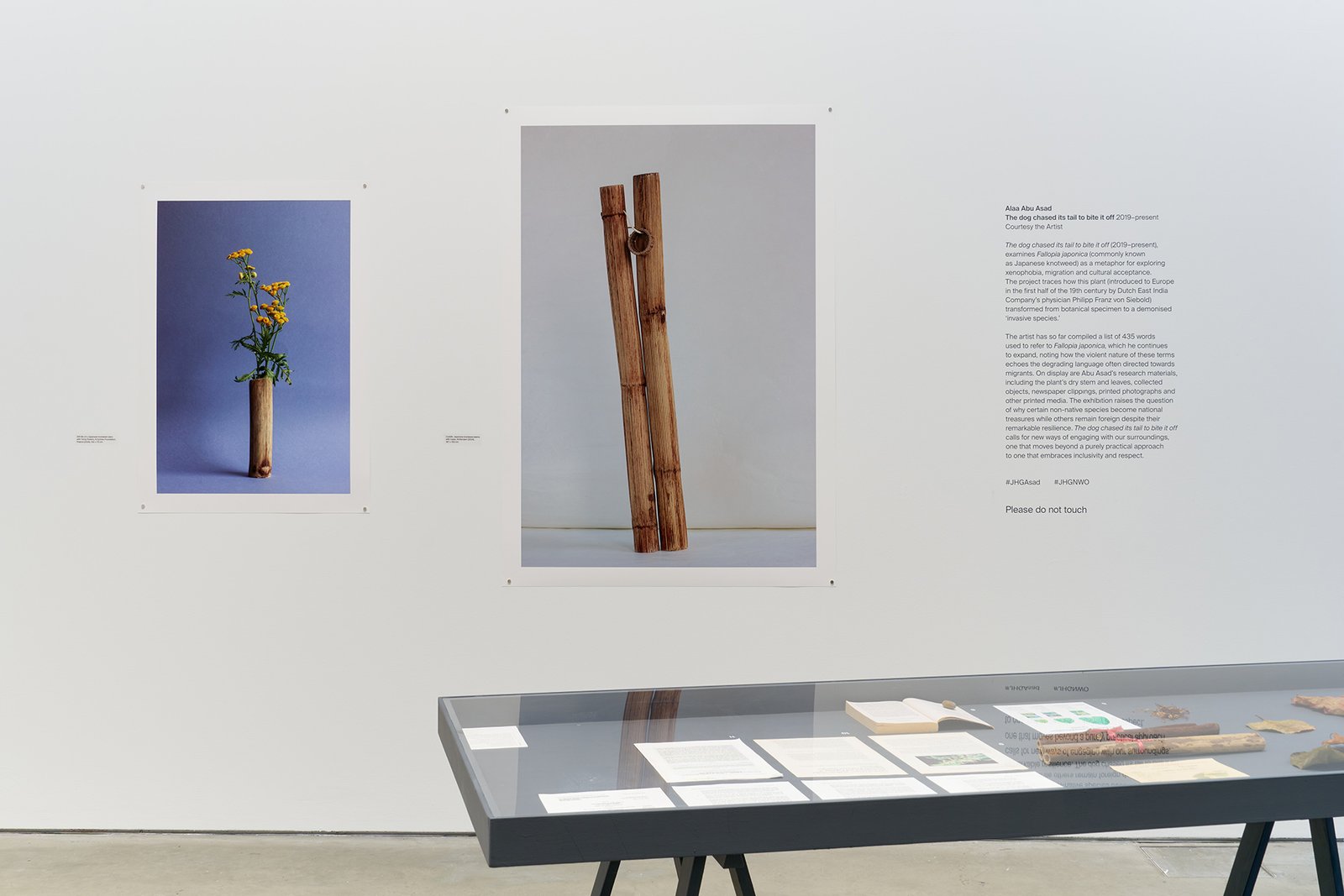
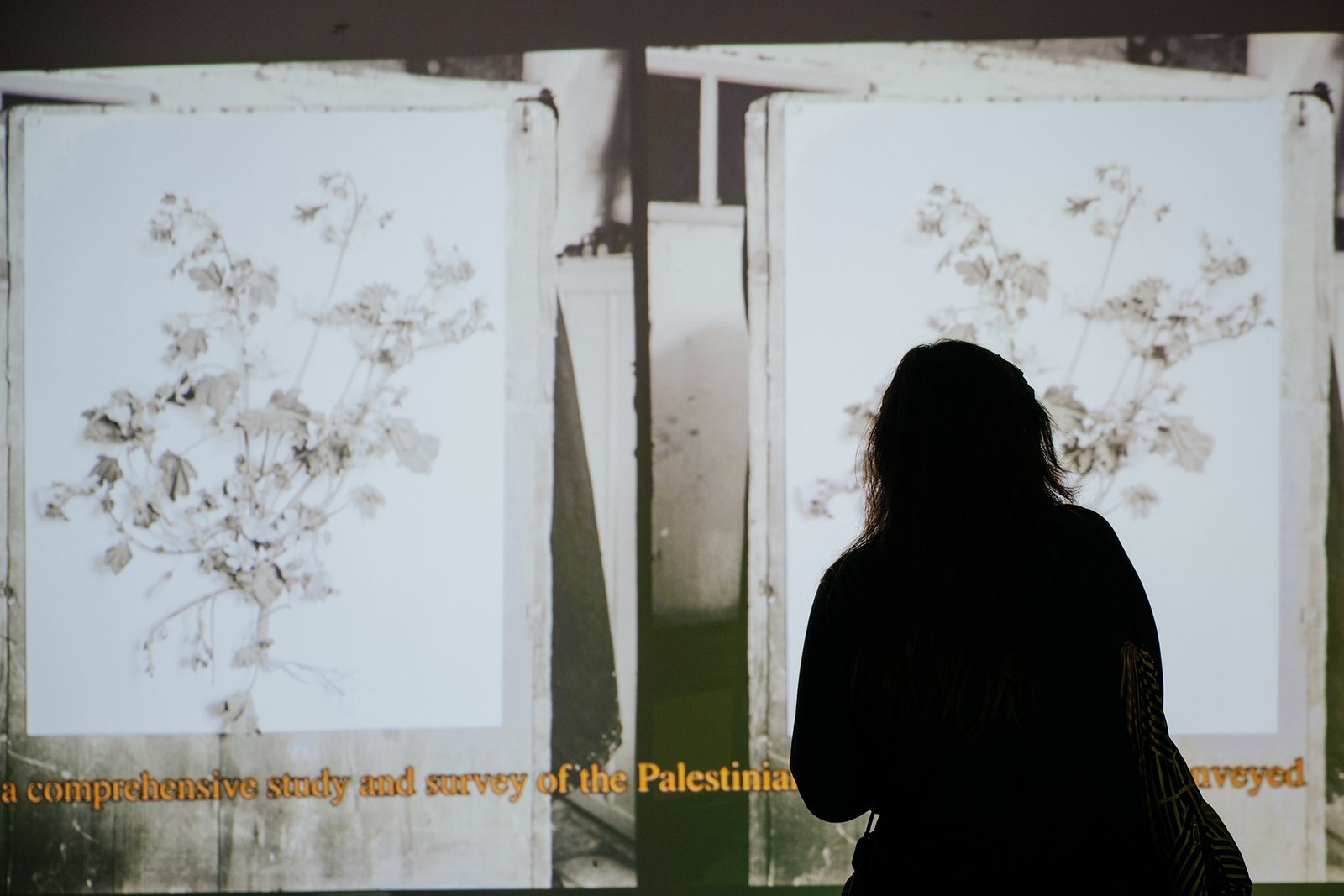
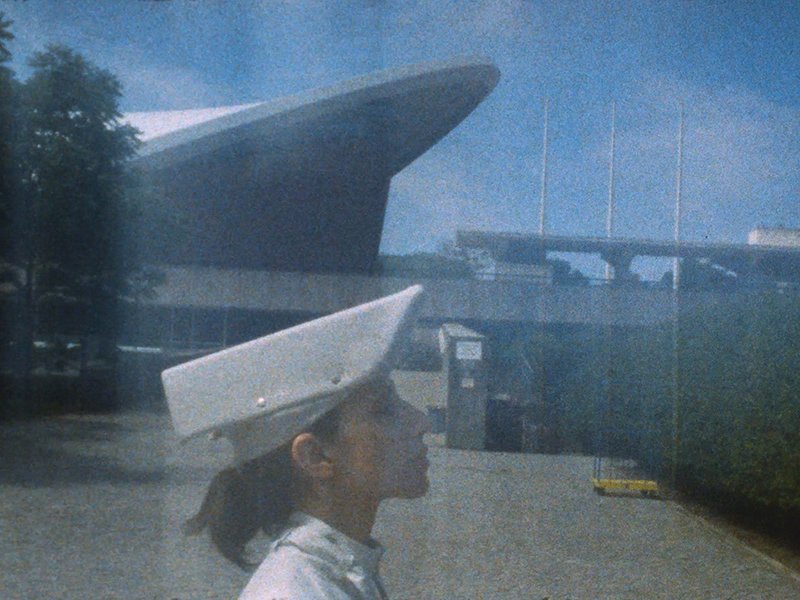
This text is one of four that was commissioned by the team of MOST to accompany their satellite program for the 2025 Kyiv Biennial, “There Is Nothing Solid About Solidarity.” The images accompanying this text are intended to illustrate different aspects of this forum, from the artists and their related artworks, to the workshops, performances, and panels that occurred across the multiple sites.
Alpesh Kantilal Patel
I am writing from Philadelphia, Pennsylvania, in the United States, and want to share how I found myself in Poznań, Poland, in the fall of 2015, which has led to a decade-plus interest in Poland, Lithuania, Ukraine, Latvia, and Estonia, not as bounded countries, as I will make clear. My point here is not simply to convey a part of my biography. It is to illustrate how knowledge, at least in the parts of the British and American academia I was trained and work in, has been and continues to be structured around nations or simplistic notions of regional identity so that someone like me, exploring queer transnational South Asia at the time, would never encounter the work of someone like art historian Piotr Piotrowski, whose focus was an expansive understanding of Central and East Europe. Maybe more to the point, my experiences living and working across different geographies have made me especially sensitive to the inadequacy of the terminology we use as scholars. As I will describe, in some cases, I have used this to my advantage to challenge systems of knowledge, perhaps in small ways. I end this essay, though, with a cautionary note (to myself as much as others).
In my case, a chance meeting with Piotrowski changed my thinking in significant ways. Specifically, several years before I would arrive in Poland, in 2012, I gave a paper at the annual conference of the Association for Art History (AAH), England’s disciplinary organization for art historians and artists, as part of a panel co-organized by Piotrowski and Katarzyna Murawska-Muthesius. The panel eventually led to a publication, From Museum Critique to the Critical Museum (2015), which included contributions from several panel members, including me, as well as other invited thinkers.1 I was not familiar with the scholarship of either of my panel chairs, but I wanted to learn more about them. At the time, Piotrowski’s work had just become available in English. That is, at least in part, why I was not aware of his work, because I don’t read Polish. In perusing his writing, I came across his ideas on “horizontal art history.” 2 For him, invoking “horizontal” was to level the playing field or to consider what might happen if we started thinking of Western European/American art history as a regional art history, one of many in the world, rather than as the center. Though Piotrowski and I are both art historians, the ways in which knowledge gets organized would have largely precluded either one of us from meeting each other. While we both had expansive ways of thinking about Central-Eastern Europe (in his case) and transnational South Asia (in mine), fairly reductive ideas of bounded regions still tend to be the norm.
In the summer of 2014, I organized a study abroad trip for the university where I taught, including a trip to Poznań, Poland, about a three-hour train ride from Berlin, Germany, where my students were exploring the Berlin Biennale. Adam Mickiewicz University (AMU), where Piotrowski was based, is located in Poznań, and he gave a brilliant, inspiring lecture to my students, connecting Latin America with part of Eastern Europe.
I decided that summer to apply for a Fulbright grant from the US to spend part of the fall at AMU. Much of my work is about the transcultural and transnational, and I felt I could learn a great deal by engaging with Piotrowski, who was very supportive. I also wanted to expand my thinking to explore LGBTQ artistic practices in another part of the world. Art historian Paweł Leszkowicz, a specialist in queer art history, was also based at AMU. Unfortunately, Piotrowski passed away several months before I was to arrive, and Leszkowicz had been awarded his own Fulbright to study in the United States. I ended up going to Poland anyway. Leszkowicz and I overlapped briefly, and I am immensely grateful to him as well as to art historians Agata Jakubowska and Magdalena Radomska for helping me settle in. Jakubowska is now based at the University of Warsaw, and Radomska oversees AMU’s Piotr Piotrowski Center for Research on East-Central European Art. Leszkowicz wrote a beautiful essay about Piotrowski, who was his mentor, for the anthology Storytellers of Art’s Histories, whichI co-edited with Yasmeen Siddiqui.3 Indeed, Jakubowska, Radomska, and Leszkowicz were all former students of Piotrowski’s and are now trailblazers themselves.
While writing this essay, I went back to my monograph Productive Failure: writing queer transnational South Asian Art Histories, published in 2017, convinced that Piotrowski’s thinking had explicitly played a more central role in my book. I think I just didn’t have time to process it fully, especially since he wasn’t there to be the interlocutor I had expected. I do cite him, though, in a footnote in my introduction:
… consider art historian Piotr Piotrowski’s compelling essay that examines links between Eastern Europe and Latin American art histories that in turn confuse either as discrete … his expanded approach to regional art histories … does not suggest that transregional art histories should replace the constructions of art histories that are more regionally bounded, but that they should be seen as intertwined or entangled with them.4
Since that time, there has been much writing on horizontal art history, including an entire anthology that ruminates on its pleasures and perils.5 Prior to his passing, Piotrowoski, himself, was conceptualizing a different but related concept, “alter-globalist” art history. He advocated for focusing on “horizontal historical cuts of the selected moments in global history and art history.”6 Piotrowski’s book on this topic was posthumously published in Polish in 2018, and an English translation is forthcoming.7
I, too, have mobilized horizontal art history in my chapter contribution to the anthology Globalizing East European Art Histories: Past and Present.8 This opportunity came about somewhat unexpectedly. One of the original coeditors was Murawska-Muthesius, who was one of the co-organizers of the conference and the edited book to which I contributed and mentioned above. I was essentially filling the spot vacated by Leskowicz, who had recommended me. I remember both feeling flattered and like an imposter. At the time, in the fall of 2015, I had spent only a few months in Poland. In the end, what I came up with productively challenged the limits of what could count as “East European art history” and “Asian American art history.” The topic also arose from a chance encounter, too, that I will describe in the next paragraph. In that essay, I consider the work of non-binary Asian American artist Tina Takemoto’s work, Looking for Jiro, alongside gay Estonian Jaanus Samma’s Not Suitable for Work: A Chairman’s Tale (2016). Both artworks address the lack of archives regarding queer subjects, specifically around the time of World War II. In both the United States and the Soviet Union, homosexuality became tantamount to a betrayal of the state. What I am suggesting, by reading these two histories/historical instances together, is an alternative mapping of sexual geographies beyond the local and the national. That is to say that Asian America and Soviet-era Estonia are not seen as bound discursive regions but regions that can be in relation to each other.
I love the idea that when you pick up Globalizing East European Art Histories: Past and Present, you will find an image of Takemoto in drag. This chapter, too, emerged from an unexpected encounter. While I was in Poland in 2015, I decided to meet with Samma, who continues to do a lot of important work focused on queer themes broadly related to Estonia. A year later, in 2016, he showed the aforementioned work Not Suitable for Work: A Chairman’s Tale (2016) at Estonia’s Museum of Occupations, so I went to see it. While in the galleries, I started to make connections between his and Takemoto’s work. To be honest, my brain had a hard time wrapping my head around how I was going to make them clear in writing. That is, I didn’t want to lose the specificity of each work. I have now expanded and revised this chapter in my forthcoming book, Multiple and One: writing queer global art histories. In this book, I explore trans-Asia as a framework for considering the work of Takemoto and Samma that challenges notions of Asia as a knowledge category.
When I was asked to write this piece, in the context of the satellite program of the Kyiv Biennial, There Is Nothing Solid About Solidary, I saw a parallel between my need to mobilize “trans-Asia” and the coinage of the term “Middle East Europe” by the Kyiv Biennial curatorial team which, per the biennial’s website, is “a term encompassing Central & Eastern Europe, the former-Soviet Central Asia, and the Middle East.”9 However, I also want to be clear that terms such as trans-Asia and Middle East Europe can quickly become unclear without rigorous contextualization. That is, I spent about 5,000 words discussing how two artworks (one by Samma and the other by Takemoto) can be seen together. I can only imagine how complex and arduous it would be to bring together the threads of the number of works in a biennial. Moreover, the works I wrote about were tied together through the context of homosexuality and communism during the World War II era in Soviet Estonia and Asian America. That task taken on by the biennial, that brings together works tied to various geopolitics and content, is tricky to say the least.
In 2023, I published a book chapter that clarified terminology such as postcolonial, neocolonial, decolonial, and anticolonial, which are often discussed as if they have stable definitions.10 I sought to map a critical genealogy of the emergence of these concepts, specifically in relation to the visual arts. Most early scholarship on the “postcolonial” was produced by non-white US-based academics from diasporic backgrounds (all born outside the West) and based in English, literature, and comparative literature departments in the 1980s. The three scholars who are often seen as having laid the groundwork for our understanding of the concept are Edward Said, Homi K. Bhabha, and Gayatri Chakravorty Spivak. Said explored the historically imbalanced relationship between the world of Islam, the Middle East, and the Orient, on the one hand, and that of European and American imperialism, on the other. The scholarship of Spivak and Bhabha focused on the period after the partition of India in 1947. In other words, there is a geographical specificity to all of their works. Also, their works often deal with language rather than the visual arts. Overall, terms such as “postcolonial” are best understood as requiring incessant undoing and contextualization. To do anything else simultaneously empties them of meaning and calcifies them into rigidity.
To foreground the precarity of terminology and our need to be mindful not to use any of the “colonials” I cited in our writing loosely, I want to return to where I began – in Philadelphia – but perhaps more crucially, when. I began writing this article in the summer/fall of 2025, the first year of Donald J. Trump’s second term as President of the United States, which has long been one of the imperial and colonial forces re-shaping global politics. I am now writing these concluding paragraphs in 2026, 250 years after the Declaration of Independence was signed in Philadelphia by the founders of the United States.


I am penning this conclusion on March 4, 2026, a few days after Trump, in collaboration with Benjamin Netanyahu, the Prime Minister of Israel, launched an attack on Iran. The US has been actively reshaping global politics in a way unseen since the end of World War II, when Britain, France, the United States, Canada, and eight other Western European countries established the North Atlantic Treaty Organization (NATO) in 1949 (Several years later, in 1955, in response to West Germany’s accession to NATO, the Soviet Union created the Warsaw Pact.).
Even between the start and end of writing this conclusion, so much has changed: the Israel-Hamas war, which began on October 7, 2023, reached a significant, albeit fragile, turning point with a ceasefire agreement in October 2025. And yet so much has not changed: the full-scale russian invasion of Ukraine remains unresolved, now entering its fourth year. In the first two months of 2026, Trump has threatened to annex Greenland, an autonomous territory of NATO member Denmark, and authorized the abduction of then-incumbent Venezuelan President Nicolás Maduro and his wife, Cilia Flores, and “ran” the country until former Vice President Delcy Rodríguezwas was sworn in as acting President.
The way in which any of the “colonial” terminologies would land (be consumed by those reading anything I have written) if I mobilized them last summer 2025 versus late winter 2026, and beyond, will be vastly different. As writers and curators, arguably the shapers of narrative, we have to be careful of the “baggage” that these, and every other term, carries with it. The opportunity to live and travel in East Europe was a privilege, and one of the most critical gifts of that experience was that it revealed my unconscious, implicit contexts. I do not mean to imply I can always completely know my biases – I think it was Roland Barthes who said it best, we are always our own blind spot – but that perhaps more importantly, we can never be too precise in their naming.
Alpesh Kantilal Patel is Associate Professor of Global Contemporary Art at Tyler School of Art and Architecture in Philadelphia, PA, USA. Patel has a queer, anti-racist, and transcultural approach to his art historical scholarship, art criticism, and curatorial work. The author of “Multiple and One: Writing Global Queer Art Histories” (forthcoming) and “Productive Failure: Writing Queer Transnational South Asian Art Histories” (2017), they are also coeditor of the dossier ‘conceptualizing TRANS-ASIA’ for ASAP/Journal (2024), the anthology “Storytellers of Art Histories” (2022), and a special issue of Nka: Journal of Contemporary African Art (2021) commemorating Okwui Enwezor, among other publications. Grants and fellowships from the Fulbright Foundation, Loughborough University, Arts Council England, Cranbrook Academy of Art, and Danish Art Council have supported their research. An associate editor of visual arts, architecture, and art history for ASAP/Journal and an editorial advisory board member of the Getty Research Journal, they organized a series of exhibitions in 2023 under the theme, “Forever Becoming: Decolonization, Materiality, and Trans* Subjectivity” at UrbanGlass, Brooklyn.

“There Is Nothing Solid About Solidarity” gathered artists, curators, researchers and collectives who hail from regions widely known as Central and Eastern Europe, the Middle East and Central Asia, offering a space for interrogation of the institutions and frameworks that have led us to this current geopolitical environment and the initiatives that have flourished as a result. The program presented a spectrum of organisational forms – from individual grassroots projects and community centres to research endeavours that examine historical expressions of solidarity, friendship and allyship, and was presented as a forum held between M HKA, De Studio, De Cinema, and TICK TACK Cinema (Antwerp) from 24 – 26.10.2025.
“There Is Nothing Solid About Solidarity” has been curated by the MOST Magazine co-editor-in-chief team and Yulia Krivich. The program was supported by the Adam Mickiewicz Institute (Warsaw) in collaboration with M HKA, De Cinema, and De Studio, and co-financed by the Ministry of Culture and National Heritage of Poland, in partnership with the Polish Institute in Brussels.
You can find the other texts from this series linked here:
“Samizdat: The Press Body of the Collective” by Maxim Poleacov
“‘Eastern Europe’ in Air Quotes” by Petrică Mogoș and Laura Naum
“DECOLONIAL SOLIDARITY” by Svitlana Matviyenko
1 Katarzyna Murawska-Muthesius and Piotr Piotrowski, eds., From Museum Critique to the Critical Museum (Routledge, 2016), https://doi.org/10.4324/9781315583433.
2 See the introduction to this book for more about his concept: Agata Jakubowska and Magdalena Radomska, eds., Horizontal Art History and Beyond: Revising Peripheral Critical Practices (Routledge, 2022).
3 Paweł Leszkowicz, “Paweł Leszkowicz,” in Storytellers of Art Histories: Living and Sustaining a Creative Life, ed. Alpesh Kantilal Patel and Yasmeen Siddiqui, Living and Sustaining a Creative Life (intellect, 2022).
4 Alpesh Kantilal Patel, Productive Failure: Writing Queer Transnational South Asian Art Histories (Manchester University Press, 2017), 19.
5 Jakubowska and Radomska, Horizontal Art History and Beyond: Revising Peripheral Critical Practices.
6 Piotr Piotrowski, ‘From Global to Alter-Globalist Art History’, trans. Marta Skotnicka, Teksty Drugie 1 (7), no. Special Issue English Edition (2015): 125–28, https://doi.org/10.18318/td.2015.en.1.8.
7 Piotr Piotrowski, Globalne Ujęcia Sztuki Europy Wschodniej (Rebis, 2018); Piotr Piotrowski, A Global Approach to the Art of Eastern Europe, trans. Anna Brzyski (Igor Zabel Association for Culture and Theory, forthcoming).
8 “Artistic Responses to LGBTQI Gaps in Archives: From World War II Asian America to Postwar Soviet Estonia,” in Globalizing East European Art Histories: Past and Present, by Beáta Hock and Anu Allas, Routledge Research in Art History (Routledge, Taylor & Francis group, 2018), 202–15.
9 https://2025.kyivbiennial.org/program/near-east-far-west/
10 Alpesh Kantilal Patel, “Post‐/Anti‐/Neo‐/De‐ Colonial Theories and Visual Analysis,” in A Companion to Contemporary Art in a Global Framework, 1st ed., ed. Jane Chin Davidson and Amelia Jones (Wiley, 2023), https://doi.org/10.1002/9781119841814.ch24.
Participants: Noor Abed, Alaa Abu Asad, Nika Autor, Asia Bazdyrieva, eeefff, fantastic little splash, Floèmee, Samah Hijawi, Irfan Hošić, Saodat Ismailova, Katarina Jazbec, Nikolay Karabinovych, Dana Kavelina, Yasia Khomenko, Bogdana Kosmina, Daryna Mamaisur, Svitlana Matviyenko, Petrică Mogoș, Beatrice Moumdjian, Laura Naum, Elif Satanaya Özbay, Alpesh Kantilal Patel, Oleksandra Pogrebnyak, Maxim Poleacov, Dilda Ramazan, Basyma Saad, Selma Selman, Nour Shantout, Firas Shehadeh, Malaka Shwaikh, Antonina Stebur, Tytus Szabelski-Różniak, Asia Tsisar, Kat Zavada, Driant Zeneli
Forum Title: There Is Nothing Solid About Solidarity
Curated by: MOST Magazine co-editor-in-chief team and Yulia Krivich
Venue: M HKA, De Studio, De Cinema, and TICK TACK Cinema
Place (Country/Location): Antwerp, Belgium
Dates: 24 – 26.10.2025