
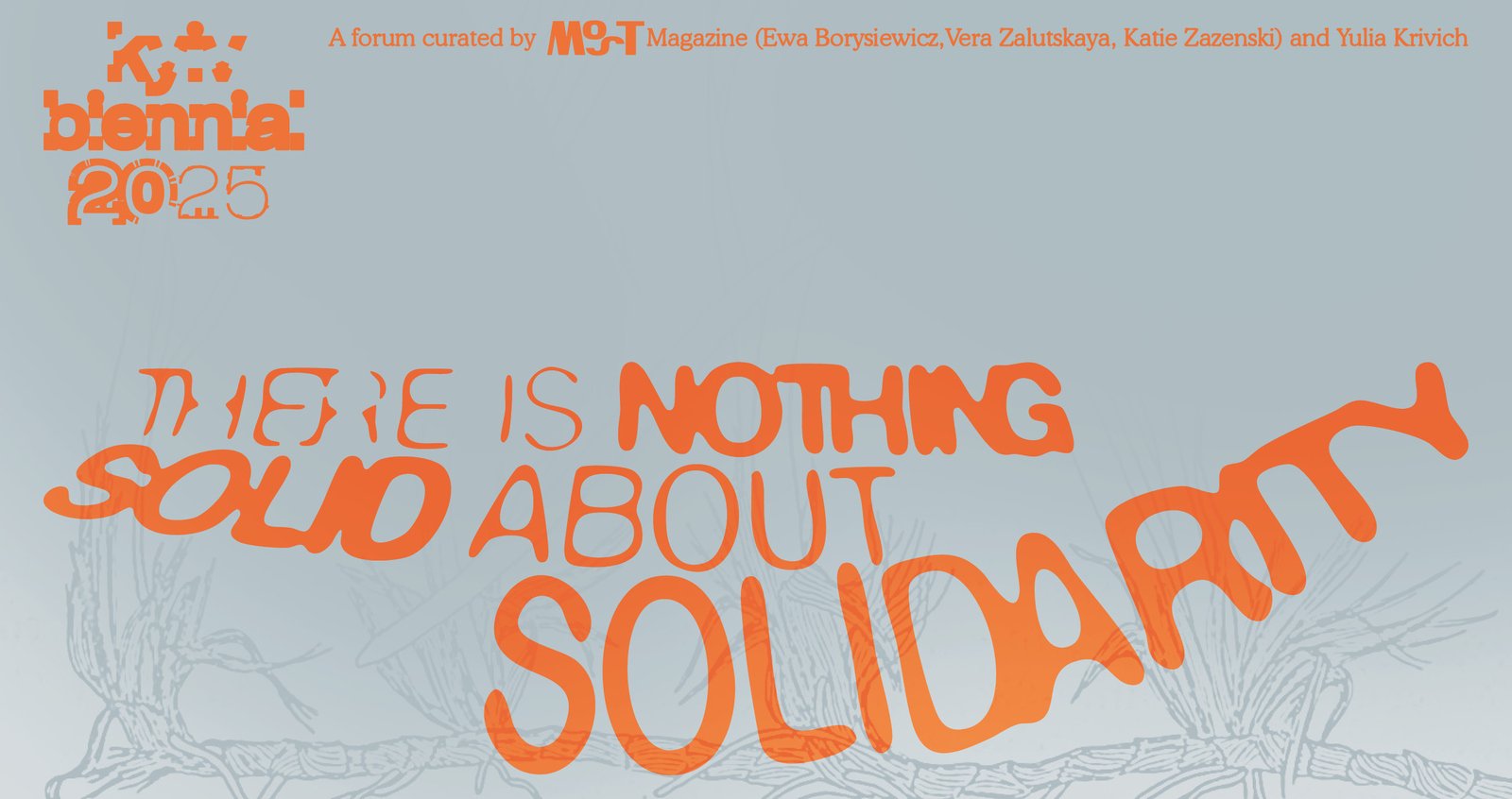
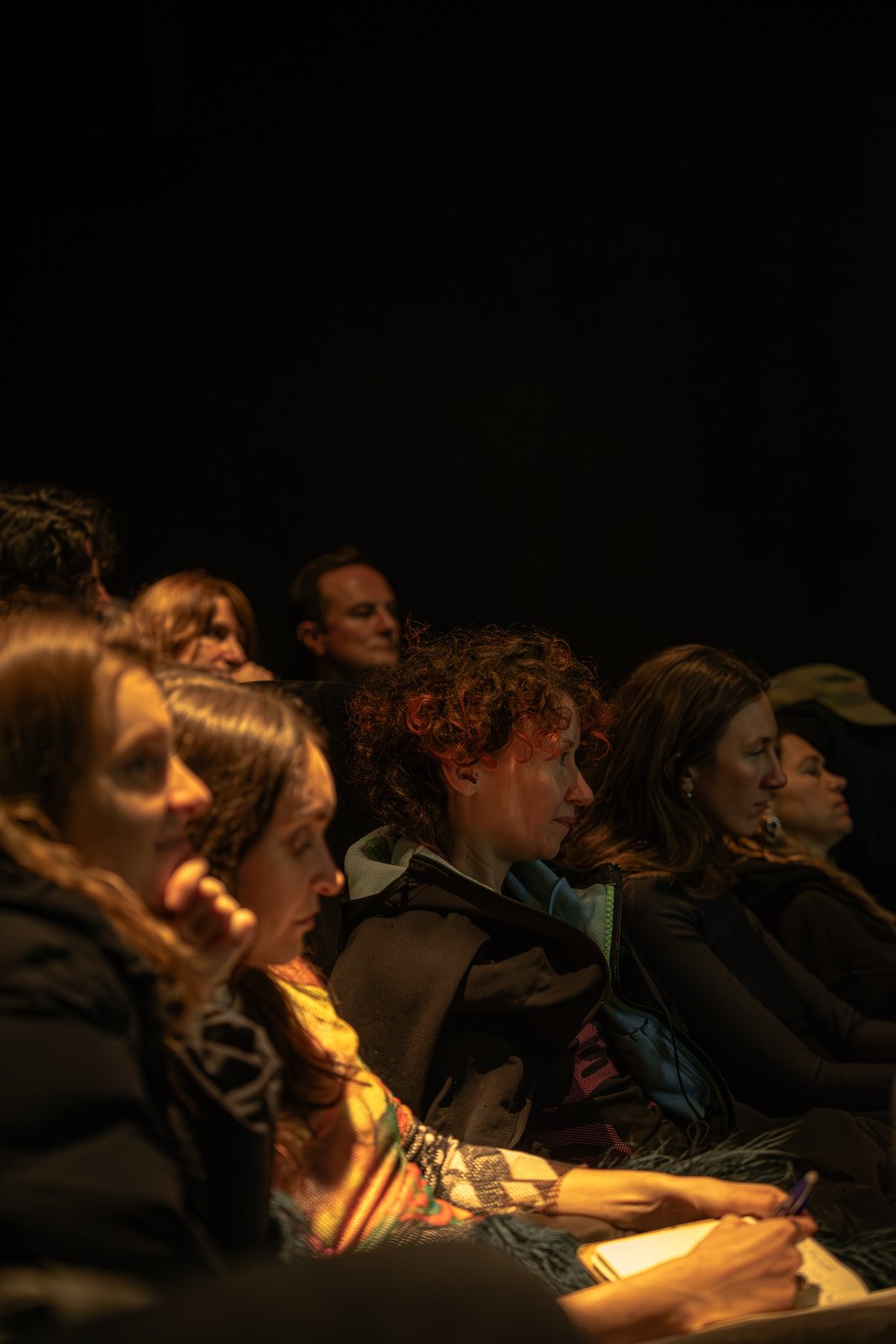
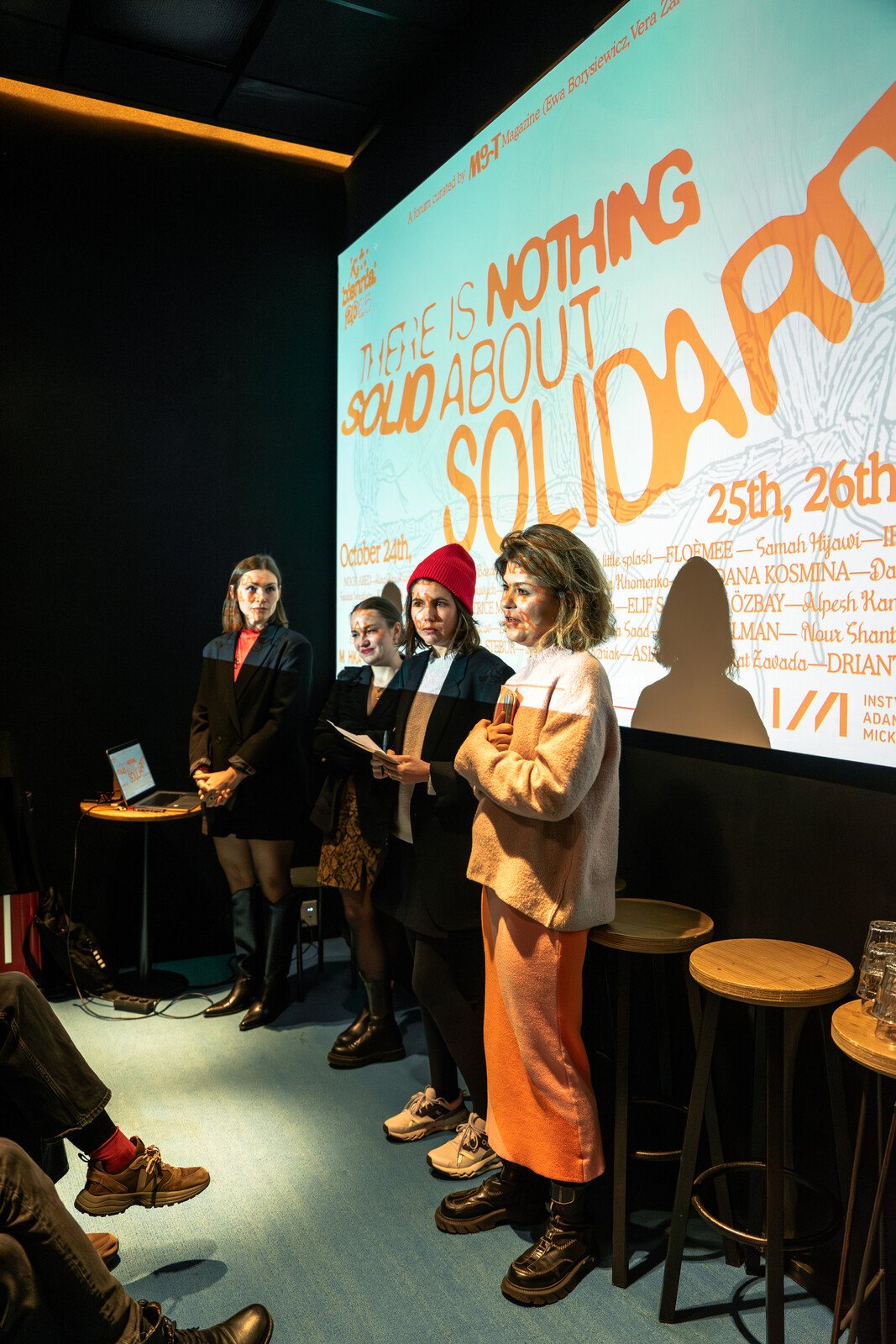
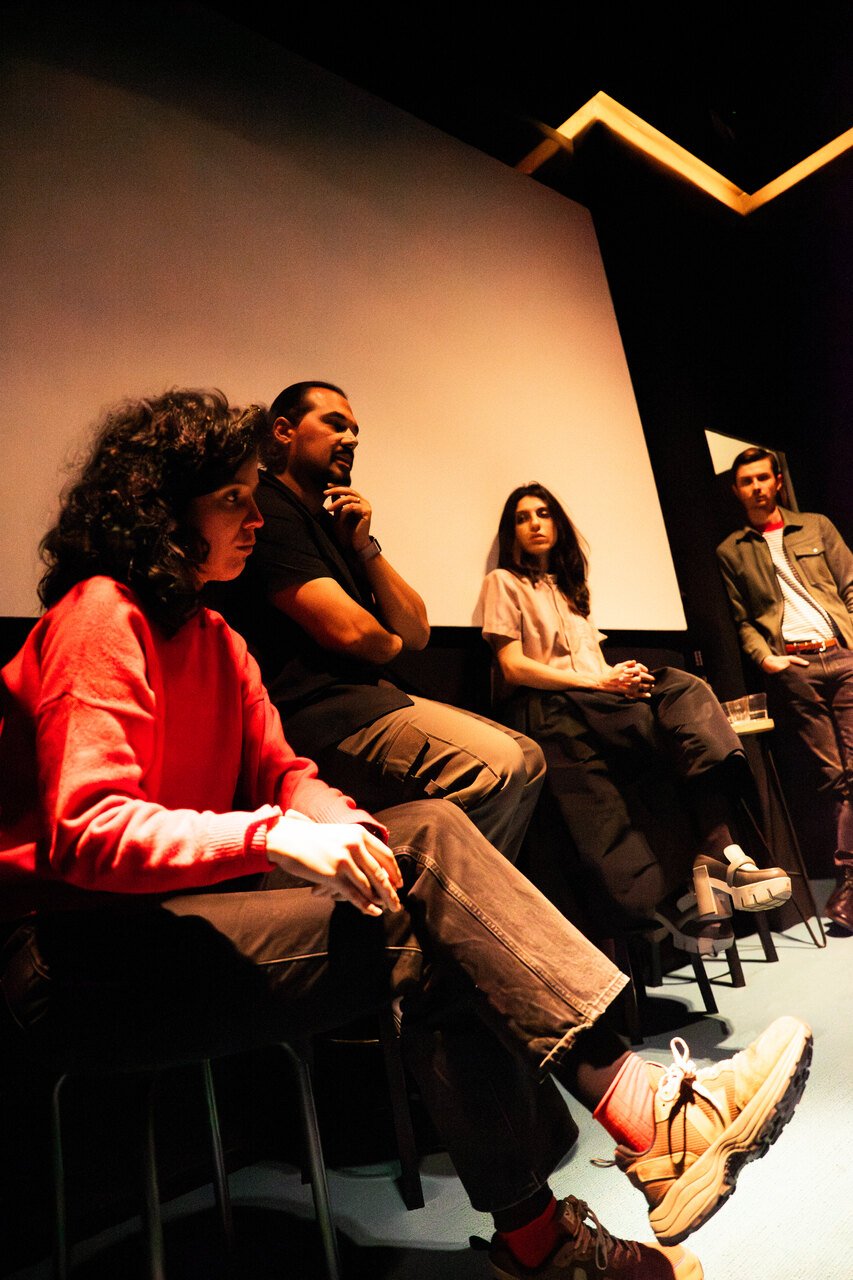
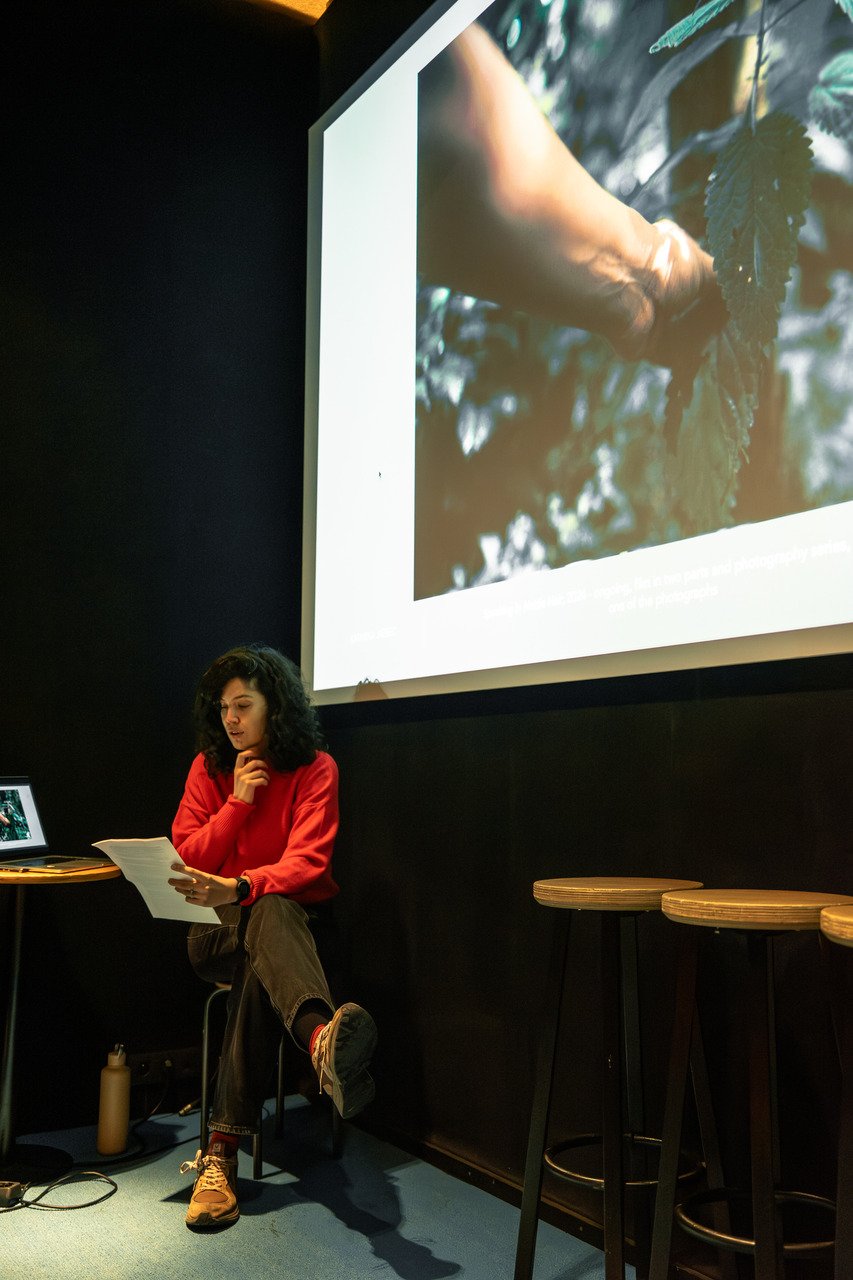
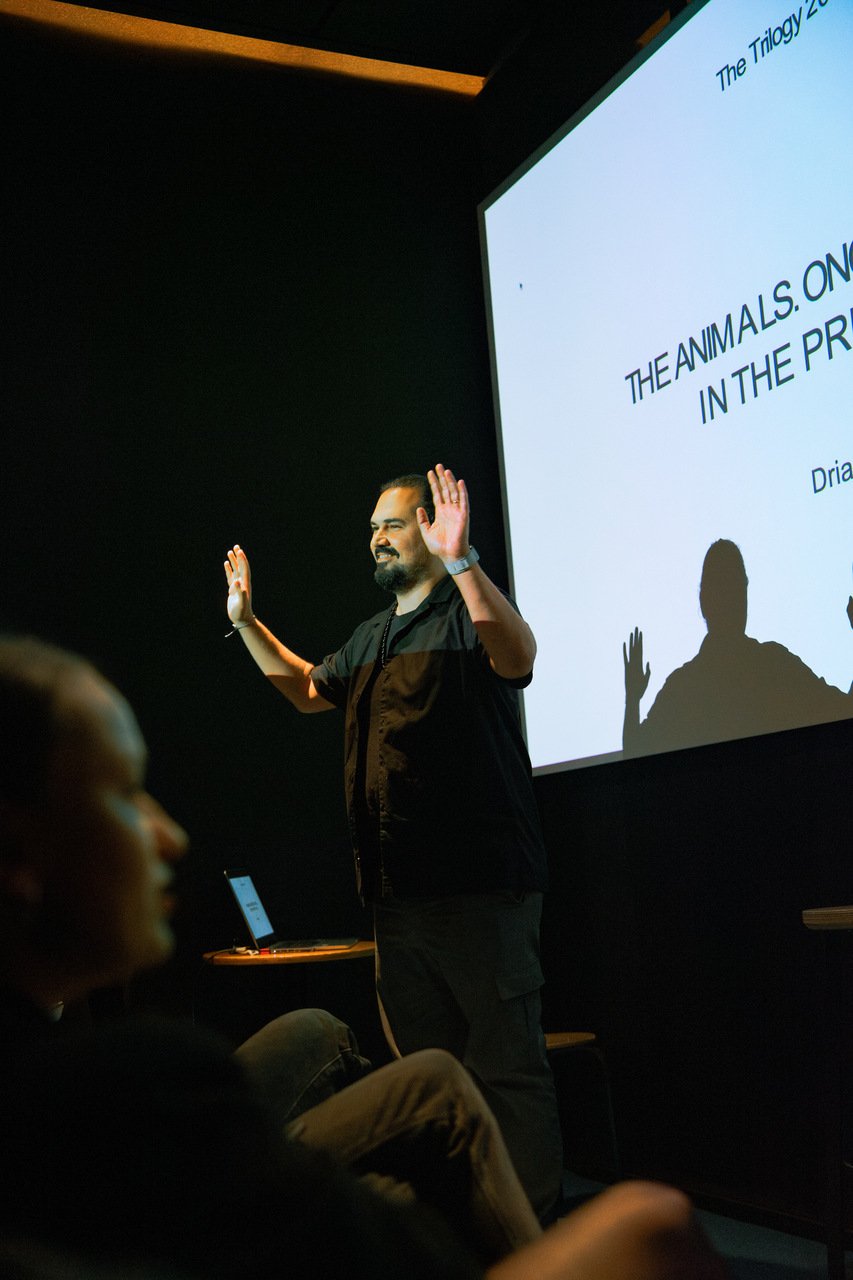
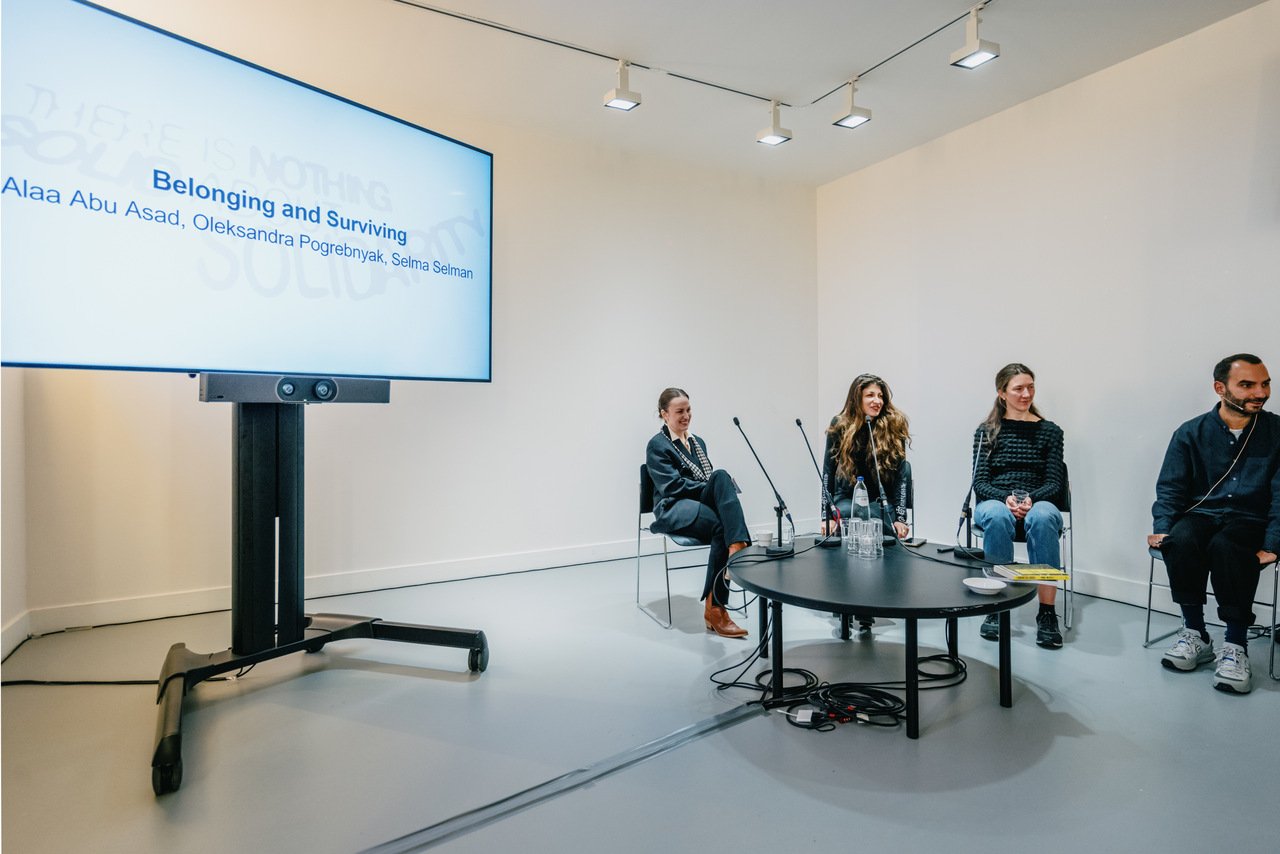
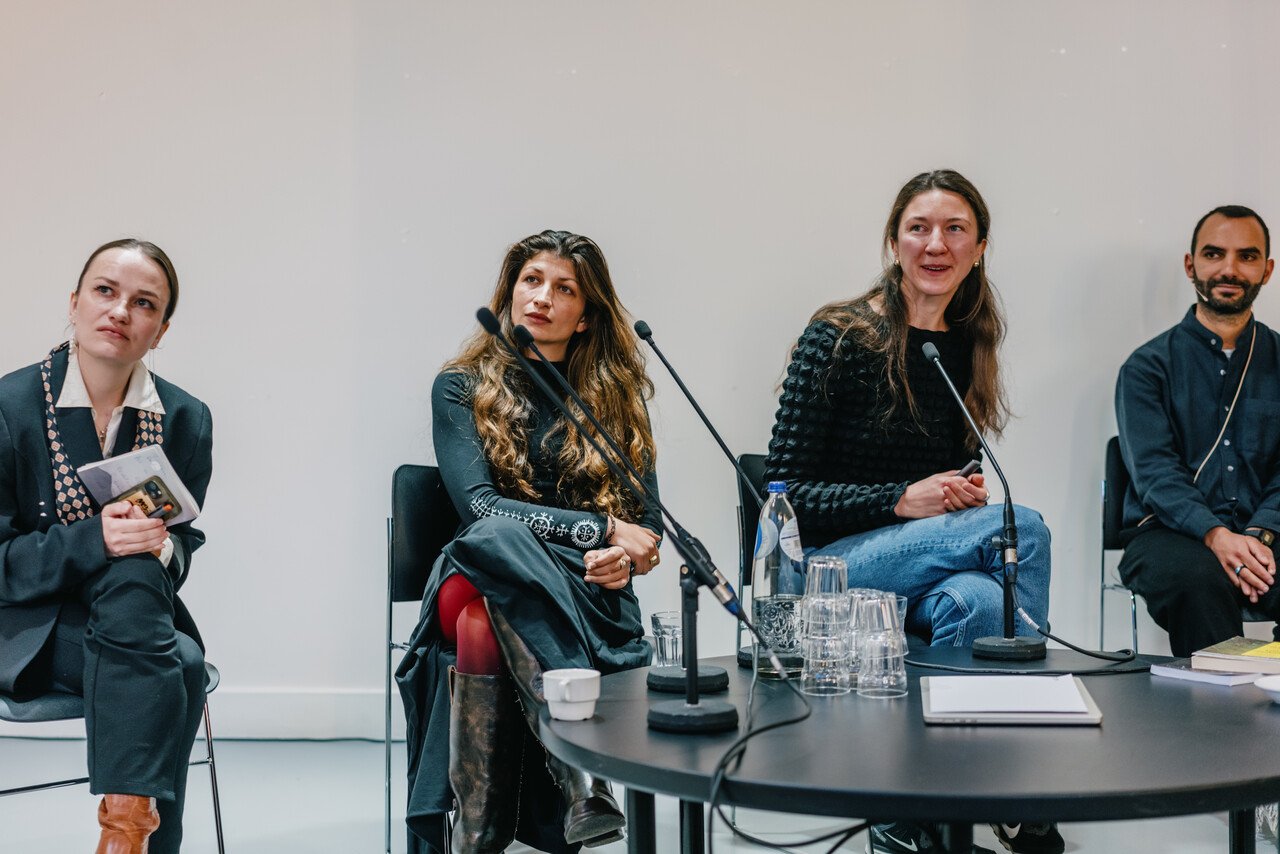
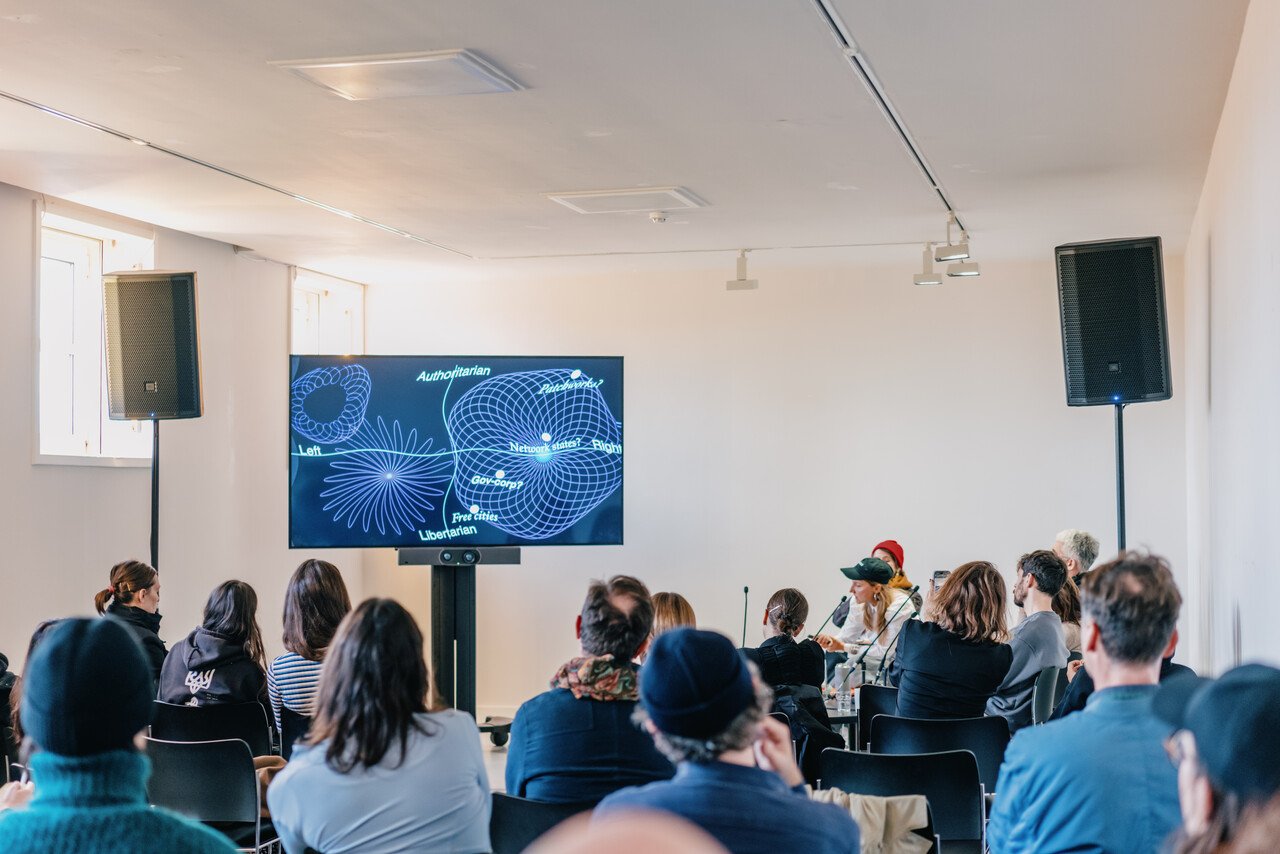
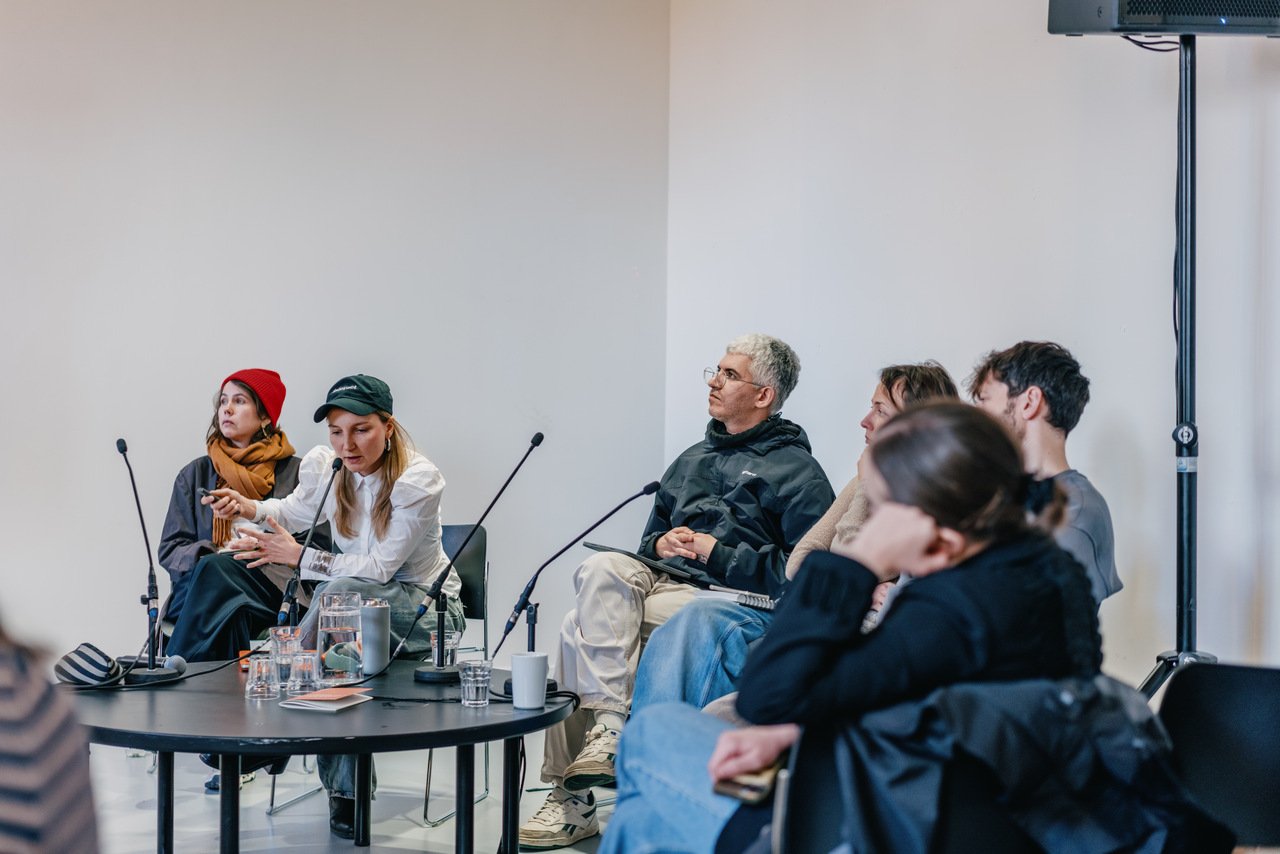
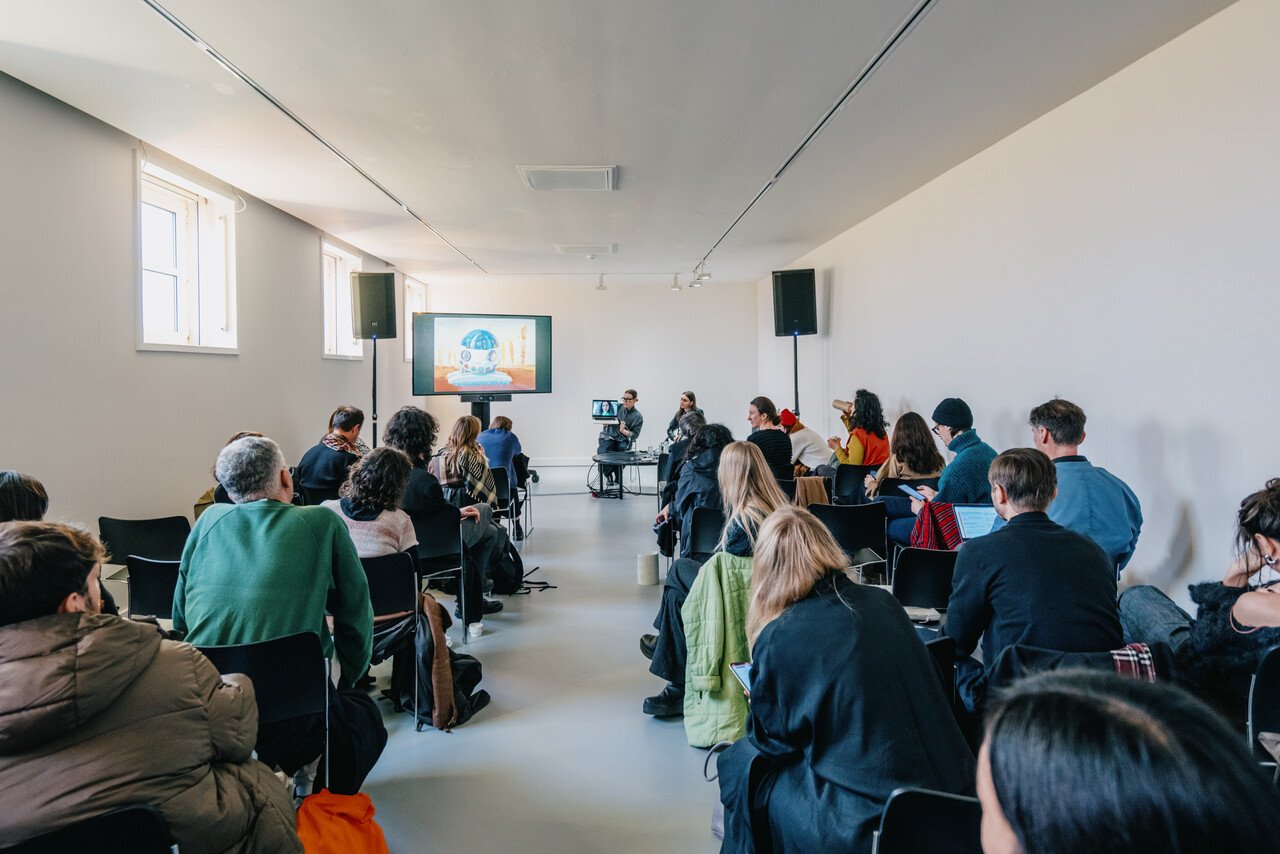
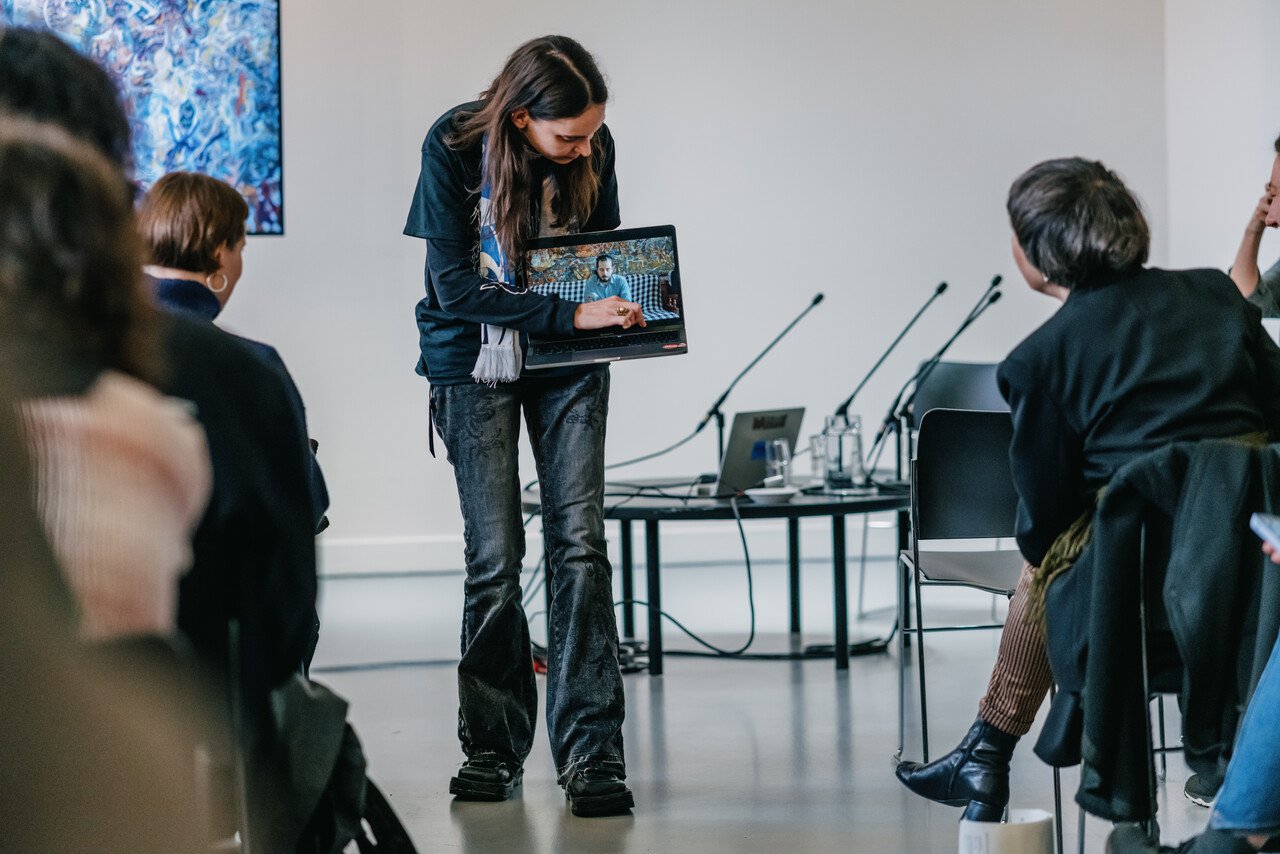
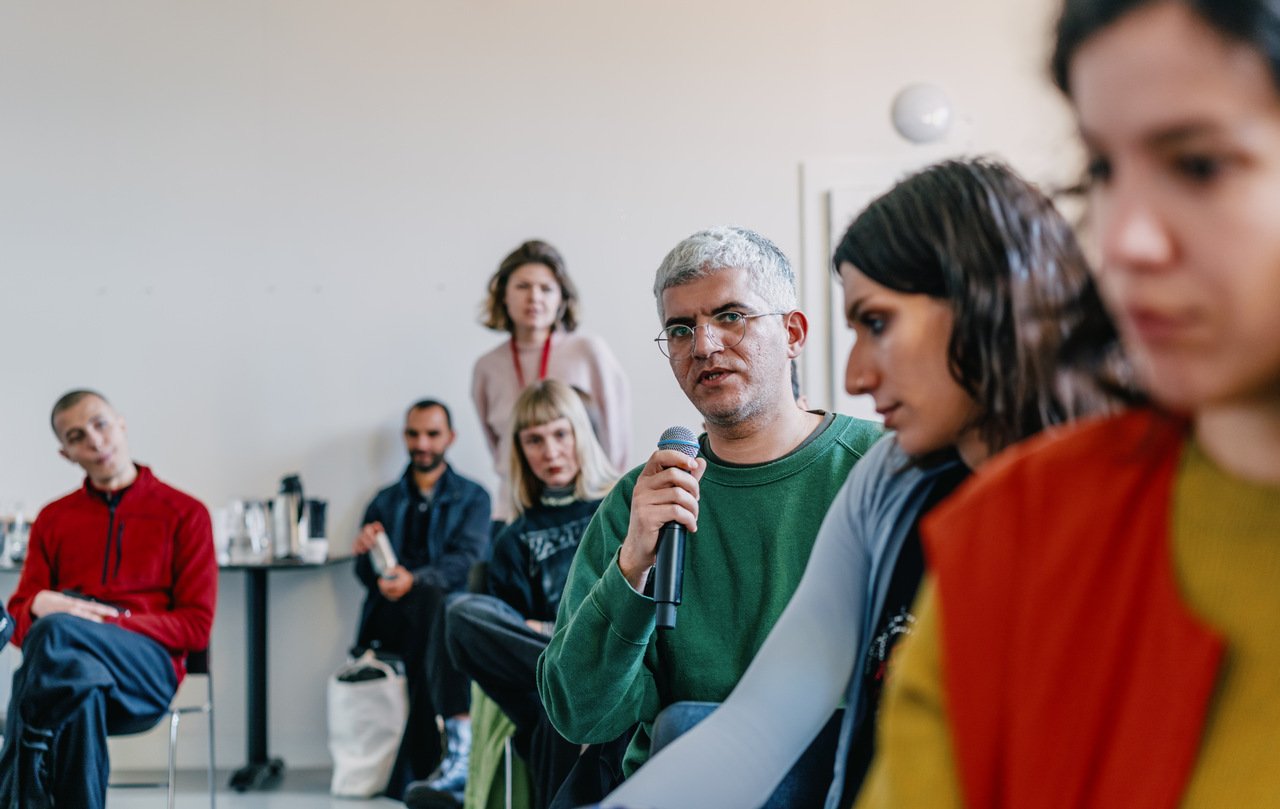
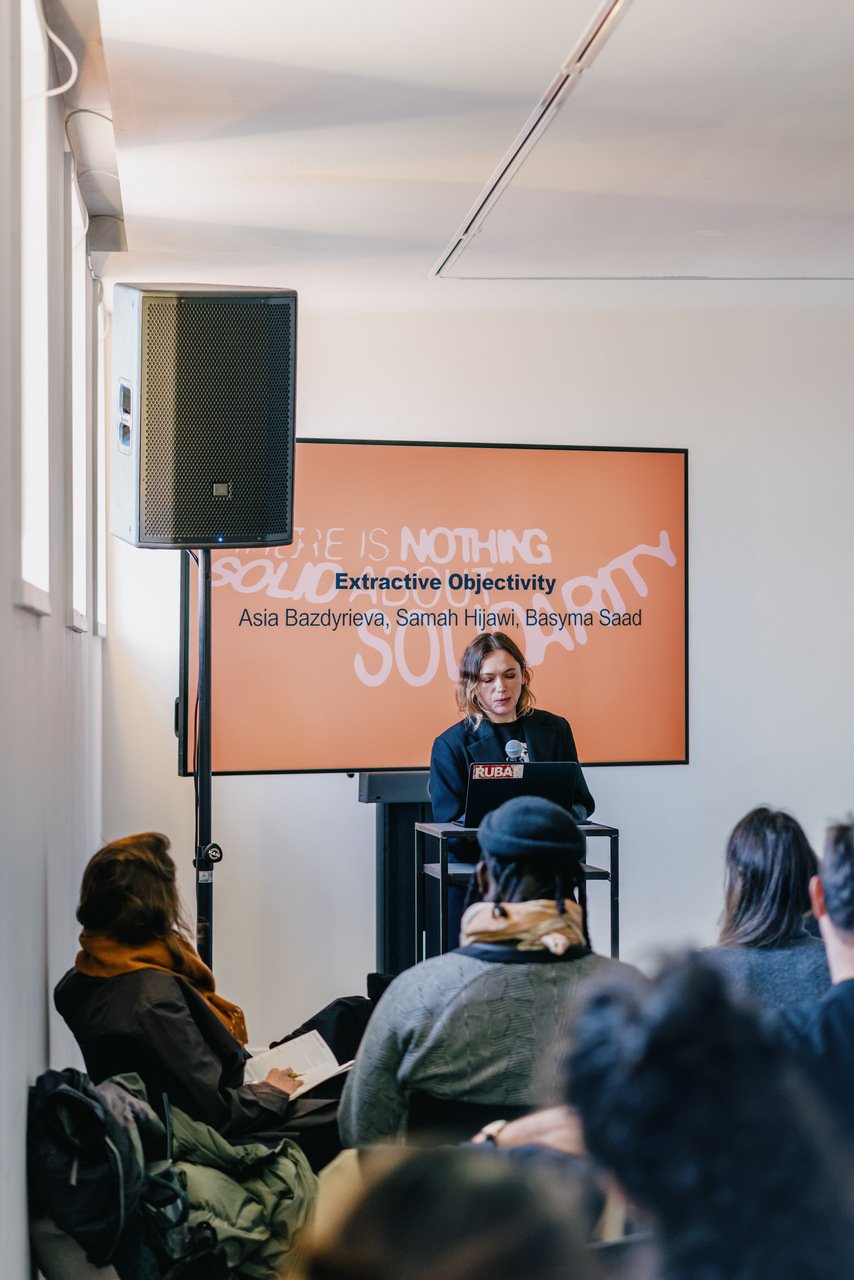
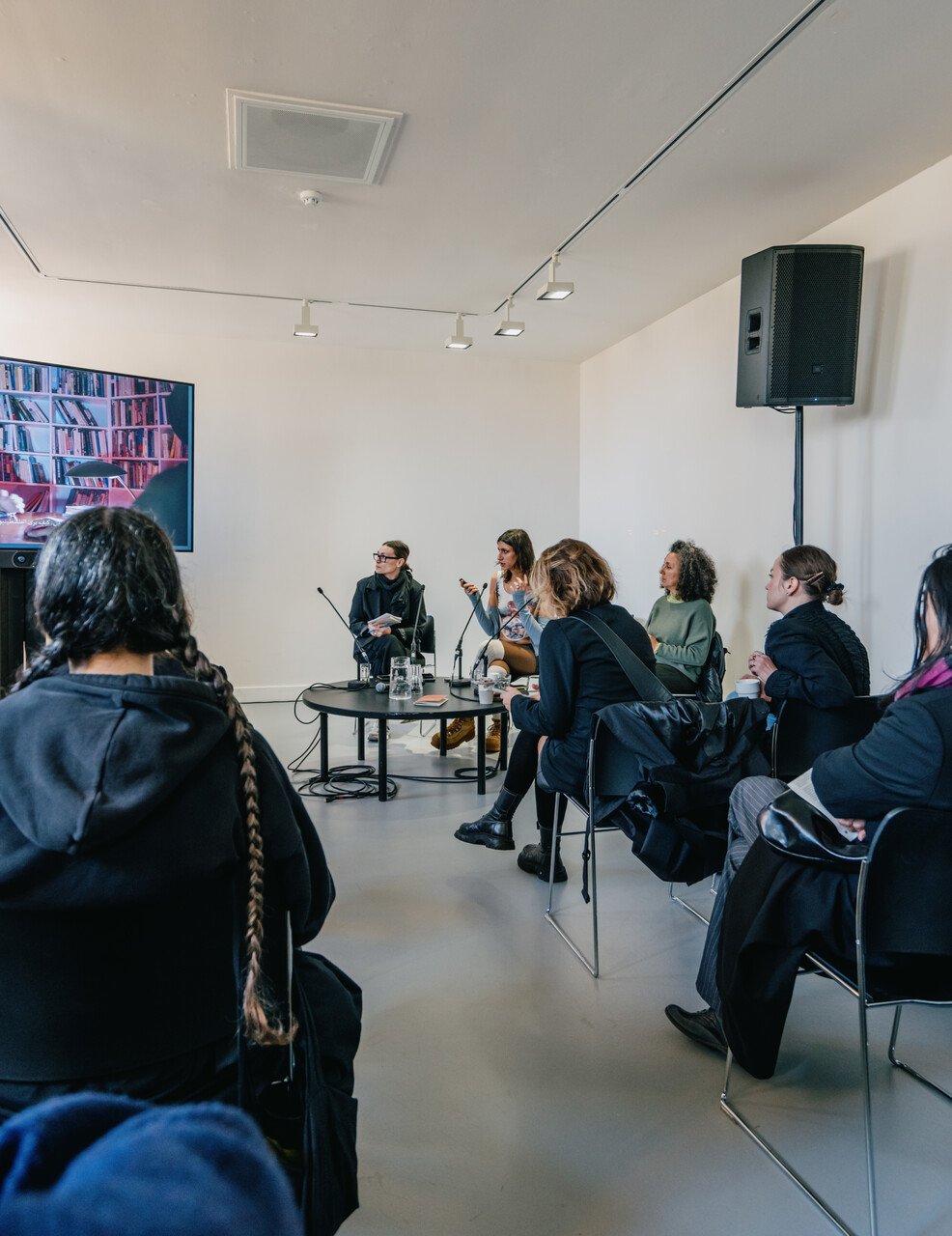
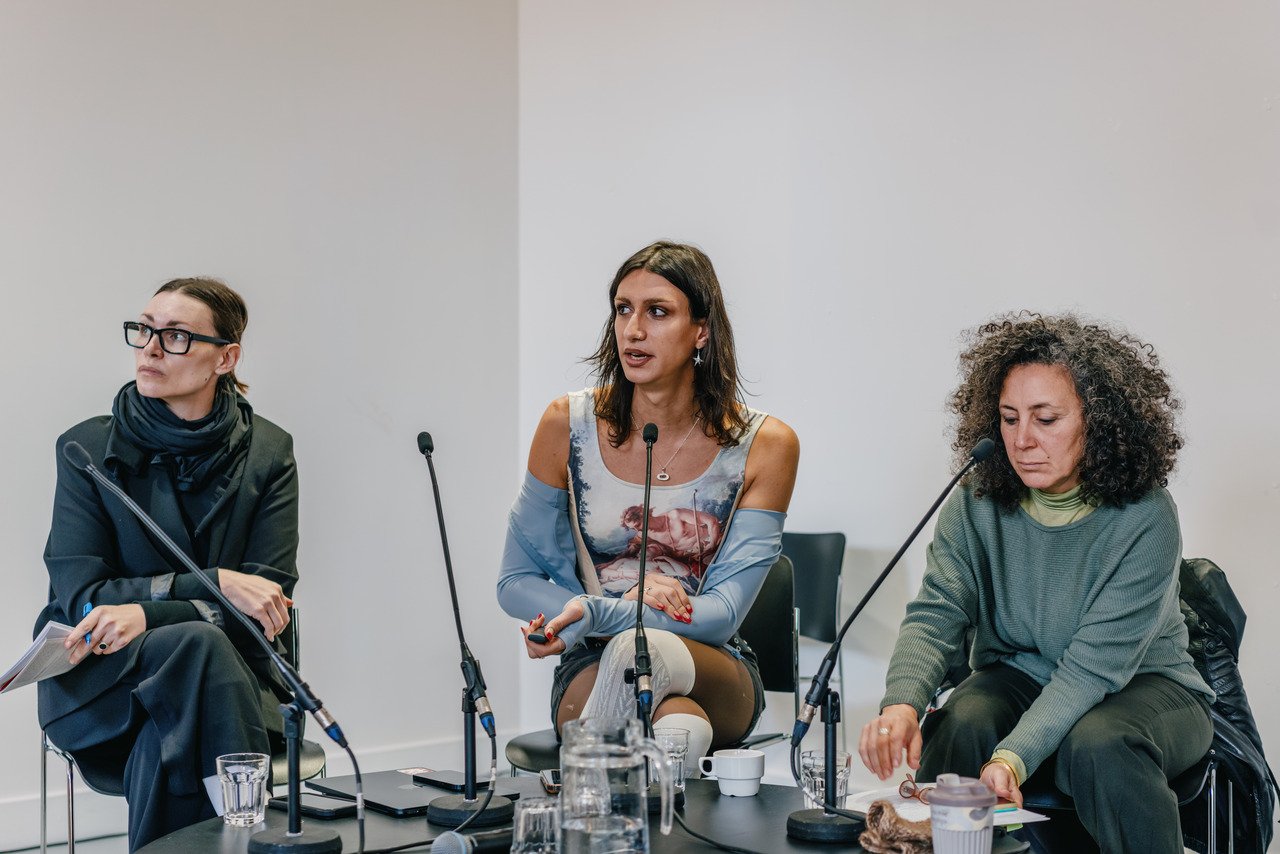
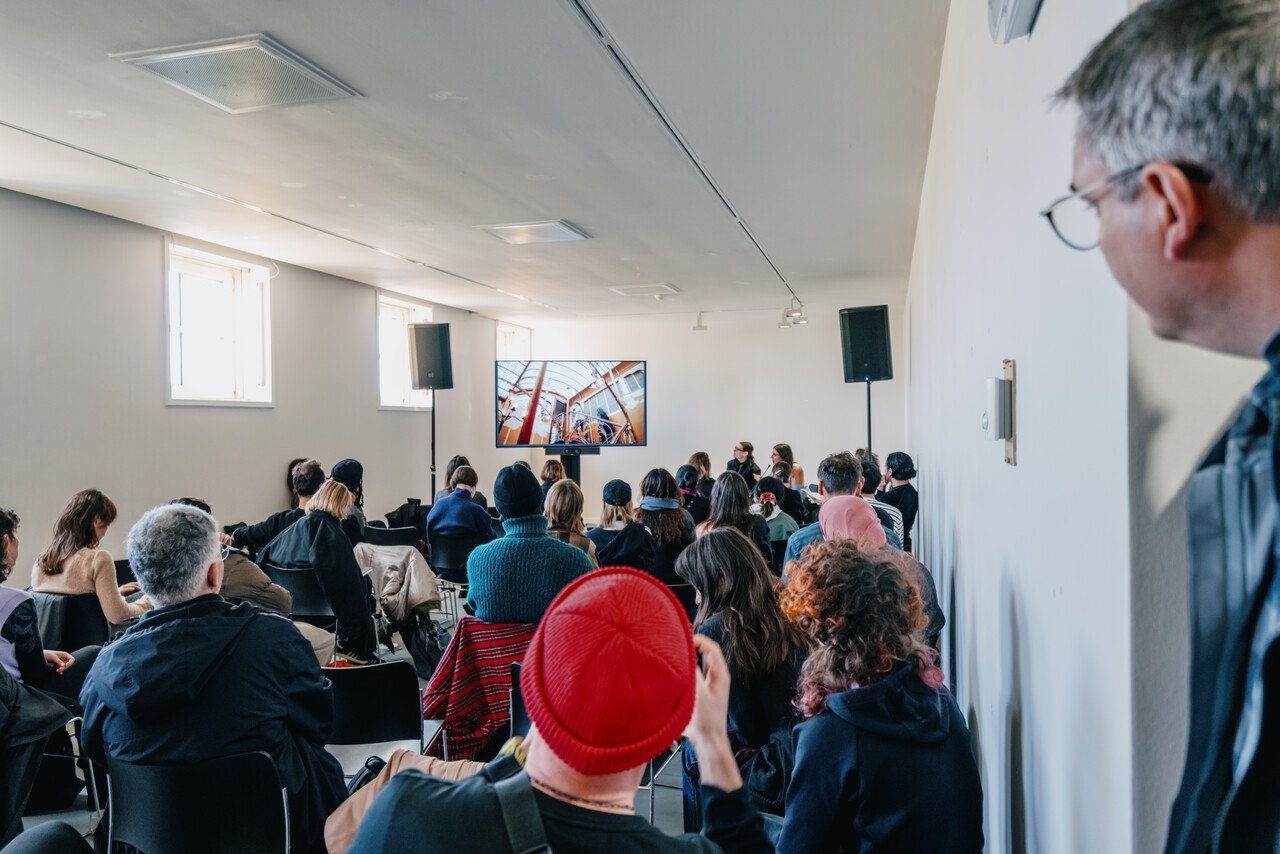
This text is one of four that was commissioned by the team of MOST to accompany their satellite program for the 2025 Kyiv Biennial, “There Is Nothing Solid About Solidarity.” The images accompanying this text are intended to illustrate different aspects of this forum, from the artists and their related artworks, to the workshops, performances, and panels that occurred across the multiple sites.
Svitlana Matviyenko
I will begin this short intervention in the mode of testimony that is structured around a void. Not in the sense of Giorgio Agamben’s famous notion of “essential lacuna” that forms at the center of any testimony, as he claimed in his book on witnessing,1 but rather, a negative testimony that reveals how the structural absence of responsibility and the existing politics of non-relation upon which multitudes of disjointed communities in the world operate today, result in continuously failed alliances with the struggles of others. In other words, this testimony is not to an action, but rather to an inaction: not to an unspeakable event that has occurred, but to one that should have occurred. This missing event is solidarity.
This testimony concerns the response to the Ukrainian struggle for survival in the ongoing war. When I raise this concern, I am usually reminded how much help Ukraine has been receiving all this time after the full-scale invasion. I cannot deny that Ukraine was helped. By saying this, however, I insist that solidarity is not something that states do. Solidarity is not a state action and therefore, it should not be expected from a state, nor, for that matter, should it be delegated to a state only to avoid the discomfort of engaging with a struggle that feels far away. Solidarity is about people. But what do states do?
You may remember how over the past several years of russia’s full-scale war, we’ve seen a whole spectrum of official reactions ranging from those extremely disappointing routine “expressions of concern” shared by many governments in 2022 to far more consequential and deeply troubling (yet univocal) decisions to pressure Ukraine not to strike military targets on russian territory. It was unheard of, to be honest, and utterly against the laws of war. As a result, rather conveniently for the russian state, the Ukrainian army was literally forced to target the enemy moving through the fields, forests, and cities, by further contaminating our own land and air, until the ban was lifted on November 17, 2024, as President Biden’s farewell gesture. Perhaps one day we will know more, but for now, I cannot recall any legal or military expert who has managed to explain that mysterious ban in a convincing way.
Yet this ban is not particularly mysterious. In fact, the explanation of such a “black-box deal”2 is quite obvious. It took two and a half years for the USA and the EU states to detangle themselves from the russian resource dependencies that had been successfully used by the russian federation to implicate them in financing the russian war machine by oil and gas money. Or, alternatively, to set shadow infrastructures, like those operating in Romania. Or, to receive waivers from US sanctions, like Turkey, that would otherwise block payment channels for russian gas despite the ongoing war. Solidarity with the Ukrainian struggle could have sparked a national protest of concerned citizens of these respective countries against such blunt implications in financing military aggression. But we did not see any, did we? The necropolitical origin of the so-called “russian gas” is not a concern for the concerned EU citizen. As many similar state actions, these state gestures rather belong to the domain of political trade. They are part of the larger strategic interests achieved by oscillating between leverage and negotiation, or fostering transactional alliances that are shaped not by care or responsibility but by very different imperatives – those of power, security, state interest, and/or institutional survival – and always with the hidden (or not) goal of reshuffling the world order by advancing a state’s position within global hierarchies. This is what states do.
While governments often limit themselves to declarations or half-measures, real solidarity emerges horizontally, among people, as social relations inspired by shared struggle. All associations between solidarity and the vertical axis of the top-down state power are false. Solidarity is laboured and nurtured by people within and between communities, produced by way of political and social movements; it is people taking risks together, because solidarity is always risky. It is a practice of assuming and redistributing risk. It is enacted by people who refuse to watch the violence in silence, who mobilize resources, pressure institutions, and create transnational alliances to transform their collective vulnerability into collective strength. Solidarity always comes at a cost – of time, of safety, of privilege, and of many essential resources. Solidarity is relational: it belongs to the realm of volunteers. Solidarity also offers an ethical horizon: it commits us to collective responsibility, to the shared understanding that we all are “in this together.” Yet this is precisely what many Ukrainians find painfully absent in the very contexts where they hope for understanding in why and how they keep fighting. The affirmations that should be voiced – “your struggle is my struggle” – are instead too often replaced by a dismissive “this is not our war,” followed by “Ukraine should stop the bloodshed,” or “just give up the territories.” As if it were all so simple. Wouldn’t that be so convenient for the imperial aggressors?
What is most disappointing is to hear such dismissive words from leftist and progressive circles, those same circles where I learned the meaning of struggle as we organized resistance efforts against different systems of oppression. It is no secret that isolated opposition tends to fail. This is why shared struggles must be cultivated through broader transnational and intersectional networks. And this is why phrases like “your struggle is my struggle” are not just mere mantras but methods. In fact, they are the methods of survival in times of internal fragmentation, short-term alliances, burnout, and isolation of mobilized communities which disconnects their struggles.
It is similarly disheartening to witness the dismissive gestures from post-colonial and decolonial thinkers who remain invested in the fantasy of a Soviet or russian “counterpart” to their own evil empires. It often seems that postcolonial and decolonial discourses, both within and beyond the academy, are organized around a blind spot: the persistent misrecognition of russian colonialism and of the Indigenous genocides and ecocides that have marked Indigenous Central Asia and the Indigenous territories of Northern Asia under russian control. This blind spot becomes especially problematic in times of global wars and environmental violence, when solidarity networks are extremely strained by distance, shaken by risks, and distorted by distrust.
To anyone formed by psychoanalytic thought like myself, this omission is far from incidental. It is structural. It brings to mind Jacques Lacan’s well-known Seminar XI: The Four Fundamental Concepts of Psychoanalysis (1964), where he argued that the unconscious is not a hidden reservoir mobilized in the process of dreaming. The unconscious in Lacan operates in a mode of speaking, and as such, it is always on the surface and constantly interrupts conscious discourse by splitting the speaking subject. To illustrate this insight, Lacan turns to Hans Holbein’s painting The Ambassadors (1533), where at first glance, the viewer sees a harmonious tableau saturated with sixteenth-century European symbols of wealth, science, and culture. Soon enough, however, the viewer notices an odd, elongated form hovering at the bottom of the canvas, and if one glances at it from an angled viewpoint, the object resolves into a skull depicted through oblique anamorphosis. As Lacan then argues, the distorted skull, noticeable only with attention and a change of position, functions as a stain in the field of vision that abruptly disrupts the painting’s apparent order. In that moment, the image looks back at the viewer and exposes the Real – here, death – embedded in the very painting. And here it becomes interesting: unless one is willing to embrace the complexity and unruliness of lived reality, the painting can be perceived in its reduced, comforting form that neatly dovetails with an accepted system of meaning and representation. Alternatively, the viewer may oscillate between these two perspectives, until they develop a meaningful relation to this image – one capable of acknowledging the convoluted – scopic topology that underlies it.
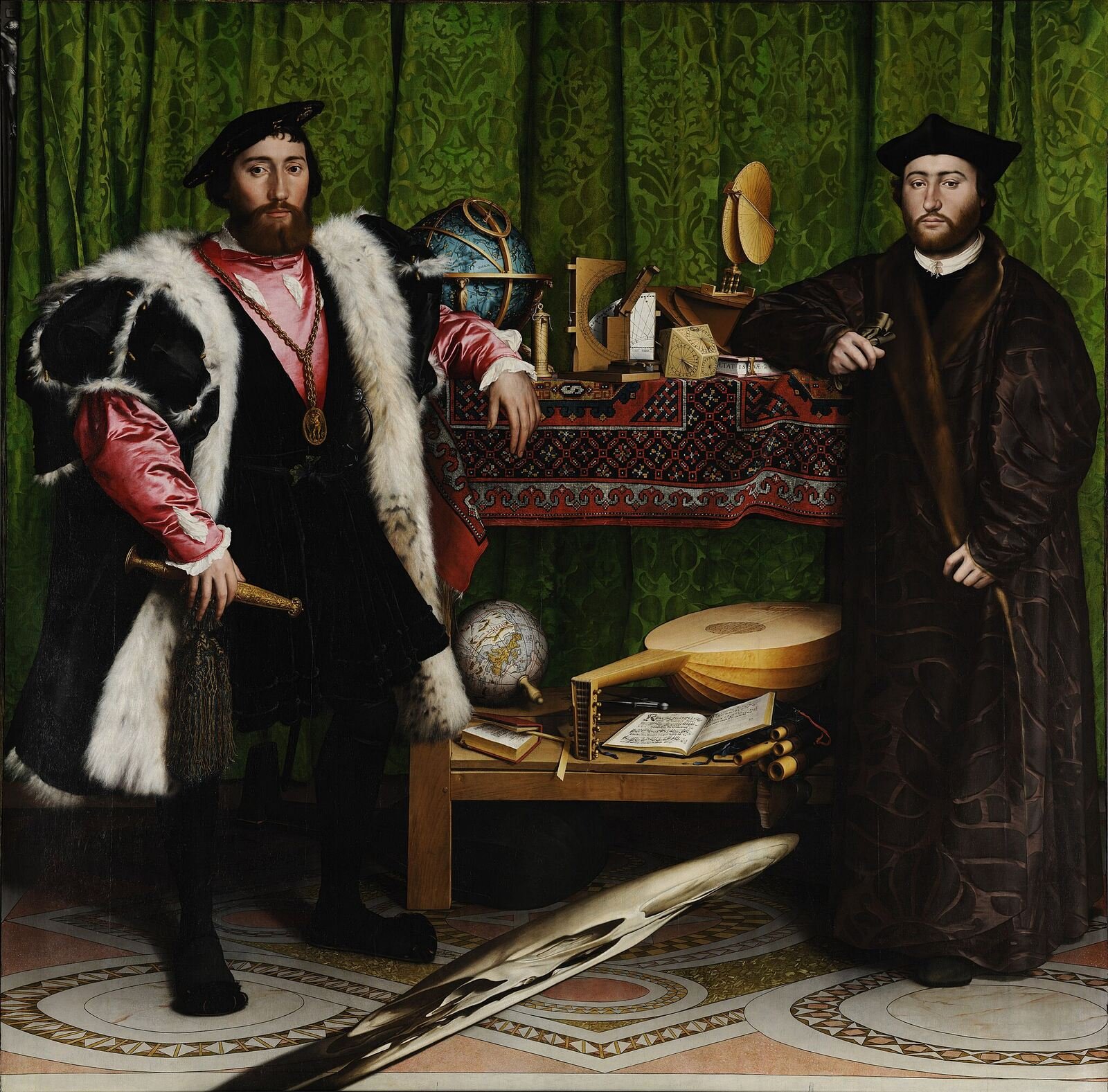
The persistent denial – and consequent omission – of russian colonialism in post-colonial discourse and scholarship performs a similar function. Psychoanalysis insists on the necessity of alternative modes of seeing, capable of apprehending the mark, the object, or the event that escapes and ultimately disrupts the fantasy of visual mastery. russian colonialism, thus, operates as an anamorphic image of death in Holbein’s painting, and really, this is the time (and I hope it’s not too late) to adjust your vision to witness the bigger and messier world picture of anti-colonial struggle. This omission becomes especially symptomatic when the russian military and industrial colonial processes now unfold with an intensity reminiscent of seventeenth to nineteenth-century European colonial modernity – especially when it comes to extractive industries operating on unrecognized Indigenous lands, where colonial regimes of extraction persist through legal ambiguity, administrative erasure, and the normalization of dispossession. The omission of russian colonial politics as one of the key drivers of world politics and economy from the sixteenth century until today obscures the totality of colonial relations and their uninterrupted continuities into the present. What is truly staggering is how many critical thinkers and respected writers still participate in and perpetuate this concealment. It is certainly clear to anyone who has spent a night in a bomb shelter during the russian attacks that the dangerous fantasy of russia as a counterbalance to British, French, German, Dutch, Canadian, American, or any other imperial formation must be transgressed if we are to perceive the trans-imperial oppressive structure as it actually operates.
The purpose of this essay, however, is to express my hope for a possibility of solidarity – even from those who do not spend their nights in bomb shelters during russian strikes or who exist within other wars and conflicts. And perhaps especially from them. Here, I find myself agreeing with French sociologist Émile Durkheim’s vision of solidarity as a social force that often emerges in mechanical form – as a binding relation through similarity: individuals connected by shared beliefs, customs, labors, and traditions – although it does much more when it comes organically. People tend to solidarize with those like themselves; he saw it flourishing mostly in small, homogeneous, pre-modern communities. Yet I wonder if today it instead flourishes in the algorithmic filter bubbles and echo chambers that offer the comfort of imagined sameness without the labor of organic connection. Decolonial solidarity is the opposite of that.
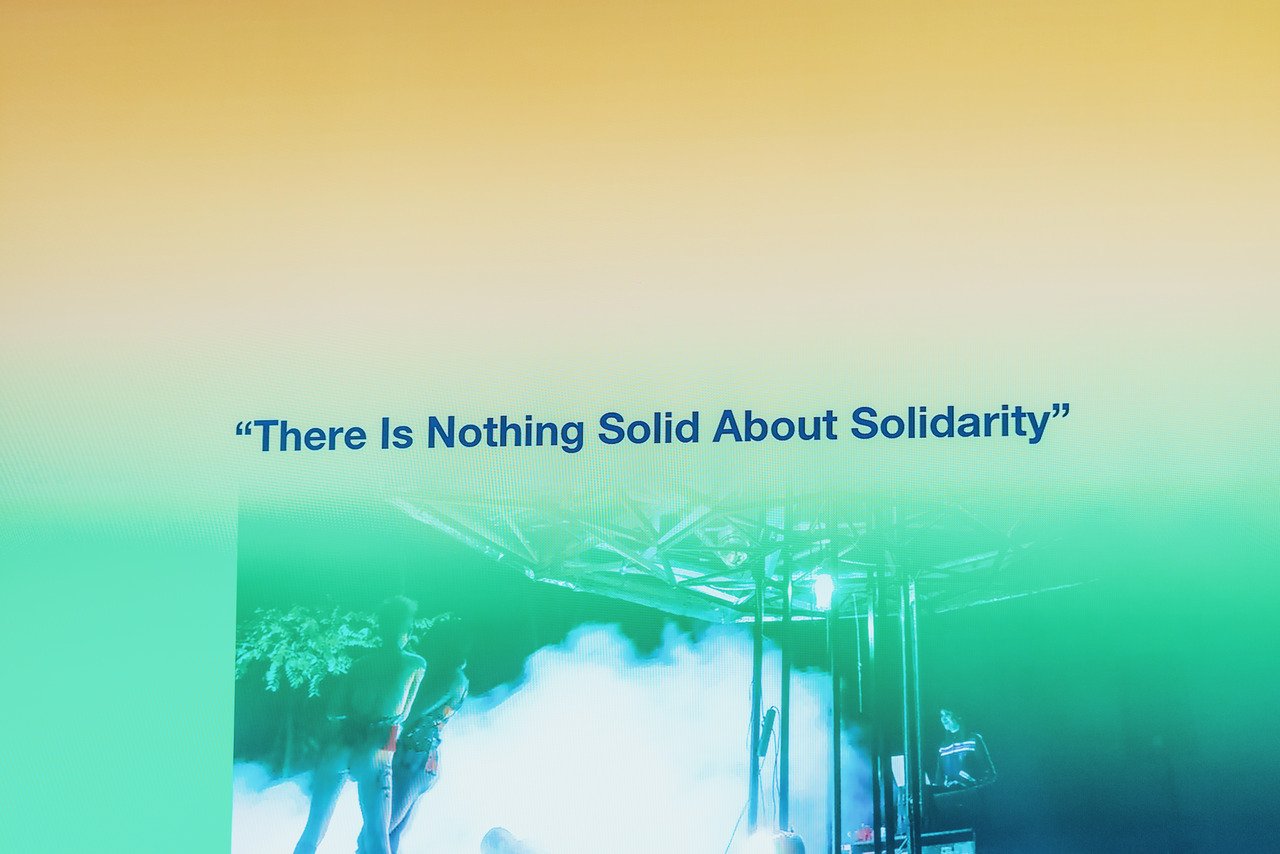

For almost a decade now, I have been grappling with the phrase, “there is nothing solid left of solidarity,” a realization that has only deepened over time. Often tossed around in critical theory and political philosophy, the phrase struck me with brutal clarity in 2013, at the onset of the Ukrainian Maidan uprising. At that time I was already living in Canada, and almost everyone around me, in my networks, chose misrecognition. They sent me the publications by Russia Today (RT) – the platform acknowledged recently by the russian President as a russian “secret strategic and high-precision weapon” – lecturing me on what was “truly” unfolding in Kyiv according to RT. It was perplexing how many were ready to reduce a living, grassroots, anti-colonial struggle against russian imperial domination to a convenient caricature of Western imperial manipulation. In doing so, they did not merely misunderstand; they colluded – willingly or not – in the erasure and delegitimization of a democratic uprising in North American public discourse, tarring it with the actions of its extremist fringe, and echoing, almost word for word, the proliferating narratives of the empire the protesters were struggling to resist.
When supporting Ukraine finally became unpopular within my leftist and progressive circles, my disillusionment by the weakness of my ties and the brittle infrastructure of support I had once taken for granted became overwhelming. I could not stop the voice in my head repeating “there is nothing solid about solidarity” again and again and again… At the same time, the expressions of human sympathy – soft, distant, melancholic – toward the Ukrainians who stood for months in freezing temperatures, facing down armored police lines, were plentiful, but they offered no real sustenance. Since then, I admit, I have questioned sympathy – what it asks for, what it offers, and, more crucially, what it refuses. Through a cruel decade of the russian war, it has become painfully clear to me that solidarity is not sympathy and perhaps has nothing to do with it at all. Solidarity, I begin to understand, is not a feeling projected from afar, but a commitment to risk with and to stand beside. Solidarity is costly, it is uncomfortable, especially when you act against your own interest, and it certainly demands more than the distant melancholia of those who, unwilling to step beyond their shelters, retreat into the ideological mantras that built their careers. Solidarity asks for something harder: the shared vulnerability of standing together without guarantees.
Svitlana Matviyenko is an Associate Professor of Critical Media Analysis in the School of Communication and Associate Director of the Digital Democracies Institute. Her research and teaching, informed by science & technology studies and history of science, are focused on information and cyberwar, media and environment, critical infra- structure studies and postcolonial theory. Matviyenko’s current work on nuclear cultures & heritage investigates the practices of nuclear terror, weaponization of pollution and technogenic catastrophes during the Russian war in Ukraine.
Matviyenko is a co-editor of two collections, “The Imaginary App” (MIT Press, 2014) and “Lacan and the Posthuman” (Palgrave Macmillan, 2018). She is a co-author of “Cyberwar and Revolution: Digital Subterfuge in Global Capitalism” (Minnesota UP, 2019), a winner of the 2019 book award of the Science Technology and Art in International Relations (STAIR) section of the International Studies Association and of the Canadian Communication Association 2020 Gertrude J. Robinson book prize.

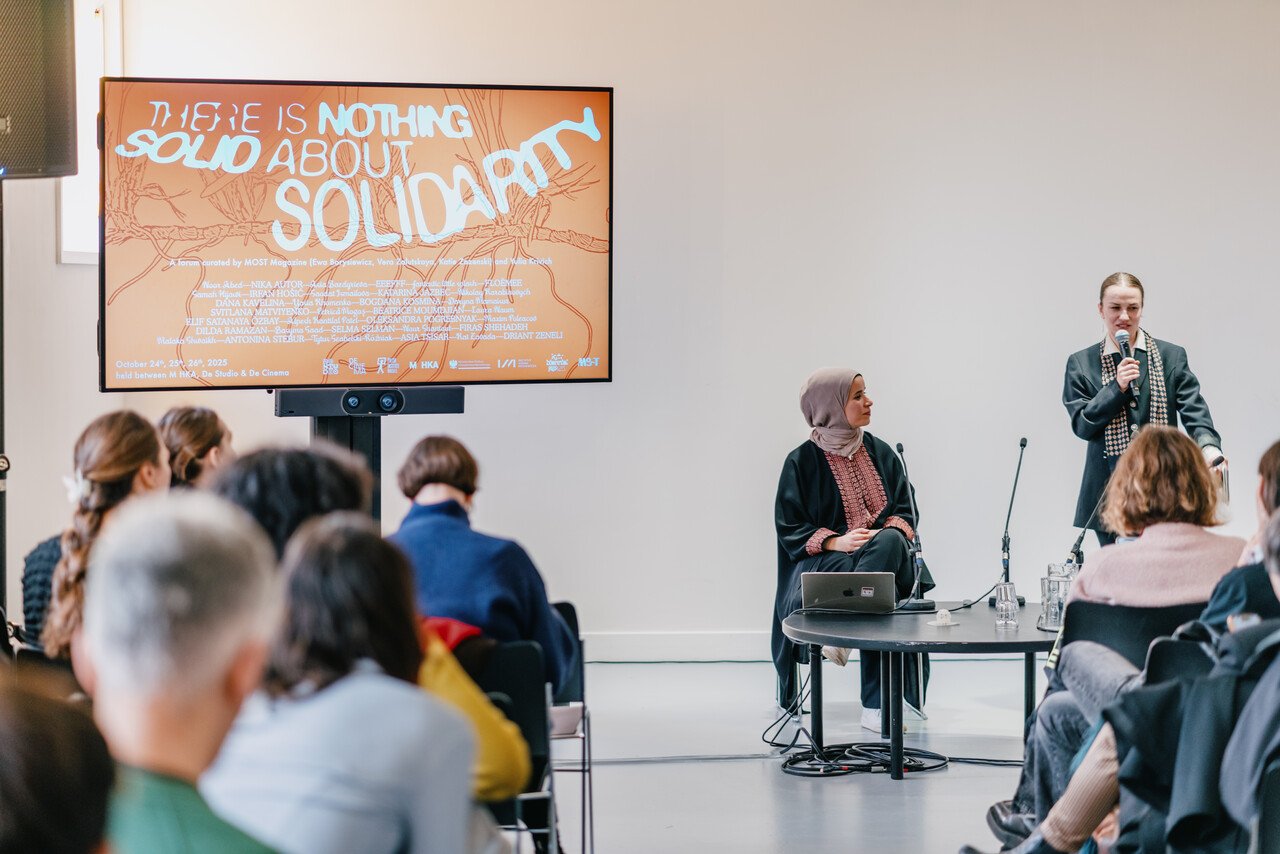
“There Is Nothing Solid About Solidarity” gathered artists, curators, researchers and collectives who hail from regions widely known as Central and Eastern Europe, the Middle East and Central Asia, offering a space for interrogation of the institutions and frameworks that have led us to this current geopolitical environment and the initiatives that have flourished as a result. The program presented a spectrum of organisational forms – from individual grassroots projects and community centres to research endeavours that examine historical expressions of solidarity, friendship and allyship, and was presented as a forum held between M HKA, De Studio, De Cinema, and TICK TACK Cinema (Antwerp) from 24 – 26.10.2025.
“There Is Nothing Solid About Solidarity” has been curated by the MOST Magazine co-editor-in-chief team and Yulia Krivich. The program was supported by the Adam Mickiewicz Institute (Warsaw) in collaboration with M HKA, De Cinema, and De Studio, and co-financed by the Ministry of Culture and National Heritage of Poland, in partnership with the Polish Institute in Brussels.
You can find the other texts from this series linked here:
“Samizdat: The Press Body of the Collective” by Maxim Poleacov
“‘Eastern Europe’ in Air Quotes” by Petrică Mogoș and Laura Naum
- Giorgio Agamben, Remnants of Auschwitz: The Witness and the Archive. Zone Books, 2000. ↩︎
- A term used by the author as a cybernetic reference to the observer effect; referencing observable phenomena for which internal logic is not transparent but we can still understand it by observing its behaviour in a particular environment. ↩︎
Participants: Noor Abed, Alaa Abu Asad, Nika Autor, Asia Bazdyrieva, eeefff, fantastic little splash, Floèmee, Samah Hijawi, Irfan Hošić, Saodat Ismailova, Katarina Jazbec, Nikolay Karabinovych, Dana Kavelina, Yasia Khomenko, Bogdana Kosmina, Daryna Mamaisur, Svitlana Matviyenko, Petrică Mogoș, Beatrice Moumdjian, Laura Naum, Elif Satanaya Özbay, Alpesh Kantilal Patel, Oleksandra Pogrebnyak, Maxim Poleacov, Dilda Ramazan, Basyma Saad, Selma Selman, Nour Shantout, Firas Shehadeh, Malaka Shwaikh, Antonina Stebur, Tytus Szabelski-Różniak, Asia Tsisar, Kat Zavada, Driant Zeneli
Forum Title: There Is Nothing Solid About Solidarity
Curated by: MOST Magazine co-editor-in-chief team and Yulia Krivich
Venue: M HKA, De Studio, De Cinema, and TICK TACK Cinema
Place (Country/Location): Antwerp, Belgium
Dates: 24 – 26.10.2025