Yana Ustymenko
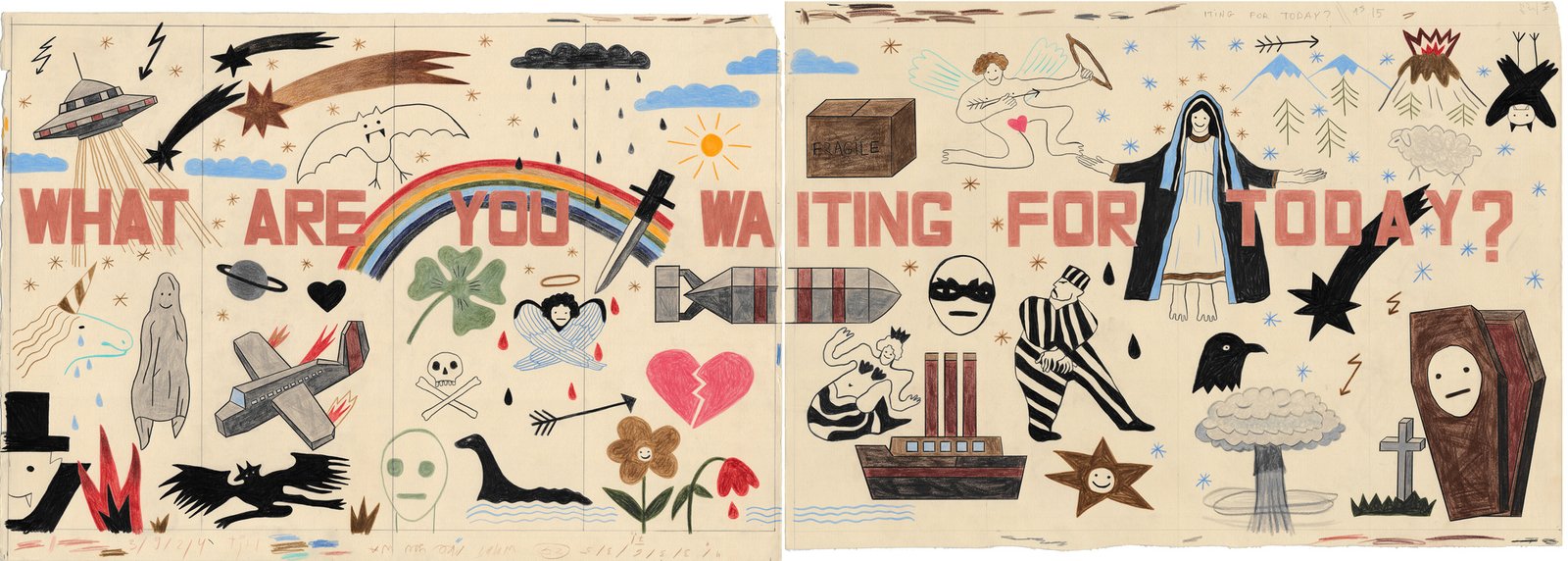
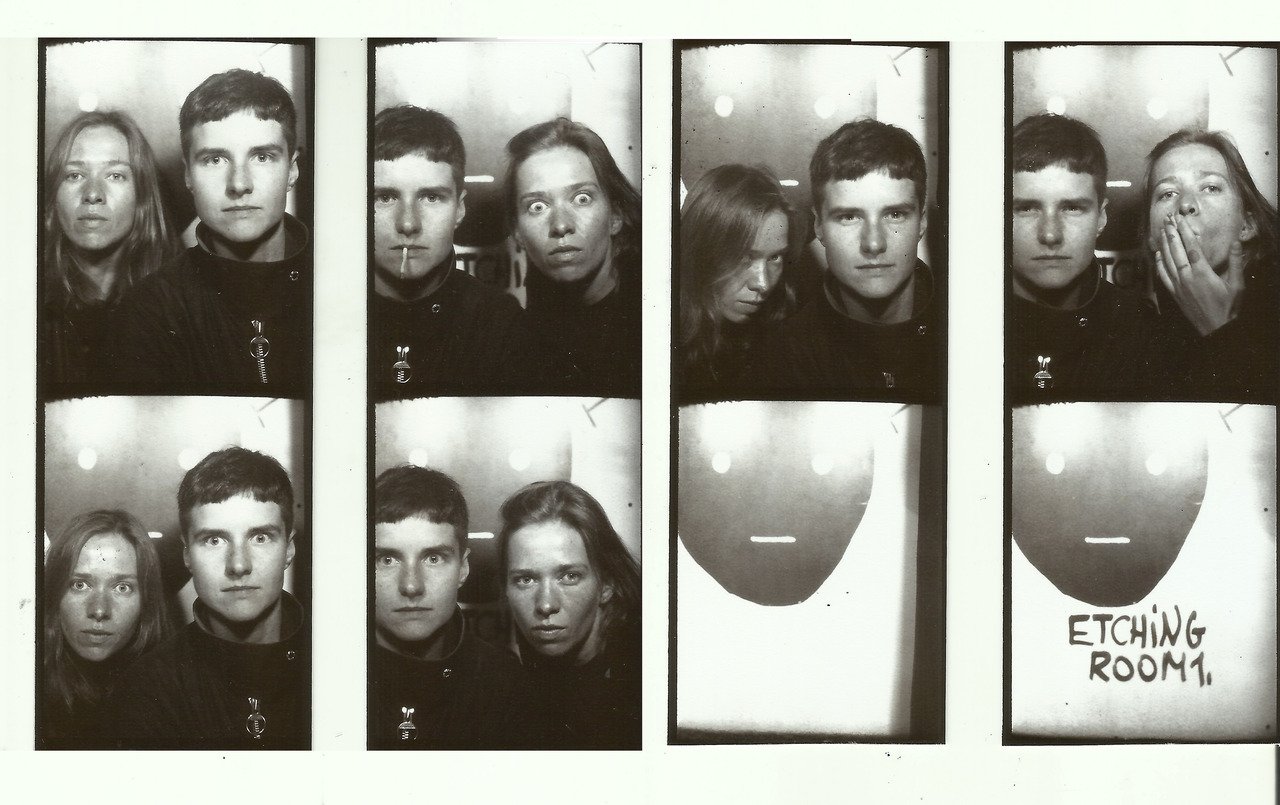
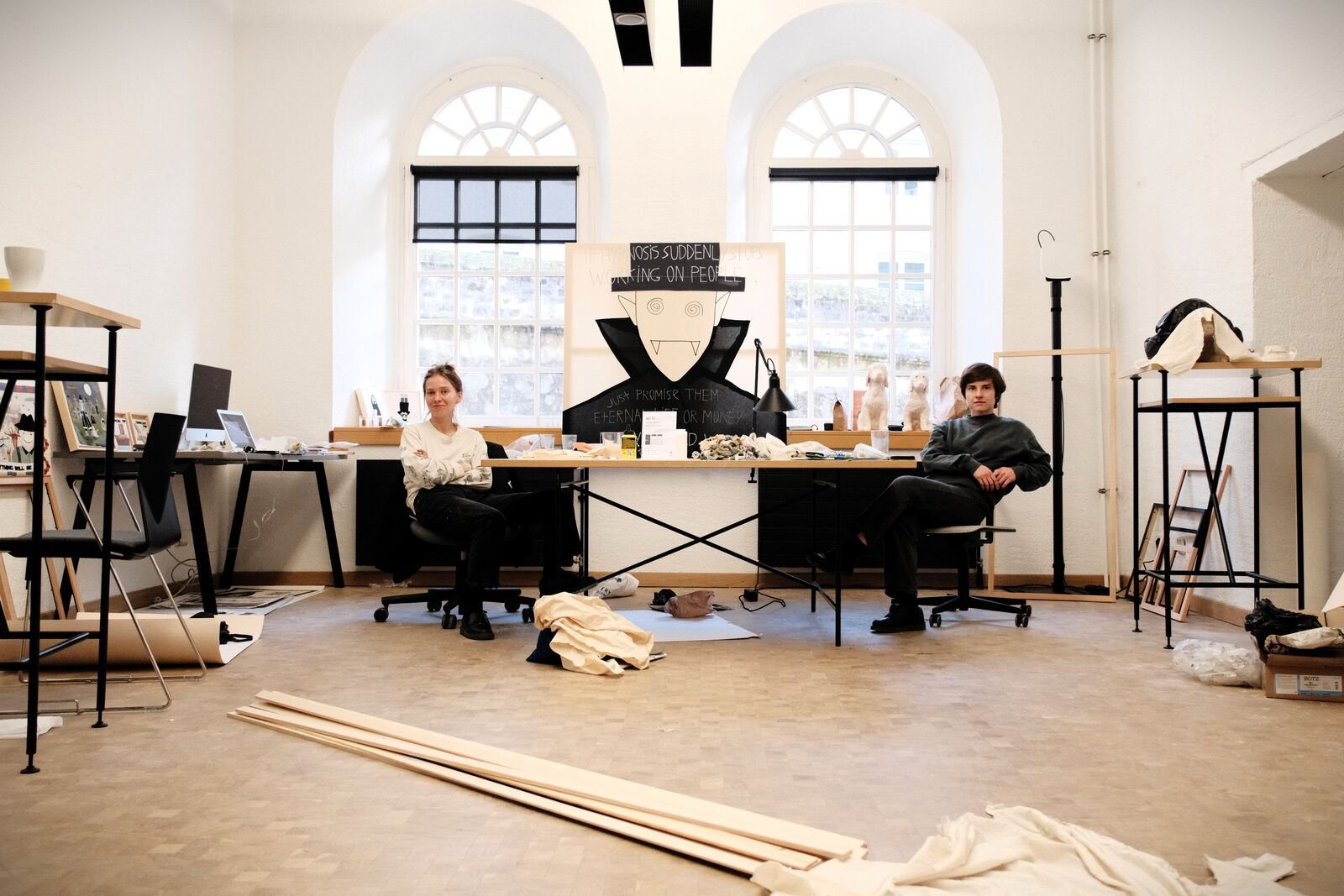
Etchingroom1 is an artistic duo founded in 2016 by artists Kristina Yarosh and Anna Khodkova in Kyiv. Their practice is best known for etching and mosaic work, capturing everyday life of the city with a touch of humour and self-irony. With fellow vampires, swimmers, cosmonauts, and other inhabitants of European urban centers, the artists narrate their experience of today, in its fragility and ambiguity. Currently, they work from Berlin when they’re not on the move.
In conversation with Anna and Kristina, we look back at the past decade of their practice – departing from their beginnings as a collective to span influences, the impact of the pandemic and the war, experiences in art residencies, and the small and big decisions that led to where Etchingroom1 are today. This conversation took place over a call in January 2026. Originally in Ukrainian, it has been translated into English and edited for publication.
Yana Ustymenko: Kyiv, 2016. Can you take me back to where it all started?
Kristina Yarosh: We had met a few years earlier, actually, and had a goal to open an etching workshop together. We ended up sharing a studio at Izolyatsia – a large institution in Kyiv at the time. That’s also where we came up with the name Etchingroom1.
Anna Khodkova: Izolyatsia relocated from Donetsk and settled at the former Kyiv Shipbuilding and Ship Repair Plant. Some of our friends already had studios there, like Lithography “30” and seri/graf, and we decided to get one as well. During that time, Kristina and I didn’t work collaboratively yet. We were two artists with similar interests, experimenting with all sorts of ideas, but we weren’t working as a collective. It was good to be there. A year later, we were offered a different studio and moved there. It was a super nice one.
KY: It was located on Reitarska Street.
YU: So there was no intention of working together, just looking to share a studio?
KY: At first, yes, but then we decided to give it a try. I don’t exactly remember how that idea came about, but the first attempts were not very successful. Somehow, over time, we found a way to make it look good.
YU: How did you become acquainted with each other’s work? You went to different schools, right?
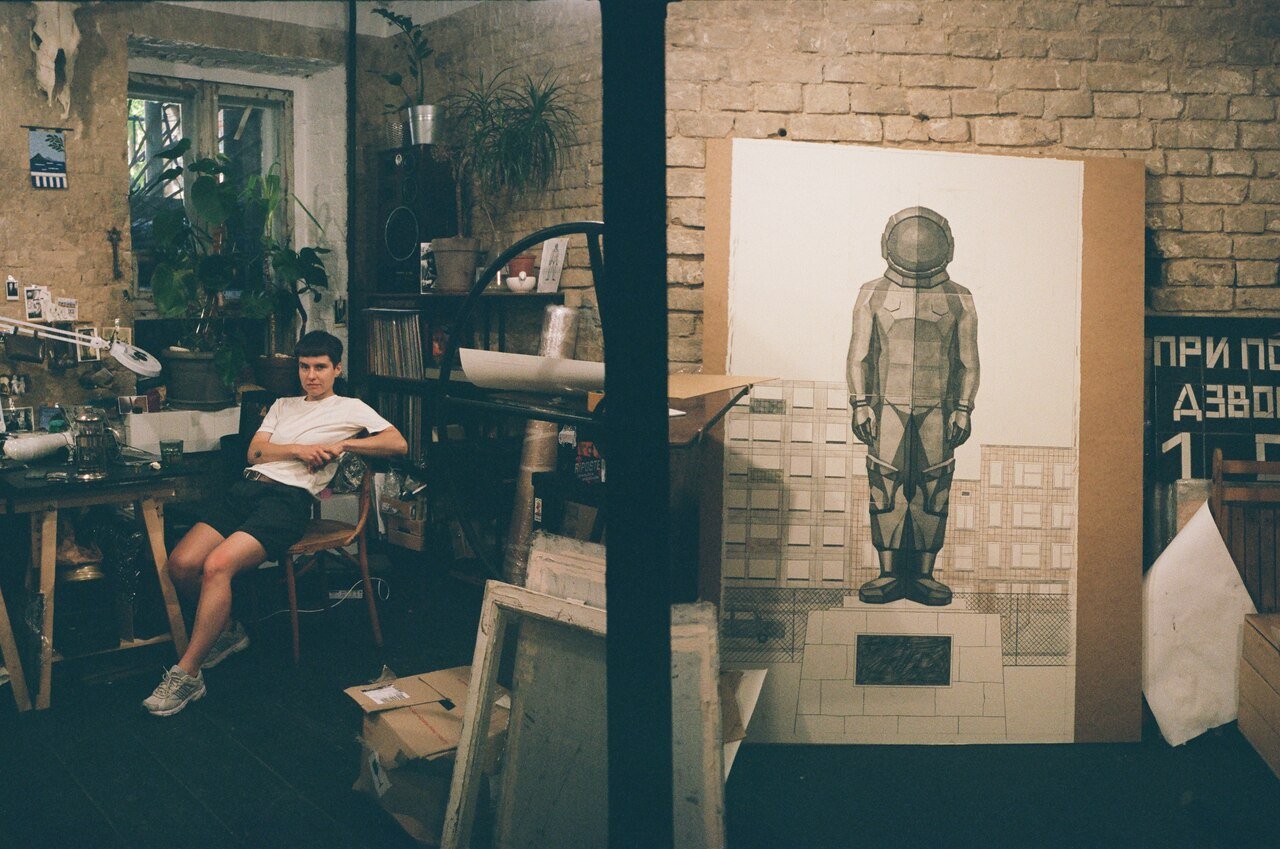
AK: I studied at the Academy [National Academy of Fine Arts and Architecture] and used to come to the Institute where Kristina studied [National Technical University of Ukraine “Kyiv Polytechnic Institute”] to print. A friend of mine worked at the Institute as an etching workshop technician, and Kristina was working there as well, it lasted for about a year. That’s where we met.
We started printing together, having exhibitions, and later we bought our own etching press. It was delivered to us in Kyiv by an ambulance from the already occupied Luhansk. It was a pretty good end to 2015 and beginning of 2016.
YU: What is the story behind the Etchingroom1 logo?
AK:. It was just one of the linocuts I was making. We chose this one in the end, although we didn’t necessarily think of it as a logo.
YU: Those first years working side by side, who were your influences – what were you listening to, reading, watching, who were you talking to and about at the beginning of your artistic practice?
KY: Music is what I remember most. Certain music reminds me of a certain time. I can hear a song and recall which studio I was working at. Around 2018, we started collecting vinyl in our studio, and the collection kept growing.
YU: Any names that come to mind?
KY: Many! One of the first records was Velvet Underground, their first album, which was brought to us from Berlin. I also remember The Smiths. What do you remember?
AK: I’ve always listened to The Smiths. Post-punk, new wave, cold wave. I loved electronic music. I loved noise. Though I listened to noise on my own because Kristina doesn’t like it.
YU: You said that working together at the beginning wasn’t that simple. How is the collaborative process now? Do you disagree often?
AK: Well, like everyone.
KY: It would have been more difficult without it.
KY: A division that we did have from the very beginning is that Anna works on the characters, on personas, and I create surroundings – buildings, streets, and so on.
YU: How about materials? You both work with etching and mosaics. Anna, you also experiment with silkscreen, and Kristina with lithography. Between 2019–2020, Etchingroom1 produced a series of sculptural works, and more recently, textiles and embroidery have entered your exhibition spaces. How do you decide on the material or technique for your ideas?
AK: I am not sure where you read that. We both work with the same techniques. It was never the case that I work on silkscreen printing and Kristina doesn’t, or vice versa. We like to experiment with new approaches but also frequently come back to forgotten techniques and materials.
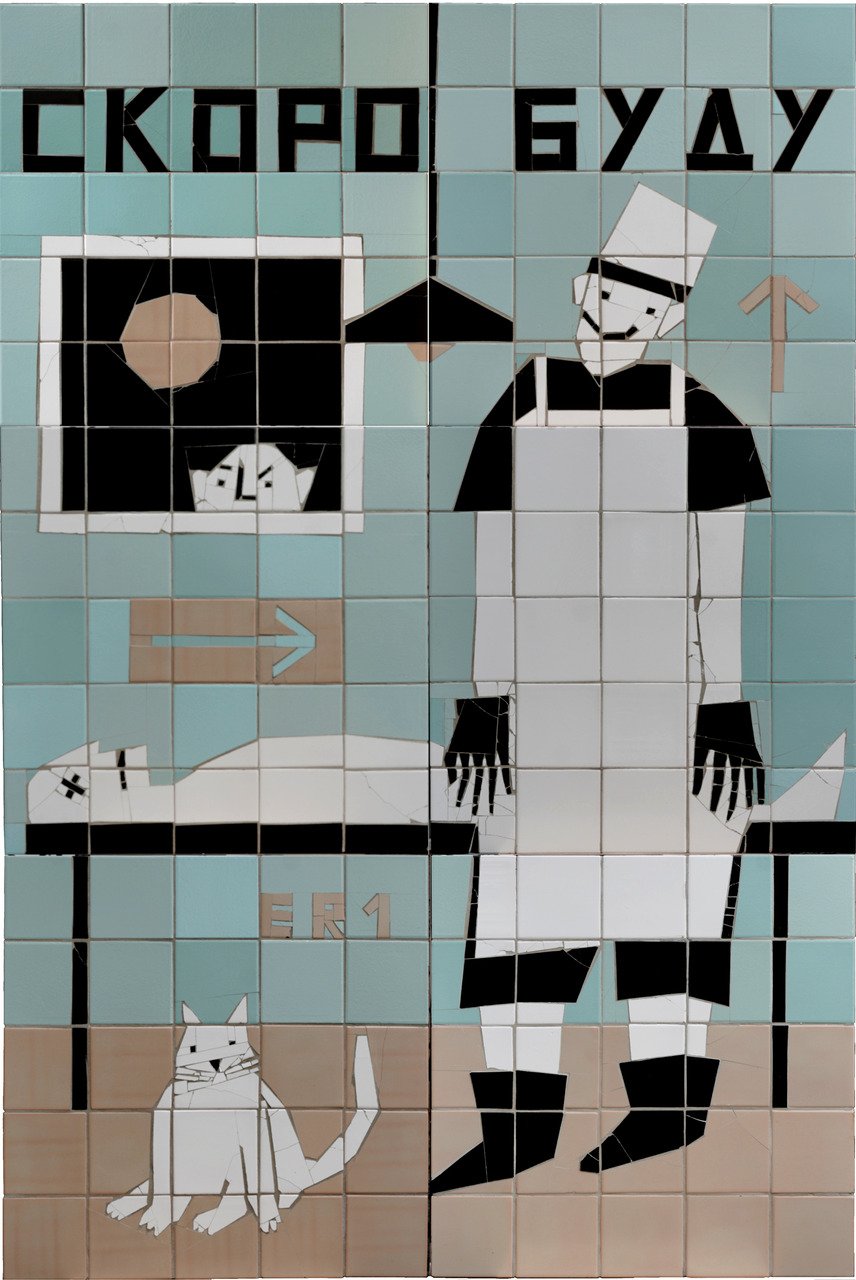
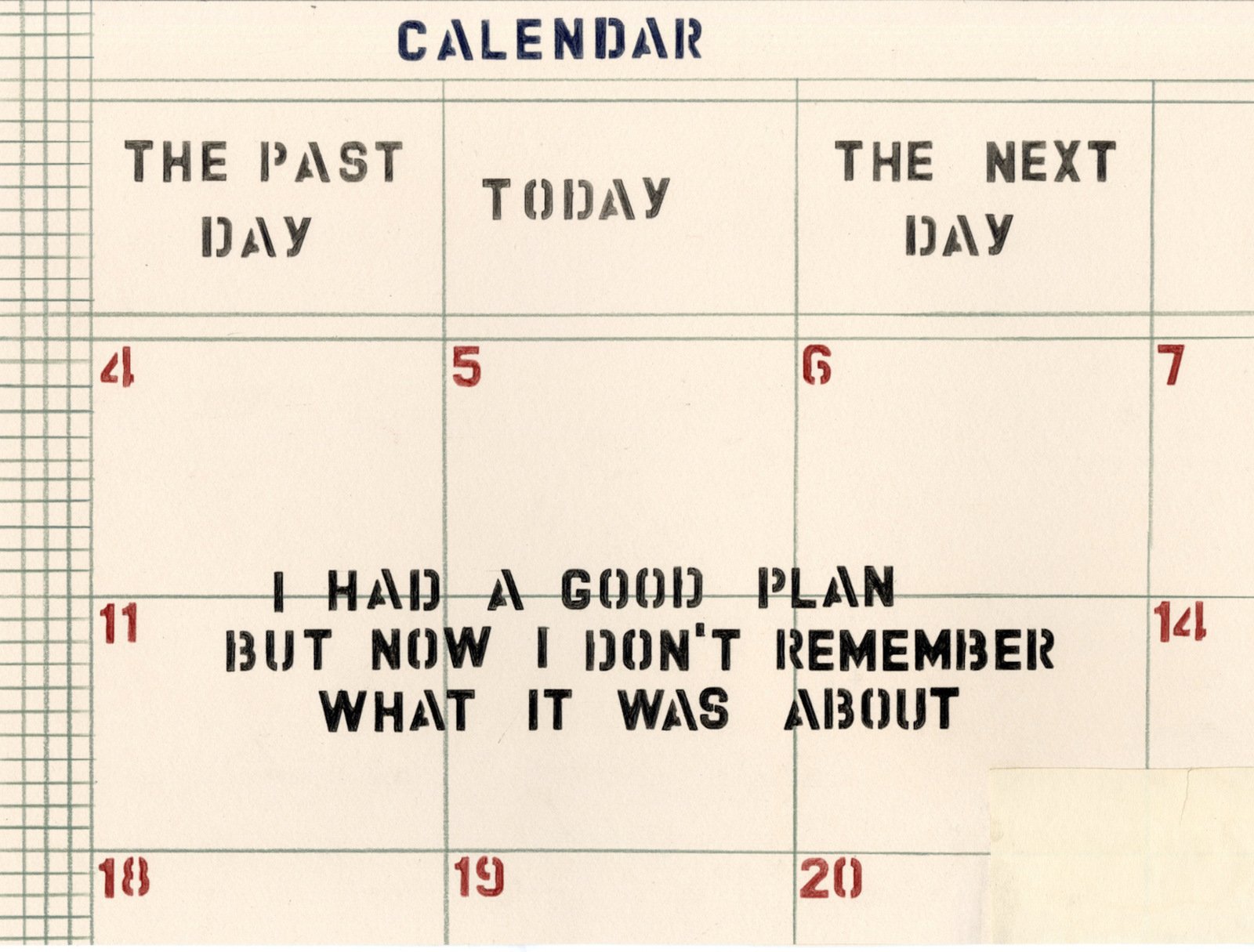
KY: Between 2018–2019, we started making large-format etchings. We really wanted to add color and also to make a larger-format work. And then the idea of mosaics came up, starting with a work measuring 3×2 meters – it kind of happened by accident. We used old tiles.
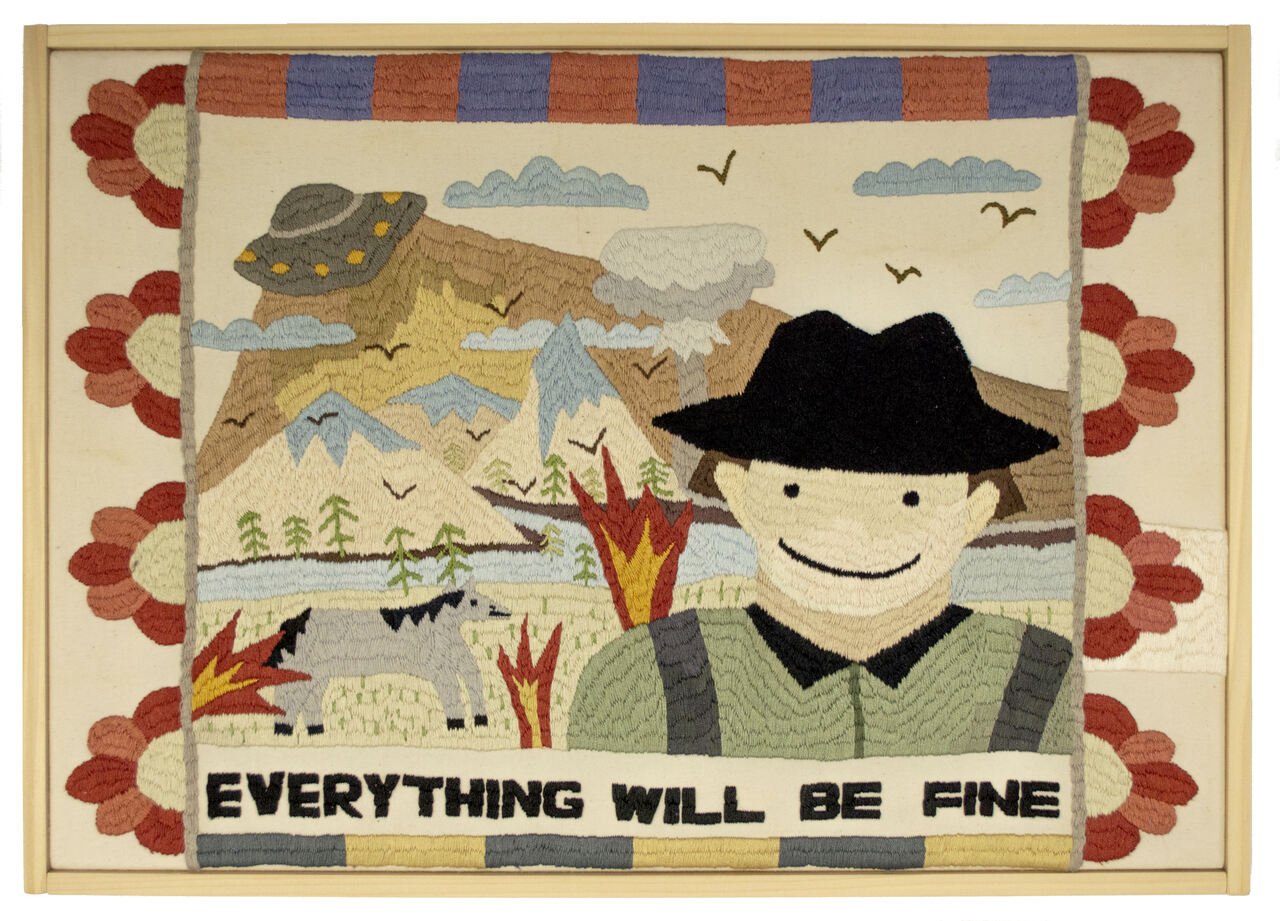
You really need a workshop for etching so that you can stay in one place and sit down, because it’s a longer process and you need more equipment. So when we started traveling more, it was one of the reasons we began working more with embroidery and colored pencils – because you can do that anywhere, unlike etching. But also I just really like the way these works with colored pencils look.
YU: Do you usually work with one technique at a time?
KY: Sometimes we work on different series at the same time – a large textile piece, embroidery, which takes more time, and pencil drawings in parallel, for example. It’s more convenient with the two of us working in parallel, be it part of the same work or separate projects.
YU: Can we add tattoo-making to the list? When did you start making them?
AK: I think it was around 2016, somewhere towards the end.
KY: It was a hobby at first. I was making a lot of linocuts at the time, and some tattoo visuals emerged from that process. Over time, it has changed a bit, and now I don’t tattoo as often, although I like the process.
AK: I do like it, but these days I enjoy freehand more. I don’t have a separate sketchbook. We don’t do tattoos super often.
KY: I would say tattoos are more part of our artistic practice.
AK: We used to have parties in Kyiv called Ink & Drink. It was fun.
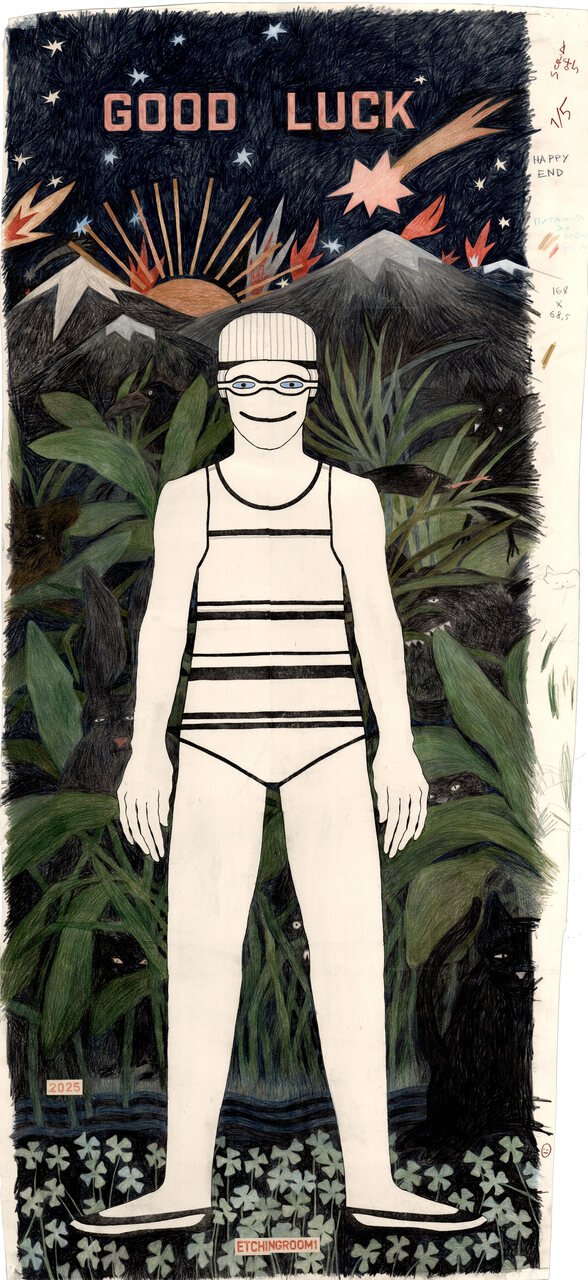
YU: I recently had a chat with a friend about dynamics that emerge in creative processes – be it the film director/actor relationship, choreographer/dancer, writer/editor, and so on. I was curious to ask you about fictional characters. Take the swimmer, for instance – who was the main inspiration for this conversation, and who has been consistently appearing in your etchings since 2018. It’s almost as if some of your characters become your collaborators who appear in different contexts and stories. What are your thoughts on this?
AK: There is always some connection. Today I want to draw something cheerful with flowers, and tomorrow I will draw a different side. Although I always enjoy drawing vampires.
KY: I think if we were to have an exhibition now, looking at the works from the past five years, you could see how all the plots and characters are interconnected in a certain way. There would be one big universe where something happens in different locations.
AK: We like that we can combine works from different series with what we’re currently working on. They are separate, but they still form a kind of story you can immerse yourself in.
YU: One of the objects of yours that was consistently present in the early years of your work was concrete fences. Perhaps you could tell me more about that?
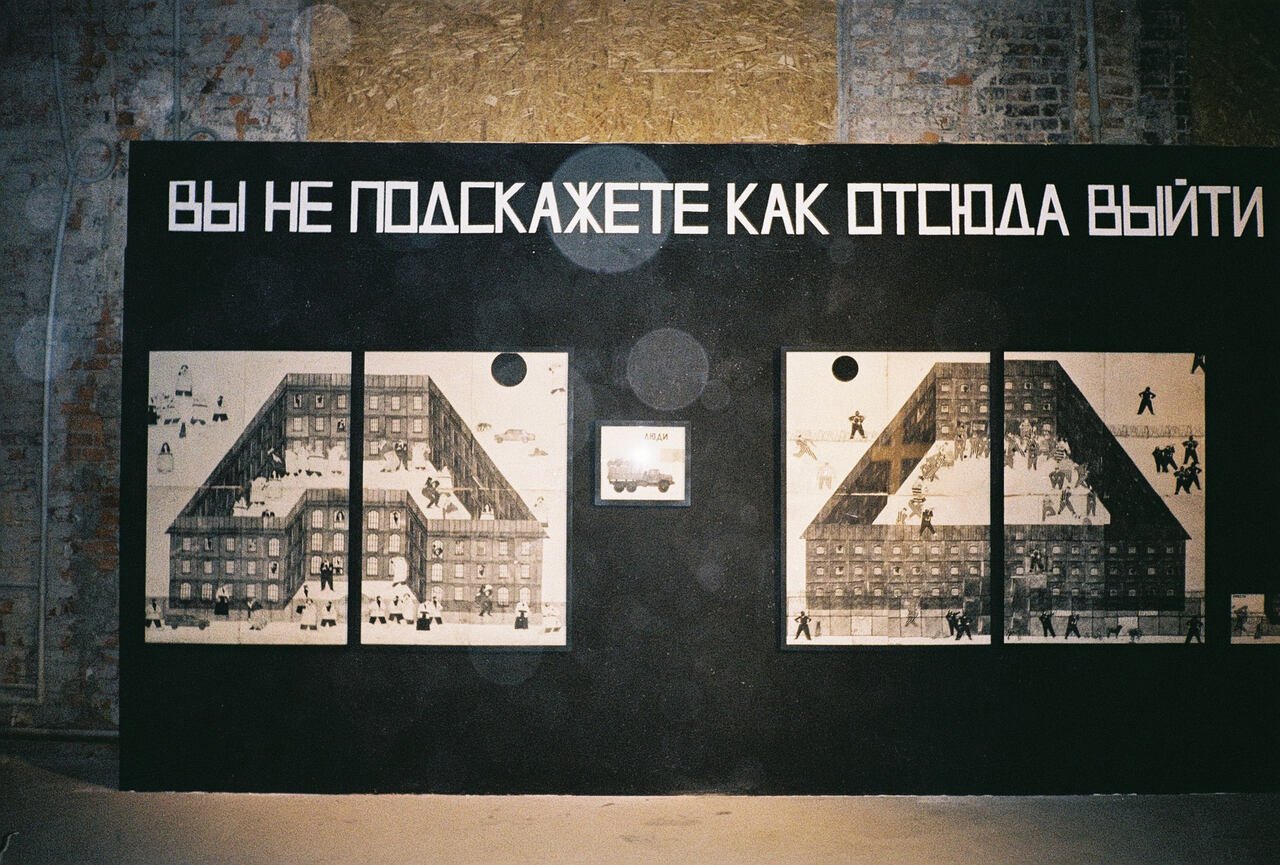
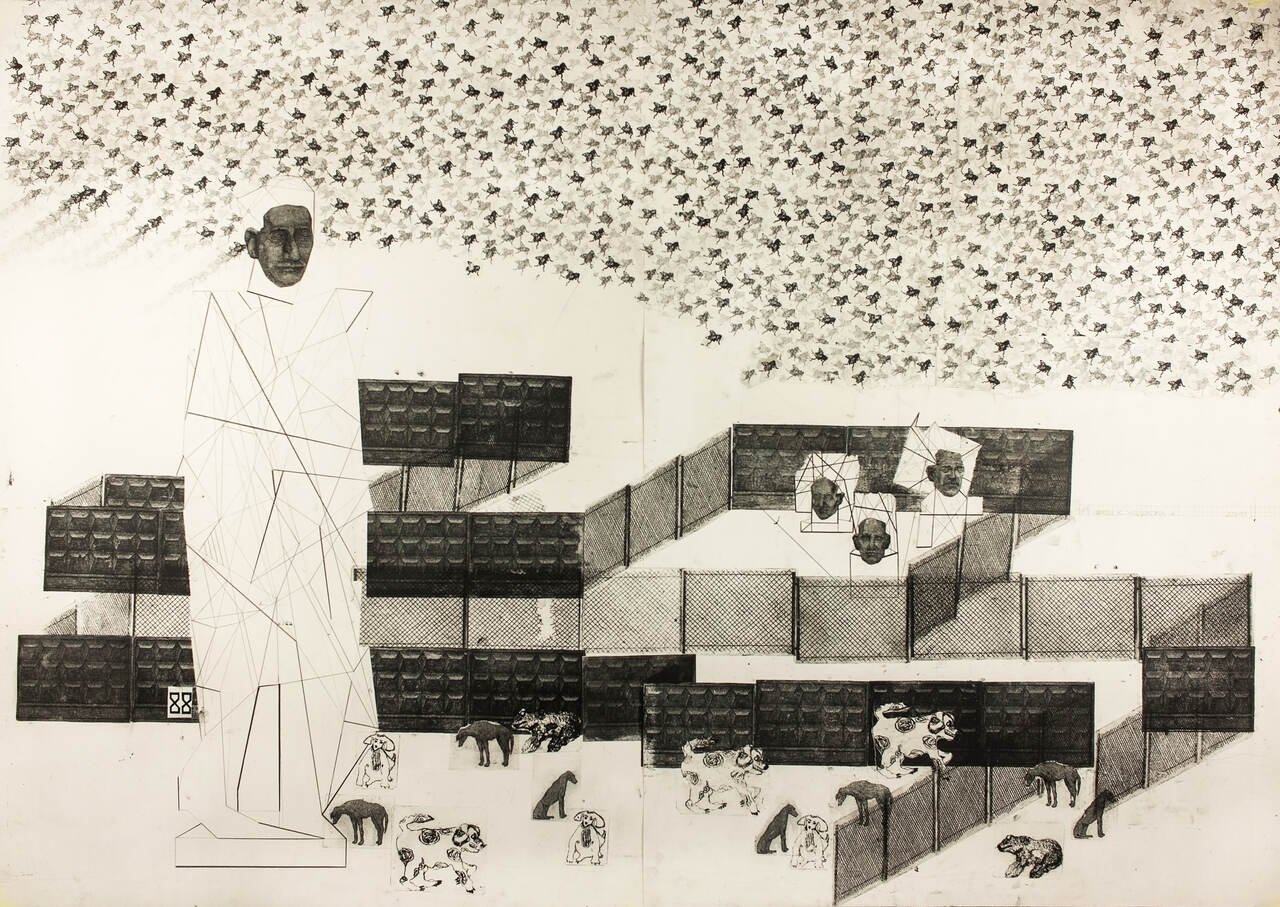
KY: Yes, when we were in the first studio, in Izolyatsia, it was an industrial zone, and you could see the rhythm of these concrete fences very clearly from the window. They emerged from that time and place.
AK: Kristina started making them as etchings, with different inscriptions, and then decided to make them out of concrete. So we created very small objects, with some text glued on them.
KY: It was common that we took something from life, made a drawing out of it, and then wanted to bring it back into physical form once again. One of such examples is an installation that resembled a bus stop that seemed to emerge directly from the original work. The exhibition featured works about the post-Soviet city and its inhabitants. The works were printed using etching and drawn in a childlike manner with felt-tip pens. There were many themes about death, suicide, and the indifference of people around them to what was happening. The bus stop was built like a corner that leads you into this imaginary city.
YU: I really like this about your work – how much you can immerse yourself in the surroundings. Those concrete fences brought me back to my childhood neighborhood. Every household had some variation of them, as if there were no other fences to choose from. Usually they were made a bit more cheerful with ornaments or colour. They always felt strange to me, isolating, almost caging the house from the outside world. Through your work, I felt that emotion again.
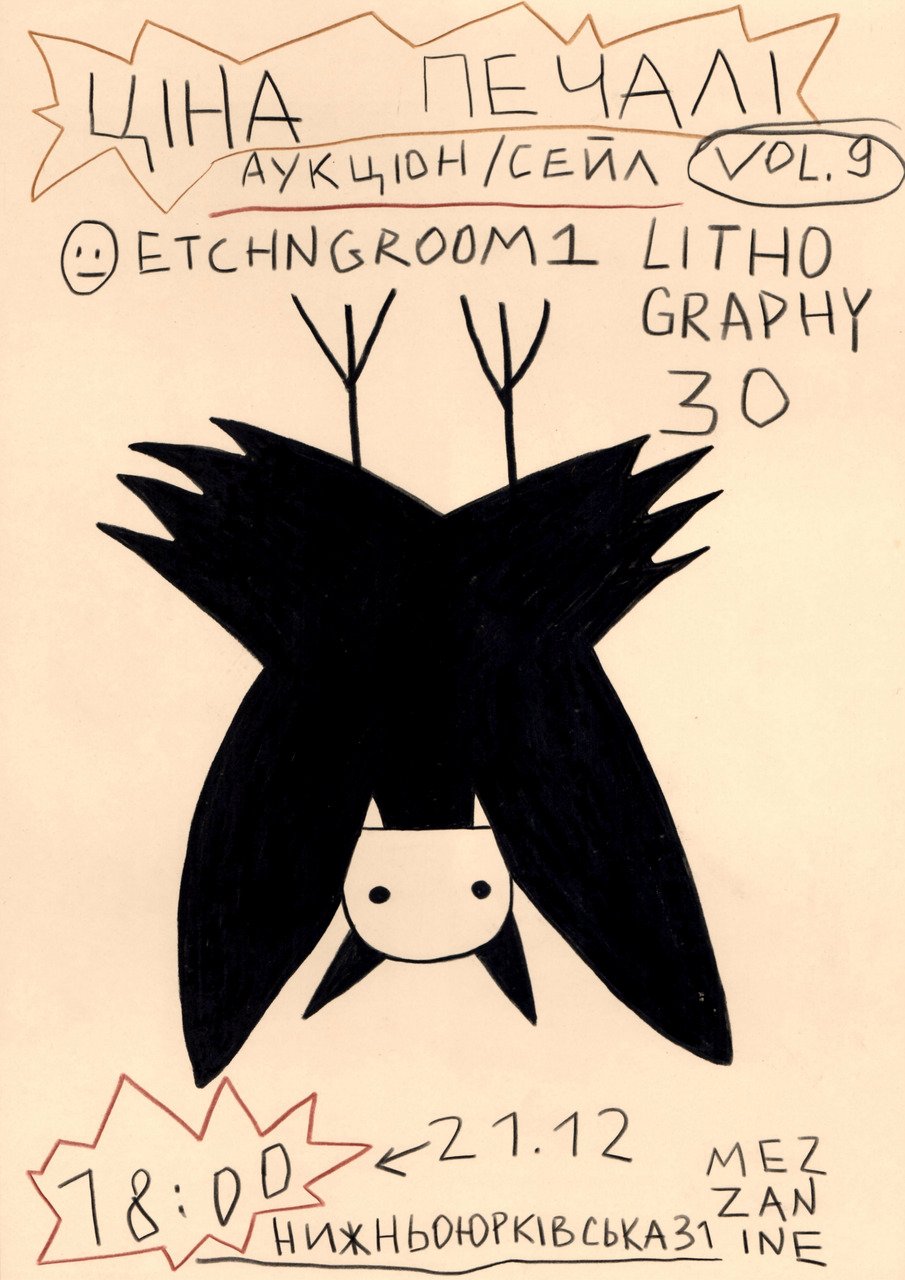
Let’s go to 2018. Together with the Lithography “30” group, you launched an auction called Tsina Pechali (The Cost of Sorrow). Can you tell me about this collaboration?
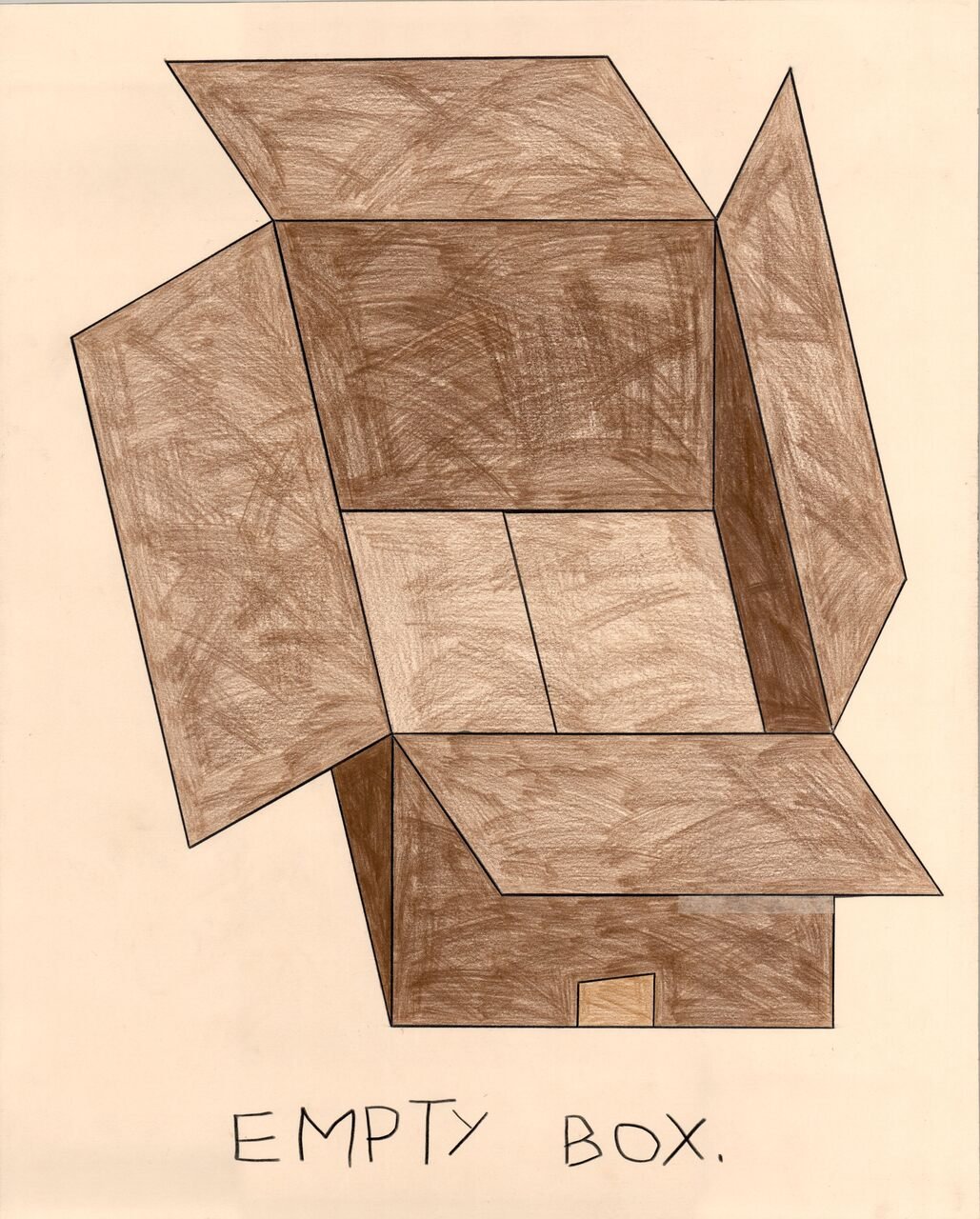
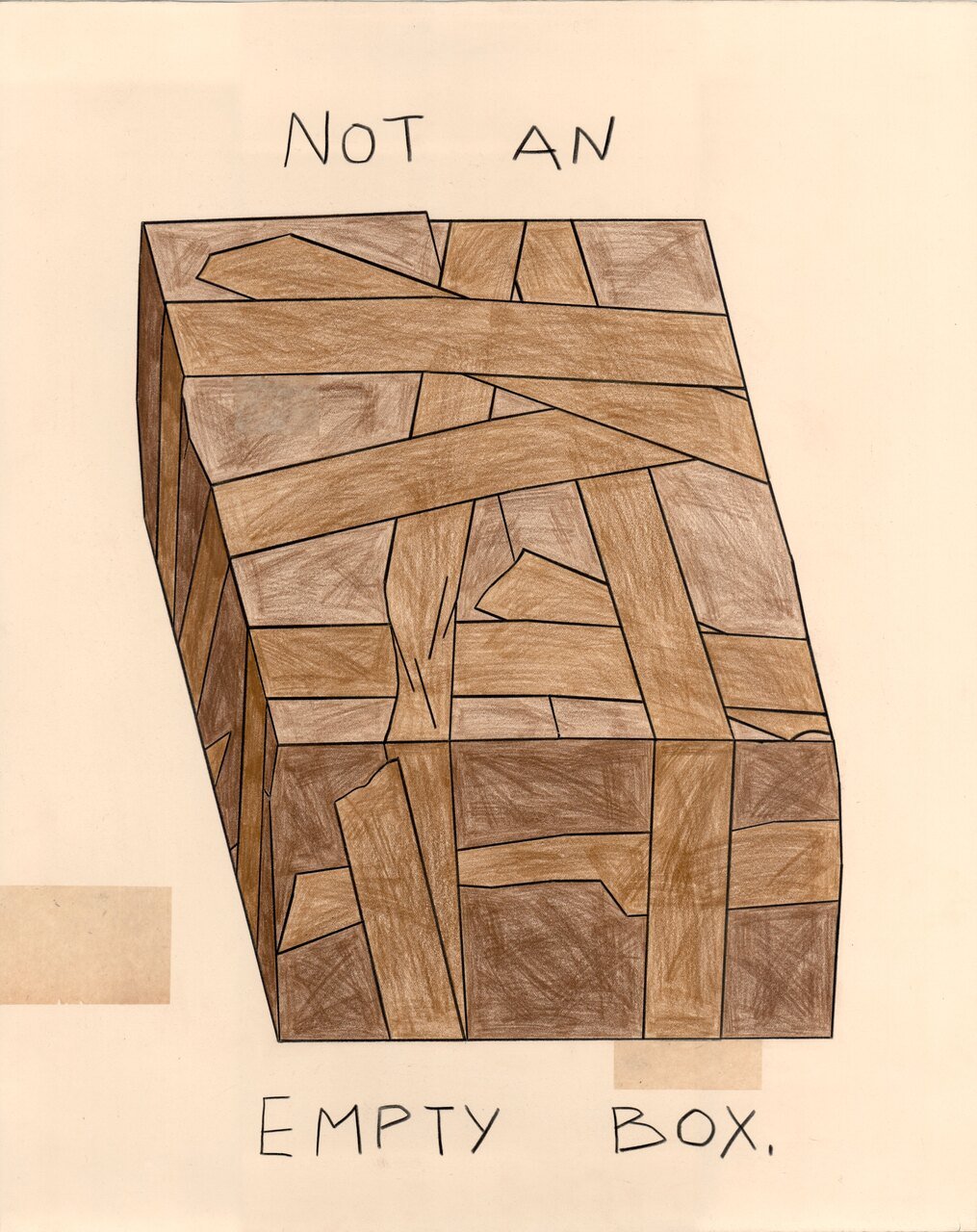
AK: Because we work with print, we usually end up with a lot of pieces by the end of the year. That’s how the idea emerged to hold an auction that would be accessible to people. You know, just starting from small images. DIY. We get together and see how it goes. It was quite fun and in my opinion a kind of success.We had this very charming friend who was the auctioneer with a hammer, of course. Another friend was the DJ. These people are still with us on the team.
KY: An auction is usually an event for a particular group of people. We wanted to make it open to everyone.
AK: For people who wanted to get our work for themselves or to give it to someone as a gift. We don’t accept bids online. We still organise it.
KY: 2025 was the ninth year!
AK: Some part of the profits we began donating to charity – for someone’s medical treatment, or since the beginning of the full-scale invasion, to our acquaintances who joined the army.
YU: How can artists participate in this auction? What is your process?
AK: It’s only our team of five people – Etchingroom1 and Lithography “30” – and we don’t want to make it into a bigger thing.
YU: Regarding the COVID times that you mentioned, did it have a strong impact on your work? Did you consider online platforms at that time either for sales or exhibitions? Offline presence in Kyiv was very important to you, after all.
KY: In Kyiv, our work was very much based around our studio. It was always a place where people could come and physically see the work. With the beginning of COVID, there were worries that it could become more difficult. But in the end, it turned out to be the opposite. We had more time. Our lives didn’t change much. I just rode my bicycle to the workshop. We started making very large mosaics and continued to work with etchings.
YU: Strangely enough, I often hear from artists that they even miss those times a little bit. There was more time for focus and a stronger sense of community, with fewer people travelling.
How did the war affect your work? I refer to 2022.
KY: We began working with more mediums because we started traveling more, going to residencies. Before the war, there wasn’t much need for it.
AK: We started adding more colour to our works. Prior to 2022, it happened only with mosaics, but then we started working with pencils, embroidery, and so on.
Right before the full-scale invasion, we had been preparing for an exhibition in Berlin. And there were a lot of war-related items as part of that series, including a bomb. We kind of finished the whole thing before the full-scale war happened. We are not artists who directly reference current events – they are usually translated into our works through feelings and details.
KY: There is reflection happening, but it works a little differently.
YU: I was thinking how to describe your work, and for me it’s about a strong sense of being present with the world – the beautiful and the ugly – getting lost in the mundane of everydayness, in the fears and worries. But always with a sense of ease and warmth, always smiling, thanks to your humor and irony. What does slowness mean in your practice? And how do you meet the new world of digital speed?
AK: For me, it depends on whether I have the energy to dive into work or if I feel like doing something else. Sometimes I can work on mosaics all day long or work on several things at a time. Questions about time are always a bit difficult.
YU: Do you ever feel an external pressure to create more, and how do you relate to that?
AK: Sometimes it feels that there isn’t enough time to create as much as we want to…hehe.
YU: Regarding art residencies, you moved to Berlin in 2024 and then participated in quite a few artists-in-residence programs. You visited one several times, the one in Caen, France…
KY: We went there [Ecole Supérieure d’Arts & Médias de Caen/Cherbourg] two times – in 2018 and 2022. The first time, we were invited to organise a workshop for students, which they usually have at the beginning of each semester.
AK: We had 18 students, each one of them doing their part: some worked with intaglio printing, others – did something else. At the end we combined all the parts into one piece.
KY: In 2022, we returned for two months as artists-in-residence, and had the space to ourselves to work independently.
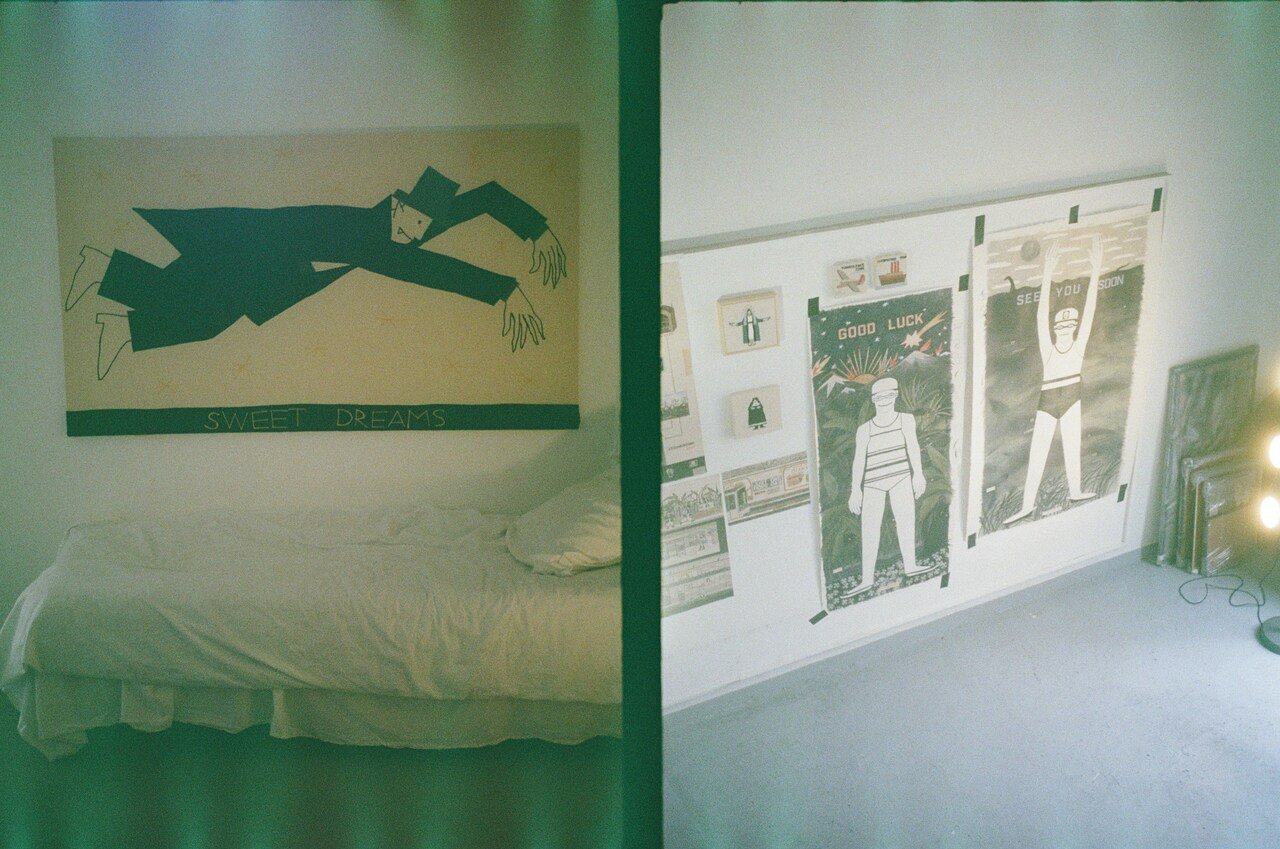
YU: And then you went to Edinburgh, Paris, Luxembourg, and Vienna, usually staying for a month or two. Has this rhythm affected your perception of time, your relationship to your surroundings and to people, or your craft?
KY: It’s much easier for me now to work in a new environment, to make a plan based on where I am. Plus, residences offer nice opportunities to meet people and so on.
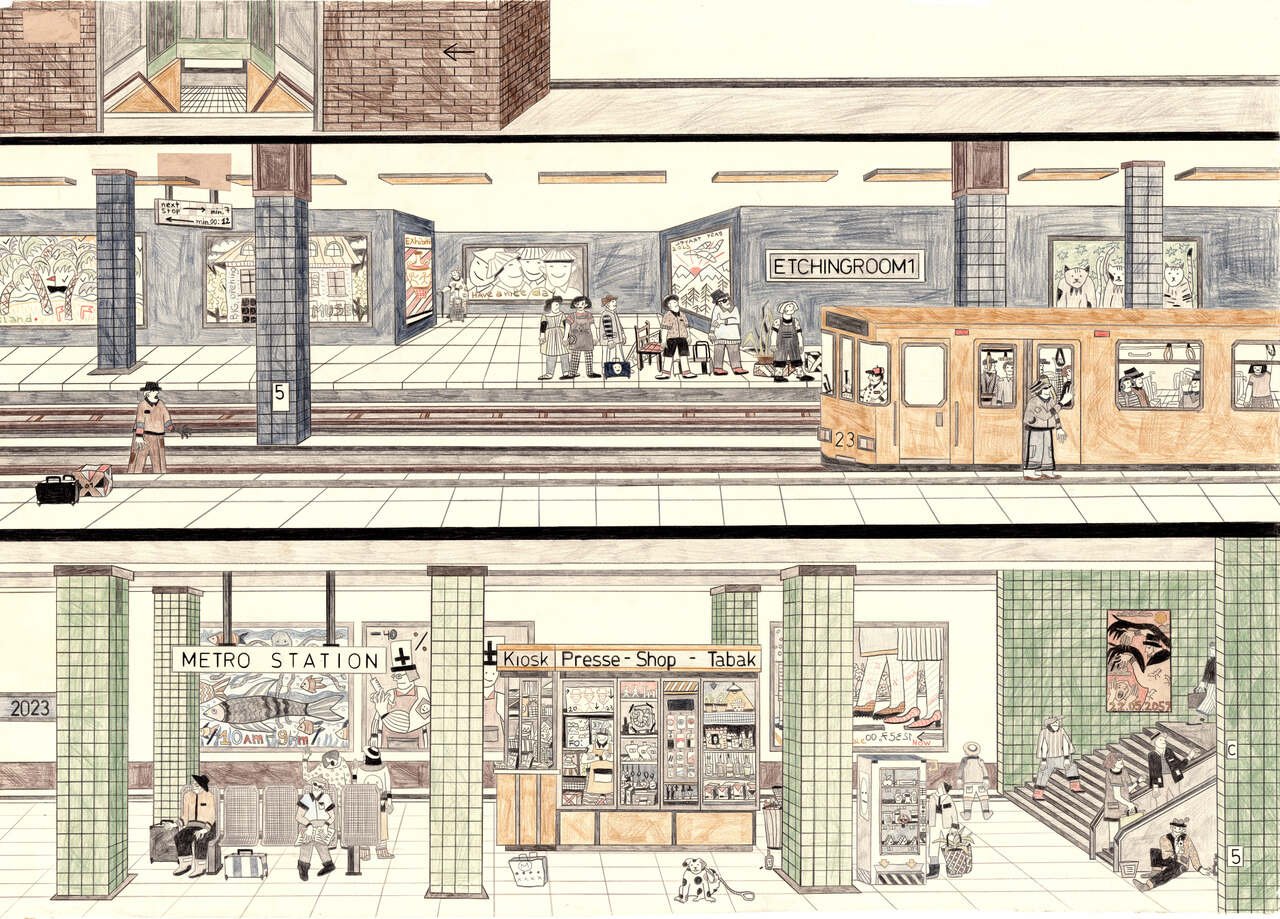
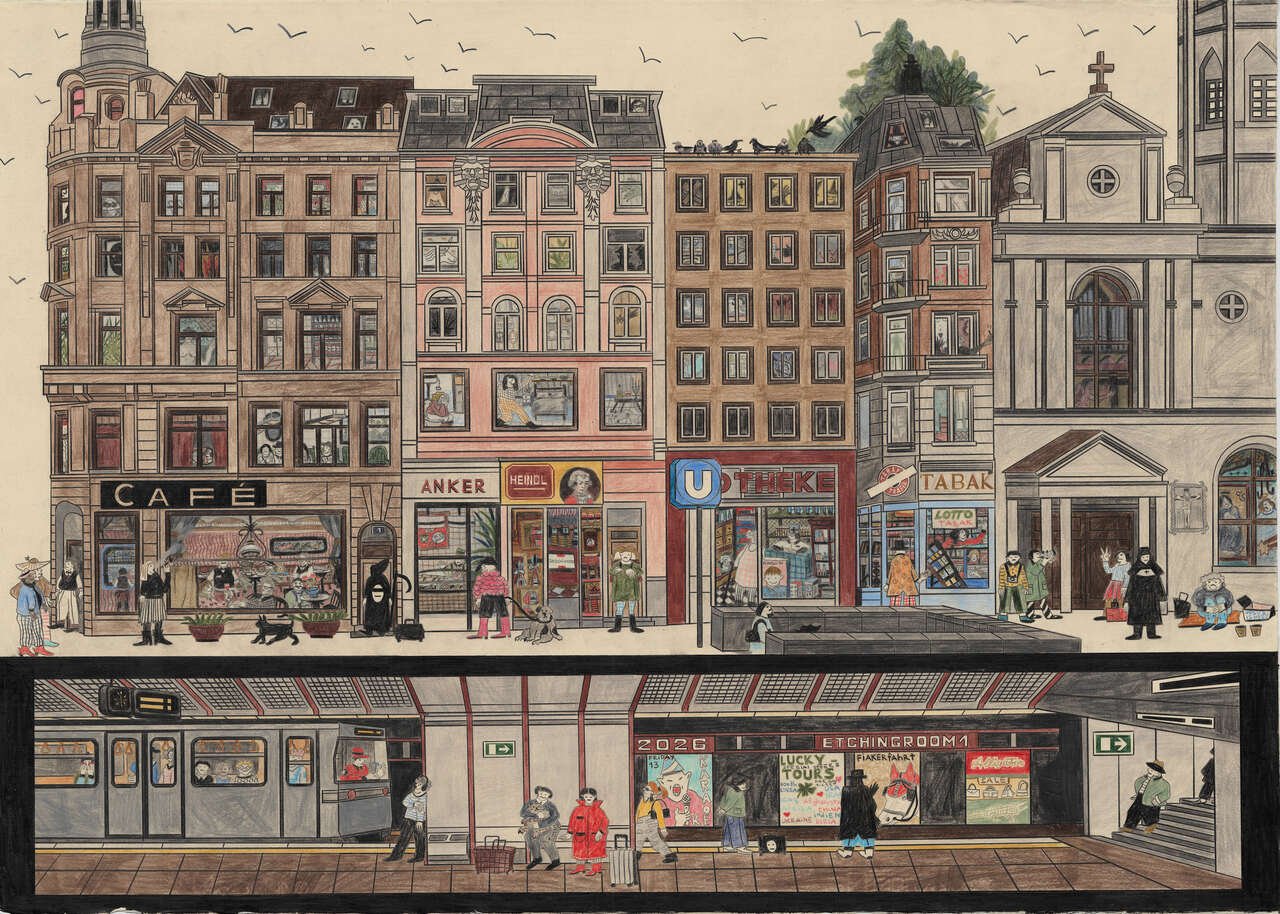
AK: You explore the place where you are at the moment. You find something for yourself, spend time alone, or wander around the city. I prefer combining traveling with work. Meeting new people, discovering things I’ve never seen. I enjoy it. We also have an ongoing series, that we began in Berlin in 2023, exploring cities. At Cité Internationale des Arts we spent some time exploring Paris, and now we’re also adding Vienna while in residence at MuseumsQuartier.
KY: This series is a portrait of the city, usually focusing on a single street. You see it from above, with people going about their lives. We often include a subway, giving an immediate cross-section of the city and its rhythms.
YU: Are you doing this in book format?
KY: So far, these are just drawings. Maybe later they will be published as a book.
YU: You had a cool collaboration not too long ago with a publisher from Riga – a comic book about candies and falling in love. I only saw it in a digital format but enjoyed it a lot.
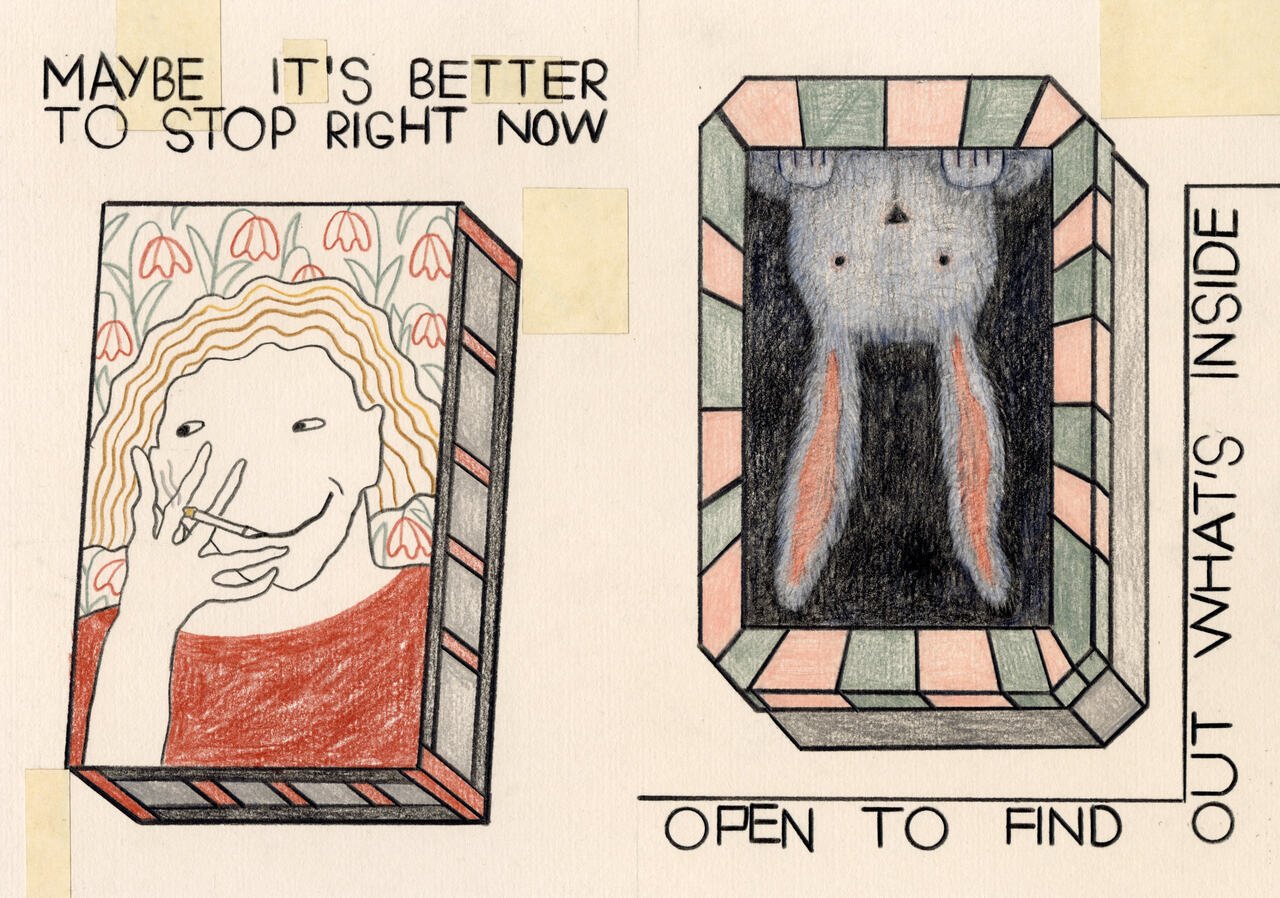
AK: Yes, it was with kuš! It is called “A Box of Candy.”
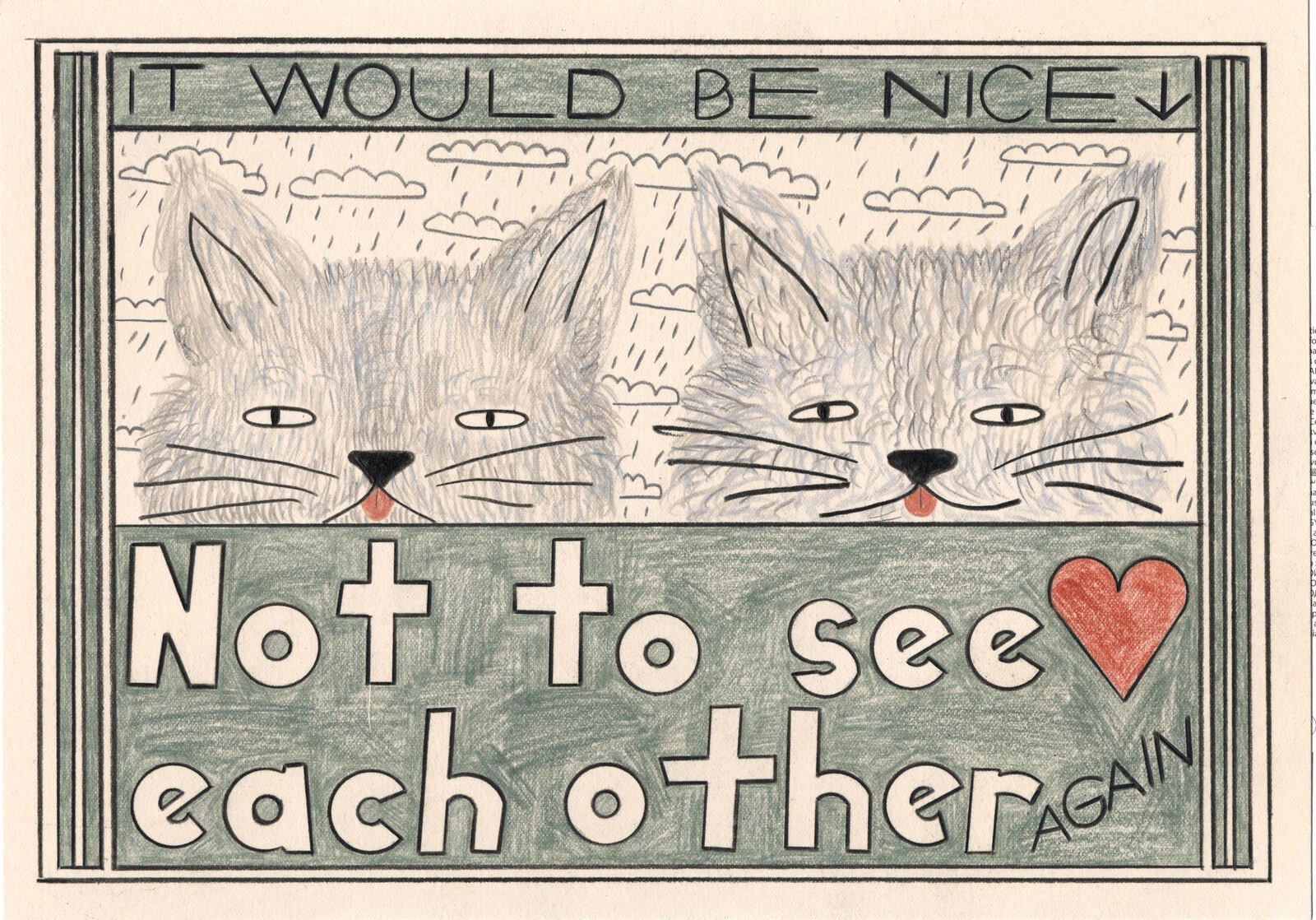
KY: We make books from time to time. One of our first books, “Tonight I’m staying at home,” was published by Dymchuk Gallery in 2019, which was more of a series of works, but it could also be read as a story. “A Box of Candy” is somewhere between a comic book and just a series of works.
YU: Looking back over the past decade of working together – are there any collaborations, shows, or encounters that hold a particularly dear place in your hearts?
AK: I think it’s Scotland first!
KY: Scotland was very beautiful. It was very different from all the places I’ve been to before. The art residency was well planned and organized. People were super open and very supportive of all our ideas.
AK: We also printed a book and made a mosaic, a special ceramic one, which was set up in a public space. I will remember this period for a long time, like lots of others of course.
YU: What are you up to now? Anything planned for the coming months?
KY: There are several ideas we are working on here at MuseumsQuartier in Vienna. We were invited for an exhibition as part of the Edinburgh Art Festival. That’s for the summer. In February, there will be an exhibition connected to our previous residency at Neimënster Abbey in Luxembourg, hosted at the European Investment Bank. And while in Vienna, we will also have a small presentation of our work, organised by MQ.
YU: You also managed to open a show in Berlin. I saw it’s closing this week, right?
AK: Yes! It was an exhibition of works from various series of recent years, which, in our opinion, were brought together through the title of the exhibition, “Just One More Day.”
YU: Let’s wrap it up with one piece of advice for young vampires out there.
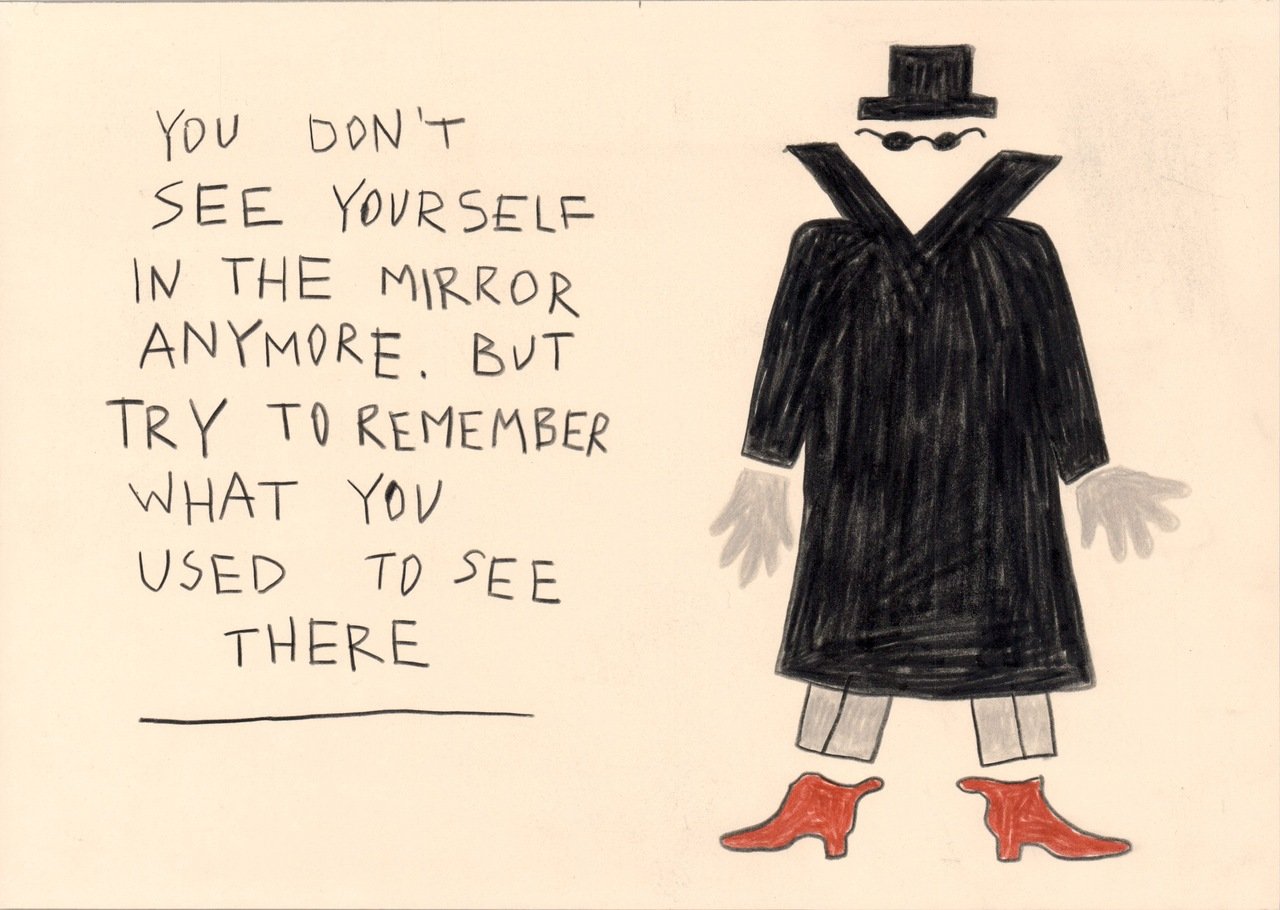
AK: You don’t see yourself in the mirror anymore. But try to remember what you used to see there.
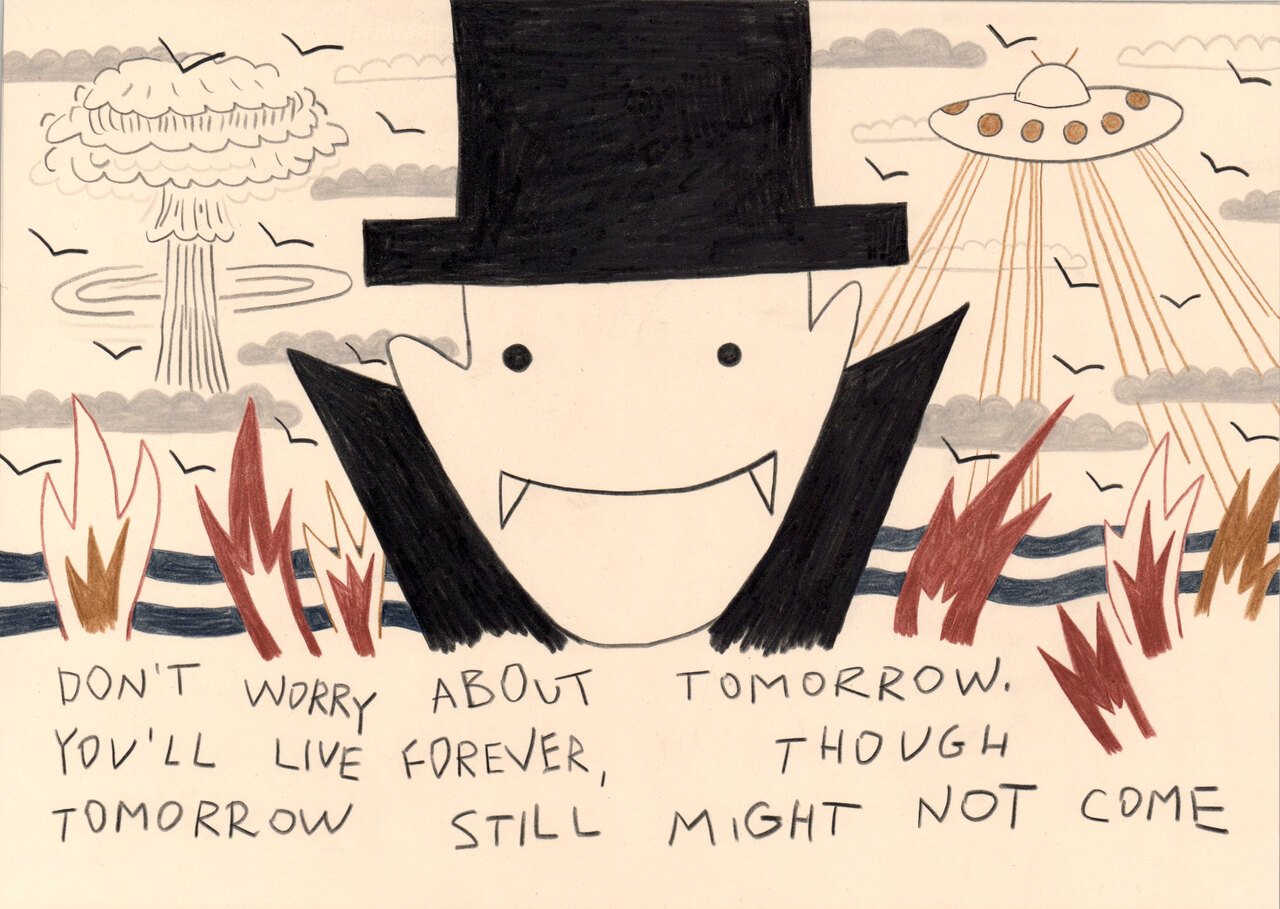
KY: Don’t worry about tomorrow. You will live forever, though tomorrow still might not come.