
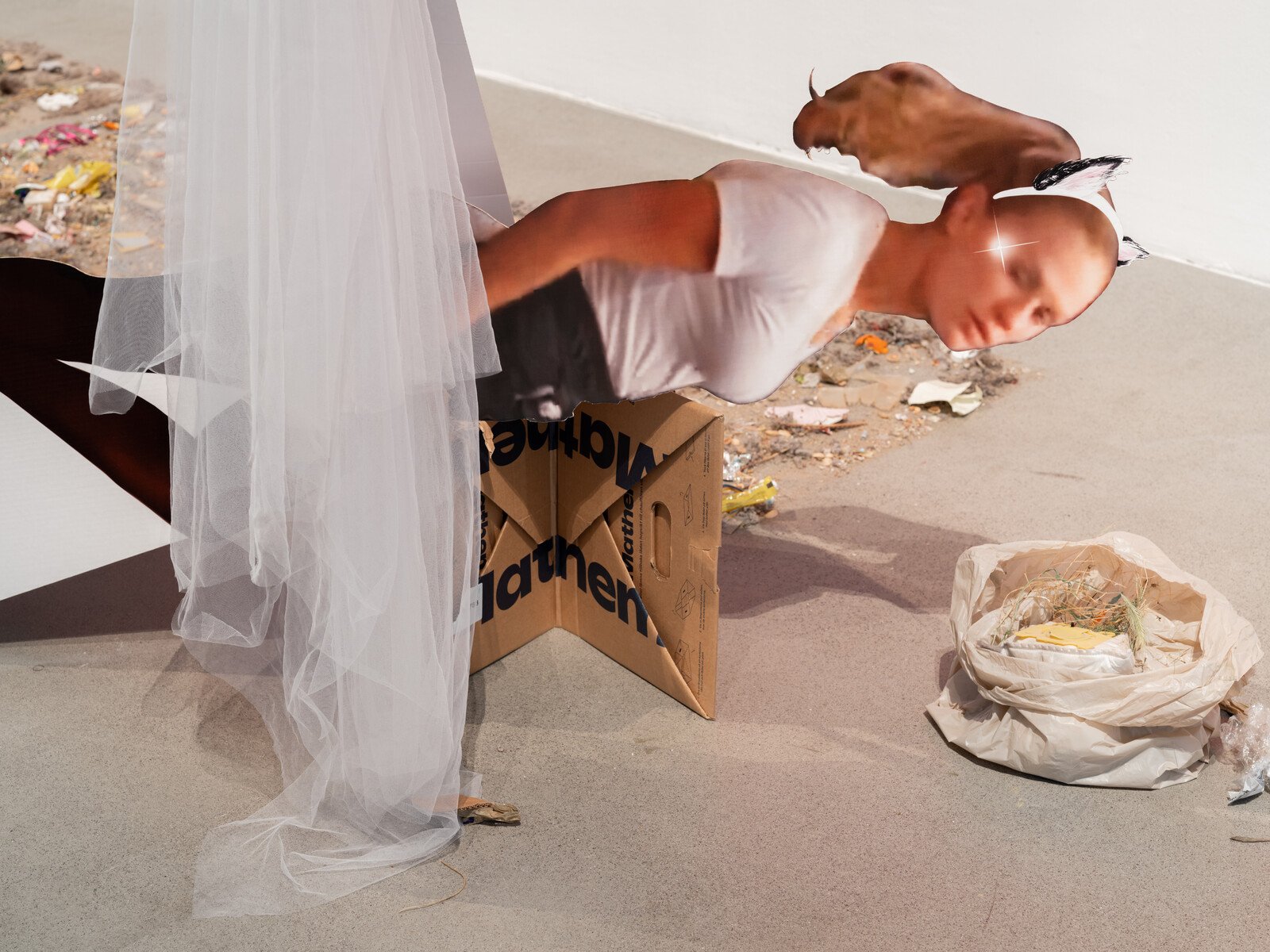
Happy Spiraling
ballerina cappuccina ꩜ tralalero tralala ༄ *. Samantha the Afghan hound ༄ *. three questions to ask in early dating ꩜ Venus retrograde ༄ : *. stuck in situationships ༄ *. what I eat in a day ꩜ dom dom yes yes ꩜ Oupi Goupi ꩜ delulu ༄ : *. puppies ꩜ pottery and paw prints ꩜ girl, so confusing girl ༄ *. girl, healing isn’t linear ༄ chihuahua energy ꩜ “I am fucking crazy but I am free” ༄ : *. ???
On screen, everything has become equally urgent and equally disposable. Nothing shocks. Nothing settles. Nothing lingers long enough to feel real. We are overstimulated, but underwhelmed.
This year’s edition of Organ Vida, titled Happy Spiraling, seeks to find meaning in an everyday life saturated with images. We are interested in how contemporary visual culture reflects reality, but also how it actively produces it: how it shapes the ways we see and understand the world and how we make art. The featured works engage with an overstimulated digital world in different ways – whether by exposing how it manipulates and exhausts us, by destabilizing it through subversion, by gaming it, mocking it, or escaping from it altogether.
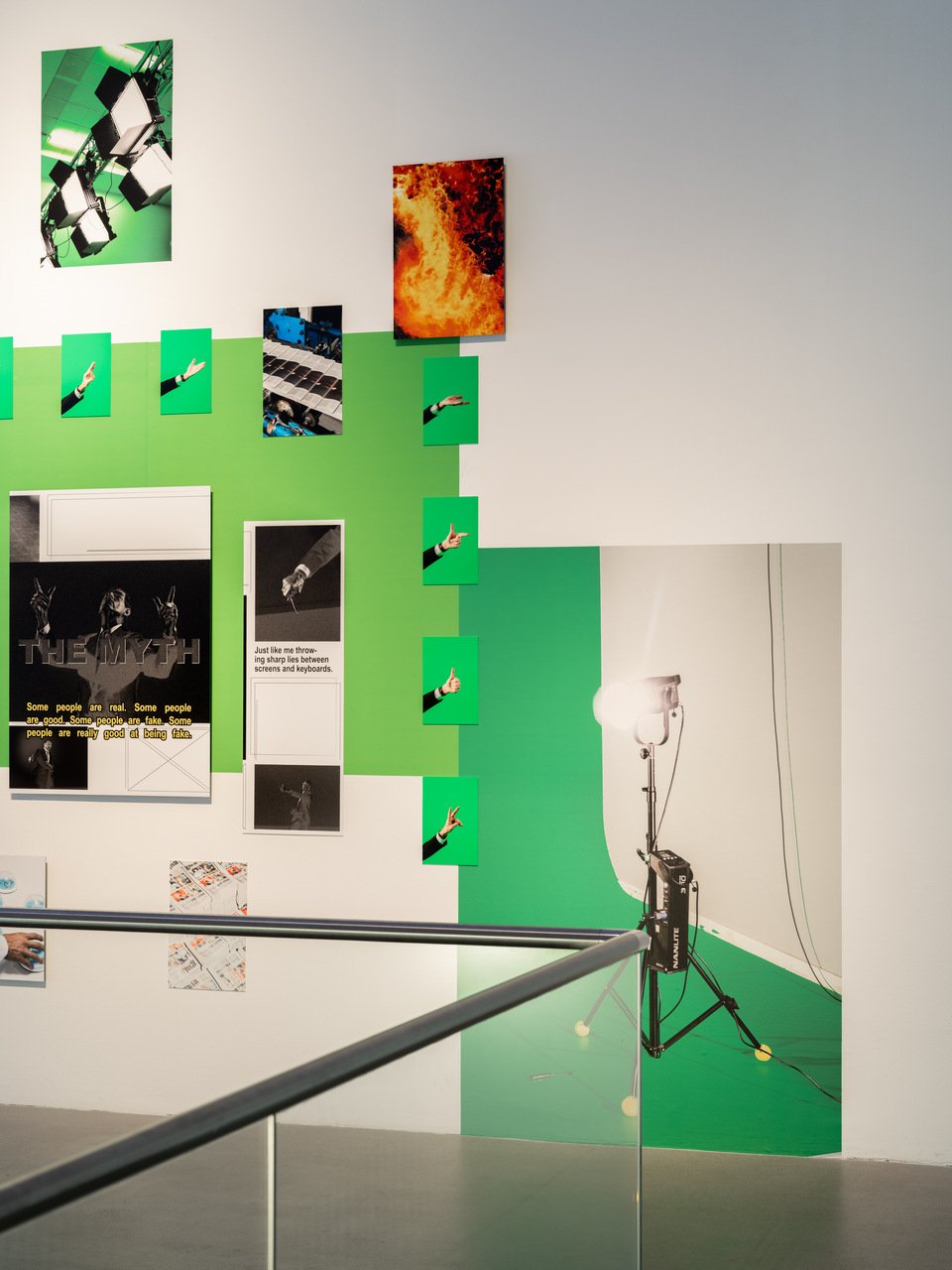
Jame St Findlay, Rafael Roncato, and Gedvilė Tamošiūnaitė address surveillance and control in online space in their works.
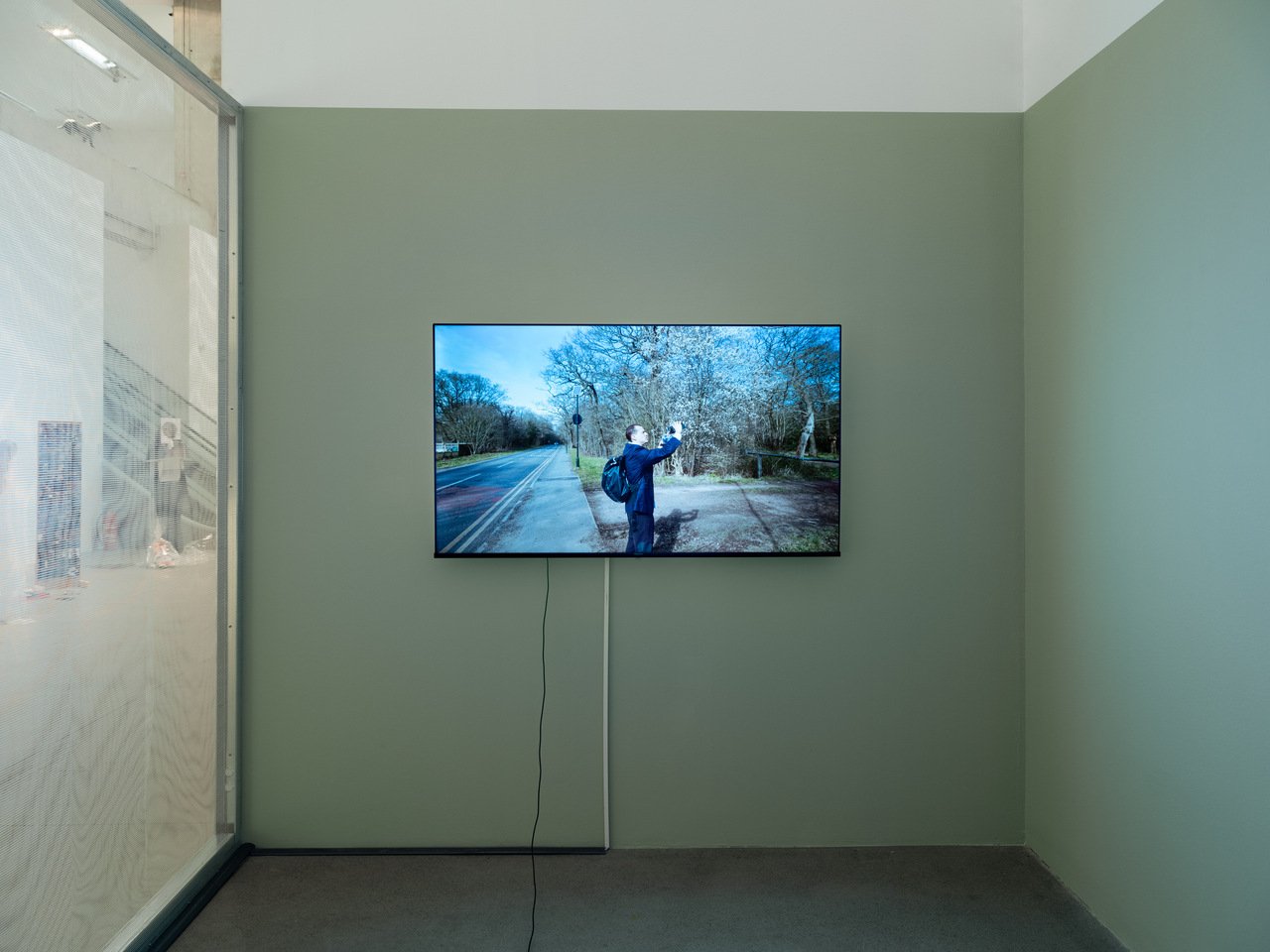
At the center of Jame St Findlay’s installation is an experimental film that explores contemporary manifestations of paranoia, delusion, and social breakdown. Ironically titled Harmony, the film follows several individuals for whom the contemporary world no longer makes sense. Recording their impulsive and absurd outbursts, the work probes – both humorously and poignantly – what happens when the logic of everyday life starts to break down.
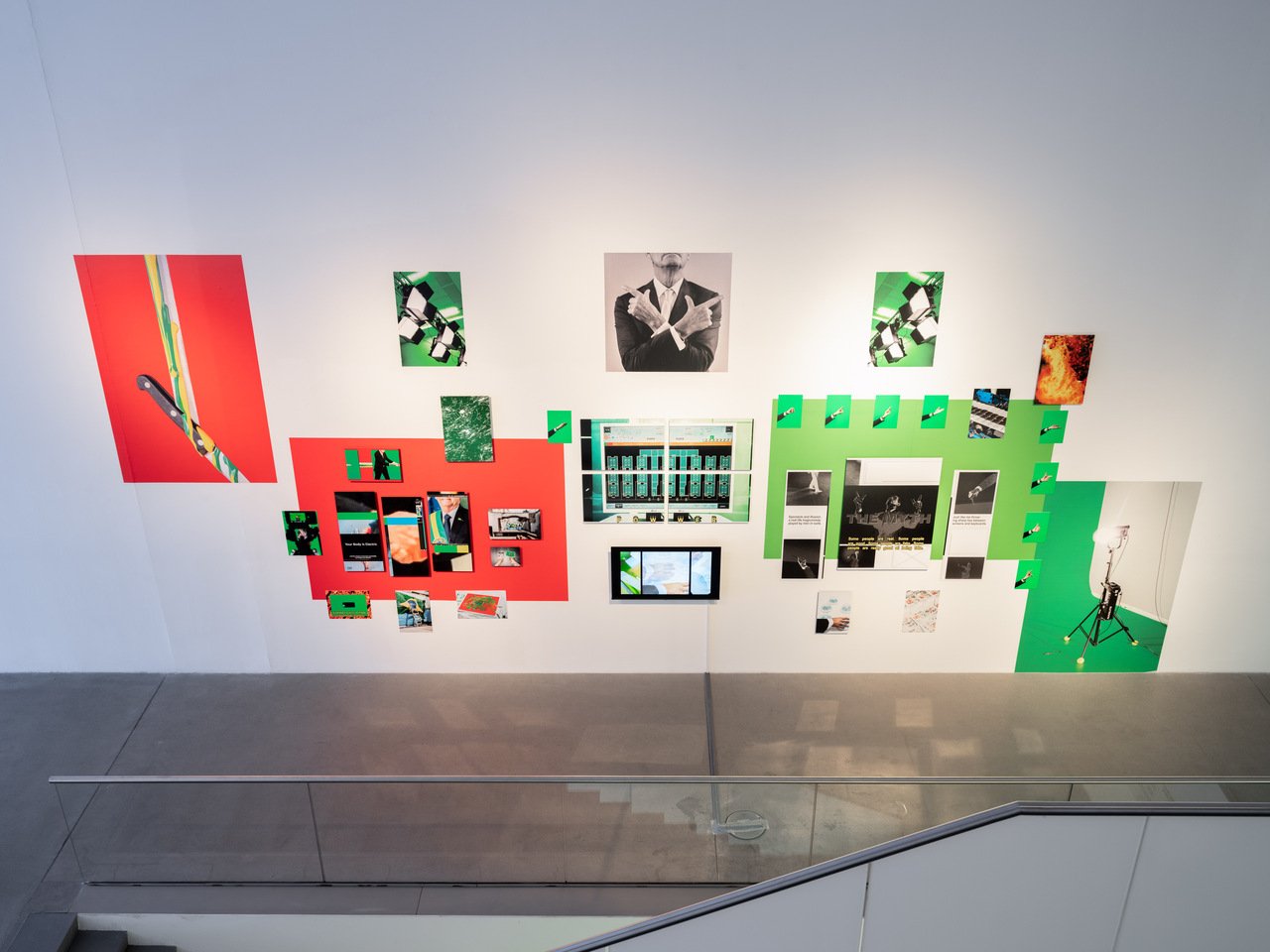
In the photographic installation Tropical Trauma Misery Tour, Rafael Roncato offers a critical reflection on the mechanisms of networked propaganda within Brazil’s political landscape. The work starts from the attempted assassination of former president Jair Bolsonaro in 2018, and the way that event was instrumentalized in the media to enable his political rise. Using the same docufictional strategies as the political spectacle it critiques, the work cleverly exposes it as cheap ideological manipulation.
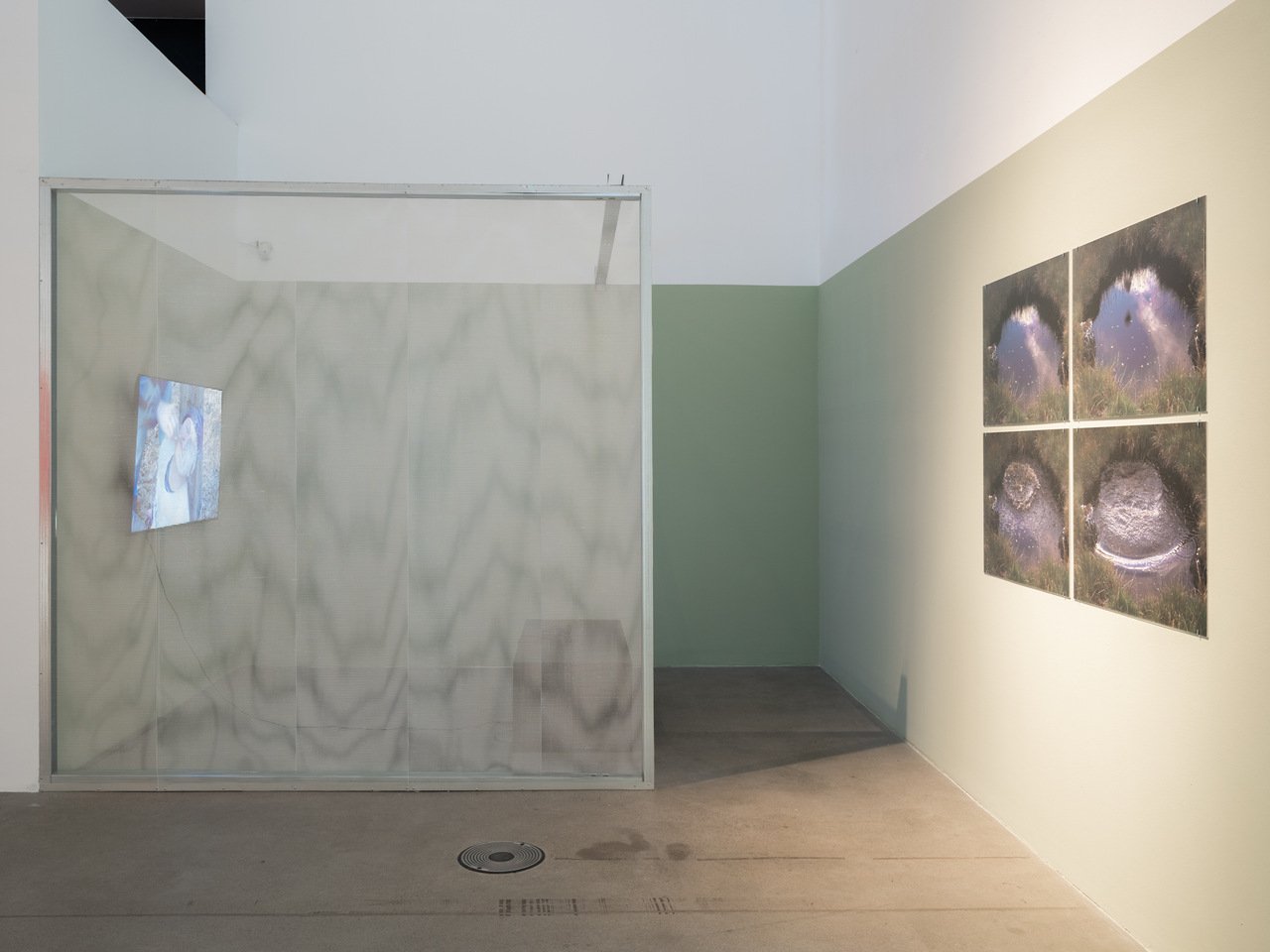
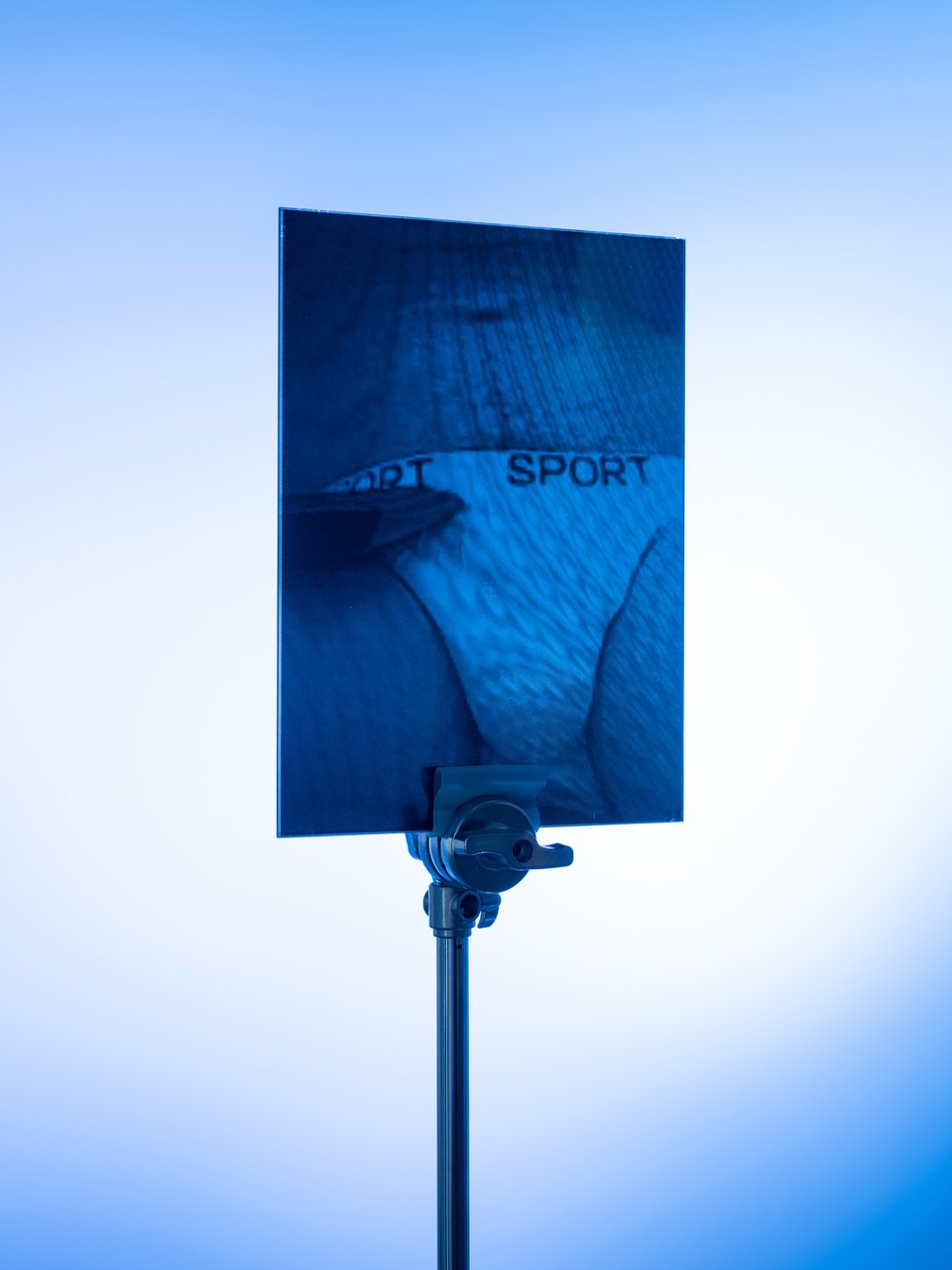
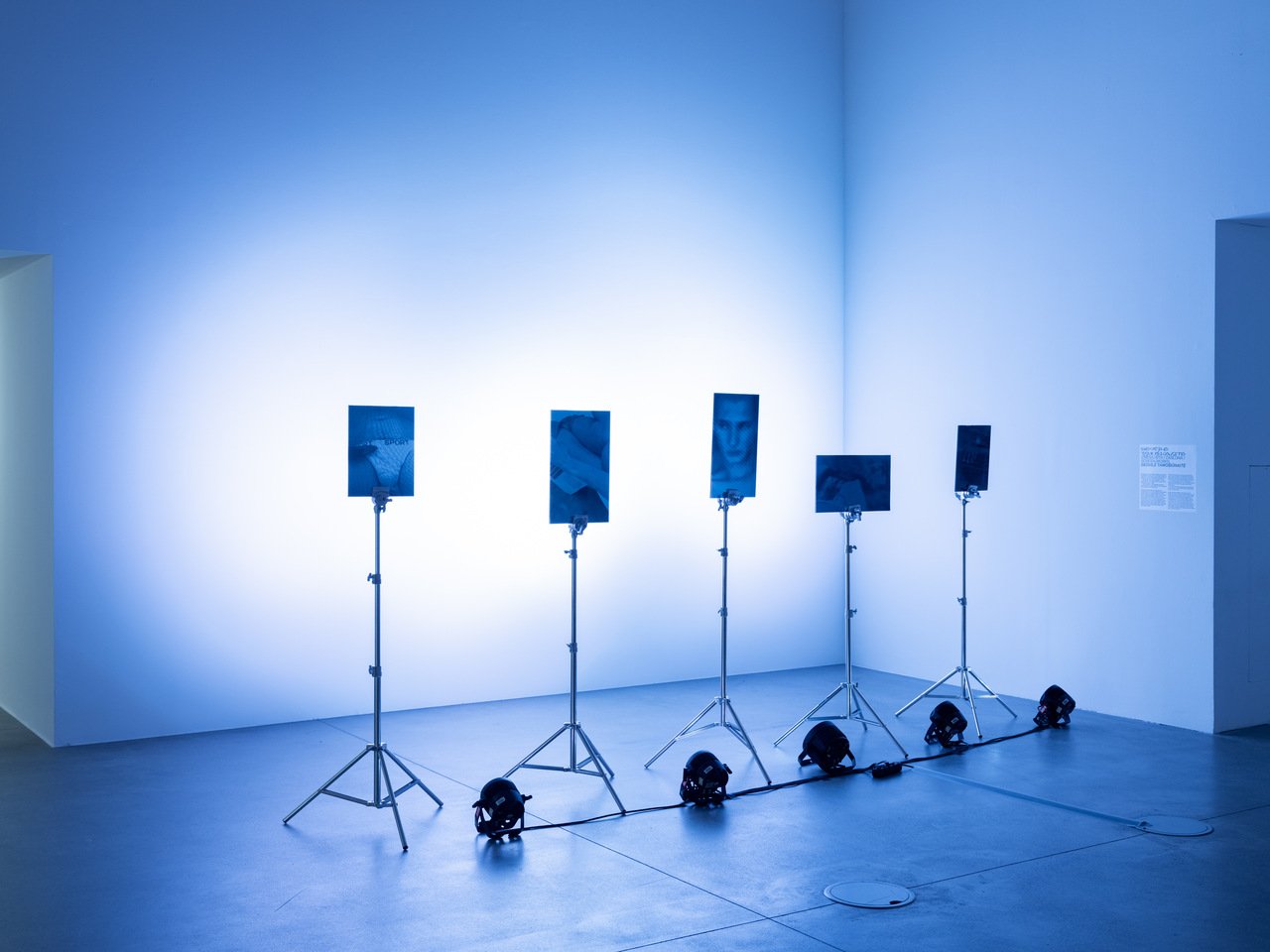
Gedvilė Tamošiūnaitė’s Screen Works addresses the anxiety of online interactions under constant surveillance. To tackle this virtual unease, the artist materializes it by translating digital images onto glass through silkscreen printing. The print is not visible on the object itself, but on the wall – a shadow cast when light passes through the glass’s dark surface. In this way, it simulates a screen: a surface saturated with the ceaseless flow of insignificant images, and also a space of fantasy which hides endless unrealized desires.
Aurélie Bayad, Jaana-Kristiina Alakoski, and Hiiona Choi explore how fiction, the internet, and pop culture shape contemporary female identities and representations.
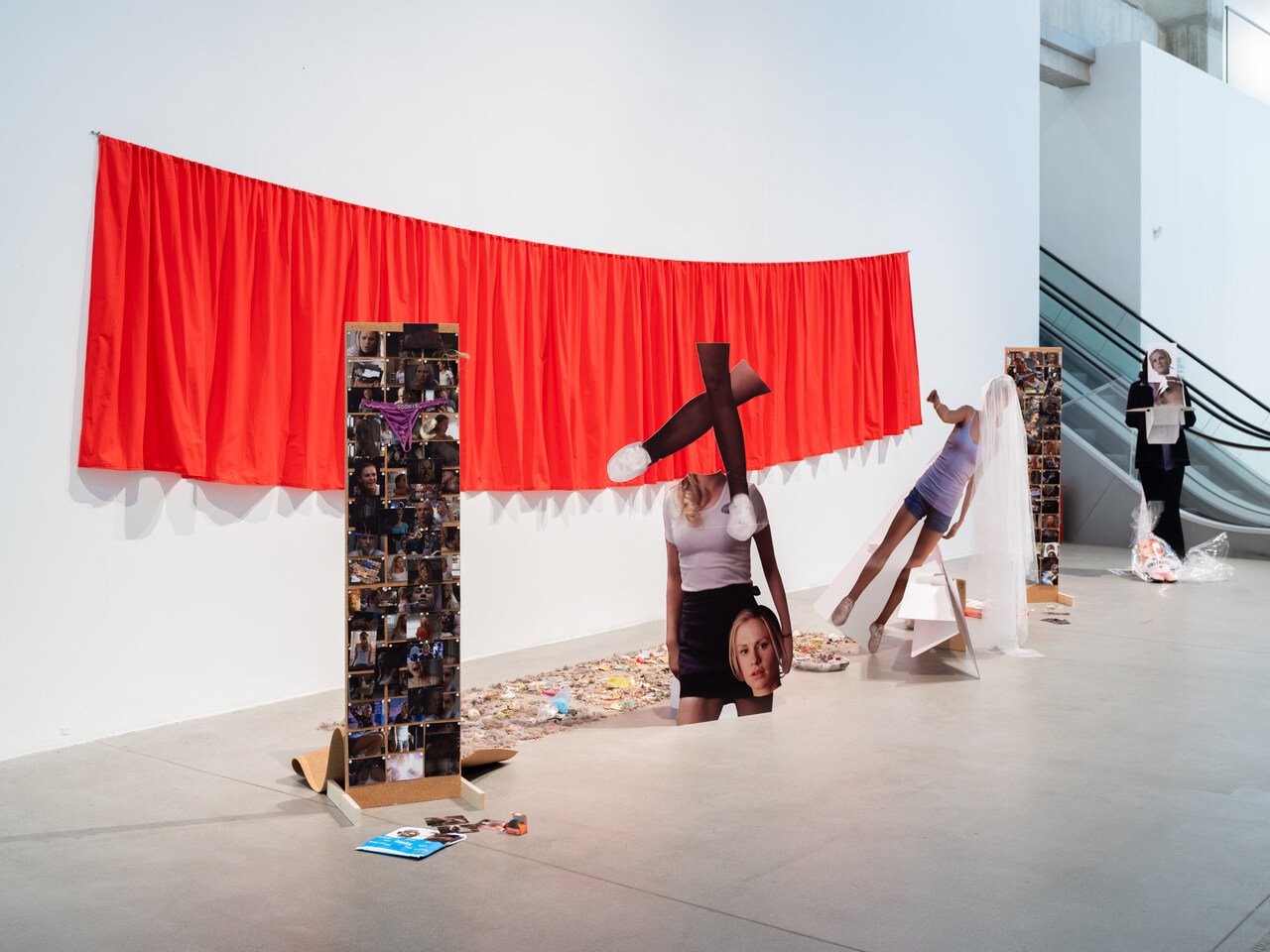
In the series of photographic sculptures Epoxy, Dreams, Found Memory, Aurélie Bayad portrays queer female experience in online space, where vulnerability, sadness, and idleness are foregrounded as key strategies of resistance to capitalism’s imperatives of productivity and visibility. Jaana-Kristiina Alakoski’s installation Trouble Looking for a Place to Happen functions as a monument to an obsession with the character of Sookie Stackhouse, the heroine of the TV series True Blood. Drawing on her own fascination, the artist explores fangirl culture as a space of escapism, projection, and collective emotion.
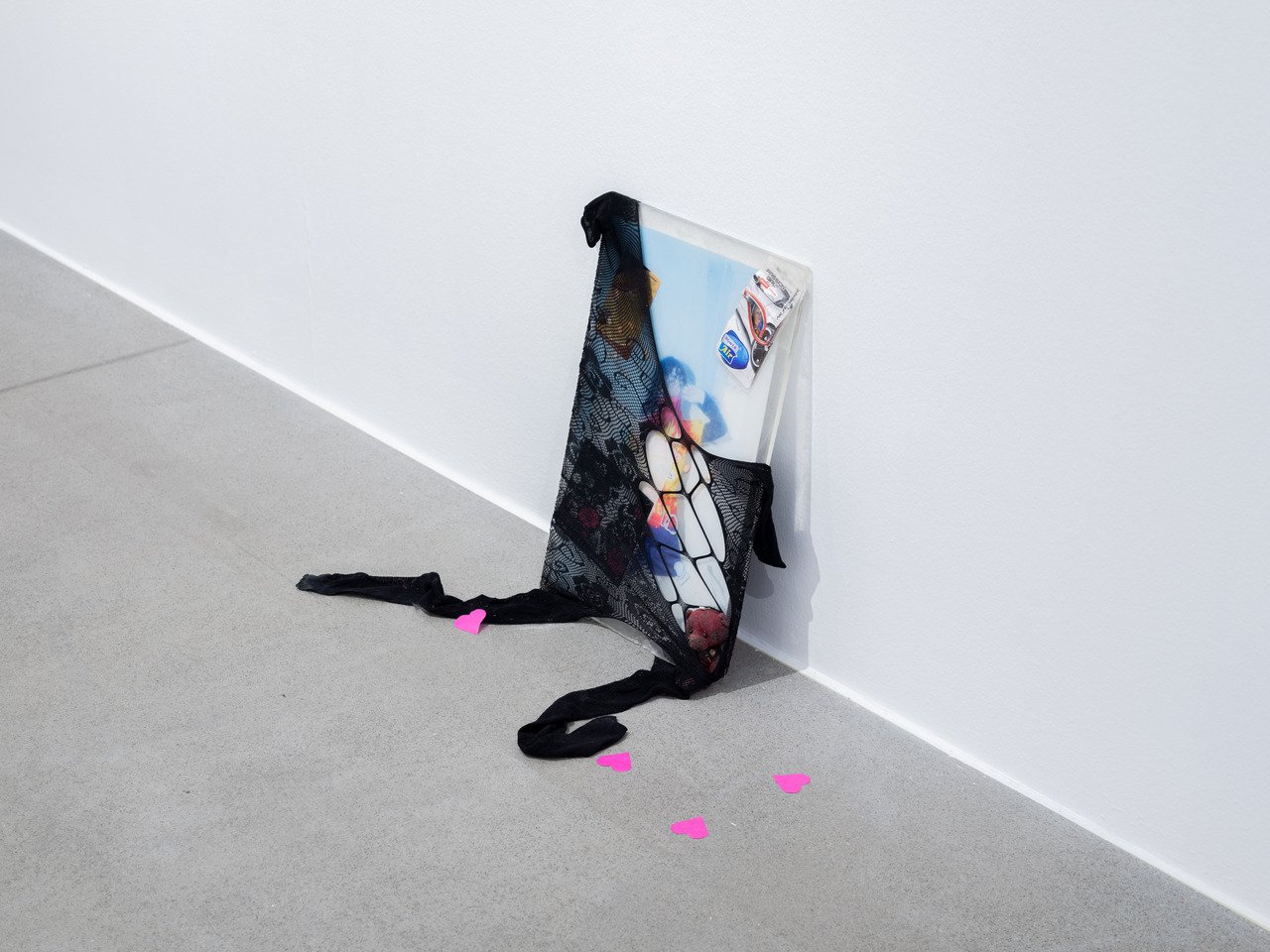
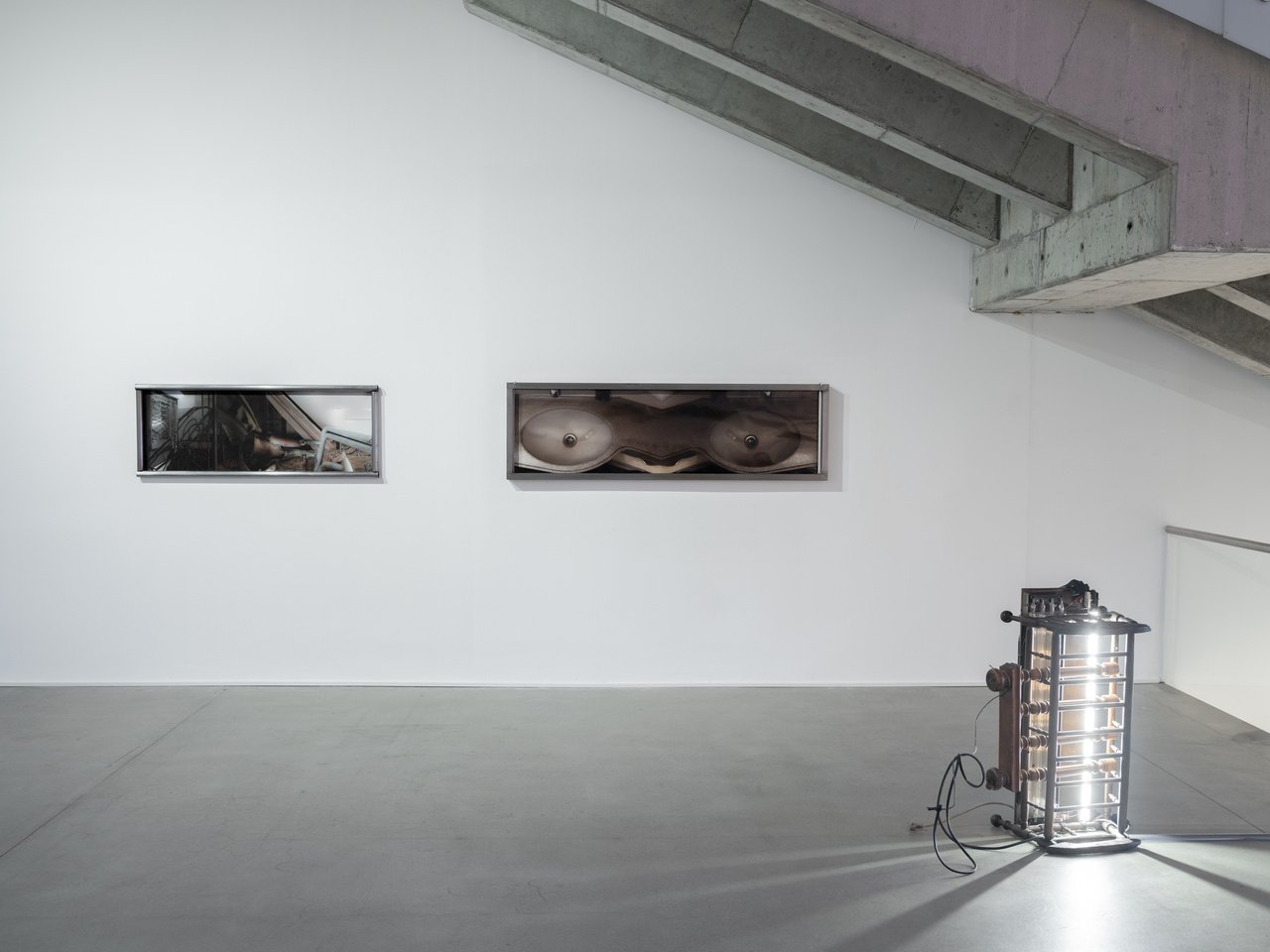
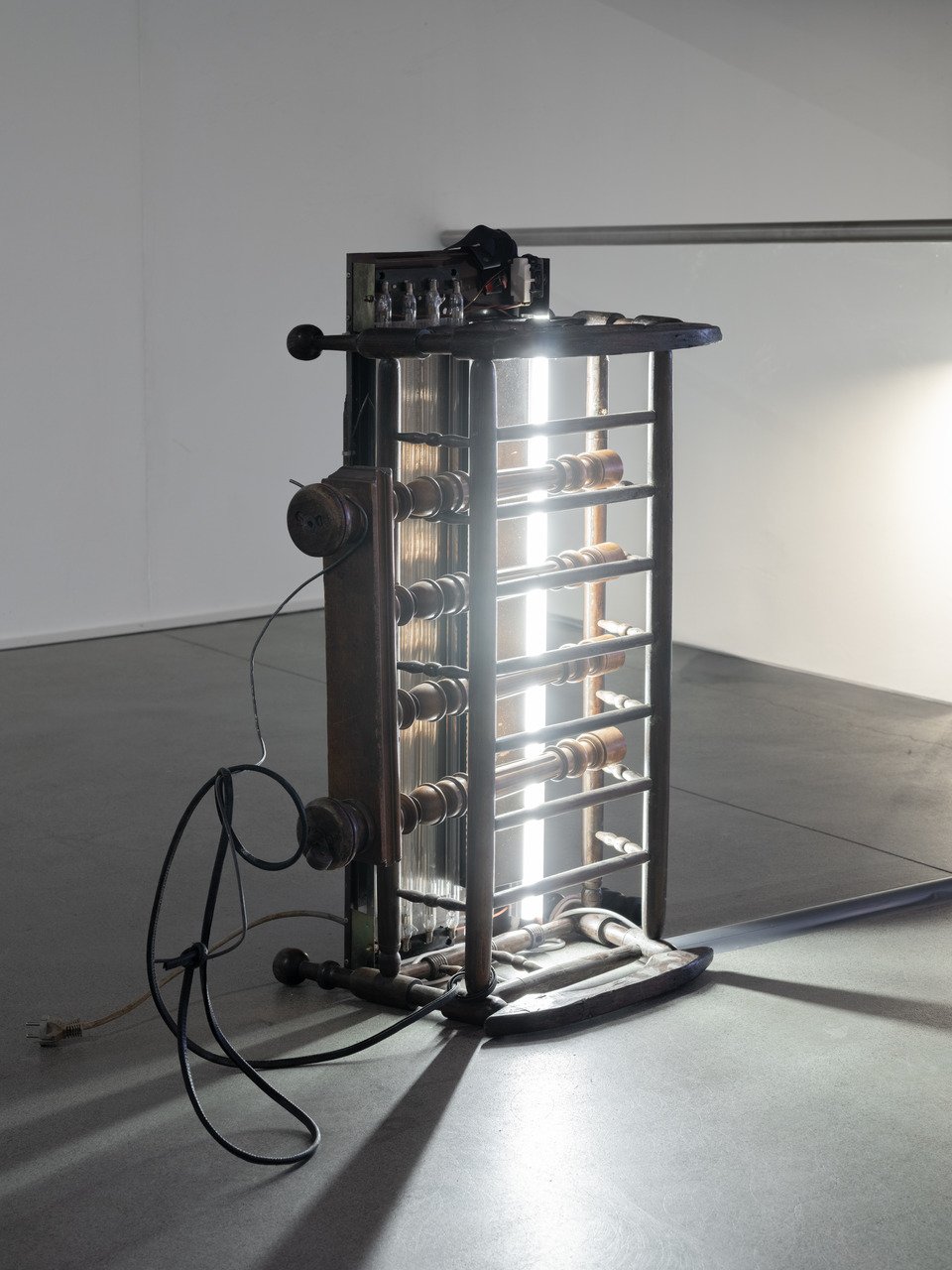
Hiiona Choi’s monumental sculptures and photographs function as fictional forensic traces. Balancing between document and fiction, Supermodel offers the audience intimate fragments from the women the works are named after, inviting viewers to explore and reconstruct stories of their lives and fates.
Irma Name, Madeleine Andersson, Maja Bojanić, and Brin Žvan parody contemporary production of knowledge and truth, while Hertta Kiiski rejects classical epistemological frameworks, turning instead to affective and intuitive ways of understanding reality.
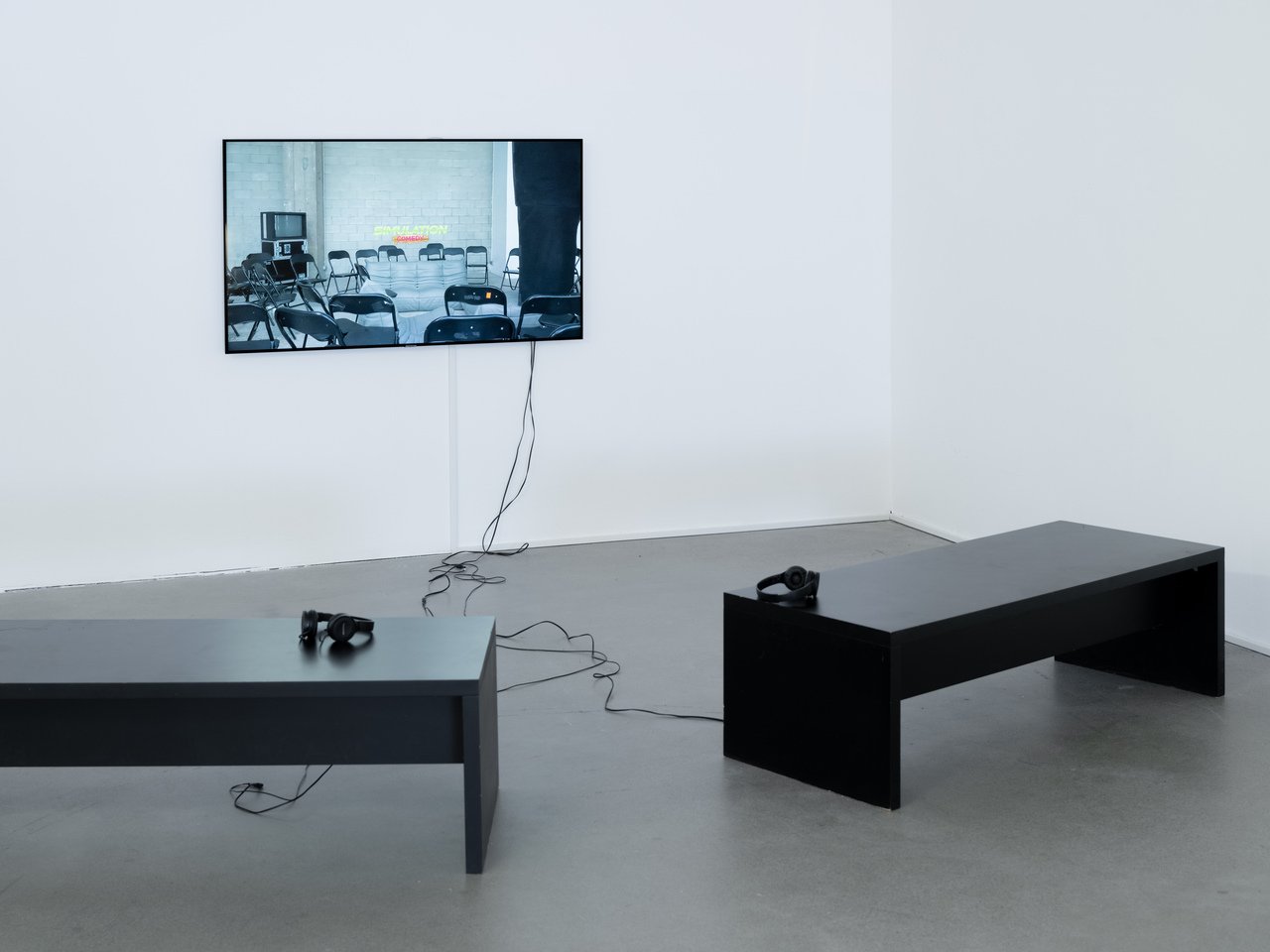
The artist duo Irma Name uses the sitcom format to critically examine the growing role of artificial intelligence in the production of knowledge. In the film Simulation Comedy, actors perform scenes written with the help of AI, trying to make sense of them – yet meaning slips away through constant repetition. Viewers find themselves somewhere between entertainment and disorientation, left to their own interpretations and speculations.
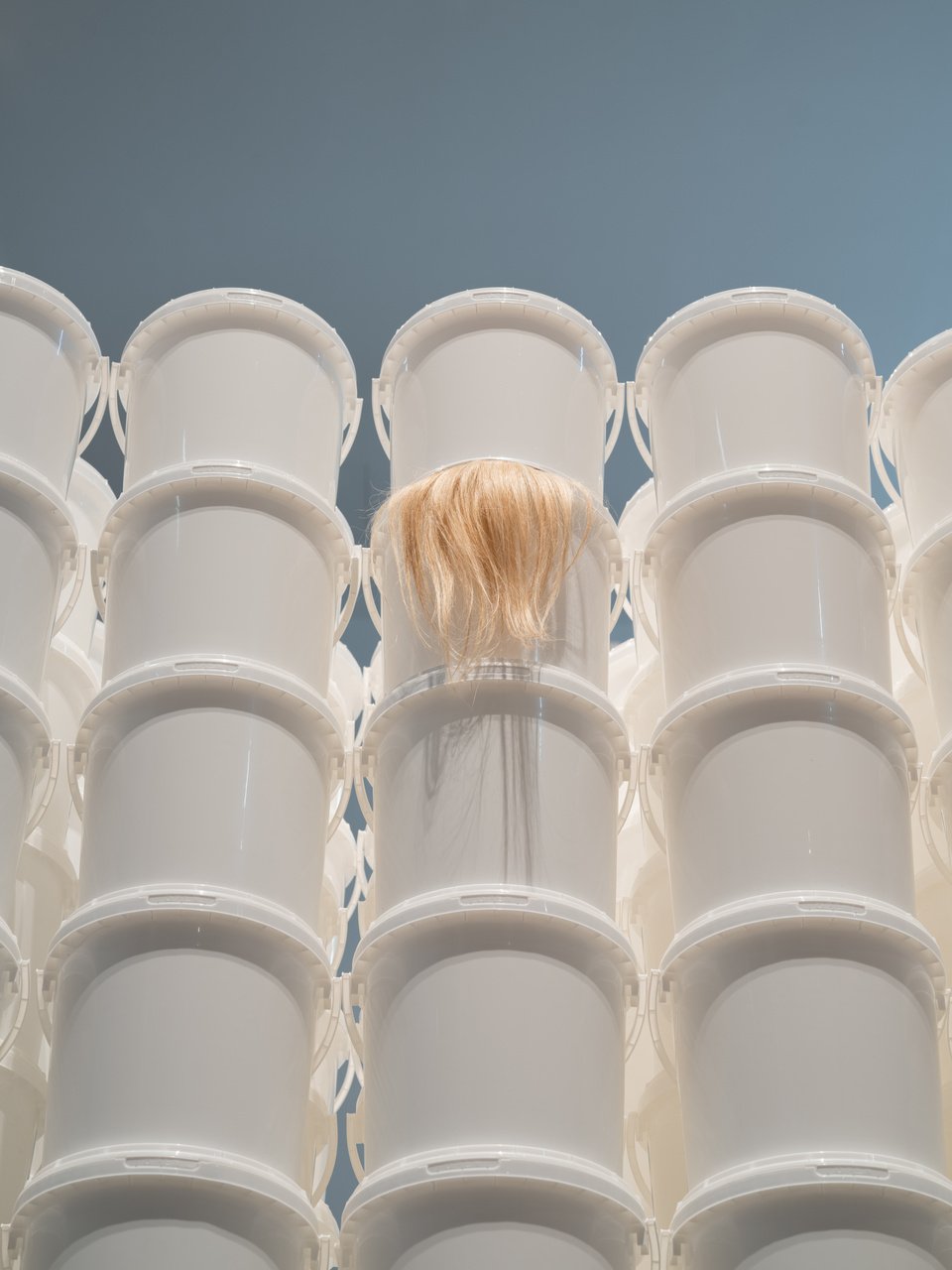
Madeleine Andersson, for her part, focuses on the epistemic crisis in contemporary science. In a comic blend of scientific and popular discourse, the film installation Degenerative Knowledge Production reveals how knowledge is produced and who gets to control it.
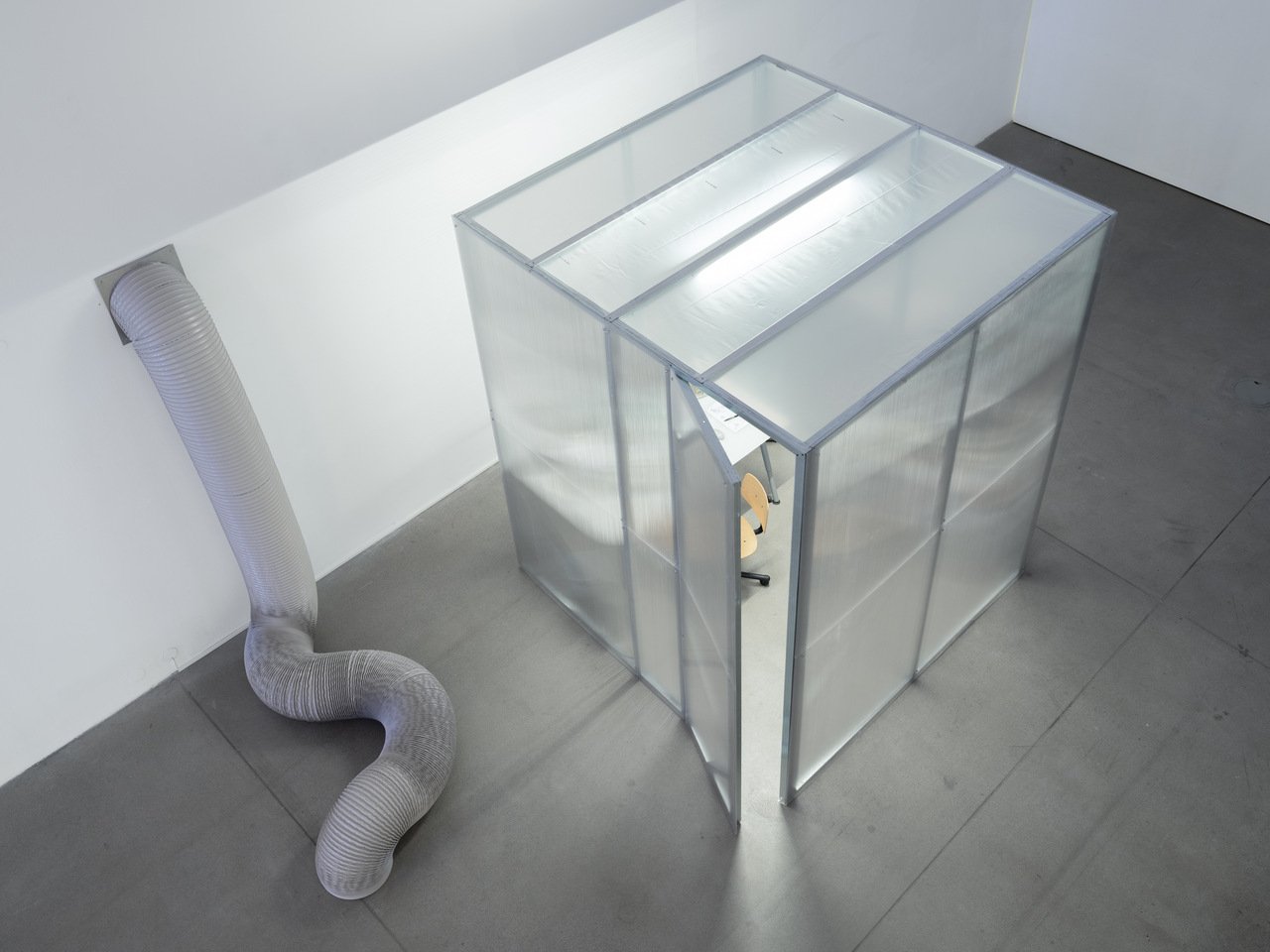
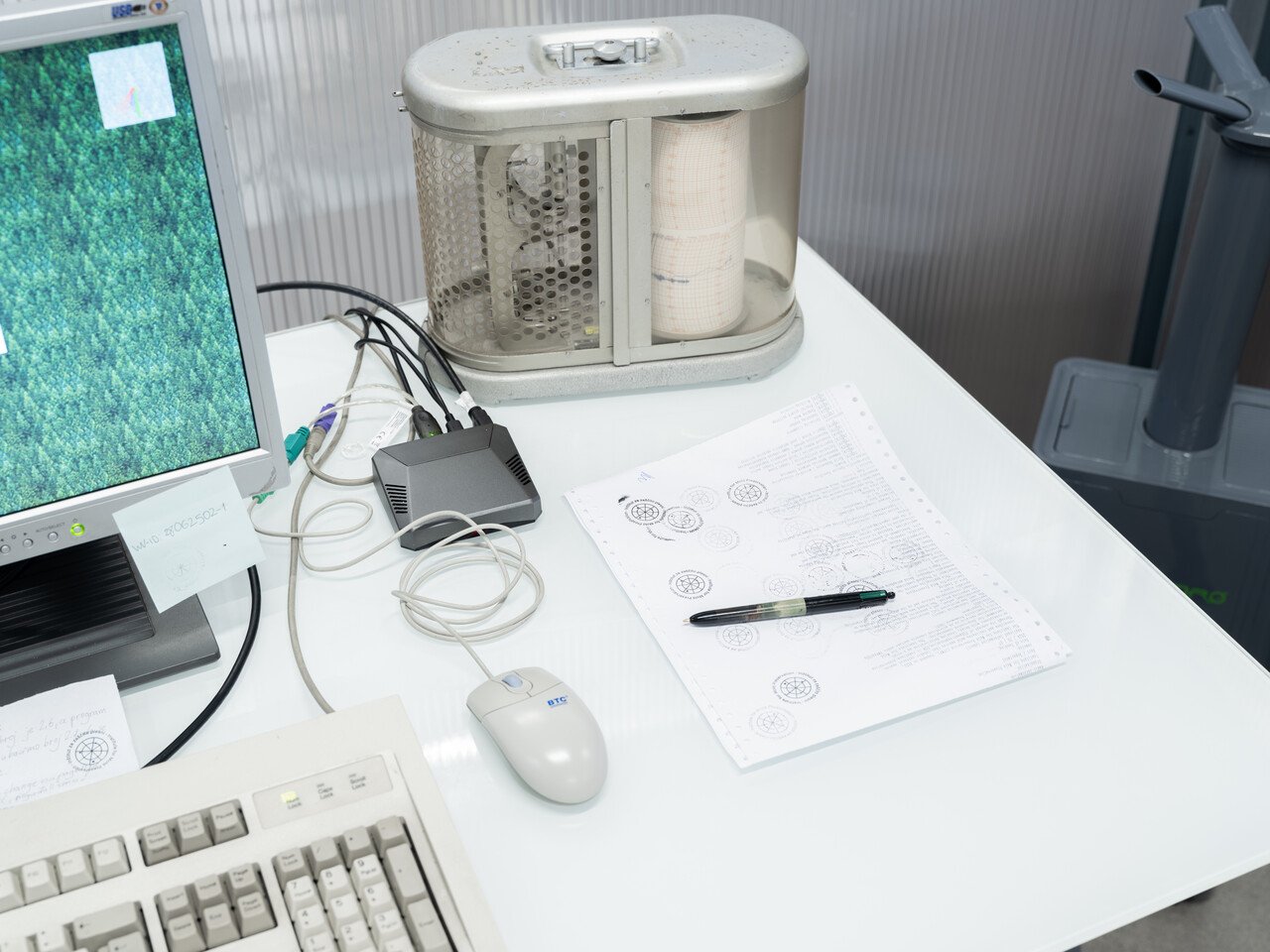
Maja Bojanić and Brin Žvan also focus on knowledge production within an institutional context. Their installation offers an insight into the work of the fictional Institute for Mold Preservation. At the center of the piece is a video game in which the audience exploring the Institute’s archives and hidden areas, gradually uncovers its unsolvable structural problems and unbearable working conditions.
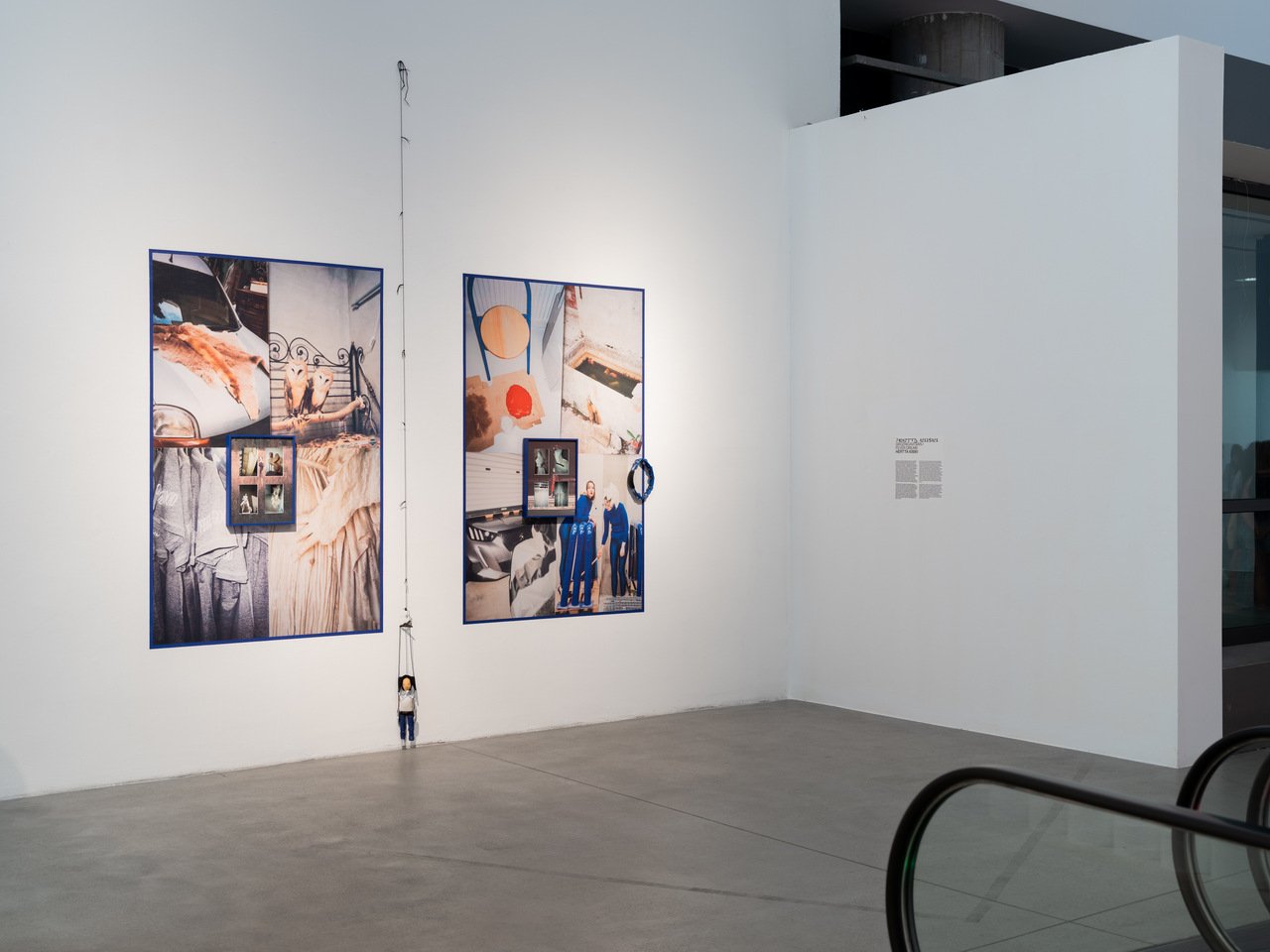
Hertta Kiiski, on the other hand, develops an affective and intuitive approach to knowledge, seeking to move away from rational models of its production. The combination of photographic and sculptural elements creates a hallucinatory ambience in which experience, sensation, and association become fundamental tools for understanding the work and the world.
This year’s edition of Organ Vida does not offer clear solutions or stability. Instead, it lingers in the spiral long enough to find tenderness, humor, and the possibility of resistance within it.
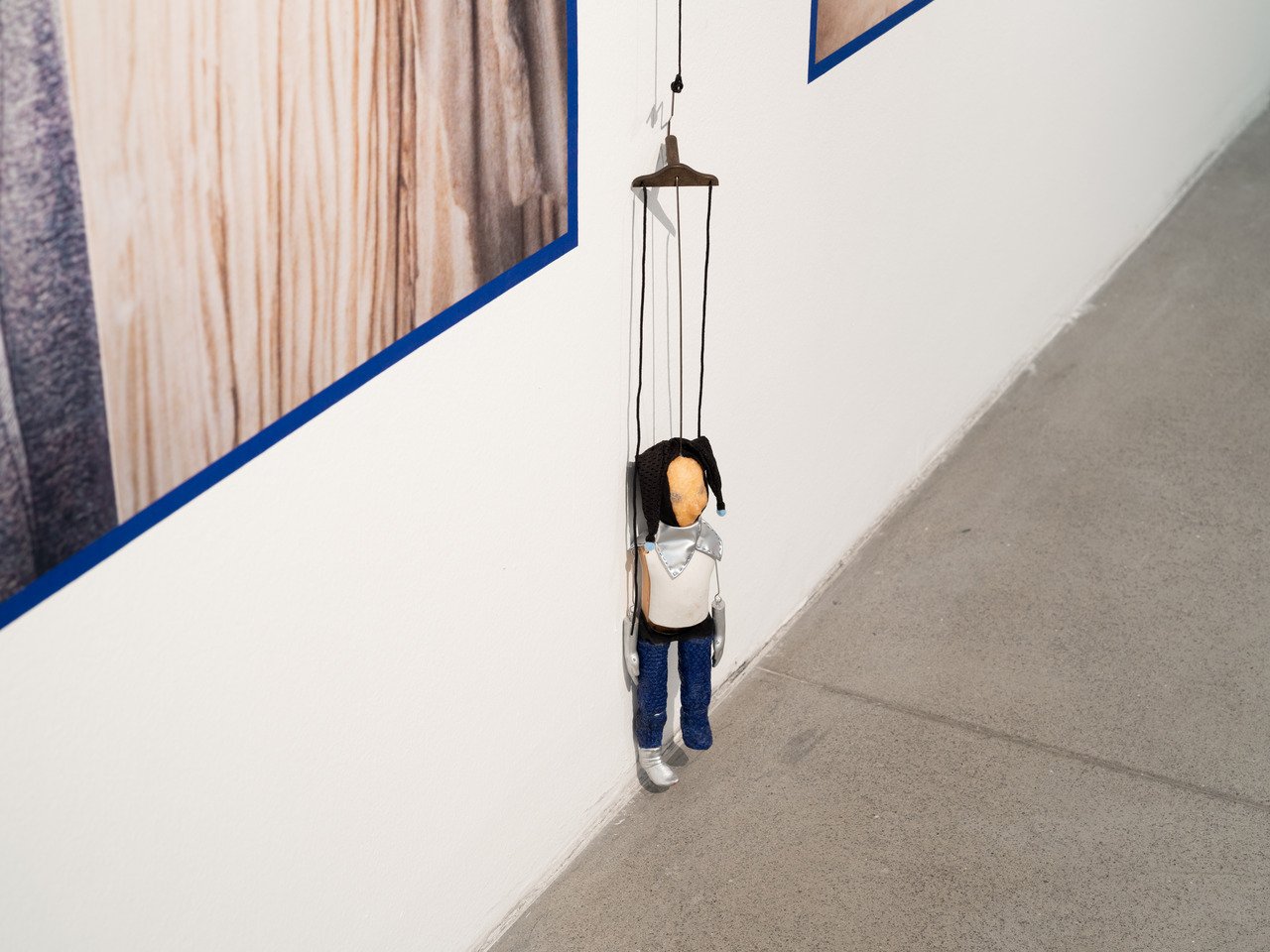
Julie Béna: Lure
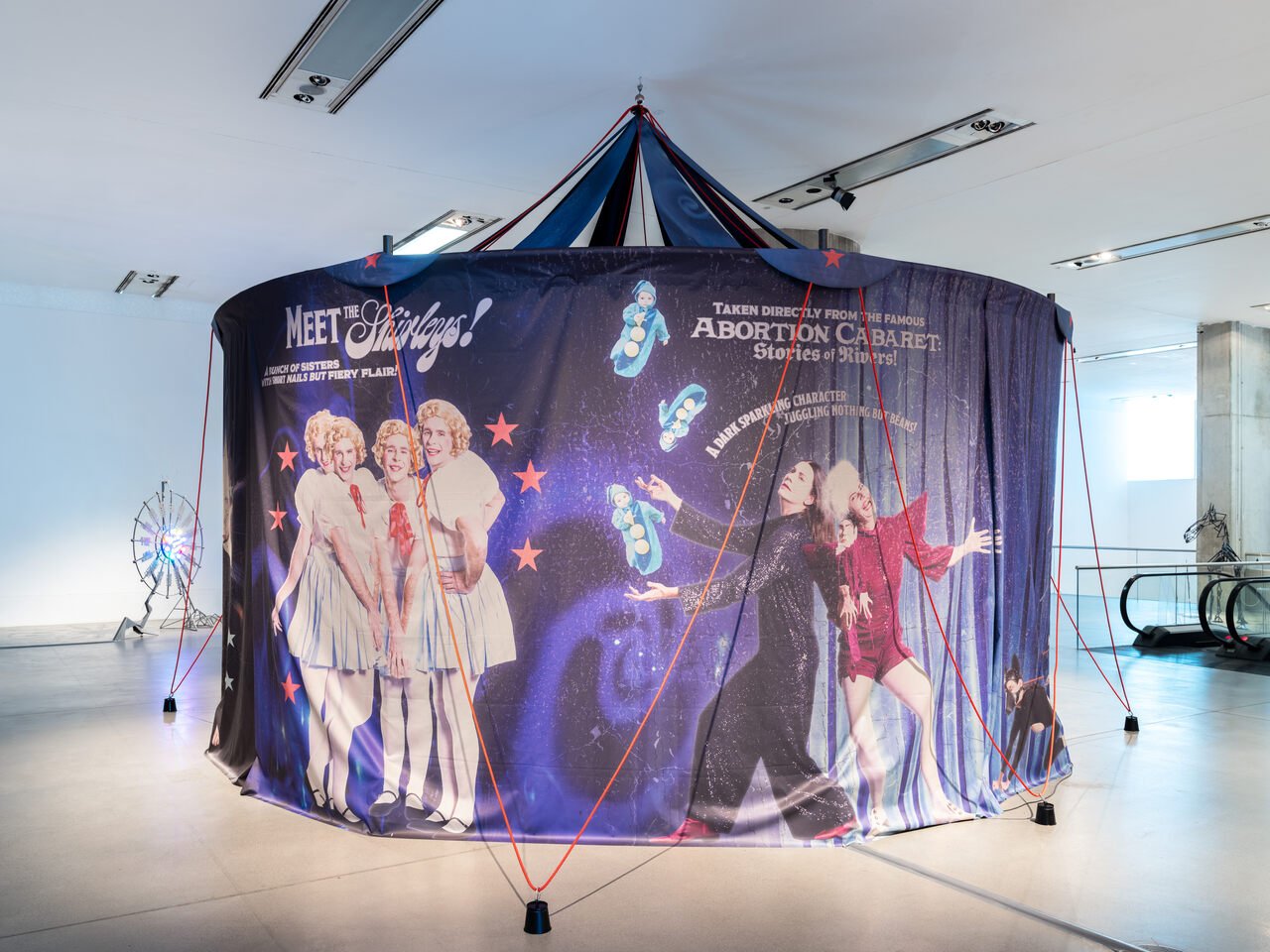
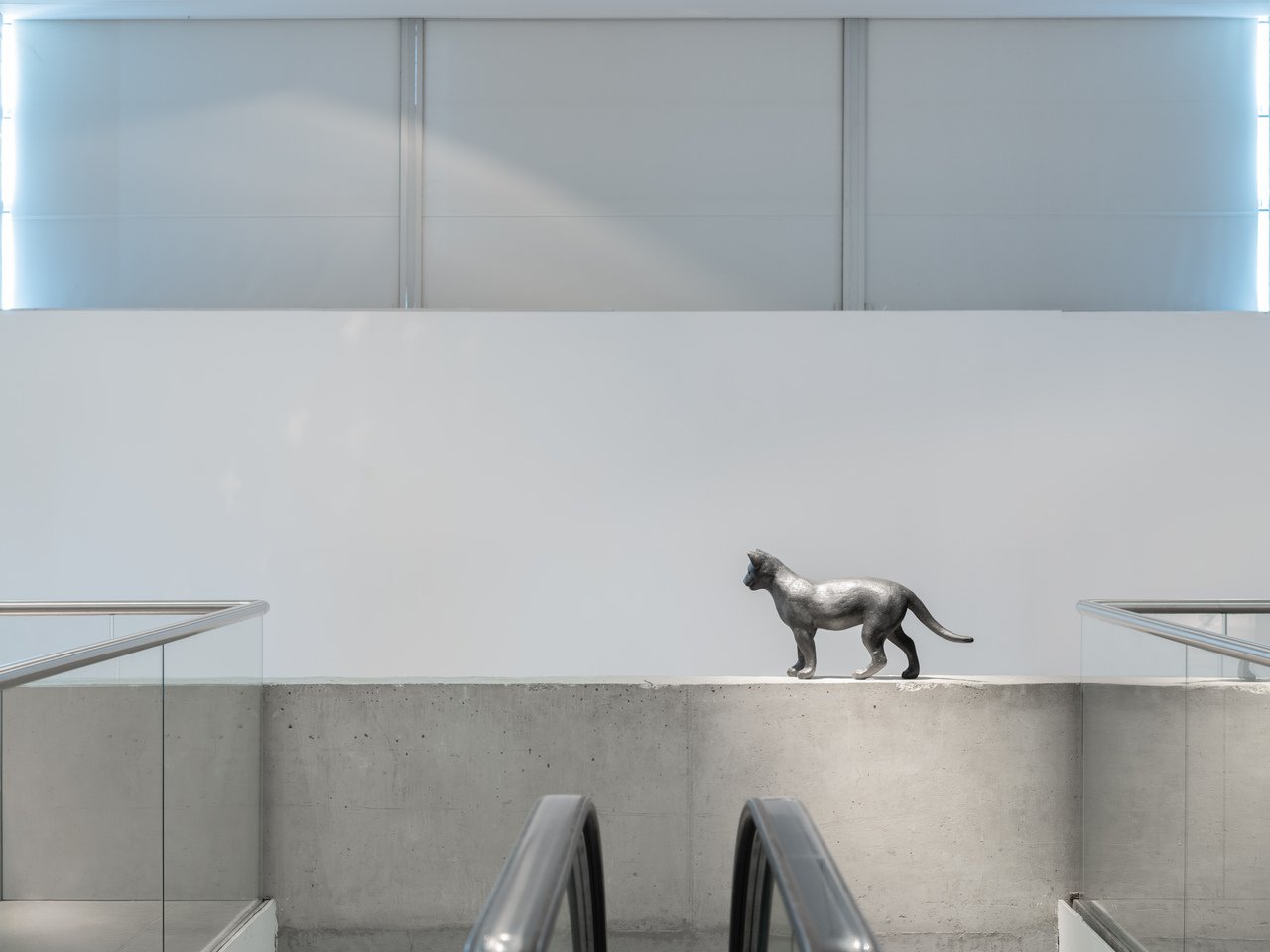
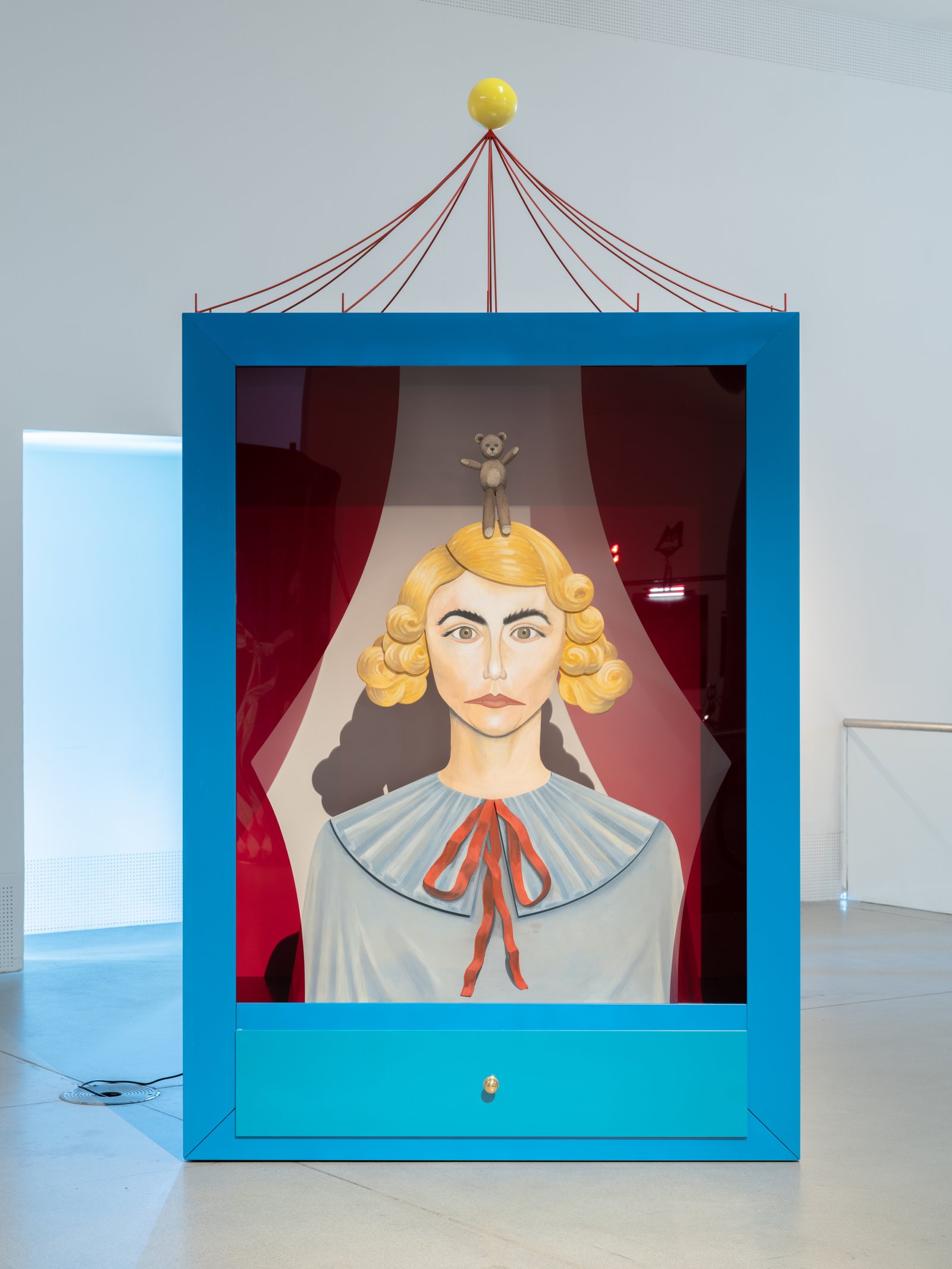
For more than two decades, Julie Béna has been building a world inhabited by an ever-expanding ensemble of eccentric, unsettling, and comic characters. Jesters, doppelgängers, human and nonhuman, spectral and at times monstrous figures move between films, performances, sculptures, and installations. Like a traveling theatre, her practice unfolds across diverse stages, bringing into each space an ensemble of personas whose presence provokes equal parts discomfort and pleasure. Partly rooted in the artist’s childhood spent with her mother’s touring theatre company, ideas of mobility, collective creation, and temporary belonging recur throughout her work. For Organ Vida, she presents a traveling circus spectacle anchored by a tent-like structure – a site-specific installation conceived for the Museum of Contemporary Art in Zagreb. The circus serves as both motif and narrative frame, through which we encounter a series of bizarre turns, thrilling transformations, and hidden structures that shape the spectacle.
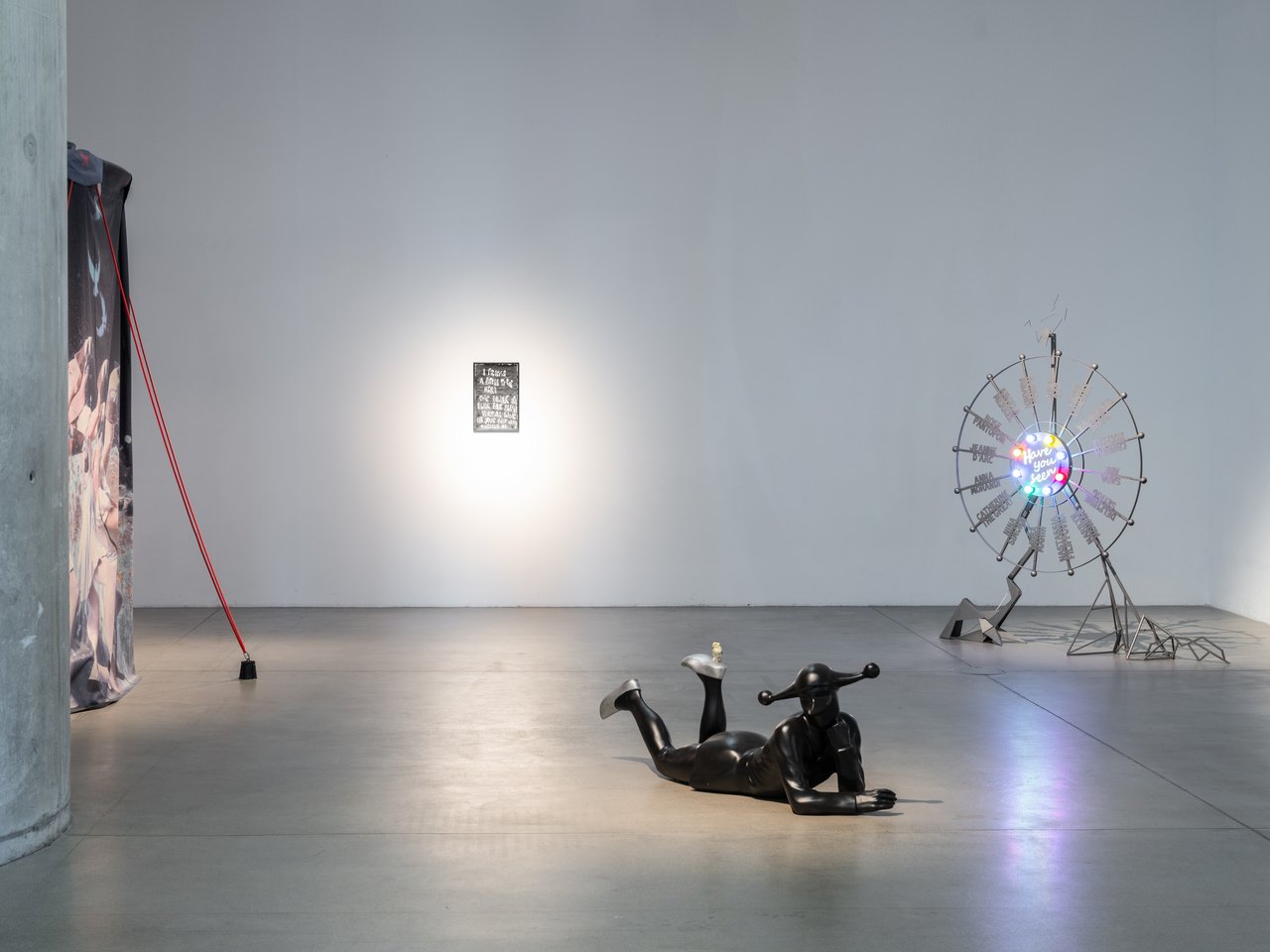
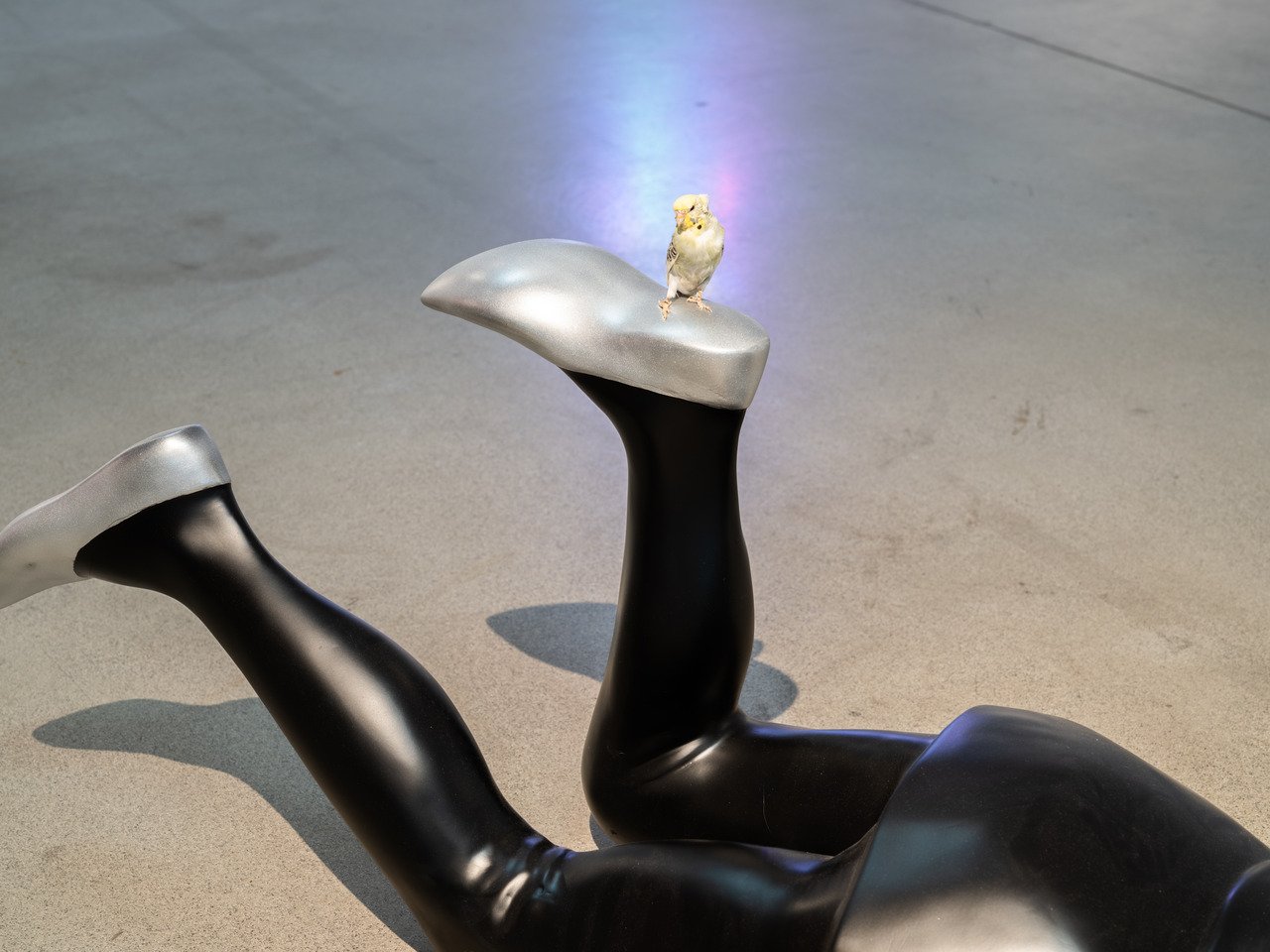
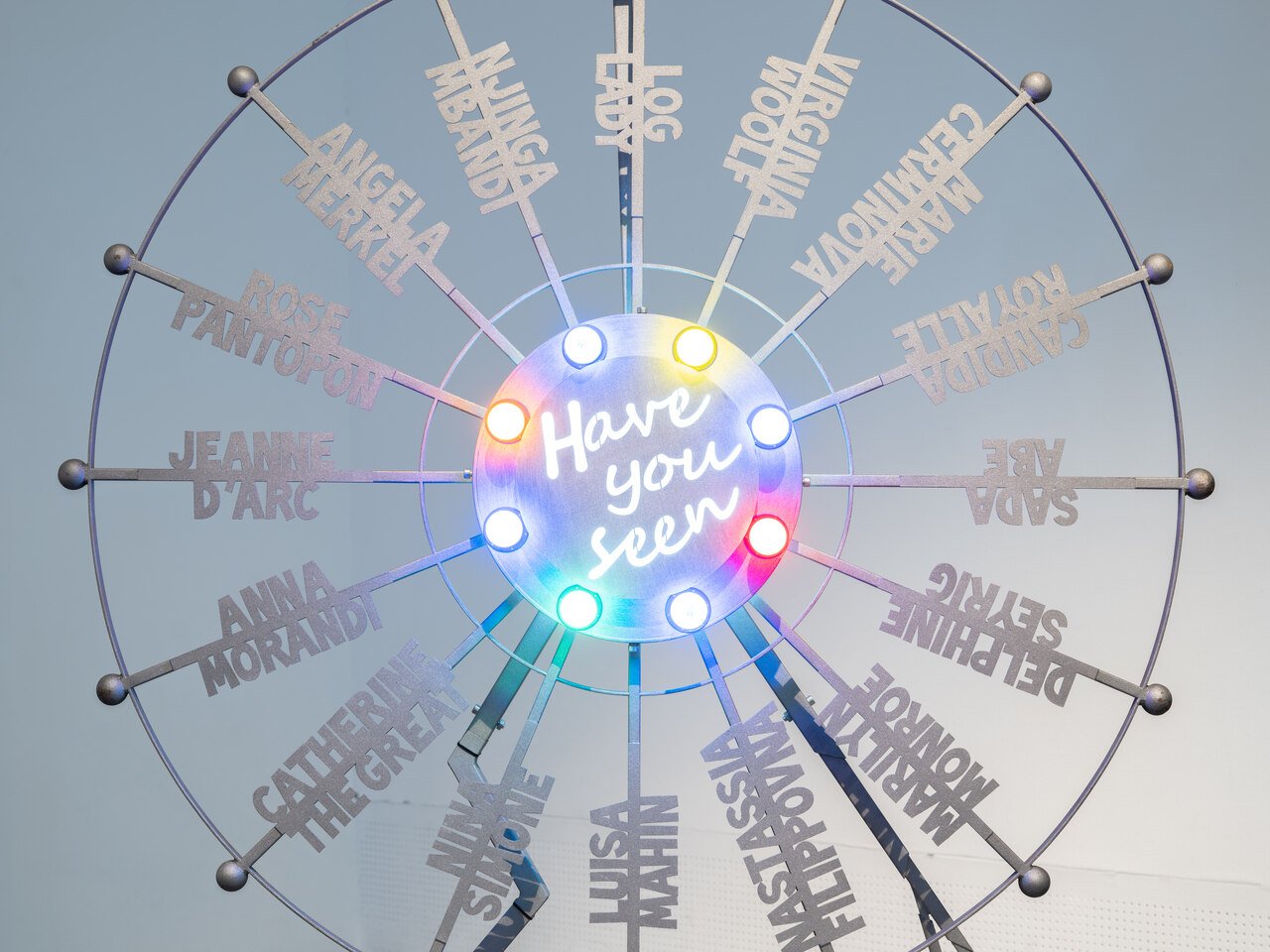
It features an all-star lineup: signature characters from different phases of the artist’s career. From Rose Pantoponne to Strakati and Dirty Shirley, Béna develops autobiographical figures that extend beyond the artist herself through exaggeration, parody, and theatrical distortion. Costume, bodily posture, and gesture become the primary tools that shape their performance. As the artist herself says, a character usually begins with shoes, a silhouette, a body that steps into the role before language can catch up. Laughter, screams, animal sounds, heightened affect, and gesticulation are forms of nonverbal communication she uses to enter a space of magic and absurdity, freed from the burden of semantics. Her characters are cunning, scheming provocateurs who, by feigning empathy, try to manipulate the situation. Their perversity and inconsistency thus come to the fore, along with power relations shaped by social expectations and negotiation. The porous boundary between reality and fiction is further blurred by the involvement of the artist’s own family in her work. In the films presented, Strakati and Dirty Shirley, family members take part in a grotesque choreography of shifting roles, moods, and masks. Who becomes whom? Who possesses whom? Who performs for whom?
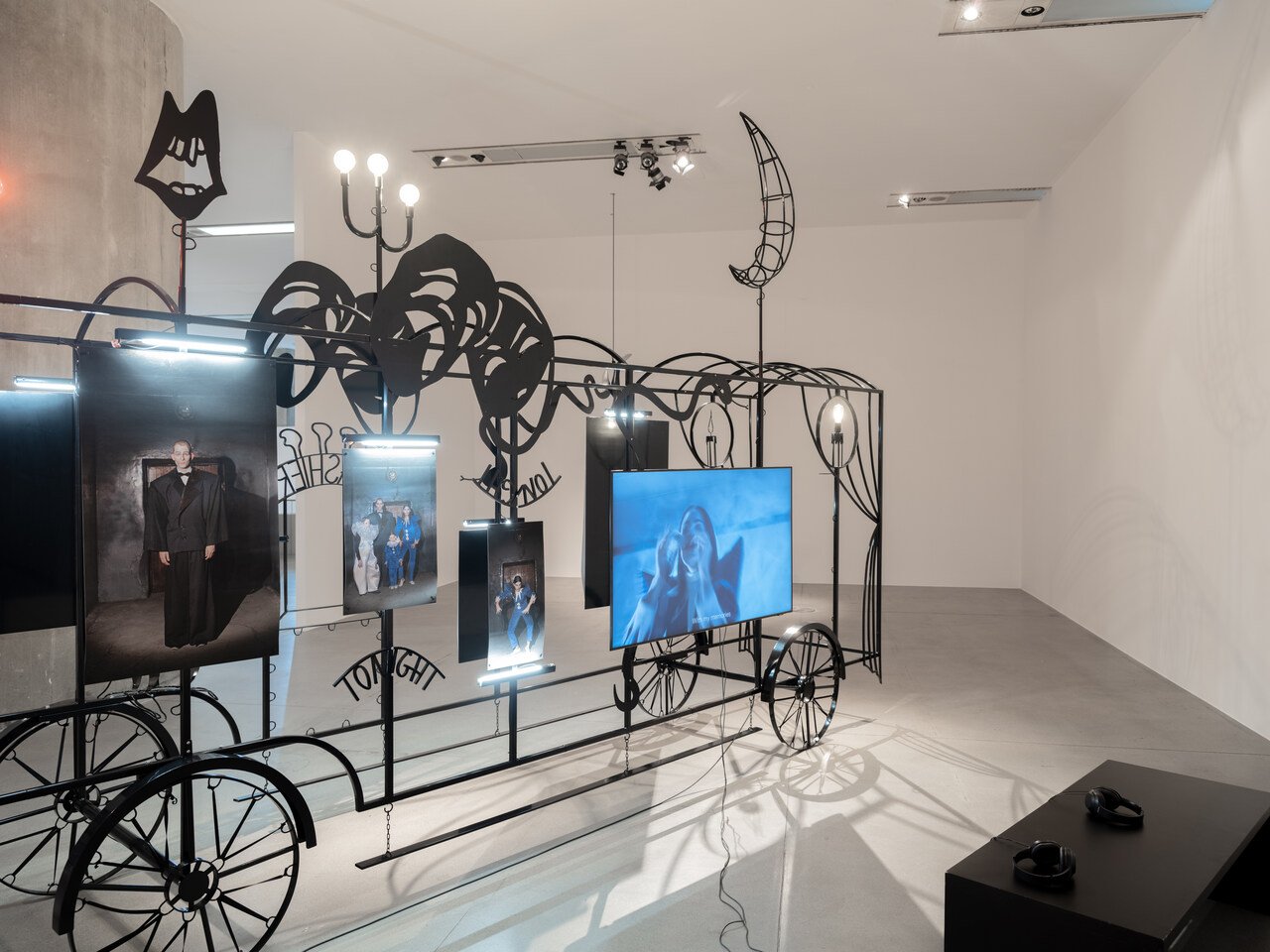
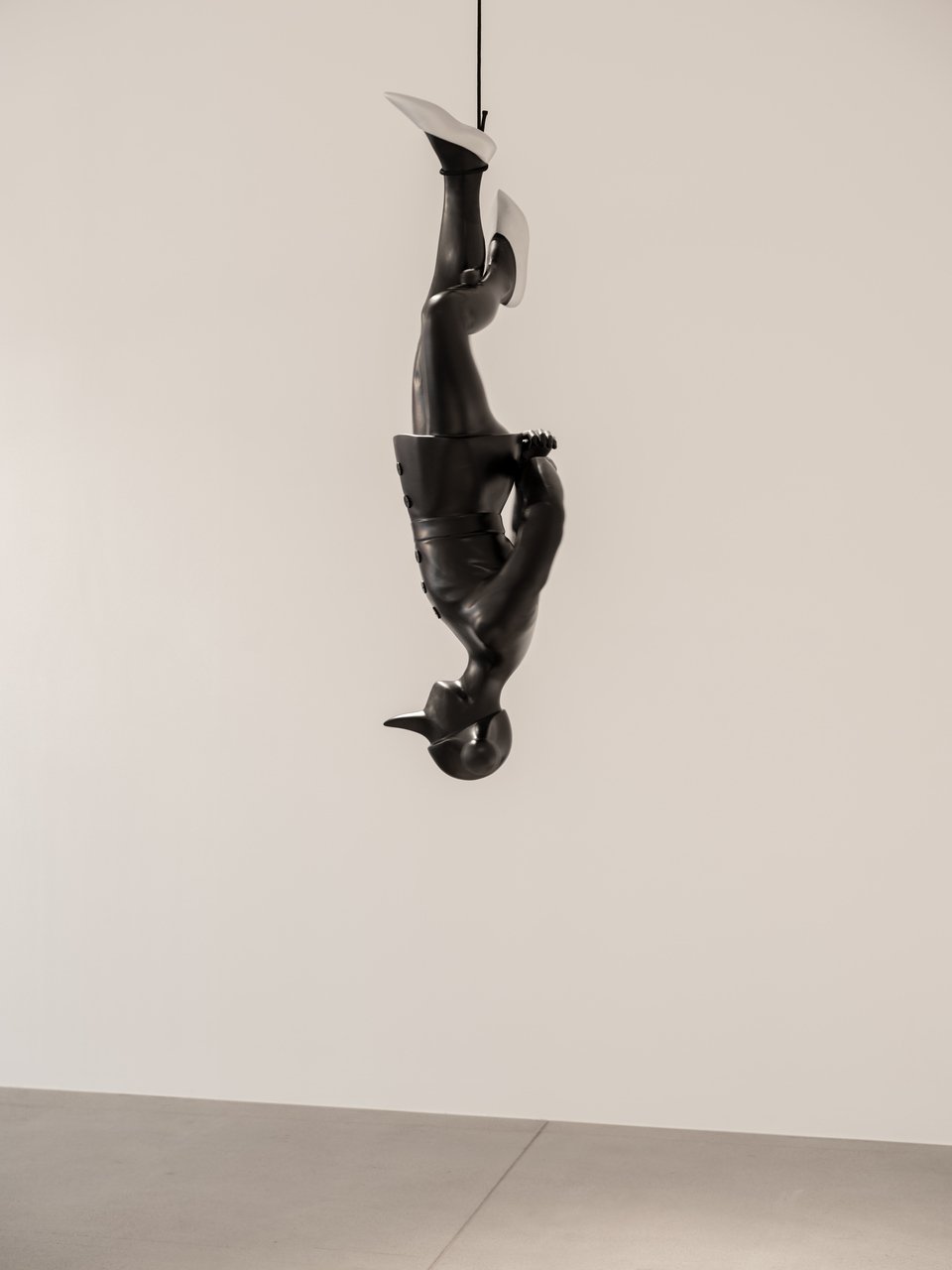
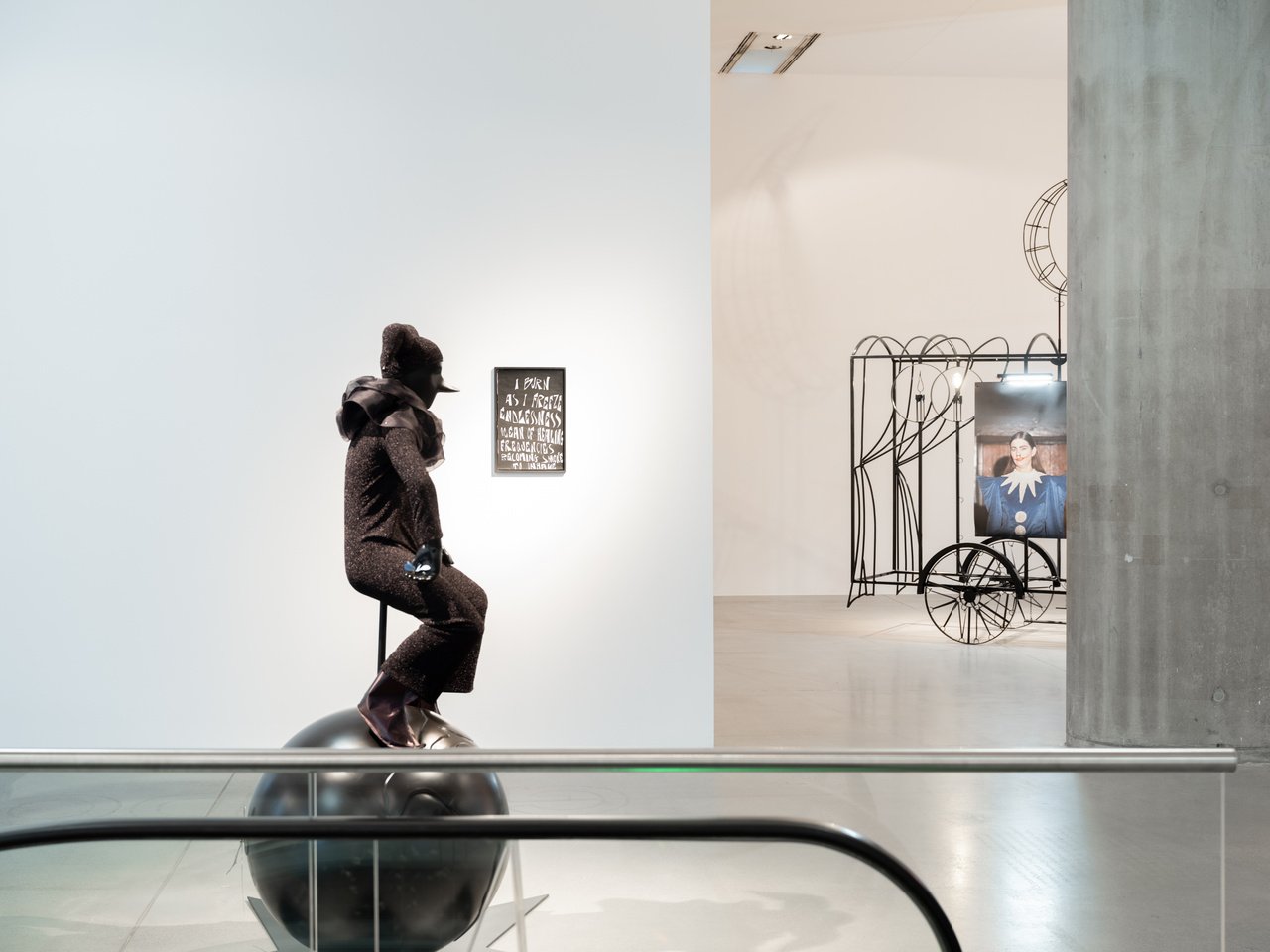
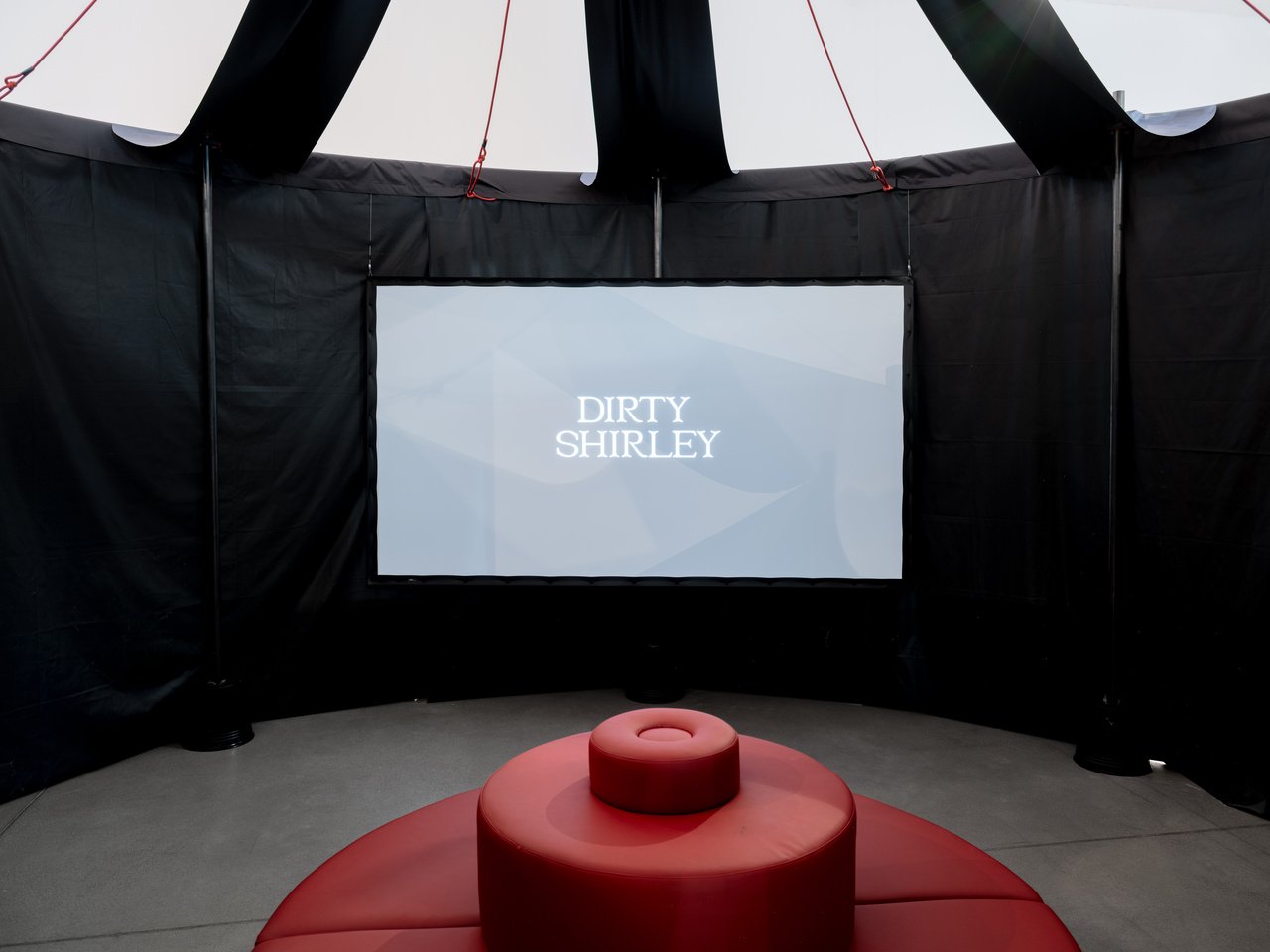
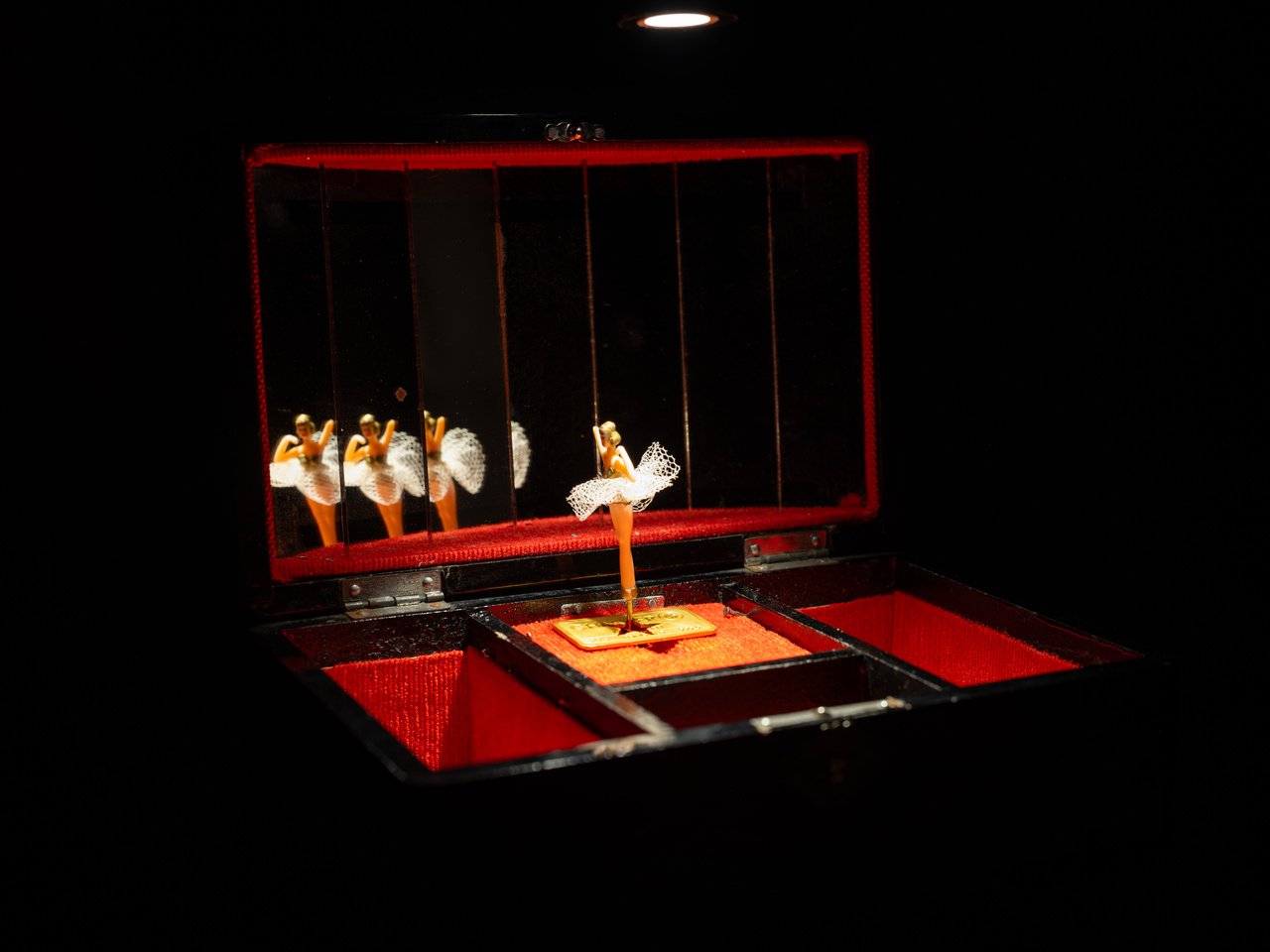
Julie Béna’s fantastical worlds often let you see the workings behind the scenes. Rather than promising total illusion, they draw attention to the underlying structures – the mechanics of theatre and stagecraft. Skeletal figures, modular sets, and props reveal the spectacle as something constructed. Throughout the installation we encounter the artist’s signature black metal sculptures, spatial pieces, and meticulously executed illusionistic drawings. Her affinity for simple tools that produce magical effects surfaces in music boxes and theatrical automata, set in motion by light, sound, and movement. The space of play extends into the museum’s hidden corners, where we encounter black jesters – anonymous provocateurs who are a recurring motif in the artist’s films and installations.
Serious about not taking things too seriously, Béna reminds us that fantasy and reality rarely exist apart. Her works embrace exaggeration, theatricality, and even bad taste in order to expose the absurdity of social norms and the mechanisms that shape our desires, traumas, and pleasures. By using humor as an artistic strategy, she opens up a space of freedom for her protagonists, where uncomfortable truths can come to light. Between applause and tears, Julie Béna reminds us that pleasure can also be the very thing that undoes us.
“If you don’t say ‘thank you,’ they don’t know when to clap.”
Lady Bunny
Kevin Osepa: Ocho Día. Eight Days, Nine Nights
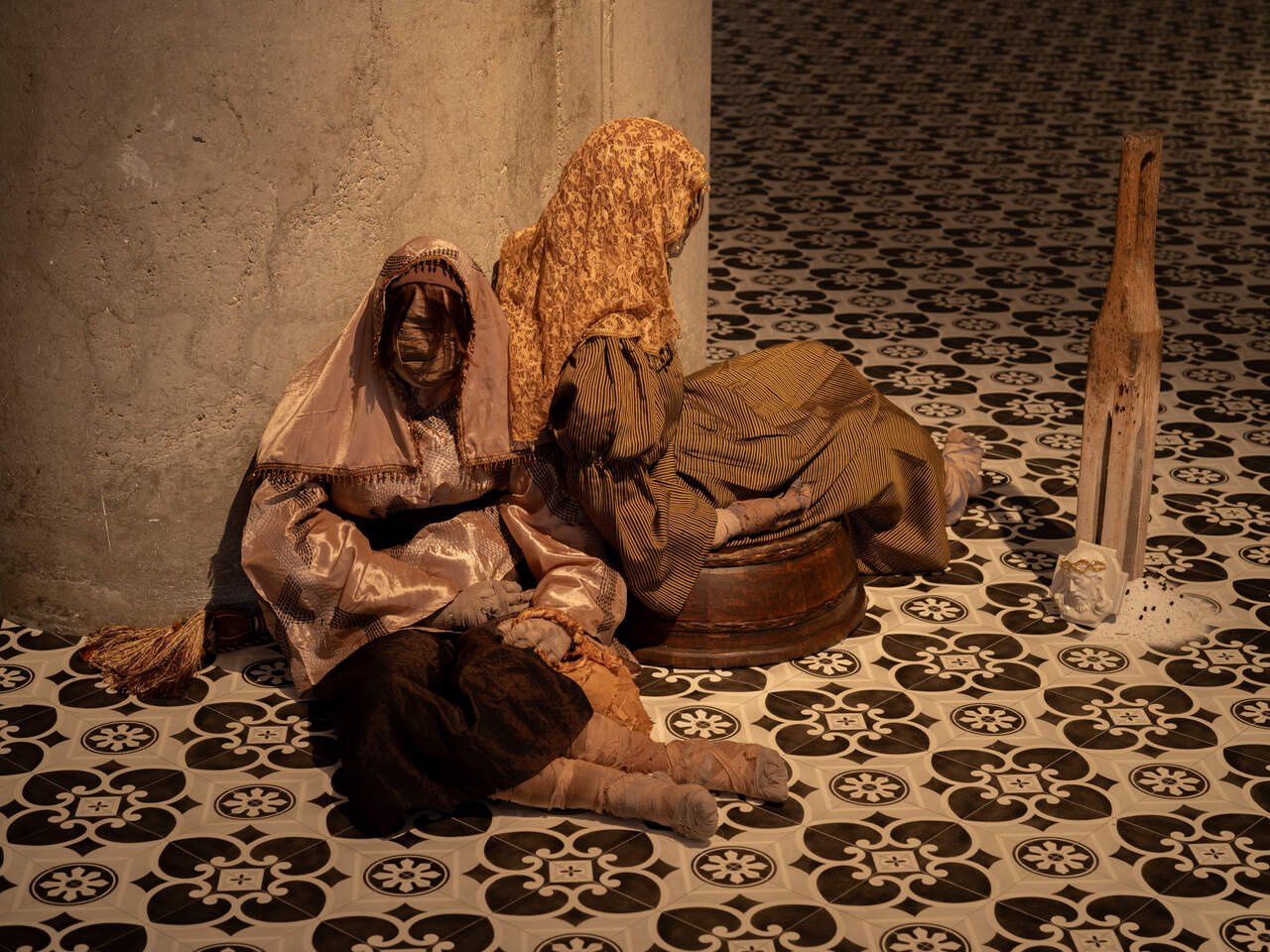
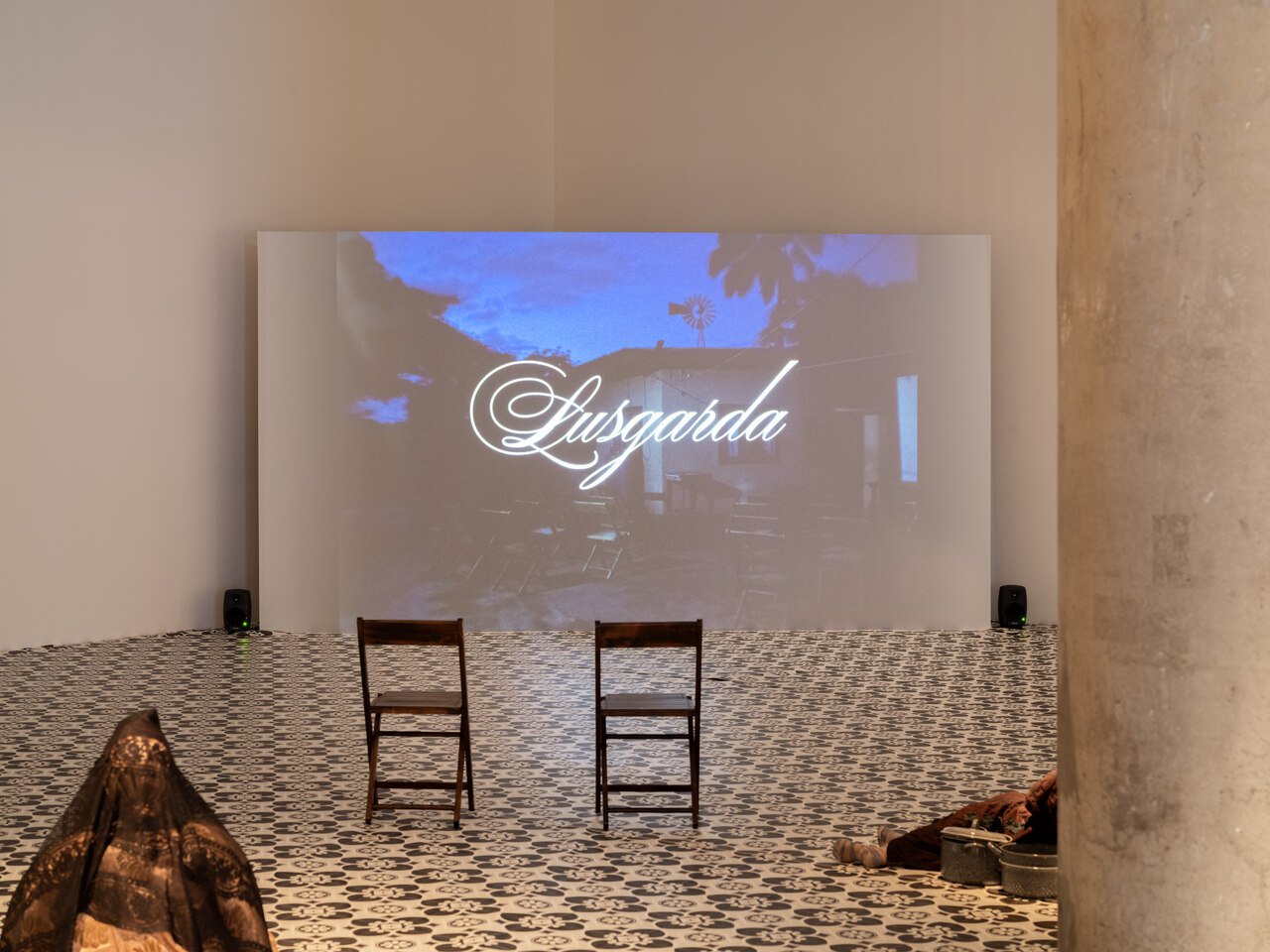
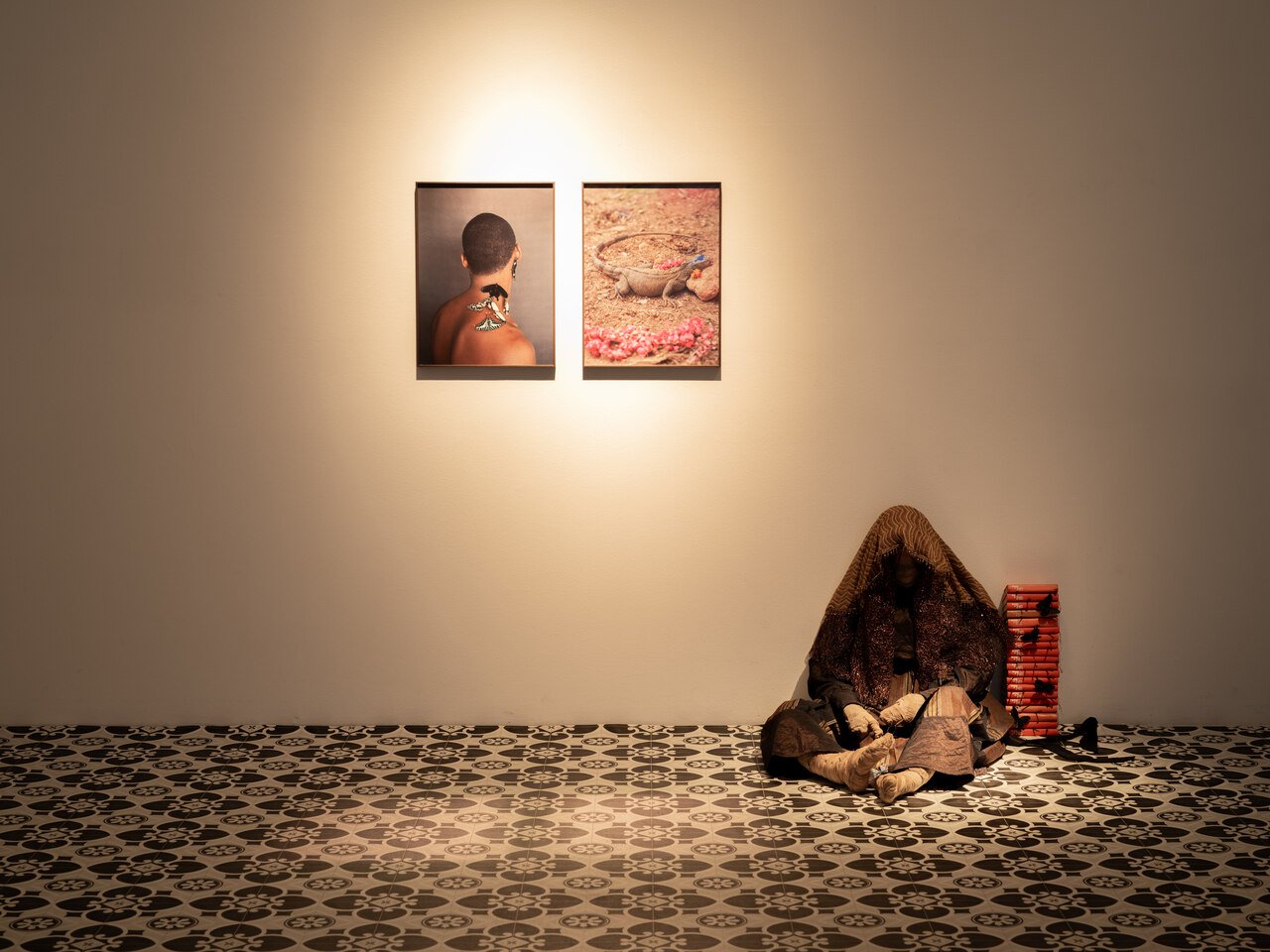
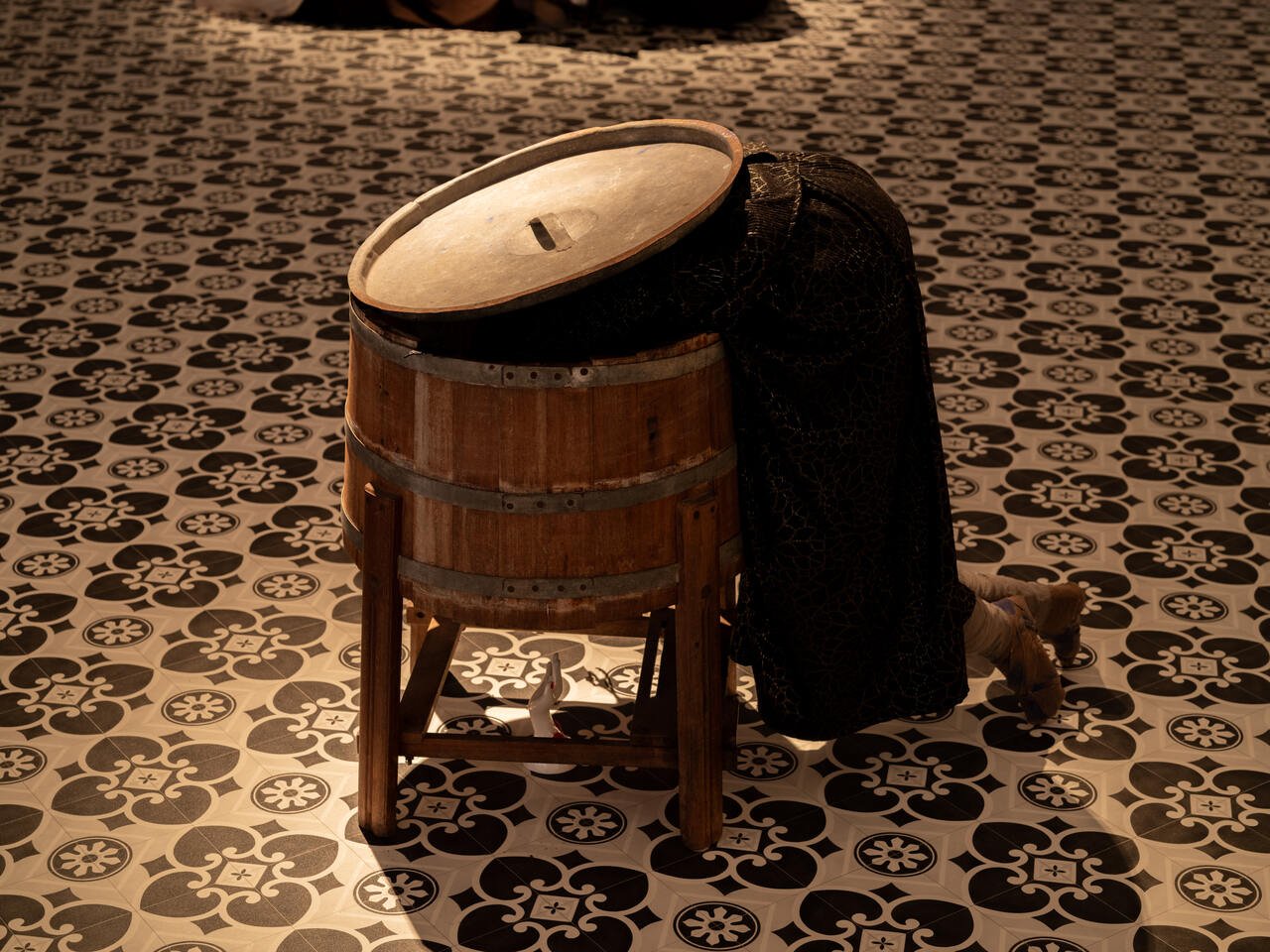
Ocho Día. Eight Days, Nine Nights is guided by Osepa’s ongoing research into the gradual loss of ritual tradition in Curaçao, the island of his birth. The artist’s work revisits practices of collective mourning and spiritual gathering, engaging themes of absence, memory, and longing within a postcolonial context. Drawing on Afro-Caribbean spiritual traditions—and interweaving Roman Catholic, Congolese, and Yoruba influences—Osepa creates immersive environments where the boundaries between the everyday and the sacred dissolve.
For this site-specific installation, Osepa combines his Lusgarda video work with photography, personal objects and artefacts. Together, they form a “third space” that functions as a site of gathering, somewhere between a home and a temple. Within this liminal setting, everyday objects become altars and visitors are invited into a contemplative encounter with grief and remembrance.
Presented within the curatorial framework of Organ Vida’s 2026 theme, Happy Spiraling, Osepa’s work offers a counterpoint to a contemporary image culture defined by speed and excess. His installations resist rapid consumption, instead cultivating duration, attention, and embodied presence.
Paula Tončić: COCCYX CUTZ
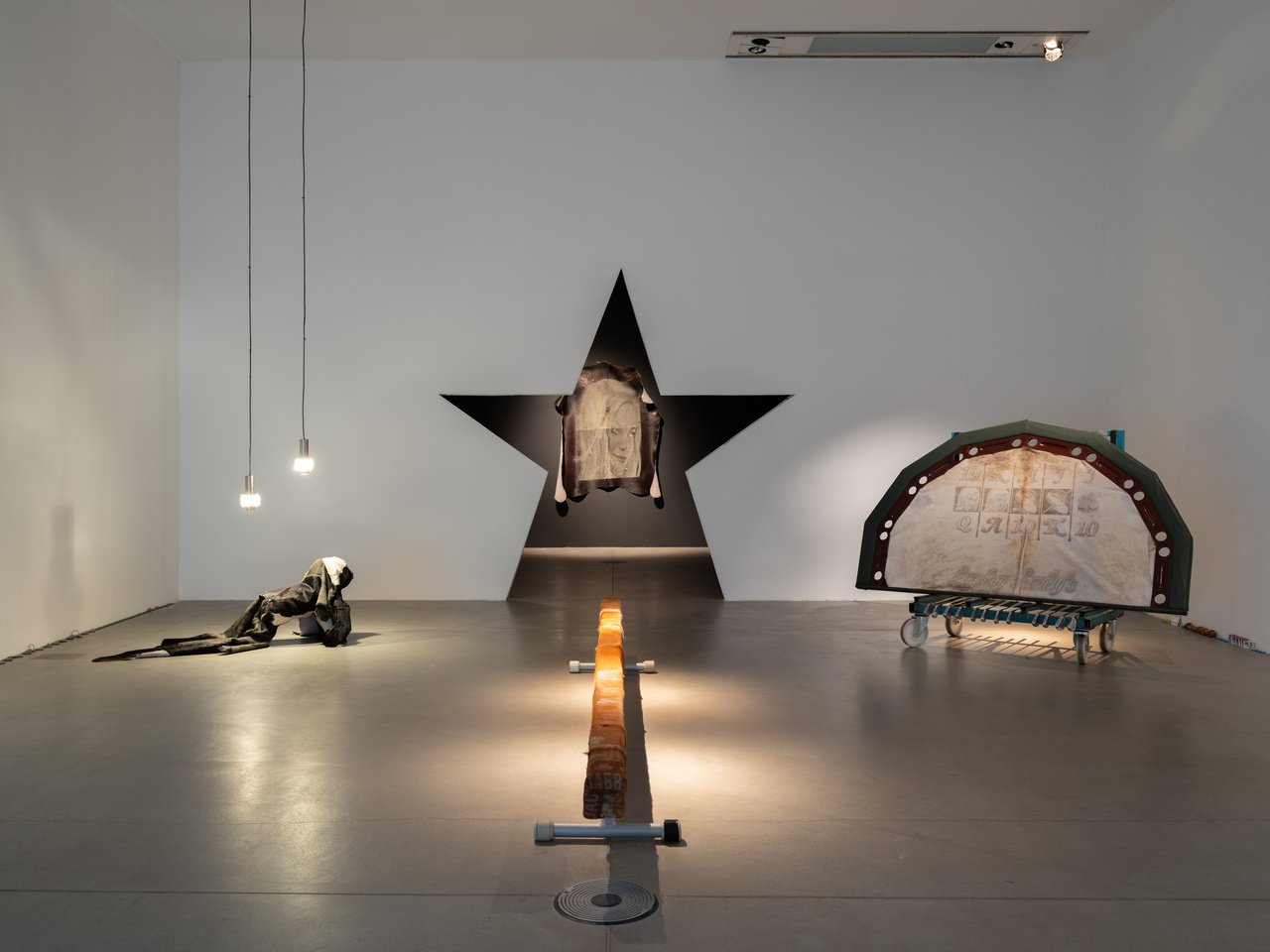
For COCCYX CUTZ, artist Paula Tončić goes to the casino as an inconspicuous observer. She is there to watch, not to play. She is not after a win, though secretly she longs for one.
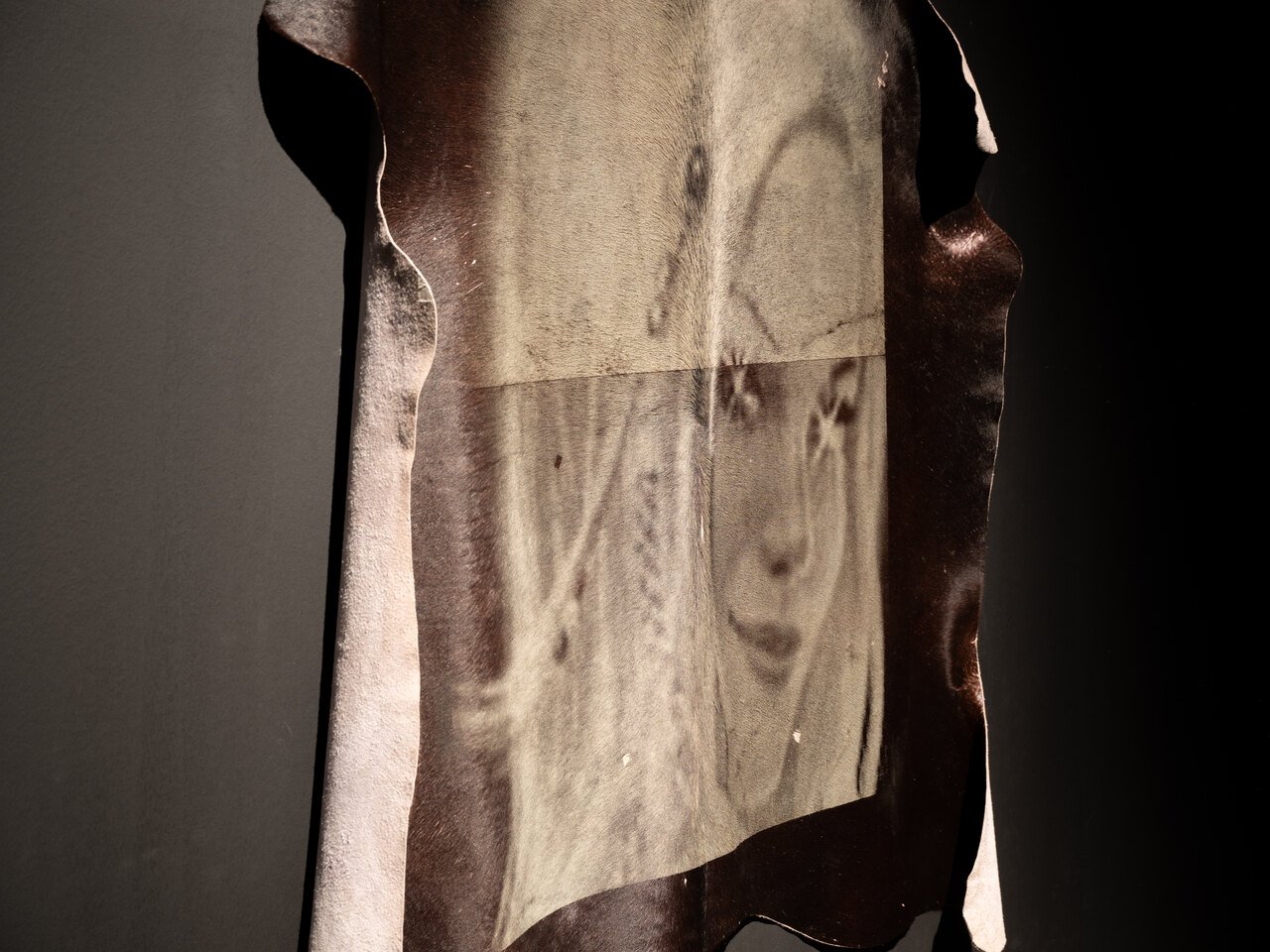
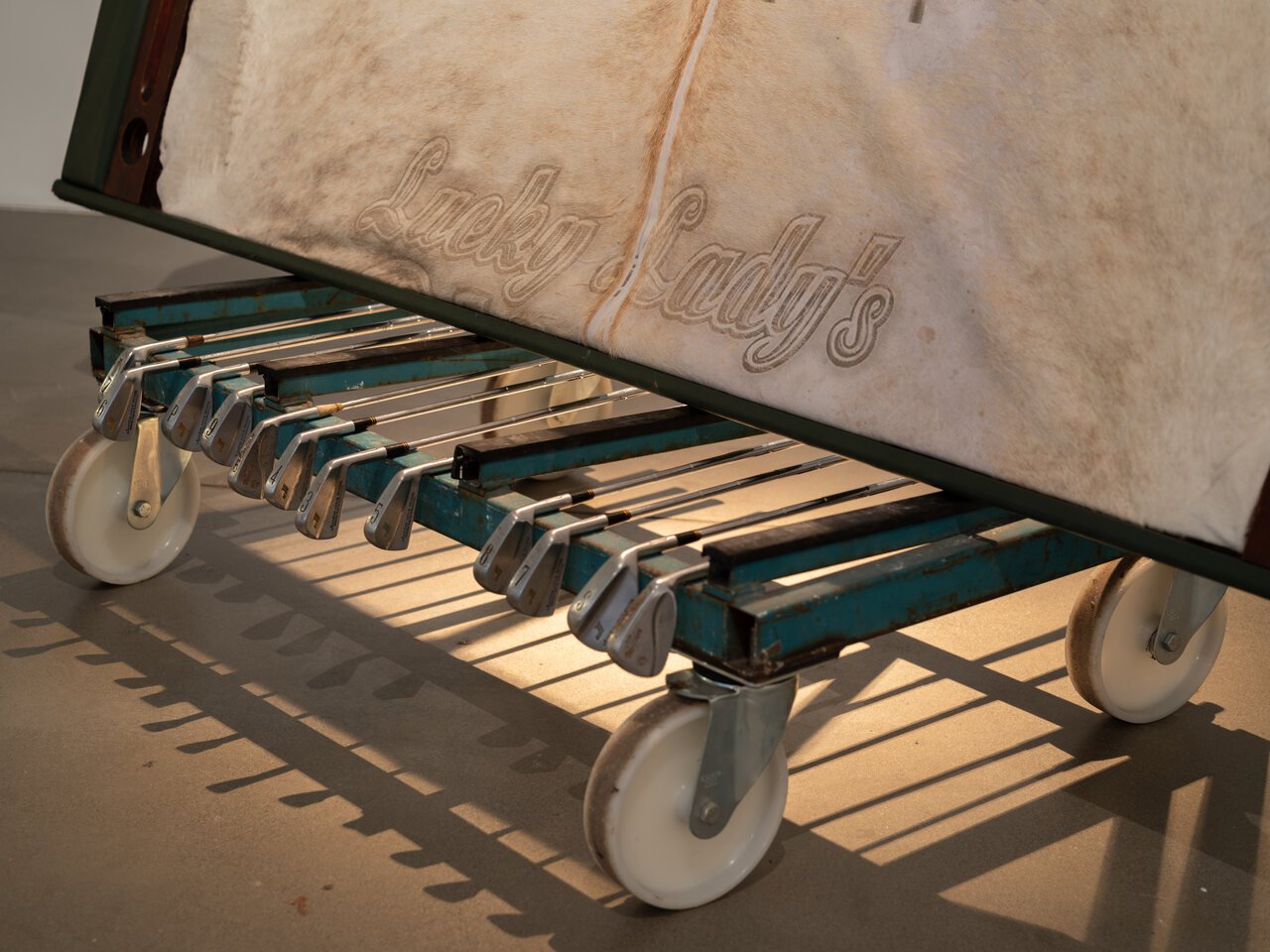
Lucky Lady gleams from the screen like a sacred icon. She invites you to play. She charms. Her sweet face, long blonde hair, sparkling eyes, and devilish smile are hard to resist. One spin, one winning combination. Six seductive faces for the biggest jackpot.
In COCCYX CUTZ, the casino is distorted, and risk is palpable. Here, the poker table is sheathed in a glossy, embossed metal armour. Pieces of worn-out leather are covered in gaming symbols. Spades, hearts, diamonds, clubs. Play.
Lucky Lady has migrated from the hypnotic screens and embedded herself in the hairs of the fur. She twinkles like a little star from her dreamlike chapel. Her face is soft to the touch, but distorted. Come closer. Touch her. Perhaps luck will smile on you too.
Come in and Win!
About the Award:
Marina Viculin Award is a national photography award granted to an individual or collective working in the medium of photography, or those whose artistic practice is grounded in the medium.
The award is presented by an expert jury to a work in progress, which is developed over a ten-month period with production and mentorship support from the Organ Vida curatorial collective. It includes financial support for production, as well as the presentation of the selected project within the international Organ Vida Festival.
Established in 2017, the award is named after Marina Viculin, a distinguished art historian, curator, and former director of the Klovićevi dvori Gallery, whose work in affirming the medium of photography has left a lasting mark on the Croatian photographic scene.
Sara De Brito Faustino: A Home with No Roof
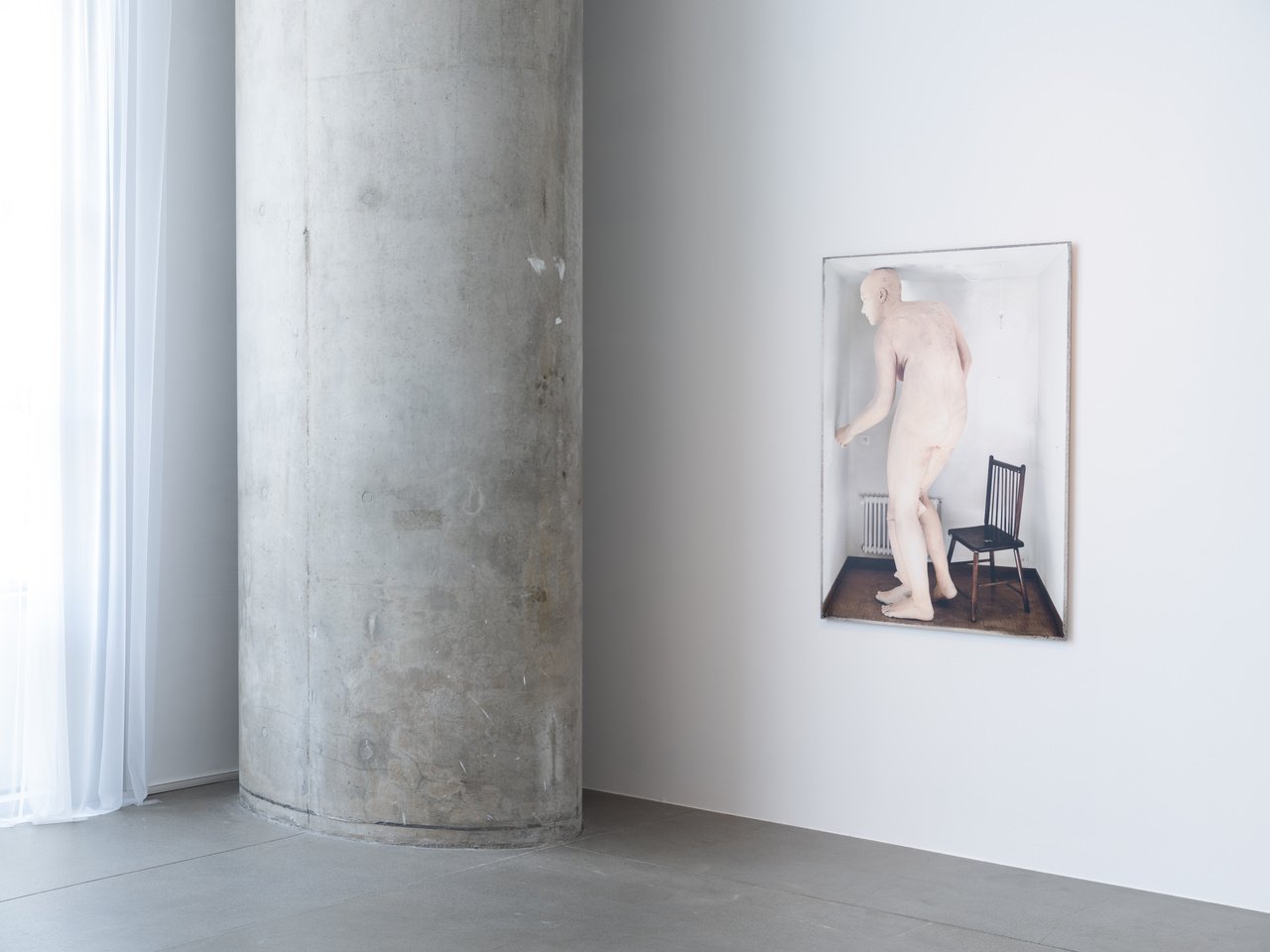
A Home with No Roof emerges from memories of a childhood home where everyday intimacy coexisted with discomfort, strangeness, and emotional pain. Seeking both distance from these memories and a way to reclaim control over them, the artist creates a miniature version of her apartment and immerses herself in it.
By combining miniature furniture, everyday objects, and sculpted fragments of her body, she explores the tensions embedded in the space. Shifts in scale transform the apartment into something unstable and almost monstrous. The house becomes a body, and her body becomes a house she must learn to inhabit.
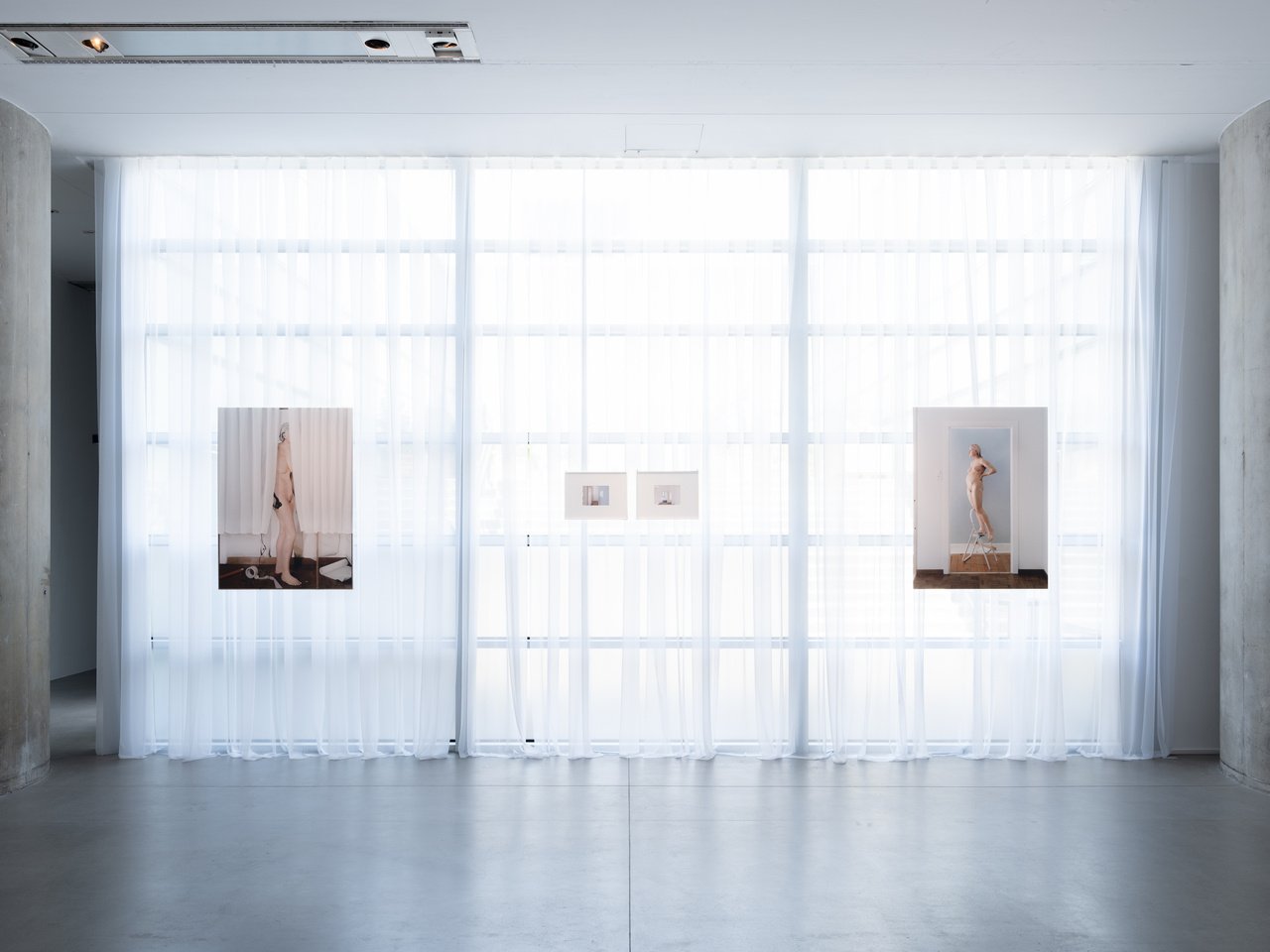
Artists: Jaana-Kristiina Alakoski, Madeleine Andersson, Aurélie Bayad, Maja Bojanić & Brin Žvan, Hiiona Choi, Jame St Findlay, Hertta Kiiski, Irma Name, Rafael Roncato, Gedvilė Tamošiūnaitė, Julie Béna, Kevin Osepa, Paula Tončić, Sara De Brito Faustino
Exhibition Title: 14th Organ Vida Festival: Happy Spiraling; Julie Béna: Lure; Kevin Osepa: Ocho Día. Eight Days, Nine Nights; Paula Tončić: COCCYX CUTZ; Sara De Brito Faustino: A Home with No Roof
Venue: Museum of Contemporary Art Zagreb
Place (Country/Location): Zagreb, Croatia
Curated by: Barbara Gregov, Lovro Japundžić, Lea Vene; Daria Tuminas (Kevin Osepa: Ocho Día. Eight Days, Nine Nights)
Assosiate curators: Morana Matković, Ana Škegro
Dates: 11.06 — 06.09.2026
Photos: All images courtesy of Organ Vida Festival.