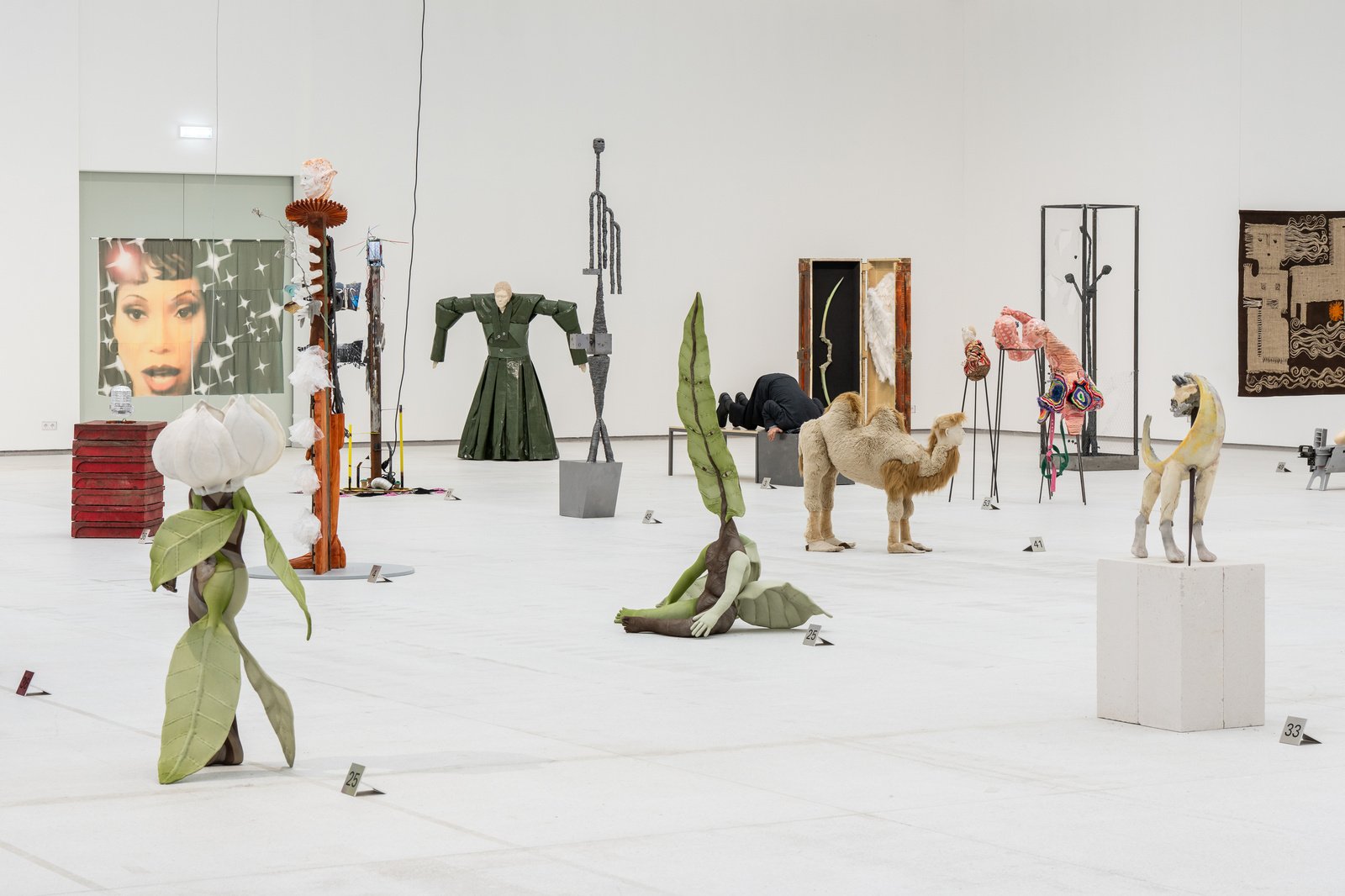
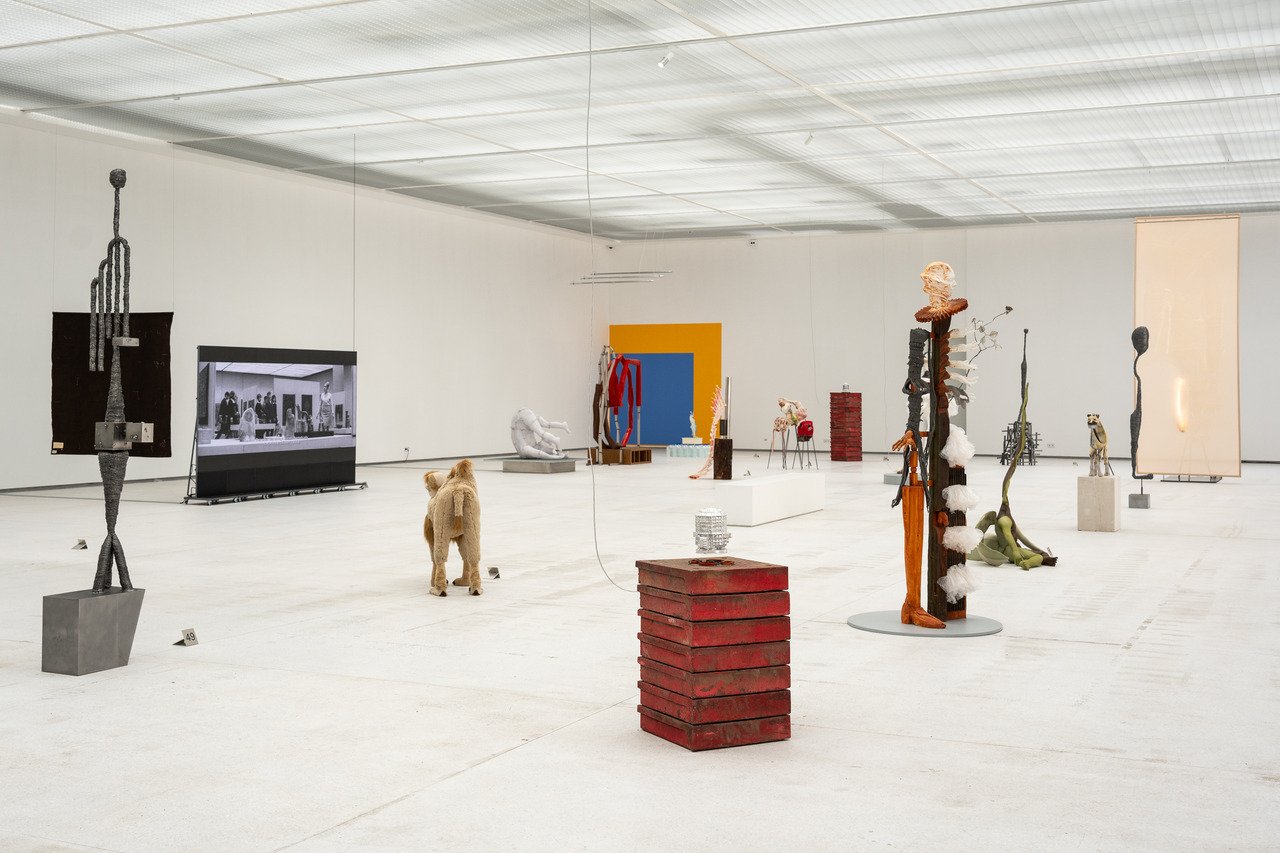
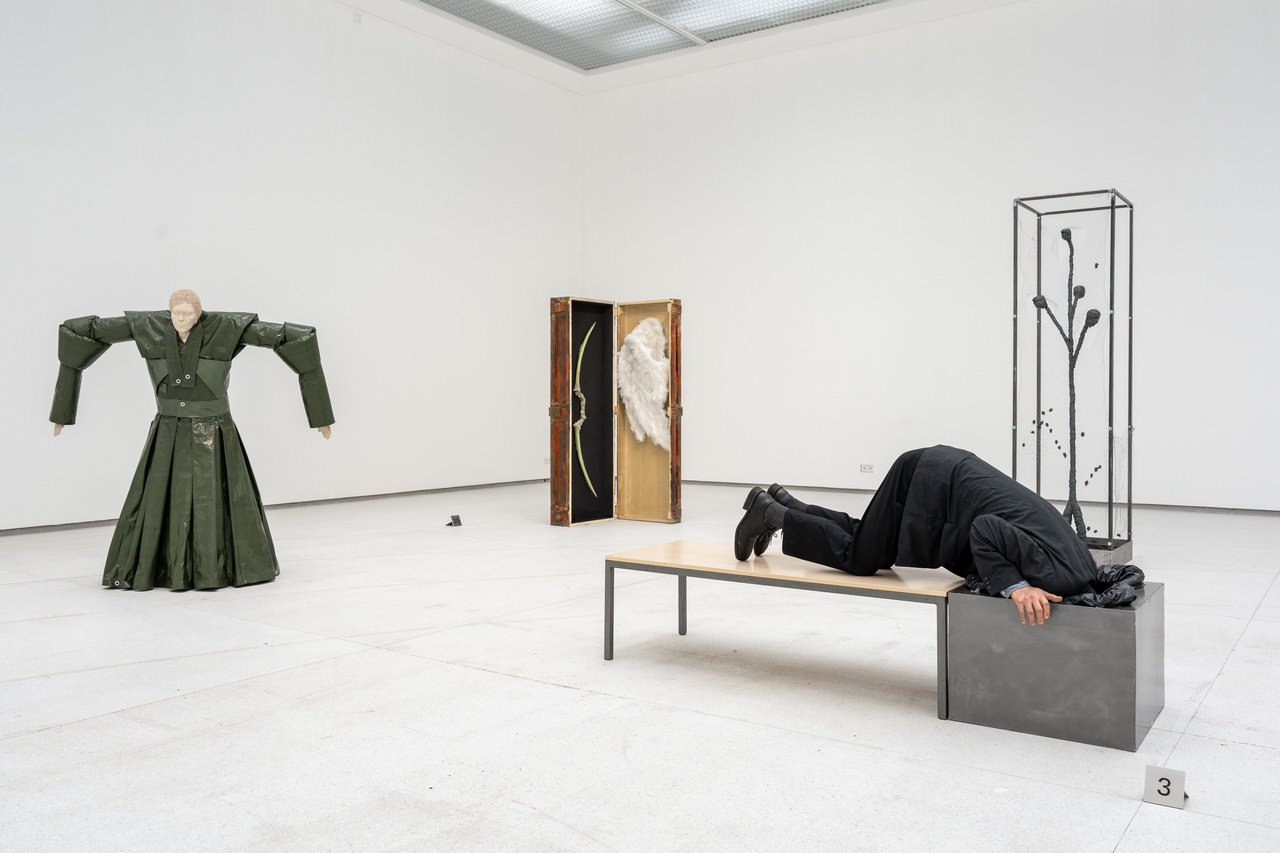
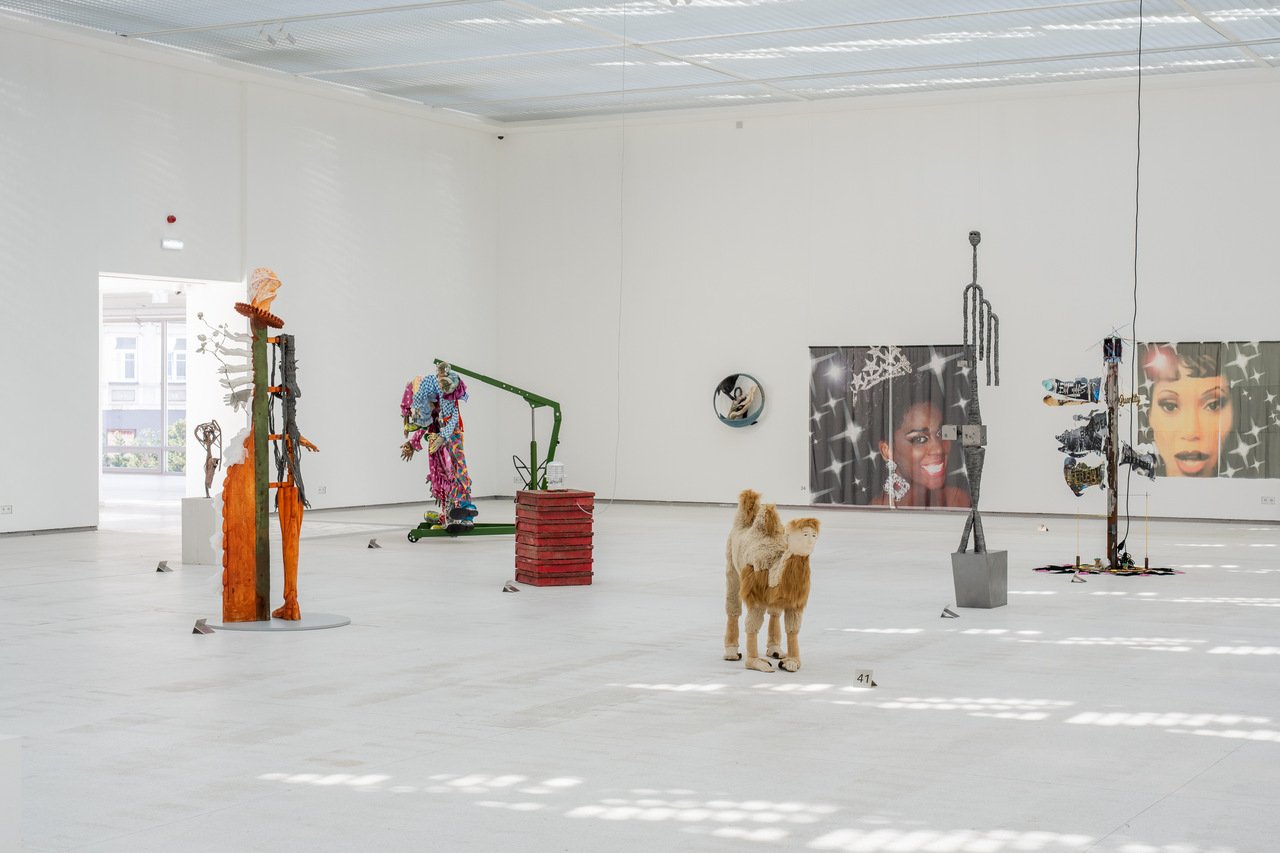
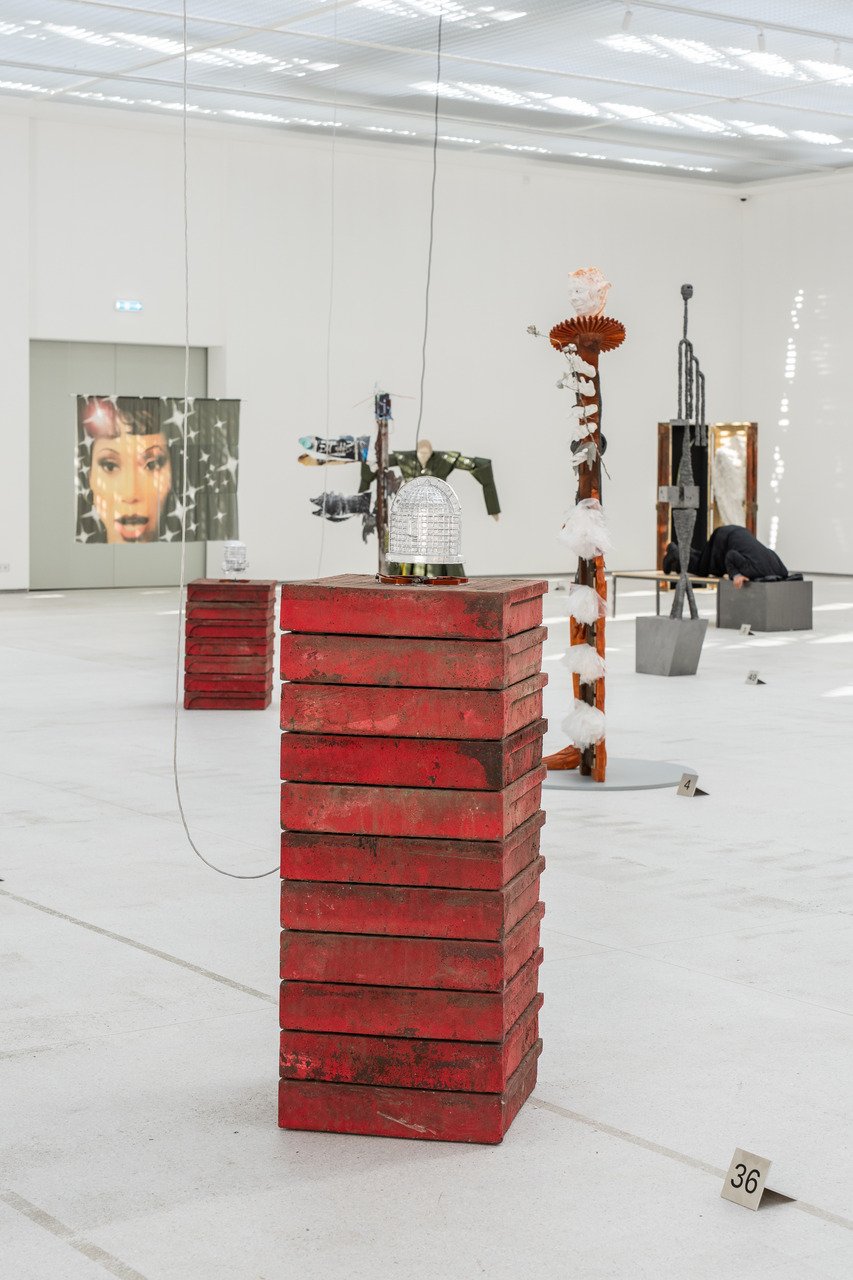
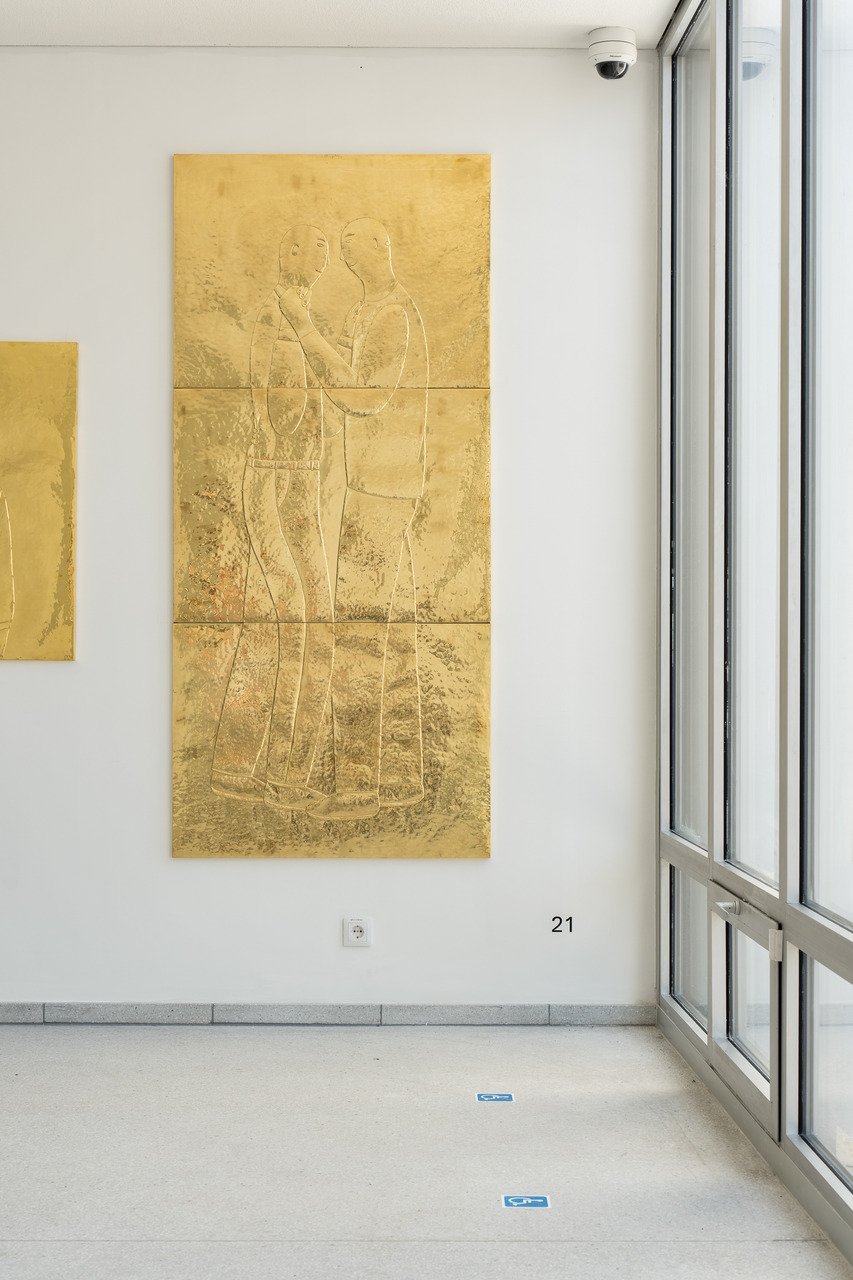
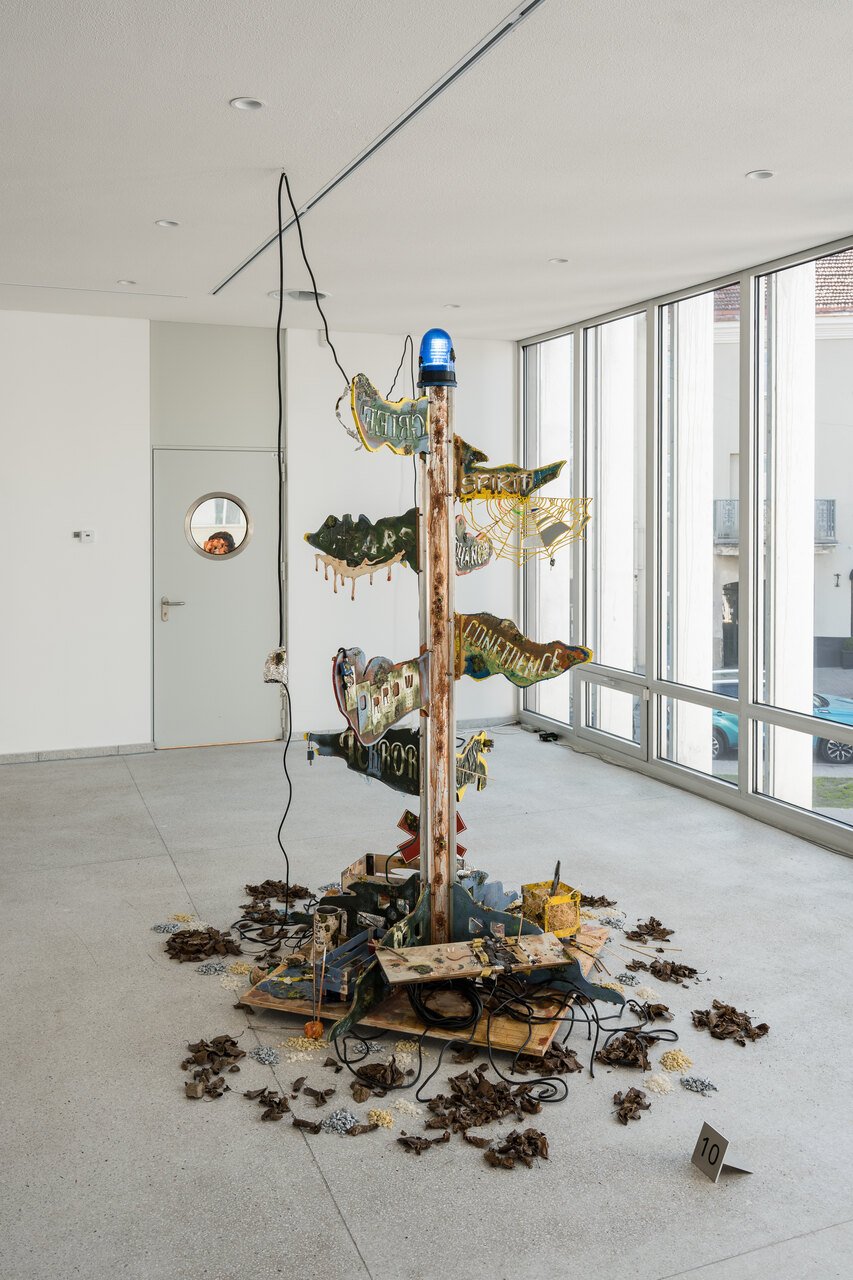
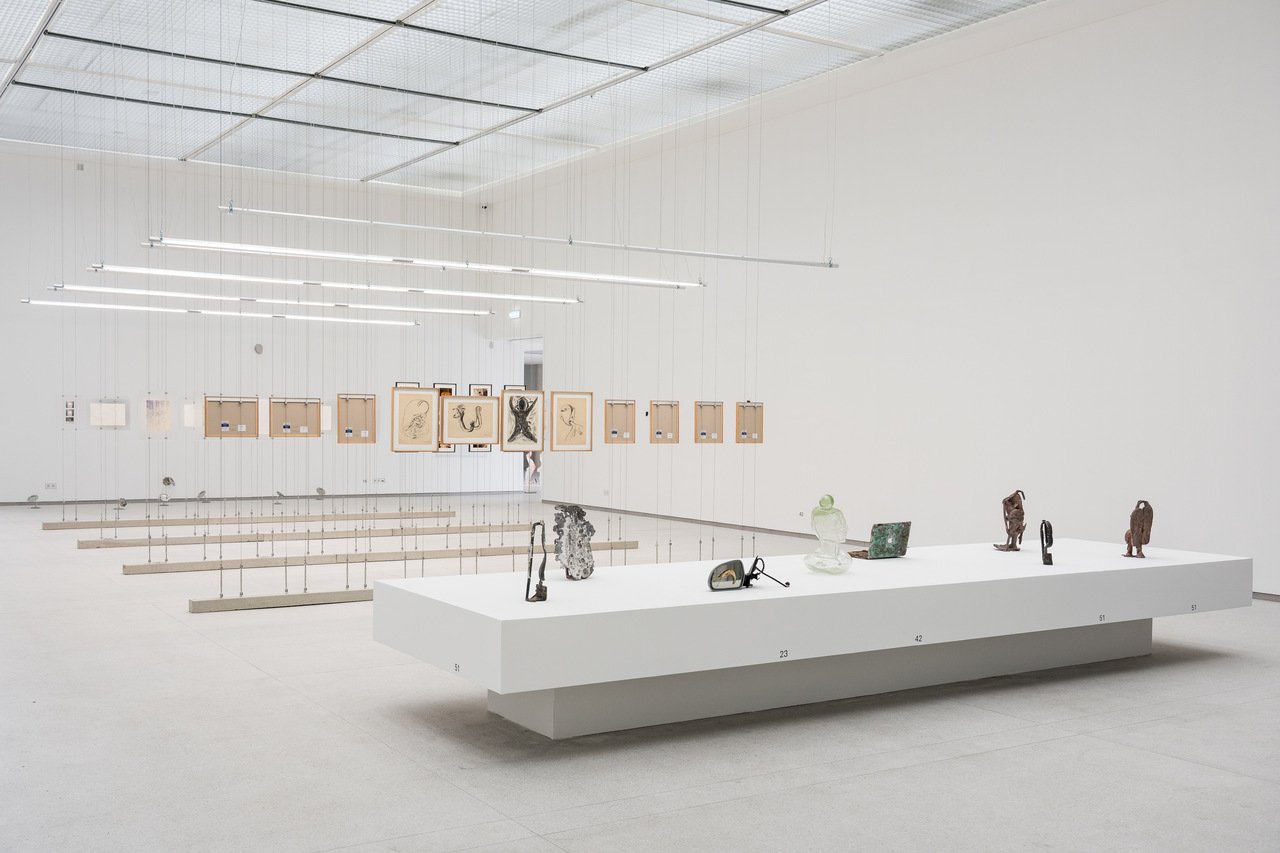
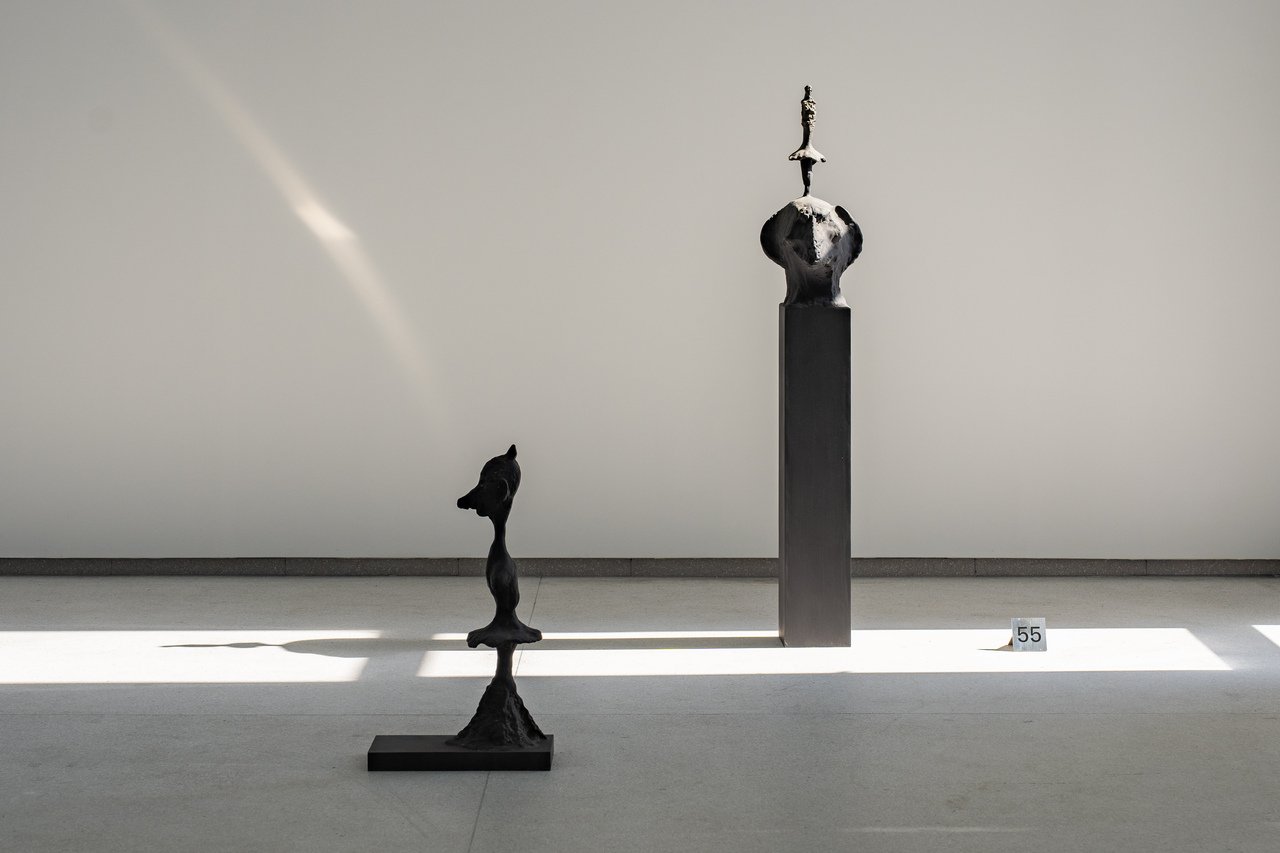
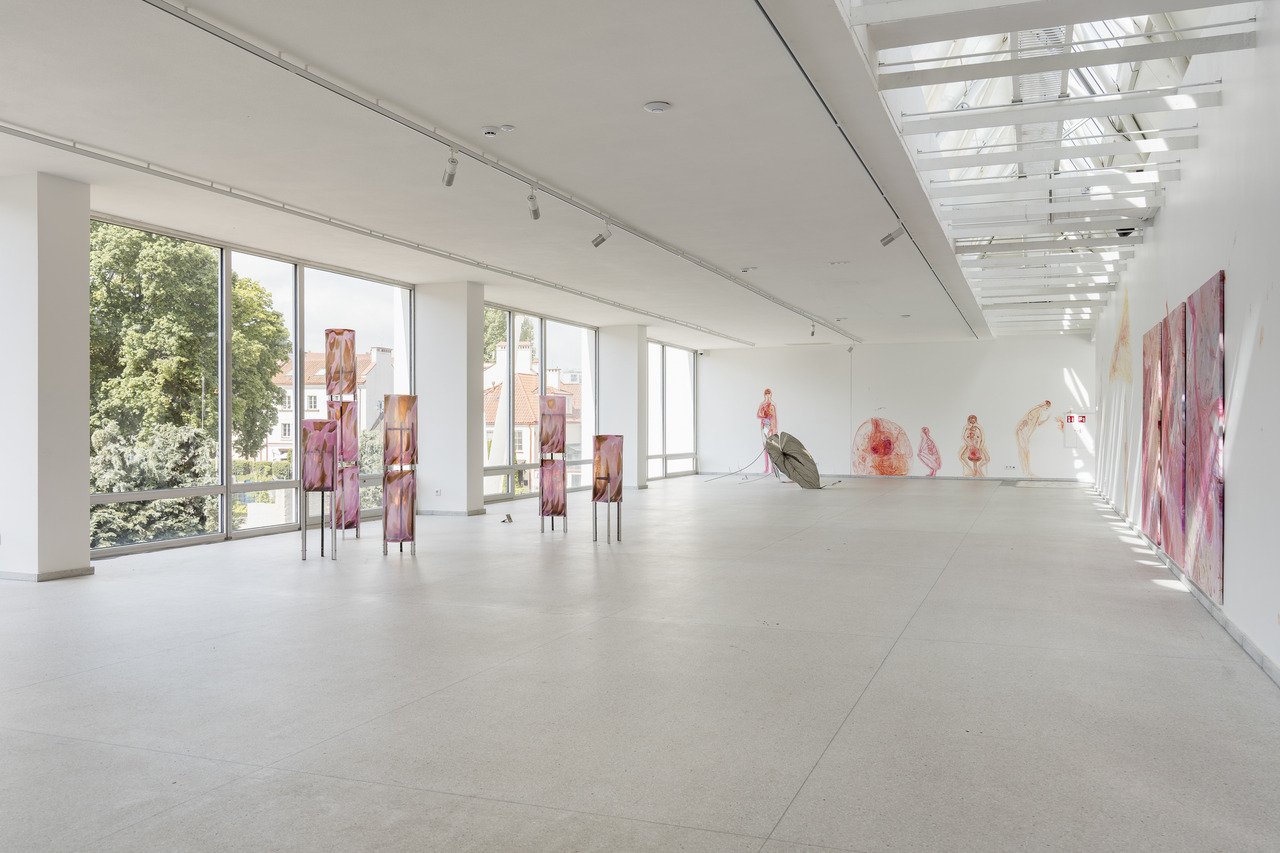
The international group exhibition Superglue, or Inventing the Friend, marks a new phase for the Contemporary Art Centre (CAC), inaugurating the exhibition programme under its new director. Predominantly presenting figurative art, the exhibition invites a reconsideration of the CAC’s relationship with its audience. The exhibition’s abundance of figures creates an aesthetic and social environment grounded in diversity – one that may both facilitate encounters with the other while questioning identity (of the individual, the depicted figure, or the (post)human), the possibility of connection with the other, and the authenticity and meaning of contemporary art itself.
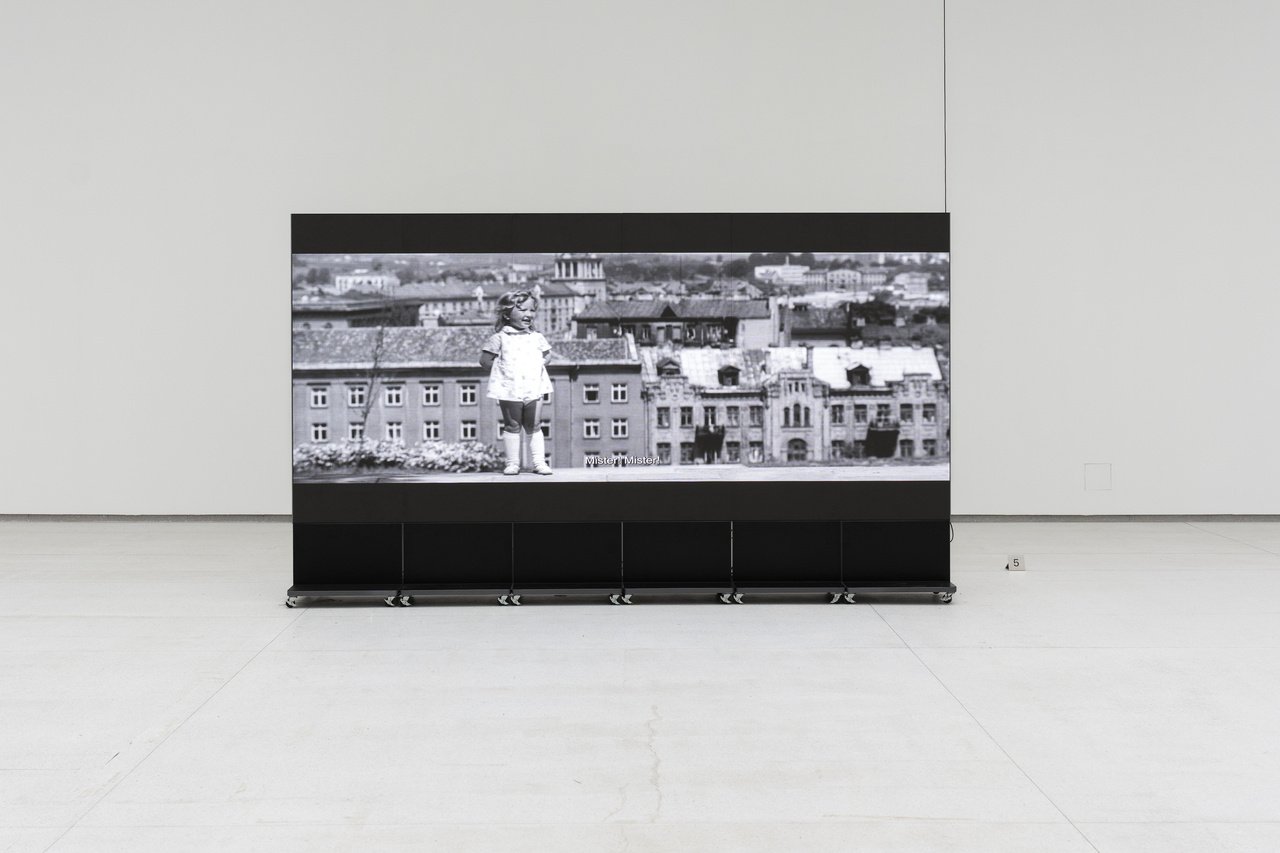
Against the backdrop of growing polarisation and fragmentation in the world – and in our own society – the exhibition seeks to create conditions for a more open debate about the changing relationship between contemporary art and its audience in times of multiple crises. One of the exhibition’s key references is a scene from Algirdas Araminas’s 1968 film When I Was a Child. It depicts a school excursion to one of the first exhibitions held at the newly established Art Exhibition Palace in Vilnius (today the CAC). The film emphasises the viewer’s uneasy relationship with modernity: the provincial character played by actor Bronius Babkauskas repeatedly bumps into the building’s large windows – symbols of modernist transparency. High culture is embodied by the modernist exhibition and the guide’s mannered voice, while the teacher assumes a disciplinary role. This pressure brings a pair of schoolchildren closer together: they slip away from the guided tour and begin a romantic relationship.
Courtesy of the Lithuanian Film Centre.
Contemporary Art Centre, Vilnius. Photo: Andrej Vasilenko. Image courtesy of CAC Vilnius.
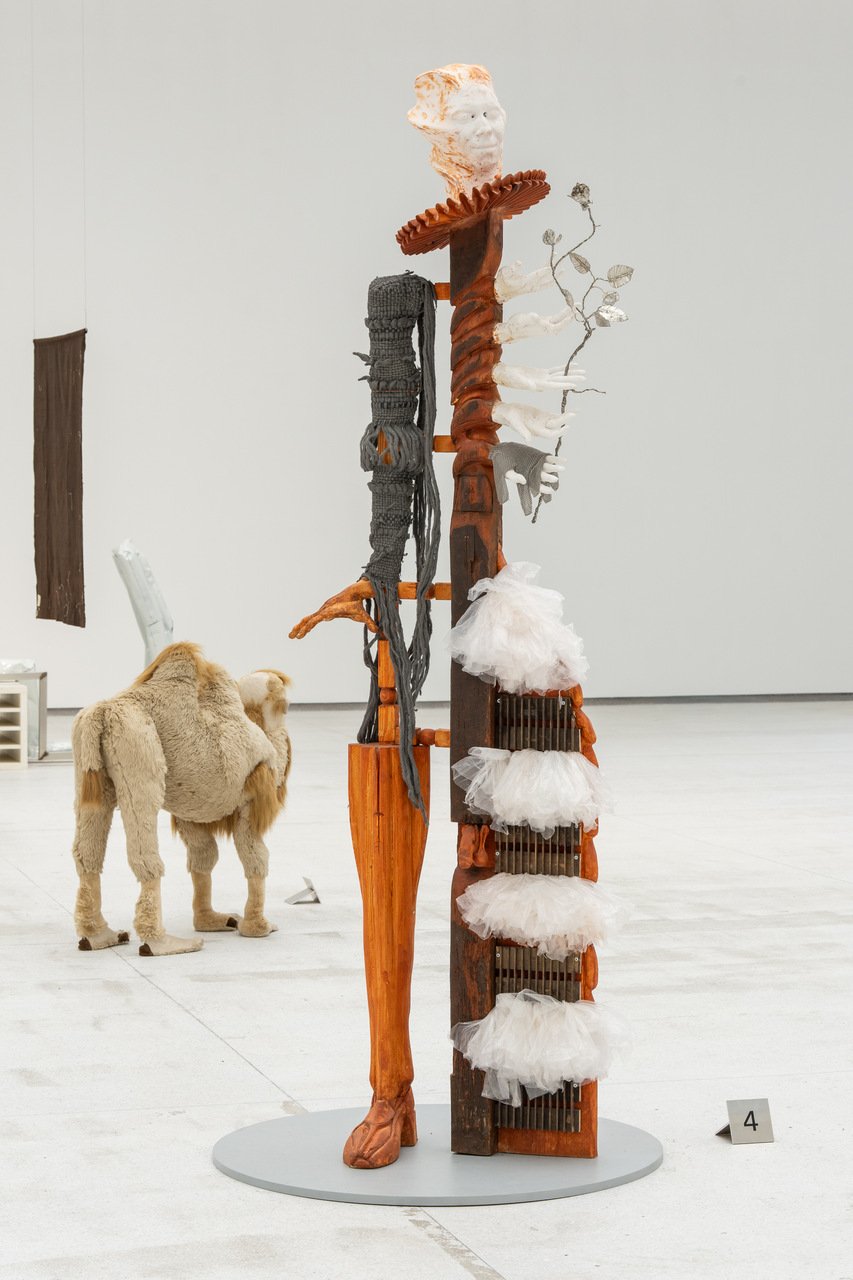
Photo: Andrej Vasilenko. Image courtesy of CAC Vilnius.
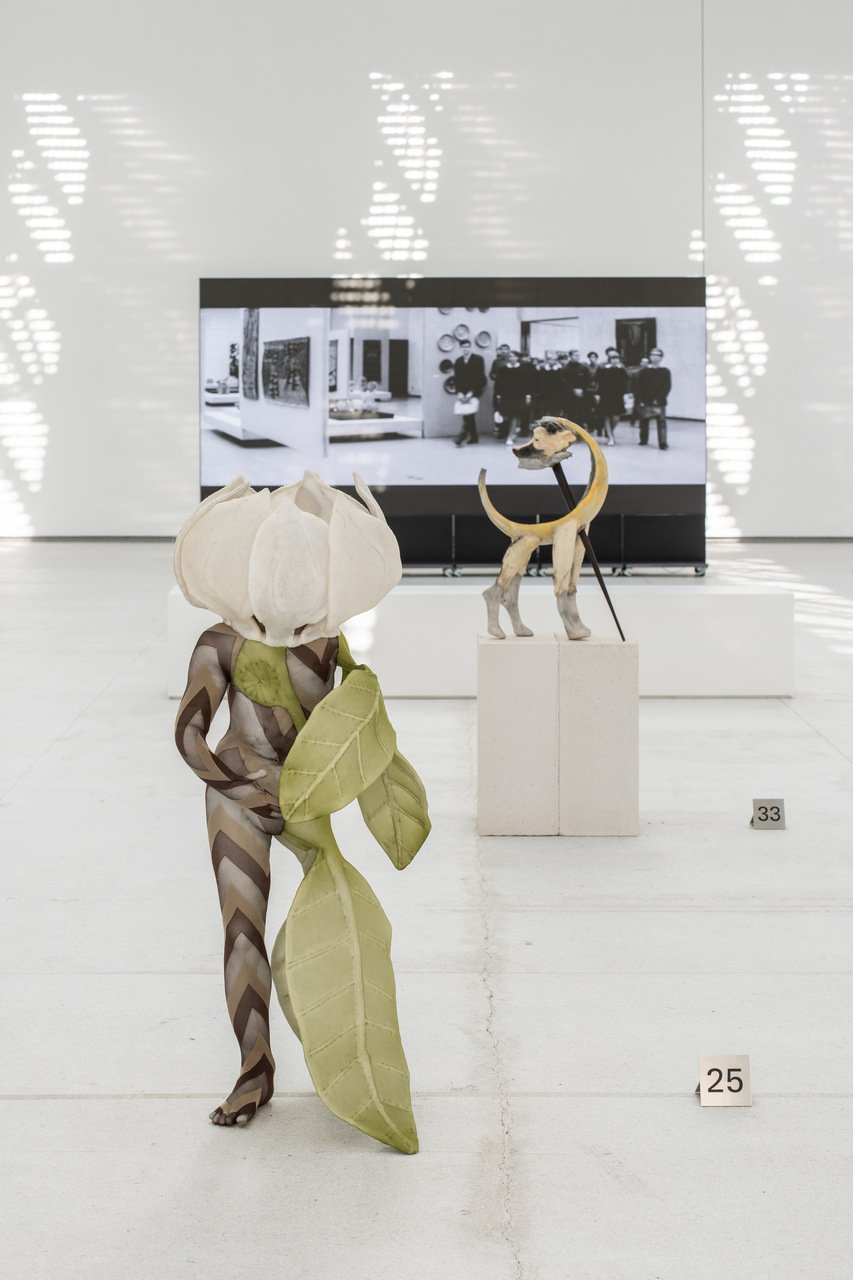
Courtesy of the Lithuanian Film Centre.
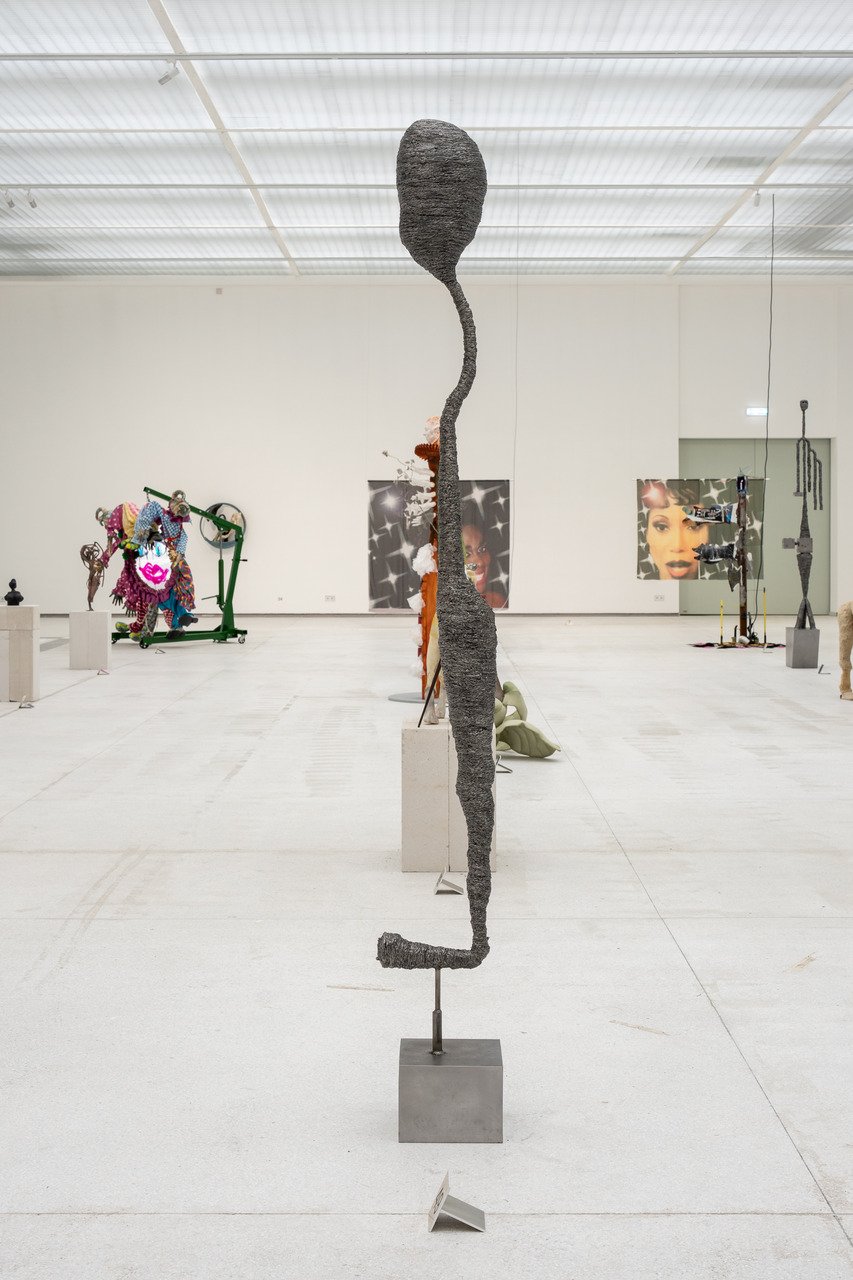
Photo: Andrej Vasilenko. Image courtesy of CAC Vilnius.
Bringing together historical and contemporary works, Superglue, or Inventing the Friend reflects on encounters with the other through different notions of otherness, the emergence of the posthuman figure, and contemporary art itself as something not entirely knowable – something foreign. Assemblages of new and historical figures, individual and collective, implicitly raise the question: what kind of glue today could bind together a fragmented, combative, and rather narcissistic society? What role can art play in a world where opinions are becoming increasingly rigid? And, in the hell of ideological excess, what might still allow us to imagine relationships that open the possibility of authentic, unpredictable, non-commodified experiences – friendships, or even the possibility of falling in love with the other rather than rejecting them?
Figurative art has existed for at least 50,000 years; however, over the past decade, contemporary art has seen a clear return – even an inflation – of the figure. This phenomenon may be interpreted as a response to the uncertainty, disinformation, speculation, simulation, hyperrealism, and the excess of big data accompanying the growing dominance of technology, as well as an attempt to make use of the possibilities offered by posthumanism, new materialisms, postcolonial perspectives, post-robotics, artificial intelligence, and other processes. By returning to the figure and to narrative, artists are rethinking strategies for constructing and recognising identity.
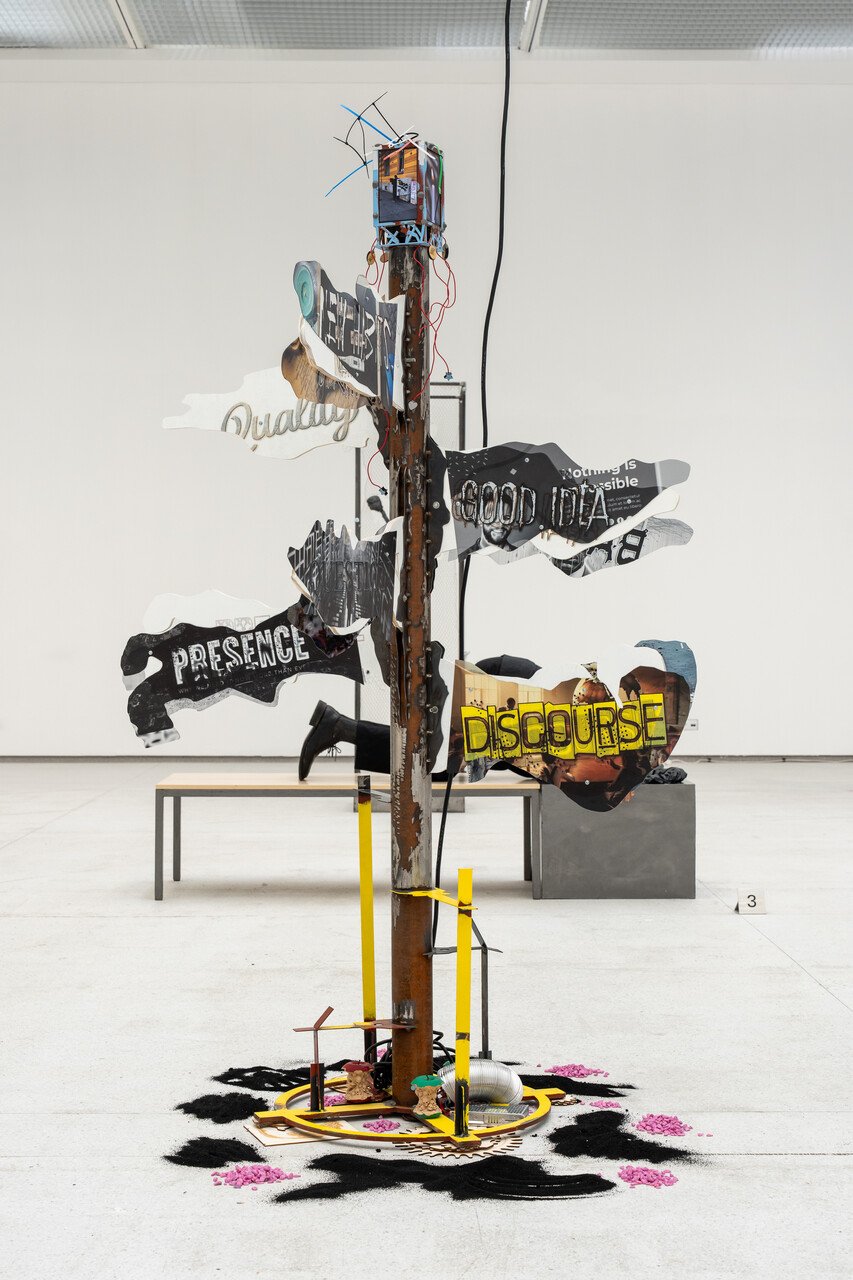
Courtesy of the artist.
The second part of the title – Inventing the Friend – refers to the anti-ideological essay Inventing the Enemy by the Italian philosopher and writer Umberto Eco. According to Eco, “having an enemy is important not only in order to define our identity, but also to provide us with an obstacle against which to measure our system of values and, in seeking to overcome it, to demonstrate our own worth. Therefore, when there is no enemy, we have to invent one.” Today, enemies – or antagonists – abound in both politics and the art world; yet the inner reconciliation that an external enemy is meant to facilitate never quite occurs.
Where did it all begin? Modernism – whose legacy is continued by contemporary art – never promised to be friendly to its viewers. Quite the opposite: through the use of military metaphors, proclaiming itself the artistic avant-garde and vowing to sweep away the old order, it consciously took pleasure in rejecting and shocking what it perceived as philistine, bourgeois taste.
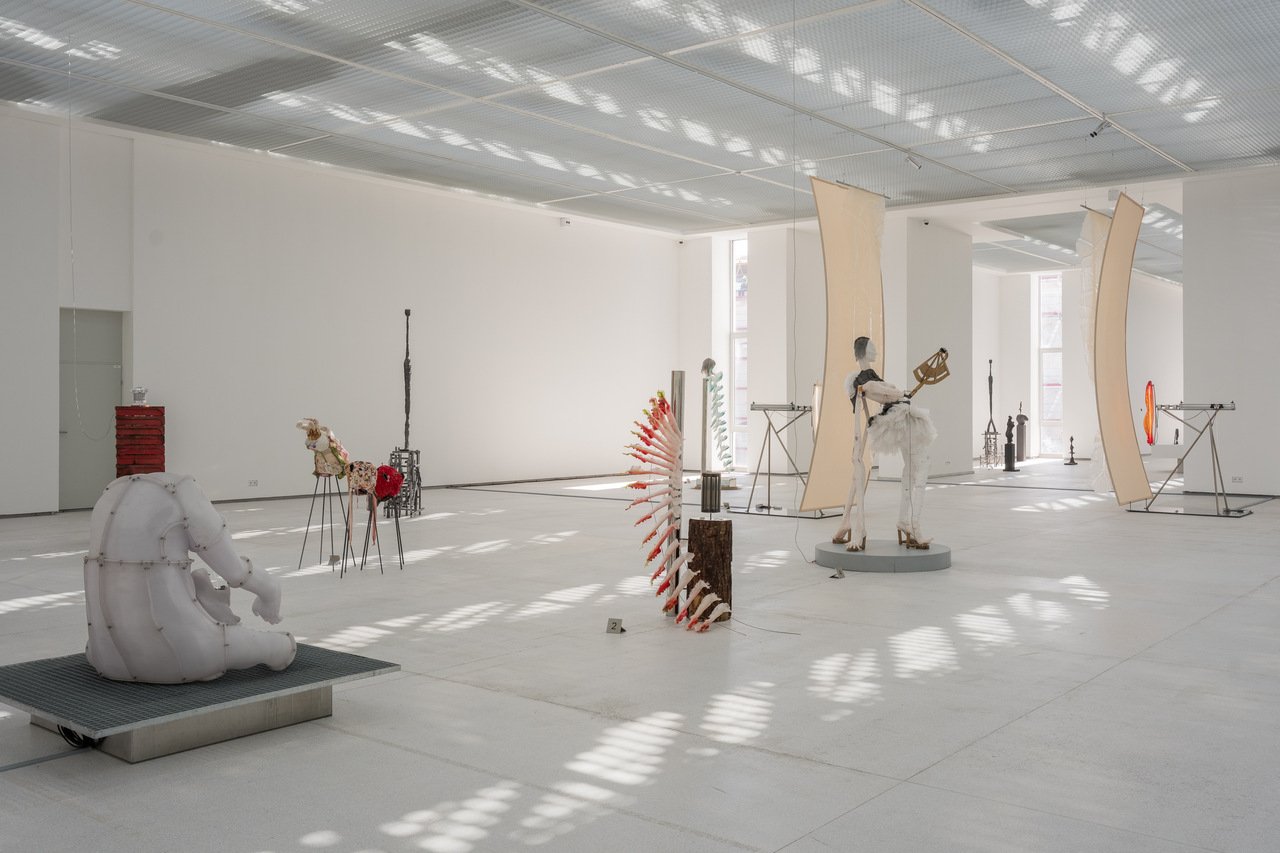
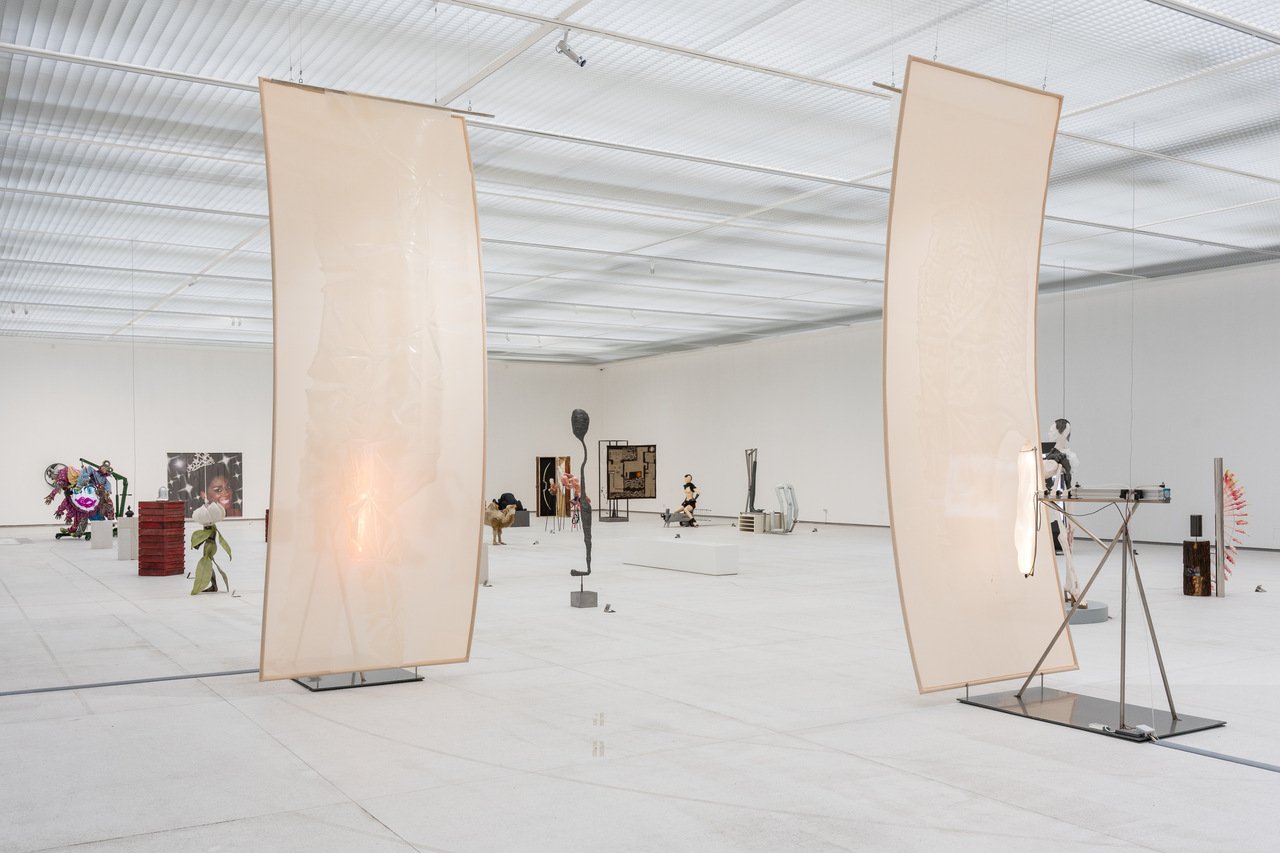
Today, however, this relationship has shifted. The once-advocated strategy of “inventing the (art)enemy” – ridiculing a public unfamiliar with the codes of art – has gradually transformed into museums’ and galleries’ efforts to build friendlier relationships with their audiences. Most cultural institutions today run friends’ or patrons’ programmes (often paid) and strive to appear more open and welcoming. Yet this friendliness often comes at a price: the banalisation or vulgarisation of the artistic experience. Exhibitions and artworks become over-explained and illustrative, leaving little room for an open, ambiguous or personal encounter. Acknowledging these risks, Superglue, or Inventing the Friend inevitably navigates the tension between attempting to create multilayered, ambiguous – or even contradictory – relationships between the art institution, the exhibition, the artworks and their visitors, and critically reflecting on these very relationships.
But what about now? What forces still compel us to form connections amid growing polarisation, narcissism, constant networking, the commodification of relationships, and multiple crises and wars? Is it still possible to establish a relationship with the other? Can we construct ourselves positively through the other – seeing them not only as an enemy or a friend? And if so, might this be one of the functions of contemporary art? What frightens us today – and what might make us flee an exhibition? Finally: how, despite everything, can we become friends?
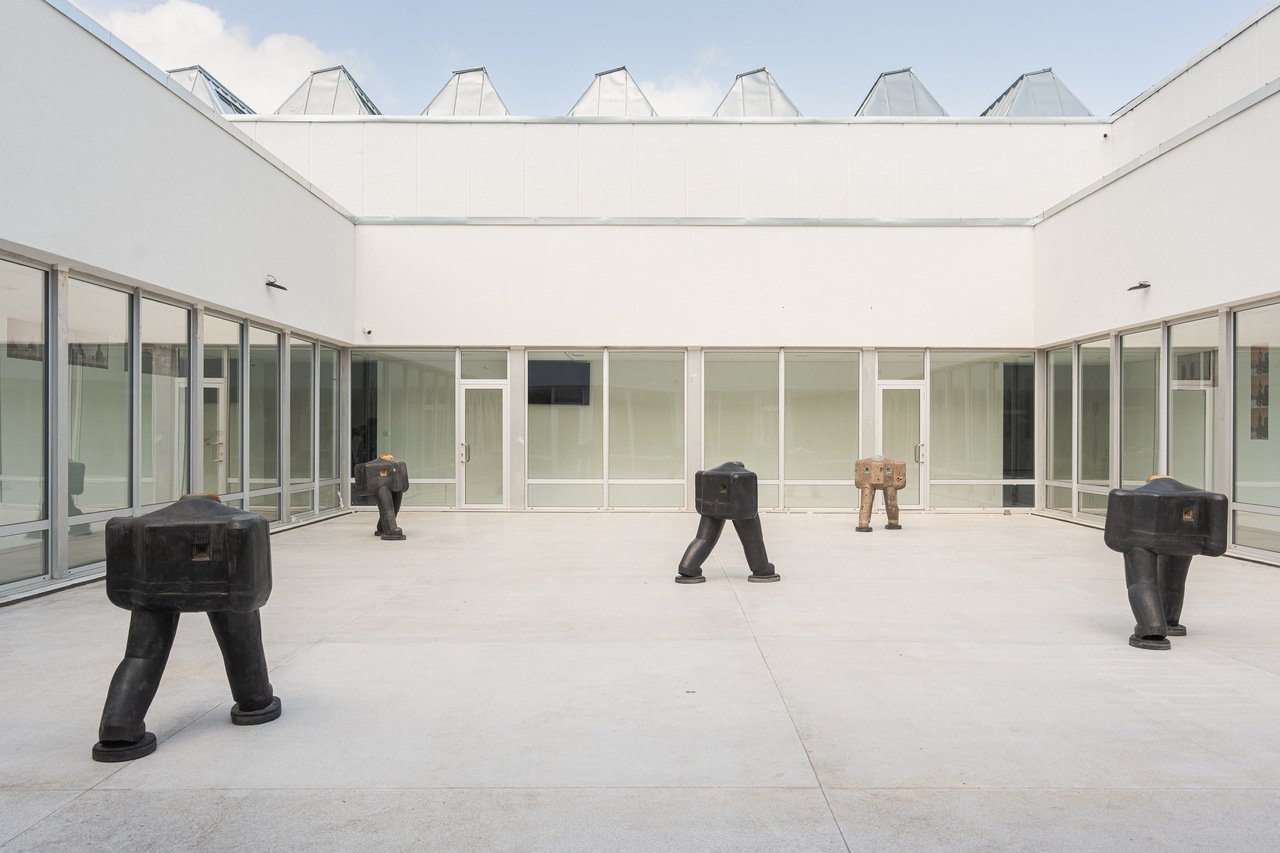
Courtesy of the artist.
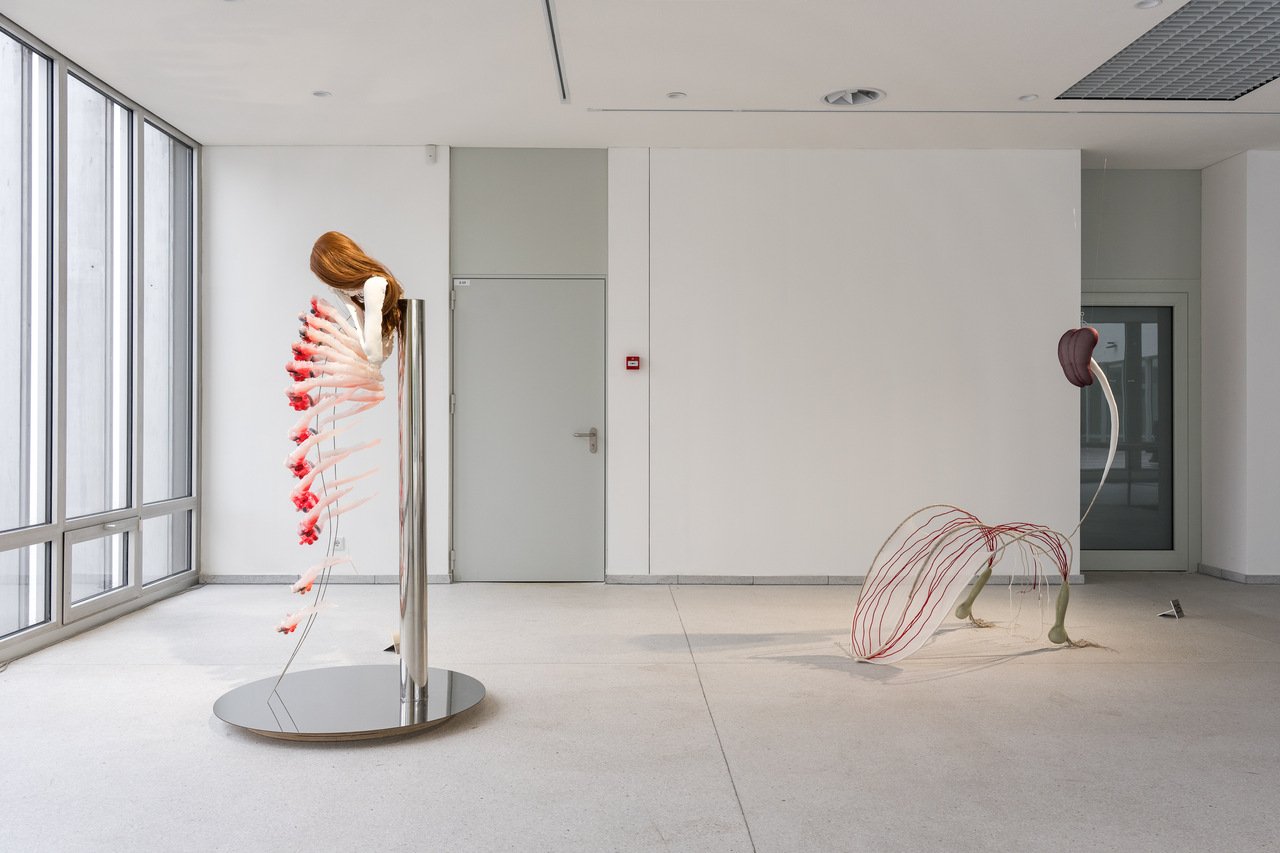
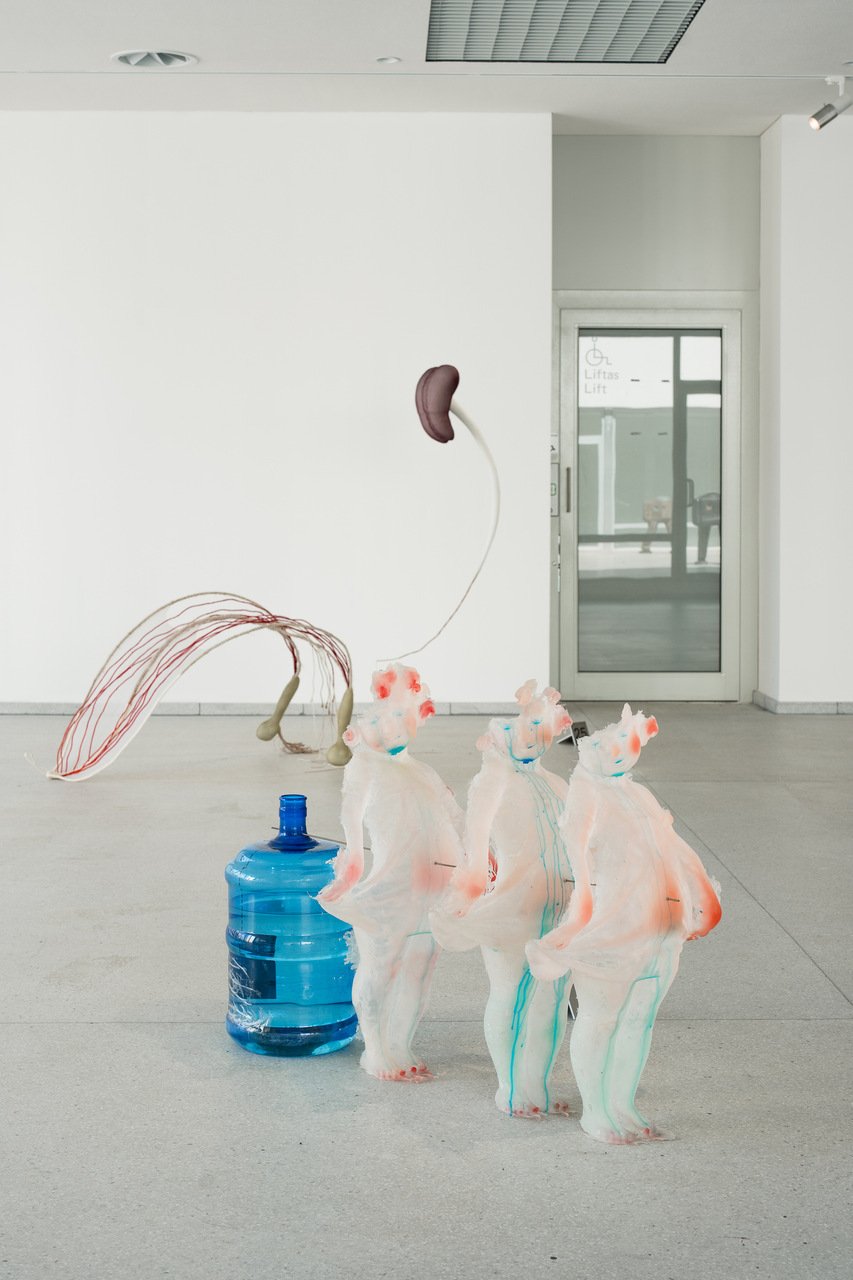
135 × 22 × 29 cm.
Courtesy of the artist and Gallery P420, Bologna.
Courtesy of the artist.
(São Paulo / Brussels / Paris / New York / Germantown).
Artists: Noor Abed, Rebecca Ackroyd, Danas Aleksa, Nils Alix-Tabeling, Algirdas Araminas, Andrius Arutiunian, Maty Biayenda, Yuliya Bokhan, Arvida Byström, Jakub Choma, Tony Cokes, Milda Drazdauskaitė, Saskia Fischer, Dorota Gawęda & Eglė Kulbokaitė, Indriķis Ģelzis, Volungė Aušra Griškonytė, Vida Gruzdaitė, Rodrigo Hernández, Roberts Jansons, Martin Káňa, Jūratė Kazakevičiūtė, KNAF (Leszek Knaflewski), Magdalena Lazar, Kris Lemsalu, Ghislaine Leung, Kateryna Lysovenko, Isaac Lythgoe, Tomas Martišauskis, Katsiaryna Miats, Miķelis Mūrnieks, Terje Ojaver, Agata Orlovska, Pakui Hardware, Goda Palekaitė, Karol Radziszewski, Artūras Raila, Eglė Rakauskaitė, Tomáš Roubal, Janina Sabaliauskaitė, Piotr Skiba, Antanas Sutkus, Jurga Šarapova, Virgilijus Šonta, Pol Taburet, Jonathan Vinel
Exhibition Title: Superglue, or Inventing the Friend
Curator: Valentinas Klimašauskas
Venue: Contemporary Art Centre (CAC)
Place (Country/Location): Vilnius, Lithuania
Dates: 30.04.—06.09.2026
Photos: Andrej Vasilenko. All images courtesy of CAC Vilnius.