Uliana Kostenko
“Writing about art is probably not the best way to make a living,” a friend of mine says – he’s the author of autotheoretical art criticism. He mentions another acquaintance, a writer who did everything possible to automate her writing and speed it up by creating a set of templates for every type of text. As an editor, I am troubled by the question of how to determine a fair value for the work of writing – work that rests on something entirely unmeasurable: human experience. But this is a responsibility that must be taken. As a writer, I wonder: what happens to my own experience when it is poured into autotheoretical writing practices for which I am paid? Am I instrumentalizing it? And how does one shed the sense of alienation from one’s own text? The words about writing not being the best way to make a living awaken cold waves of realization within me: that what I love most will not provide me with security for the future; instead, I will have to find fragments of time to finish a conceived text that weighs on me above all else. But I do not want to complain, because I recognize my privilege in having time to write: my financial situation does not yet force me to find an additional part-time job, and my gender does not compel me to seek low-paying work – such as a teacher’s assistant – simply to secure a deferment from mobilization (a position that, under Ukraine’s wartime legislation, grants state school employees a legal deferment from military mobilization – making such roles sought after by men of conscription age regardless of qualification). Rather, I want to articulate the fact that in Ukraine, it is difficult to survive even a week on the fee for writing a single text a month (which, in my view, is a comfortable frequency that avoids creative burnout). And, that it would be wrong to blame contemporary art media for this – I say this from my position as an editor, since their situation in Ukraine is also precarious due to limited funding avenues.
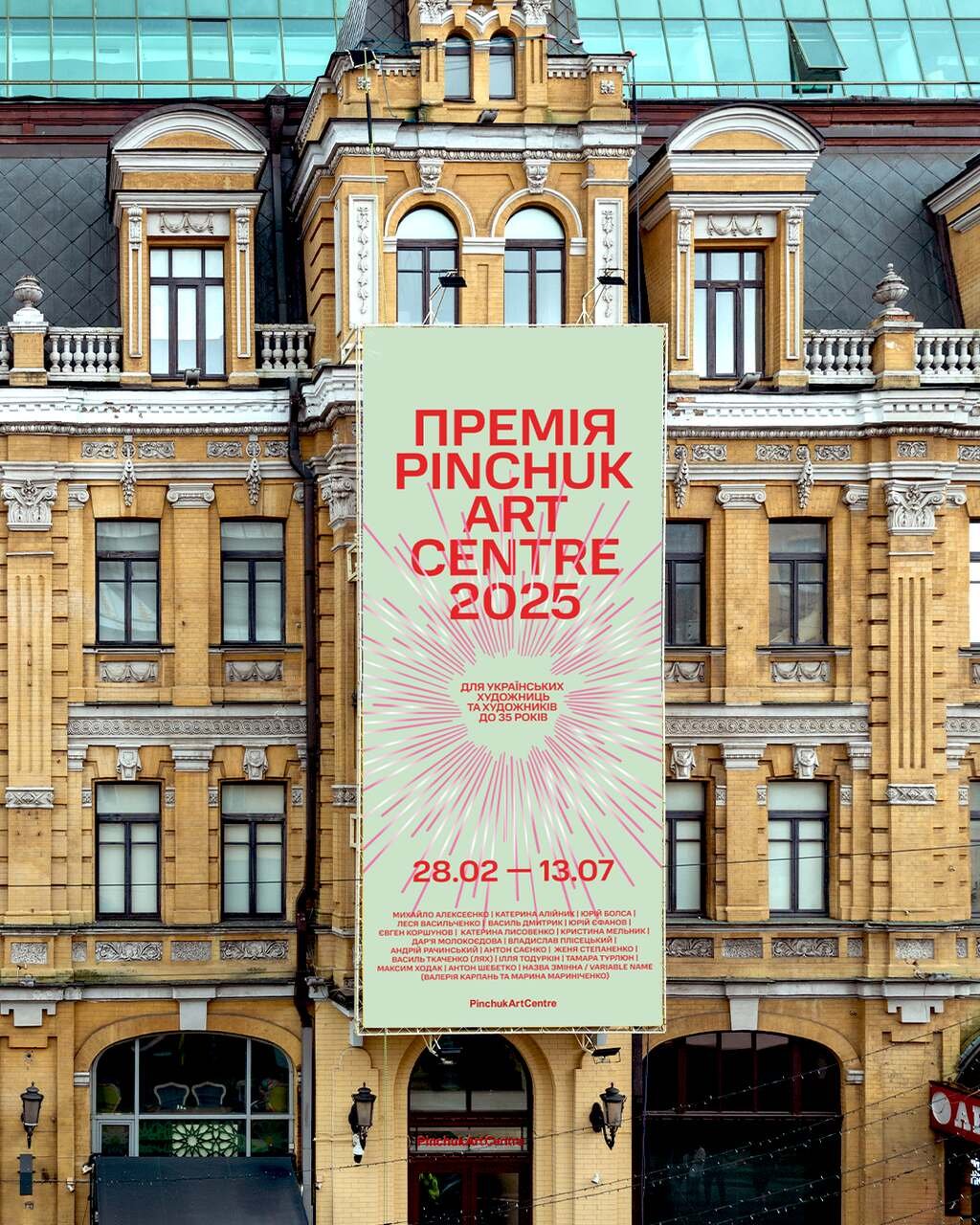
Returning to these lines, I feel shame, but I do not yet know the nature of this shame. Perhaps it is an acknowledgment that the conditions everyone silently accepts are something that does not satisfy me – a reproach familiar to everyone from the post-Soviet space: the accusation that I want more than everyone else. Did the staff of the Metropolitan Museum feel shame at the idea of forming a union? Or the first mediators at PinchukArtCentre who began speaking about their working conditions?[1] Perhaps there is something political in the feeling of shame – a built-in (anti)evolutionary mechanism to keep nothing from changing.
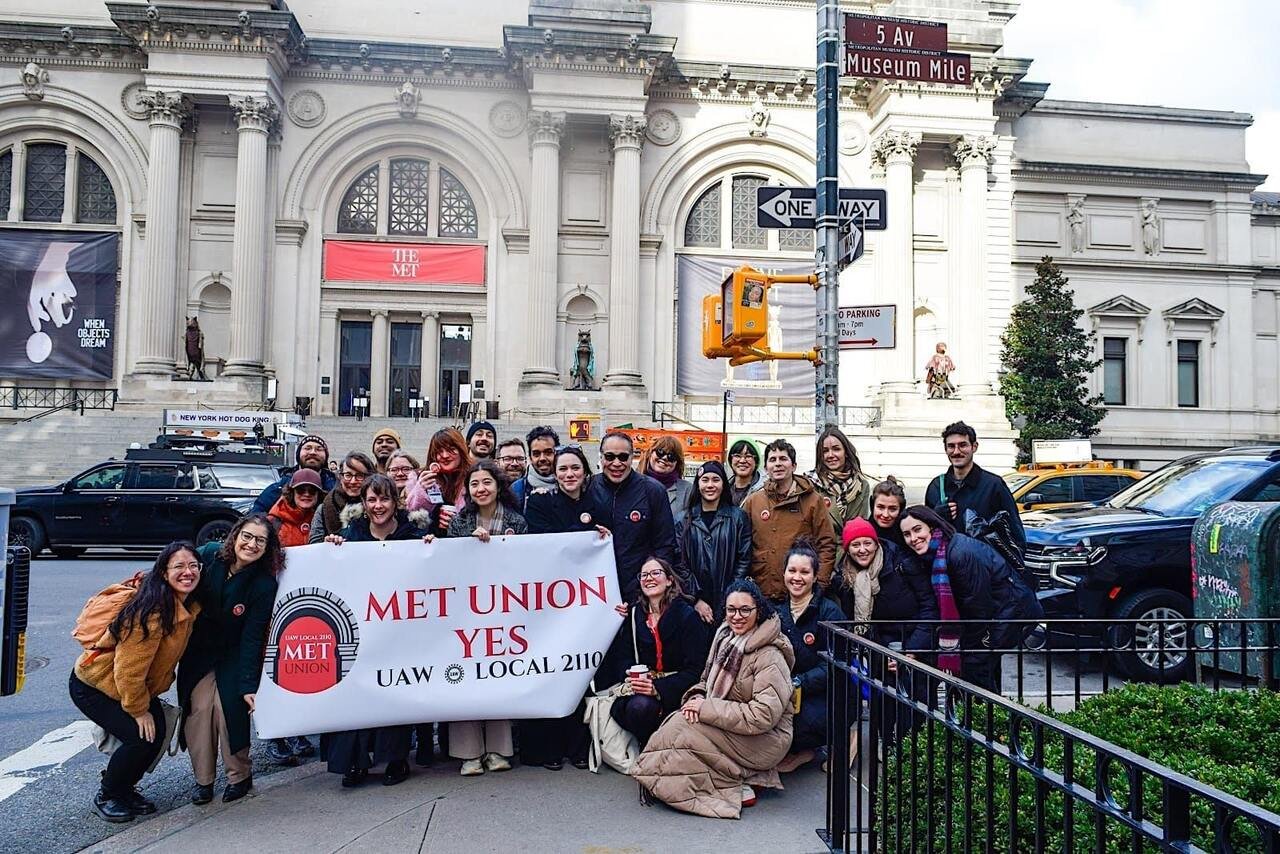
In mentioning these institutions, I am not drawing an analogy suggesting that media outlets exploit writers in the same way, since I recognize their vulnerability and precarity, too. What I mean, rather, is that we all exist within a system in which, despite the precarity of cultural media editorial offices, the position of the critic is further marginalized by the heads of large institutions who hold a certain authority. This marginalization is not always overt. It operates through the slow accumulation of small signals: whose invitations arrive, whose names appear on panels, whose texts are shared by institutional accounts – and whose are not. The critic who asks uncomfortable questions does not necessarily face direct punishment; more often, they simply cease to be included. The corridor of access narrows quietly, without announcement. And because the critic depends on access – to exhibitions, to artists, to the informal conversations that make cultural writing possible – this structural exclusion is experienced not as censorship but as personal failure, as proof that one has said something wrong rather than something true.
What interests me most in this text is why we sometimes cannot afford to be critical. Beyond the financial resource – which such work does not generate enough to cover basic needs – there is also social capital, which we risk losing or strengthening depending on the audience’s reaction to our texts. Consensus serves the function of preserving connections – but is disagreement capable of the same? As an editor, I have observed the process of digital consolidation around one subversive text or another, about which the editorial board might have been uncertain. At the same time, on a personal level, social capital does not always convert into financial capital; despite visible support, the symbolic capital of the institutions targeted by the statement rarely suffers commensurate losses.
Oksana Forostyna – a Ukrainian essayist and cultural critic – recently wrote about the price we have paid for self-censorship: “In our desire to protect victims and heroes, we have imposed so many self-restrictions on our conversations, our thinking, and our capacity for reflection that we didn’t even notice how discussions, which were until recently incredibly interesting and deep, began to turn into a group repetition of the permissible.” She writes about a public sphere that, contrary to our declarations of agency, continues to reproduce a status of eternal victimhood for Ukrainian society – the very same status we so readily criticize in our Polish neighbors when we see it in them. This is likely a challenge for many decolonized communities, or those in the process of decolonization. Detroit-based curator and writer Taylor Renee Aldridge describes a similar trap in her epistolary essay written with Jessica Lynne, “This Is How You Tell the Truth”: as a critic who thinks of criticism as an “act of love,” she faces fear – the fear of becoming an outcast in her own environment for daring to disagree. This fear is especially acute in communities undergoing decolonization: when cultural product is scarce, when every institution and every platform seems irreplaceable, internal criticism is easily reframed as betrayal rather than as a sign of a field’s maturity. She poses a question that echoes our own: who among us has the right to criticize? Who can speak, and who is punished for it? Where exactly does that punishment reside – in relationships, in reputation, in the body? For Aldridge, the answer lies in the Black Feminist tradition: criticism that refuses silence is an act of survival and love simultaneously. “An irredeemable silence,” she writes, “may cost a practice, and may compromise” – an irredeemable silence may cost more than any uncomfortable word. This thought seems vital beyond any specific context: silence is not a neutral position.
I am speaking of a more specific, though no less painful, problem – namely, how this general self-censorship materializes at one particular point: in our inability to publicly discuss the foundations upon which Ukraine’s leading private cultural institutions exist, and whose capital finances them.
“There Are So Few of Us” — And So What?
PinchukArtCentre (PAC) is Ukraine’s largest and most internationally recognized private art institution. PAC is located in the heart of Kyiv and positions itself as an open, progressive, and internationally-oriented art environment. It hosts exhibitions with global stars – Damien Hirst, Jeff Koons, Takashi Murakami – while simultaneously supporting young Ukrainian artists through the PinchukArtPrize, one of the few regular and well-funded platforms for presenting contemporary Ukrainian art in an international context. During the full-scale invasion, PAC has continued its work, evacuated part of its team, supported artists, and participated in the Venice Biennale. By any external metric, it is an important and functional institution. And yet it is precisely this gap – between the external image and the internal conditions that make it possible – that this essay is concerned with.
PAC was founded in 2006 by Viktor Pinchuk, one of the country’s wealthiest individuals. Until 2022, Pinchuk also maintained business and personal ties with russia, and his international forum, Yalta European Strategy (YES), invited both pro-Ukrainian and pro-russian speakers, positioning itself as a platform for dialogue. Viktor Pinchuk is also the son-in-law of former President Leonid Kuchma, an entrepreneur whose fortune was built during the privatization processes of the 1990s through the concentration of state resources at the hands of those connected to power. Kuchma is the president whom the “Melnychenko tapes” linked to the 2000 murder of journalist Georgiy Gongadze: the perpetrator was sentenced to life, and the order was officially attributed to then-Minister of Internal Affairs Yuriy Kravchenko, but the masterminds have never been legally established. The case remains open after more than a quarter-century. After leaving power, Kuchma settled in his son-in-law’s villa in Monaco. These facts are well known in Ukraine, but in public art discourse they rarely appear in connection with PAC.
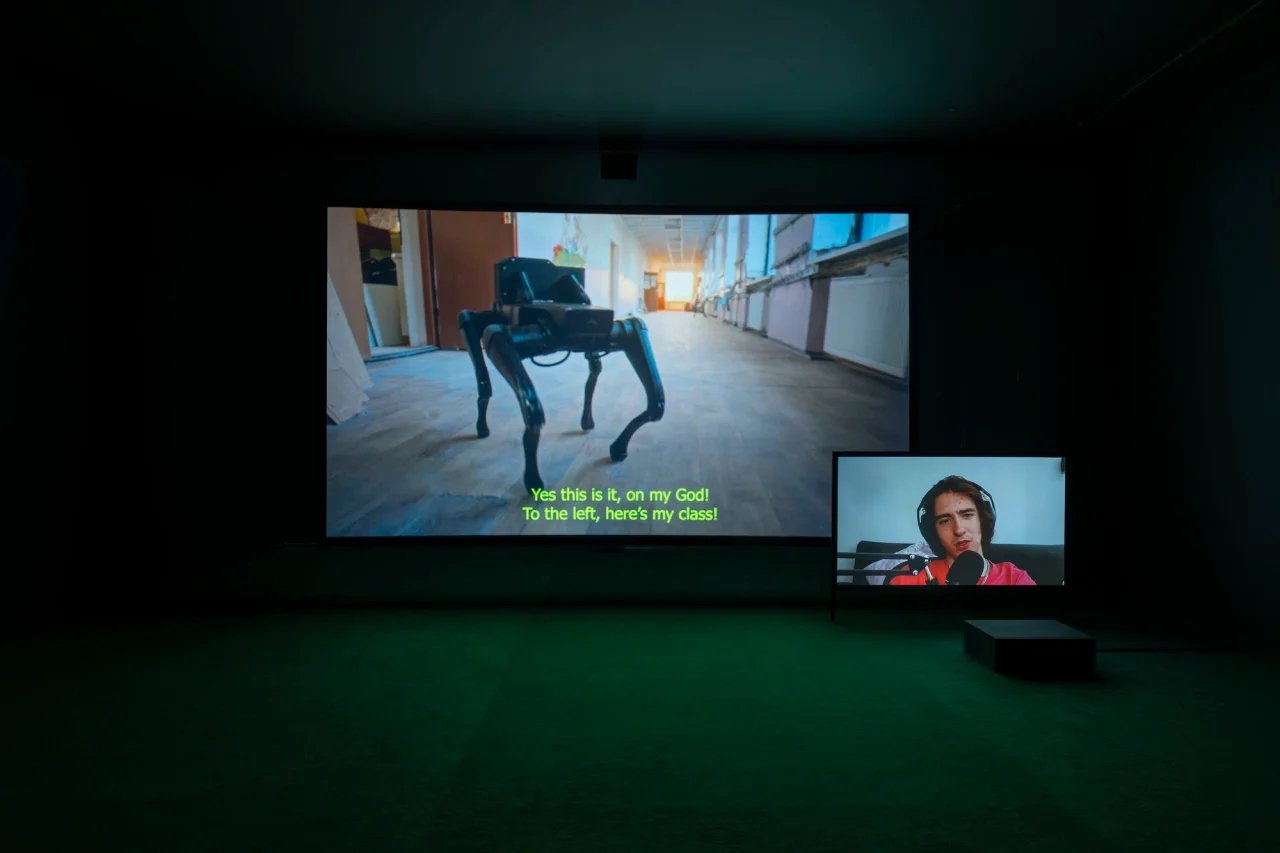
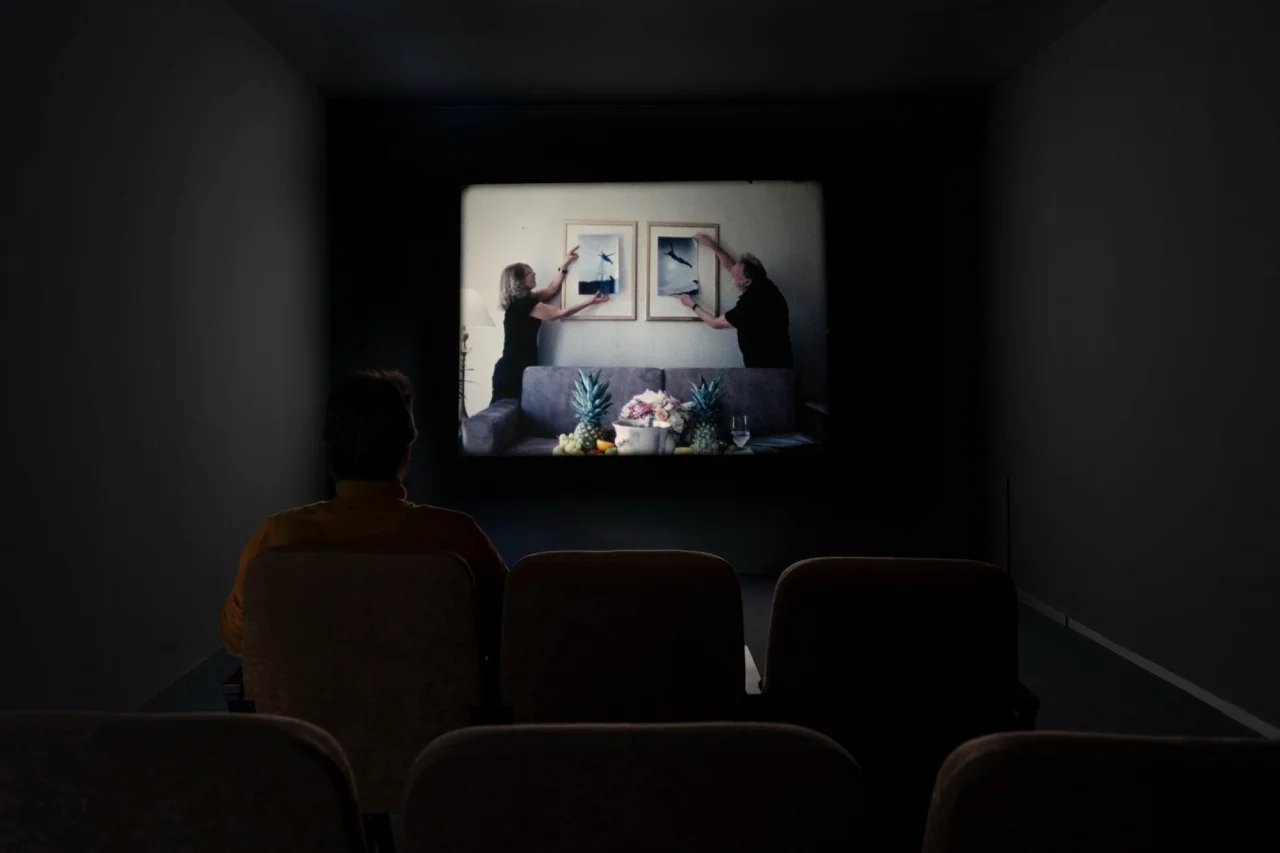
On several occasions and across various platforms, I have heard variations of the same argument from the heads of leading Ukrainian cultural institutions: there are too few of us to afford internal criticism. The art scene of wartime Ukraine is a narrow corridor of opportunities, and every public accusation leveled at “one’s own” narrows that corridor even further. Borys Filonenko, in his 2025 year-end review, noted that while at the beginning of the year one could celebrate the demand for critical discourse in Ukrainian cultural and artistic circles, by the end it turned out that the public had a much greater appetite for the gigantism of projects led by neo-colonizing institutions.
It is nonsense to believe that large neoliberal institutions will suffer in any way from a critical remark. By contrast, the silence of critics is a very tangible loss for discourse itself. The Belgian democratic theorist Chantal Mouffe distinguishes between two things we often conflate: “politics” as the routine management of institutions, and “the political” as the fundamental dimension of any social order built on relations of power and exclusion. Every hegemony, according to Mouffe, emerges not naturally or rationally, but through specific practices that fix certain positions as “normal,” pushing others to the margins of the unutterable. Modern capitalism relies increasingly on semiotic techniques of reproducing hegemony, which places cultural institutions at a strategic point in this process. An art institution is not a neutral site: it either reproduces the existing order or challenges it. When a community agrees not to ask questions about the foundations of an institution’s existence, it chooses the former, even if it sincerely believes it is choosing neutrality. If democratic spaces suppress conflict for the sake of an illusory consensus, the displaced disagreement finds an exit in other, less democratic forms. If we do not articulate the conflict internally, it exists regardless – uncontained, hidden, and therefore more vulnerable to manipulation. One such form is the rhizomatic format of Telegram channels, where the author’s identity is not clearly articulated and is thus protected from accountability. The rhizomatic structure has real advantages over the hierarchical: it is more resilient to centralized pressure, provides space for voices that don’t fit editorial policies, and allows criticism to exist even when institutional platforms for it are closed. But agonistic struggle requires not just a multiplicity of voices, but a public space where this multiplicity is heard as a force, not just as noise. Telegram channels lower the threshold for speaking, and more gets said. But volume is not the same as force. An institution can ignore an anonymous channel with far greater ease than a signed essay. Anonymity produces more words, not more pressure that changes the conditions under which institutions operate.
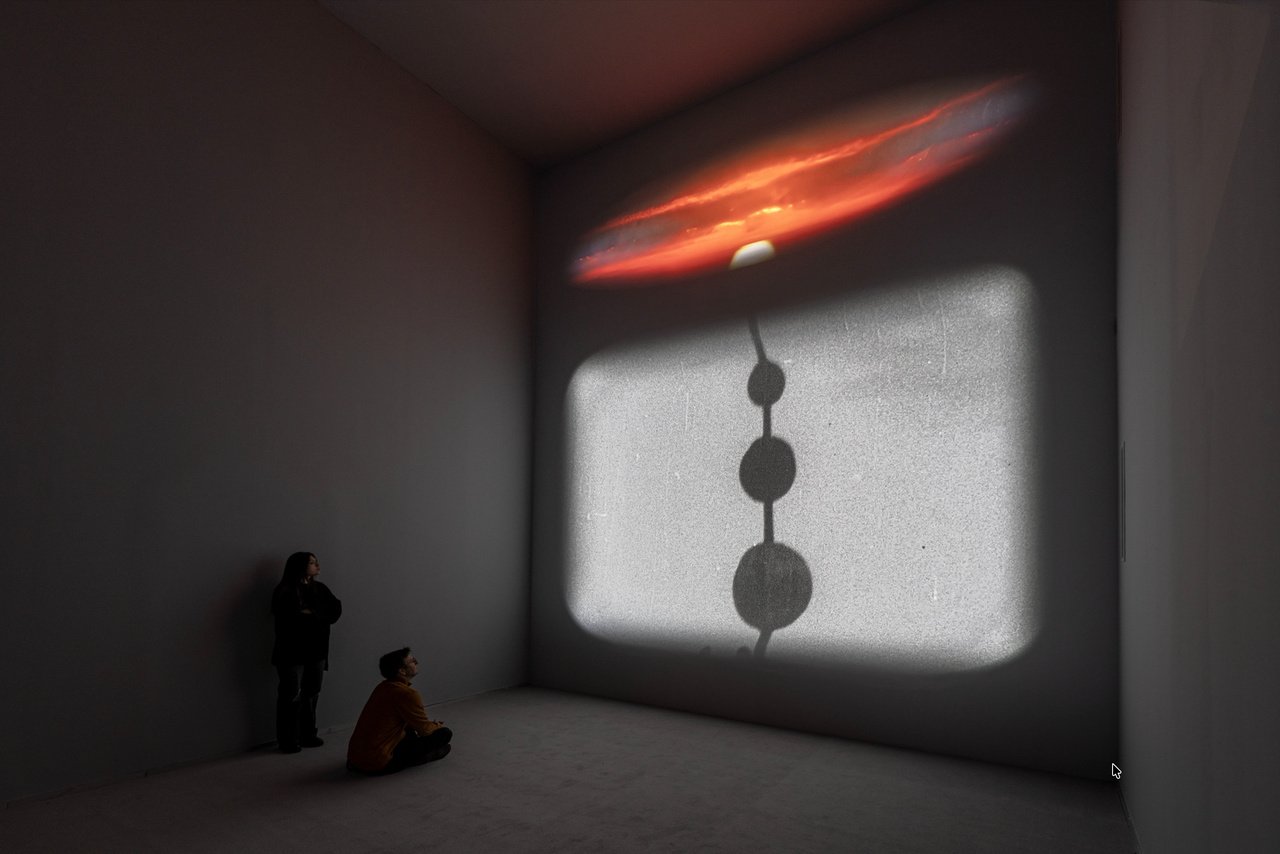
The Mechanics of Shifting Responsibility
PAC Artistic Director Björn Geldhof – a Belgian with extensive experience in Eastern Europe – in an interview with Ukrainian artist Olha Stein, speaks about how easy it is to be in the position of a critic, but how difficult it is to do what an institution belonging to Pinchuk does. Furthermore, Geldhof notes: PAC is not just Pinchuk; it is also the curators, managers, and the team of people who do the real work every day. That is true. But the role of managers – whose labor is perhaps less visible and less “curatorial” than the development of conceptual statements – ensures the maintenance of the entire institution. Yet their names are never highlighted like those of the curators when PAC receives international recognition. Conversely, when the question of responsibility arises, it becomes: “PAC is all of us together.” This redistribution – bottom-up in moments of success, spread wide in moments of criticism – is not unique to the art world. It is a standard corporate strategy, recognizable from any large organization that needs to diffuse accountability while concentrating prestige. What makes it particularly effective in the art community is the specific currency at stake. Artists do not only depend on institutions for money, but also for visibility, legitimacy, and the social networks that determine whose work gets seen internationally. When an institution can imply that criticizing it means criticizing the artists it has supported – and, by extension, undermining those artists’ hard-won recognition – the mechanism becomes almost impossible to challenge from within. The shield is made of people who have the most to lose.
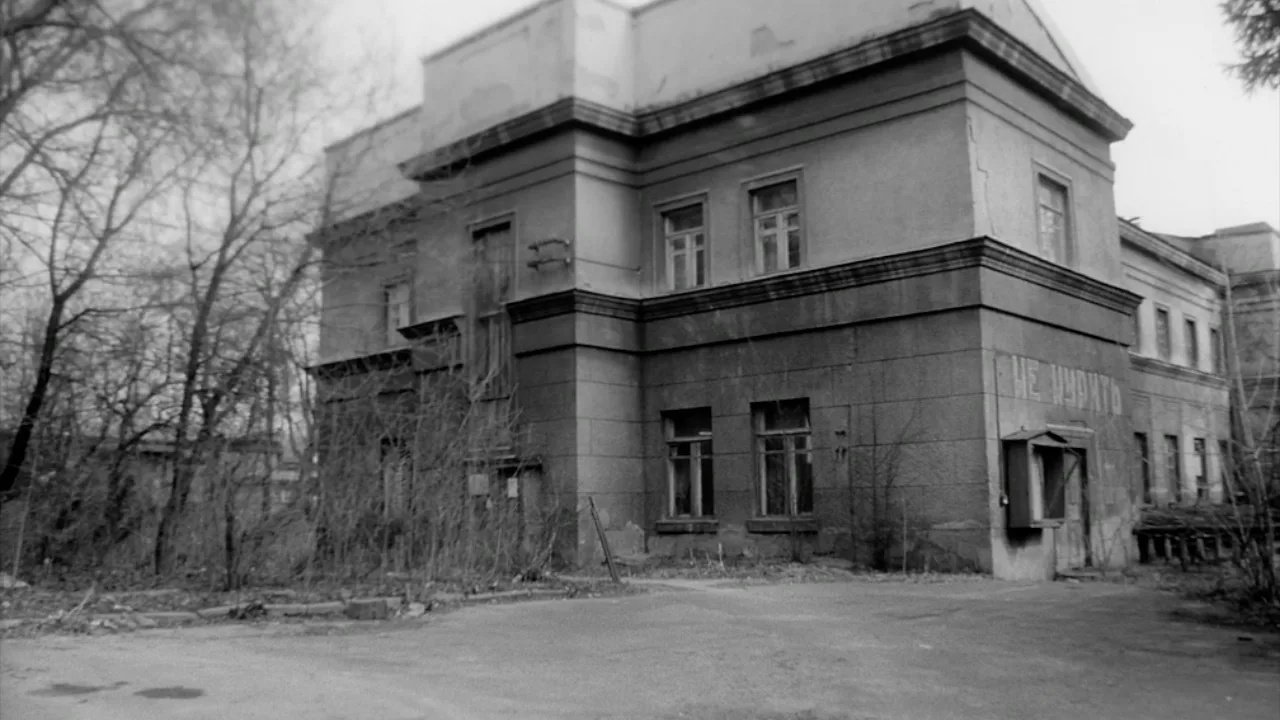
As Mark Fisher writes: “In making [an action] the responsibility of ‘everyone’, structure contracts out its responsibility […], by itself receding into invisibility.” This mechanism can also be described through what Judith Butler calls the process of responsibilization: the delegation of responsibility to subjects in such a way that they become its primary carriers, while the structure that produces the conditions of action remains beyond the zone of criticism. The subject is formed as the one who must answer, even if they have no real access to the conditions that define the situation.
In his interview, Geldhof extrapolates institutional responsibility onto the artists who have exhibited at the art center or were nominated for the PinchukArtPrize. This is what keeps part of my circle from leveling any accusations at PAC, even in private conversation. If a real choice existed – in the form of financially viable independent spaces or platforms with state grant funding – I am certain the number of applicants for the PinchukArtPrize would be smaller. But such an alternative does not exist, or if it does, it is catastrophically small. Therefore, the artists who exhibit at PAC are making a rational choice within an irrational system, and it is this irrational system that needs to be the subject of criticism, not their personal decisions. One example revealing this power dynamic is Oleksiy Minko’s text on the funding of a project to digitize the film archives by RIBBON International, an NGO supporting Ukrainian art and culture. He criticizes not the project’s curators for using the resources of oligarch Erik Shmidt, but the major cultural institutions in Ukraine that should have supported the archiving but instead ignored neo-colonial processes in the cultural field. By neo-colonial processes, I refer to the delegation of state functions – specifically the preservation of historical memory to private foreign capital. When a national archive is rescued by a private foundation rather than the state, that foundation acquires a form of intellectual ownership over the archive. This constitutes a mode of soft cultural colonization mediated by financial power. However, I am not certain that after his text, Oleksiy or the project’s curators did not feel pressure from the donor, having taken the risk of allowing themselves to be critical. Perhaps only a person with nothing to lose – no social capital at stake – can afford to be critical?
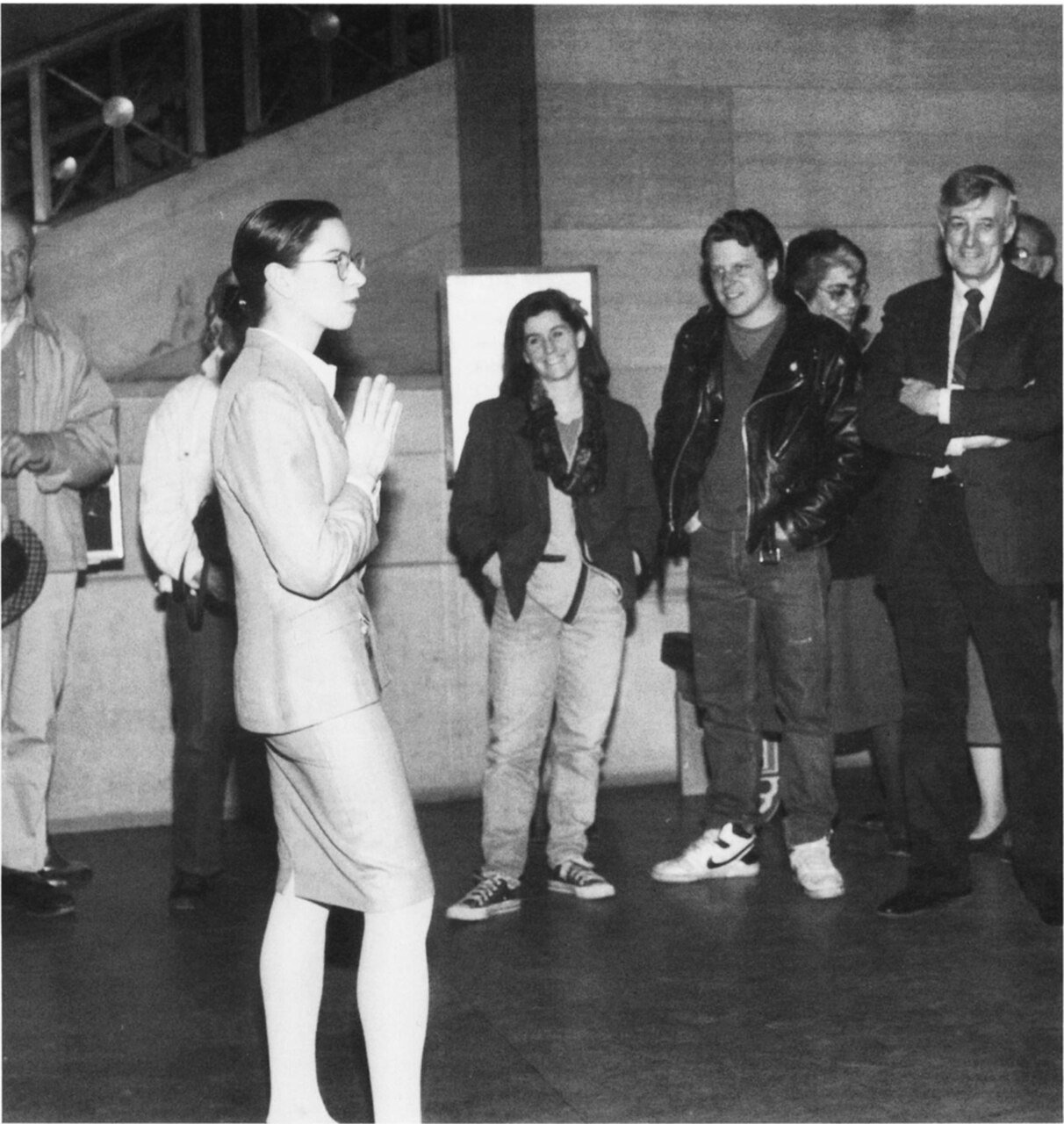
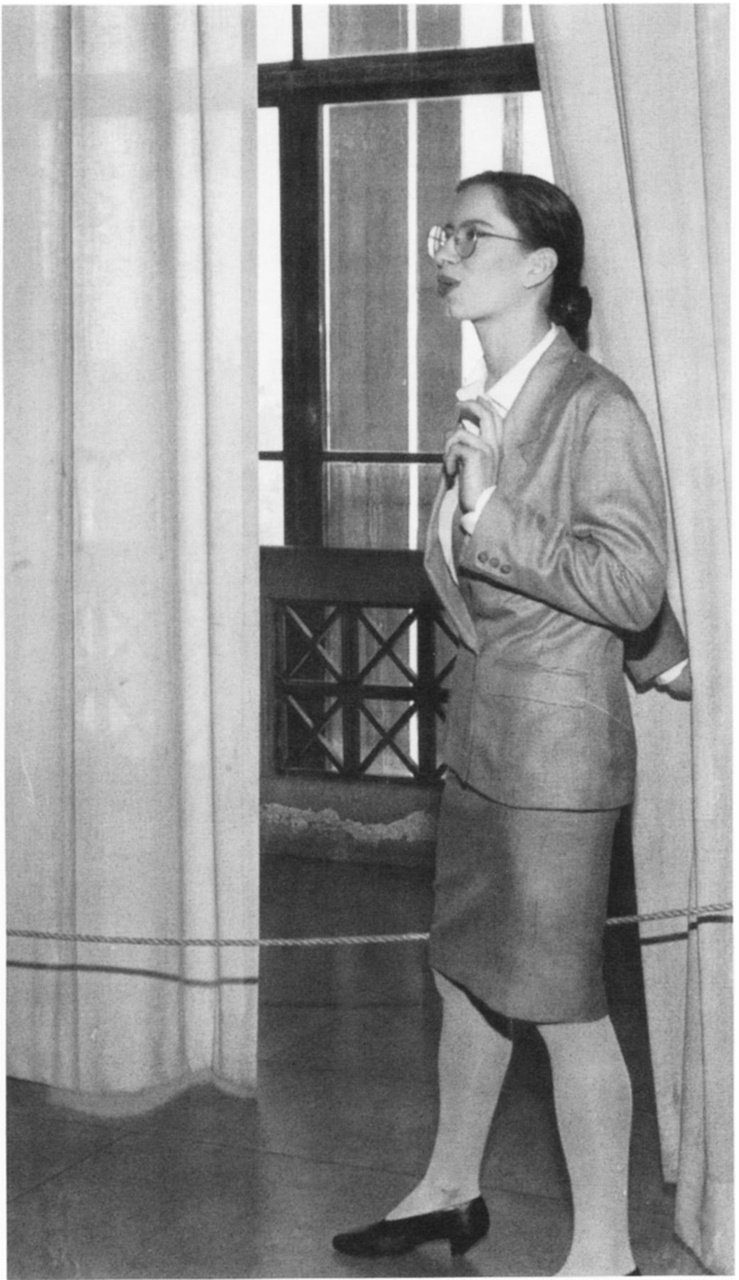
The devaluation of the critic’s role is not a Ukrainian peculiarity. It is a systemic rhetoric of large institutions, reproduced with striking consistency on both sides of the ocean. Benjamin Buchloh, one of the most authoritative American art historians, identified the structural logic of this process in the early 2000s: “The judgment of the critic is voided by the curator’s organizational access to the apparatus of the culture industry – international biennials and group shows – or by the collector’s immediate access to the object in the market or at auction.” Then director of the Whitney Museum of American Art, Maxwell L. Anderson simply detoured around potentially judgmental critics: the institution did not engage with them in argument – it structurally excluded them. Artist and researcher Andrea Fraser, in a conversation with ArtReview, describes a mechanism that aligns precisely with Geldhof’s rhetoric: institutions publicly declare the autonomy and criticality of art while simultaneously suppressing any implication in economic and political interests. Criticism becomes possible only in the form of “purely discursive formulations” that are never applied to the economic conditions of the very works they purport to analyze. Such critics de facto become part of the system’s justification rather than its contestation. Fraser herself acknowledges her own complicity in this contradiction – in a programmatic essay for Artforum: “If there is no outside for us, it is not because the institution is perfectly closed. It is because the institution is inside of us.”
Why Oligarchs Need Art
In 2020, researchers from the Anti-Corruption Data Collective (ACDC) released a database that revealed a striking picture: seven oligarchs directly linked to interference in American politics donated over $400 million to more than 200 prestigious American non-profit organizations over two decades. Recipients included MoMA and the Guggenheim in New York, the Kennedy Center in Washington, and Harvard and MIT in Boston. A large portion of this money came from individuals with proven ties to the Kremlin. Vladimir Potanin, an oligarch linked to Putin, sat on the board of directors of the Guggenheim for nearly twenty years and donated $6.5 million to the Kennedy Center, which even featured a “russian lounge.” He voluntarily left the board after the full-scale invasion in 2022.
Putin has consciously and continuously used the “soft power” of cultural diplomacy. According to the New York Times, oligarch-patrons were not merely indulging personal tastes, but have been serving a broader strategy of shaping a positive image of imperialist russia in the West, while simultaneously gaining access to influential American and British elites. As former US National Security Council advisor Michael Carpenter explained, this access could be used for both personal business interests and the realization of the Kremlin’s agenda.
Regardless of the donor’s nationality, the mechanism is the same. Researchers describe reputational laundering through art as a multi-level process. The first level is symbolic: sponsorship transforms a controversial or scandalous figure into a “benefactor” and “patron of culture,” granting them a status that is difficult to attack. The second level is legal and media-related: presence among respected institutions complicates critical coverage, as threats of lawsuits carry more weight when the plaintiff can position themselves as “an upstanding member of society,” in the words of ACDC researchers. The third and final level is structural: the community of artists, curators, and critics who benefit from this support becomes an involuntary shield because they now have something to lose.
Leon Black, long-time chairman of the board of MoMA, and one of the world’s most influential collectors, paid at least $158 million to convicted sex offender Jeffrey Epstein between 2012 and 2017 for “tax and financial advice.” After the ties to Epstein became public in 2021, over 150 artists signed an open letter demanding his resignation. Black left the chairmanship but remained on the board. Similarly, Epstein was a board member of the New York Academy of Art from 1987 to 1994. In 2013, he was invited to sponsor a scholarship: the donor had the right to personally review students’ portfolios and choose whose work he wanted as a gift. In 2025–2026, the US Department of Justice released approximately three million documents related to Epstein; among the new names was Jack Lang, former French Minister of Culture and President of the Institute of the Arab World in Paris, who maintained regular contact with Epstein and turned to him with personal requests.
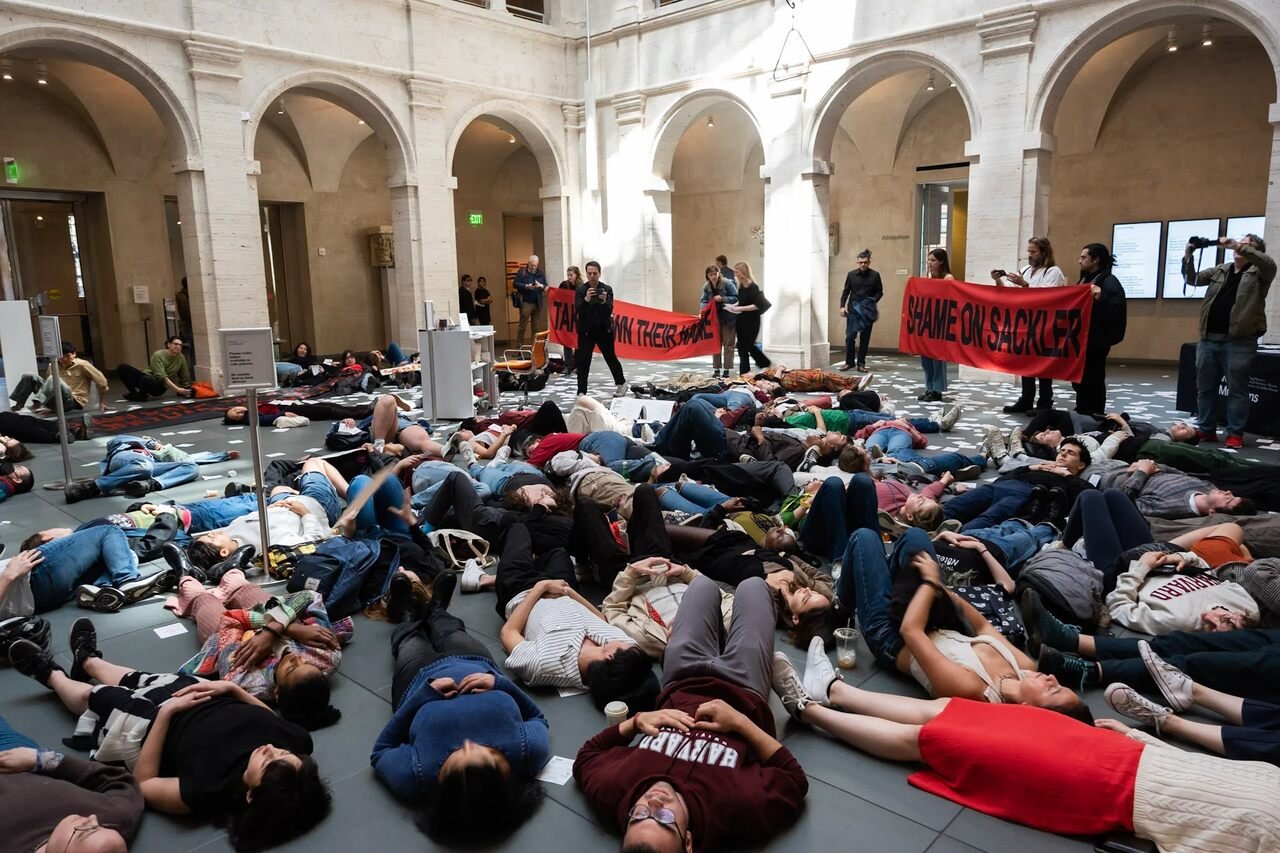
Cultural capital accumulated through art is extraordinarily resilient. It survives scandals and even changes in government. Even after courts established Purdue Pharma’s responsibility for the opioid crisis and the Sackler family agreed to pay up to $6 billion in compensation, some museums continued to keep their name on their walls. The most striking example of breaking this silence is the campaign led by artist Nan Goldin and her group P.A.I.N. (Prescription Addiction Intervention Now). By staging high-profile “die-ins” at the Metropolitan Museum of Art and threatening to withdraw her work from major exhibitions, Goldin proved that an artist’s moral authority could override an oligarch’s financial influence. Her activism transformed the Sackler name from a prestigious mark of patronage into a toxic liability, eventually forcing the Met, the Guggenheim, the Louvre, Tate Modern, and London’s Serpentine Galleries to strip the family’s name from their walls. It was a rare victory where the symbolic capital of the creator effectively dismantled the reputational laundering of the donor. Tellingly, parallel to the consolidation of private capital in the US, a dismantling of public funding for culture is occurring. In May 2025, the Trump administration proposed eliminating the National Endowment for the Arts (NEA) – and almost simultaneously canceled grants to hundreds of art institutions and organizations across the country. If one succeeds in co-opting intellectual, political, and cultural leaders simultaneously, it becomes significantly harder to stop any project promoted by the one holding the money. Capitalism systemically produces a concentration of resources, and this concentration systemically seeks legitimacy through charity, patronage, and cultural institutions. Democratic institutions slow down and partially regulate this process, but they do not abolish it. In fact, these institutions are increasingly punished for their regulatory attempts; when they dare to exercise their critical mandate, they face systematic dismantling or defunding.
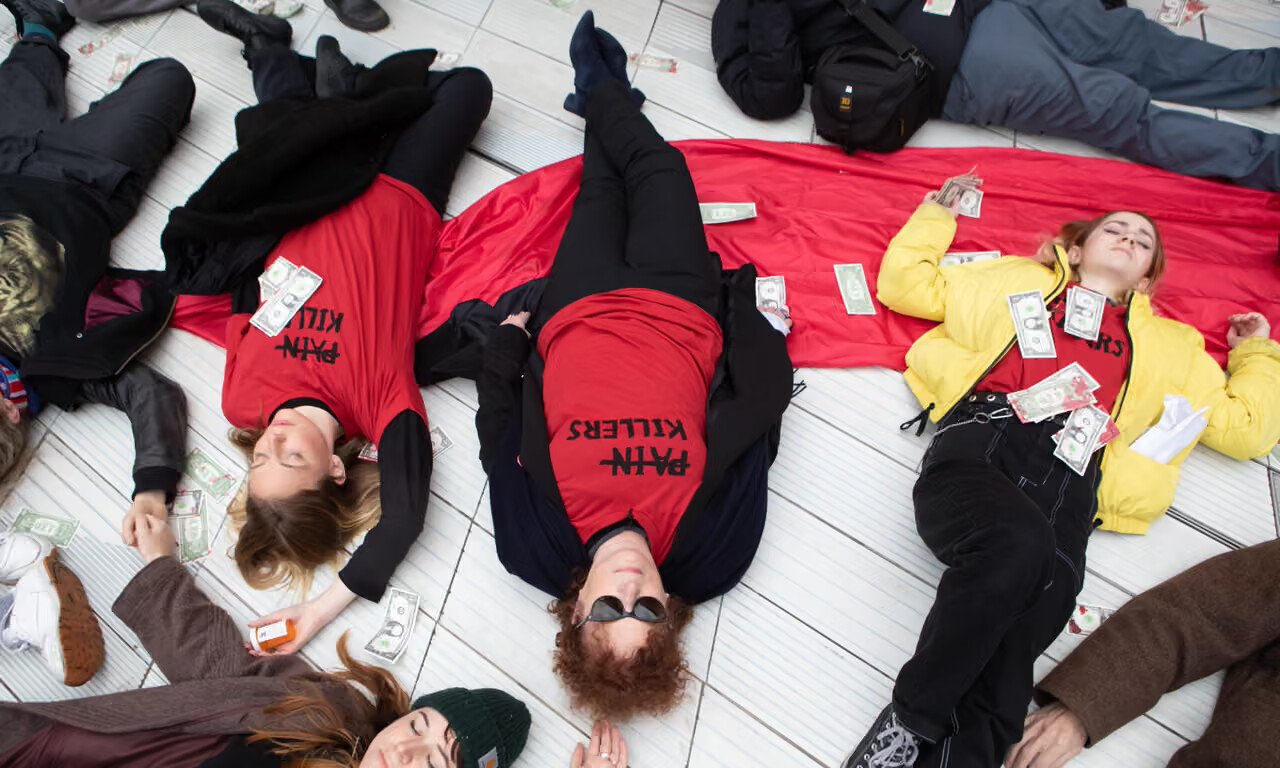
Under liberal capitalism, censorship is exercised through funding. When platforms for young artists belong to a person with an ambiguous biography, and criticism of this fact threatens exclusion from that platform – that is censorship. The market replaces prohibition with economic inexpediency and symbolic violence: say whatever you want – but it will come at the cost of grants, exhibitions, commissions, and invitations.
I suspect that writing this text is partly an inertial gesture – activist work might be more productive. Perhaps the question is not who can afford to be critical, but what exactly this expression allows: what practices it brings into the field and what their durability is in the face of neoliberal capitalism and oligarchic institutions. This practice almost always embodies precarity and, in the view of its critics – particularly institutions like PinchukArtCentre – double standards and hypocrisy. Nevertheless, I would like to believe that it leaves behind something more enduring than the forms of vulnerability it may cause within the art community.
[1] In October 2019, around twenty mediators at PinchukArtCentre formed a union to address labor rights violations – including unpaid preparatory work between exhibitions and the inability to take sick leave. Shortly after the union submitted a formal letter to management, the center’s executive director informed the union’s head that their cooperation would end when the current exhibition closed. None of the union members were rehired for the following show. PAC denied any connection between the two events, stating it had decided to experiment with a different model, combining tours and audio guides. Two artists nominated for the PinchukArtPrize 2020 refused their nominations in solidarity with the mediators. A separate detail from the same period: prior to employment, mediators were required to fill out a nine-page form with detailed information about their relatives; according to the center’s HR staff, the data was collected for the institution’s internal security service. The case was documented by ArtLeaks and reported by the Kyiv Post.