
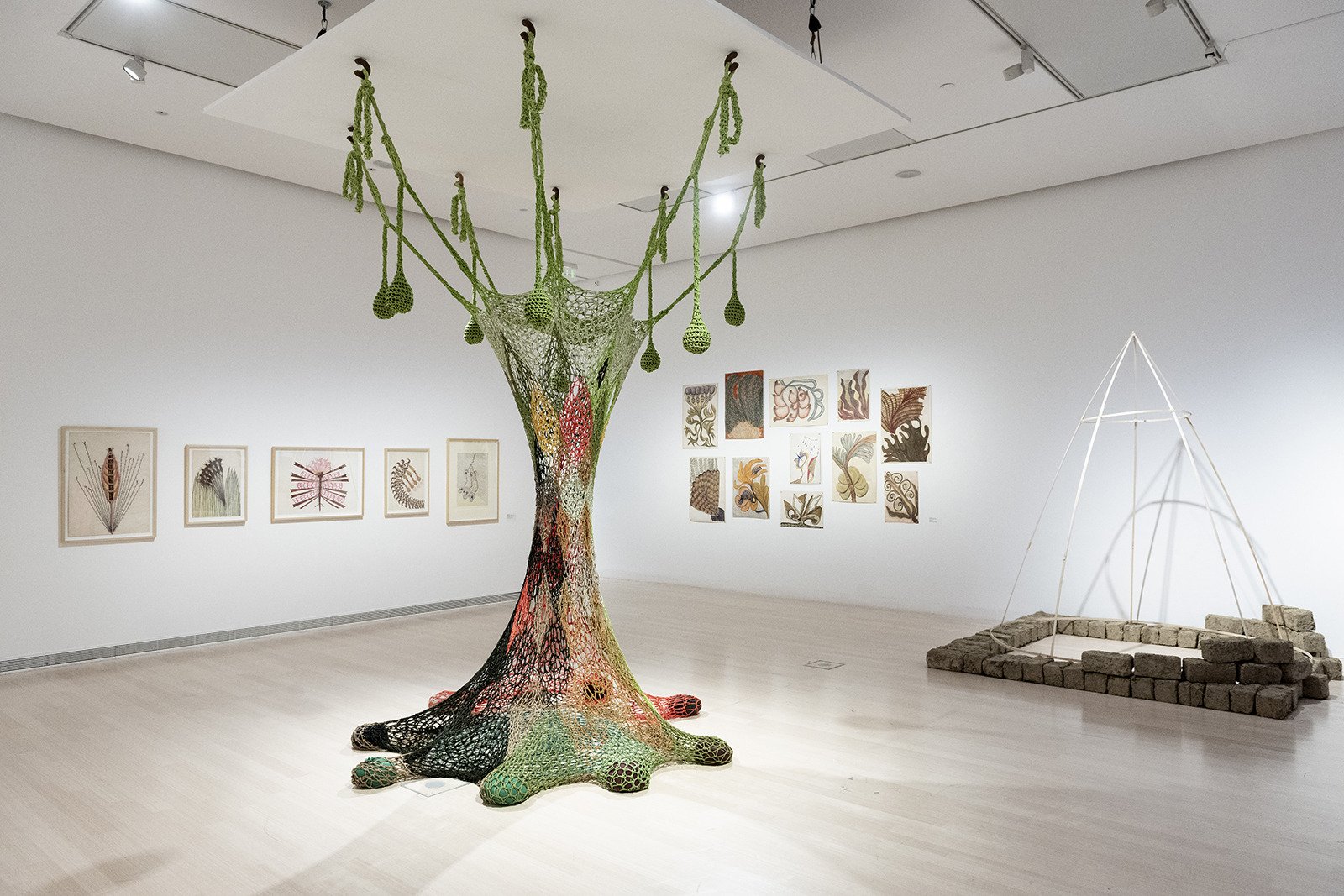
Teodora Talhoș
Is it possible to mend a society that has been divided and slowly but surely sliding down an illiberal and anti-democratic slope over the course of 16 years? Can there be any healing in a world torn apart by seemingly endless wars? Is there still a place for decolonial practices in cultural institutions marked by budget cuts, censorship, and a radical change in vision? Golden Repair, curated by Viktória Popovics and Rita Dabi-Farkas, which opened at the Ludwig Museum in Budapest in October 2025, poetically addresses these challenging questions through a variety of perspectives.
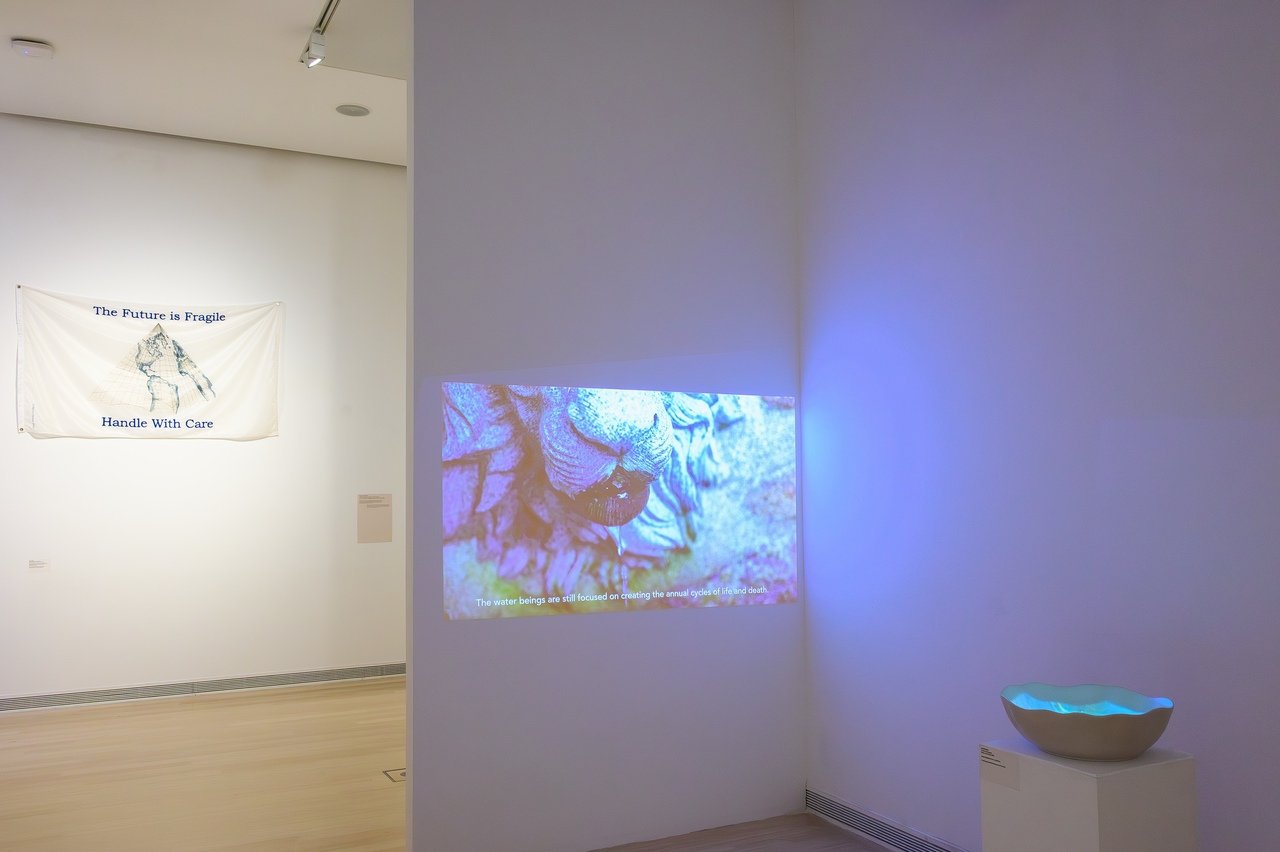
By bringing together local, Eastern European, and international artists who have an activist approach to their work, the show is a sequel to the acclaimed Handle With Care. In 2023, the exhibition sensitised the audience to difficult topics such as the vulnerability of people in need of care and the fragility of our ecosystems, while simultaneously highlighting the shortcomings of our social systems and their frequent failure to protect those most in need. While Golden Repair builds on these important topics, its activist impact is more subtle, with fewer artworks that directly challenge viewers’ worldviews.
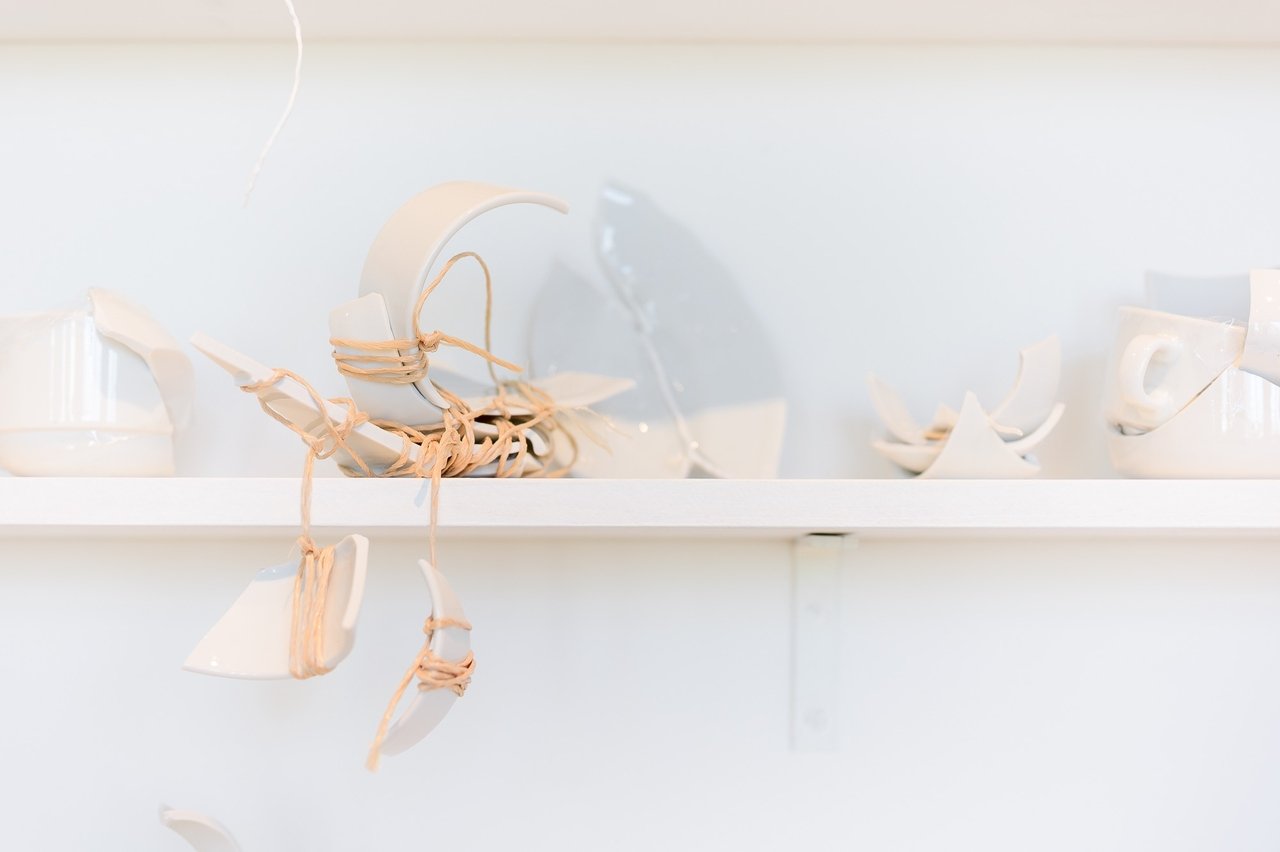
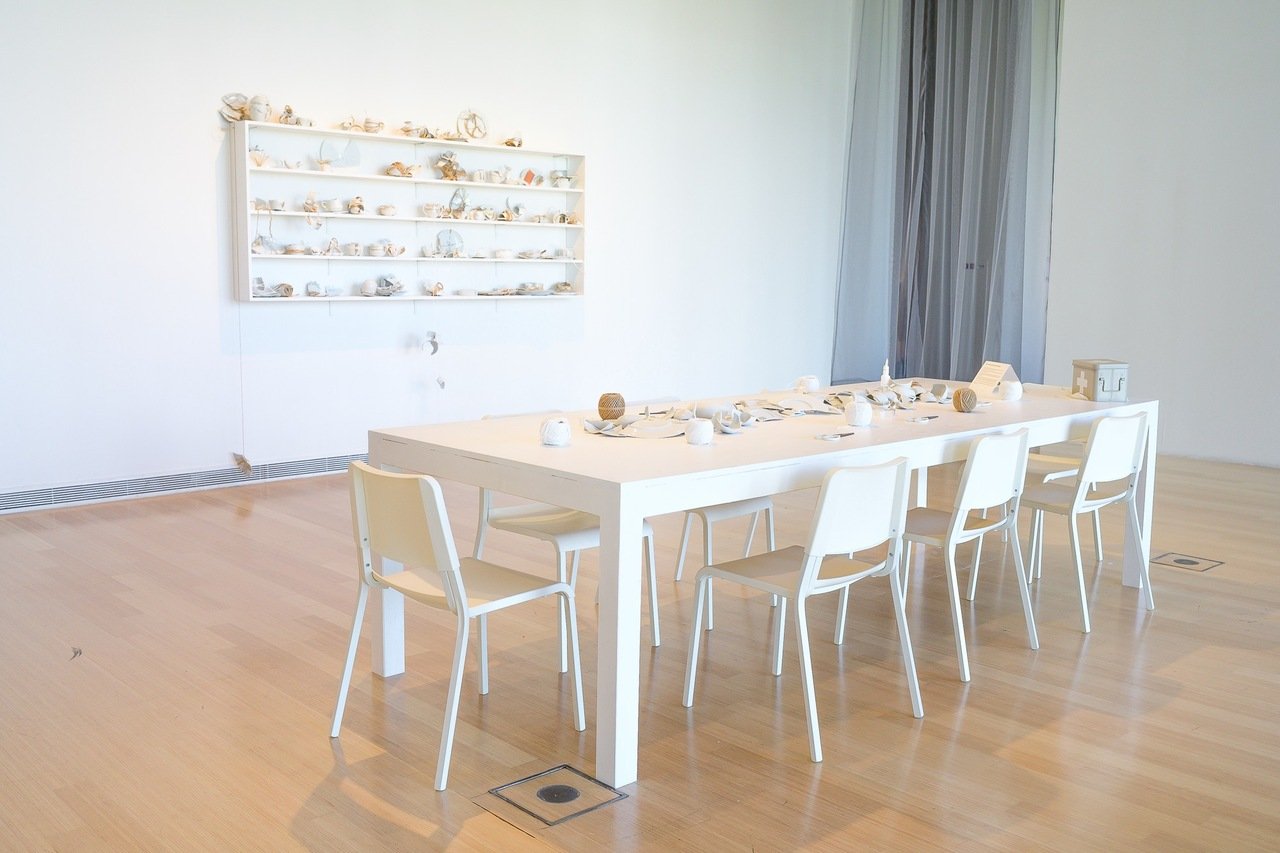
Referencing kintsugi, the traditional Japanese method of repairing broken objects by mending the pieces together with a mix of gold, silver or platinum, the exhibition begins with a critique of consumerism and the way people in the West are used to disposing of broken things instead of repairing them. While the Japanese method is popular due to its elegant aesthetic, the introduction also covers a lesser-known method specific to Central Europe: wiring. This method was used by “itinerant tinsmiths (Slovak tinkerers)”[1] to repair vessels and pottery by tying all the broken parts together with a wire. It was abandoned in the 1960’s, when mass produced objects encouraged people to buy new instead of repairing what’s broken. Western civilization moved towards an unsustainable lifestyle influenced by Capitalism. It is enough to consider how, after the fall of communism, most households threw away objects that reminded them of the totalitarian regime, including sturdy, high-quality furniture and household items. They preferred the cheap, new plastic versions from IKEA or other large retailers, even though they broke more quickly and had no emotional or historical significance. While one cannot condemn the urgent desire to get rid of an unpleasant past, it is puzzling how the new Western way of life was embraced immediately without question. As the curatorial text states, different cultures have different attitudes towards this topic: in non-Western societies, for example, scars and defects are considered important because they are evidence of history and suffering endured.
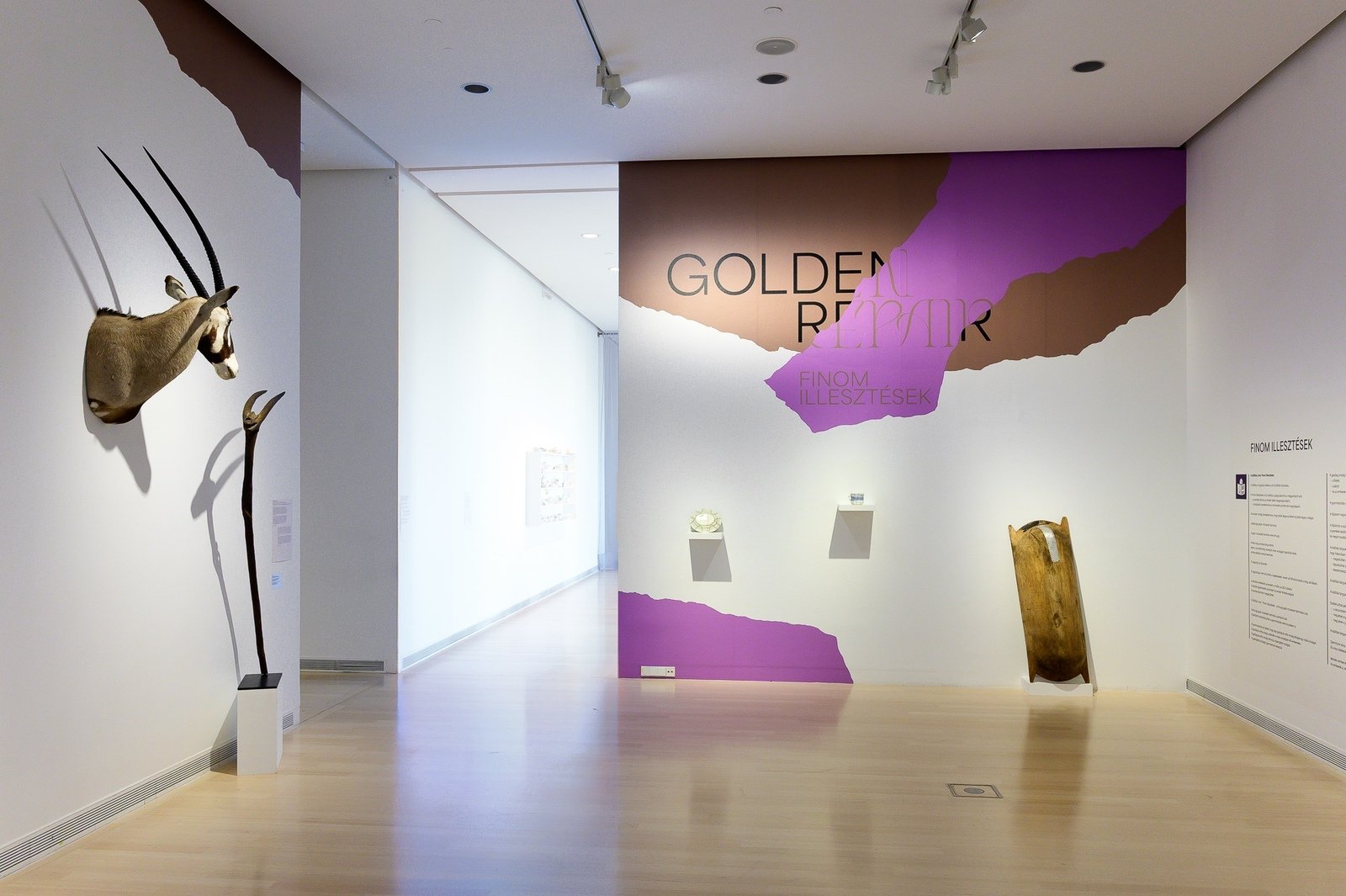
This idea is exemplified by Kader Attia’s work Cultures Are Following the Same Animal No.1 (2014), which consists of a stuffed antelope head and a tribal wooden antelope figurine. The artist, who has a French-Algerian background, based his practice on the concept of “decolonial repair.” In modern Western society, ruptures and injuries must disappear immediately, which is in opposition to the view of traditional societies, where one needs to take time for healing, and where the process of restoration becomes as important as the damage itself. According to the artist, modern societies have altered time by denying it. In his work, in which he views the body as a carrier of physical scars and history as a repository of civilizational scars, he seeks restoration through reappropriation.
The stuffed antelope, a symbol of power in Western societies, but also a symbol of man-made destruction of nature, faces the tribal object head on. The object encompasses indigenous animistic perspectives in harmony with nature. This questioning of established hierarchies and structures marks the beginning of the Golden Repair exhibition.
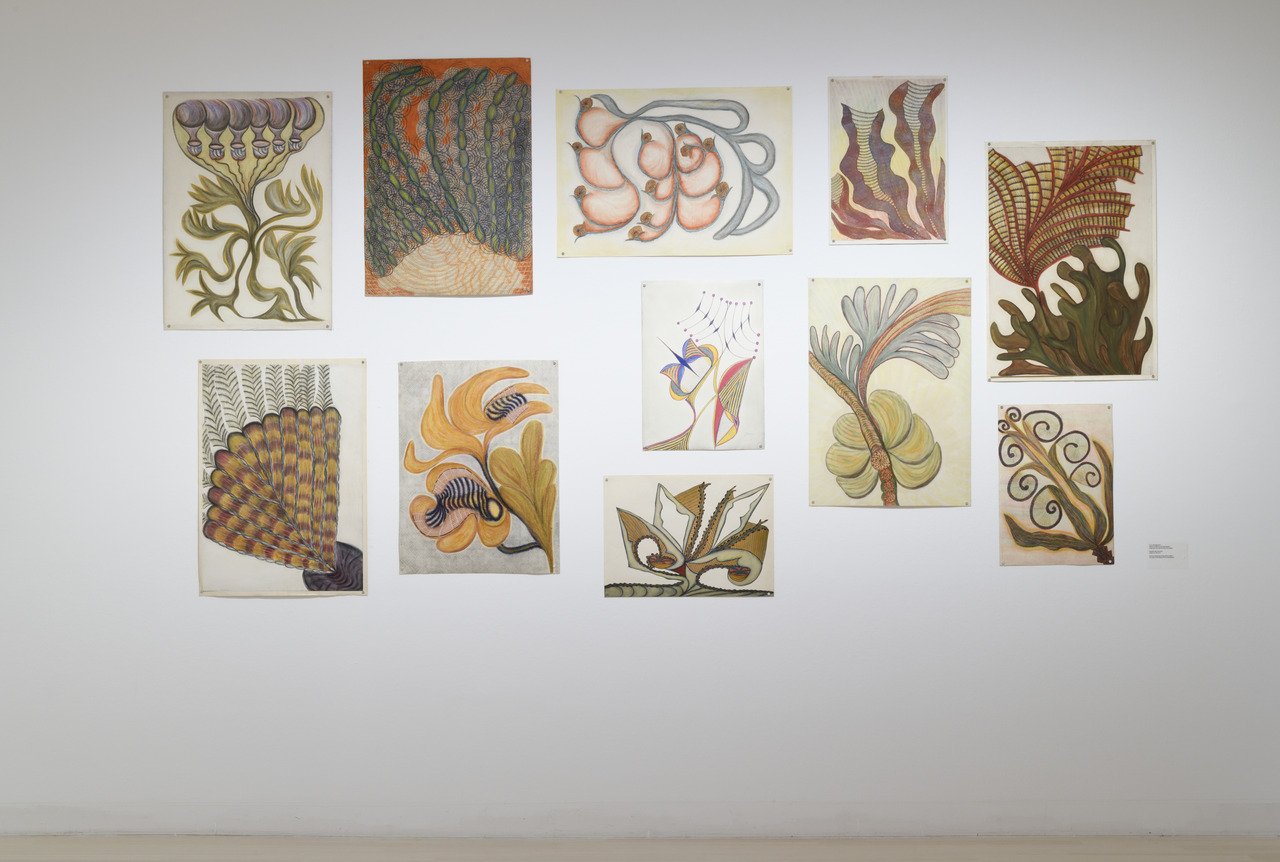
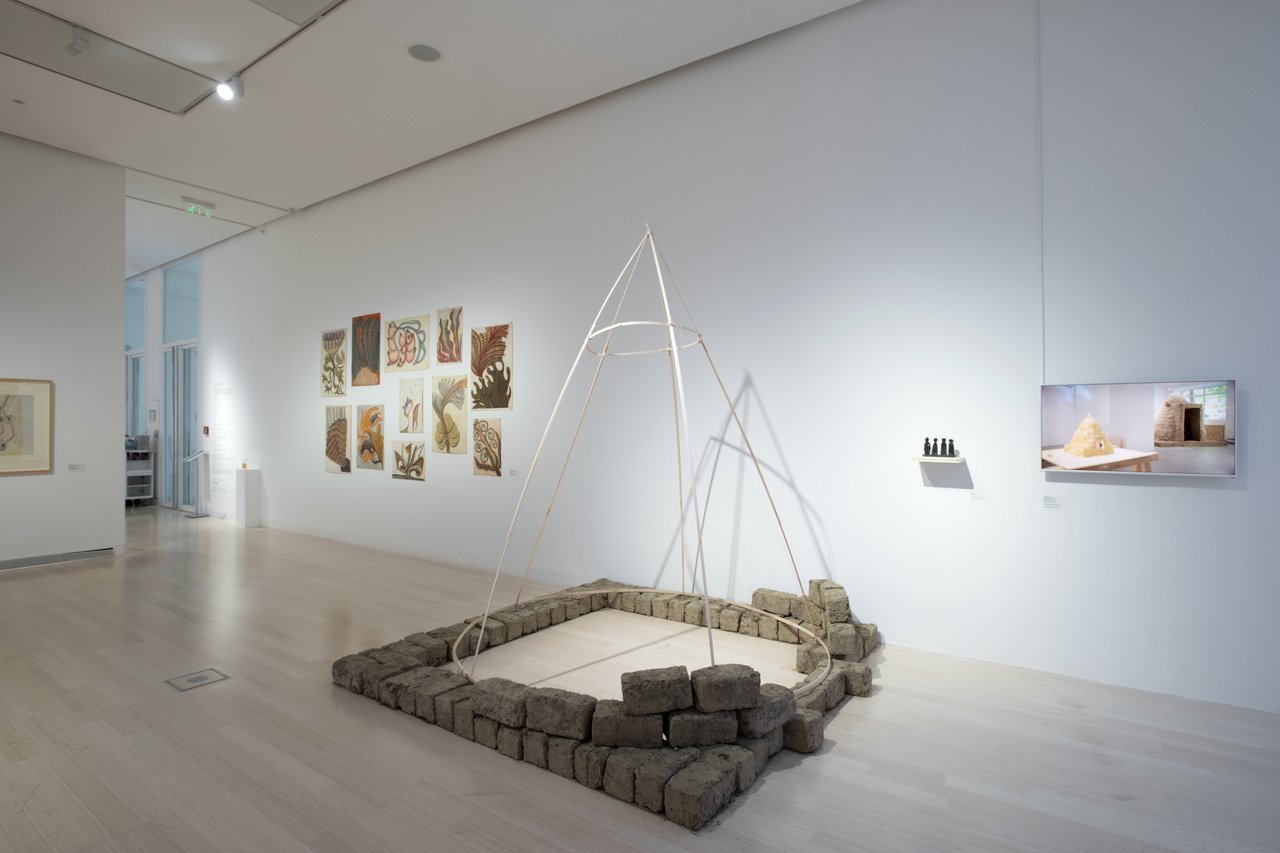
Right behind it, visitors will encounter the marvellous works of the self-taught artist Anna Zemánková. Her depictions of otherworldly plants and organisms occupy a whole wall, forming a strange herbarium that invites everyone to look closer and follow the complicated lines. Zemánková is sometimes classified as an outsider artist, but like many others who fall under this umbrella term, she defies such simplistic categorisation. Born in Moravia at the beginning of the 20th century, she had an interest in the arts from an early age, but it was not supported by her family. Instead, she pursued a career in dentistry. She later married an officer, stopped working, and had five children, one of whom died as a toddler. In her forties, Zemánková fell into depression and had to have both her legs amputated due to diabetes. After turning 50, she reconnected more profoundly with her artistic side, spontaneously producing drawings every day between 4 and 7 am. She said that she was “growing flowers that are not grown anywhere else.” The artist was posthumously applauded by the entire art world, with her work being included in two Venice Biennales. Zemánková’s life is a clear example of how art can heal, or at least bring solace and fulfilment even in the darkest moments. Her artworks never cease to impress with their timelessness and creativity, bringing joy to even the most uninitiated viewer.
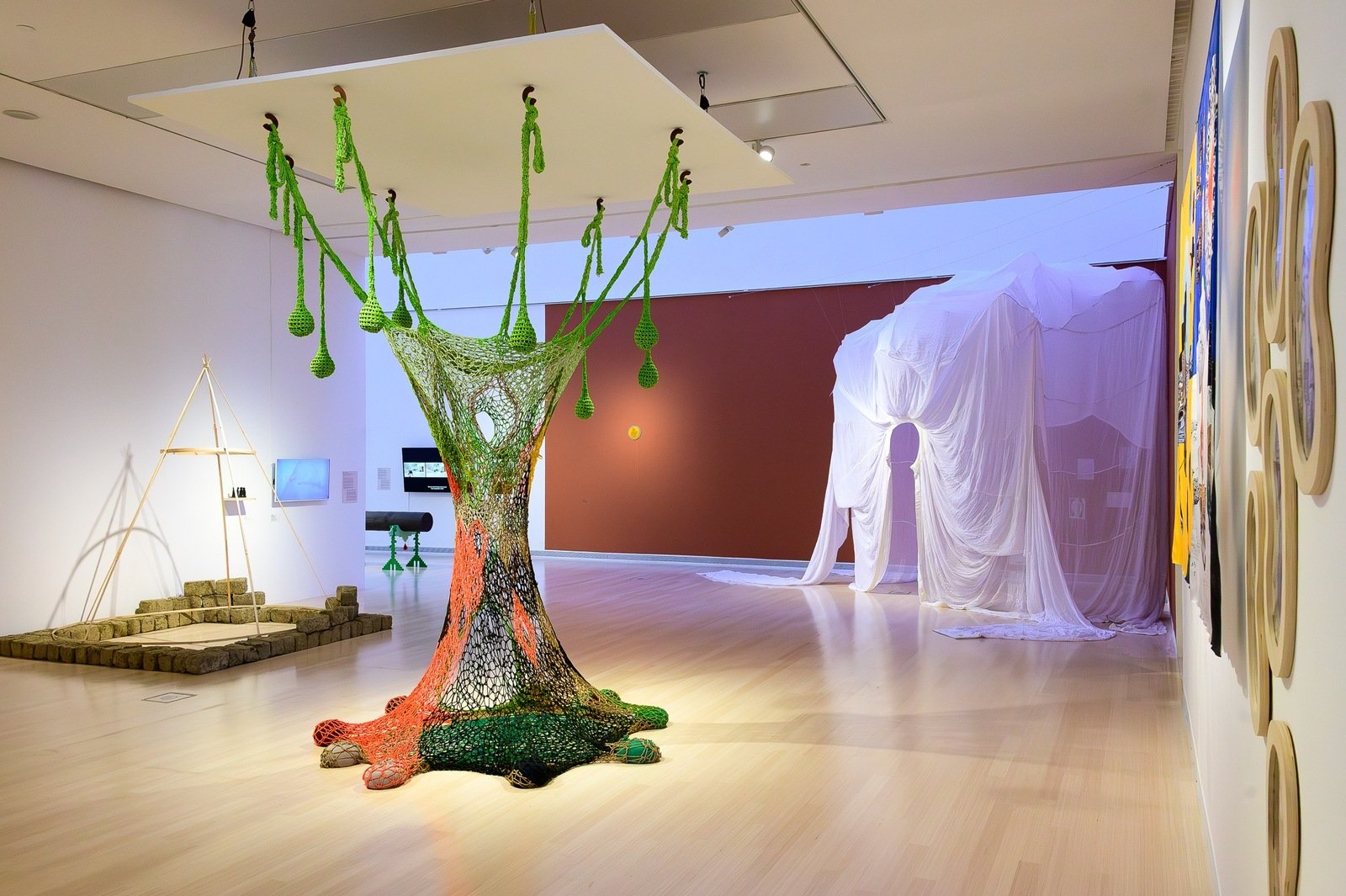
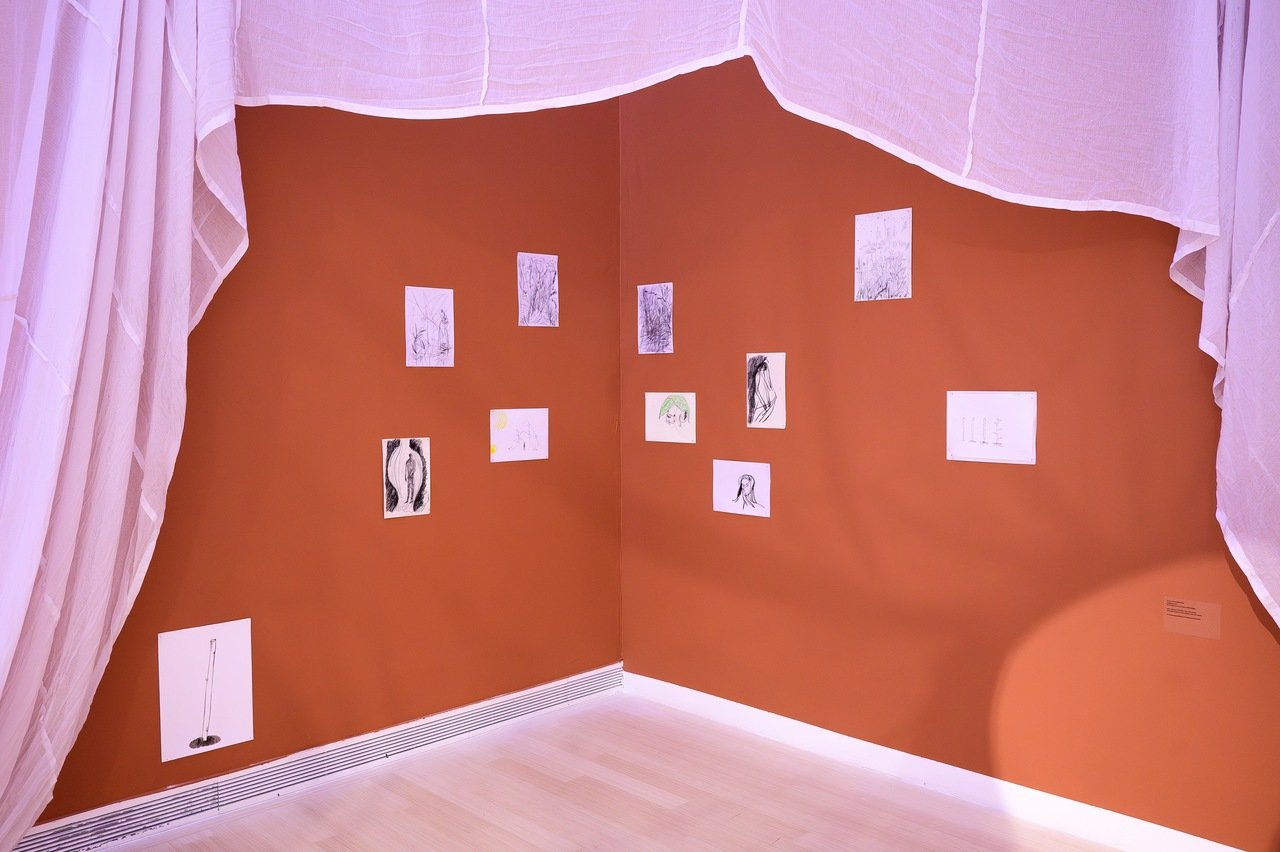
Opposite Zemánková’s drawings, a huge white shirt hangs like a tent, waiting for people to enter. Anna Zvyagintseva created My Shirt, to offer visitors shelter and protection while they view her drawings, which were done in Ukraine between 2022 and 2023, while living under constant shelling and threat. There is a palpable tension in the drawings, which depict everyday elements such as wildflowers covering everything and people seeking shelter in confined spaces. There is also a sense of melancholy and solitude emanating from the faceless sketched figures. Once you understand that you are looking at scenes from a war-torn country, it becomes unclear whether the large white shirt is intended to provide refuge or if it is a burial shroud. The textile’s transparency and thinness is reminiscent of skin, emphasizing our human fragility and the soft fabric of which we are all made.
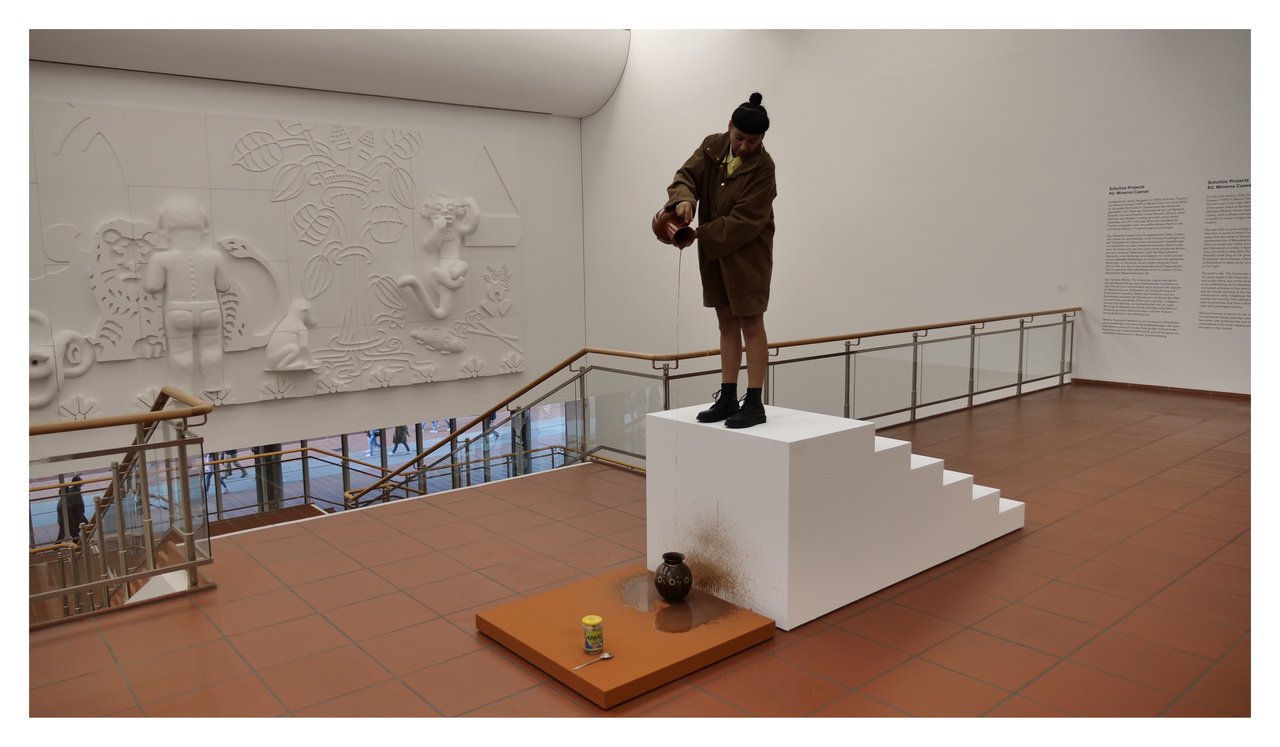
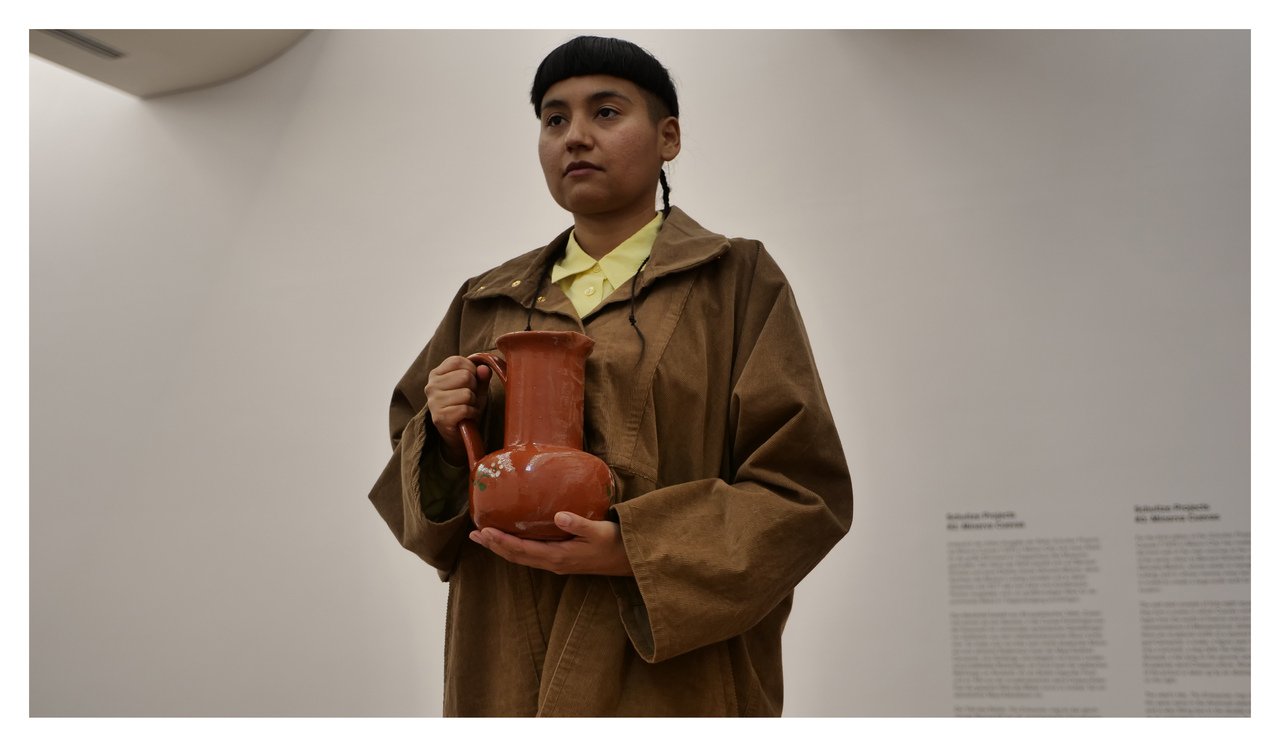
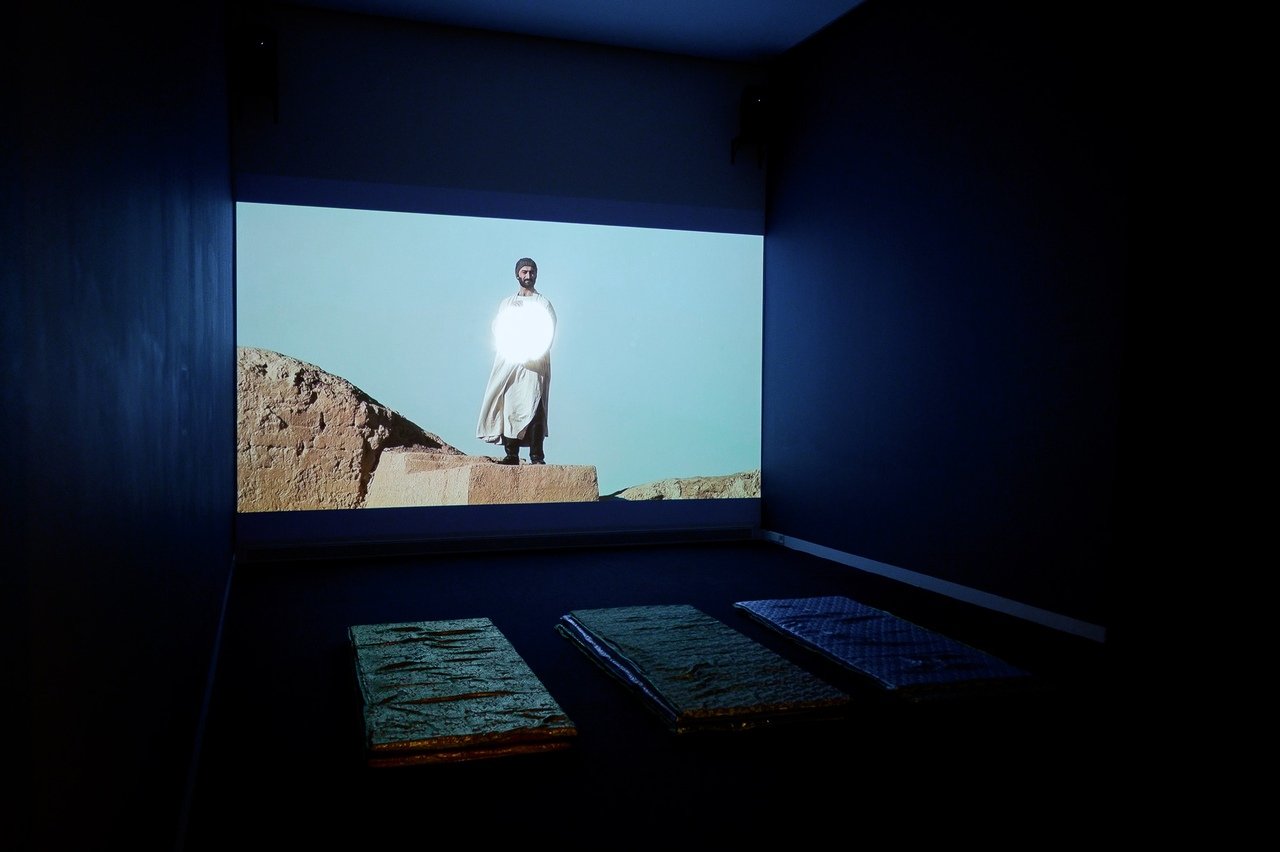
A few steps away from Zvyagintseva’s installation, there’s a video showing a performance titled Fundición, initially organised at the Ludwig Museum in Cologne, by Mapuche artist Neye Pailamilla. In it, the artist addresses the museum’s history from a postcolonial perspective. Peter and Irene Ludwig made the founding of the Ludwig Museum in Budapest possible in 1989 through their generous donations of artworks and financial contributions. A talented businessman and one of the most important collectors of the 20th century, Peter Ludwig’s name is now associated with 19 museums in five different countries. He built his wealth through a highly successful chocolate business in Germany, which also marks the starting point of Pailamilla’s juxtaposition of the histories of white Europeans and Indigenous peoples. The artist states that museums are colonial institutions, and in her three-channel video performance, she attempts to offer an alternative narrative to the one we are accustomed to in Europe regarding the production and use of chocolate. This artwork opens up a discussion about the role of museums in society and the sometimes flawed foundations – such as collections built on theft or colonial or imperial inequalities, or simply on wealth amassed through inequitable means – on which they are built.
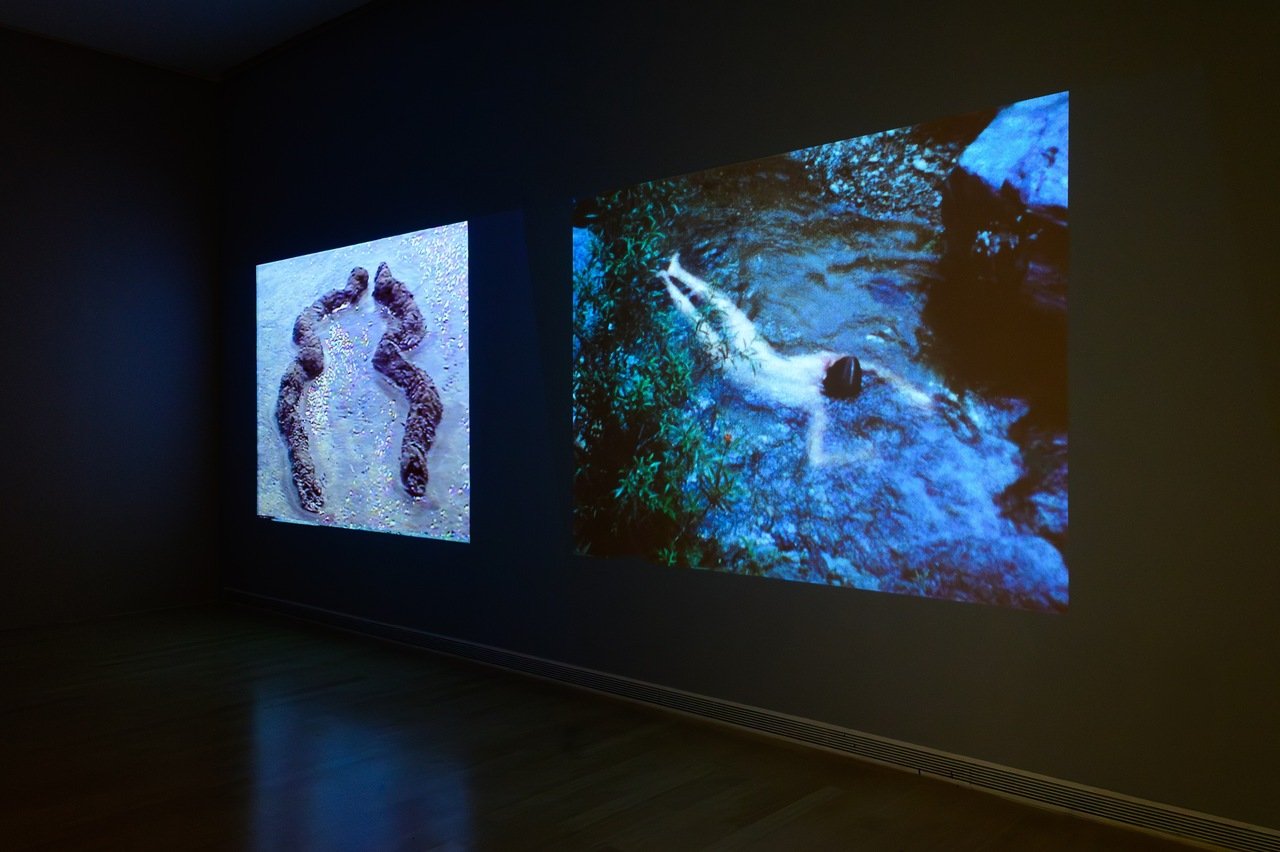
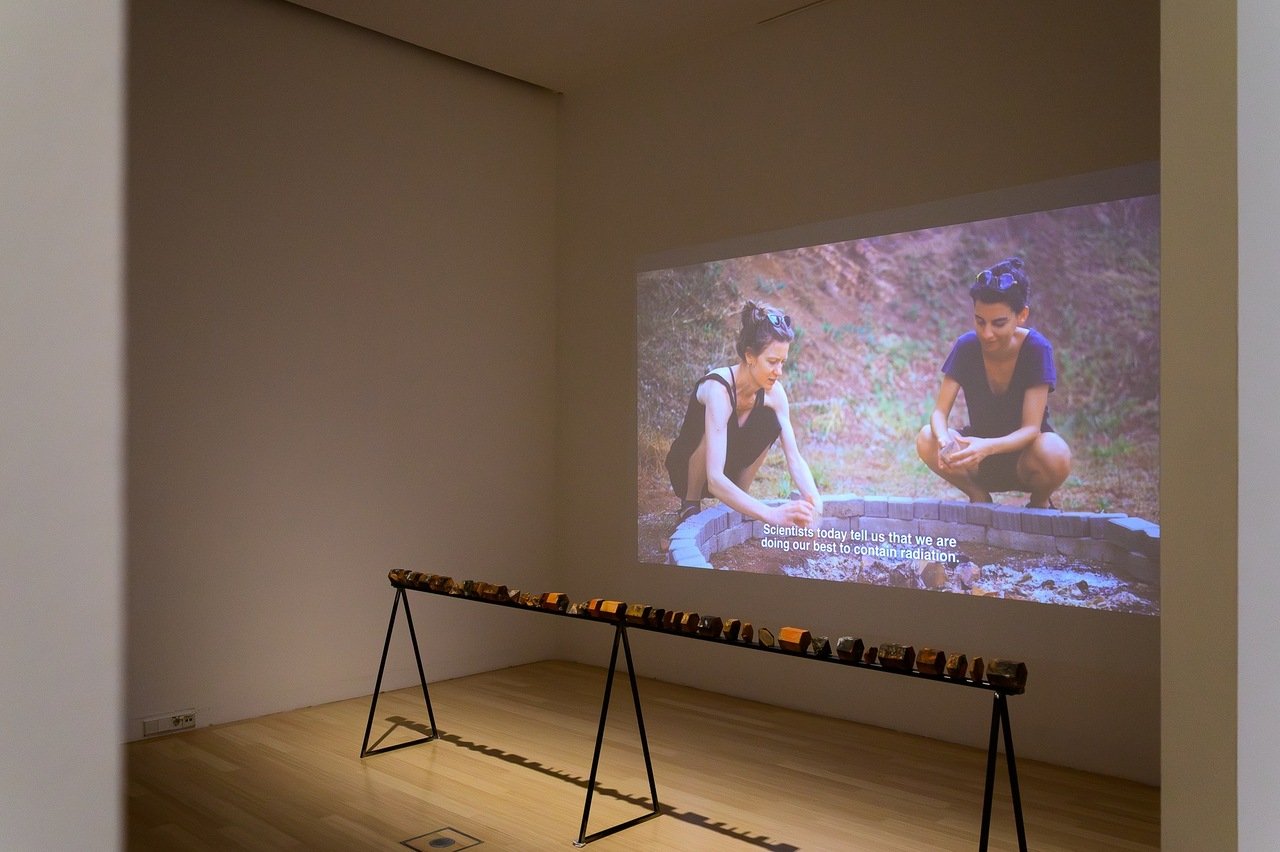
These questions lead to a next : how can a contemporary art museum like Ludwig Budapest – an example of an institution that does not bear this legacy – operate within an illiberal system? How do curators find a way around externally imposed restrictions, and how is critical discourse still possible in such a context?
Responding to some questions via WhatsApp, curator Viktória Popovics notes:
Working against the grain for years can result in disillusionment, dissatisfaction and burnout. Dysfunctional institutions can also cause damage to the social and cultural fabric they are supposed to serve. I’m grappling with questions such as: What is the function of a public museum that is financially marginalized and navigates under ideological control? How can relevant contributions and valid questions be raised in a country that is completely divided by ideological frontiers? Can institutional repair serve as a viable alternative to institutional critique? […] Our aim with the exhibitions Handle with Care and Golden Repair was to make the rigid walls of the museum more porous by allowing impulses from society to infiltrate and address urgent social, political, environmental and institutional issues. Our focus was placed on resonating locally (the marginalized position of Roma people, the politically sensitive topic of battery factories in Hungary) while maintaining an international perspective and providing accessible content for a diverse audience by extending the exhibitions to non-museum spaces as well (Hospice House, Hospital Clinic in Szeged).
Regarding the reaction of the authorities, Popovics continues:
What we receive from the current government is ignorance, neglection, no funding for exhibitions. And we are poorly-paid with [a] heavy workload. In my exhibitions I try to make no compromises. But also not to provoke. I do not like direct political content, I prefer more nuanced perspectives. It’s not about pinpointing political issues, but rather dancing around politically sensitive topics in a poetic way.
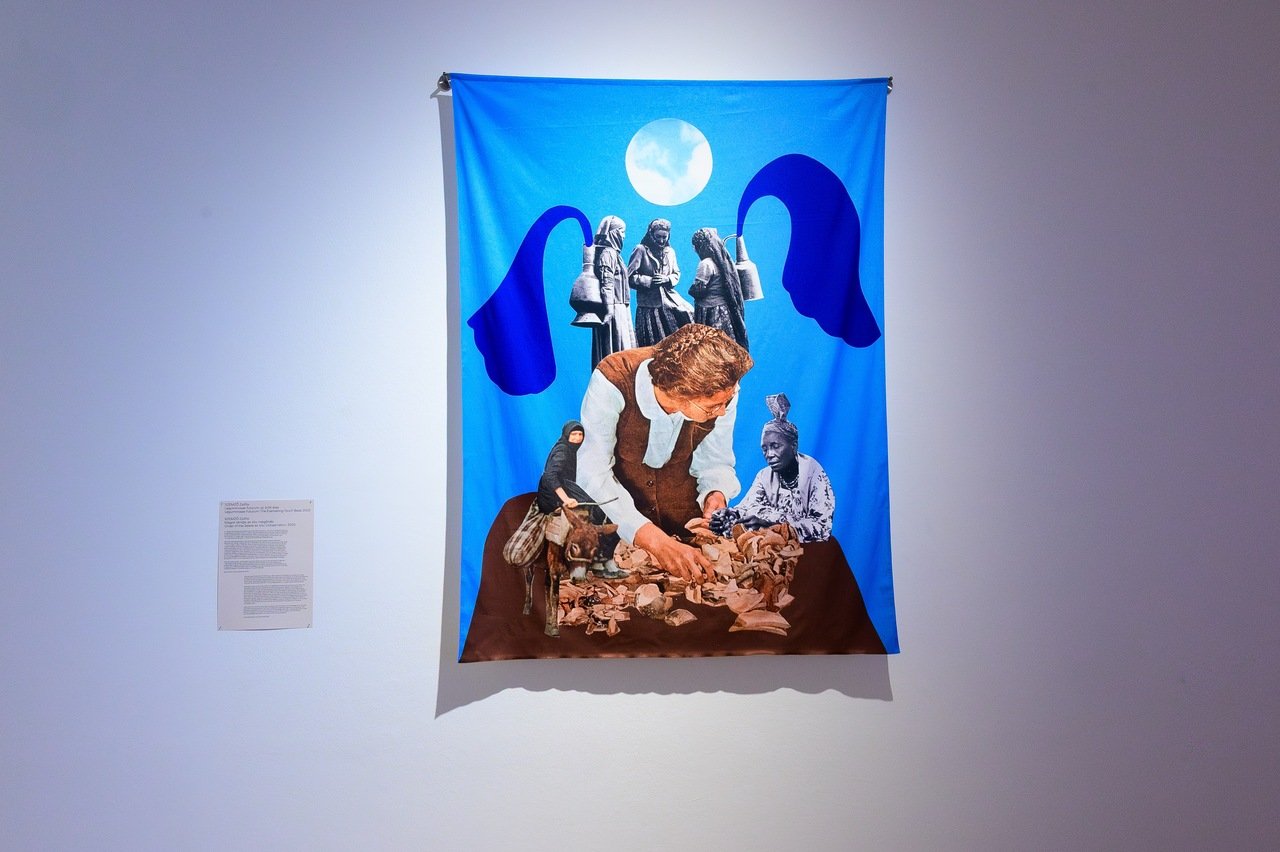
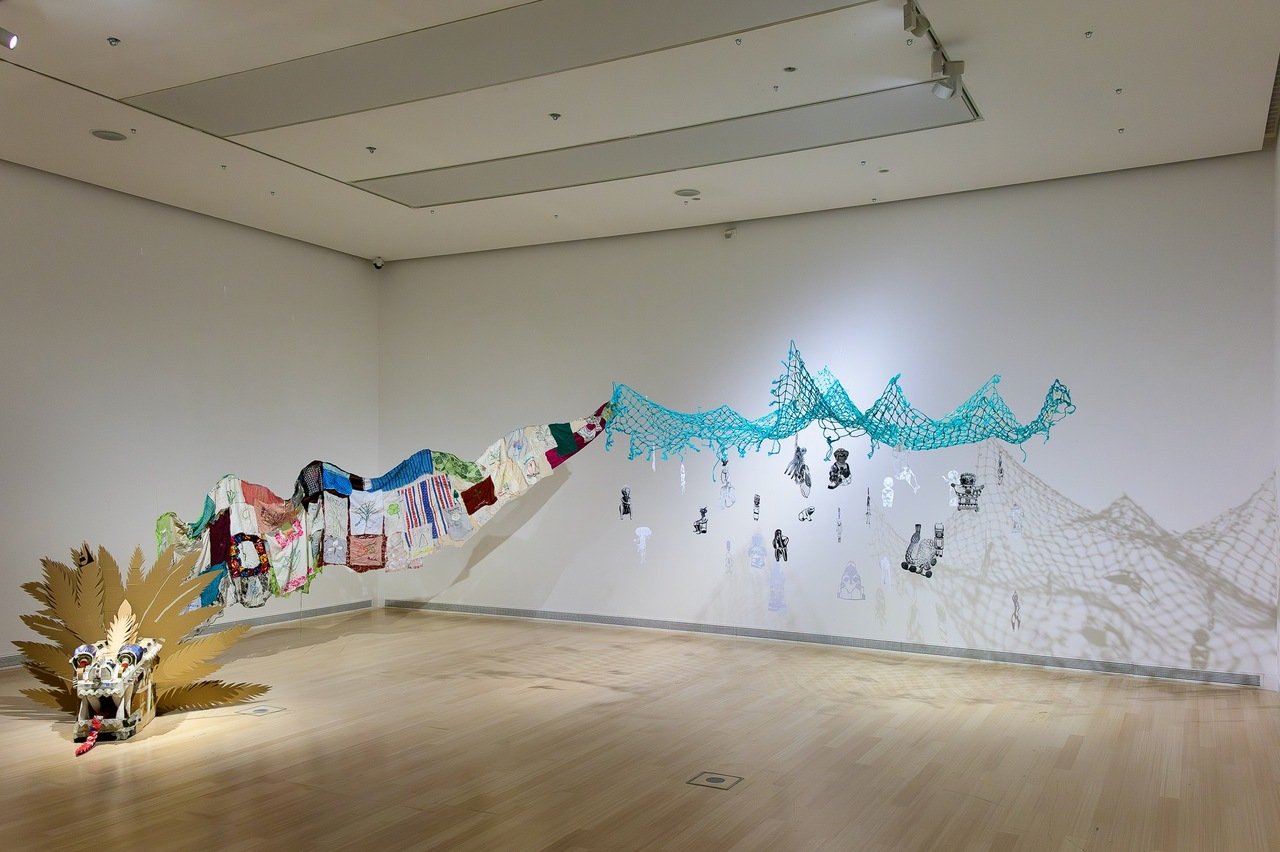
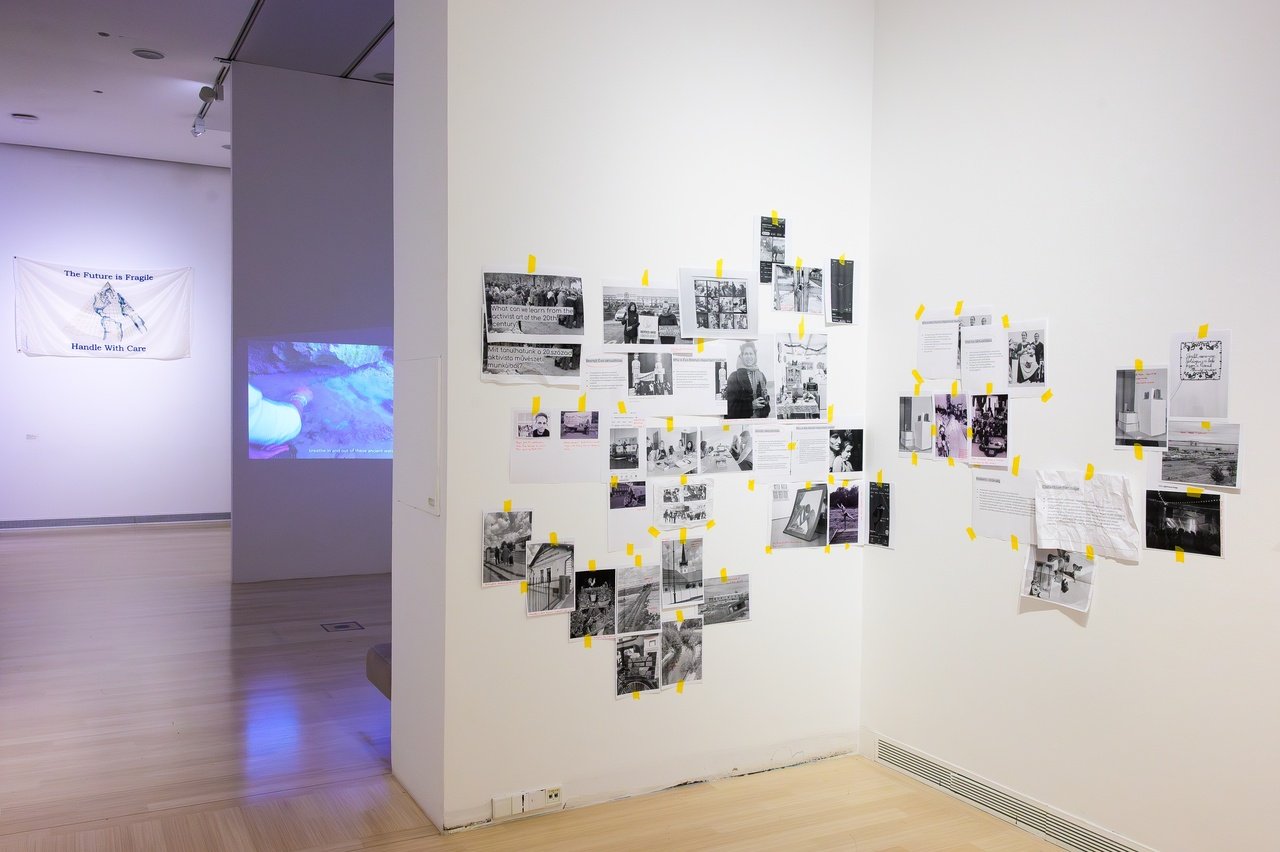
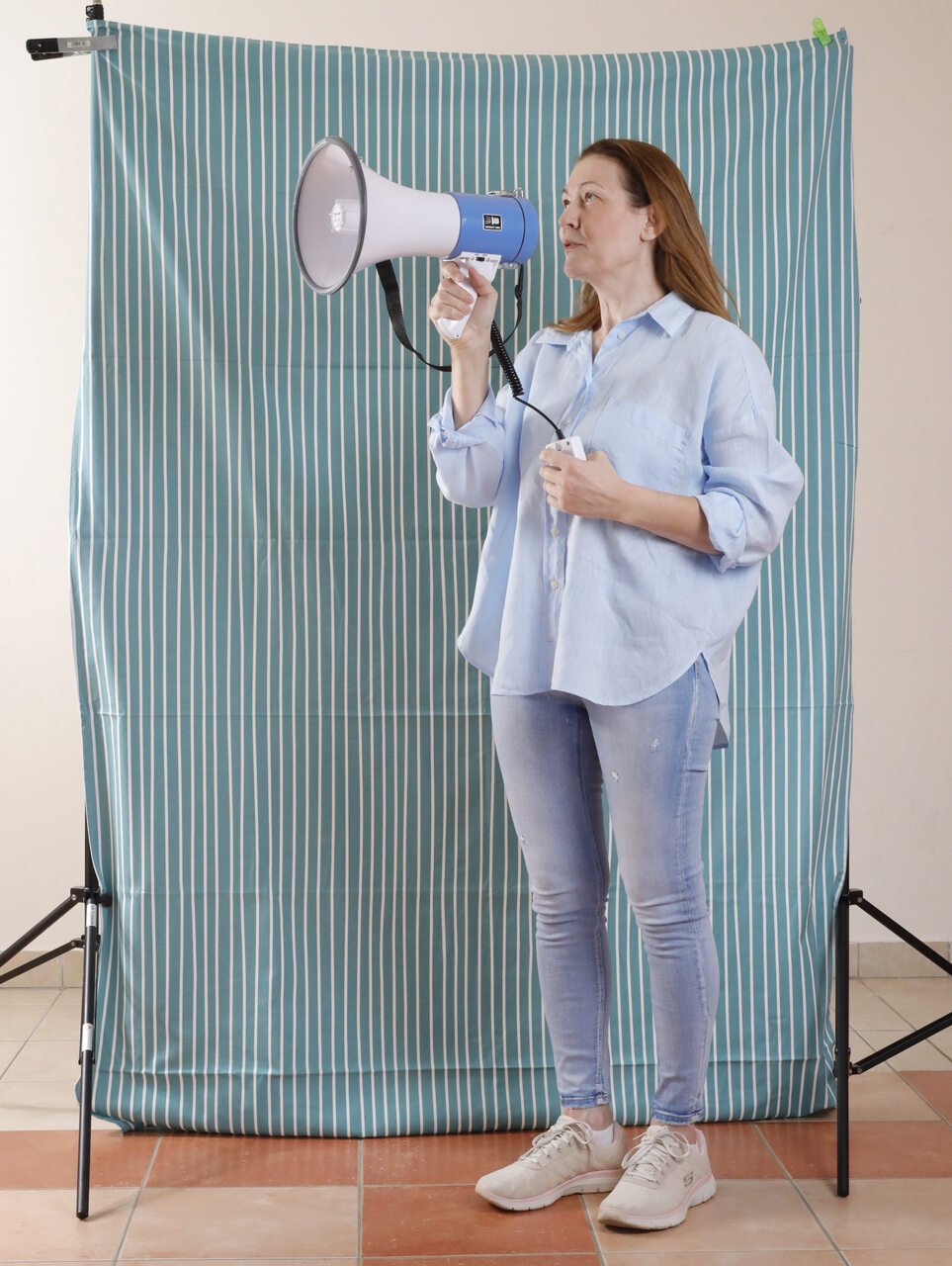
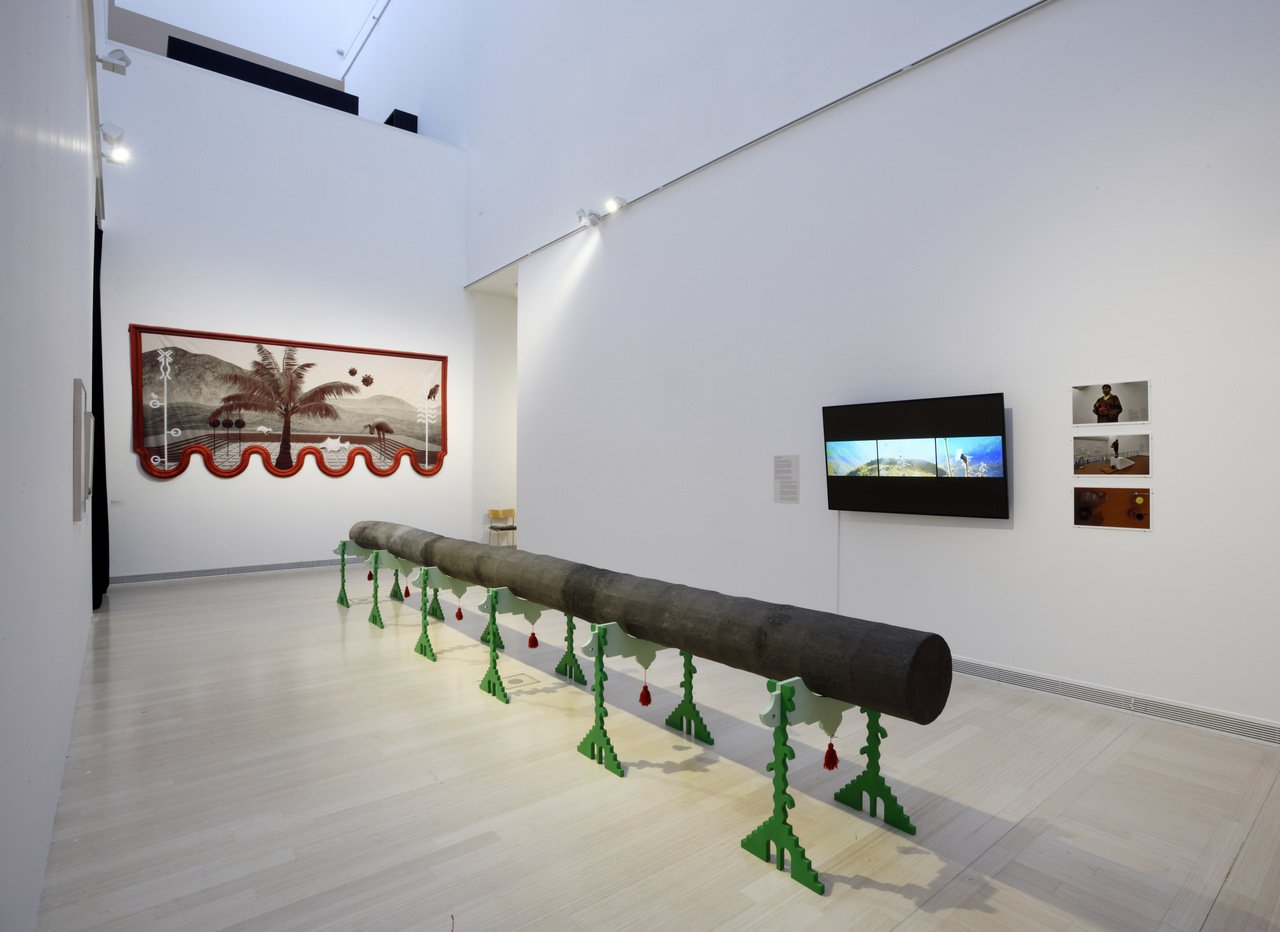
What makes this exhibition stand out is its overlayering of global and local narratives, focusing particularly on issues that are important to Eastern European societies but which national artistic institutions shy away from. The Batteries of Resistance: Mikepércs Tutorial (2025), an interdisciplinary installation conceived by Krisztina Erdei and Noémi Hatala, is one example of this. Created in collaboration with the Mikepércs Mothers for Environmental Protection Association, it portrays activism as a normal reaction to social injustice that can be undertaken by anyone, anywhere, rather than as an extraordinary act. Mikepércs is a village in eastern Hungary, not far from the Romanian border, where the Chinese company CATL has built a battery factory. The mothers of Mikepércs started their activism against this business because they were worried about the health and peace of their families due to the dangerous lithium plants being built too close to their homes. The factory was built by Chinese and Hungarian authorities two years ago with no transparency and without the locals agreement. The locals have protested ever since. Inside the installation, you can see photos of the activists and hear or read their statements. You can also sit at a long table and interact with the installation by listening to and talking with other participants.
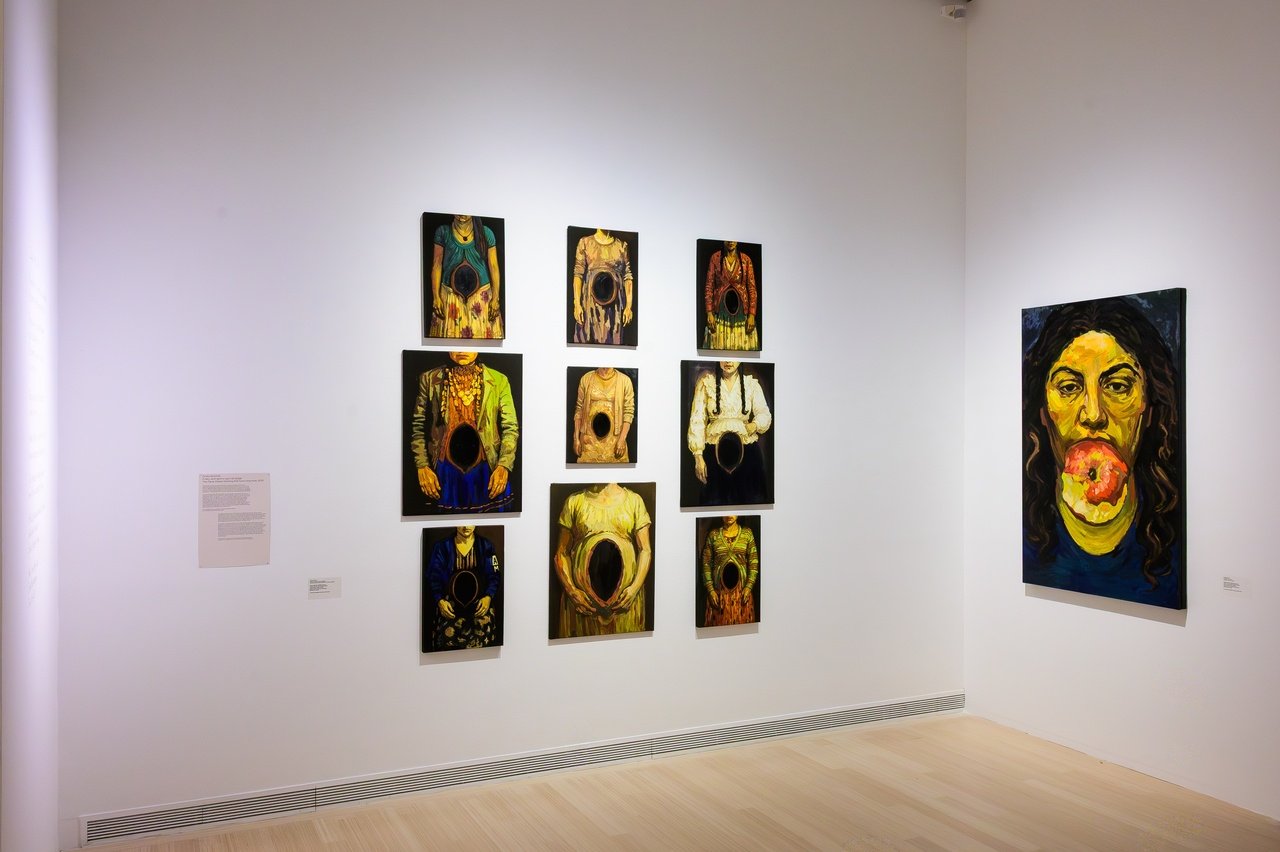
While the installation offers a glimmer of hope in a world suffocated by political interests and corruption, Emília Rigová’s paintings in the next room are bound to leave visitors feeling outraged. A series of paintings titled The Place Where Nothing Will Grow Anymore (2025) depict women from the chin to the legs. Each one stands still against a black background with large black holes instead of stomachs. Some wear traditional Roma clothes and others are dressed casually. Next to them is a large self-portrait of the artist biting into an apple with empty eyes. As a Roma woman in Czechoslovakia in the 1980s, Rigová’s mother was one of the many victims of a cruel, state-sponsored eugenics policy and was sterilized without her consent. This practice continued for decades, well into the 21st century. It was only in 2021 that the Czech Republic acknowledged this crime and started to offer compensations for victims, as if a couple thousand euros could repair the trauma and lost family lines. Nonetheless, obstetric violence against Roma women continues to take place to this day, especially in Eastern European countries. These are obvious violations of EU and human rights laws that no state is quick to address, let alone abolish completely.
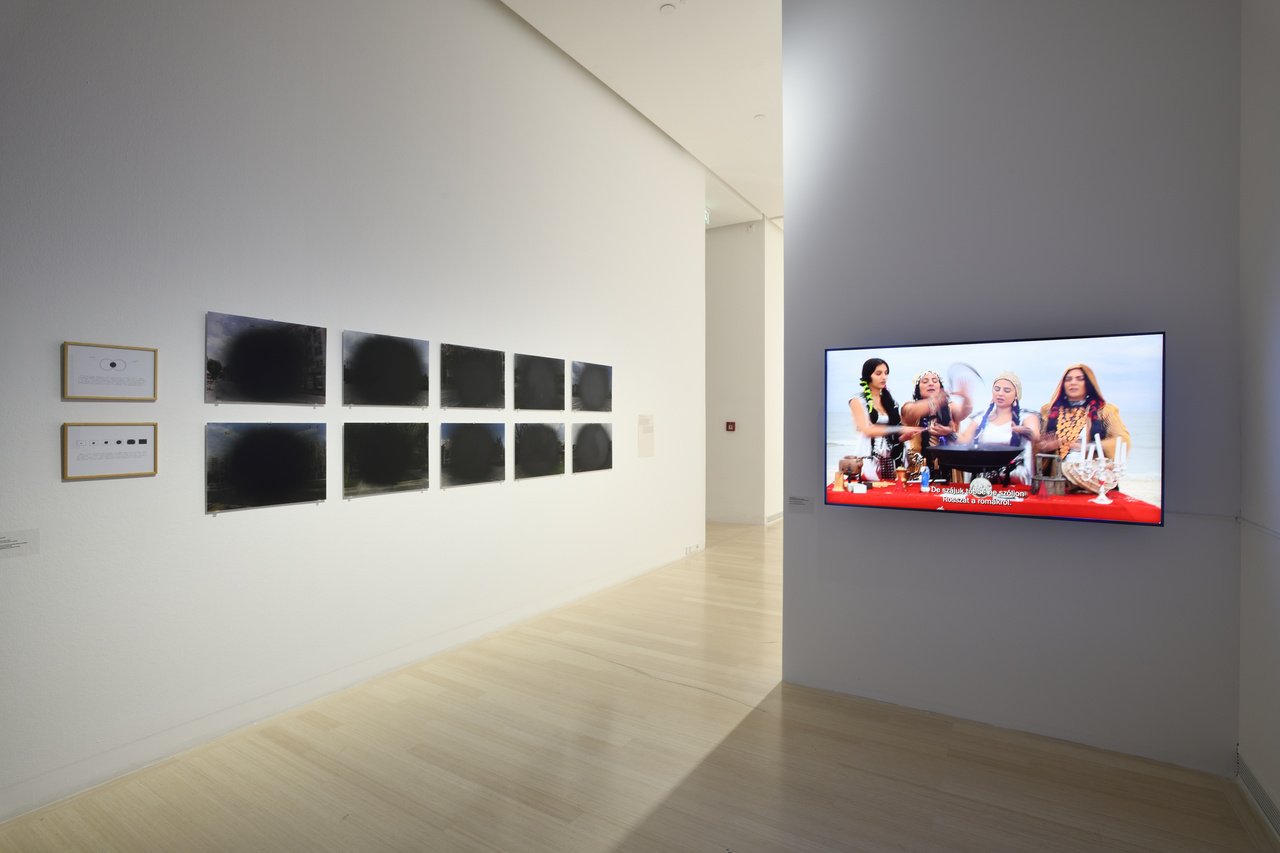
Rigová’s artworks speak of intergenerational trauma, imposed silence and oppression, but also of solidarity with other women who have experienced similar difficulties. In a sense, they suggest that even if the state fails to protect its citizens, particularly women and marginalised minorities, support can still be found within one’s community.
Perhaps this is a good final perspective that the exhibition teaches us. There is no golden repair to look and feel nice, nor is there complete social justice. Most of the time, there is not even visibility of, or acceptance of, a major societal problem by mainstream society. Some scars are too painful and big to ever be healed. But there is always the possibility of fighting for your rights through whatever means necessary and forming a community that shares the same ideals.
[1] Description from the exhibition brochure
Artists: Kader Attia, Mária Chilf, Daniela Jauregui Servin, Consuelo Flores Toro, Tünde Varga, Indigenous Women from Playa del Carmen, Marianne Csáky, Márta Czene, Agnes Denes, Mihaela Drǎgan, Róza El Hassan, Krisztina Erdei, Noémi Hatala, Fuzzy Earth, Saodat Ismailova, Margit Koller, Ana Mendieta, Csilla Nagy, Rita Süveges, Ernesto Neto, Randomroutines • Mykola Ridnyi, Emília Rigová, Kati Roover, Neyen Pailamilla, Zsófia Szemző, Beatrix Szörenyi, Yoko Ono, Cintia Vaspöri, Cecilia Vicuña, Anna Zemánková, Anna Zvyagintseva
Curated by: Rita Dabi-Farkas, Viktória Popovics
Exhibition Title: Golden Repair
Venue: Ludwig Museum
Place (Country/Location): Budapest, Hungary
Dates: 09.10.2025 – 08.03.2026