Michalina Sablik
Michalina Sablik: In your biography, it is mentioned that you grew up on the borderlands of Kosovo, Serbia, and North Macedonia – an area marked by conflict, political divisions, and tightly controlled borders – while at the same time growing up on the internet, which functioned as a space of freedom. How did this experience shape your artistic practice?
Laureta Hajrullahu: I grew up in Preshevë, where the constant presence of borders was always palpable. The culture of the city was shaped by attempts to belong somewhere and by the need to continually negotiate oppressive structures. At the same time, the internet offered something entirely different. Online, I could be anywhere and anyone – and in a certain sense, I truly was. This early experience shaped my interest in the relationship between controlled physical territories and the seemingly open territories of the digital environment. In my practice, a recurring question concerns how identities are constructed, compressed, and performed within systems – often algorithmic ones – and how these processes unfold in parallel with geopolitical environments.
MS: What was your experience of the internet in 2000 like?
LH: In my early experiences of the internet, I was especially drawn to the sense of anonymity it offered. Much of the content was not intended for children, so to access certain platforms you had to declare that you were older than you actually were. Once you had already lied about your age, it became easy to change other details as well. This opened up the possibility of experimenting with identity – adopting a different personality, a new attitude, a sense of freedom – because no one knew who you really were. At the same time, this was shortly after the war in Kosovo. My hometown was relatively more peaceful than many other cities in the Balkans in the 1990s and early 2000s, but there was still very little available. The school system had essentially stopped functioning; we were studying from books produced in the 1960s and 1970s in former Yugoslavia, and access to information was extremely limited. Everything felt as if it belonged to the past. The internet, by contrast, gave me a glimpse of the future. It felt shiny and glittering.
MS: What has changed in the space of the internet since then? From a critical perspective, how do you see the current situation regarding performing identities online?
LH: The internet used to be a happy place for me, something shiny, playful – an almost candy-like space. It felt far more experimental, and there seemed to be many more possibilities for exploration. Of course, there was also more chaos. The platforms were not as structured as they are today by algorithms, search engines, and systems of monetization. Today, online identities are constantly being measured and optimized for monetization. Everything that happens online tends to become a form of labor – whatever you do is framed as “content creation.” Users often perform versions of themselves online rather than simply being present. The logic of platforms has become increasingly capitalistic: engagement is treated as value, and likes or views are what matter most. I’m interested in how these procedures shape identity – how they produce identities that are continuously edited and adjusted in order to fit these systems.
MS: I also have the feeling that the internet today has become a space of growing polarization.
LH: It’s much more political. Today the internet often feels like a battlefield. There are many paid bots interacting with one another, amplifying political positions. In a way, it can seem as if whoever deploys the most bots gains the advantage, sometimes even influencing election outcomes. These dynamics have affected political developments in many parts of the world, not only in the Balkans, but also in the United States and Russia. Earlier I wasn’t so directly exposed to Russian bot propaganda. However, when I came to Poland for a residency in 2025, my algorithm shifted somewhat. As a result, I began seeing far more videos from Ukrainian content creators, and the presence of Russian bots in the comment sections became very noticeable.
MS: Social media today feels less like a space for friends and more like a professional arena dominated by content creators, where even personal profiles function as part of one’s job.
LH: I rarely see everyday moments anymore – weddings, casual meetings, people simply spending time together. These spaces have changed a lot. When I first opened an Instagram account – and earlier Tumblr, which was an important platform for many artists of my generation – it felt much more spontaneous. Instagram was almost like a quick editing tool where everyone posted freely. Today it feels more like a portfolio, and it mostly shows what the algorithm decides to show.
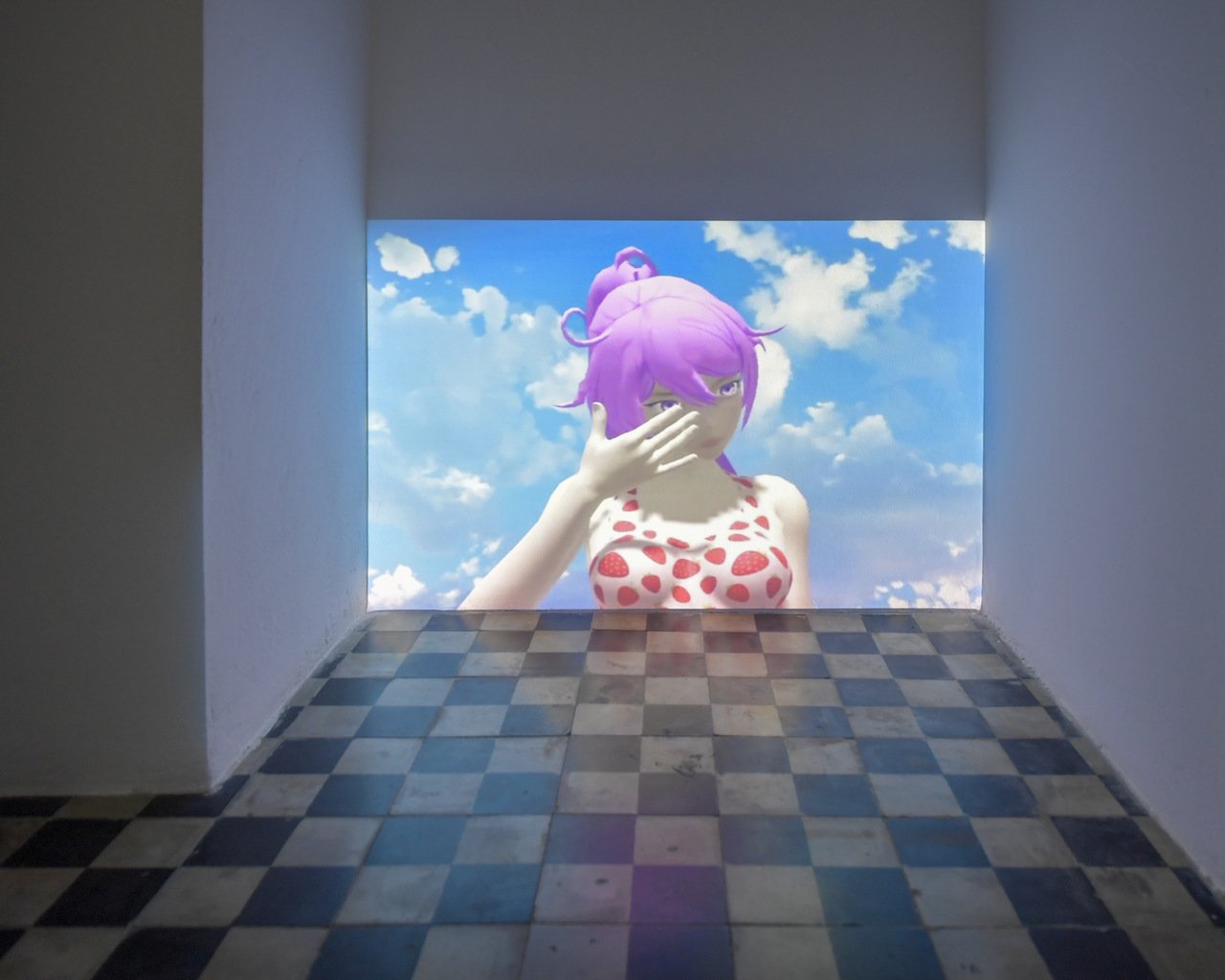
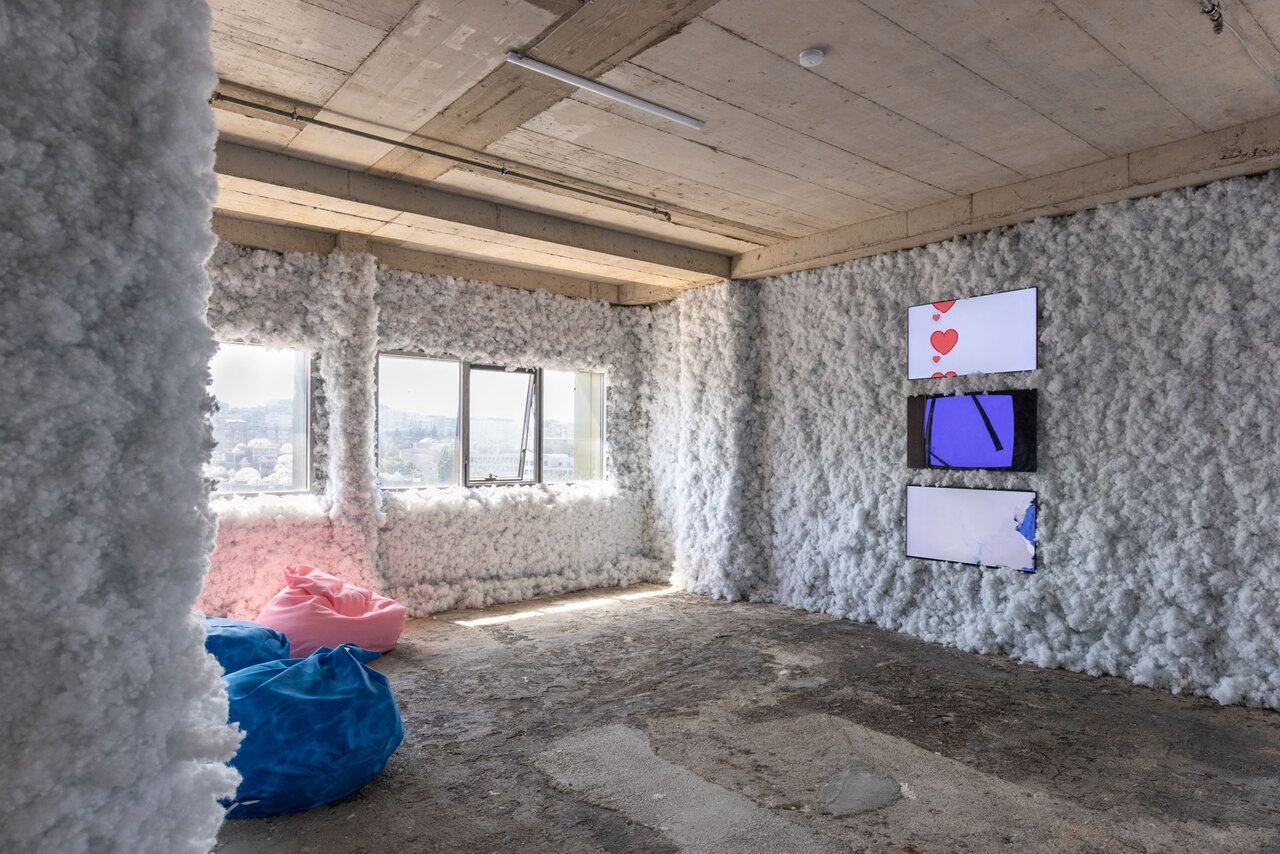
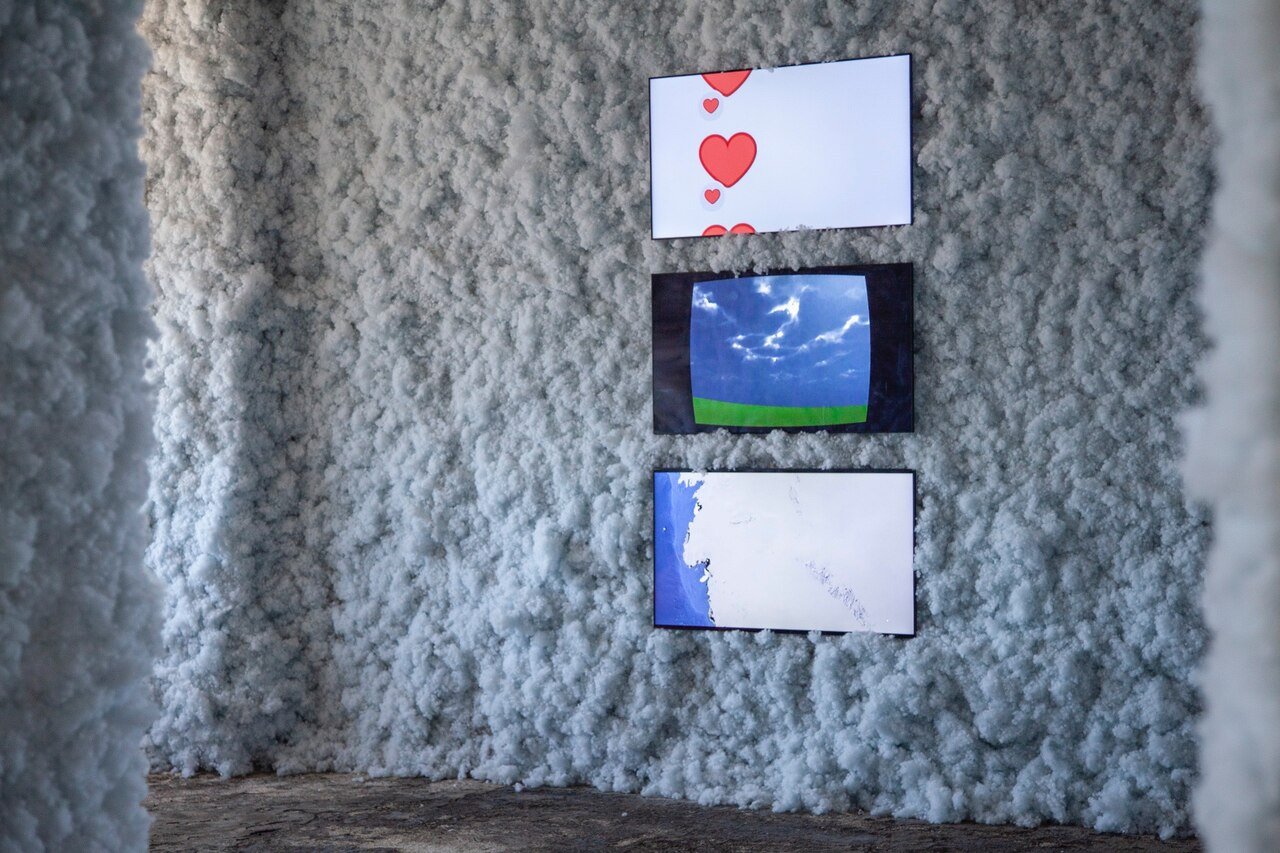
MS: The video presented in the exhibition shows a character trapped in a looping situation – in a game they do not want to play and from which they cannot escape. What story does this work tell? What kind of experience does it refer to?
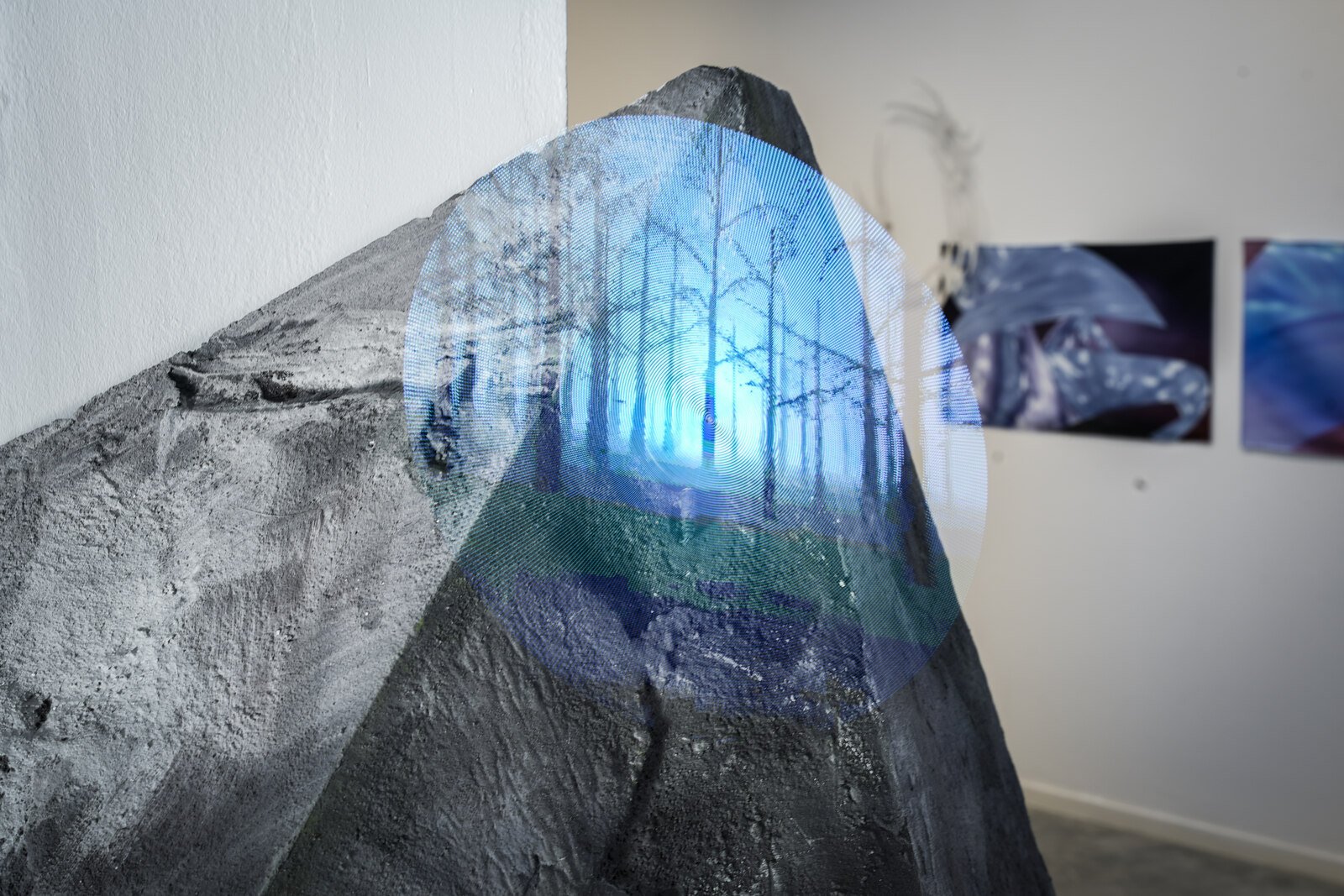
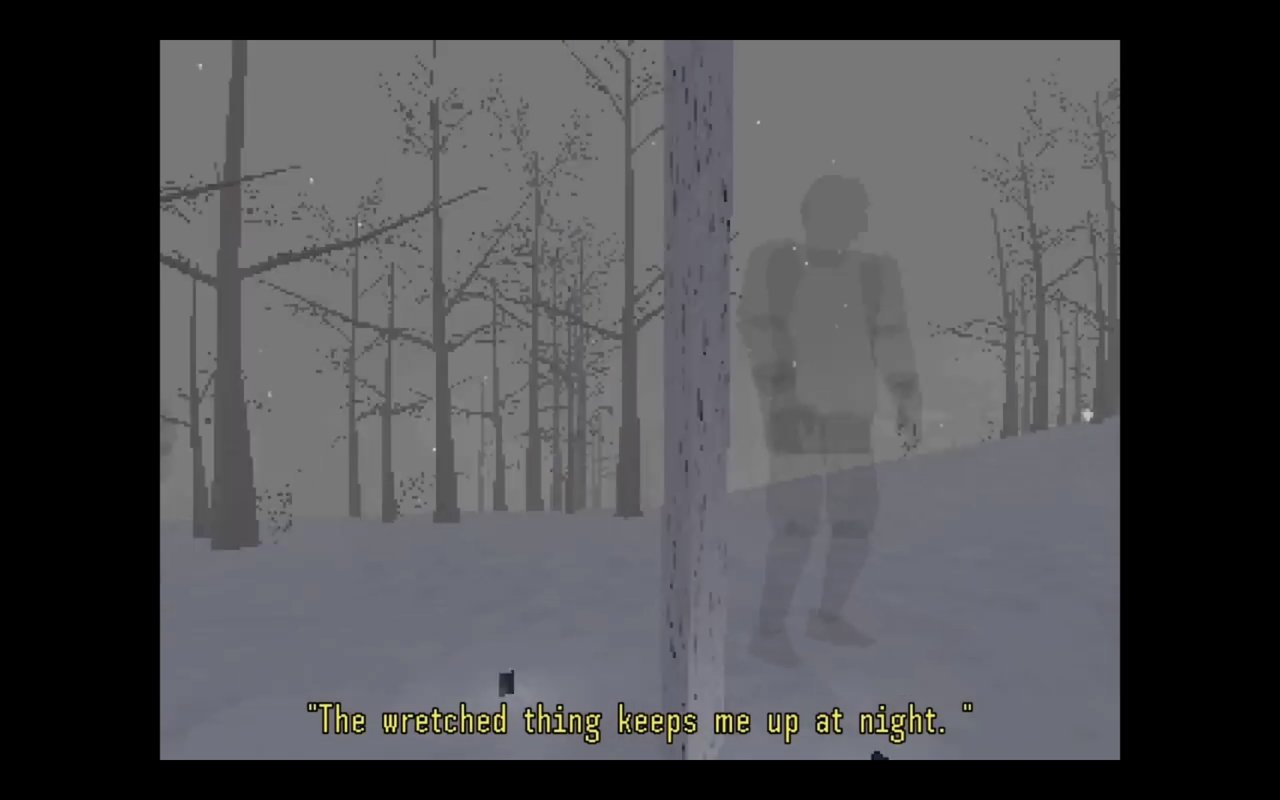
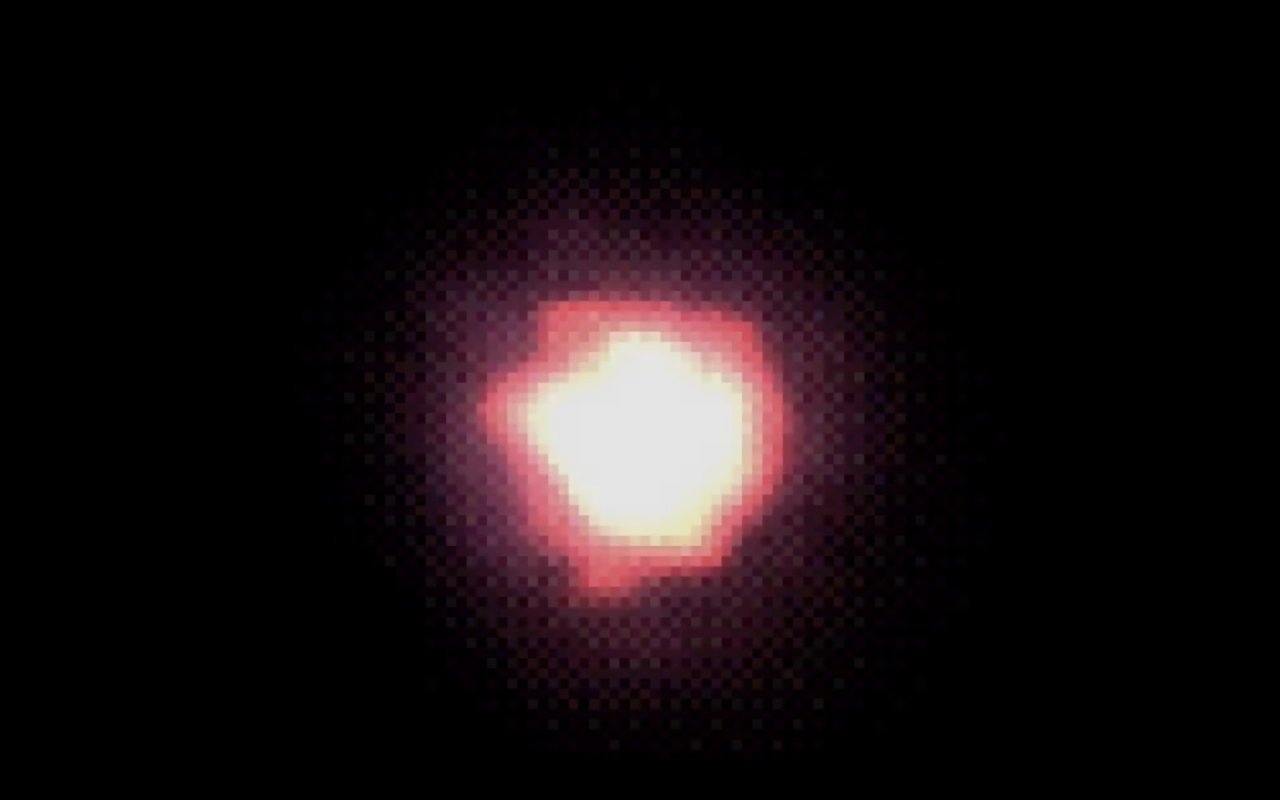
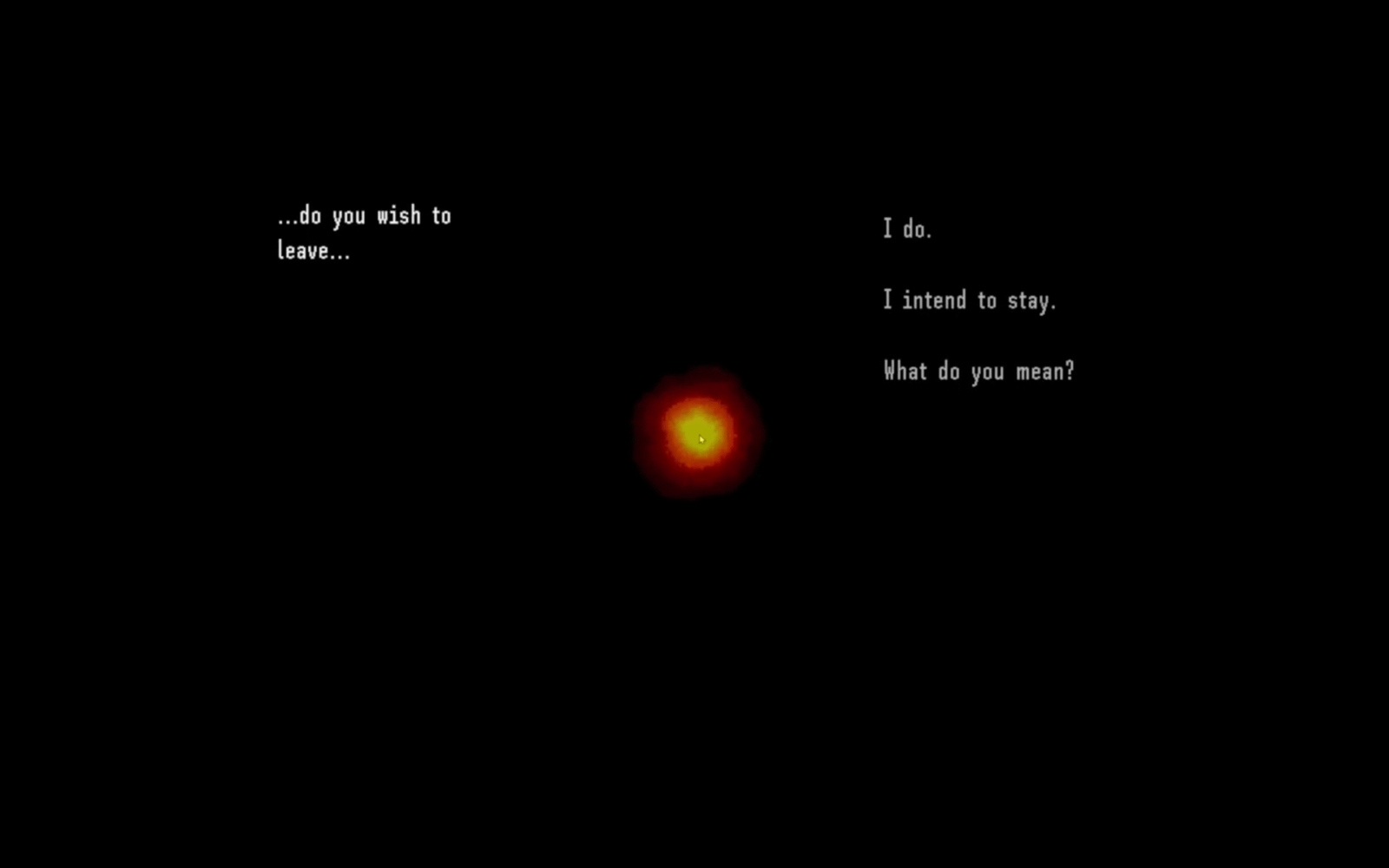
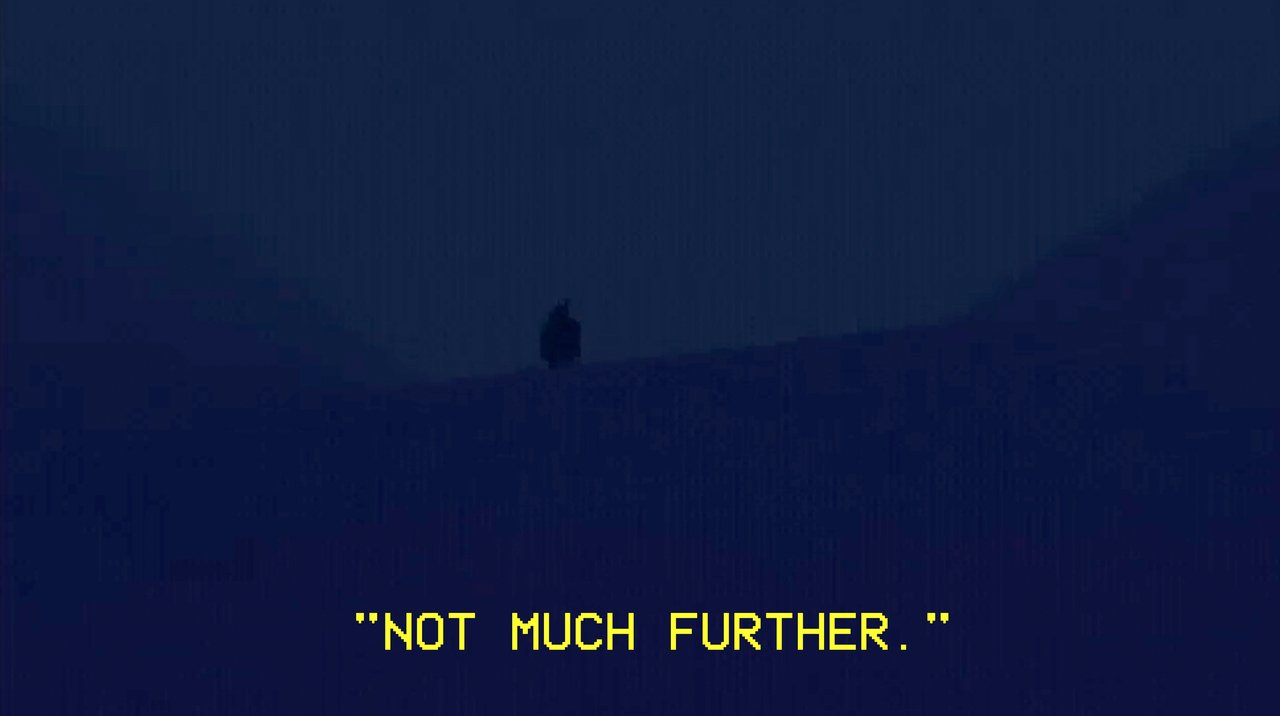
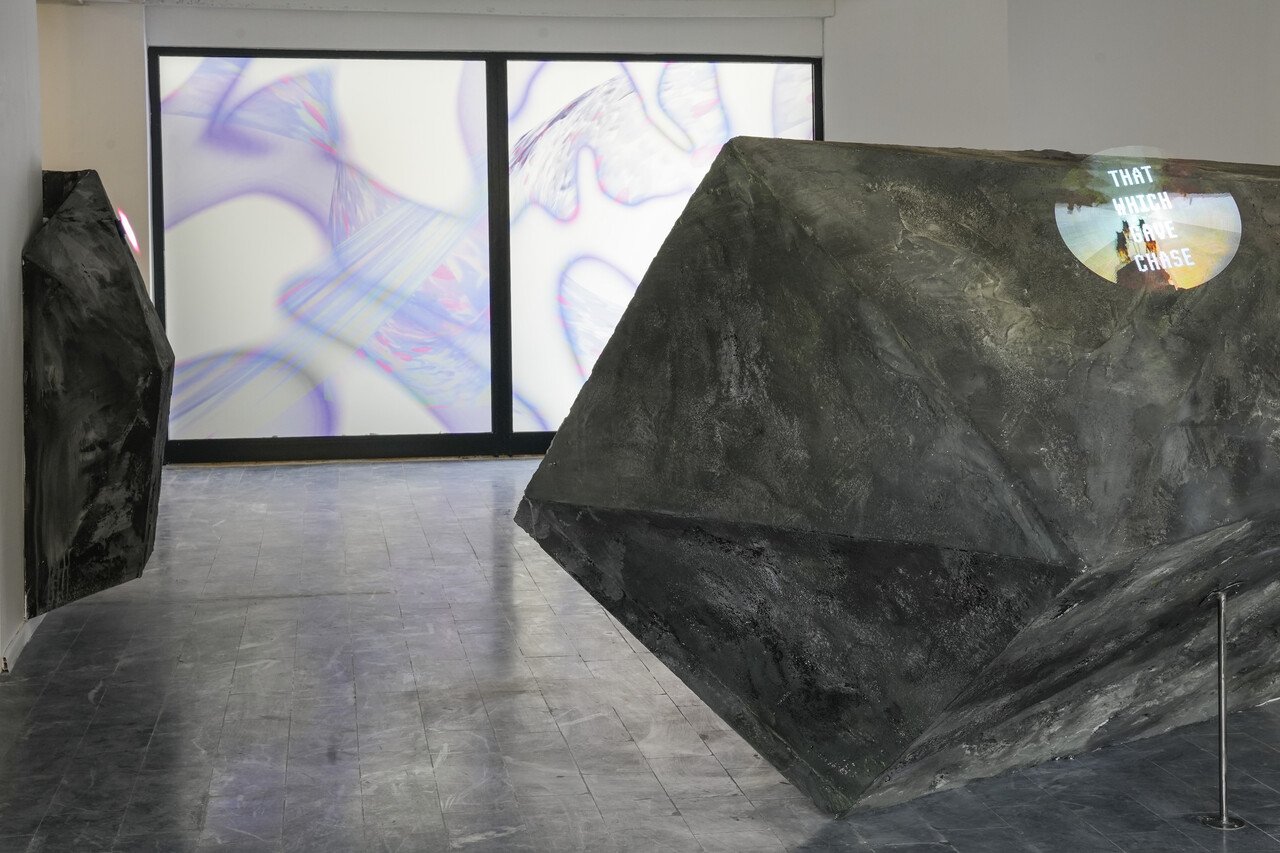
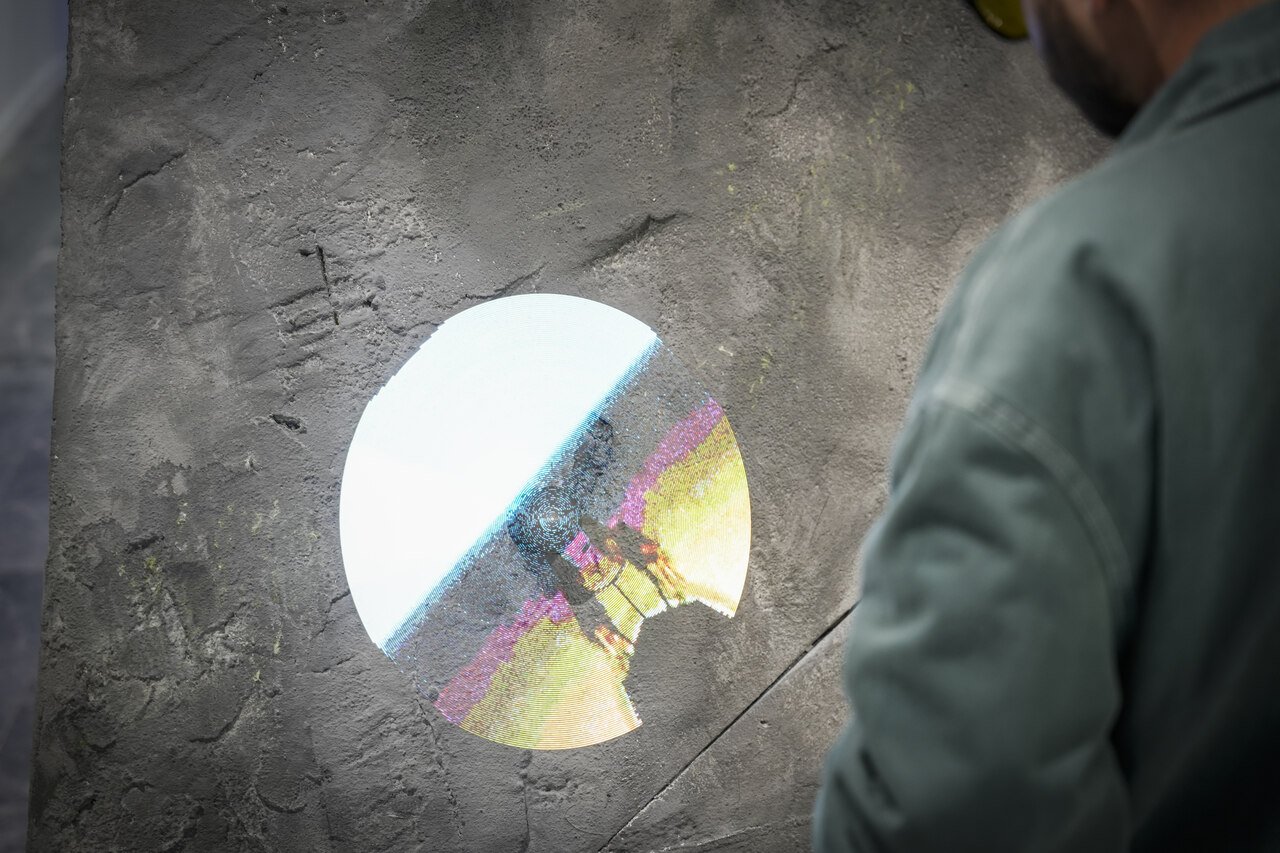
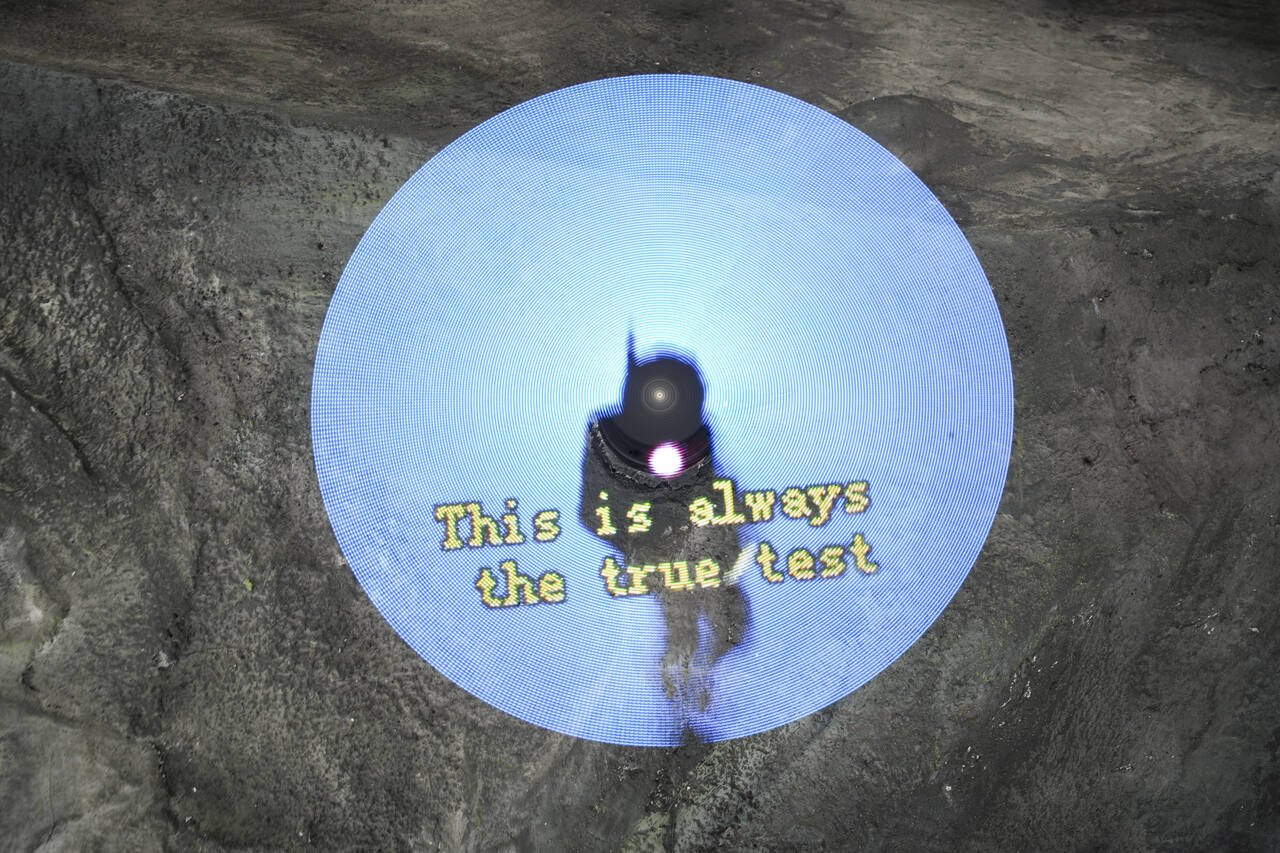
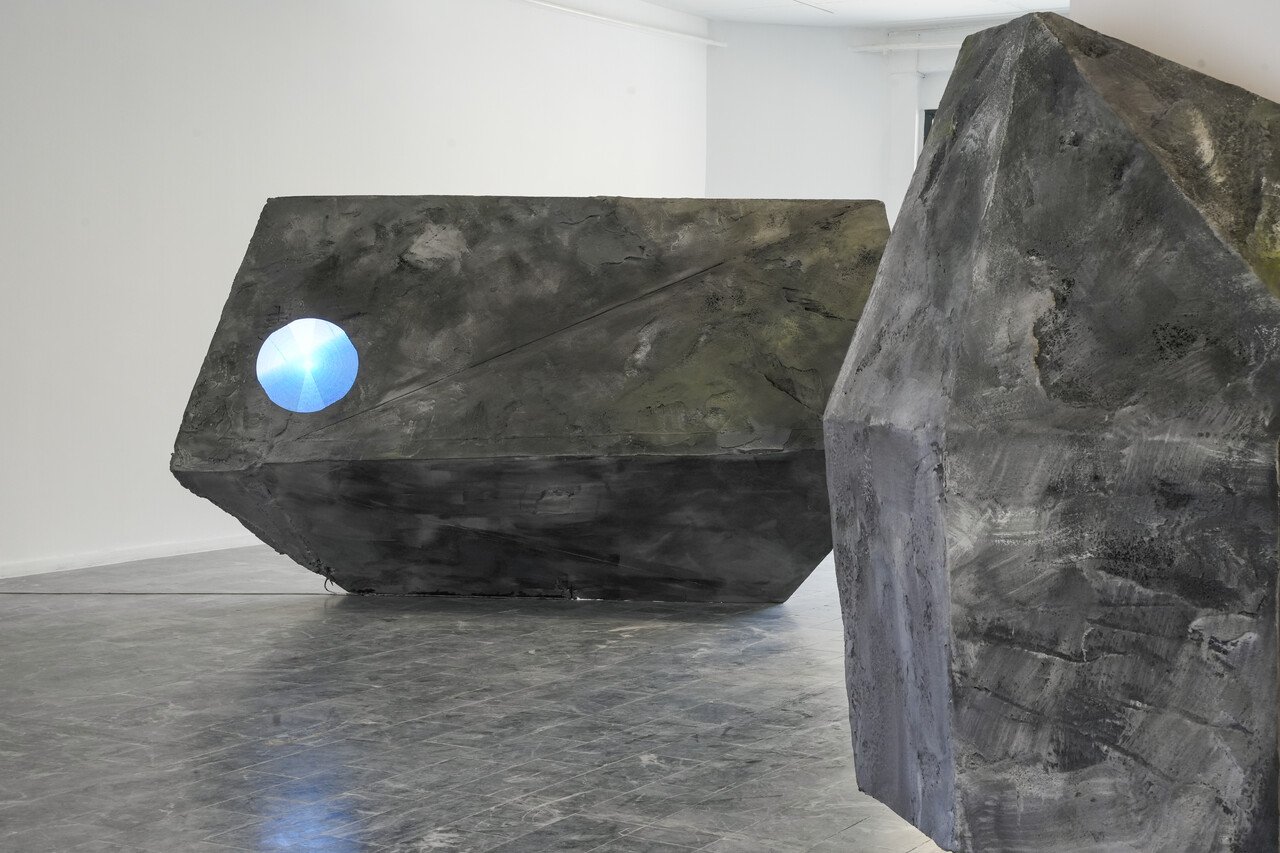
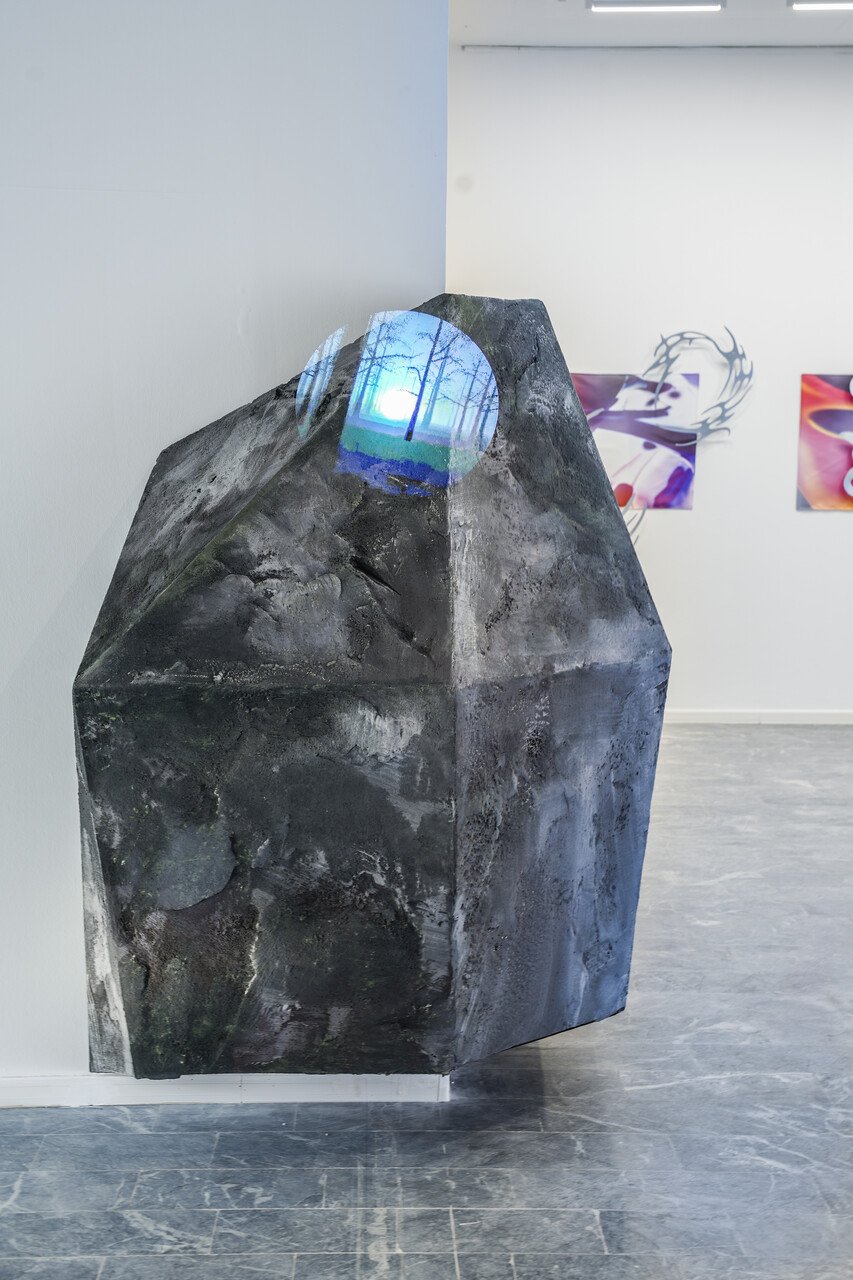
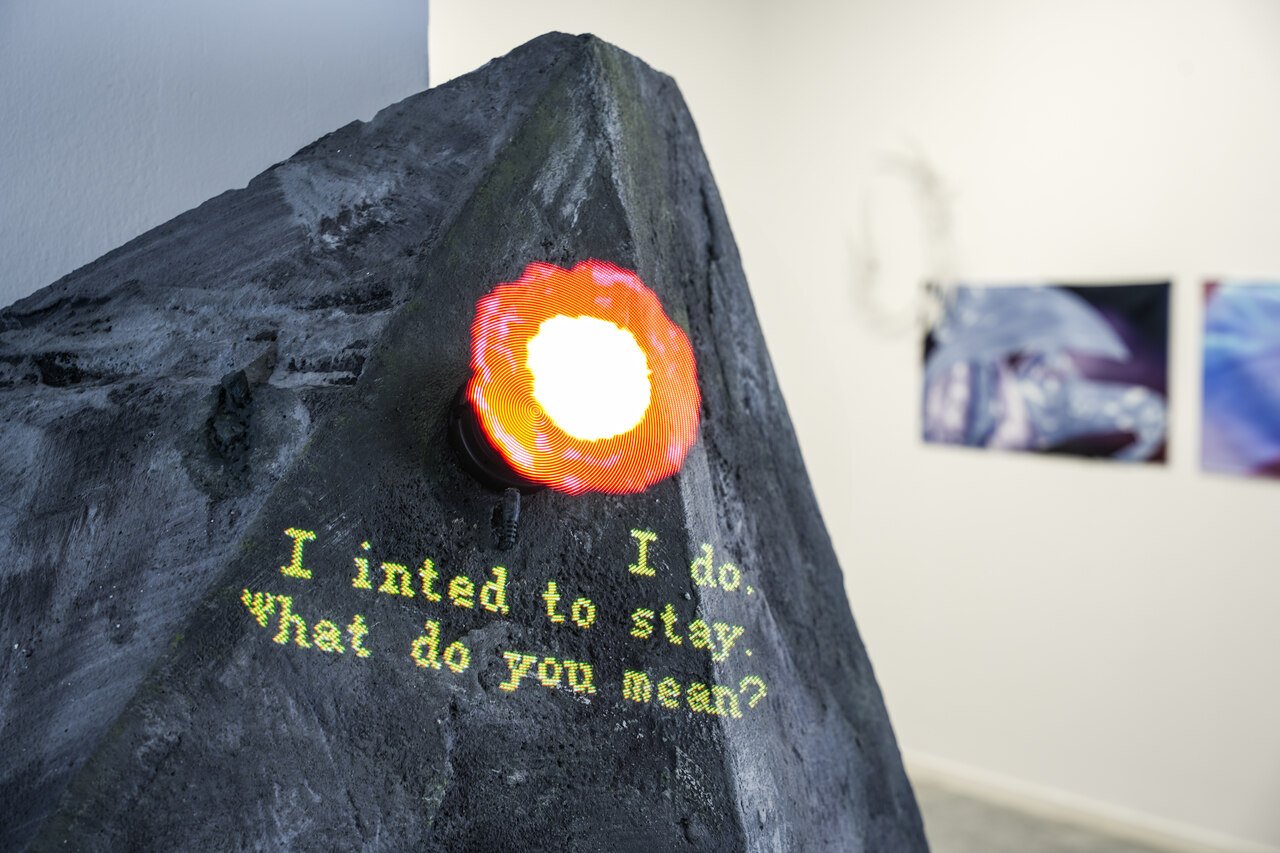
LH: There is a video installation consisting of large rocks that reference the kinds of objects commonly found in video game landscapes. We wanted to create obstacles within the exhibition space and transform them into heavy, physical forms. The video comes from an old video game, Those Who Gave Chase, which follows a person who wakes up in a snowy landscape. In the game, the character becomes a hunter who is stuck in a kind of limbo: being trapped inside systems without consent. These systems can be technological and social, but also psychological, and they often feel impossible to leave. What emerges is a loop – a cycle of digital routines and structural conditions that continually produce and reproduce themselves.
MS: The stones in your exhibition clearly evoke internet landscapes, but they also carry other connotations, including political ones. This is your first solo exhibition in Kosovo. Is your work received differently here? The themes you address are global, but can they take on a different meaning in the Kosovar context?
LH: I think showing the work in Pristina adds many more layers to it. It’s not only about being digitally stuck or trapped in an online presence that you can never fully step away from; because of Kosovo’s history and its long experience of isolation, the work also resonates with a broader sense of limbo that the country itself has been living through for a long time.
MS: In your practice, you frequently refer to the world of video games and approach it critically – for example in your exhibition at Bazament in Tirana, where you explored the representation and agency of women in gaming culture. Why is analyzing the world of games important to you?
LH: I think video games are very influential and create entire cultural environments. When my friends and I first started spending time online, we also began gaming. In the early 2000s – around the Y2K moment – many people were playing games like Counter-Strike or GTA, and I think these games shaped how we imagine space, power, and social interaction today. Video games often reproduce social hierarchies and stereotypes, for example, in the way gamers and “gamer girls” are represented, or in how streaming platforms like Twitch turn gaming more into a sort of performance, or entertainment show, similar to reality TV. What interests me is how these worlds are constructed: how they are built and what kinds of narratives they tell. In my work, I try to reveal the cultural assumptions embedded within them.
MS: Your works often draw aesthetically on the nostalgic internet culture of the early 2000s. What interests you about this visual language?
LH: It was really catchy, visually experimental, and unpolished – the colors were often excessive, sometimes awkward. But that gave it a sense of openness and playfulness. Today, everything feels minimalistic, standardized, optimized. Returning to that early web aesthetic is nostalgic, but it also lets me feel like a child again. Through it, I revisit a time when I felt less controlled and less surveilled, when I didn’t worry about every search being stored in a database.
MS: Now, perfectly designed interfaces have become invisible, masking power structures and surveillance systems.
LH: In the past, everyone had flashy personal websites, and platforms like Myspace and Tumblr encouraged you to be yourself through customizations. Today’s social media have largely diminished that kind of imagination and passion.
Platforms like Myspace also encouraged a certain degree of customization through profile templates, HTML edits, music players, and backgrounds. Even though they were structured platforms, they still left visible traces of personal expression. Pages looked messy, flashy, even tacky at times. Tumblr continued some of this spirit by allowing users to heavily modify themes and curate visual identities that felt distinct. And Tumblr especially played a big role in how I used my free time as a teenager.
Today’s major social media platforms operate very differently. Interfaces are increasingly standardized and optimized to be frictionless and “invisible.” The design is mostly neutral, but this neutrality is precisely what masks the power structures behind it. When every profile follows the same visual logic: similar grids, same buttons, same algorithmic timelines, the space for visual individuality becomes much narrower. At the same time, I feel like these interfaces are tightly connected to surveillance systems. The way we scroll, pause, like, and interact is constantly translated into data.
So while earlier internet spaces felt more like messy personal rooms, today’s platforms function more like controlled architectures. They are carefully designed environments where expression happens within predefined limits, and where every interaction simultaneously feeds a system of observation and optimization.
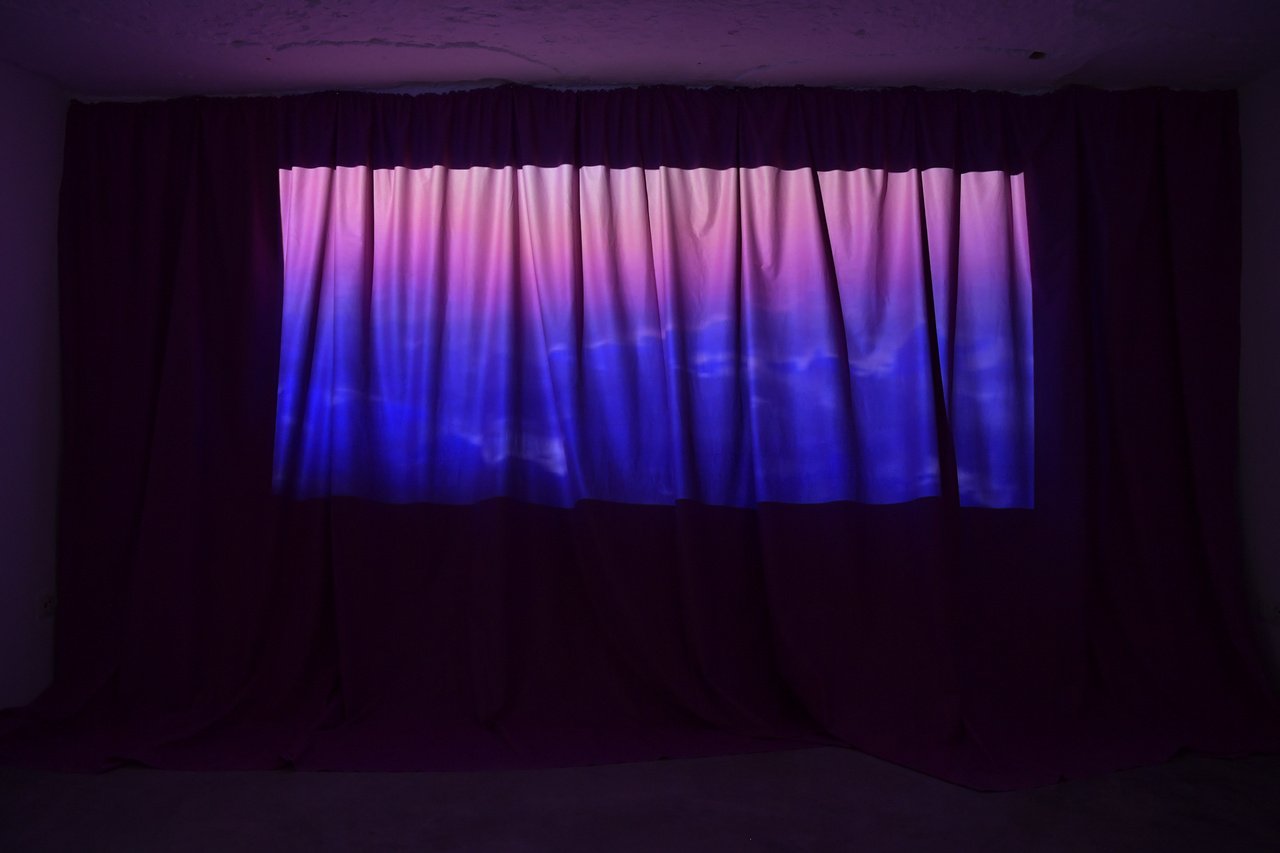
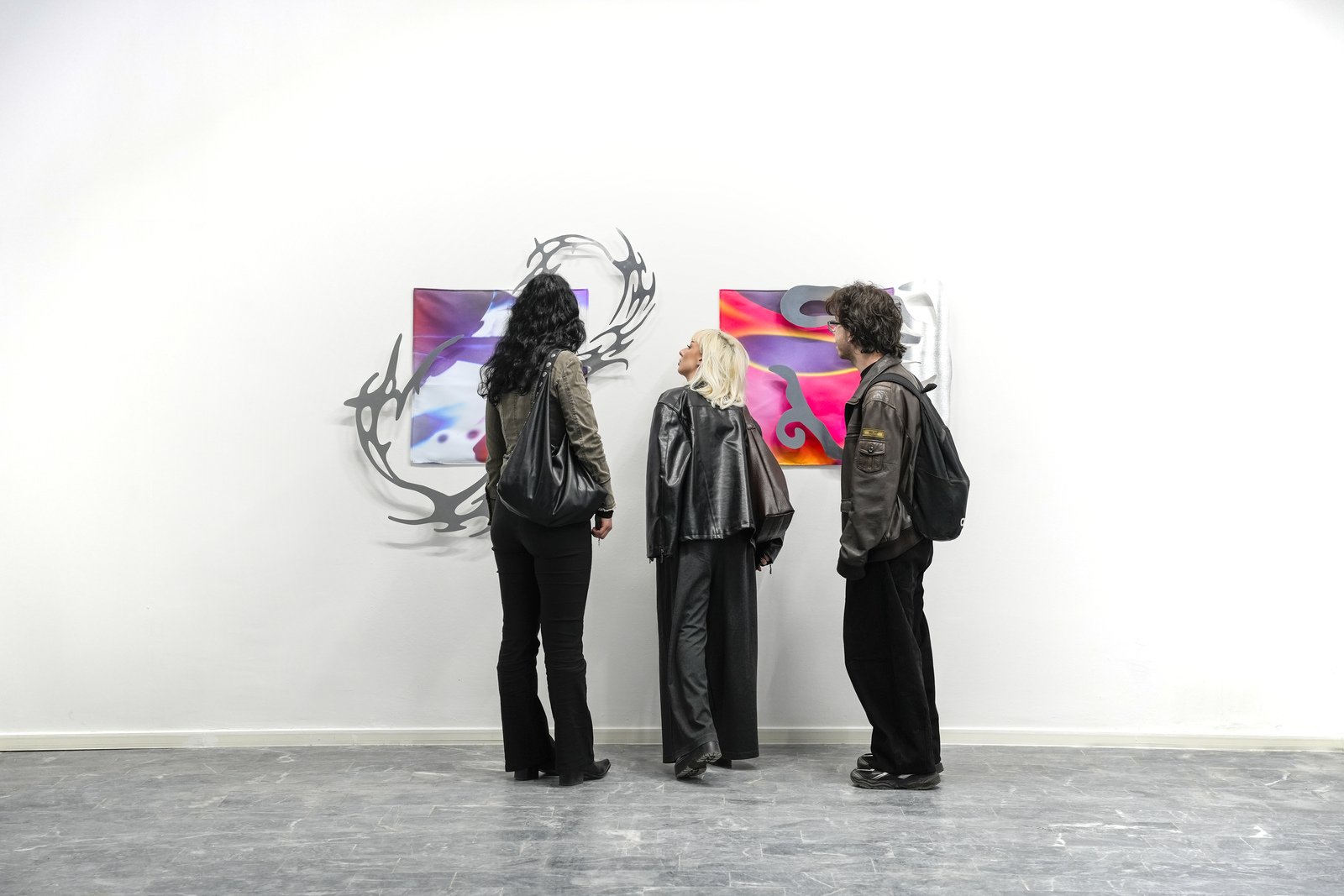
MS: Alongside video, you also create abstract compositions printed on fabrics. How are these works made? Do they carry a particular meaning?
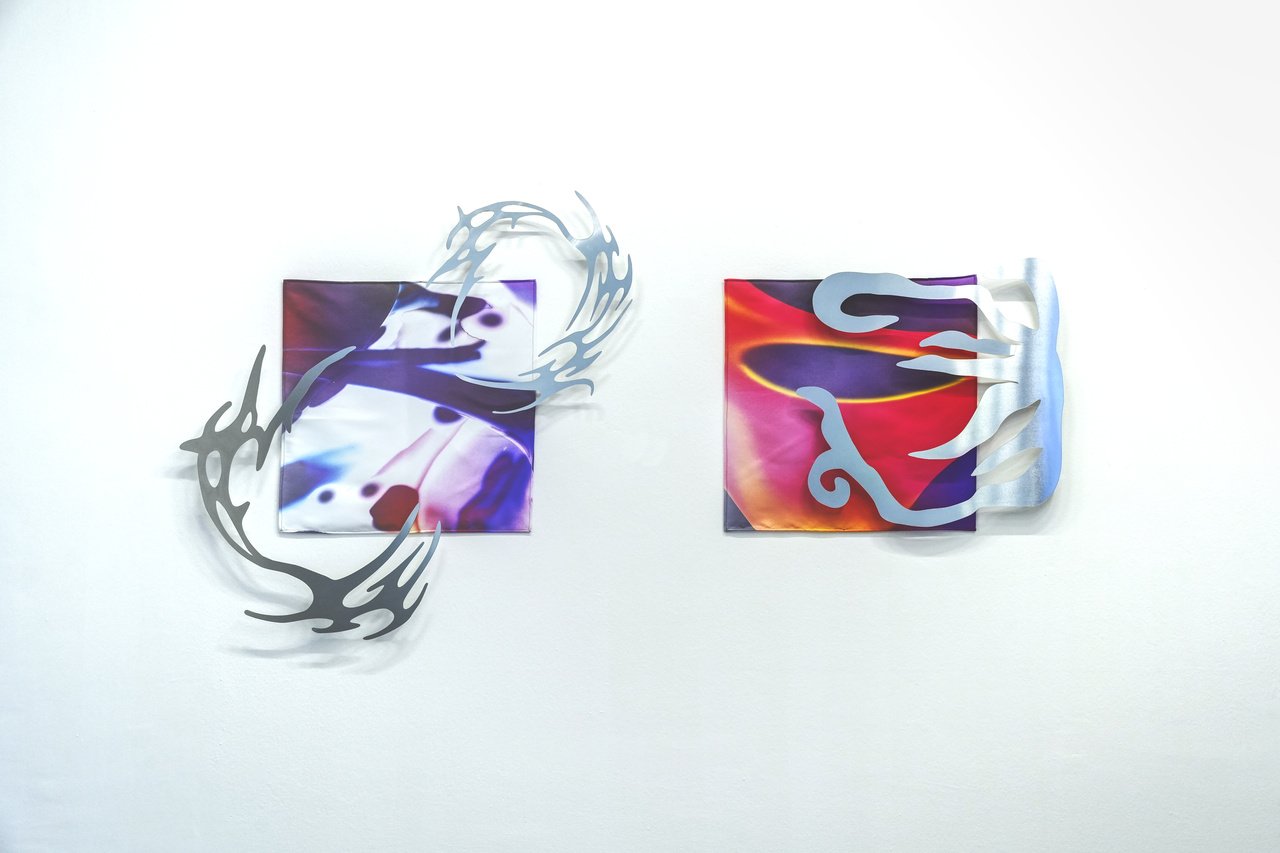
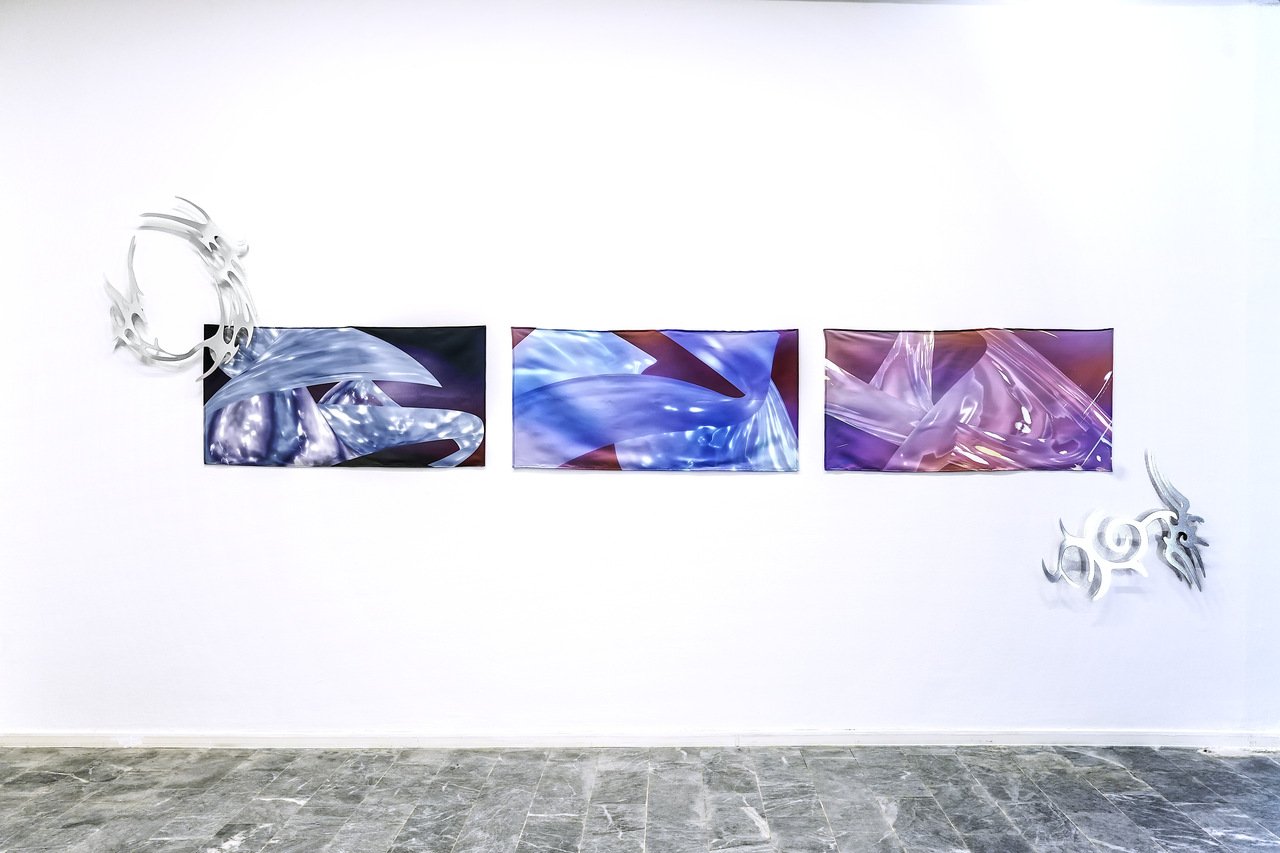
LH: I love printing on textiles because the material is soft, fluid, and somewhat uncontrollable – you can touch it, but it slips away. In these works, I explore amorphous, slime-like forms. Slime is unstable, constantly changing shape. I’m interested in how these forms originate from print-based images and transform into physical objects, and in how one can capture that amorphous, fluid quality in material form. Slime is a kind of metaphor for fluidity in between states: solid yet soft, post-human, between bodies and non-bodies. It’s gooey, juicy, in a strange, liminal state. I use it to explore freedom outside the body, beyond human structures or algorithms, into non-human territories.
MS: Does the use of metal forms hold a particular significance for you?
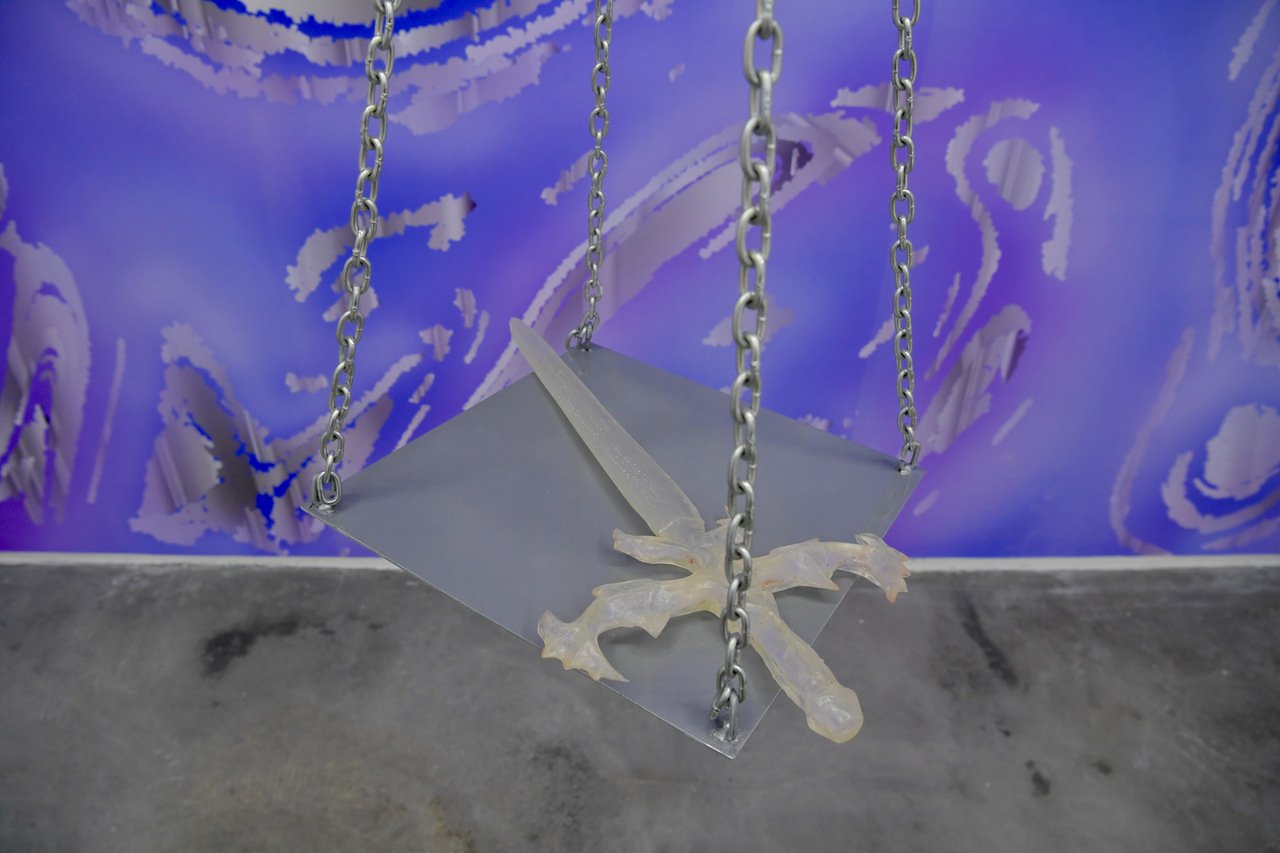
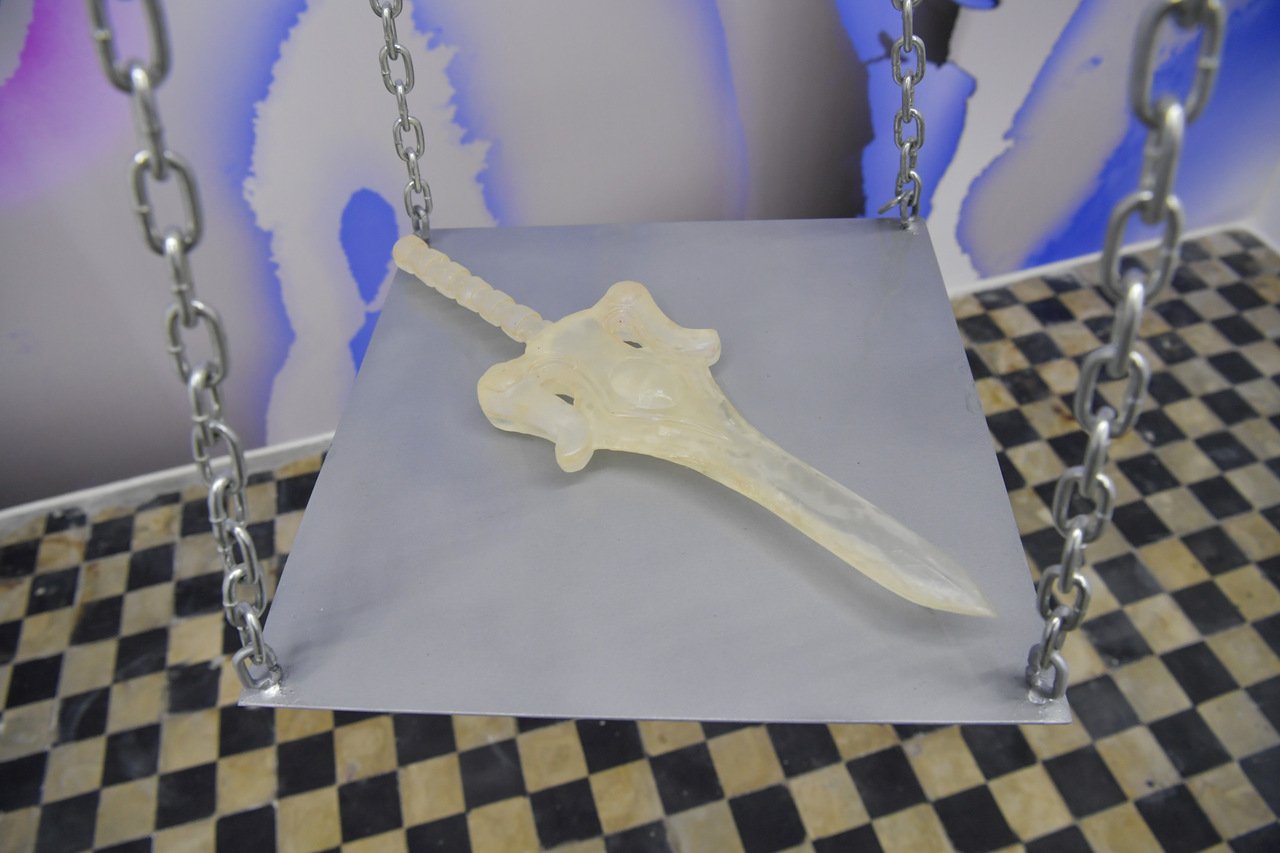
LH: Cut metal is a recurring motif in my work. When I began working with questions around the post-internet condition and digital identities, I started making digital drawings that I would later turn into metal shapes. Many of these drawings were made using the doodle tools in messenger chats, so the forms often looked like blobs or quick brush marks. I later transformed these gestures into cutouts in steel or aluminum, sometimes painting them so they resemble the original shapes I drew in the chatbox.
I was interested in letting these drawings exist outside traditional frames. Our screens constantly emit light through liquid crystals, allowing images to appear as if they are floating, unconstrained (unbounded) by the fixed borders of a canvas, existing instead within the inches of the devices and the digital space itself. When these shapes become metal objects, they transform from that immaterial environment into the physical space, where they start to function differently. Almost like bodies.
For to undo, to crumble, to vanish, the idea developed further. I began using metal shapes that resemble tattoos and claws, as if they are gripping or holding onto the slimy compositions and the silk. Tattoos have historically been a connection between humans and deities, functioning as markings of identity, memory, or belonging on the human body, something permanently on the skin.
I’m also drawn to the contrast between the fluid, free nature of slime and the rigidity of metal – steel or aluminum forms – that recall the industrial through their materiality. This tension between fluidity and durability becomes a metaphor for existing between immaterial digital environments and physical reality, and for the political consequences that arise from that space.
MS: What does the exhibition title, to undo, to crumble, to vanish mean for you, and where does it come from?
LH: “Undo” comes from the Control-Z command, a digital term used universally across languages. Although there have been attempts to translate it, it often sounds strange or awkward in other languages. When I tried translating it into Albanian, it came across as “to cease to exist” or “to cease to be.” In this sense, it is not about “correcting” a mistake, but about disappearing, as if it had never existed. The concept felt very harsh, so I turned it into a poem: in English, it reads soft and melancholic, while in Albanian it sounds sad and stark, almost as if something is being destroyed. The title reflects the idea of withdrawing, of disappearing from digital space, of transforming one’s presence while also refusing the role assigned by hegemonic systems. Within the context of the exhibition, it is like abandoning the role of a playable character and becoming part of the environment – a stone, an obstacle. It’s a way to step out from the game logic.
Artists: Laureta Hajrullahu
Exhibition Title: to undo, to crumble, to vanish
Curated by: Michalina Sablik
Venue: The National Gallery of Kosovo
Place (Country/Location): Pristina, Kosovo
Dates: 11.03.2026 – 14.05.2026
Photos: Agon Dana, Atdhe Mulla, Majlinda Hoxha