
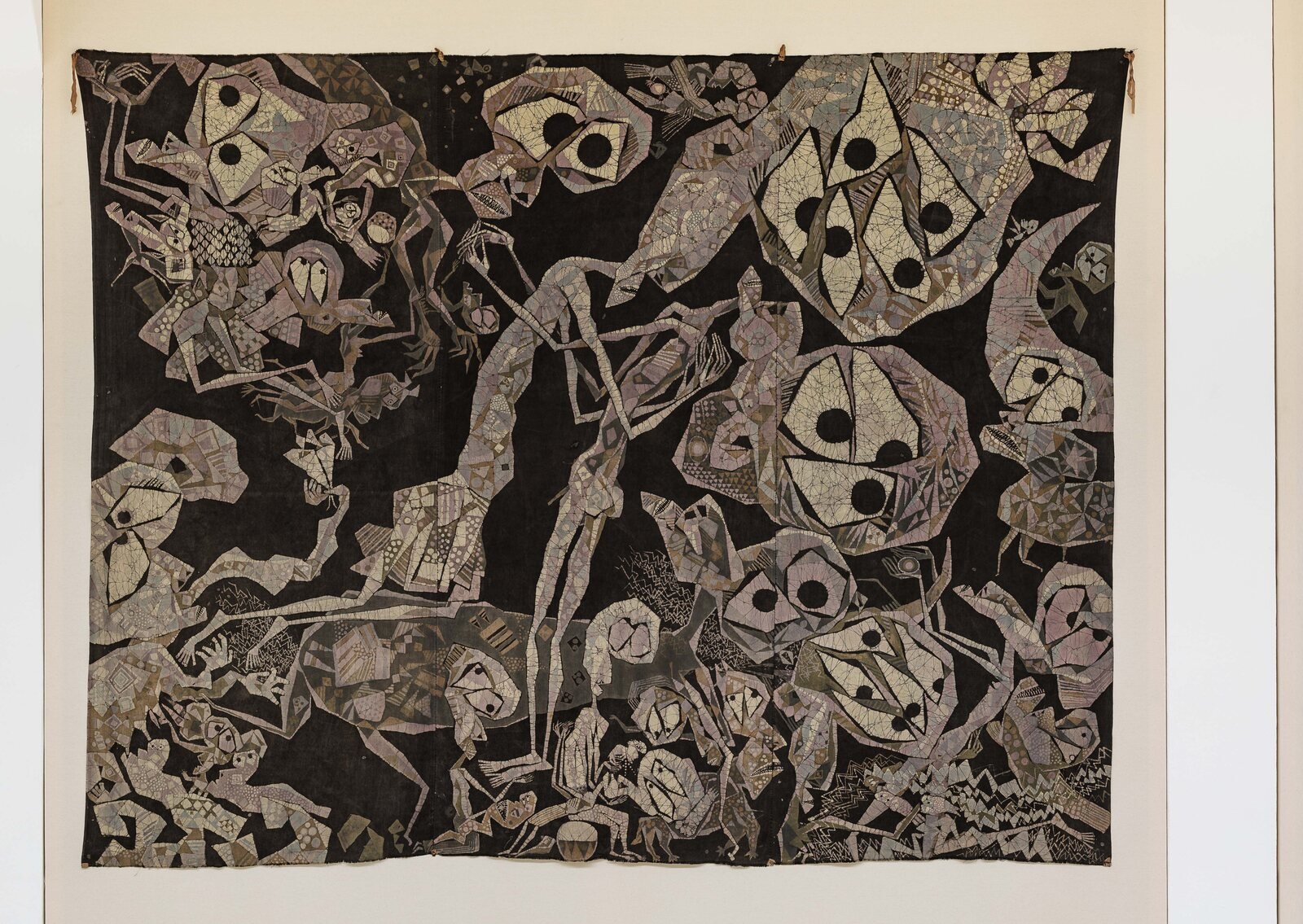
Susanne Wenger (1915, Graz – 2009, Òṣogbo, Nigeria) is seen as a key Austrian post-1945 artist and also an early contemporary of surrealism. Her work includes sculptures, paintings, drawings, prints, and batik textiles, transcending aesthetic categories and combining art, spirituality, and myth. After more than twenty years, Susanne Wenger’s work is now returning with the exhibition Àdùnní Olórìṣà to Graz and to the museum where she received the Golden Badge of Honor of Styria for her life’s work on the occasion of a 2004 exhibition, followed by the Austrian Cross of Honor for Science and Art. Working together with the Susanne Wenger Foundation in Krems, which has done great service to preserving the artist’s work, HALLE FÜR KUNST Steiermark presents a judicious selection of Wenger’s multi-facetted work.
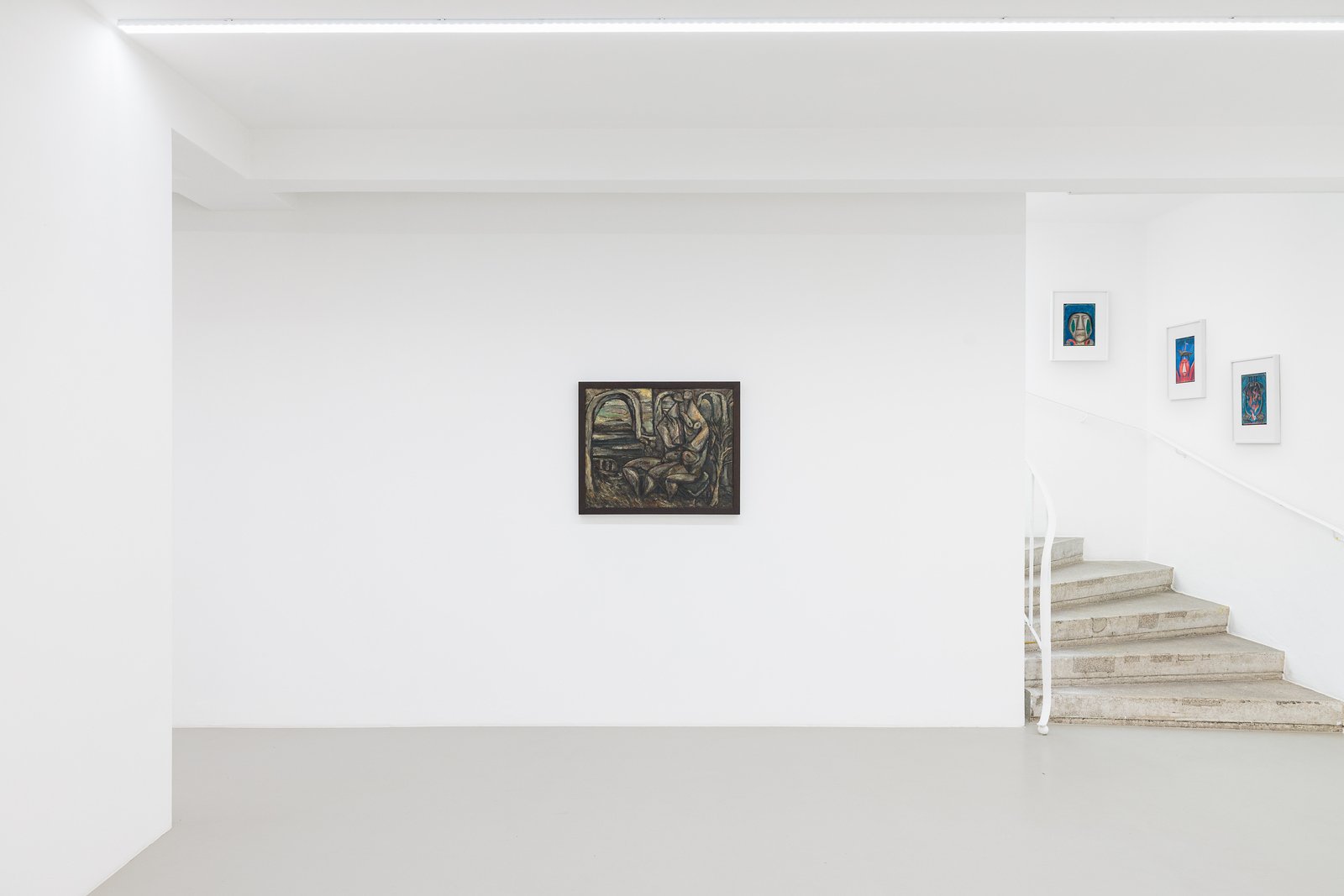
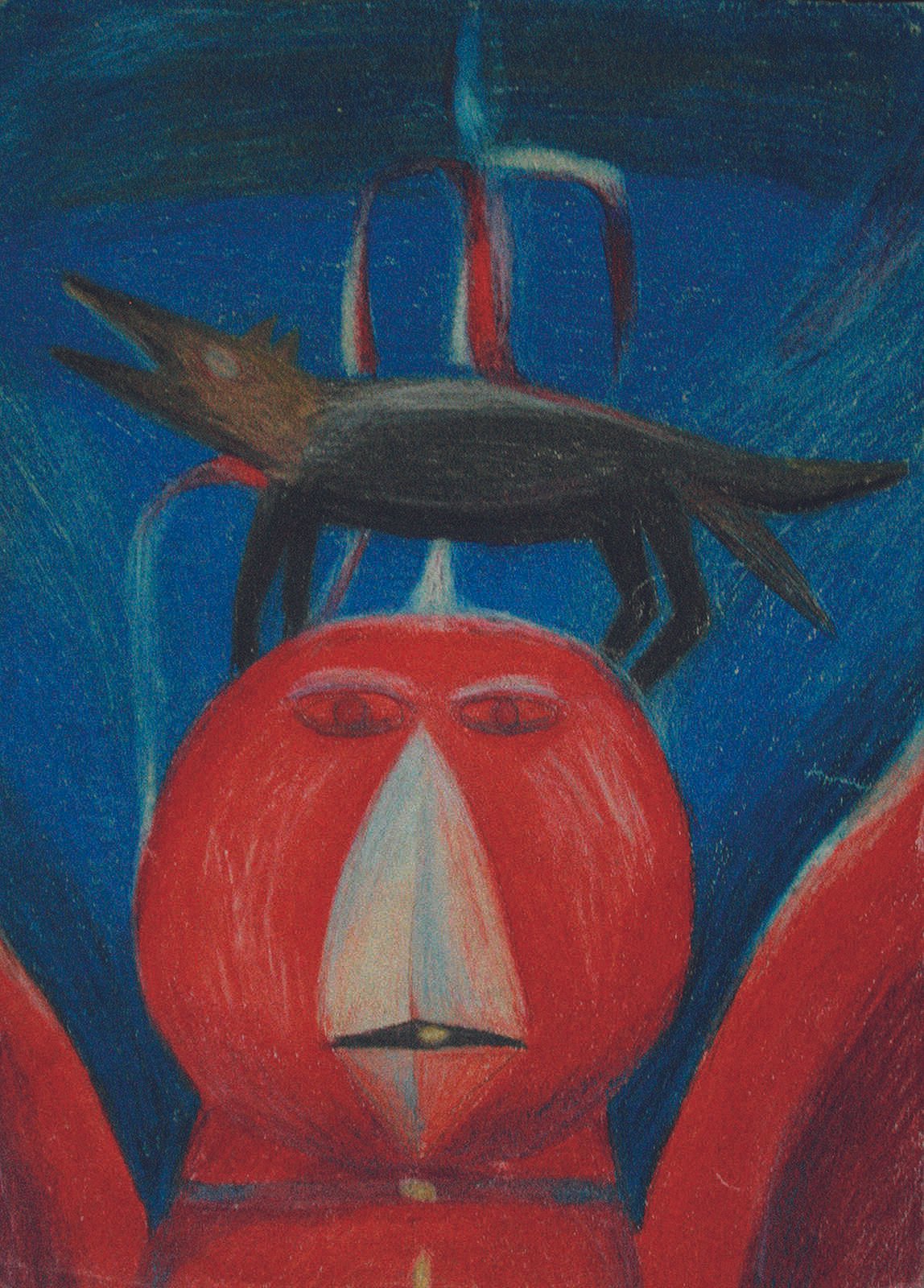
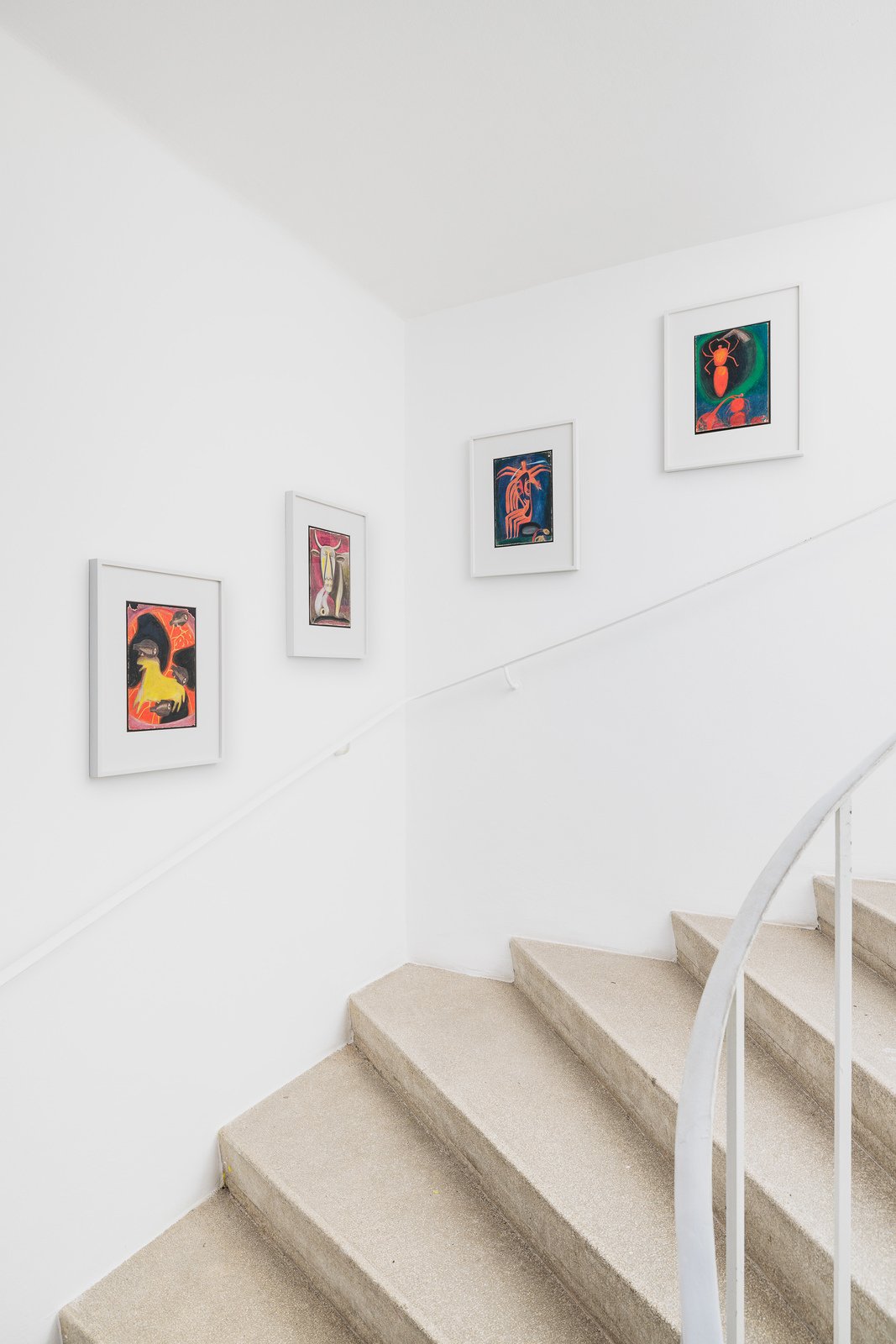
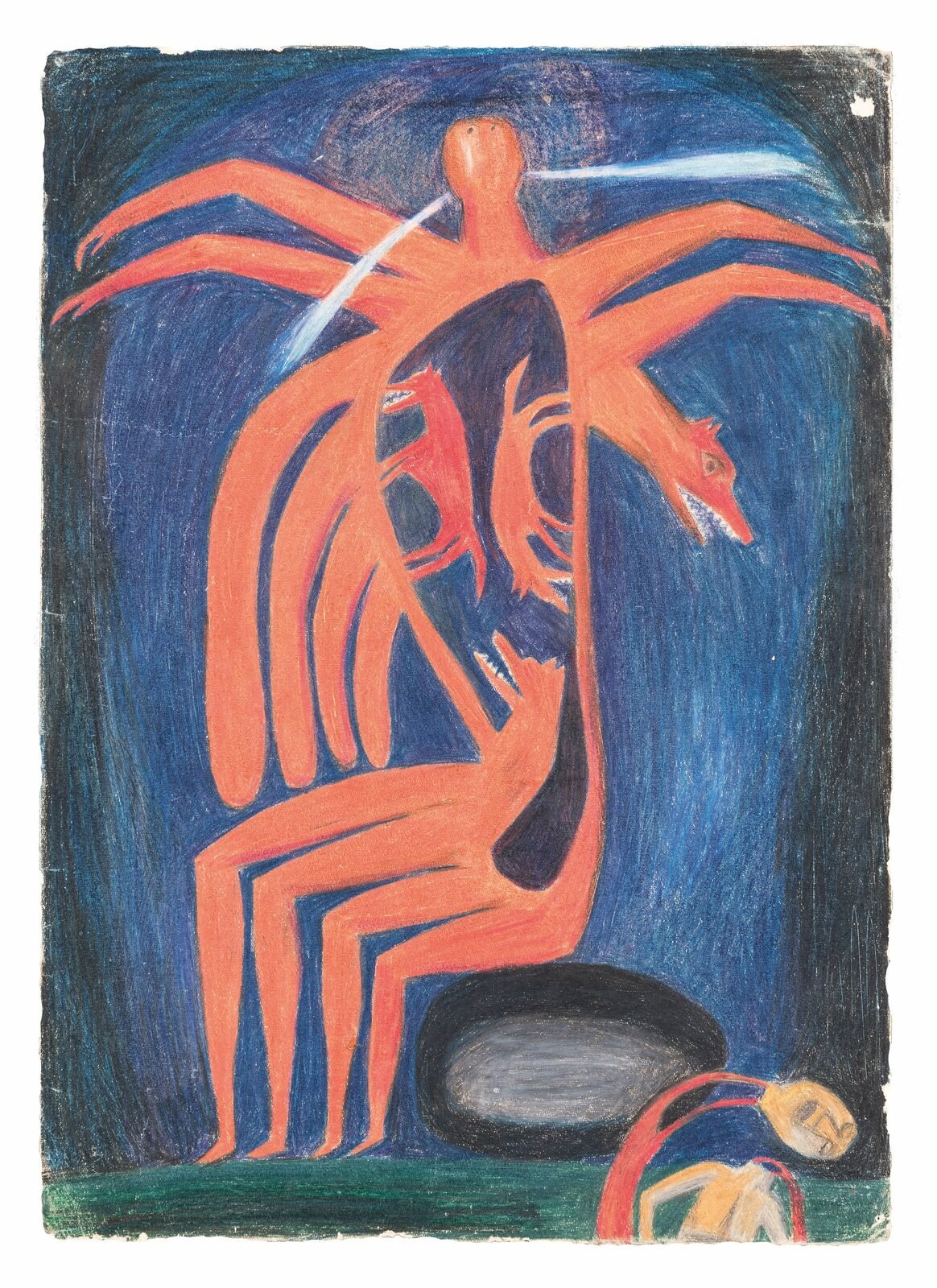
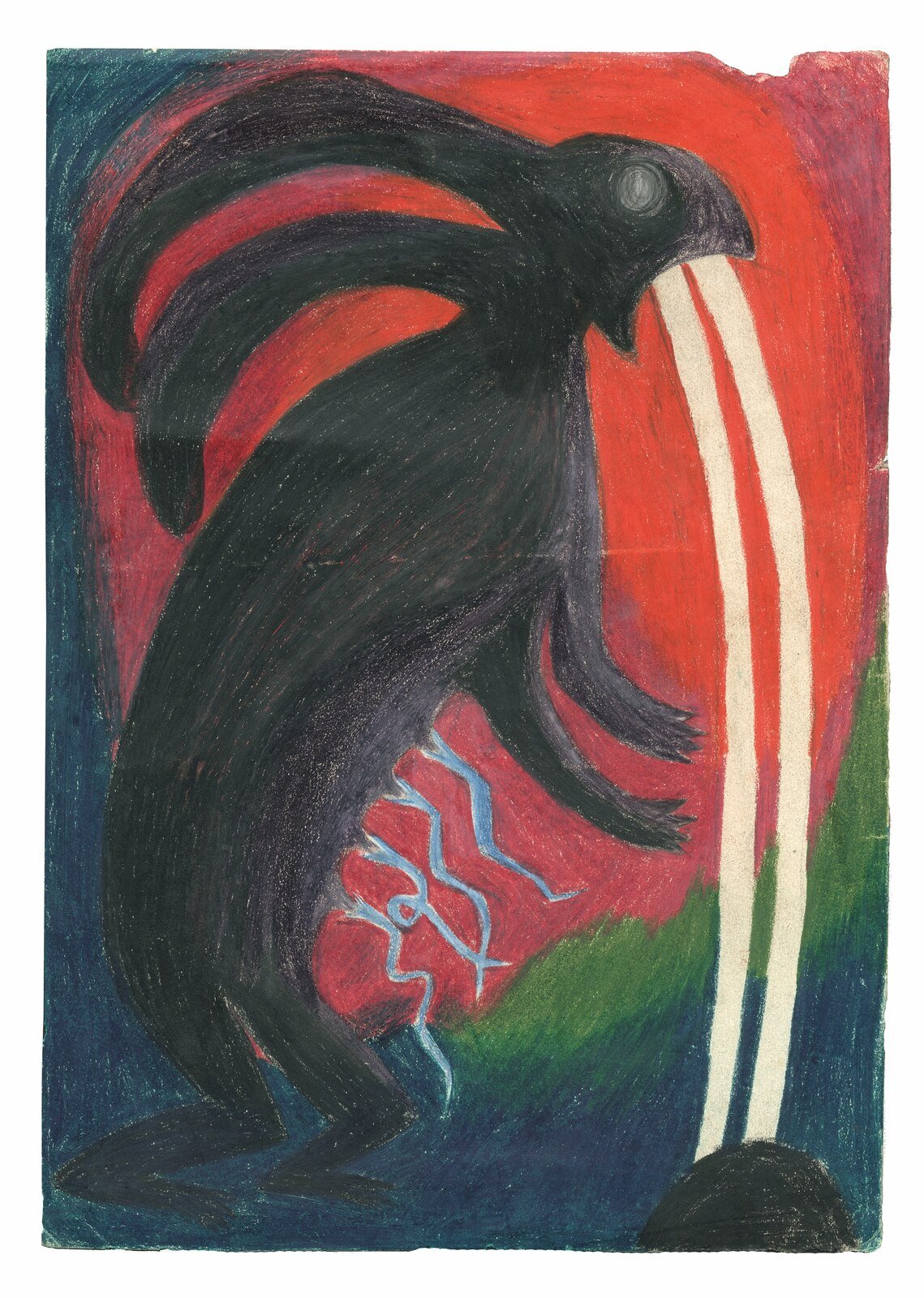
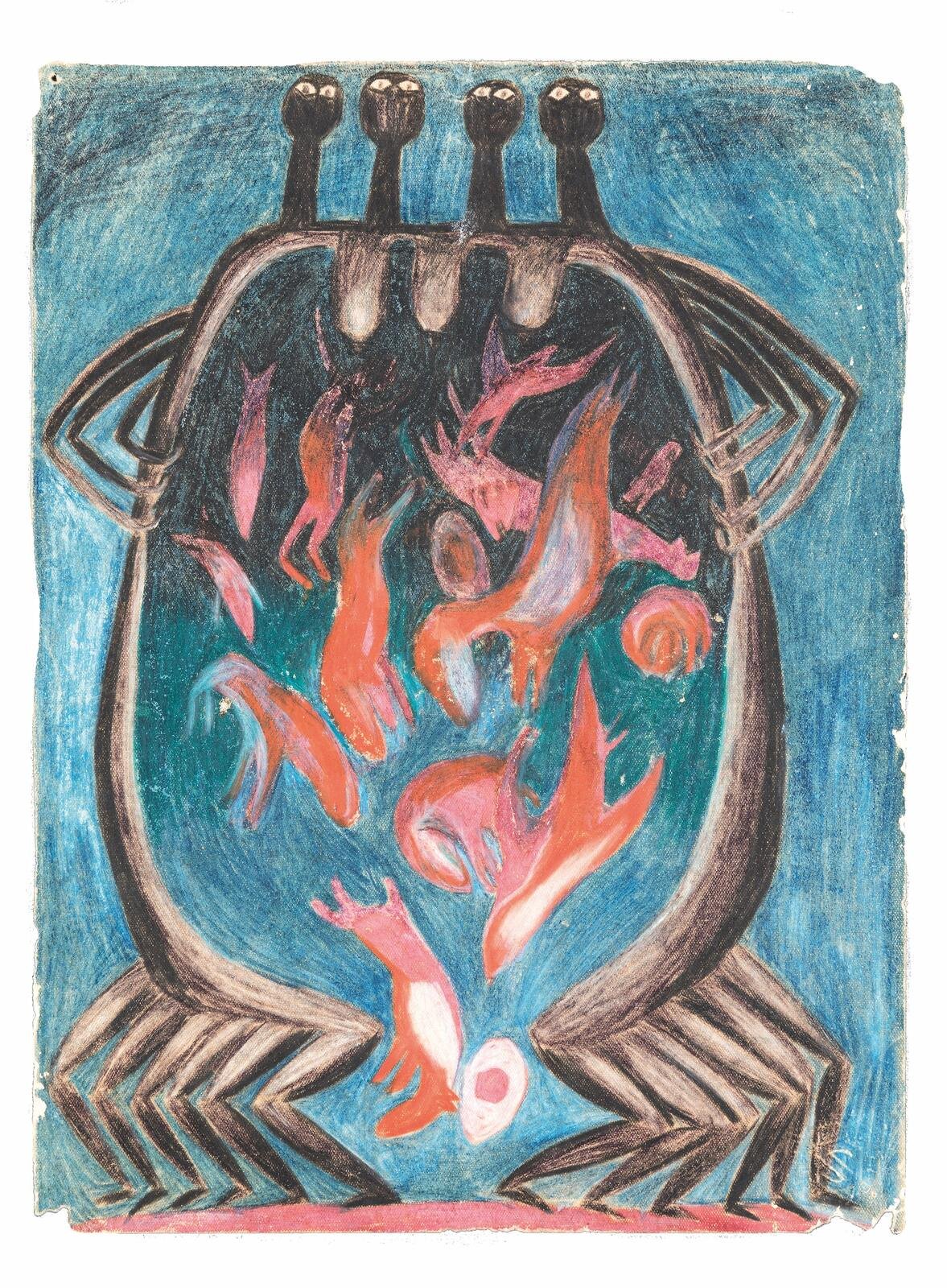
Susanne Wenger’s experiences during World War Two, taking an active part in resistance against the Nazi régime, and seeing friends and fellow artists like Karl Drews and Herbert Eichholzer murdered, left a lasting mark on her artistic development. Based on these experiences, Wenger developed her own transcendent and mythological formal idioms. Following her studies at the Academy of Fine Arts in Vienna and a stay in Paris, in 1950 Wenger travelled to Nigeria with her husband, the linguist Ulli Beier. She visited the cities of Ìbàdàn, Ẹdẹ, and Ìlóbùú, and then settled in Òṣogbo, where she lived as an artist and Òrìṣà priestess of the Yorùbá faith for nearly sixty years until her death. In the sacred groves along the river Ọ̀ṣun, she worked with the New Sacred Art Movement to create monumental sculptures and shrines, enhancing this spiritual vicinity with a total work of art. In 2005 the Sacred Ọ̀ṣun Òṣogbo Groves were declared a UNESCO world cultural heritage site. In 2024, Wenger’s work was included in the Venice Biennale curated by Adriano Pedrosa, and thus it is now finding the international acclaim it deserves, with participations in exhibitions at institutions such as the Tate Modern, Haus der Kunst in Munich, and the Museum of Contemporary Art Belgrade, whereas reception in Austria has to date remained comparatively reserved.
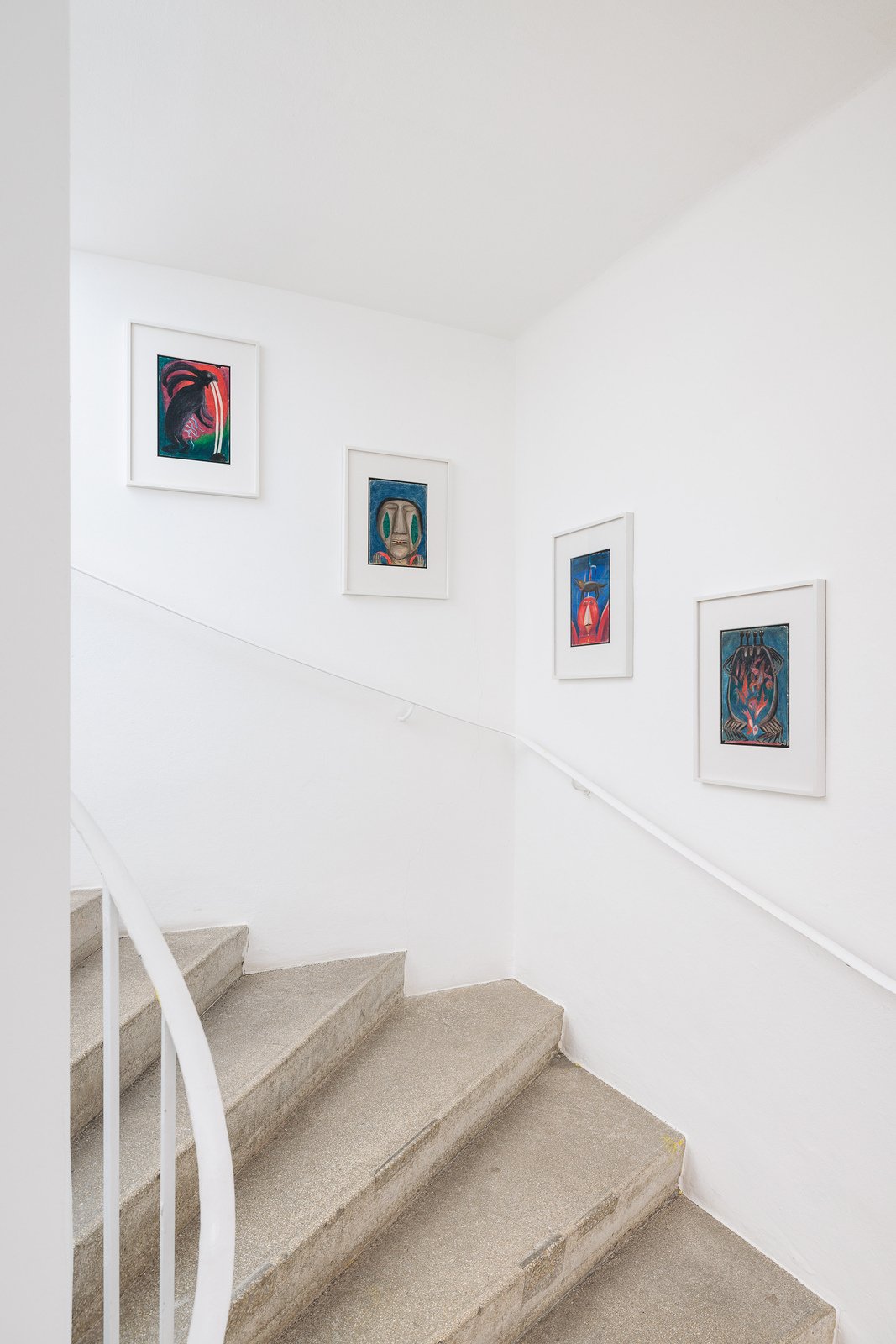
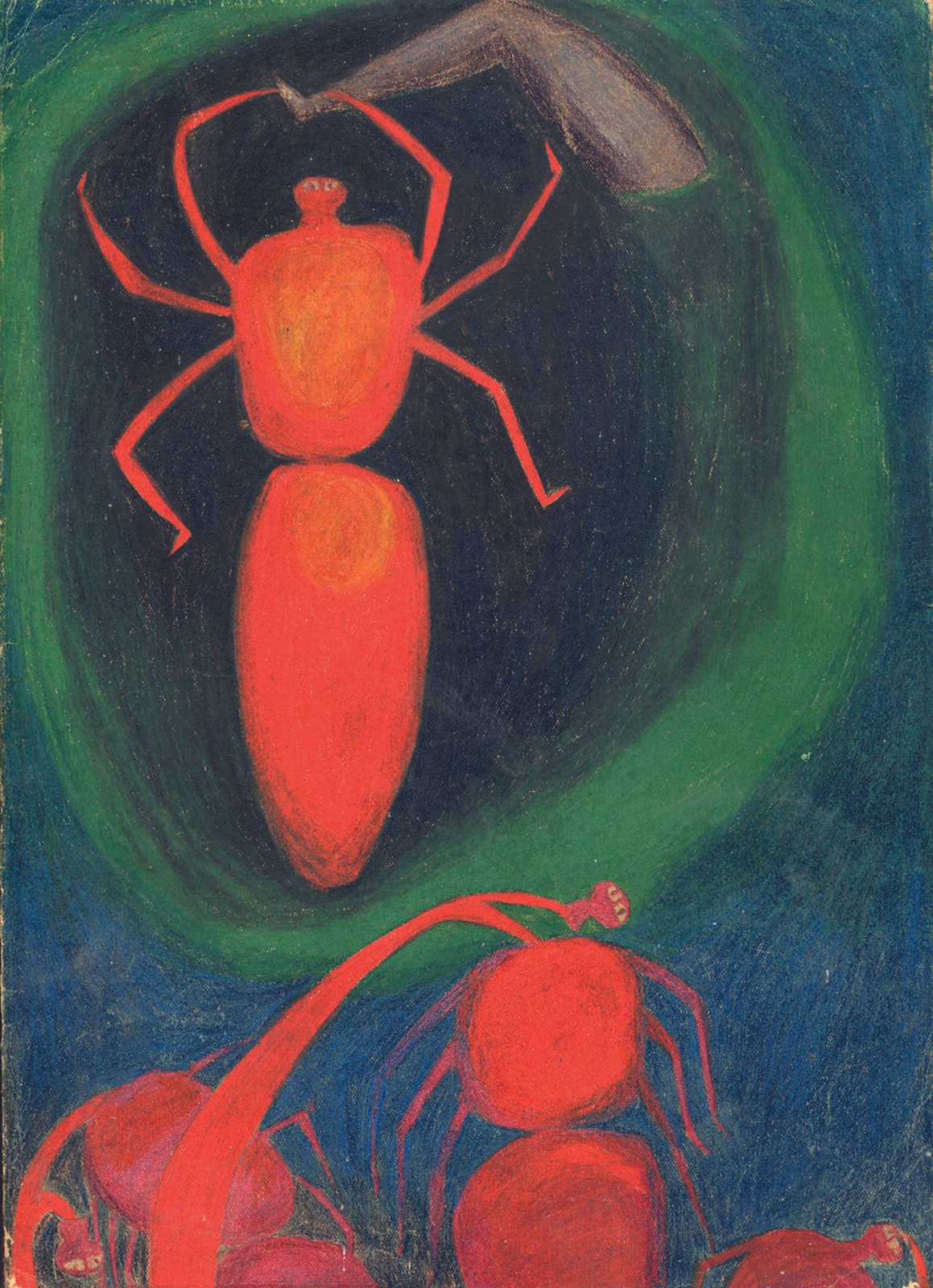
The present exhibition at HALLE FÜR KUNST Steiermark presents a judicious selection of Wenger’s multi-facetted work. The exhibition includes impressive batiks and selected paintings and drawings. Of particular note are her early crayon drawings Traumgesichte (Dream Visions), which were created in Vienna during the war in 1943 and 1944. These pictorial worlds of outsized insects and a monstrous hare oscillate between dream and nightmare, reflecting an inner struggle with fear, impotence, and psychological duress.
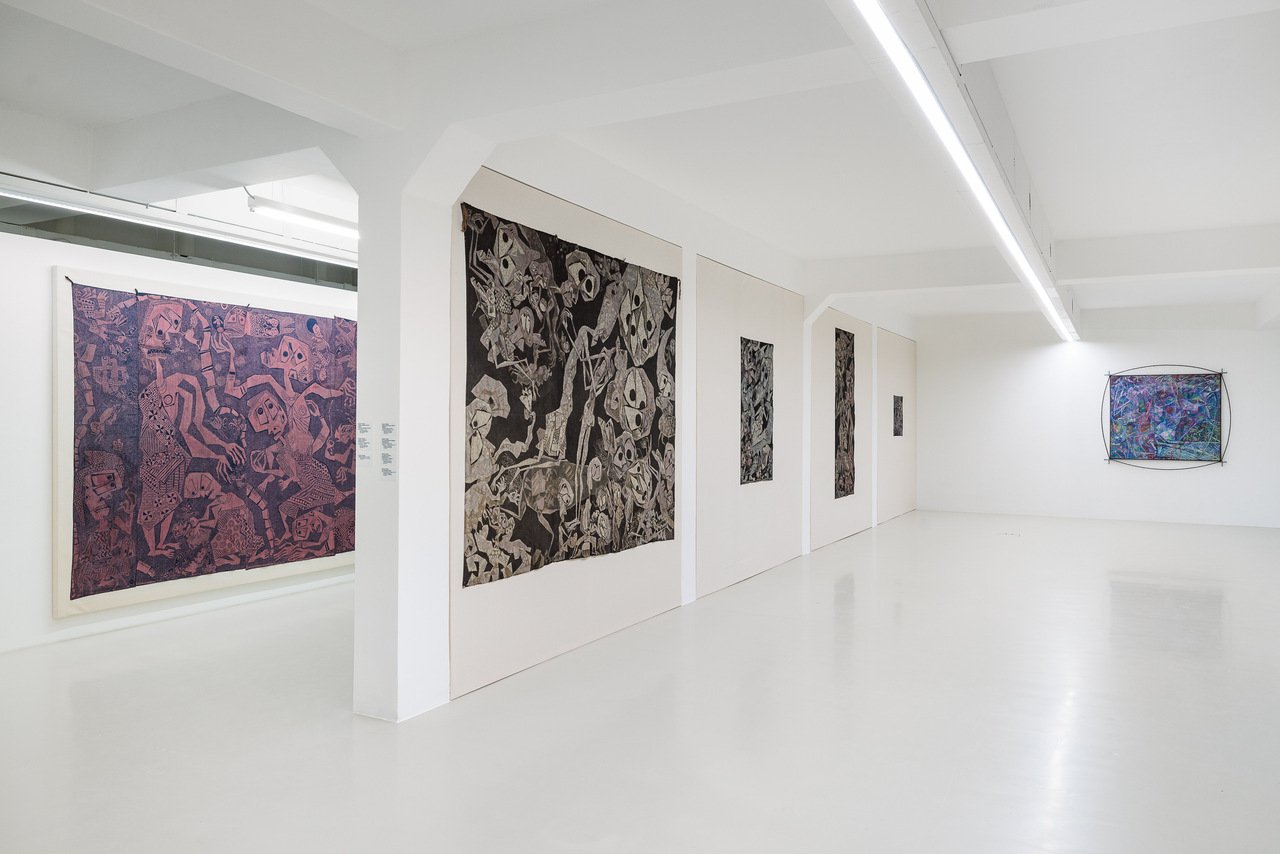
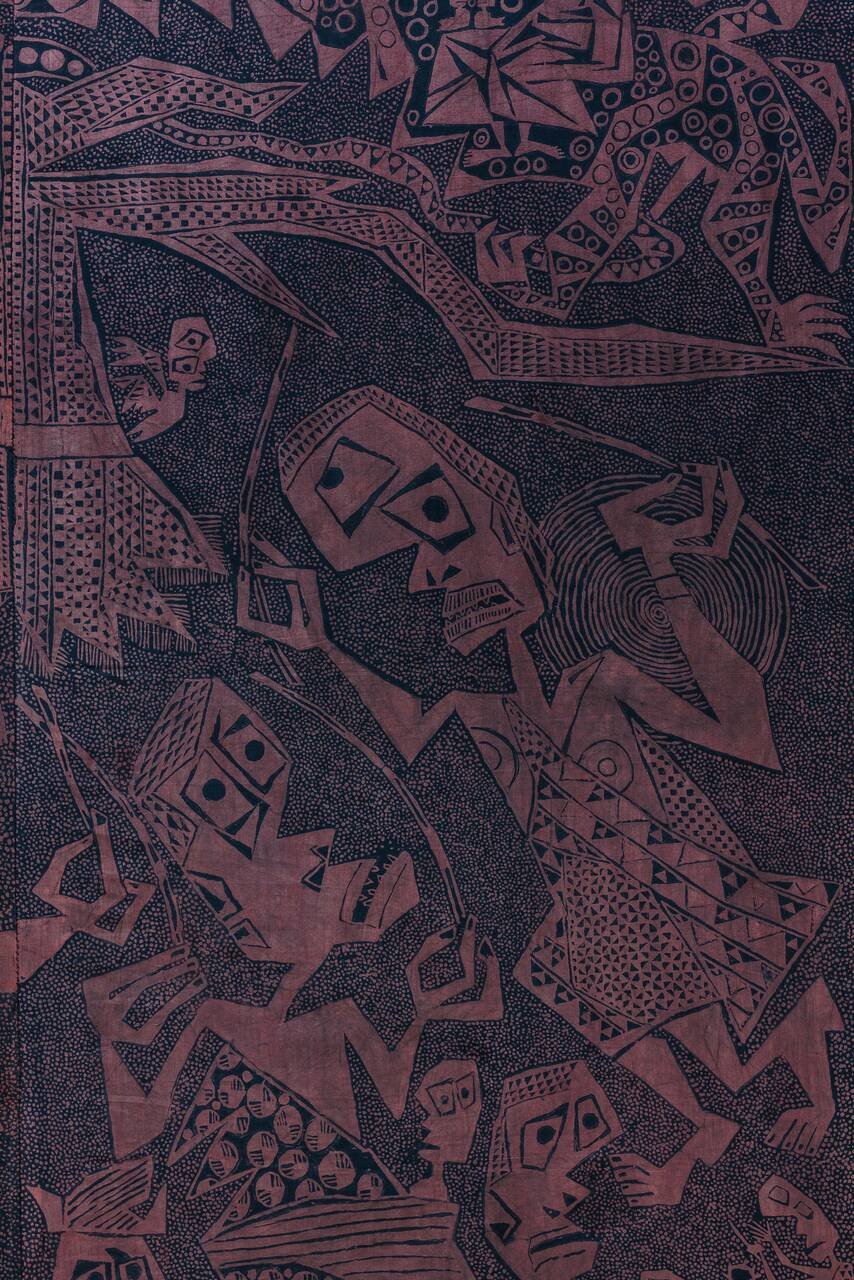
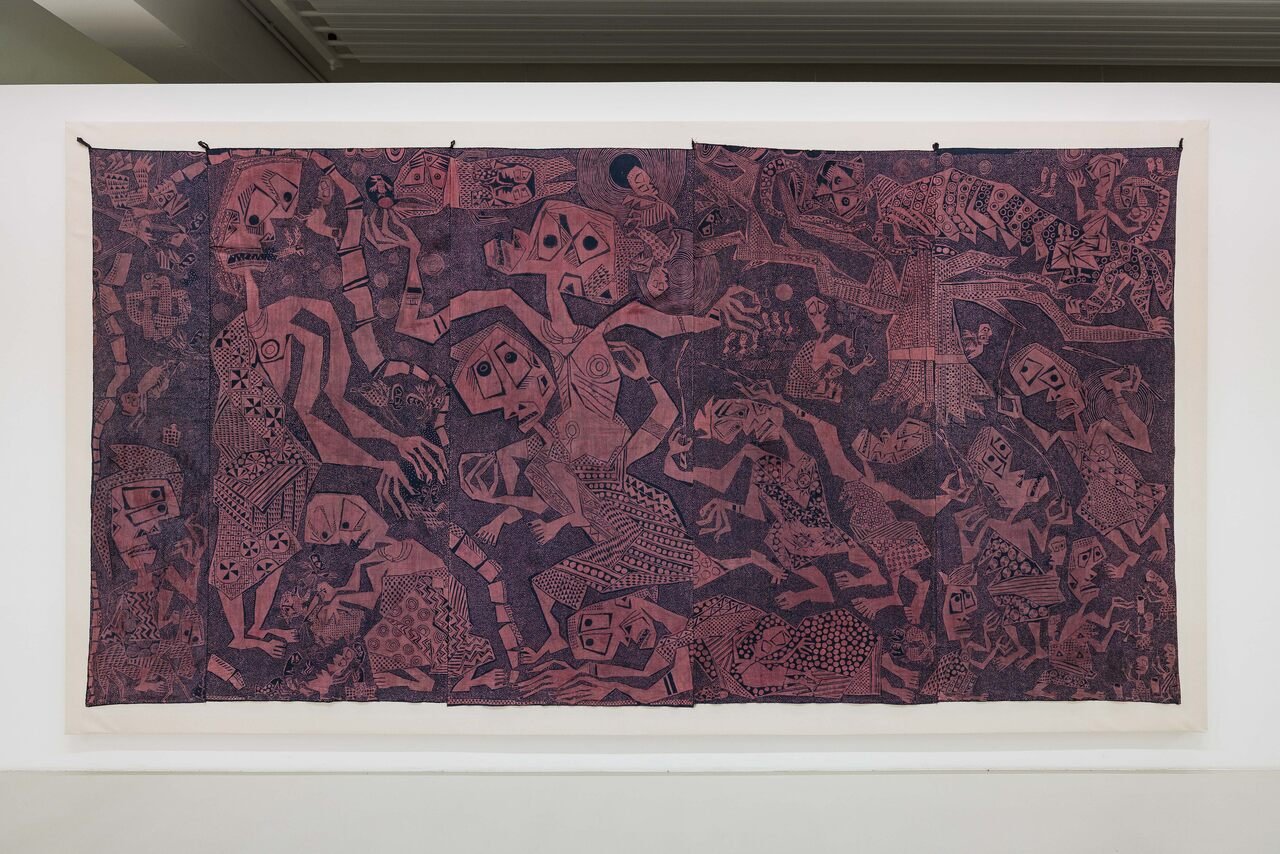
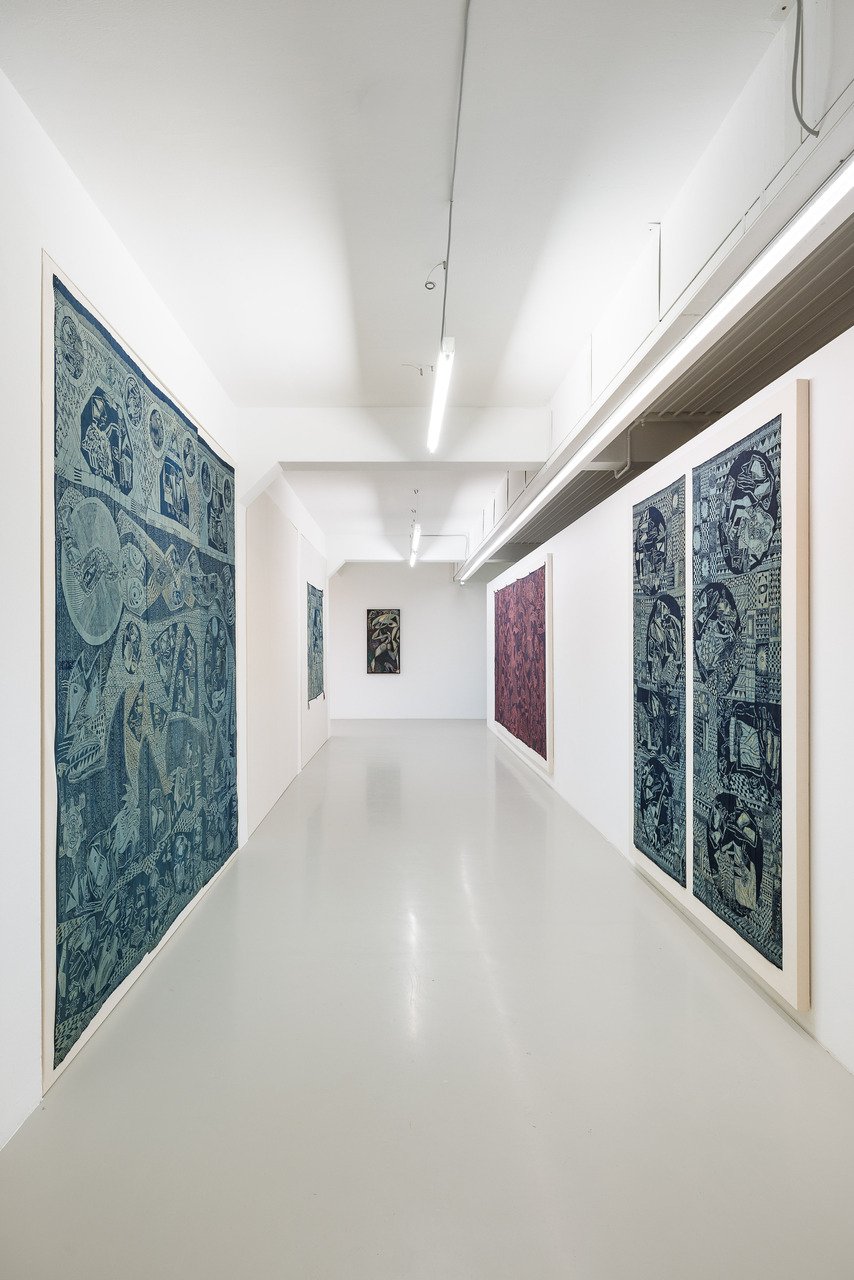
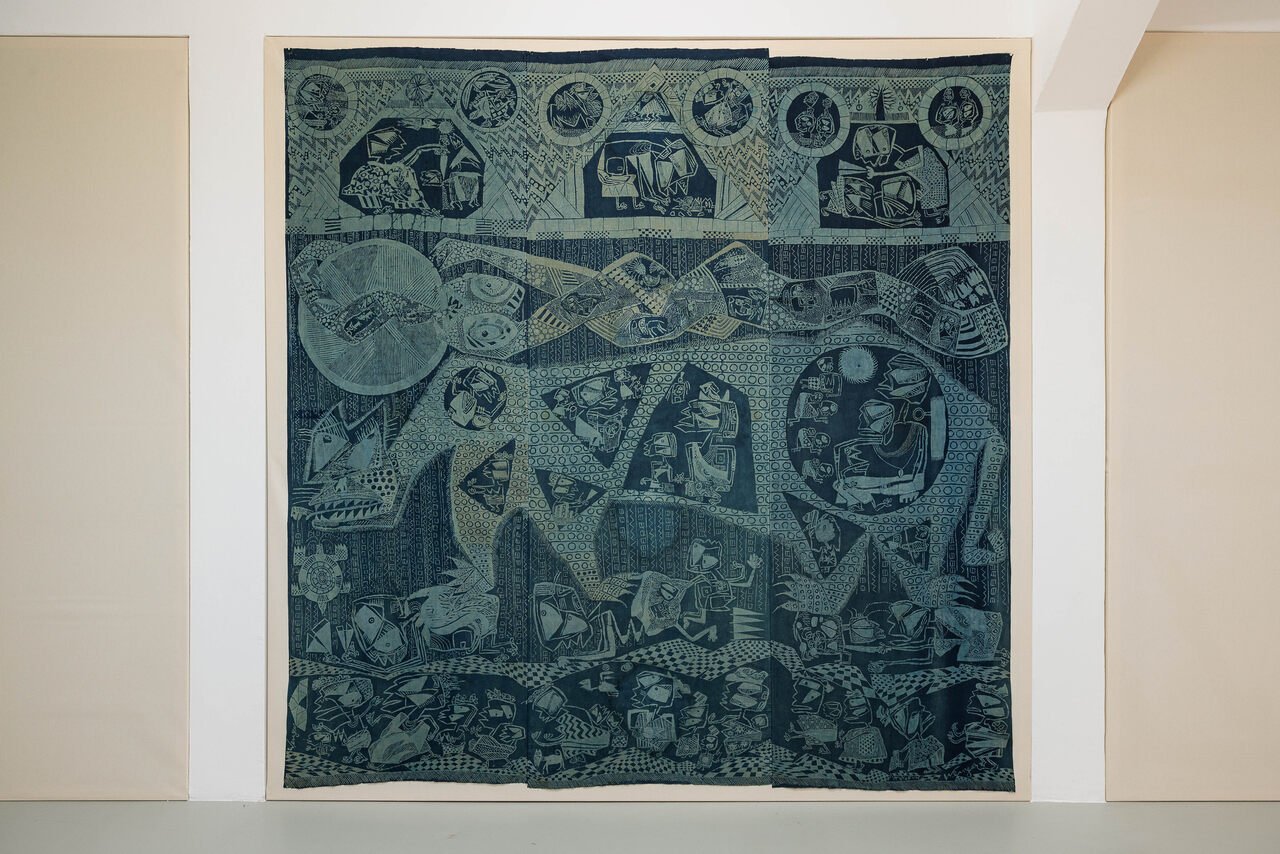
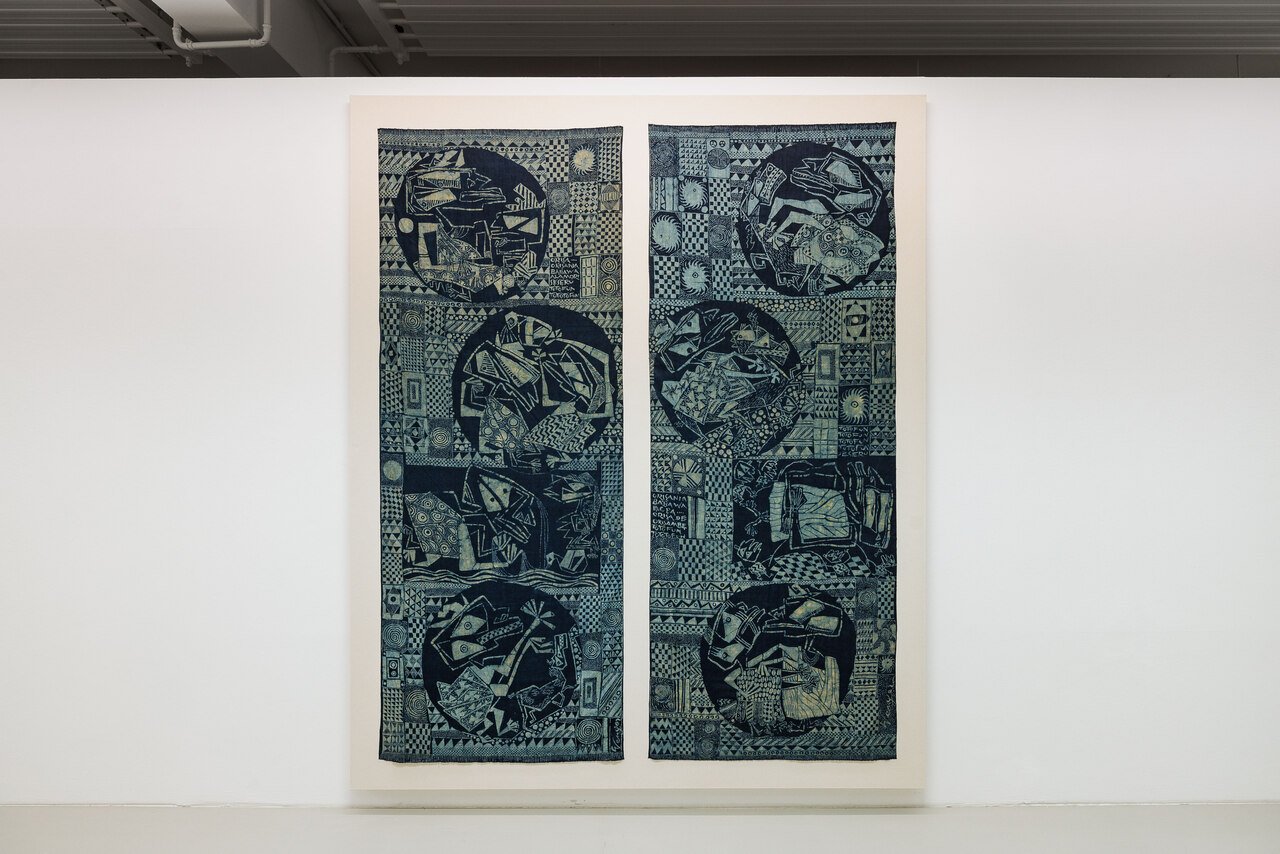
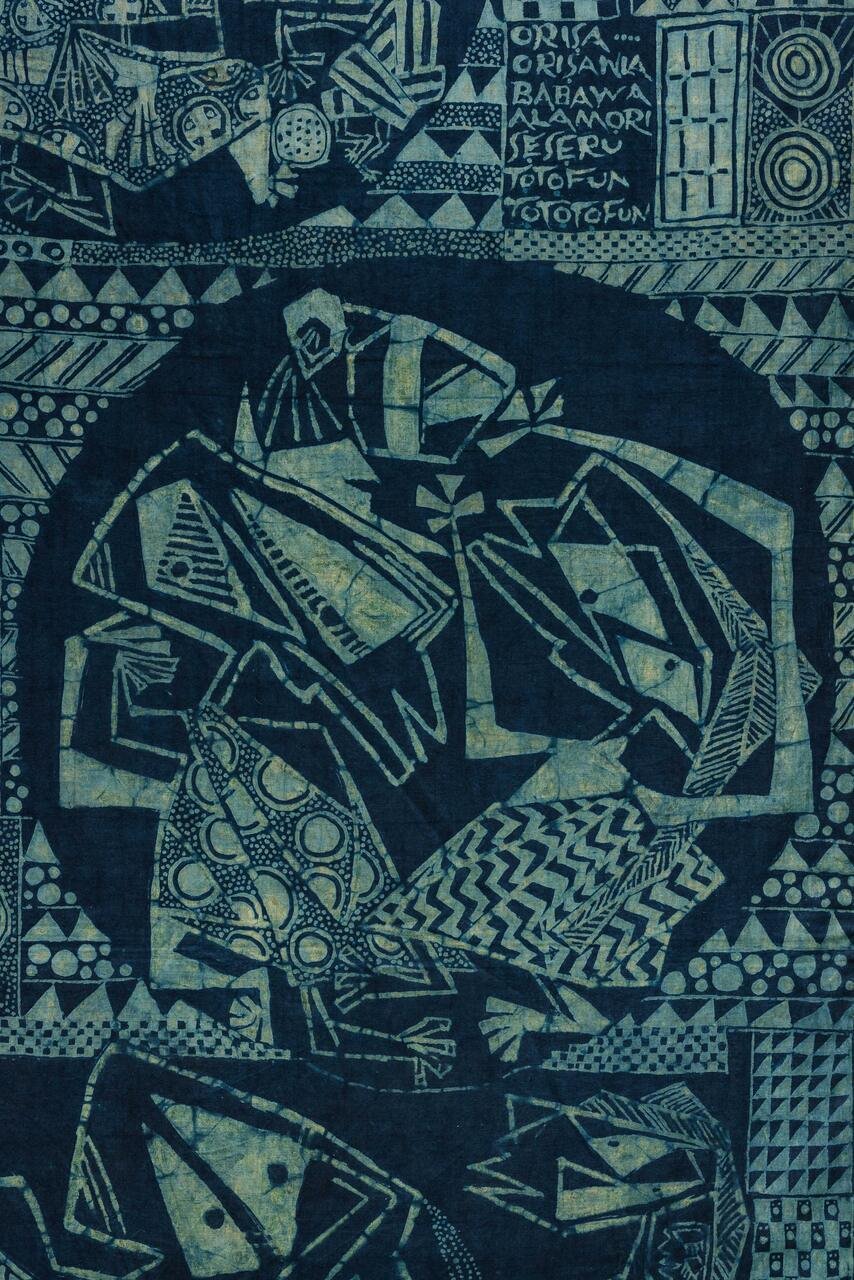
At the center of this exhibition stand Wenger’s large-format textiles – works of intensive color that unite myths of creation, death, sacrifice, and reincarnation. Beginning in the 1970s, Wenger developed her own technique that combined elements of batik, textiles painting, and indigo dye into a “spontaneous flow.” These detailed wax batiks, which the artist called “textile cloth paintings,” are highly expressive. These later works were preceded by the “àdìrẹ batiks” of the 1950s and 1960s, which were based on a traditional Yorùbá technique and dyed with natural indigo. Here the combination of European modernism and the Yorùbá culture is very evident – a central point of reference in Wenger’s work. Wenger’s batiks combine Yorùbá symbols with an abstract and organic formal idiom. They typically use flowing lines, rhythmical compositions, and natural shades of color such as indigo, brown, ochre, and red, all expressing a deep connection to the spiritual forces of the Earth. And Wenger’s textiles are far more than just decorative materials. Her motifs point to the Òrìṣà, the divinities of the Yorùbá faith, and unfold rich imagery replete with narrative.
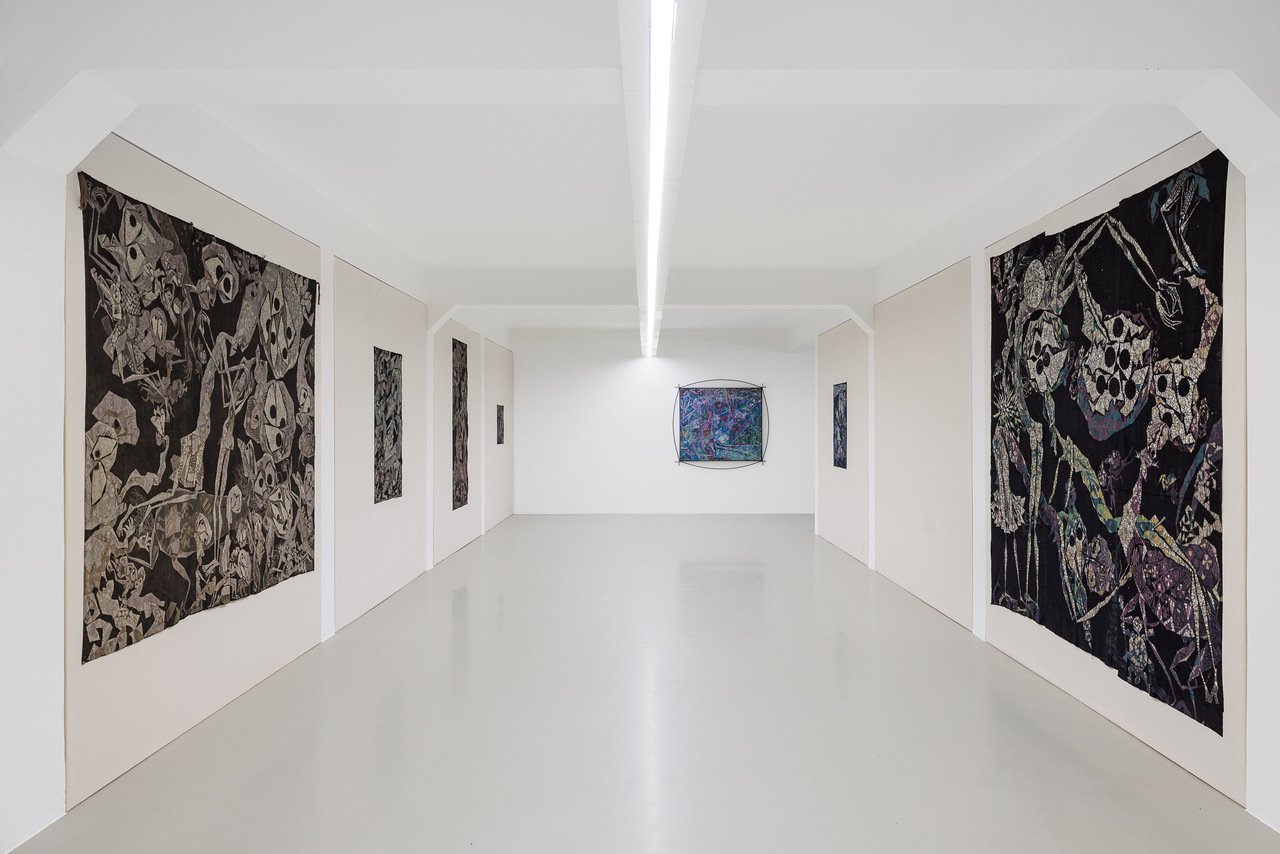
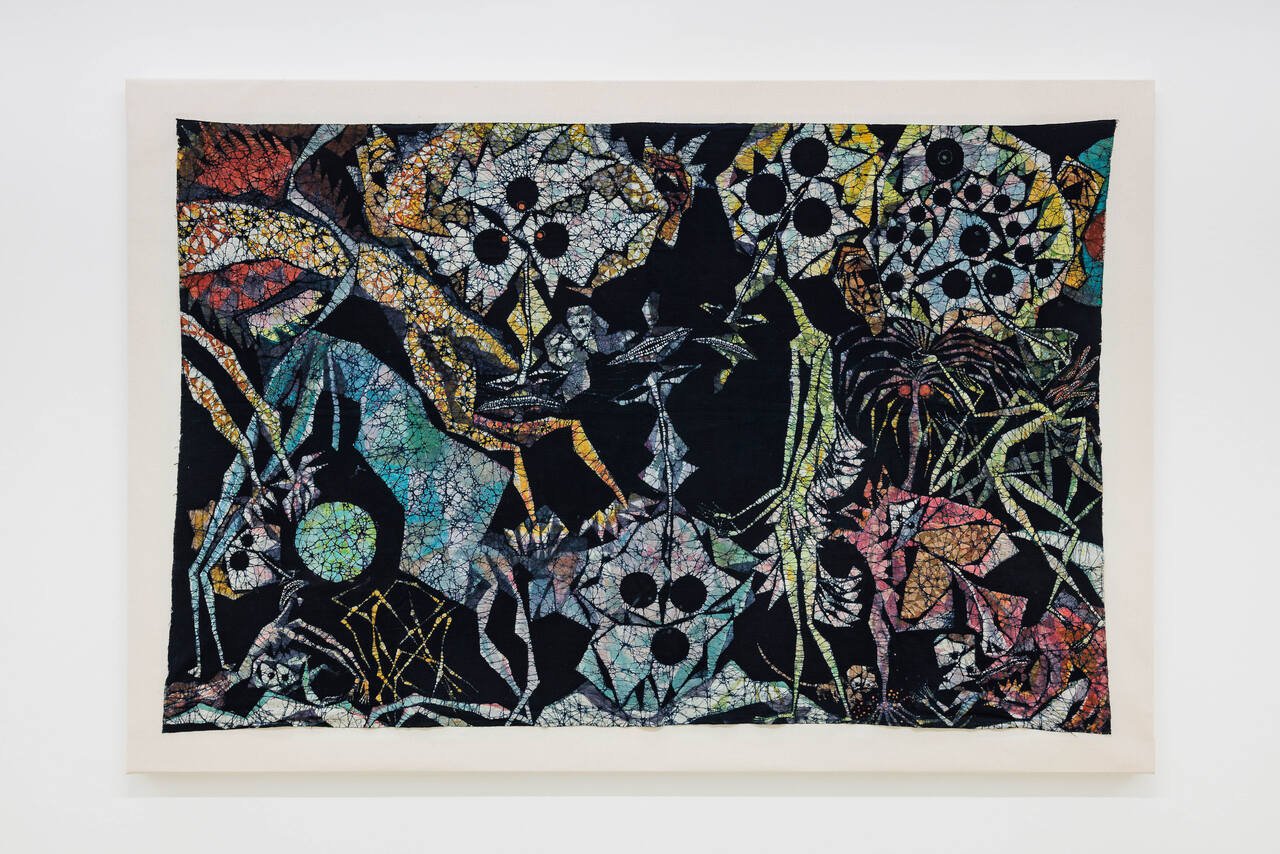
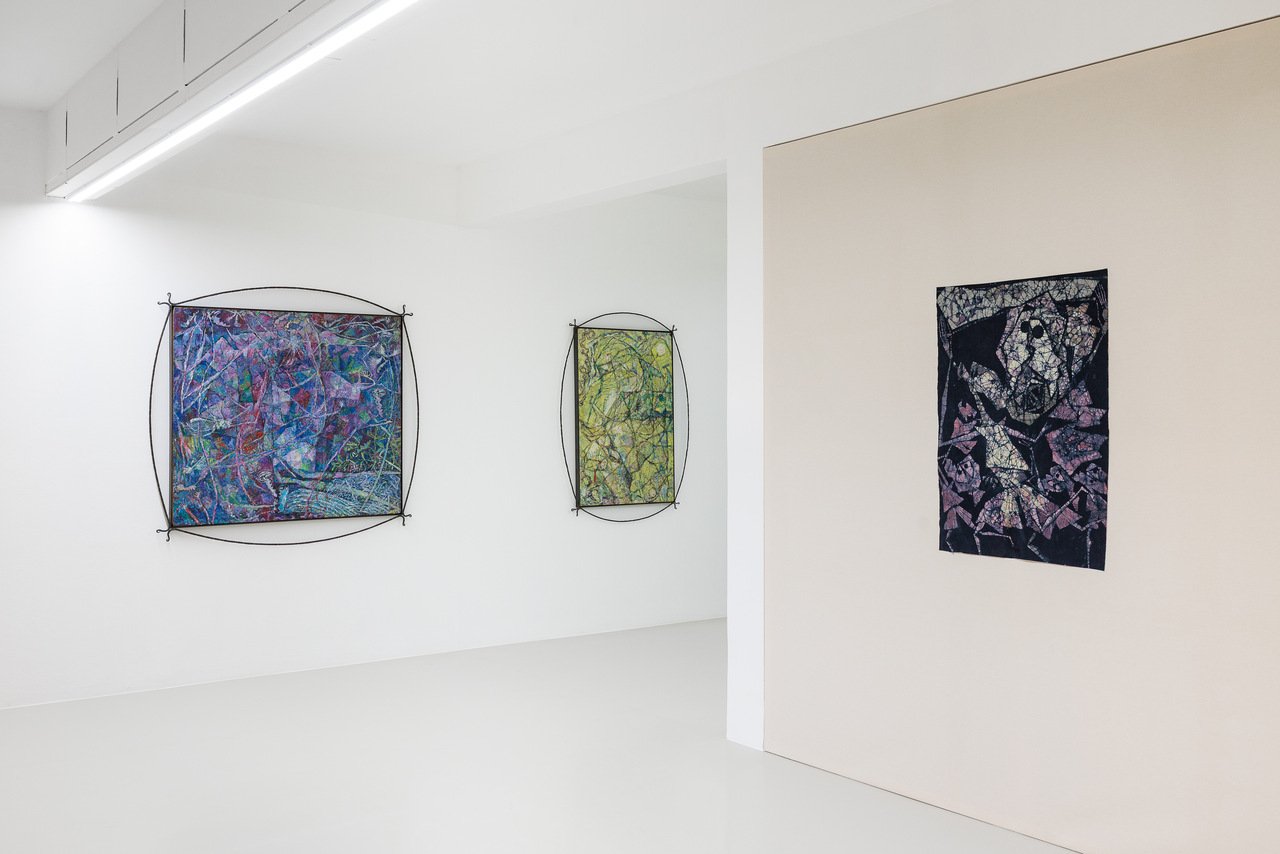
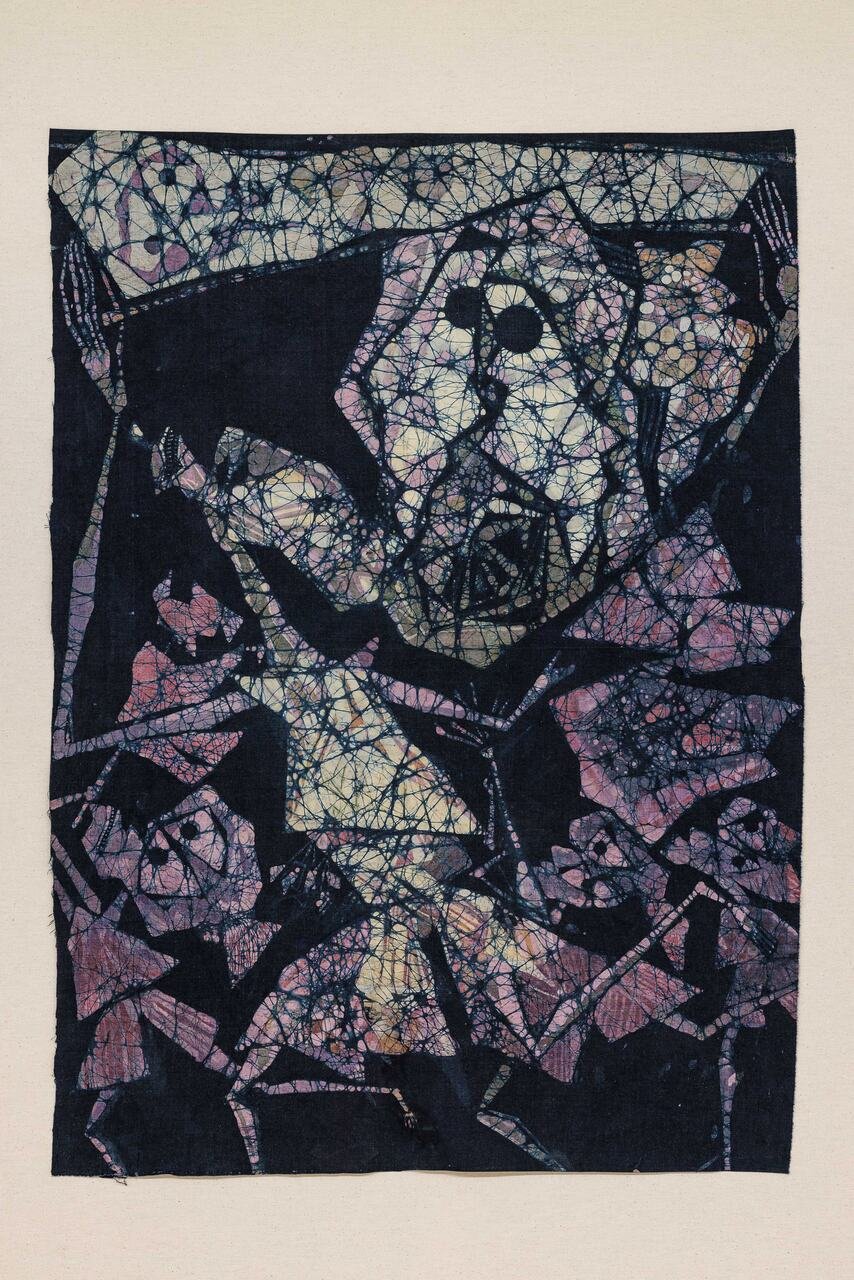
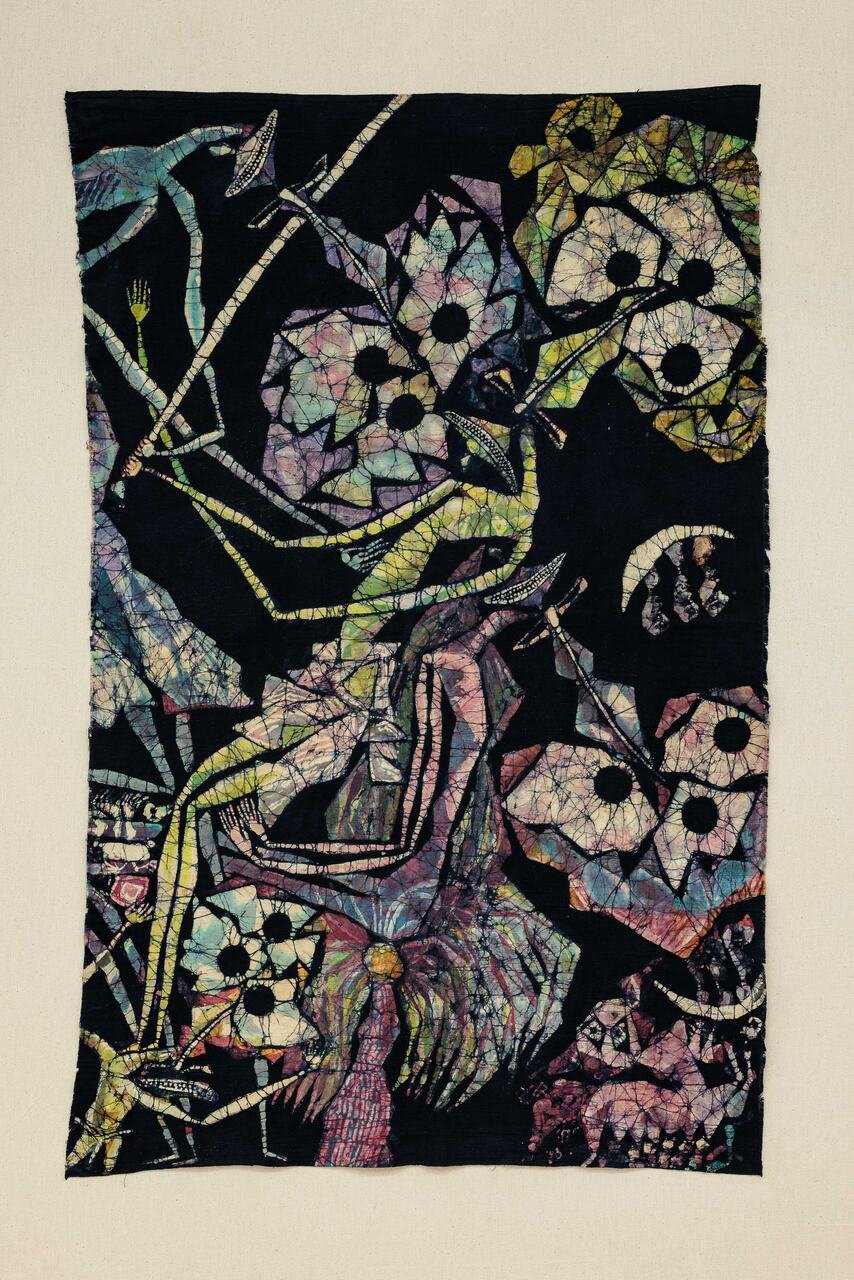
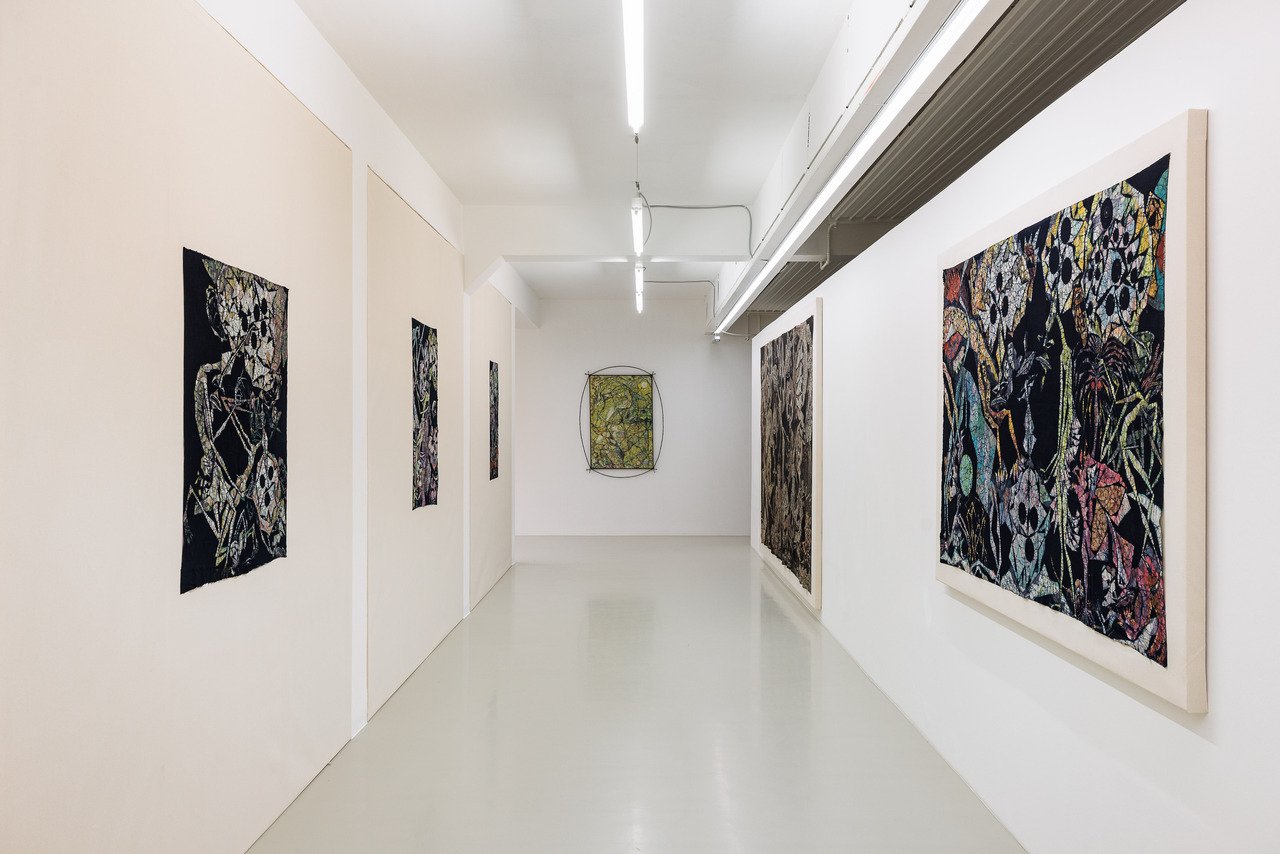
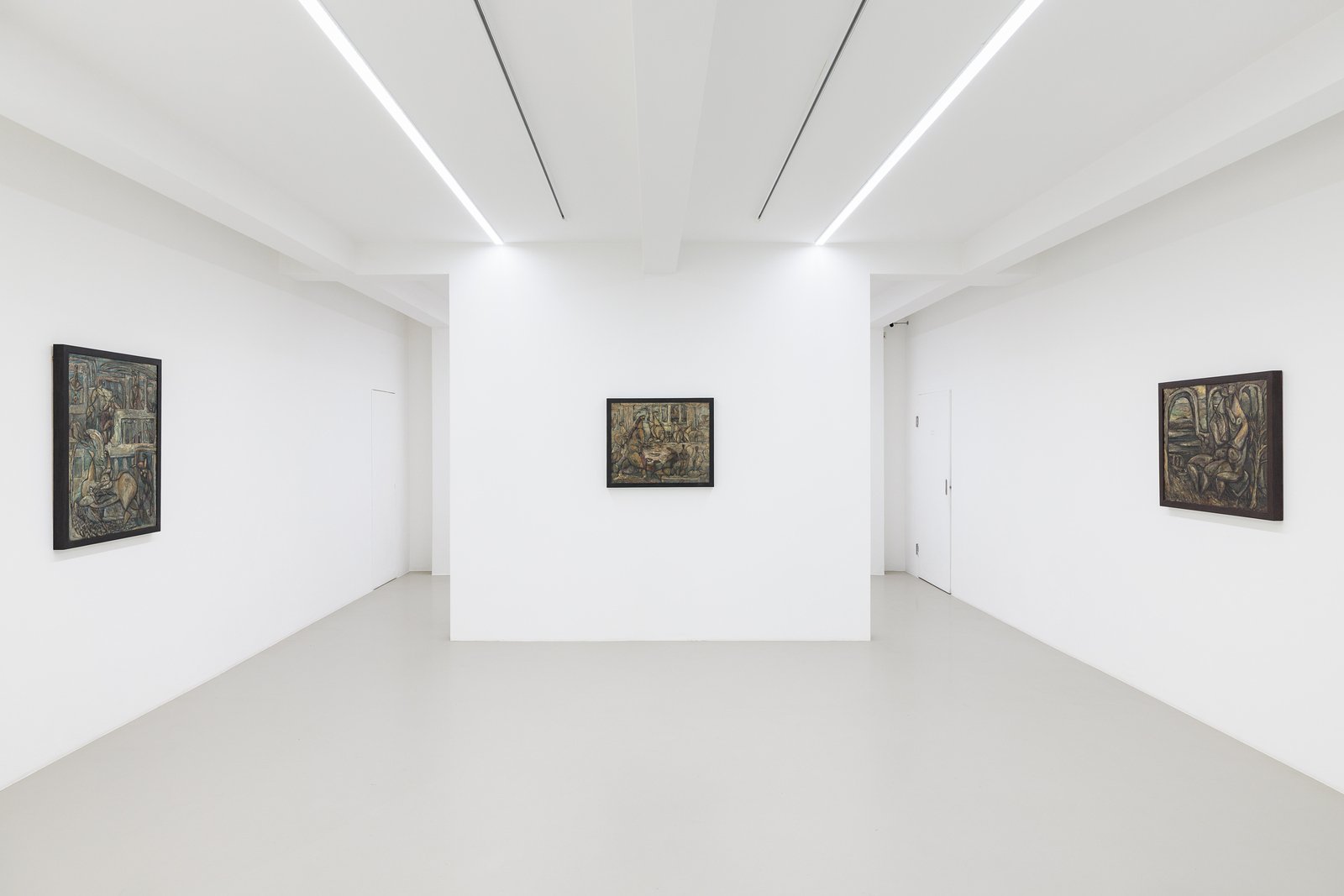
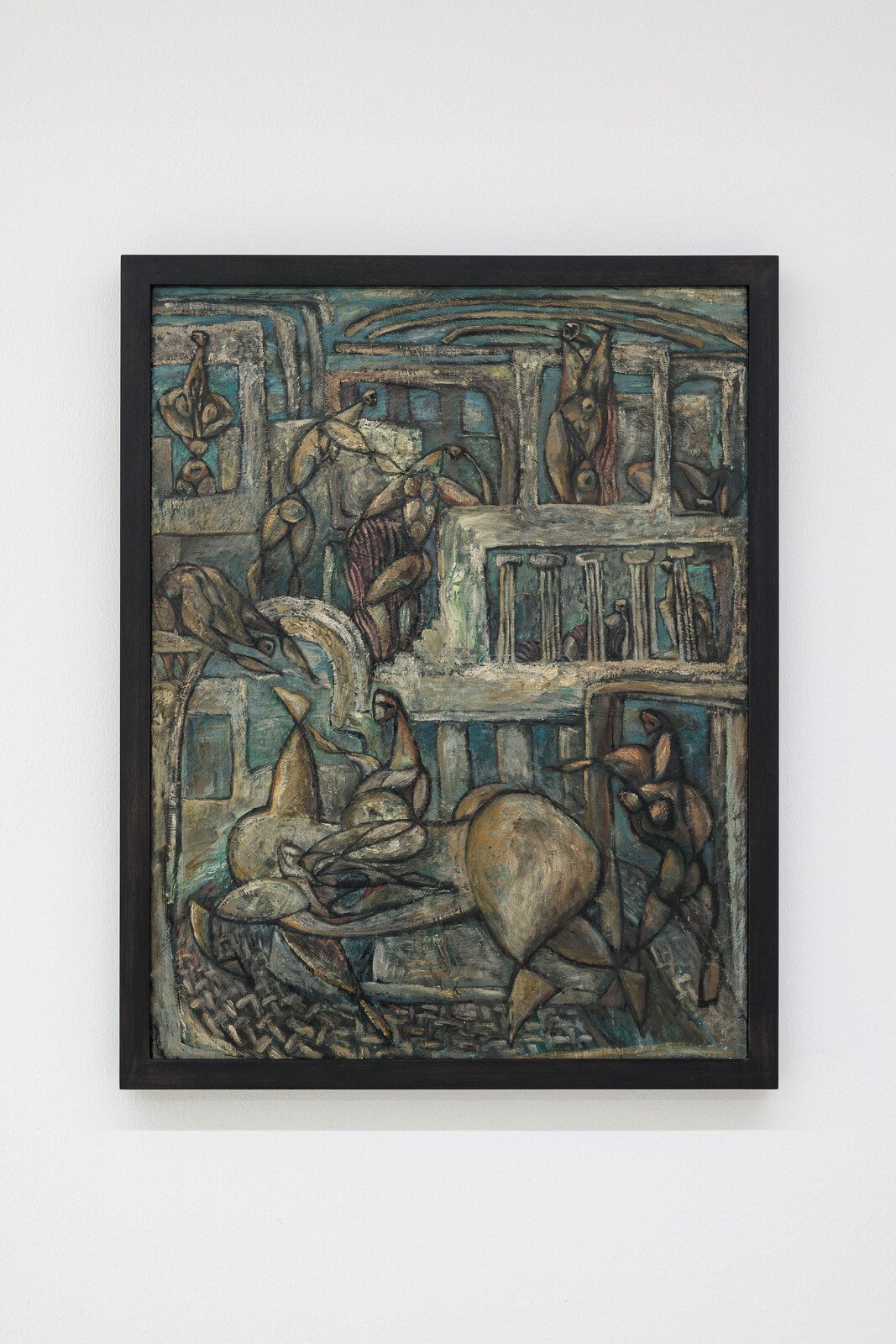
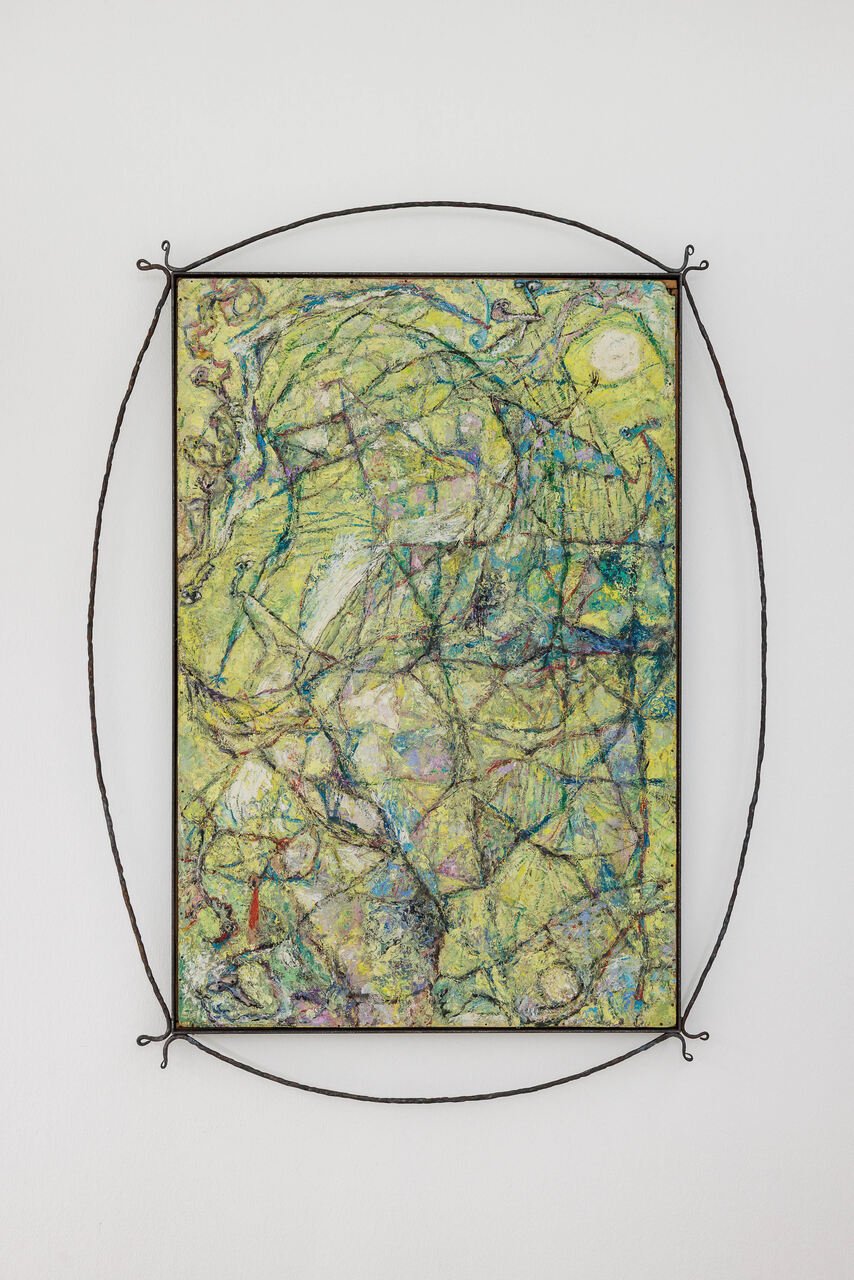
In addition to these impressive textiles, the exhibition also presents paintings from Wenger’s later period. After a long break, Wenger returned to oil painting again in the mid-1960s. In her series Icons of Great Sadness (1993−1995), she saw her art as a means to expand reality and transform social consciousness. In these paintings figuration and abstraction merge into one. Space and time seem to be suspended, and the artist presents insights into her own inner world.
In Nigeria Susanne Wenger was known as Àdùnní Olórìṣà, an honorary name in the Yorùbá culture. The name Àdùnní means “the one you like to have around you,” while Olórìṣà denotes someone who has been initiated in the Òrìṣà divinities. This name honors Wenger’s close spiritual connection to the deity Ọbàtálá and her outstanding role as an artist and priestess in cultural life in Òṣogbo. This exhibition invites us to rediscover the deeply contemplative work and incredible life of Susanne Wenger / Àdùnní Olórìsà – as an artistic and spiritual legacy that is remarkably topical today.
Susanne Wenger (1915, Graz – 2009, Òṣogbo, Nigeria)
Solo exhibitions (Selection): Susanne Wenger Foundation, Krems (2020, 2015), Le Michael C. Carlos Museum à l’Université d’Emory, Atlanta (2016), Museum der Völker, Schwaz (2015), Iwalewa House, Bayreuth (2009), Stadtmuseum Graz (2006, 1985), Kunsthalle Krems (2004, 1995), Künstlerhaus, Universalmuseum Joanneum, Graz (2004), Galerie 422, Gmunden (2001), Künstlerhaus Wien (1985).
Group exhibitions (Selection): Tate Modern, London (2025), Museum of Contemporary Art Belgrade (2025), 60. La Biennale di Venezia (2024), MUMOK, Vienna (2022), Landesgalerie Niederösterreich, Krems (2021), Neue Galerie Graz (2005, 2001), Kunsthalle Krems (2003), MoMA, New York (2002, 1979), Museum of Contemporary Art Chicago (2001), Museum Villa Stuck, Munich (2001), National Museum of African Art, Smithsonian Institution, Washington DC (2000), Mittelrheinisches Landesmuseum, Mainz (1980), Otis Art Institute, Los Angeles (1969).
Artist: Susanne Wenger
Exhibition Title: Àdùnní Olórìṣà
Curated by: Sandro Droschl
Venue: HALLE FÜR KUNST Steiermark
Place (Country/Location): Graz, Austria
Dates: 7.2.–19.4.2026
Photos: Photo: kunst-dokumentation.com. Images courtesy of HALLE FÜR KUNST Steiermark and Susanne Wenger Foundation, Krems.