
Biljana Puric
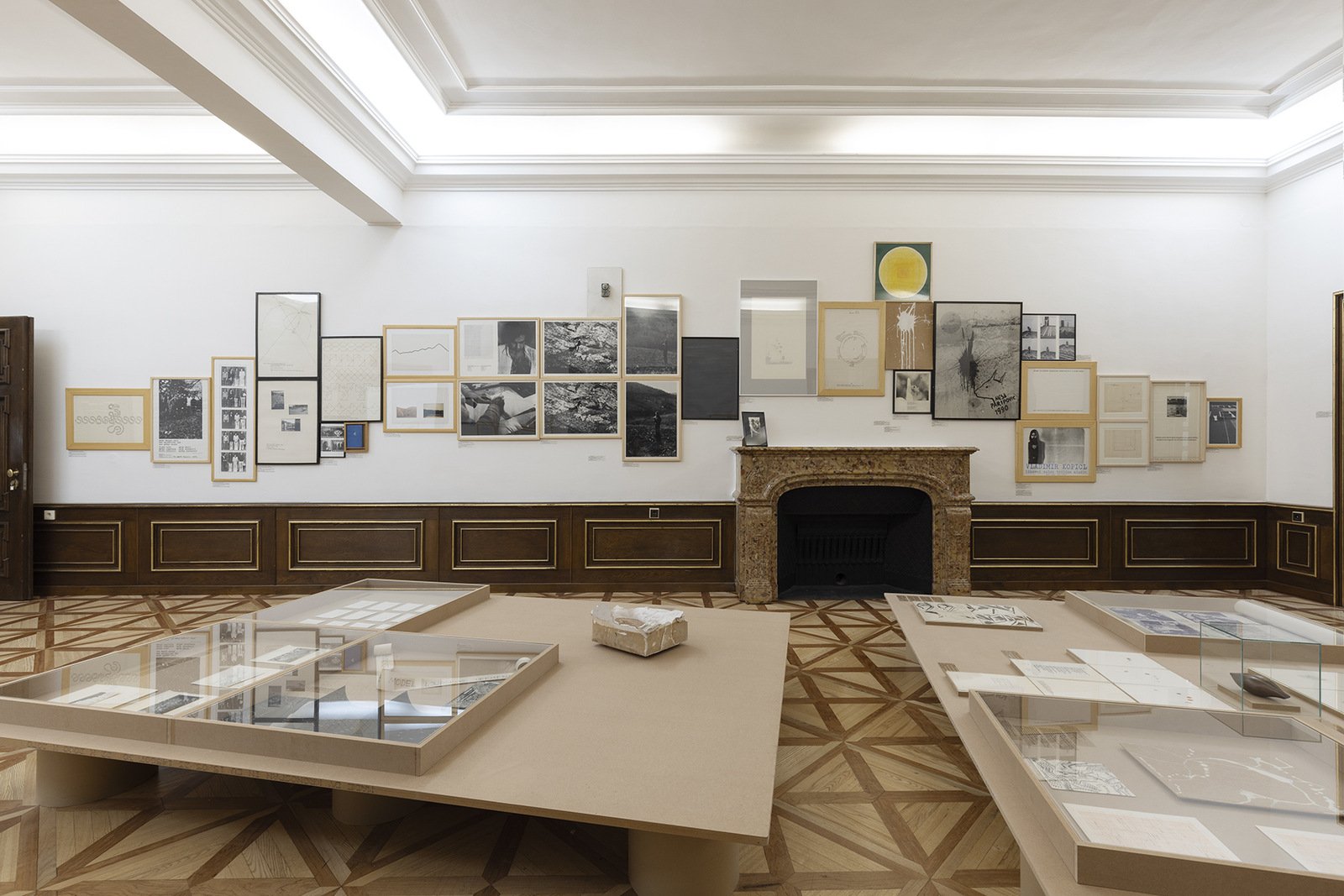
On a wintery day over a year ago, I travelled to Bratislava to see the exhibition Haptic Echo. Nature, Body, Politics and Art in Former Yugoslavia and Czechoslovakia at the Bratislava City Gallery. Inspired by Czech philosopher Petr Rezek’s phenomenological approach to art and his essay “Haptic Echo” from 1992, the exhibition offered a new perspective on conceptual, post-conceptual, and neo-avant-garde practices in two former socialist federations. The curator, Daniel Grúň, in cooperation with curator Darko Šimičić and artist and theorist Miško Šuvaković, avoided the usual frameworks that define this art, reviving its relevance in the present and underlining commonalities and innovations overlooked by official art histories. While the geographical and ideological framework of East-(Central) European art has been dominant in art history for some time now, Haptic Echo eschewed this concept as an explanatory starting point. Instead, the authors mapped the connections between Yugoslav and Czechoslovak art through a transregional and transmedial method, focusing on the material, social, environmental, and embodied intentions of the presented works. They created “a non-canonical gospel to neo-avant-garde, conceptual and post-conceptual art […] composed as a transregional exhibition dedicated to unexpected encounters, long-distance exchanges, parallel events and intense performances of friendly understanding, as well as the miraculous turns by which political reality was surmounted.” [1] Returning to the exhibition, I navigate its structure while highlighting its epistemic propositions.
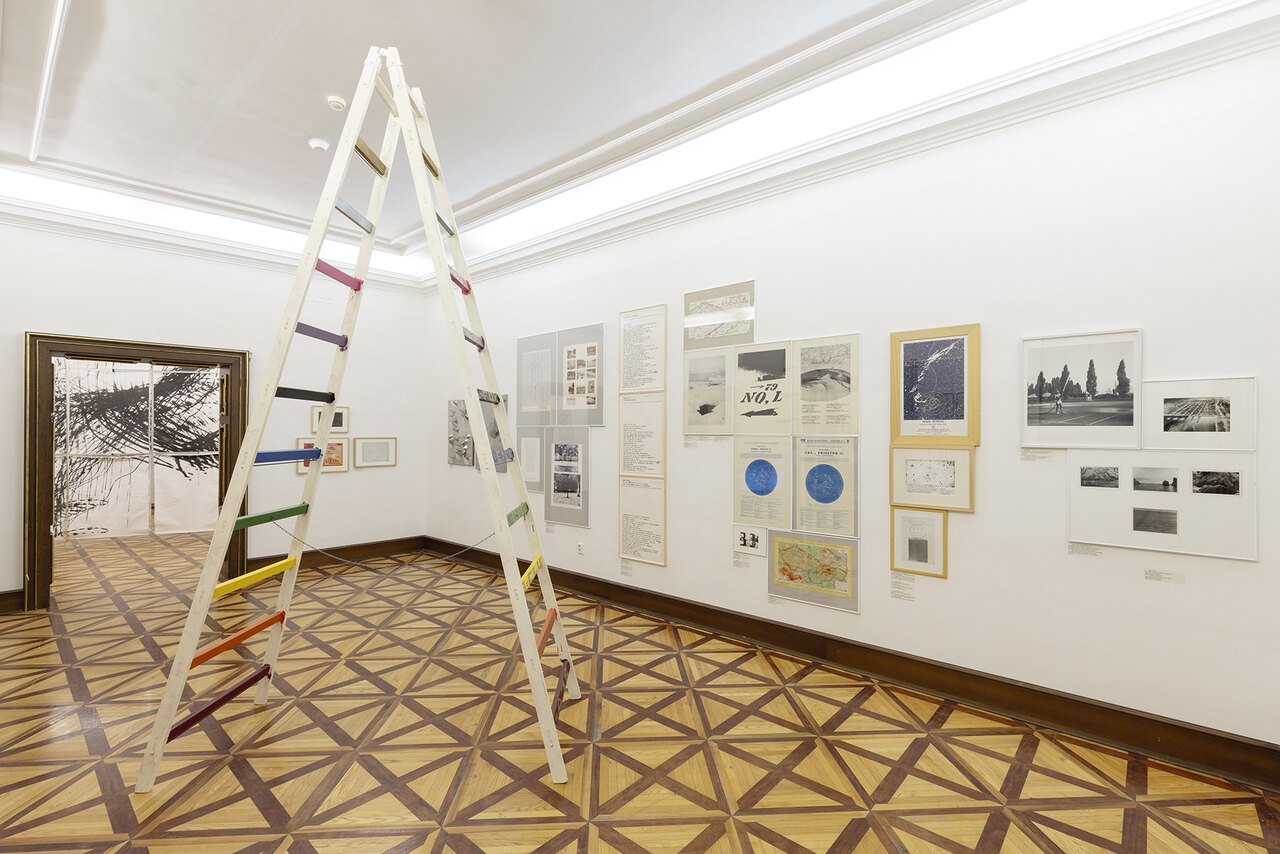
Roughly covering the period from the 1960s to the late 1980s, Haptic Echo included archival documents, photos, artefacts, and videos from private collections of Šimičić and Šuvaković, as well as various collections in Slovakia. The formal vocabulary of conceptual art — notes on paper, drawn diagrams, and texts — seemed to grant direct access to the artists’ feelings and thoughts, implementing the idea of a haptic encounter as a reverberation of thought and gesture between artists and viewers. The four registers that guided the show — the body, society, nature, and the universe — were explored through five sections titled Echoes of the Inner and Outer Universe; The Face Liberated in the Mask; Constructed Situations, Collective Experiences, Tribal Rituals; Urban Nature, Poetic, and Semiological Interventions; and Self-Organization and Collective Platforms.
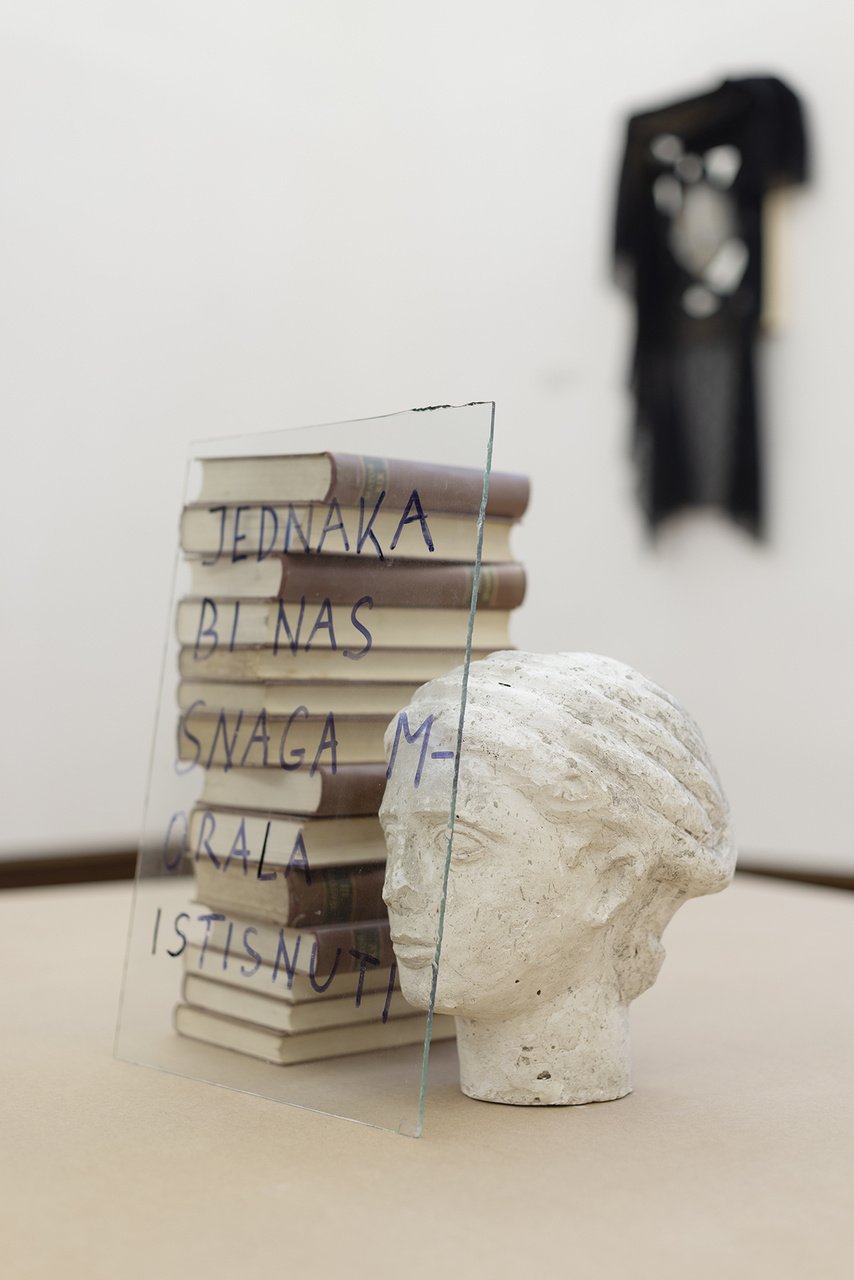
Photo: Ján Kekeli. Courtesy of Daniel Grúň.
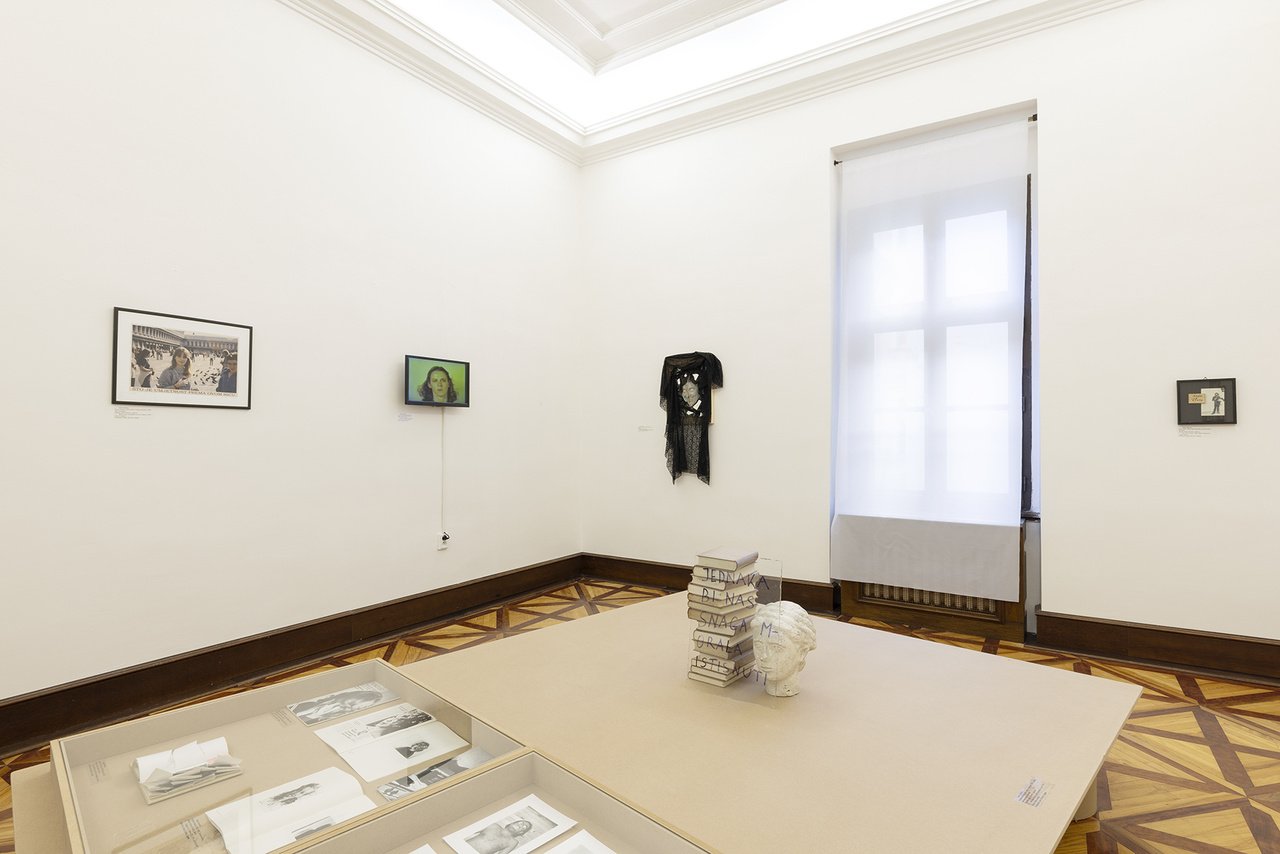
Photo: Ján Kekeli. Courtesy of Daniel Grúň.
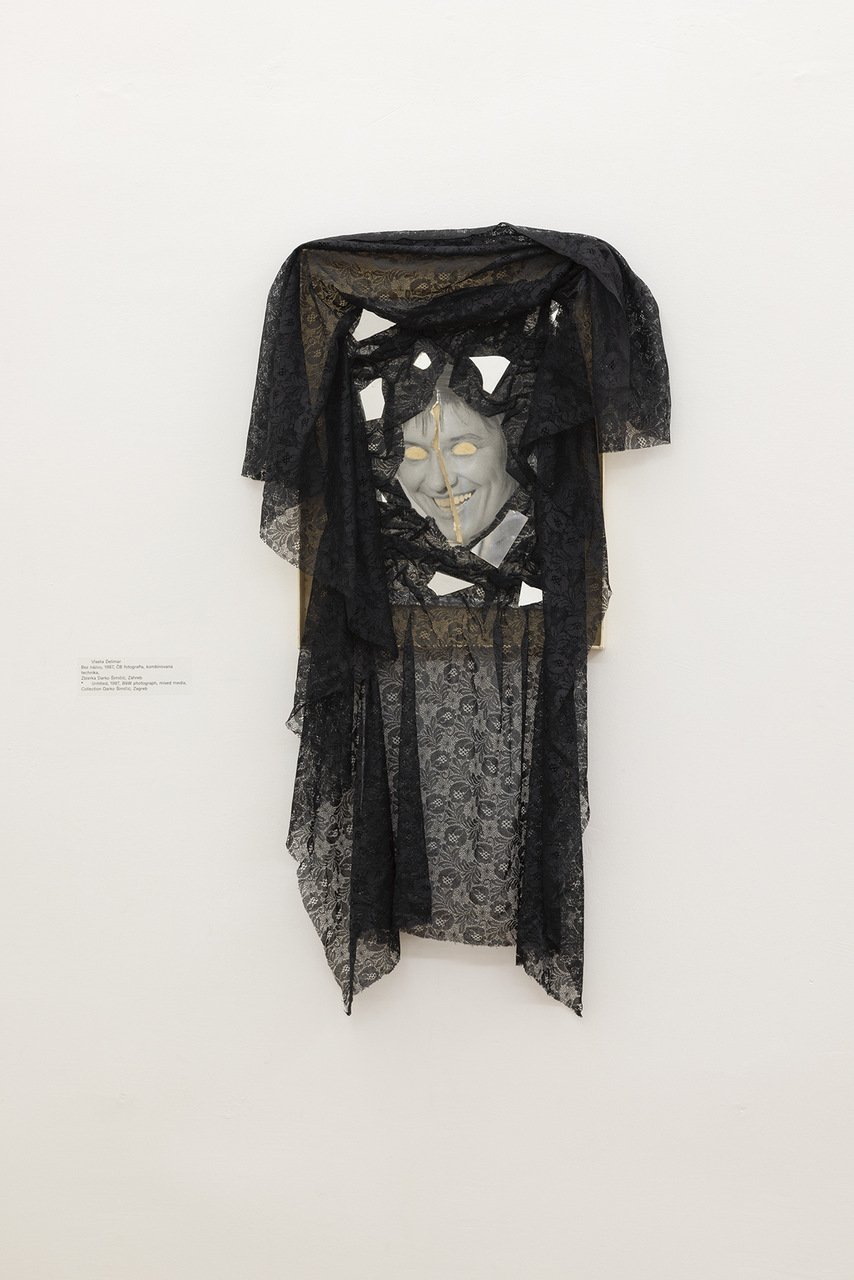
Photo: Ján Kekeli. Courtesy of Daniel Grúň.
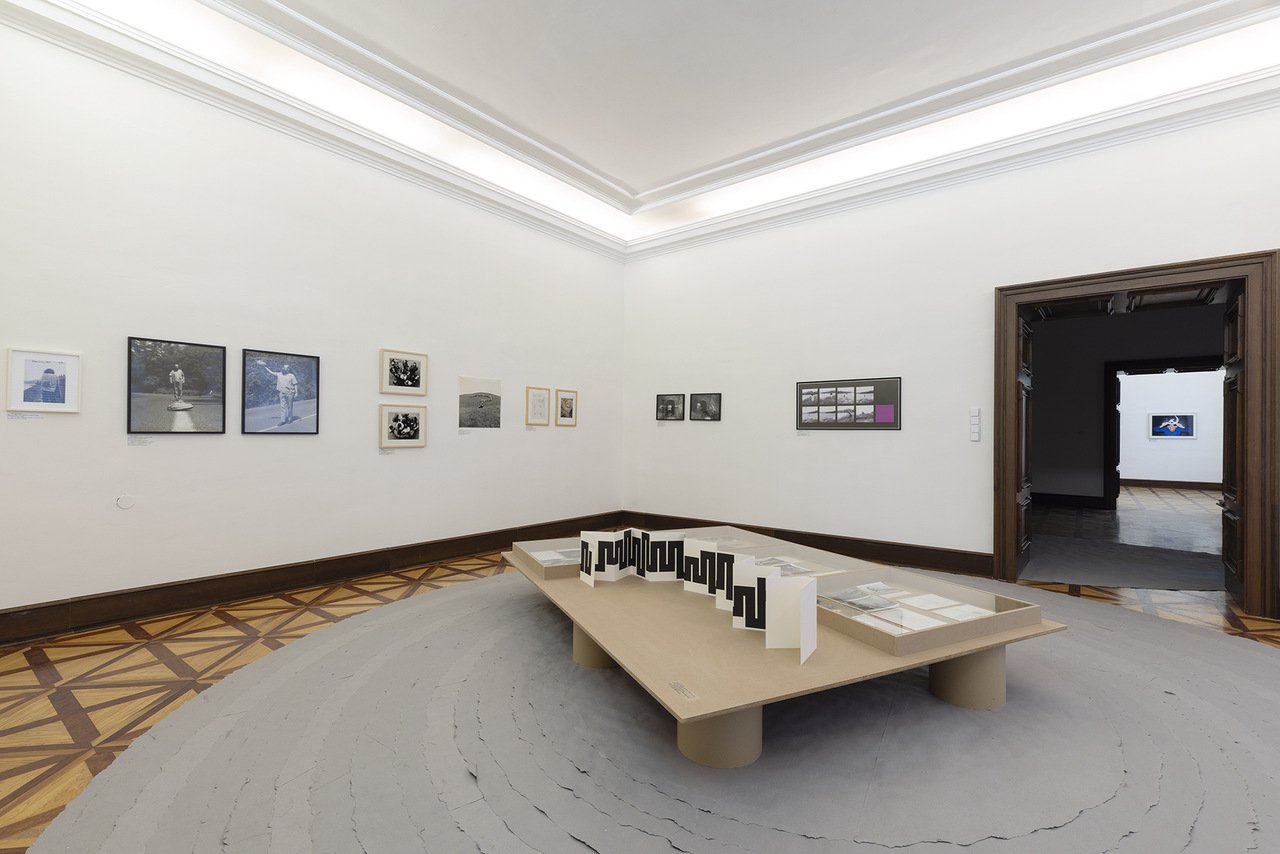
Photo: Ján Kekeli. Courtesy of Daniel Grúň.
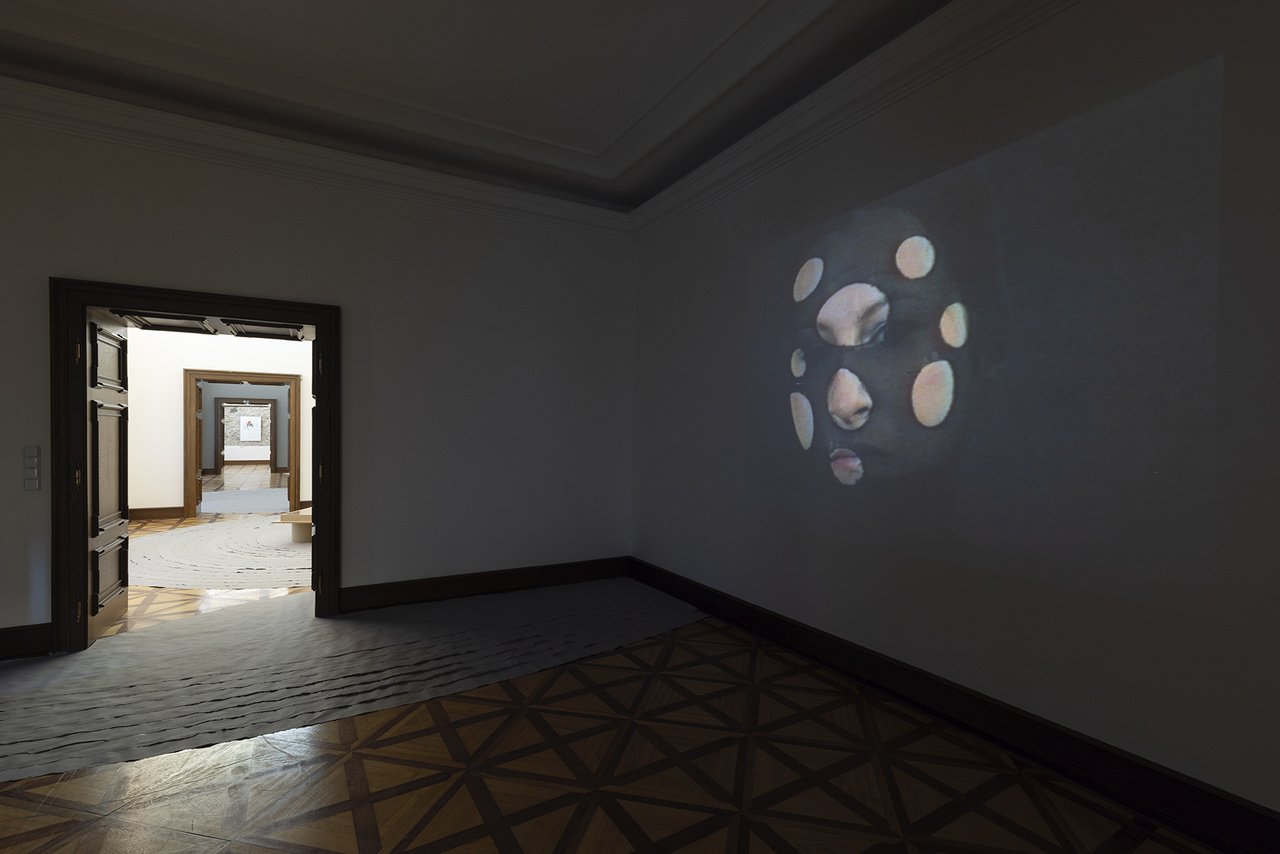
Photo: Ján Kekeli. Courtesy of Daniel Grúň.
From the outset, the show narrated the story of encounters between individuals and social, economic, and political circumstances that defined their everyday reality. It also established the trajectory of the exhibition as a whole: from individual to regional; from transregional to universal, culminating in cosmological visions of the future. The first room also reflected the artists’ interest in connections beyond the given, in energies and rhythms that exist around us and which shape otherworldly realms. The pulsation of life and its connection to the universe were explored in diagrams by Marko Pogačnik (OHO Group), communication experiments by 143 Group, Michal Kern’s fascinating recordings of natural occurrences, and Maria Bartuszová’s sculptural evocations of burgeoning life, among others. The shift of perspective, from a reality shaped by ideology to forces beyond the political and economic realms of everyday life, reflected the exhibition’s broader ambition to situate local artistic practices within discussions shared across cultural and geographical boundaries.
The gem of this section was a room dedicated to Michal Kern, tracing how natural occurrences were transfigured into abstracted forms within his art. One of the leading figures of the Slovakian alternative art scene, Kern became known for his land, conceptual, and action art, including interventions in nature that he documented through photography. Everyday natural occurrences were transformed into art through his interventions, as several of the pieces on display showed. Yet these works could also be read as instances of nature asserting its own presence within art, since many of them emerged from accidental effects and encounters. The exhibited photos captured this process: Searching a Shadow (1980), Reflection I (1978), and Reflection II (1978) feature the shadows of tree branches cast onto a canvas, creating abstract patterns, raising the question of authorship. Perhaps more topical today than at the time of their creation, these works unsettle the nexus between nature and culture, offering instead a symbiotic universe beyond the anthropocentric and often exploitative relationships that mark the present.
Besides cosmological rhythms and relationships, artists in both Yugoslavia and Czechoslovakia focused strongly on their presence within the nexus of social and political relations of their time, rooting their presence and practices in pressing existential circumstances. Their bodies were often used as vessels through which social space was approached and contested. In a segment that focused on masks, encounters with the artists grew more personal, as their faces, put through different artistic interventions that evoked the oppressive societal structures, observed the viewers from photos and prints. Vlado Martek and Sven Stilinović hid their faces behind photos and coins (in works The Manners of the Nomad [1995], and Marx and Stilinović [1980], respectively), while Sanja Iveković tried to liberate herself from a black balaclava by cutting holes in it with scissors in the video work Personal Cuts (1982). The artists here were preoccupied both with subjectivity (the way the subject is established and enacted within [post-]socialist collectivity) and with how the face is masked and serves as a mask at the same time. The considerations of the universal emerged here as well, with investigations into new humans, defined by Július Koller as harbingers of “cosmohumanist” culture. He anchored his research in critical self-investigation and self-reflexivity, materialized in self-portraits he made every year from 1970 to 2007. The show presented one example, his 1970 photo portrait from the series U.F.O.-naut J.K. (U.F.O.). Marina Abramović, one of the leading names of Yugoslav performance art, was featured in a series of photo portraits made by Milan Jožić and also on a poster dedicated to her performance Rhythm I (1974), raising questions about art and its documentation.
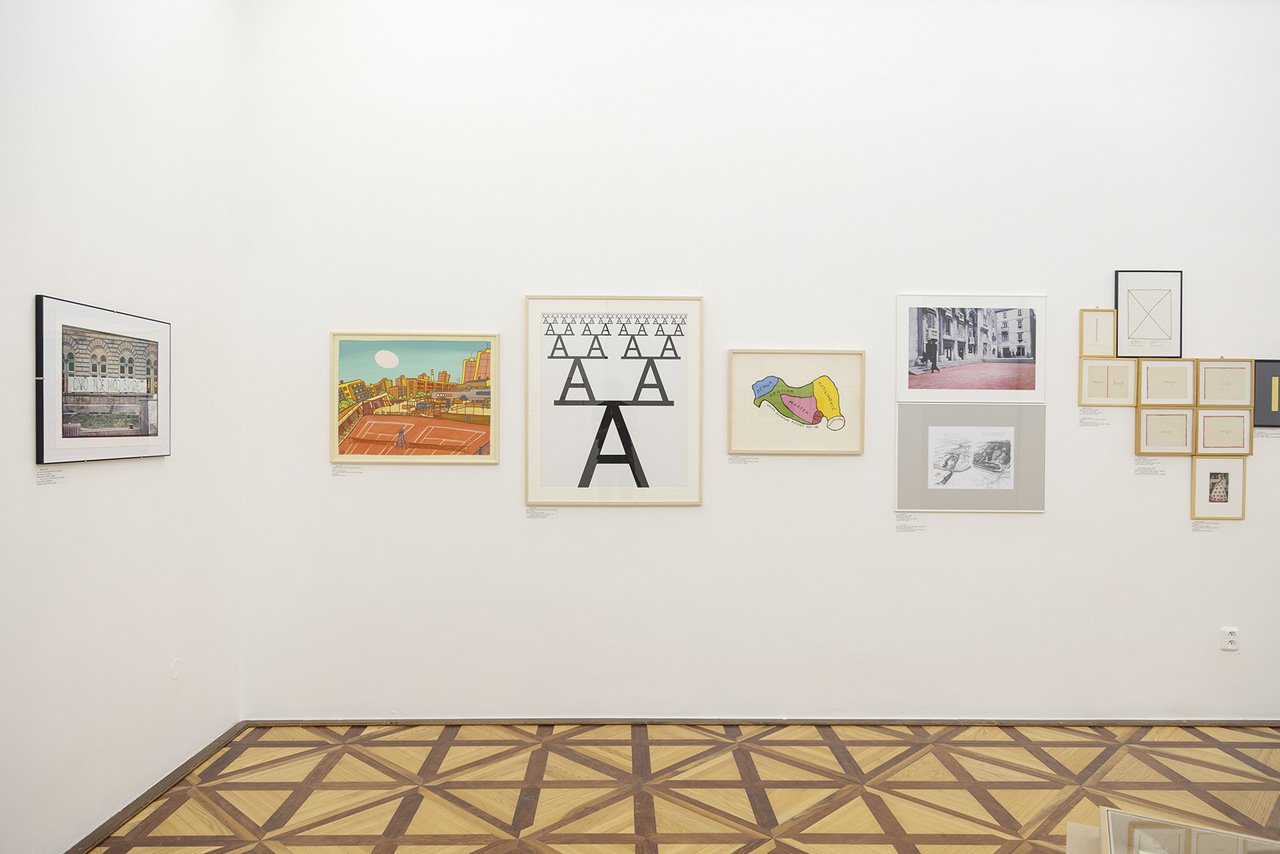
Photo: Ján Kekeli. Courtesy of Daniel Grúň.
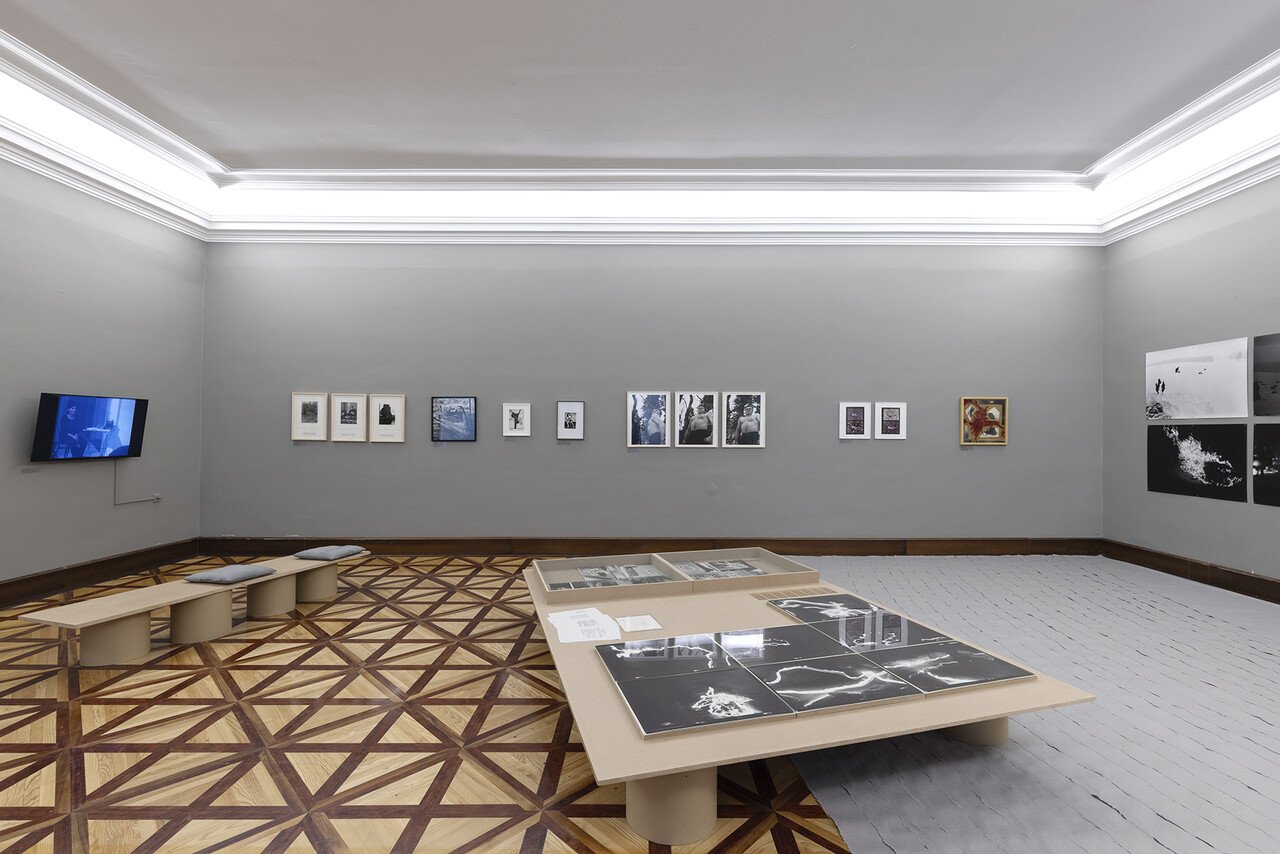
Photo: Ján Kekeli. Courtesy of Daniel Grúň.
Both Yugoslav and Czechoslovak artists found social circumstances, ideology, and history to be fruitful ground to probe with new ideas and concepts, as exemplified by works such as Carrying Stones (1971) by Petr Štembera, featuring the artist carrying a stone, and Relationship Foot-Bread (1977) by Mladen Stilinović, where the artist kicks a loaf of bread. These artists were deeply invested in the social reality they interrogated, although marginalized within official cultural politics and art histories in their countries for a long time. They experimented, invited criticism and introspection, and reshaped the social foundations around them, forging cracks, dissonances, and disturbances in a homogenized public discourse. Many of these actions seem futile, as the ones mentioned above. They are joined by Jiří Kovanda’s simple actions of touching water and stones in central Prague (May 19th, 1977, Prague, Strelecký ostrov, I carry some water from the river in my cupped hands and release it a few meters downriver…, and May 19th, 1977, Prague, Strelecký ostrov, I rake together some rubbish [dust, cigarette stubs, etc.] with my hands and when I’ve got a pile, I scatter it all again…) and Zorka Ságlová’s Homage to Gustav Oberman (1970), where she lit benzene-soaked rags in a snow-covered landscape, among others. However, it is precisely the futility of the named actions that is disruptive to the social order, and which for many, hold a hope for alternatives. The artists inscribed their presence within social structures in a ritualistic manner that challenged the ordered social sphere, and their works continue to carry a strong political charge today, at a time when regressive right-wing politics is gaining ground across the world. Repetition, irony, and futility chafe strongly against the productivity-driven logic of contemporary neoliberalism.
It is also important to note the situatedness of the exhibition’s primary investigators, Grúň, Šimičić, and Šuvaković. Coming from three cities — Bratislava, Zagreb, and Belgrade, respectively — they were uniquely positioned to consolidate histories of different artistic movements and individuals across perspectives and established theoretical norms, offering local, in-depth knowledge of the processes, events, and social and political perspectives that shaped and surrounded the creation of this art. Participating in these histories as either the members of artistic groups, colleagues, or friends of artists and researchers, they provided invaluable insights during a guided tour I attended, but their intimate knowledge of the subject is equally evident in the exhibition’s organization and connections they have built. The transregional aspect of their cooperation translated into an open and investigative exhibition structure, where contacts between artists and common threads among transmedial artistic experiments are duly noted and presented through a framework that highlights their contemporary importance and character, situating them within the current discourse on art, the body, nature, the community, and debates on art and politics. Rather than making comparisons with Western European models, the exhibition adopted a minor-to-minor methodology, offering a radical alternative to Western-centric comparative approaches and emphasizing the continuing relevance of the presented works. While the amount of material on display may have seemed overwhelming at moments, and a lack of knowledge about local circumstances and conditions of production may have hindered a better understanding of some pieces, as Šuvaković noted at one point, the exhibition nevertheless succeeded in making these artistic practices legible beyond their immediate historical contexts.
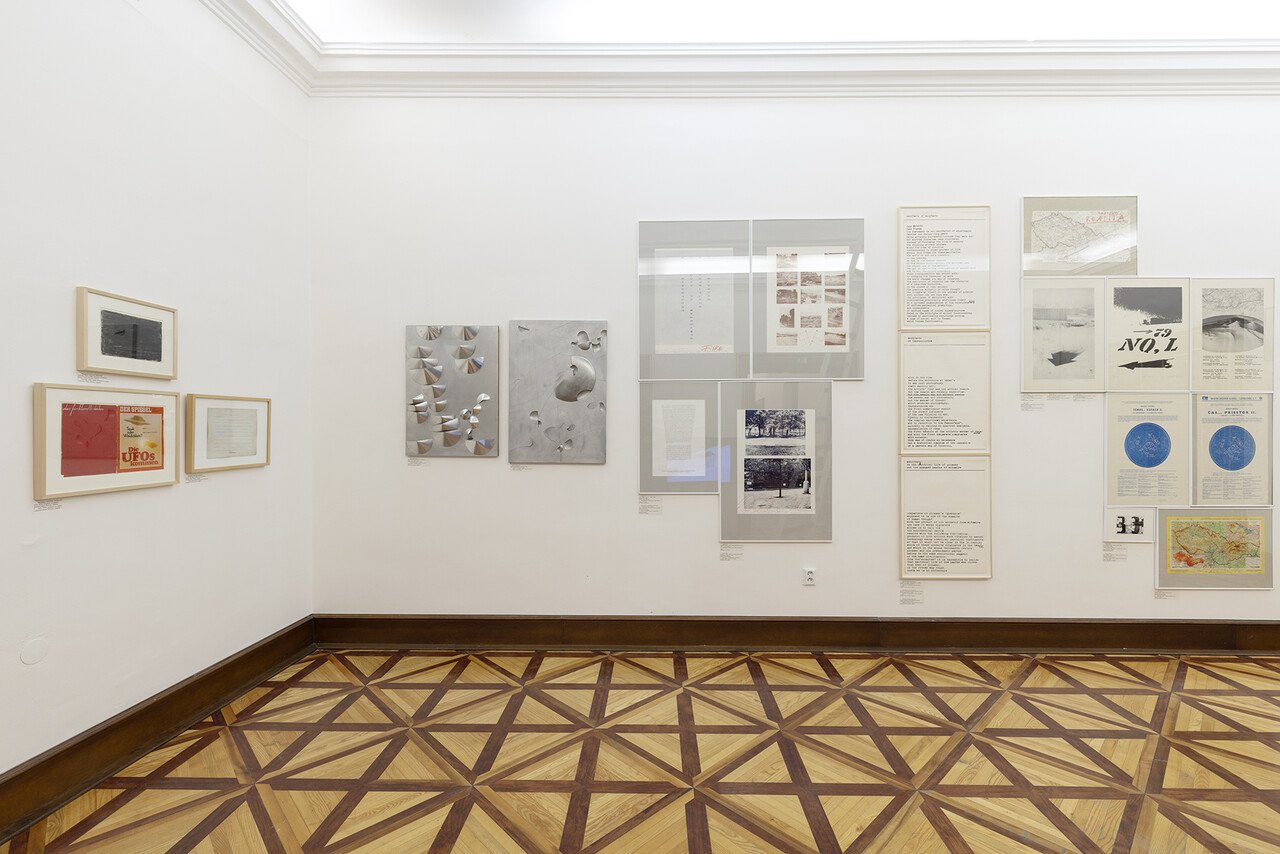
Photo: Ján Kekeli. Courtesy of Daniel Grúň.
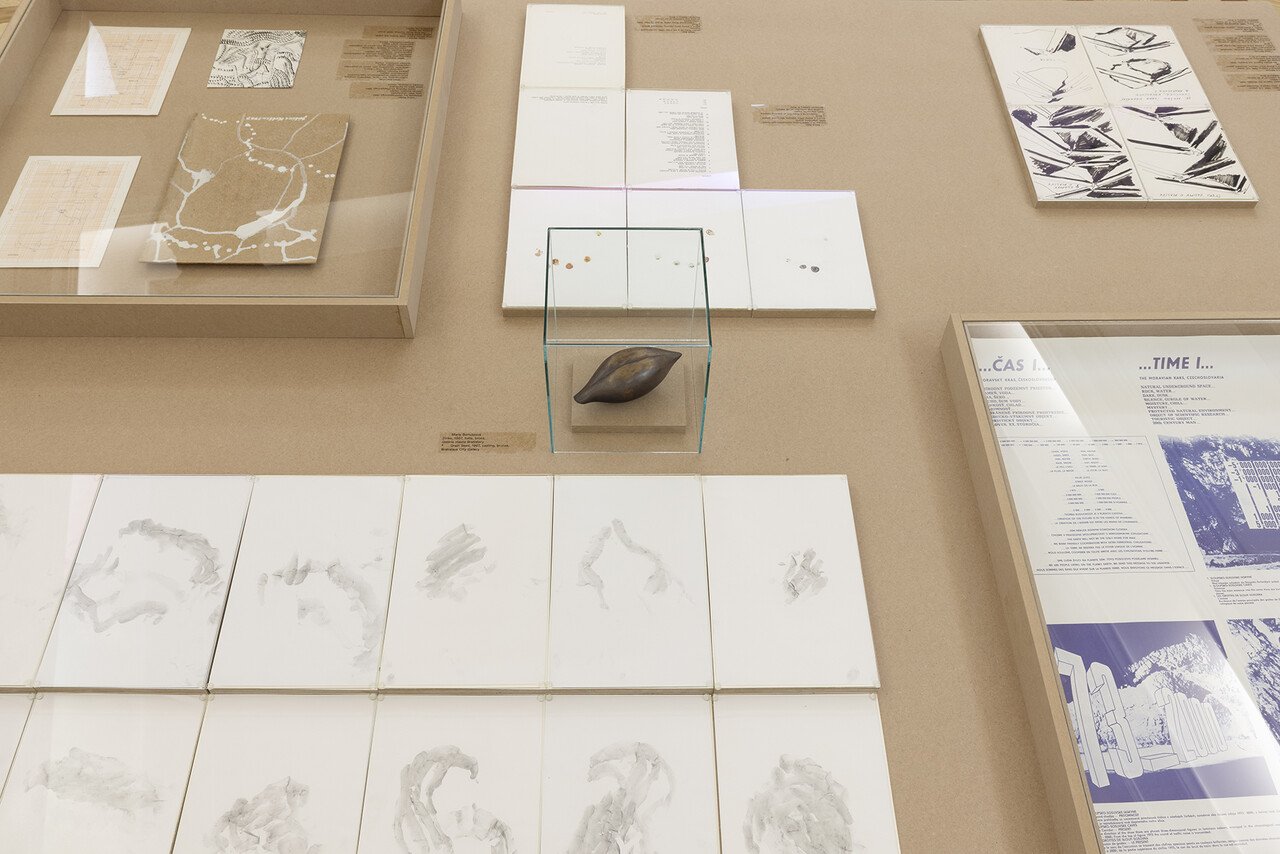
Photo: Ján Kekeli. Courtesy of Daniel Grúň.
The last two segments of the show put stronger emphasis on collaborative and collective actions. The examination of the leading neo-avant-garde, performance, and conceptual groups and artists active in Czechoslovakia and Yugoslavia reveals uncanny similarities and parallels between their approaches to nature — the “urban nature,” as one of the segments announced — and collective organizing. Archival records of different evocative and disruptive actions, by members of OHO Group from Ljubljana, Bosch+Bosch from Subotica, and the Group of Six Authors from Zagreb, among others, reveal the limiting possibilities artists faced regarding art production and presentation, but also the alternative approaches they devised that included land art interventions, instances of visual poetry, and public performances. Group of Six Authors member Željko Jerman’s interventions in public space, such as This is not my world (1976) and Life art (1976), both comprising placards bearing the same text as their titles, are among the striking examples included in the selection. Jerman’s works, as part of the group’s interventions called “exhibition-actions,” explored the power of words in disrupting social stasis. They interrogate the relationship between art, public environments, and passers-by, rejecting the conventions of the art institution and larger society in pursuit of their change. The exhibition also highlighted artistic engagements with questions of gender and the visibility of women in public space. Jana Želibská’s intervention where she replanted grass from a natural setting to a rhombus-shaped pot (Collected Grass, 1981) is topical with other feminist interventions in nature and urban spaces, addressing the symbolic instrumentalization of the female body and its reproductive function in society.
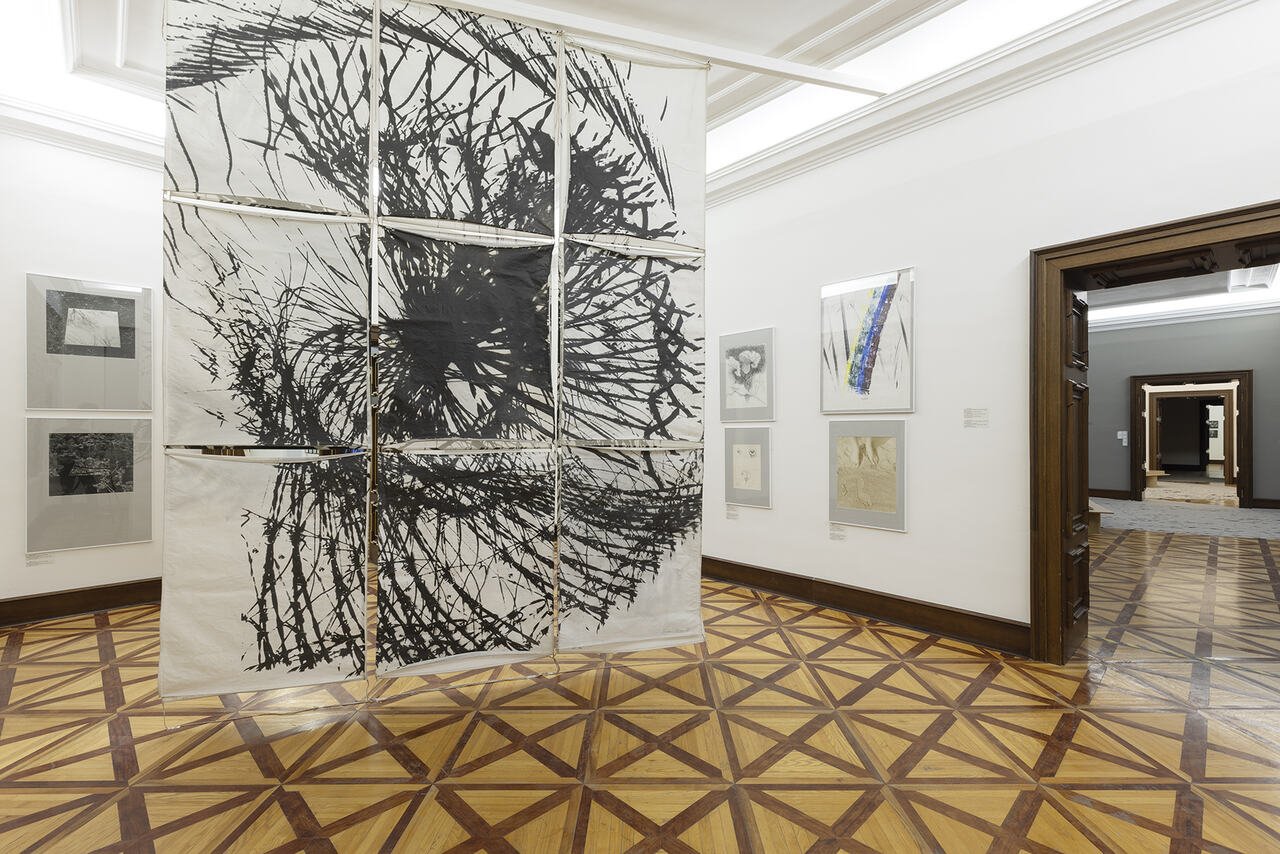
Photo: Ján Kekeli. Courtesy of Daniel Grúň.
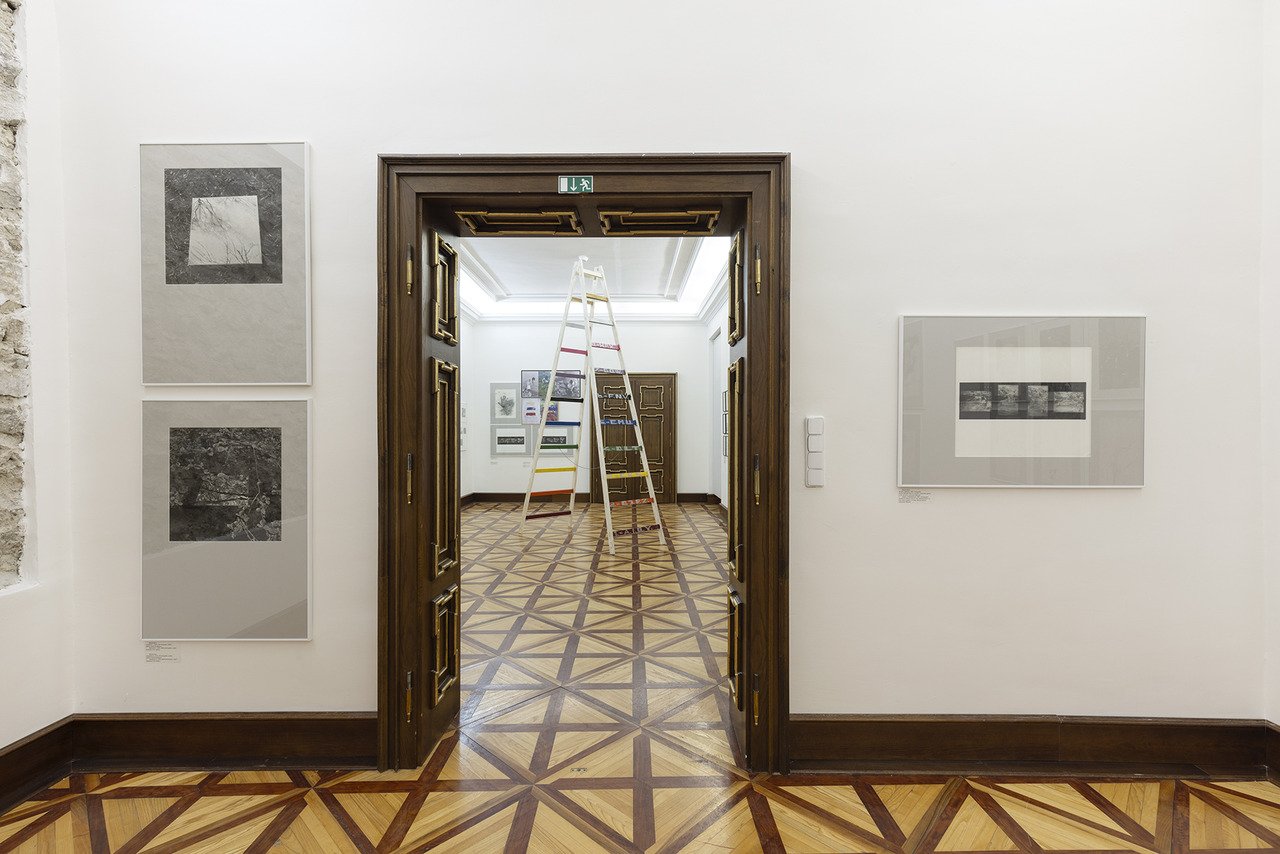
Photo: Ján Kekeli. Courtesy of Daniel Grúň.
However, beyond tracing the artistic output, the show posed an important question regarding art epistemologies and ideations that emerge from socio-economic conditions without addressing the moments of encounters, interactions, and influences between regions. As the curator and his team exemplified throughout the show, the history of neo-avant-garde, conceptual, and performance art from the two socialist federations offers a much richer pattern of positions and conceptual explorations than the official art history has suggested. The sensibilities rooted in two different experiences of socialism provided a point of connection, with artists finding modalities of expression that affectively and conceptually corresponded with each other, but also of divergence. Oftentimes, these similarities were accidental, though at times artists consciously explored parallel registers with awareness of each other’s practices. They have shown that “a new sensibility, self-reflexive epistemologies, and new forms of life,” could “open up a space for conquering the future.”[2] Jiří Valoch’s land art intervention from 1970, Beyond the Horizon, in which the artist unrolls a strip of white paper across a field, demarking the supposed horizon line, corresponds to Group OHO’s Wheat and Rope from 1969. In the latter, the members of the group stretched a rope across a wheat field, making an artificial divide and intervening directly in nature through a minimalist gesture. Valoch also kept contacts with Yugoslav avant-garde artists and was visited by the members of the OHO Group as well. Mail art was also one of the means of communication between artists behind the Iron Curtain with those in the non-aligned Yugoslavia, with archival records showing contacts between Valoch and the Yugoslav artists Bogdanka and Dejan Poznanović. While noting regional connections, the exhibition offered a local vantage point from which to consider universal ideas, aligning its conceptual approach with decolonial efforts to eschew the hierarchies and power relations often inscribed in art-historical discourse in favour of minor-to-minor methodology.
Finally, it is important to note that many of the presented artworks traverse uncharted territories between art and anti-art, as the curators noted, “confronting the registers of life between body, society, nature, and the universe.”[3] And perhaps, this effort is what makes Yugoslav and Czechoslovak art so compelling today: its approachability, its humble materials and production, and its inseparable link with the everyday life and the experience of being situated in a nexus of political and social norms. It is also its intrinsic belonging to an individual and the collective, its effort in forging and questioning the space for oneself against the violence of ideology, and in addressing the universe with an expanding vision, open to chance, unexpected encounters, and lived experience. This art echoes many present-day concerns: for nature, the body, identity, and community. It is art that was forgotten, understudied, and yet vital for understanding art’s relationship with politics. Instead of being foregrounded in well-worn frameworks, Haptic Echo established a new vantage point from which to approach and read this art.
Courtesy of Daniel Grúň.
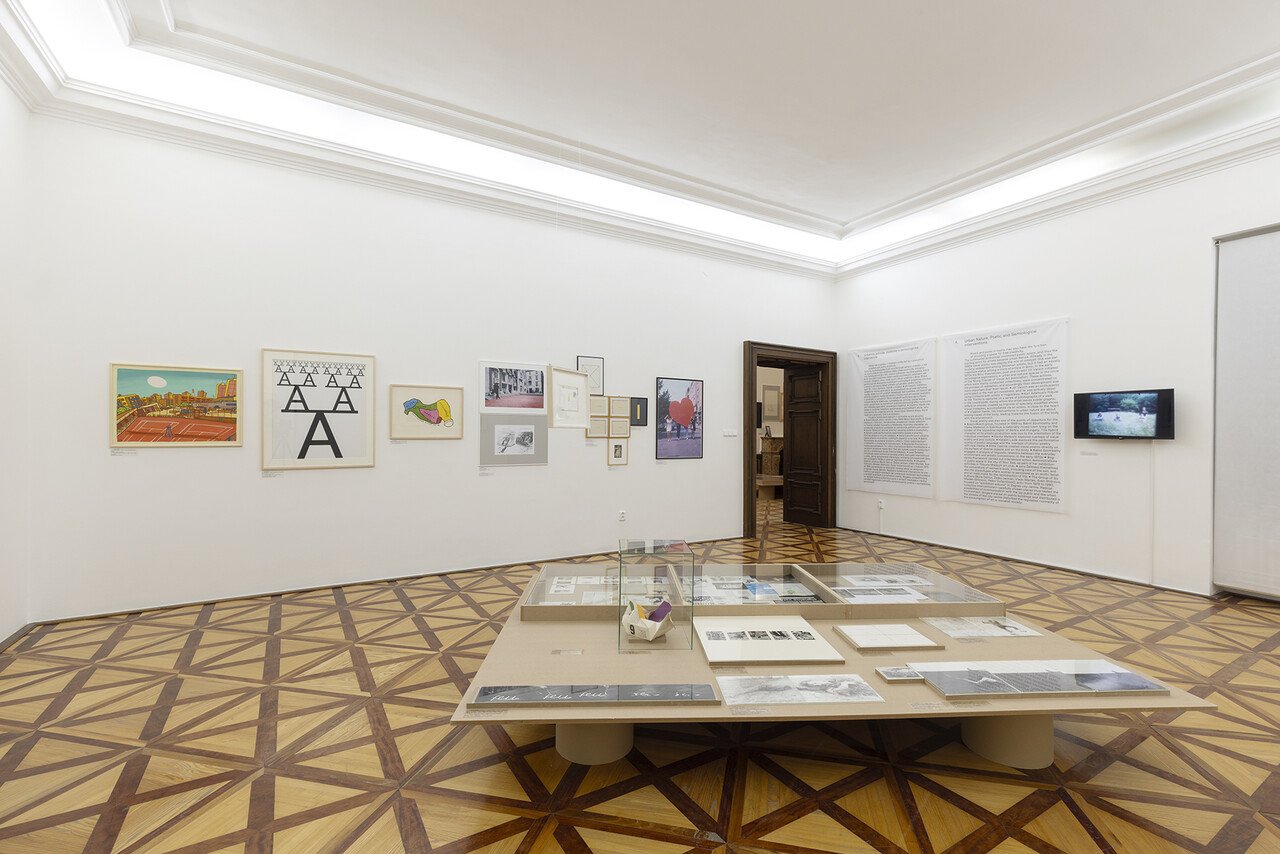
Photo: Ján Kekeli. Courtesy of Daniel Grúň.
[1]Daniel Grúň, ed., Haptic Echo. Nature, Body, Politics and Art in Former Yugoslavia and Czechoslovakia, Bratislava City Gallery, 2024, p 13
[2]Miško Šuvaković, TWISTED INTERACTIONS AND WONDERLANDS, Art Groups: Dynamics of Microworlds in Socialist Czechoslovakia and Yugoslavia, in: Daniel Grúň, ed., Haptic Echo., p 300
[3]Daniel Grúň, ed., Haptic Echo, p 13
Artists: Marina Abramović, Milan Adamčiak, Karel Adamus, Vladimír Ambroz, Jaroslav Anděl, Autopsia, Branko Balić, Peter Bartoš, Juraj Bartusz, Maria Bartuszová, Dimitrije Mangelos Bašičević, Zoran Belić, Slavko Bogdanović, Bosch + Bosch, Attila Csernik, Bora Ćosić, Jovan Čekić, Vlasta Delimar, Boris Demur, Braco Dimitrijević, Dubravka Djurić, Čeda Drča, Družina u Šempas, Nikola Džafo, Ľubomír Ďurček, Stano Filko, Gorgona, Tomislav Gotovac, Marija Grazio-Tolj, Group (Ǝ, Group 143, Group KOD, Group of Six , Gera (Živko) Grozdanić, Jusuf Hadžifejzović, Vladimír Havlík, Miljenko Horvat, Sanja Iveković, IRWIN, Željko Jerman, Marijan Jevšovar, Milan Jozić, Rokko József Juhász, Michal Kern, Julije Knifer, Július Koller, Vladimir Kopicl, Jiří Kovanda, Ivan Kozarić, Katalin Ladik, Kunst Laibach, Miloš Laky, Dušan Mandič, Miroslav Mandić, Vlado Martek, Milenko Matanović, Slavko Matković, Matko Meštrović, Karel Miler, Milivojević Era, Ján Mlčoch, Miran Mohar, Marijan Molnar, Ilona Németh, David Nez, OHO Group, Viktor Oravec, Ladislav Pagáč, Milan Pagáč, Neša Paripović, Crveni Peristil, Nenand Petrović, Marko Pogačnik, Bogdanka Poznanović, P.O.P. Artprospekt, Radoslav Putar, Mirko Radojičić, Vladan Radovanović, Ana Raković, Zorka Ságlová, Maja Savić, Andrej Savski, Djuro Seder, Rudolf Sikora, Paja Stanković, Ivo Steiner, Mladen Stilinović, Sven Stilinović, Josip Stošić, Bálint Szombathy, Andraž Šalamun, Judita Šalgo, Miloš Šejn, Petr Štembera, Štúdio erté, Miško Šuvaković, Slobodan Tišma, Raša Todosijević, Slaven Tolj, Goran Trbuljak, Selman Trtovac, Roman Uranjek, Jiří Valoch, Josip Vaništa, Borut Vogelnik, Fedor Vučemilović, Slobodan Vuličević, ZzIP, Ján Zavarský, Jana Želibská
Exhibition Title: Haptic Echo. Nature, Body, Politics and Art in Former Yugoslavia and Czechoslovakia
Curated by: Daniel Grúň in cooperation with Darko Šimičić and Miško Šuvaković
Venue: Palffy’s Palace (Bratislava City Gallery)
Place (Country/Location): Bratislava, Slovakia
Dates: 10.10.2024 – 16.03.2025
Photos: Ján Kekeli