Vera Zalutskaya
Vera Zalutskaya: Tomek, you are quite a unique figure in the Polish art world. You started curating very early and now, having just turned 31, your practice is already impressive and diverse. I’m curious about the beginning of your professional path: where did your interest in contemporary art come from?
Tomek Pawłowski-Jarmołajew: My interest began in high school in Białystok. Together with my friends and siblings, we went to many cultural events in the city: concerts, film screenings, exhibition openings, and festivals. Galeria Arsenał was a particularly exciting place for us. The art shown there seemed mysterious, and the people around the gallery looked very cool and well dressed. As teenagers, we were drawn first of all to the atmosphere — and, of course, to the free wine.
Later, when I was 17, my twin brother and I had this crazy idea to organize a program of film screenings in an old bus. We decided to ask a local institution for support, so we went to Galeria Arsenał — and they agreed. That is how I got to know the team. I became increasingly involved in the gallery’s program; followed exhibitions, met artists, and started developing my interest in contemporary art. It was very formative, and at some point I decided to fully commit to the art world.
VZ: Was there a particular event that influenced this decision?
TP-J: One important moment was an exhibition of Józef Robakowski in 2012 curated by Michał Jachuła. I was fascinated by how Robakowski combined so many roles: avant-garde filmmaker, visual artist, performer, art historian, collector, organizer, and in a way also curator. His practice was deeply collaborative — he worked in collectives, built platforms for artists, created communities, and developed archives.
In my final year of high school, I took part in the national Art History Olympiad, and my research topic was Józef Robakowski. I almost won, and by then I knew I wanted to study art history. I already understood that I wanted to work in art, but not as an artist. I was more drawn to theory, art history, organisation, and working with people. So quite early, when I was 18 or 19, I knew I wanted to become a curator. After high school, I began studying art history in Warsaw, and a year later transferred to the newly opened curatorial studies program at the University of Arts in Poznań.
VZ: But you didn’t finish your studies, right?
TP-J: No, I didn’t. I started curating things very early — first in off-spaces and self-organized initiatives, but quite quickly it turned into regular freelancing. I was travelling, doing projects in different cities, and at the same time I got involved in collective initiatives including Student Studio Monitor that responded to the situation at the university. So instead of really studying and passing exams, I was more focused on protesting against what was happening there and criticising the curriculum. I chose to be independent and chose experience over this formal education. But I’m not very proud of it. Also because not having a degree limits my professional opportunities.
VZ: I have the feeling that maybe the reason was that you simply couldn’t learn that much at the university?
TP-J: Partly yes. I really didn’t like the program and felt it didn’t offer what I wanted to learn. You could say I didn’t want to waste my time — although maybe that was also the rude, arrogant attitude of a young person who thinks they already know what curatorial education should look like.
But what I was missing were studio visits, exhibition visits, and conversations with practising curators, because the studies were run mostly by academics. There were exceptions of course. I was very dedicated, to the point that I started organising meetings, talks, and presentations by curators I wanted to learn from in the apartment I was renting. So even though I quit university and chose not to follow the academic path, I was still in a constant educational process: learning from experience, from colleagues, through talks, meetings, interviews, and later also through international programs and curatorial courses.
VZ: I finished an MA in Curatorial Practice in Kraków and had a feeling that many professors were more interested in gatekeeping than actually teaching us. And I was not such a youngster or inexperienced one, but the disappointment I felt seems to be similar to yours. This brings me to another thing I wanted to touch on: gatekeeping, openness, and closedness in the art field. Because your story sounds almost casual: “I just went to Arsenał,” or “I just invited people to my flat.” But very often this kind of story is told by people who already have a privileged starting point, often family connections. And I know that this is not your case. So how did you manage to break through that wall? Because it’s not usual that “important” people simply come to the flat of some young person, or allow them to organize a program in a city gallery.
TP-J: Yes, I’m aware that I was lucky enough to have access to someone who shared their network with me so that I could pass through the gate. Because the first person who introduced me and let me into the institution was Arsenał gallery director Monika Szewczyk. I also befriended her son, Janek Szewczyk, who studied art in Poznań and had a solid network, and through him and his colleagues I started getting to know people in the Warsaw and Poznań art worlds.
What helped is that I’m a very social and outgoing person. When I was young, I would immediately “shorten the distance” (be really direct, informal), which I wouldn’t recommend now. I think it also had to do with being this very young boy — this twink, so young and already so intensely into art. That also became a kind of privilege, because it attracted attention. And eventually it led to a point where I started really working without any degree or proper experience.
VZ: I agree that gender and luck may have given you a certain privilege, but the ability to befriend people and build networks are different things — they are also skills. It seems that you were aware of this skill and relied strongly on friendships, while also problematising it in your practice. So let’s talk about The Power of Friendship (2017), which seems to have been an important point in your career.
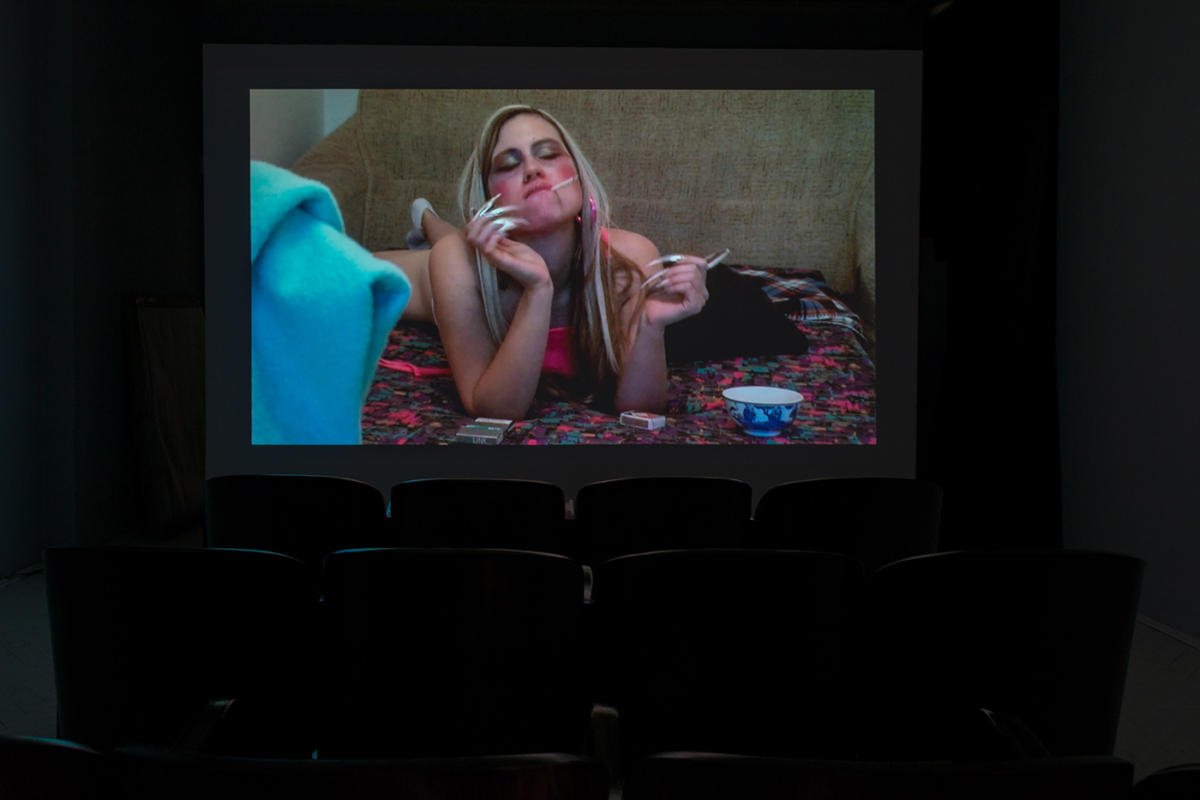
TP-J: It was definitely a milestone exhibition for me. I was attending events at Lokal_30 and when I met Agnieszka Rayzacher, who runs this gallery, told her I had an idea for a show about friendship and female collectives. I knew it was close to the gallery’s agenda, and Agnieszka simply said: yes, let’s do it. Just based on our conversation – no written proposal or anything. I started researching the archives of collectives I wanted to show: Cipedrapskuad, which I had been obsessed with as a teenager, Virgin$ deLuxe Edition, Sędzia Główny, and Threesome. And I approached it as an art historian, because many of these groups were no longer active.
The exhibition was my tribute to female friendship and sisterhood. From my perspective, friendship was not only the background of their practices, but almost an art form itself. It allowed them to break taboos and norms, speak against institutions, make art full of sassy humour, and empower one another. That was the statement of the show: friendship as a force that lets people try things out, take risks, and break rules.
But the subject was also deeply personal. Female friendship has been a huge part of my life since childhood — most of my friends are girls, and I can say it really saved my life. In art, friendship is also important to me because work and private life are completely blended. I often co-curate projects and work with artist friends, because that’s the way of not only spending quality time, but also of supporting each other in achieving professional goals. Of course, I am aware that friendships and networks in our field can also become a kind of currency, but my friendships are not only project-based.
VZ: What comes first: friendship or professionalism?
TPJ: It depends. Usually it starts with people and friendship and professionalism comes later. But sometimes it works the other way around: you begin with a professional relationship, and friendship appears accidentally, somewhere in the process.
VZ: I’m asking more about intention. What is your main driving mechanism?
TP-J: I always say that I work primarily with people. Often, the most important thing is that I do something with this or that person. It doesn’t mean I don’t care about quality, but the process of working together is incredibly valuable to me. Whether it is an exhibition in my apartment or a big institutional project, the connection can give it equal value.
At the same time, I’m also ambitious, goal-oriented, and competitive.
VZ: What do you mean by competitive?
TP-J: I come from a sports family. My father was a PE teacher, and I did a lot of sports as a child, so I like competition. I’m often driven by the desire to achieve goals and win. But I wouldn’t say that it is my only career strategy. On the other hand, I just like to have fun with nice people.
VZ: So this Power of Friendship was your first group show?
TP-J: No, it wasn’t the first, but definitely the most impactful. Before that I did group shows in off-spaces or in my apartment. In general, this whole 2017 was so crazy for me because I had a show somewhere almost every month. That year we also did the Young Art Triennial in Orońsko, which I co-curated with Aurelia Nowak and Romuald Demidenko. So that was hardcore freelance, but also a really big moment for me that year. And this is also one of the reasons I couldn’t keep up with my studies. To be honest, even after almost 10 years, I still can’t believe how I managed to deliver some of those projects that even now would be challenging for me.I really think I was very lucky to receive so much support and trust from different people: the institutional teams, artists, co-curators, my boyfriend and friends at the time, my family.
VZ: You now have an institutional job, which is a big topic in itself, maybe for another interview. But you still produce independent events and work with different institutions as a freelancer. How do you combine having a proper job with still travelling around the country? And from today’s perspective, what do you prioritize? How do you see these two practices and their functions?
TP-J: I joined the team of the Baltic Gallery of Contemporary Art in late May or June 2025, and in August I moved to Ustka. At the same time, I was still finishing projects I had planned as a freelancer. Having a full-time contract in an institution is a lot of work, and I’m very happy to be here, but it took me some time to get used to the fact that I’m not a nomadic freelancer anymore. For the last five years, I couldn’t even say where I was based, because I was travelling so much, going to residencies, working from project to project. So yes, it took me some time to shift into a new lifestyle and way of working. I can say I had an identity crisis.
But now I really want to prioritise Ustka. After years of nomadic life, hustling as a freelancer, applying for projects, residencies, scholarships, and having multiple jobs just to make an income from art, I was really burnt out. I needed security, a stable job, stable income, and structure. I want to focus on that in the coming years, because I think this more stable and structured way of living and working can also teach me a lot.
VZ: Since my idea was not to speak too much about Ustka, let’s speak about Białystok and Podlasie. You live between two very different sides of Poland, and I know that Podlasie is very important for you, both personally and professionally. Even if you say you are more settled in Ustka now, I feel you are still doing an equally big job in Białystok. Why do you keep returning there? How do you relate to this region?
TP-J: I visit Podlasie almost twice a month since I moved, which is a lot, because sometimes it is a ten- or twelve-hour journey. Maybe I’m still keeping up with my previous nomadic habits. There is a part of me that really loves travelling — or is addicted to it. And I love trains.
But I go to Podlasie so often because it is my home. It is where my family is, where my friends are, and a place I care about a lot. I’ve collaborated with Arsenał many times — it is my mother institution, the place where I grew up personally and professionally. Later, I also started working with other institutions in Białystok, like Galeria Ślendzińskich, and developing independent projects there.
In short: I care for this place. It is a patriotic feeling, in a way. I know this place so well — the people, the history, the context. I understand it from the bones. This is a level of deep knowledge and attachment that’s impossible to reach with any other place or topic I research.
I also feel a mission to come back, to be there and work there. Because there is no art university and not really an art community, the cultural offer is mostly institutional. That is why I started doing grassroots and independent projects there as well. Another thing is the lack of queer representation, queer structures, and more diverse political structures in general, because the region is very conservative. This is why people who want to grow usually leave, just like I did at some point.
But then I felt an urge to come back and act there. It is also a struggle for belonging. The region remains one of the most conservative areas in Poland, tied to traditional values. So it is an attempt not to give up on my home, because I want to have a voice there. I want to care for it, shape it, be visible, be heard, be present. I don’t want to give this place up to violent and exclusionary ideas, groups, and ideologies.
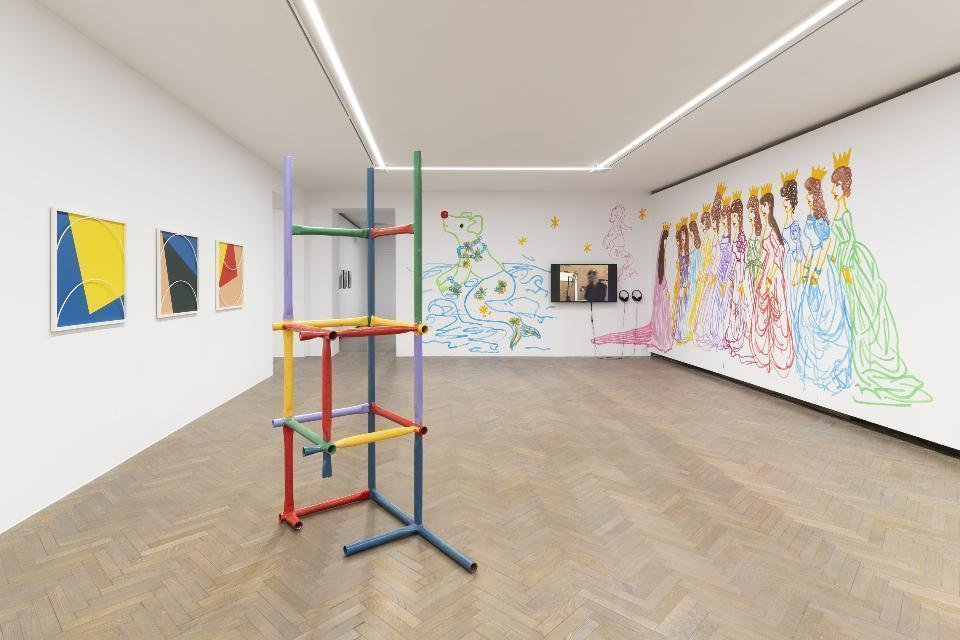
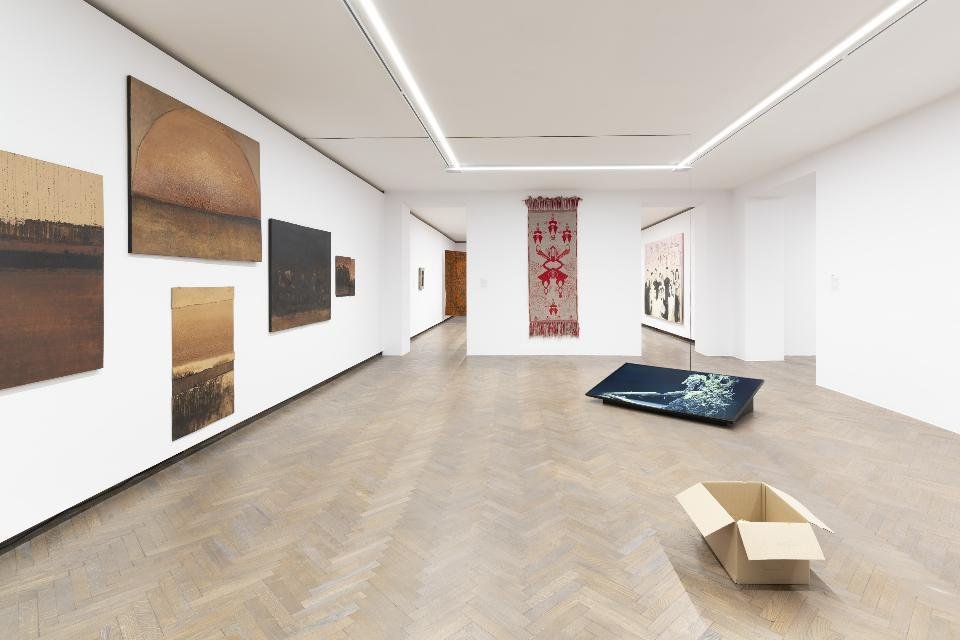
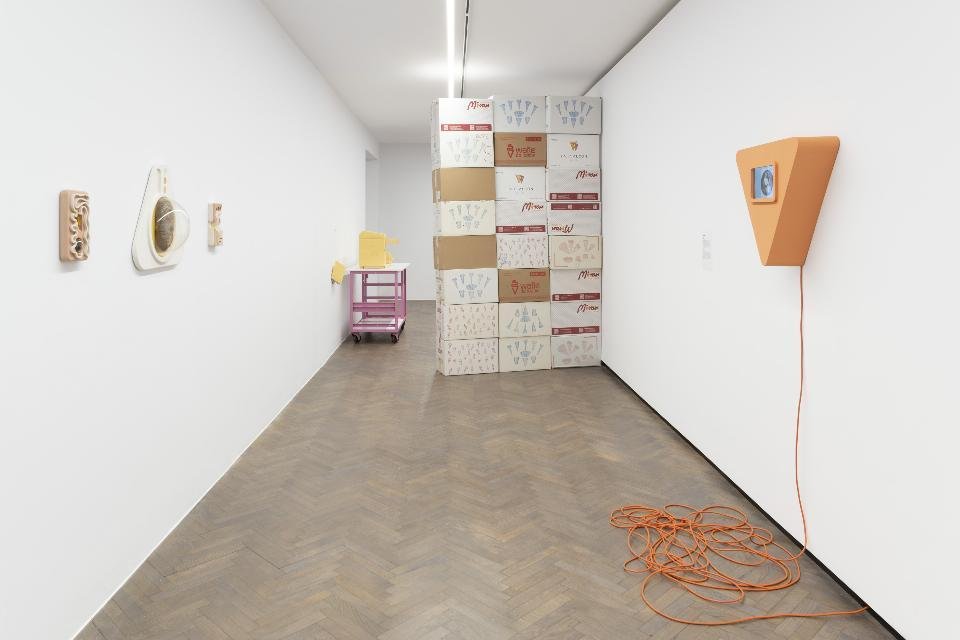
VZ: Thank you for elaborating on this, because you started with this very enigmatic statement about home. But this home is very specific. It is not just a random region.
TP-J: It is not a random region. It is the most beautiful region in the world.
VZ: I agree, because it is also my region, since it lies on the border with Belarus. Apart from the traditionalism and different phobias, it is also a region that always faces different crazy events first — like what is happening on the Polish-Belarusian border. Historically, it is also a deeply traumatised place.
TP-J: It has many current and historical political layers. It has been a ground for major political changes, wars, and geopolitical crises. That is one layer. Another is the multicultural heritage of the region, with different religions, ethnic groups, and a very rich culture. And then there is the nature; there are four national parks, beautiful forests and rivers. I can go on and on.
All these intersections make it incredibly rich in a historical, cultural, and political context. It is very specific and idiomatic. For instance, it is the most militarised region in Poland, so it reflects not only local dynamics, but global geopolitics as well.
VZ: Let’s talk about your recent projects, which I think are representative and very different from each other. Let’s begin with The World Does Not Believe in Tears (2022).
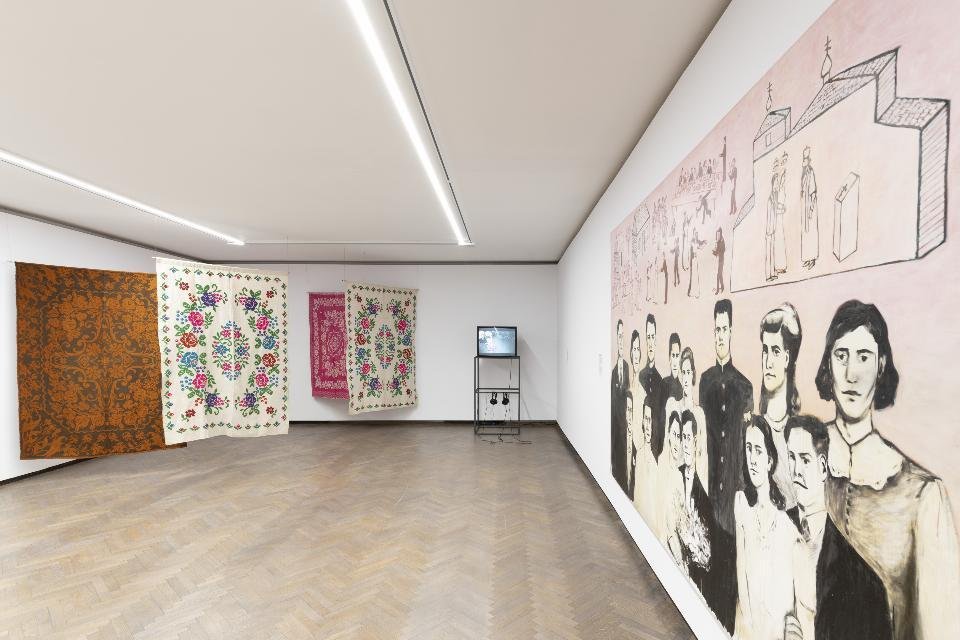
TP-J: Speaking about the region and its complexity — its history, and how it influences identity — this is also part of my story. I organized the exhibition The World Does Not Believe in Tears: Longing and Trauma in the Art of Białystok and Podlasie, which presented artists born and raised in Białystok and Podlasie in the 1980s and 1990s, mostly millennials. Most of them had to move to other cities to study art, and I was interested in how local issues and identity still remain present in their practices.
The show focused on the myths and narratives around the region: multicultural and natural heritage, and the stereotype of Podlasie as an open, multi-ethnic, and beautiful place. But I also wanted to show the contradiction, because besides being beautiful, this region left many traumatic experiences and memories in people who grew up there. After the transformation, many shared values started to erode because of economic changes, populism, gentrification, and migration. These contradictions were told through works of artists from there, often through autobiographical and local stories, and through memories of childhood in the 1990s.
The title comes from a song by Janusz Laskowski, a disco polo singer. The disco polo genre comes from Podlasie as well and is considered low culture, but some songs, like this one, touch on very universal and important subjects. This song is about tears and sorrow — a universal human experience, but also something very relevant to a region that has survived so much trauma and so many tragic events. So that was very important for this project, to try to think through this region and reflect on how being from there is really specific and how we can depict regional identity without repeating old stereotypes.
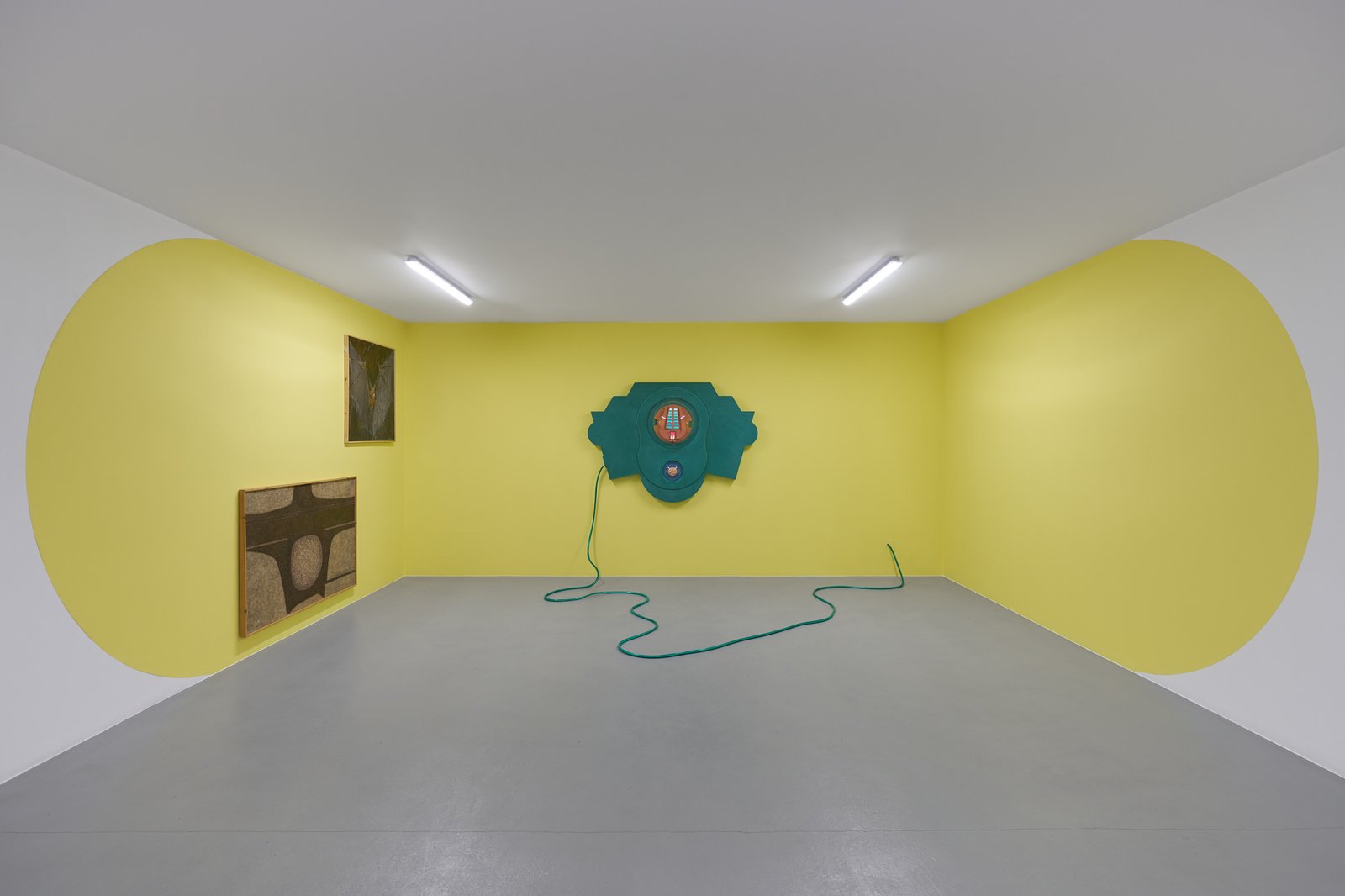
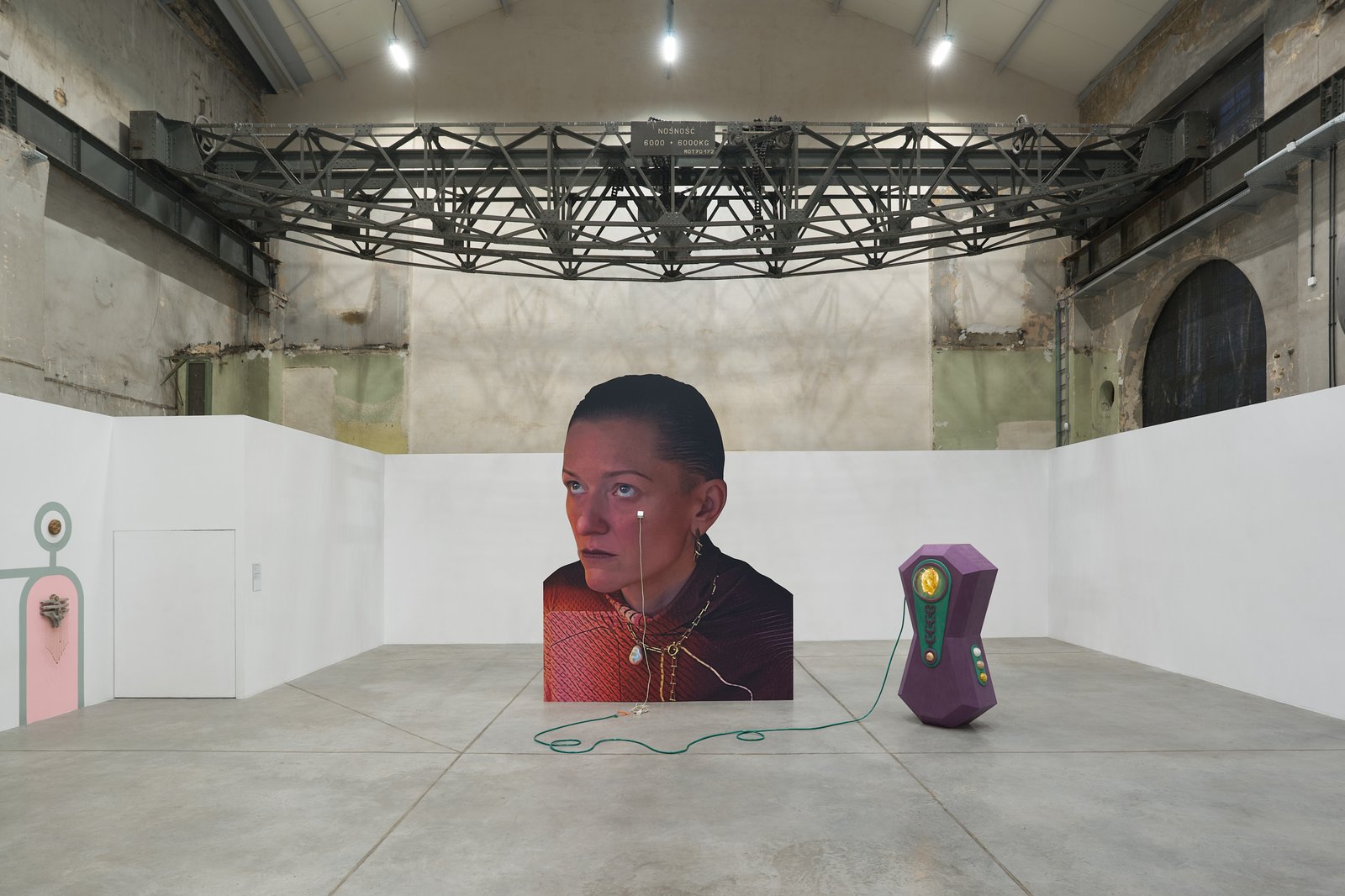
VZ: And the most recent exhibition of Rafał Zajko, which you curated this year, is kind of continuation of The World Does Not Believe in Tears, because Zajko also took part in it, right?
TP-J: Yes. Recently I curated his big monographic show titled Rafał Zajko, Jajko (Rafał Zajko, The Egg Egg) at Galeria Arsenał Elektrownia, in dialogue with works from the gallery’s collection from the 1970s and 1980s. So not the post-transformation collection, but older works by post-war avant-garde artists.
We found many connections between Rafał’s practice — his retro-futuristic topics and approach — and works from this collection. The exhibition was very much about returning to the roots, about Rafał’s autobiography, the autobiography of the institution, and also a kind of rebirth, because jajko means “egg.”
VZ: Could you introduce Rafał Zajko a bit?
TP-J: Rafał grew up in Białystok, and this is very important for his practice. He was raised by his grandparents, who worked at Fasty, a huge textile factory in Białystok — one of the biggest workplaces in the city and very important for its post-war identity. As a child, he spent a lot of time there.
When he was 18, he moved to London, where he later studied art. He first worked with performance, and his practice is still very performative, but recently ceramics have become very important for him. His process is extremely laborious — he works almost like in a factory, six or seven days a week, producing large-scale and very detailed works.
He also works with moving objects and installations, and earlier he used time-based materials like ice, wax, synthetic sweat — materials that melt, transform, or somehow perform. Recently he has been getting a lot of attention in the UK. In 2025, he had his first institutional exhibition there, Spin Off (Focal Point Gallery, Southend-on-Sea) and Jajko / The Egg Egg is in a way a continuation of that project.
VZ: I was surprised to learn that besides the commonly known Collection II, Galeria Arsenał owns some older art works. How did you find out what was there, and how did you make connections with Rafał’s works?
TP-J: Maybe it is not the most representative collection, but I knew there were interesting names in it, partly because in the 1980s Bożena Kowalska had been commissioned to build a collection around important phenomena in Polish painting. There were categories like abstraction, geometry, and metaphor, as well as works connected to the Białowieża plein-airs and local artists.
And I also knew that Rafał, with his interest in utopian ideas, modernism, design, utilitarian art, architectural details, and urban planning, could enter into a strong dialogue with this material. These topics were alive in the 1960s and 1970s and were somehow present in the collection. Rafał also works in series and often uses Roman numerals in titles, just like artists from that period. He is interested in universal symbols, metaphorical representations, mythology, and broader narratives from the history of culture. So we spent a few days in storage researching the collection: paintings, objects, works on paper, everything they had in the archive. And we started discovering crazy connections — the same shapes, similar titles, similar topics, things that looked like quotations, but were completely unintentional.
It was very intuitive. We looked at the collection in relation to Rafał’s practice, but also started to see it all as one story, almost one piece. Sometimes the connection was very direct: form, colour, technique, or topic. Sometimes a work from the collection became a starting point for one of the chapters, because the exhibition was divided into nine chapters. Later Rafał also decided to play with some of the works: to remix them, restage them, and incorporate them into the display. Not to use them as background, but to make them part of this spectacular story of “The Egg” that we invented. I’m really proud of the result.
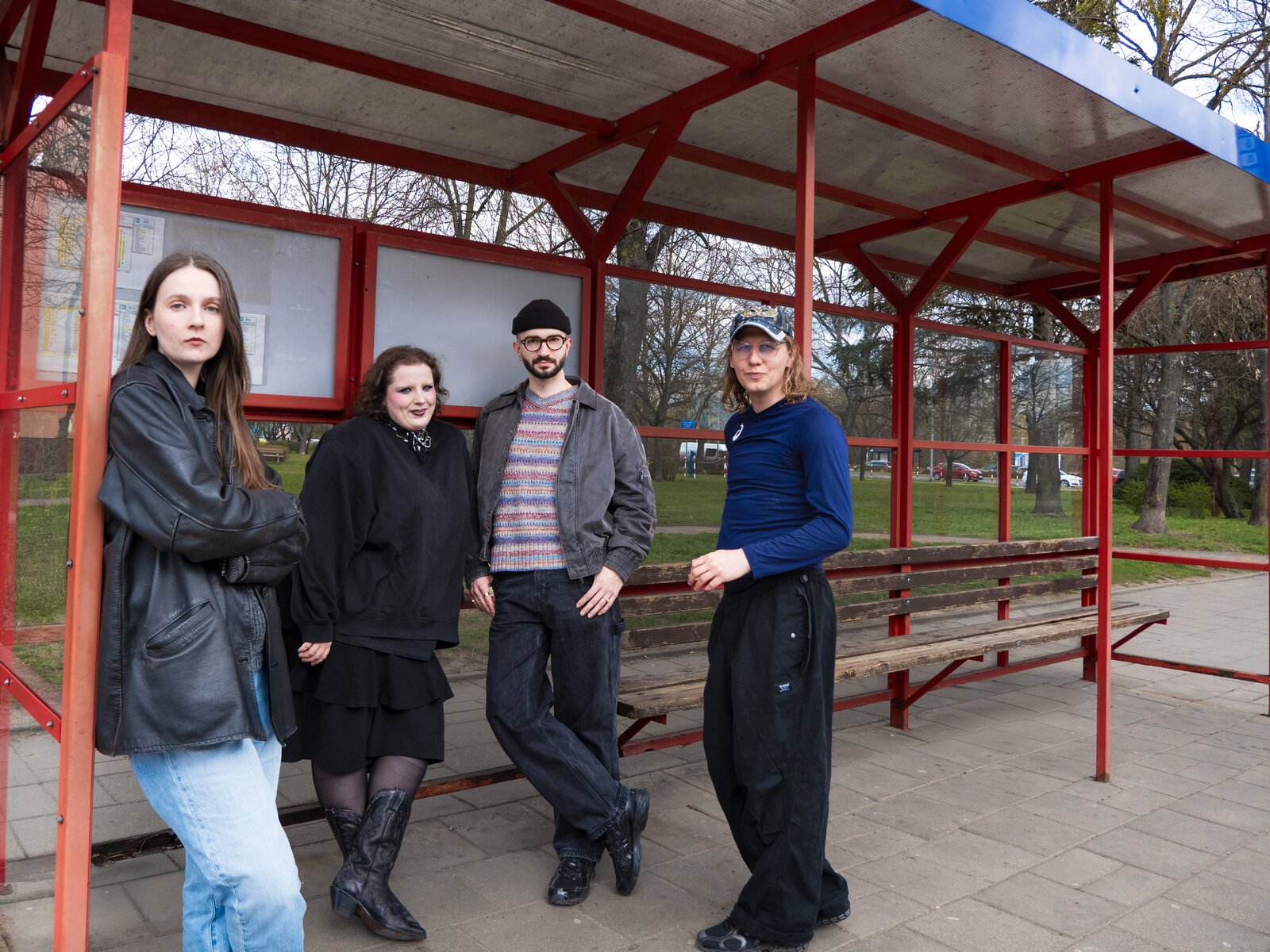
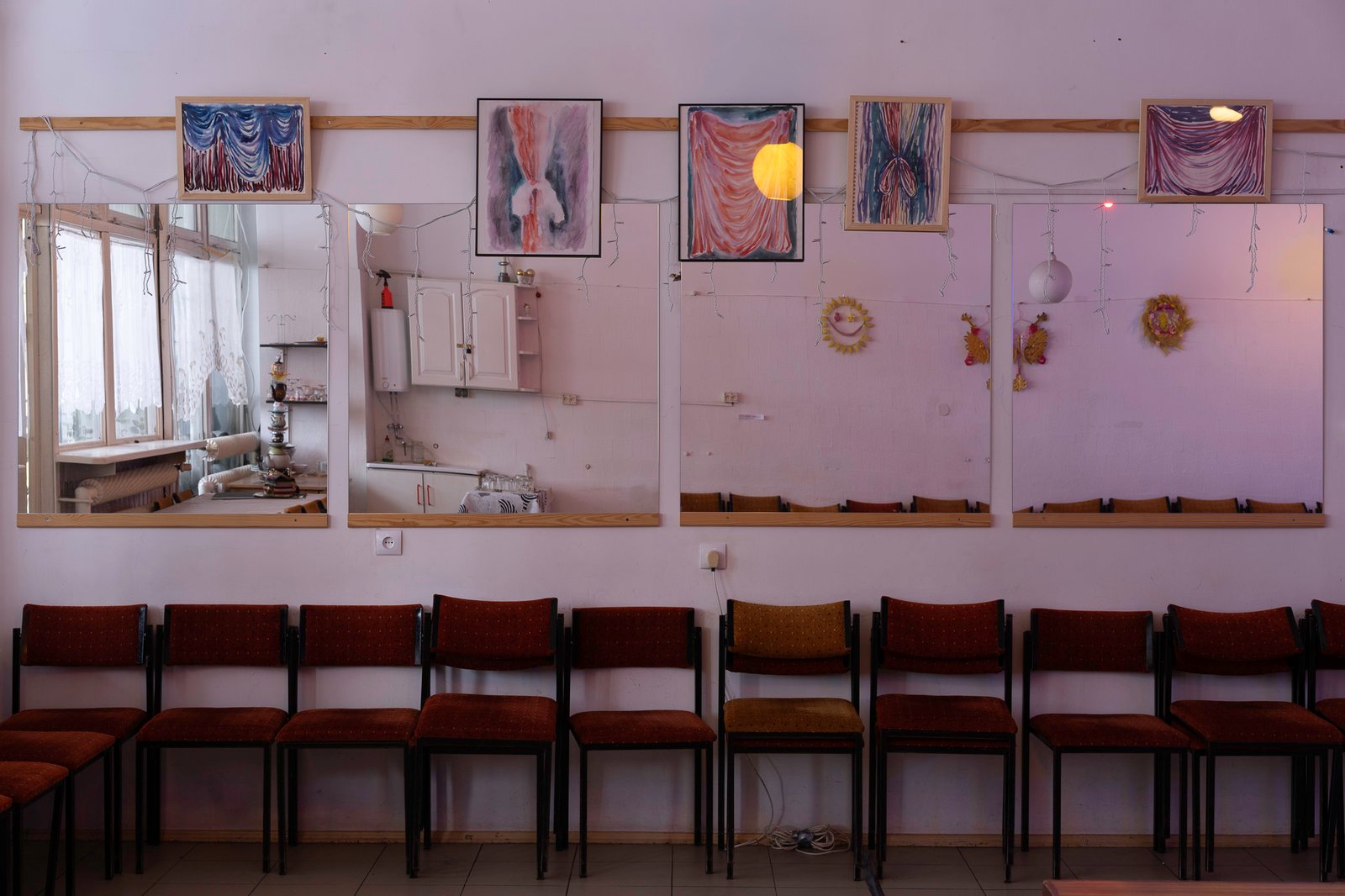
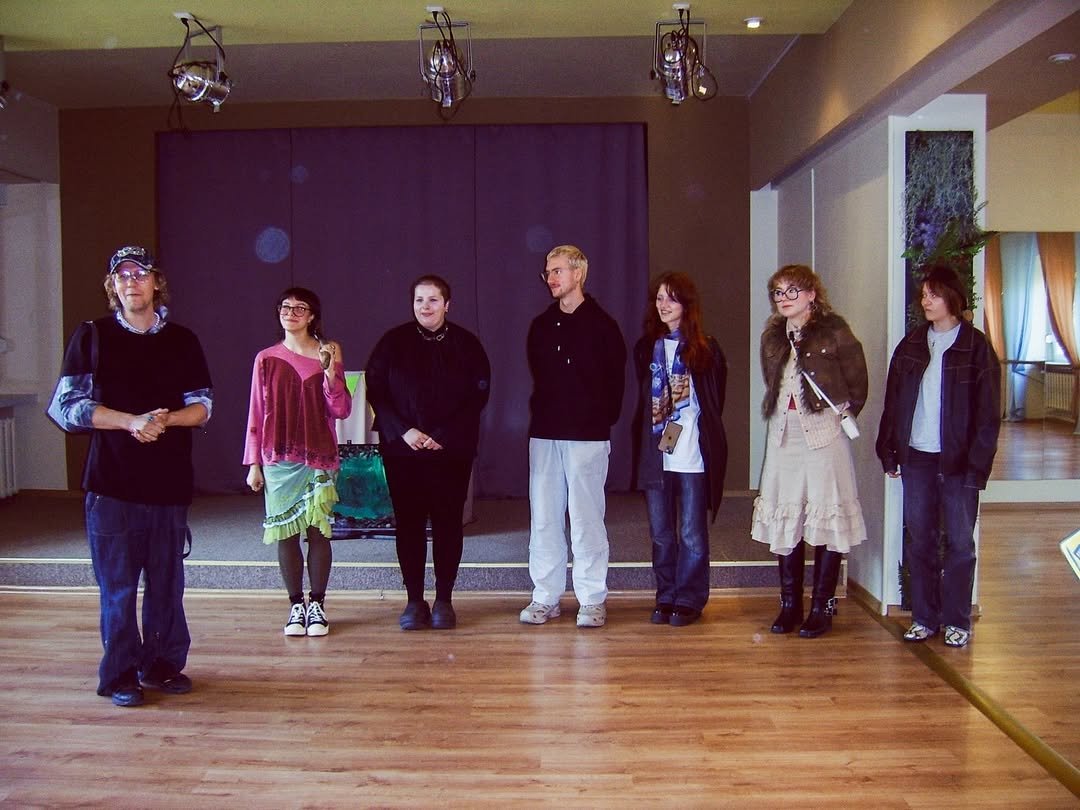
VZ: I like the way you work with “hot topics” such as locality and art history revision. You often bring new names into the field or rediscover forgotten ones, always in connection with local context. It feels very organic, not like a strategy, and I think this really characterises your practice. So maybe let’s talk about Społemfest, which you co-initiated and which seems to be another example of this attitude.
TP-J: Maybe according to the seven-year cycle, 2024 was a crazy year for me. I had a very intense time: many exhibitions, curating jobs, teaching, cooking, everything at once. I felt this pressure that you always have to deliver, be visible, prove that you are not a loser. I was also broke and I don’t know what I was thinking, but I decided to organize an independent art festival in Białystok.
At first, I had this idea to organize an exhibition in Zachęta — as a joke. I live in a housing cooperative, Spółdzielnia Zachęta, on Osiedle Piasta, and in my neighbourhood there is a club called Zachęta. So I thought: I want to make an exhibition in Zachęta.
VZ: Just for context: Zachęta is the National Gallery in Warsaw, and the word can be translated as “encouragement.” But here we are speaking about a community club in a sleeping district.
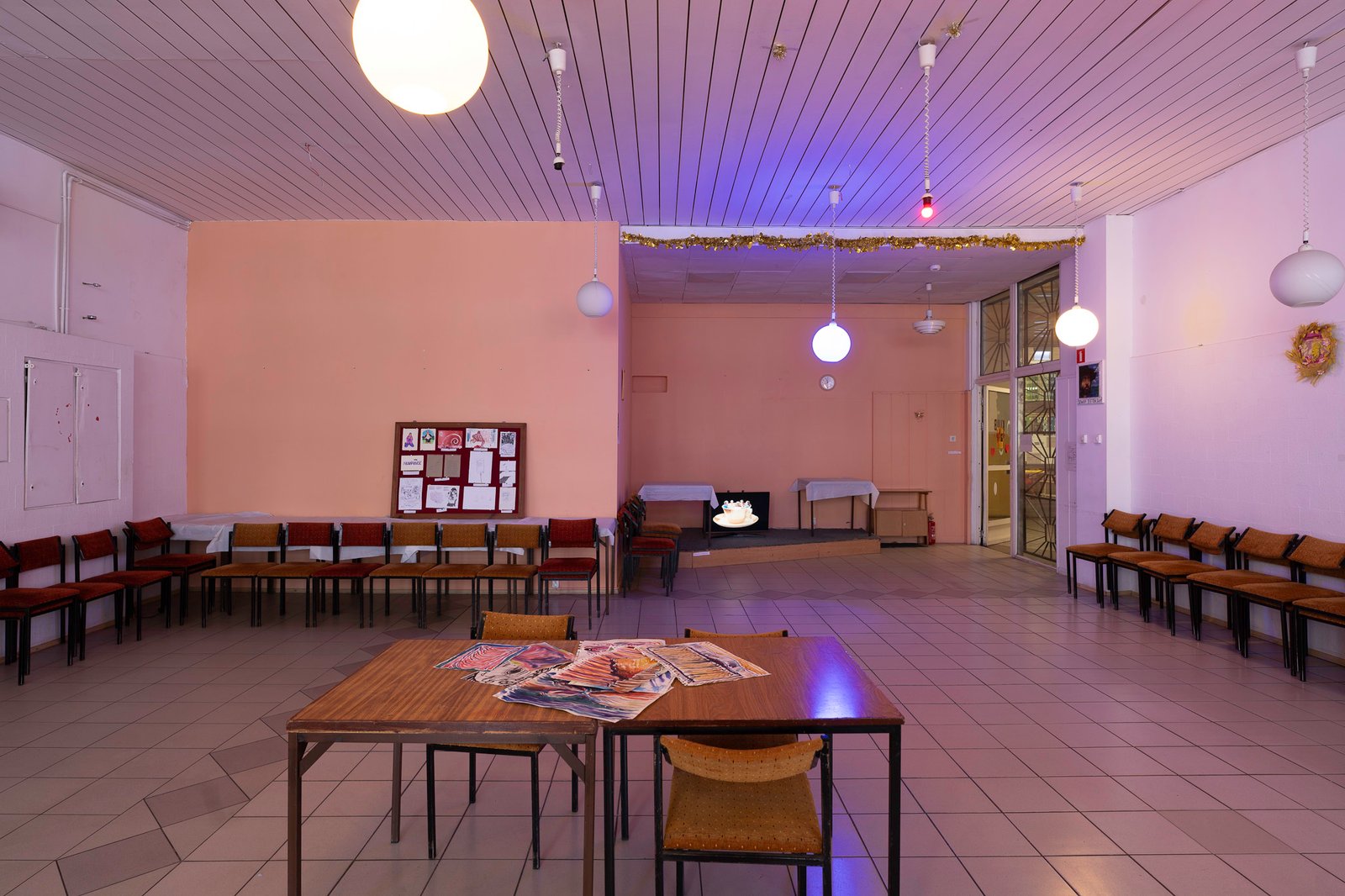
TP-J: Exactly. These are community clubs connected to housing cooperatives with a socialist background. The idea was that a neighborhood should not only have flats, but also shared spaces: a health center, kindergarten, school, library, marketplace, canteen, and a club where residents could organize cultural life. In Białystok, unlike in many other cities, this infrastructure still exists. As a resident, I pay a few złotys every month in my rent for the maintenance of the Zachęta club, so I thought: according to its socialist premise, this place serves the residents — so it is also for me.
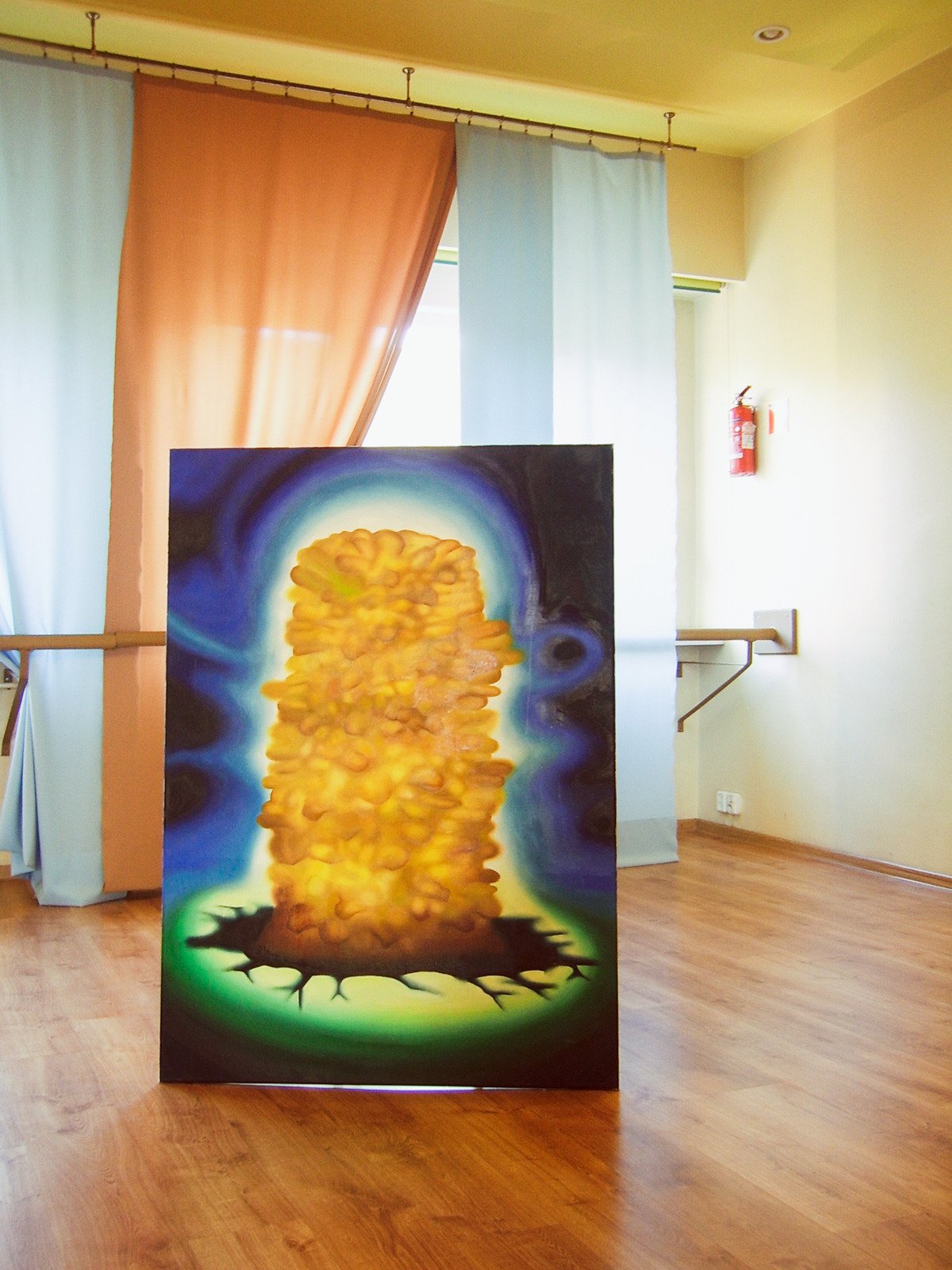
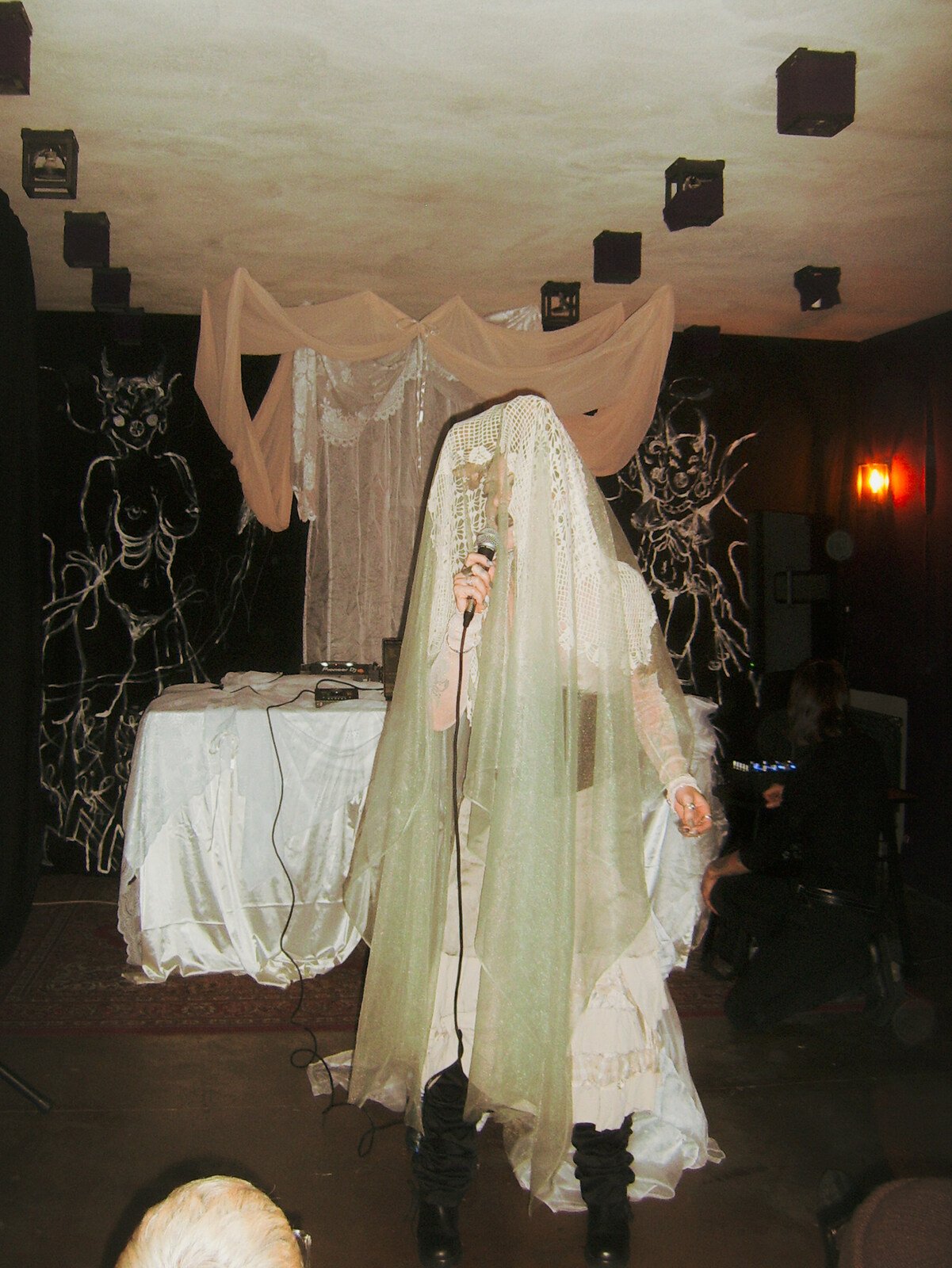
I started researching other clubs in Białystok, visiting them and asking whether we could organize art events there. I became excited and a bit obsessed with these places. The idea grew from one exhibition into a whole festival, which we organized with Aleksandra Demianiuk in October 2024. It was a three-day program with exhibitions, performances, meetings, presentations, and parties.
We were exploring this infrastructure as a common, anti-capitalist space, but also as possible independent art venues outside the established institutions. Some of them are outdated and old-school, but there is something very important there: a common space that does not belong to developers or to the logic of capital.
What was beautiful was the reaction of the women who run these clubs — we call them the club ladies: klubowe. They work with almost no resources, for minimal wages, but with huge hearts. They welcomed us, supported us, and after the first edition they said: please come back. For us, as artists and queer people, it was incredibly heartwarming. It also felt like real allyship, because we were visibly queer and presented queer art and topics, which is not obvious in Białystok.
For the second edition, we started working as a collective of four: me, Aleksandra Demianiuk, Aga Waśkiel, and Julian Kazberuk. We decided not to repeat the festival, because it was too exhausting financially and emotionally. Instead, we created a more sustainable series of exhibitions in different clubs. From May to November, we organized six shows presenting young, mostly Gen Z artists from Białystok and Podlasie, curated by young emerging curators from the region.
For many of them, these were first presentations in their local context, sometimes even first presentations outside the university. So it became a development platform, a way of learning together, gaining experience, and getting to know each other. I had a kind of leadership or mentoring role, but more as someone providing the platform and encouragement.
It was beautiful to see how people were growing through the project, and how we were building a community: with artists, curators, audiences, and the klubowe. People started coming back, supporting us, following what we do. I am really proud of what we achieved, even though it was very intense work. It paid off in connections, shared value, and visibility.
The point was again the urgency to do something non-institutional in Białystok, and to bring these voices and people back to the city. We tried fundraising, we failed, and we still decided to do it. I didn’t need it for my CV — I had already done self-organized projects and collectives before, and now I also work with institutions and big projects. But I needed it in my life, as a way of working with people and growing together. It brings me so much joy.
What is important is that Społemfest also became a kind of collective healing. The 2022 exhibition addressed the trauma connected with regional identity, while here we are addressing collective resilience. We are trying to twist the narrative about this place and bring joy to it — not only traumatic references. It is fully about not giving up on this place.
VZ: I think it is coming back to roots in every sense: creating, healing, and rebuilding.
TP-J: Sorry, I got emotional.
VZ: I know, but this is good. And on this beautiful wave it would be great if you could now speak about the LGBT Zones exhibition.
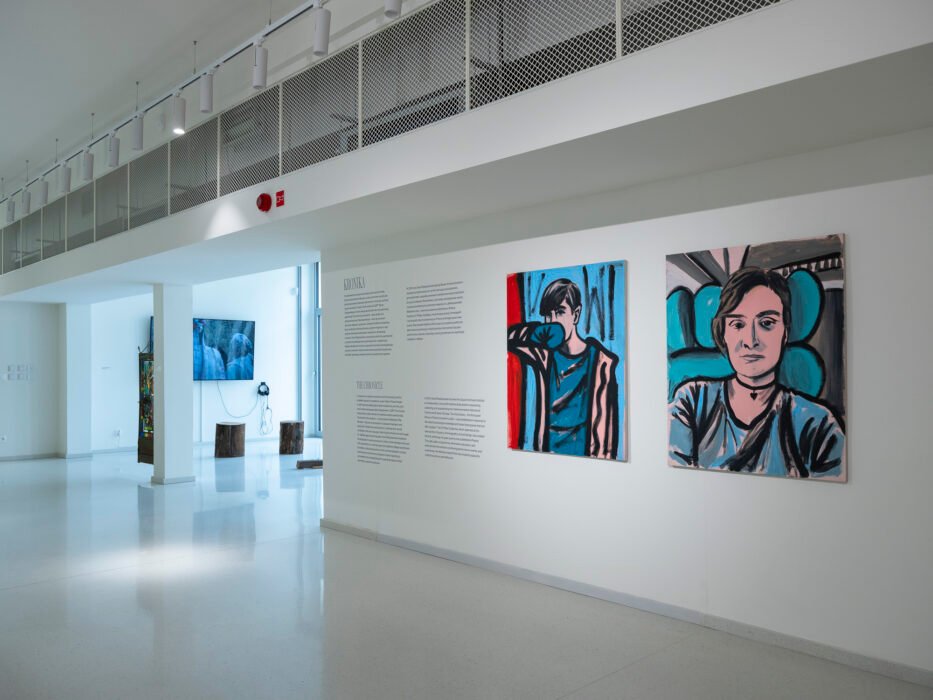
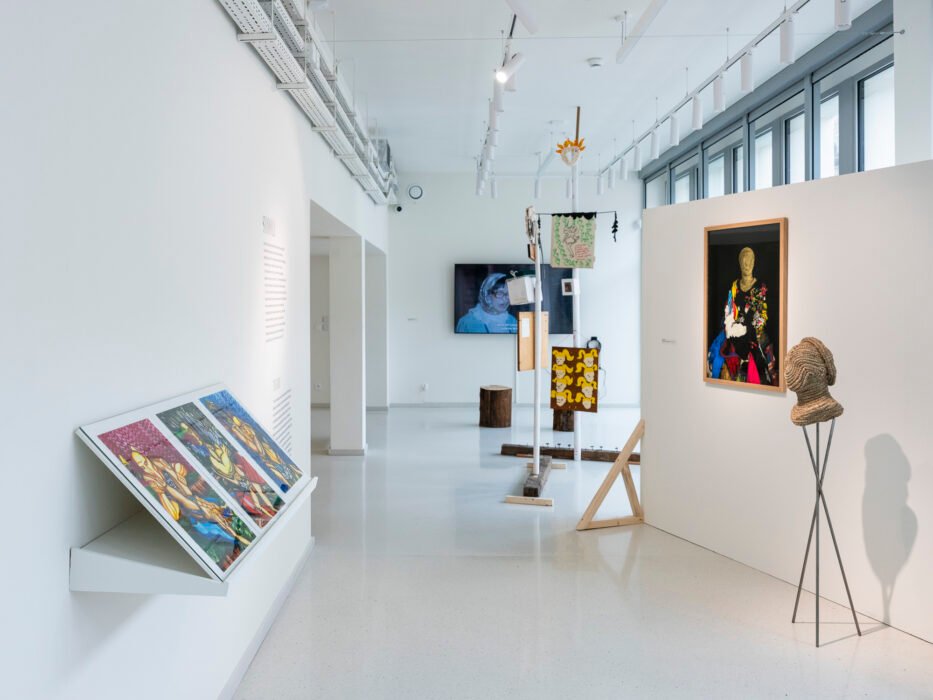
TP-J: LGBT Zones: Queer Arts in Times of Good Change was co-curated by me and Gabi Skrzypczak, with the public program co-curated with Andrzej Pakuła. It took place at GaMA City Gallery in Poznań. The idea came from Gabi, and the starting point was to look at what had happened in queer art in Poland since Ars Homo Erotica, curated by Paweł Leszkowicz at the National Museum in Warsaw in 2010.
Originally, we wanted to cover the period from 2010 to 2025, but because of the space and resources, we focused on the years of right-wing rule, from 2015 to 2023. This period was called the time of “good change” — dobra zmiana — which was the ideological program of the United Right coalition that took over the government and the presidency in 2015. It was a time of conservative backlash, which had a huge influence on public life. It was based on the ideas of traditional values like family, religion, and nationalism. For LGBTQ+ people in Poland, it was especially hard: homophobic propaganda was fueled by the state, the Church, and public media, and LGBTQ+ communities were targeted as public enemies during election campaigns.
Then in 2019 parallel to another presidential elections campaign, came the so-called “LGBT-free zones”: symbolic declarations signed by local governments, mostly in south-eastern Poland, against “LGBT ideology” or “gender ideology.” Even if they were not legal acts directly changing people’s rights, they were terrifying, dehumanising, and in a way fascist.
When we thought about these eight years as a time of severe oppression, and as a period that took the lives of many people, we also noticed that it was a time in which different processes were developing. There was a rise in LGBTQ+ rights activism that emerged as a direct response to violence. It was a civic movement, and it also included acts of allyship. Pride marches started appearing not only in big cities, but also in smaller towns. New organizations were created, networks became stronger, and queer art itself became much more visible. This happened partly on the wave of allyship and anti-government resistance, but also because of global phenomenons and dynamics, also within the art world. Queer art became a topic and was developed further than gay and lesbian studies. This was another important shift that took place during these eight years: a shift in representation, as well as in queer theory, and in finding new languages and categories to express queer identities. The whole discussion around inclusive language, and trans representation also happened during those eight years, which were at the same time such a harsh period.
In the title, we wanted to reclaim the term “LGBT-free zones” and transform it into LGBT Zones. We were interested in how queer artists and communities developed languages of resistance, collective agency, and expression under such difficult political conditions. For us, queer art as political action — and as a form of resisting norms and fascism — was very important. The exhibition and performance program included around twenty-five artists.
VZ: What was the structure of the exhibition?
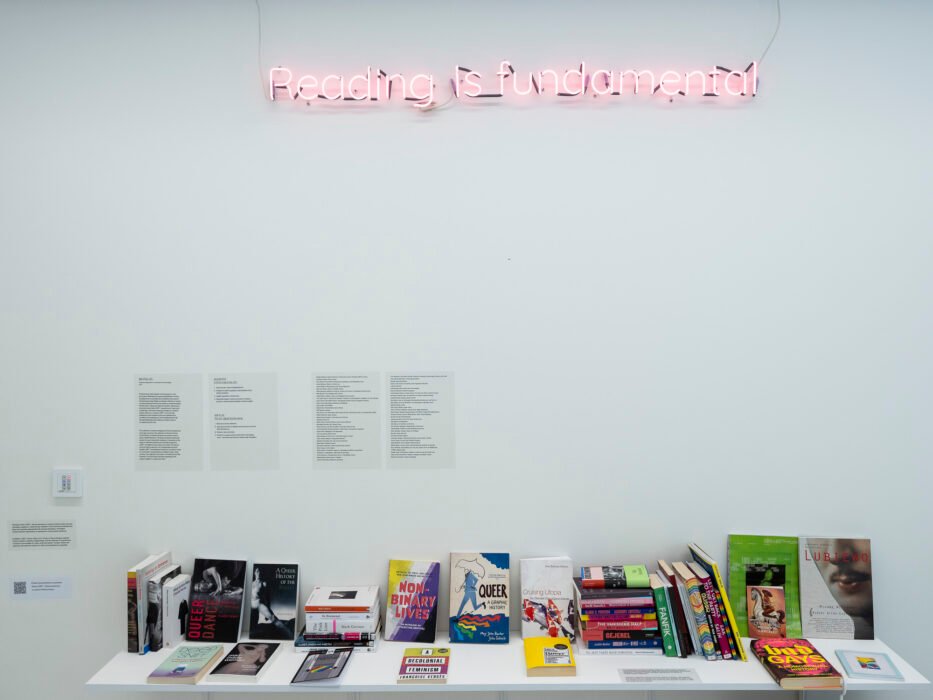
TP-J: We divided it into four chapters. The first one, Chronicle, focused on archives and documenting current social life — direct artistic responses to political events from those years as well as building grassroots structures and queer institutional practices.
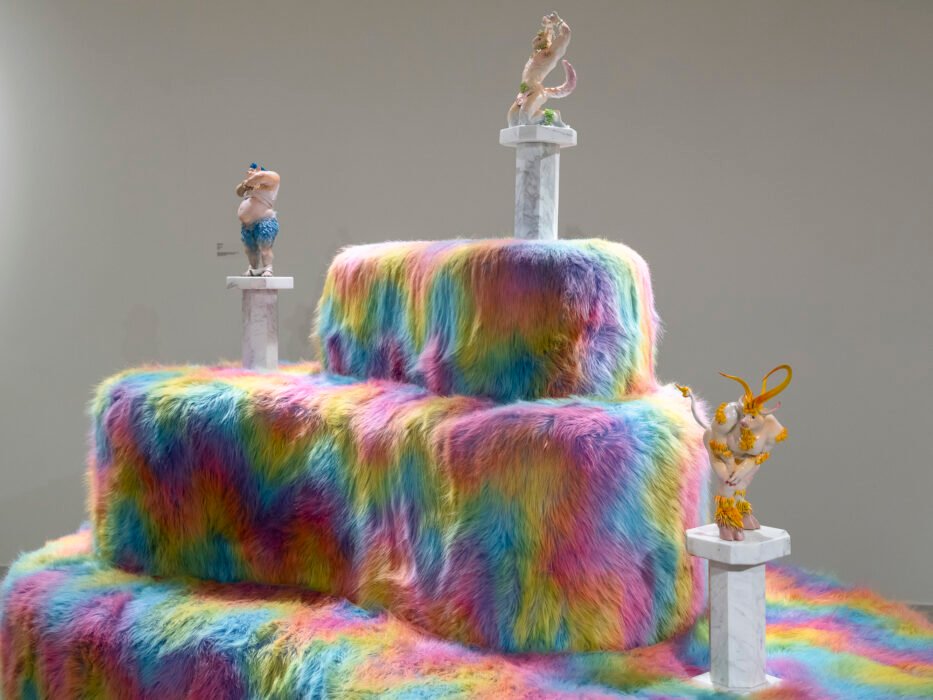
The second chapter, Barn, was a queer take on the ideological program of dobra zmiana: traditional family, countryside, religion, and history. Around 2018, the centenary of Polish independence, there was a huge rise of nationalism and aggressive patriotic rhetoric. Many queer artists were responding to this by reworking categories and symbols deeply engraved in Polish identity — patriotism, religion, history — and reclaiming queer visibility within official narratives. The third chapter, Chamber, was dedicated to the politics of the body, different identities, sexuality, and new languages of queer representation. The fourth part was the performance program, Zone of Movement. We treated performance as perhaps the most queer medium: difficult to define, bodily, unstable, and very important for queer expression and art-making.
Of course, we knew the exhibition could not cover everything. It was not a democratic representation of all queer practices in Poland, but rather a situated archive of those eight years. We were also working on it during another presidential campaign that again targeted LGBTQ+ people, and at a moment when global politics was shifting towards anti-woke and far-right rhetoric. So the exhibition was meant to look at those years from some distance, but not to close them. It was a testimony to resistance and to a struggle that is still ongoing. Queer lives remain political all the time. It did not end with the new government; legally, nothing has really changed. For us, the exhibition was about strategies that we need to continue, maintain, and nurture for the future.
See, I’m getting emotional again.
VZ: Okay, so the last question. In the interview you gave to the Polish magazine SZUM in 2019, you called yourself a visionary. Do you still identify this way, and what are you dreaming about now?
TP-J: Uuu. I don’t really like this question… Well I think that my practice is very much based on intuition, on following urgency, and perhaps that’s what I meant back then. It also reflects my narcissistic side and self-esteem, thanks to which I really believe in what I’m doing… I told you I get emotional when I speak about my projects, because I become deeply involved in the things I produce. They come from people, places, and stories I am personally attached to.
VZ: But you didn’t want to have this question 😉.
TP-J: Yeah. But in a way it is still present in my practice: I always need to find something that I become obsessed with — something relevant, difficult, joyful, or fun — and then I follow it.
Maybe this is not so visionary. Maybe it is also a kind of privilege, because not everyone can work this way. But my dream is to keep having this spark, and to keep having wonderful people around me: a lot of love, a lot of friends, a lot of adventures, plots, and drama — so that my life stays interesting.
VZ: I’m sure it will keep coming true!